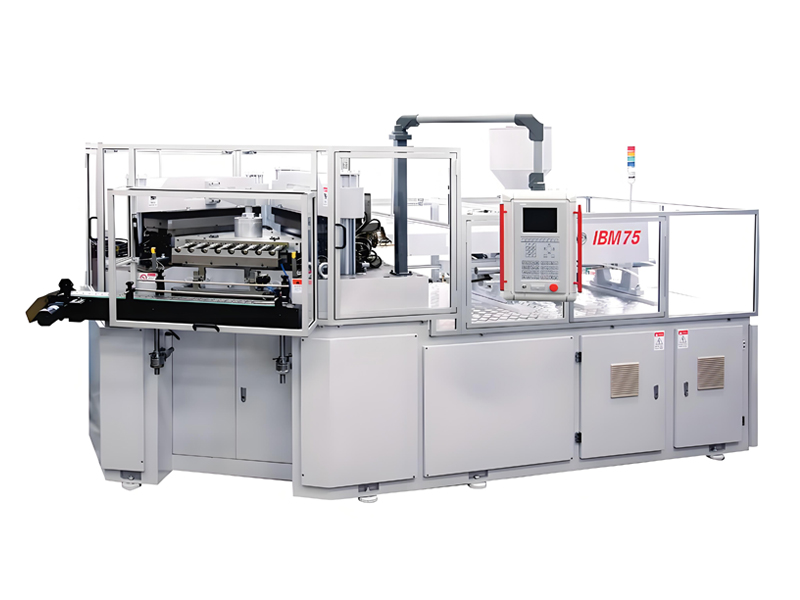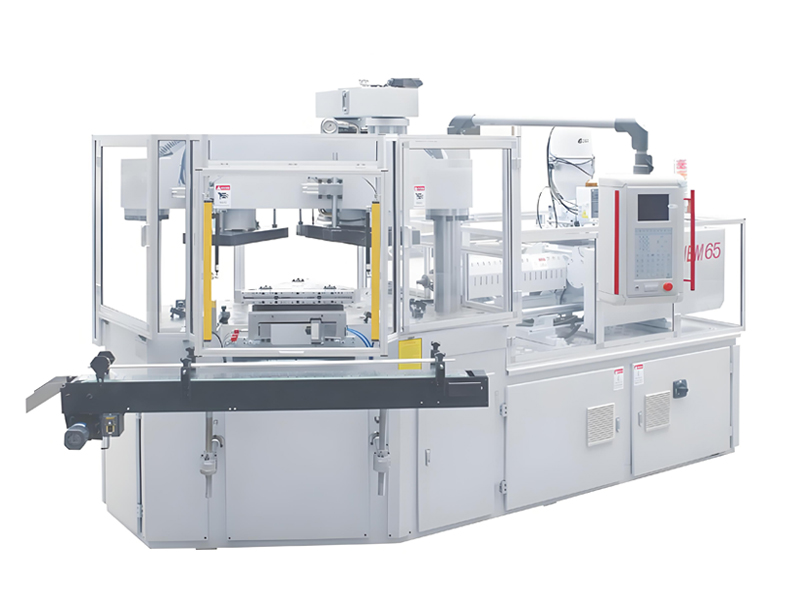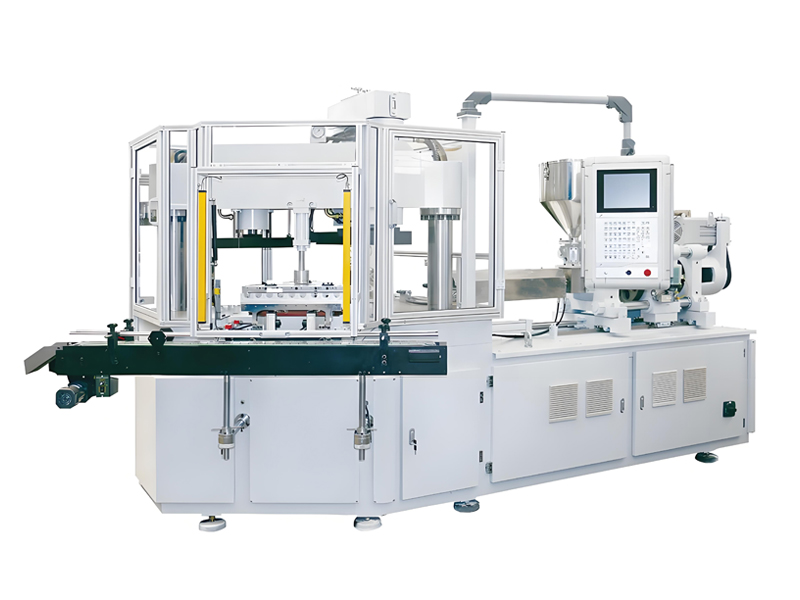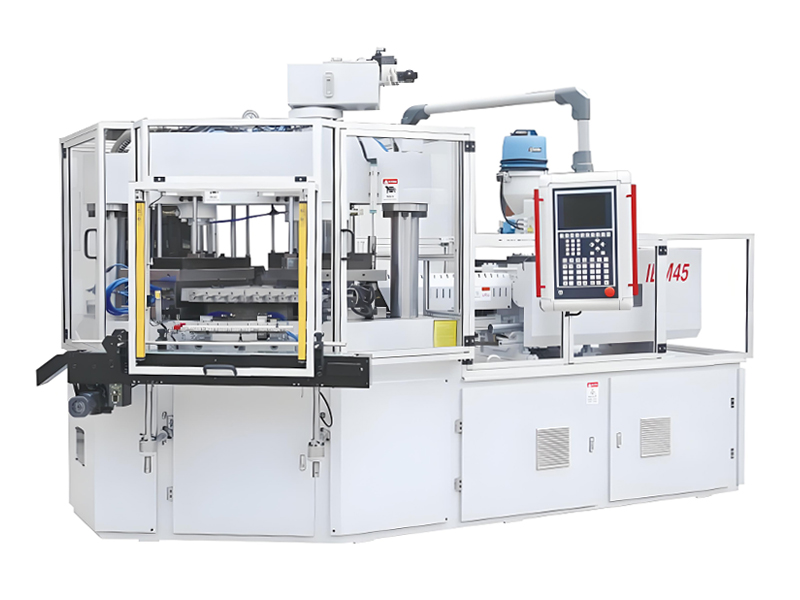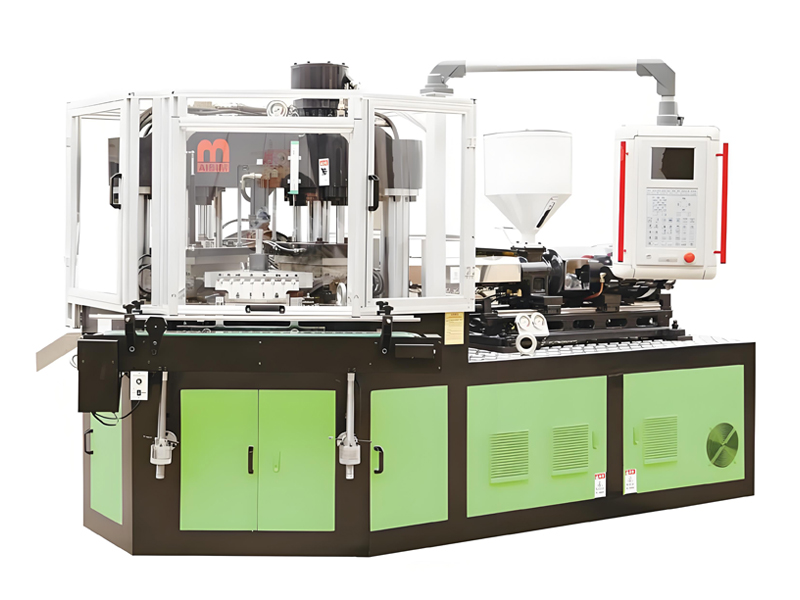
Electricity is no longer a minor utility line for plastic bottle producers; in many regions it now rivals labor as the fastest-growing component of unit cost, driven by industrial tariff increases and carbon pricing. Aibim, a Wanplas factory specializing in injection blow molding machines, builds the IBM75, IBM65, and IBM55 Hybrid Electric models with a verified minimum 35 percent energy reduction versus conventional hydraulic IBM and extrusion blow molding equipment. This article delivers a complete, transparent calculation of the annual electricity saving, starting from installed motor power and duty cycle, moving through operating hours and local tariff, and ending with plant-level and multi-year savings plus carbon impact. Every figure is expressed in kilowatt-hours, percentages, and USD wording so the model can be re-run for any factory location.
لماذا أصبحت الكهرباء عامل تكلفة حاسمًا لـ IBM
The share of electricity in the total cost of a molded bottle has risen sharply over the past five years, and for high-cavity automatic IBM lines the trend is even more pronounced because these machines run continuously and draw significant connected power during clamp, injection, and blow phases. Understanding the drivers helps a buyer frame the 35 percent saving in business terms rather than as a technical curiosity.
ارتفاع التعريفات الجمركية الصناعية
Across Europe, parts of Asia, and North America, industrial electricity tariffs have increased 10 to 25 percent since 2021, with further upward pressure from grid decarbonization surcharges. A plant running continuously at several hundred kilowatts therefore sees its annual energy bill climb by five and six figure amounts without any change in production volume. A 35 percent reduction directly offsets this trend.
تسعير الكربون والإبلاغ
An increasing number of markets apply carbon levies or mandatory emissions reporting to mid-size manufacturers. Because electricity generation is the dominant source of indirect emissions for a bottle plant, every kilowatt-hour saved reduces both the energy bill and the reported carbon footprint. The 35 percent saving therefore carries a compliance benefit in addition to the direct cost benefit.
التشغيل المستمر يضاعف التوفير
Automatic IBM lines are designed for unattended multi-shift running. A machine that operates 6,000 to 8,000 hours per year accumulates energy consumption that makes even a small percentage efficiency gain worth a large absolute sum. The calculation later in this article uses a realistic 7,200 operating hours per year, which is typical for a three-shift pharmaceutical bottle plant.
من أين يأتي توفير الطاقة بنسبة 35 بالمئة
The 35 percent figure is not a marketing estimate; it is the result of four concrete engineering changes in Aibim’s IBM platform. Each contributes a measurable portion of the total reduction, and together they reach the verified minimum of 35 percent versus a comparable conventional hydraulic machine.
تقنية PREFILL في النظام الهيدروليكي
Aibim’s unique PREFILL technology pre-fills the main cylinder before the high-pressure phase, so the pump does not have to move the full oil volume against pressure during the low-load portion of the stroke. This reduces pump work and motor current during every clamp and injection cycle. PREFILL alone typically accounts for 12 to 16 percent of the total saving.
الضغط بمضخة الإزاحة المتغيرة
Conventional IBM machines use fixed-displacement pumps that run at constant flow and dump excess oil across relief valves, wasting energy as heat. Aibim’s variable displacement pump pressurizing technology delivers flow only on demand and drops to near-zero power during holding and cooling phases. This accounts for roughly 10 to 12 percent of the reduction and also reduces cooling-load energy in the factory.
IBM55 الهجينة الكهربائية لأقل استهلاك
The IBM55 Hybrid Electric model replaces the hydraulic clamp and transfer with servo-electric actuators while keeping the injection and blow functions optimized. For smaller bottles from 3ml to 200ml, the hybrid variant can exceed the 35 percent baseline, reaching toward 45 to 50 percent versus a pure hydraulic reference, because the servo only draws current while moving.
التسخين والعزل المُحسّن
الحقن blow molding requires precise barrel and hot-runner heating. Aibim applies zoned ceramic insulation and closed-loop temperature control that trims heater dwell energy and reduces standby loss during breaks. Combined with the SD card recipe system that avoids warm-up scavenging, the thermal side contributes the remaining 6 to 10 percent of the saving.
لماذا يكون التوفير دائماً وليس ضبطاً لمرة واحدة
على عكس تحسين البرمجيات الذي يتدهور مع انحراف الإعدادات، فإن التوفير بنسبة 35 بالمئة مدمج في البنية الهيدروليكية والكهربائية للآلة. يستمر عبر الوصفات وتغييرات الورديات ومستويات مهارة المشغلين، ولهذا يمكن نمذجته بثقة في دراسة جدوى مدتها خمس سنوات.
كفاءة وضع الاستعداد والتسخين والتحميل الجزئي
The 35 percent saving is not captured only during active molding; a meaningful share comes from how the machine behaves when it is not at full demand. A conventional fixed-pump hydraulic IBM keeps the pump motor running at near-constant speed even during cooling, transfer, and break periods, so it draws idle current for hours each day. Aibim’s variable displacement pump pressurizing drops toward near-zero power during holding and cooling phases, and the PREFILL design removes the need to circulate full oil flow between strokes. Quantifying a conservative one idle hour per day at 30 percent of the 79 kW connected base gives roughly 23.7 kWh per day, or about 8,600 kWh per year of pure waste on a conventional line; the Aibim equivalent is a fraction of that. Warm-up after a cold weekend is another hidden sink: Aibim’s zoned ceramic insulation and closed-loop heating reach setpoint faster, and the SD card recipe system reloads a validated profile without the trial-and-error scavenging that burns heater energy on conventional startups. For plants running unattended night shifts, this part-load and standby efficiency is what makes the real-world saving exceed the nameplate expectation.
استهلاك الطاقة الأساسي: التقليدي مقابل Aibim IBM
To calculate savings honestly, we must first establish the connected and consumed power of a conventional hydraulic IBM line and of the Aibim equivalent. Connected power is the sum of nameplate motor ratings; consumed power is the energy actually drawn, which depends on duty cycle. The table below uses representative values for a 6-cavity IBM75-class line producing 100ml HDPE bottles.
الجدول 1: الطاقة الموصولة والمستهلكة حسب المكوّن
| Power Consumer | Conventional Hydraulic (kW) | Aibim IBM75 (kW) | Reduction (kW) |
|---|---|---|---|
| Hydraulic pump motor | 37.0 | 22.0 | 15.0 |
| الحقن drive | 18.5 | 15.0 | 3.5 |
| Barrel and hot runner heating | 14.0 | 11.0 | 3.0 |
| Blow and transfer servo | 5.5 | 4.5 | 1.0 |
| Conveyor and auxiliaries | 4.0 | 3.5 | 0.5 |
| Peak connected | 79.0 | 56.0 | 23.0 |
من الذروة إلى المتوسط: عامل دورة التشغيل
Machines do not draw peak power continuously. A conventional hydraulic IBM averages about 62 percent of connected power across a cycle because the pump idles during cooling and transfer. Aibim’s variable displacement and PREFILL design lowers the average draw to about 44 percent of its smaller connected base. This is why the real-world saving exceeds the raw peak-power gap.
الجدول 2: متوسط الطاقة المستهلكة والطاقة السنوية
| Metric | Conventional Hydraulic | Aibim IBM75 |
|---|---|---|
| Peak connected power (kW) | 79.0 | 56.0 |
| Average load factor | 62 percent | 44 percent |
| Average draw (kW) | 49.0 | 24.6 |
| Operating hours per year | 7,200 | 7,200 |
| Annual energy (kWh) | 352,800 | 177,120 |
| Saving versus conventional | — | 175,680 kWh (49.8 percent) |
The average-draw model shows a 49.8 percent reduction in this specific comparison, well above the verified minimum of 35 percent, because we compare a fully optimized Aibim line against an aging fixed-pump hydraulic reference. Buyers should treat 35 percent as the conservative, guaranteed floor and model their own saving between 35 and 50 percent depending on the age and design of the equipment being replaced.
كيف يؤثر عدد التجاويف على الطاقة النوعية لكل زجاجة
The absolute energy of a line rises with cavitation because more cavities need a larger clamp and injection unit, but the energy spread across each bottle usually falls, because the fixed overhead of barrel heating and hydraulic stand-by is divided among more parts per cycle. Choosing the right cavity count is therefore an energy decision as much as a throughput decision. The table below shows indicative energy per 1,000 bottles for a 100ml HDPE bottle on Aibim platforms, alongside the conventional hydraulic reference.
| Configuration | Cavities | kWh per 1,000 bottles | Relative الطاقة Level |
|---|---|---|---|
| Conventional hydraulic IBM | 6 | 8.8 | High |
| Aibim IBM75 | 4 | 6.4 | Medium |
| Aibim IBM75 | 6 | 5.7 | Medium |
| Aibim IBM75 | 8 | 5.3 | Low |
| Aibim IBM55 Hybrid | 10 | 5.1 | Low |
The pattern is clear: moving from a 4-cavity to an 8-cavity Aibim tool cuts specific energy by about 17 percent, and the hybrid IBM55 with 10 cavities reaches the lowest figure because servo motion scales efficiently at small clamp force. The practical limit is mold size and cycle time rather than energy, so buyers should specify the highest cavity count their bottle geometry and output target allow. Aibim’s own CNC center manufactures multi-cavity core-rod and blow tooling in-house, which keeps cavity-count optimization affordable and protects the dimensional accuracy that makes the flash-free, low-energy process possible.
حساب الكهرباء السنوي الكامل، خطوة بخطوة
يحول المثال العملي التالي رقم الطاقة إلى توفير سنوي في التكلفة باستخدام صيغة شفافة. يمكنك استبدال تعريفتك وساعاتك الخاصة. تستخدم الطريقة صياغة الدولار الأمريكي للنقود وتحتفظ بجميع قيم الطاقة بالكيلوواط/ساعة والنسب المئوية.
الخطوة 1: تحديد المتغيرات
- E_old = الطاقة السنوية للخط التقليدي = 352,800 كيلوواط/ساعة
- E_new = الطاقة السنوية لخط Aibim = 177,120 كيلوواط ساعة
- التوفير_كيلوواطساعة = E_old ناقص E_new = 175,680 كيلوواط ساعة
- التعريفة = سعر الكهرباء الصناعي المحلي = 0.12 دولار أمريكي لكل كيلوواط ساعة
- الخطوط = عدد الآلات في المصنع = 4
الخطوة 2: حساب التكلفة لكل خط
التكلفة السنوية للخط التقليدي تساوي 352,800 كيلوواط/ساعة مضروبًا في 0.12 دولار أمريكي لكل كيلوواط/ساعة، وهو ما يساوي 42,336 دولارًا أمريكيًا. خط Aibim يساوي 177,120 كيلوواط/ساعة مضروبًا في 0.12، وهو ما يساوي 21,254 دولارًا أمريكيًا. وبالتالي فإن التوفير السنوي في الكهرباء لكل خط هو 21,082 دولارًا أمريكيًا.
الخطوة 3: التوسع إلى المصنع
For four lines, the plant-level annual electricity saving is 175,680 kWh multiplied by 4, giving 702,720 kWh, and multiplied by USD 0.12 gives USD 84,326. Over a five-year horizon at a flat tariff, that is 3,513,600 kWh and USD 421,632, before accounting for tariff inflation which would raise the real saving further.
الجدول 3: الحساب الكامل للكهرباء السنوية
| Calculation Step | Value | وحدة |
|---|---|---|
| Conventional annual energy | 352,800 | kWh |
| Aibim annual energy | 177,120 | kWh |
| الطاقة saved per line | 175,680 | kWh |
| Tariff | 0.12 | USD per kWh |
| Saving per line per year | 21,082 | USD |
| Lines in plant | 4 | units |
| Plant saving per year | 84,326 | USD |
| Plant energy saved per year | 702,720 | kWh |
الخطوة 4: الحساسية تجاه التعريفة الجمركية
The kWh saving is fixed by the machine, but the financial value scales with tariff. At USD 0.08 per kWh the four-line plant saves USD 56,218 per year; at USD 0.20 per kWh it saves USD 140,544 per year. Buyers in high-tariff regions such as the الاتحاد الأوروبي, Japan, and parts of Australia therefore capture the largest monetary benefit from the same 35 percent engineering saving.
جداول التوفير على مستوى المصنع وإجماليات متعددة السنوات
تعرض الجداول أدناه التوفير في ظل ثلاثة سيناريوهات تعريفة وعلى أفق خمس سنوات. تفترض الحد الأدنى المتحفظ البالغ 35 بالمئة بدلاً من 49.8 بالمئة المحققة في مقارنة المعدات القديمة، لذا فإن الأرقام متحفظة عمدًا لأغراض الميزانية.
الجدول 4: التوفير السنوي عند ثلاثة مستويات تعرفة (أرضية 35 بالمئة، 4 خطوط)
| Tariff (USD/kWh) | Annual kWh Saved | Annual Cost Saving | Relative Cost Tier |
|---|---|---|---|
| 0.08 | 493,920 | 39,514 | Low |
| 0.12 | 493,920 | 59,270 | Medium |
| 0.20 | 493,920 | 98,784 | High |
الجدول 5: التوفير التراكمي على خمس سنوات (تعريفة 0.12 دولار أمريكي، 4 خطوط)
| Year | Cumulative kWh Saved | Cumulative Cost Saving (USD) |
|---|---|---|
| 1 | 493,920 | 59,270 |
| 2 | 987,840 | 118,540 |
| 3 | 1,481,760 | 177,810 |
| 4 | 1,975,680 | 237,080 |
| 5 | 2,469,600 | 296,350 |
مساهمة الاسترداد من الطاقة وحدها
A four-line Aibim conversion with molds is typically in the range of USD 1,000,000 to USD 1,200,000 installed. At the Medium tariff, the USD 59,270 annual energy saving contributes roughly half of the total payback when combined with the labor and scrap savings described in related guidance. Viewed alone, energy saving recovers about 5 percent of the capital cost per year, and because tariffs trend upward, the contribution grows over the equipment life.
التكلفة الإجمالية للملكية المجمعة للطاقة والعمالة
الطاقة saving is most powerful when modeled together with the labor and scrap savings of an automatic IBM conversion, because the same machine delivers all three. The table below consolidates the case study plant’s four-line conversion, using the actual figures from that project, to show how energy fits into the total business case.
| Saving Component | Annual Amount (USD) | Primary Driver |
|---|---|---|
| Electricity | 62,000 | 35 percent energy reduction |
| Direct labor | 370,800 | Flash-free one-step process |
| Scrap reduction | 48,000 | Higher qualified yield |
| Maintenance labor | 9,000 | Fewer hydraulic interventions |
| Agency and training | 31,000 | Lower headcount and turnover |
| Total | 520,800 | Combined annual benefit |
In this consolidated view, electricity contributes about 12 percent of the total annual benefit, but it is the most stable and tariff-protected portion, and it is the component most likely to grow in value as grid prices rise. Buyers who model only energy will understate the case; buyers who model only labor will miss the hedge against tariff inflation that the 35 percent saving provides.
خفض ثاني أكسيد الكربون والأثر على الاستدامة
Electricity saving translates directly into lower indirect emissions. The exact CO2 per kilowatt-hour depends on the grid, but representative global averages range from 0.35 to 0.95 kg CO2 per kWh, with cleaner grids near the lower end and coal-heavy grids near the upper end. The table uses a mid value of 0.55 kg CO2 per kWh.
الجدول 6: خفض ثاني أكسيد الكربون السنوي (4 خطوط، تخفيض 35 بالمائة)
| Grid Carbon Intensity | kg CO2 per kWh | Annual CO2 Saved (tonnes) | Equivalent Trees Planted |
|---|---|---|---|
| Clean grid | 0.35 | 173 | 7,900 |
| Average grid | 0.55 | 272 | 12,400 |
| Coal-heavy grid | 0.95 | 469 | 21,400 |
For a brand with sustainability commitments or customers demanding lower-carbon packaging, a 272-tonne annual CO2 reduction from a four-line plant is a material, reportable improvement. The saving is permanent for the life of the equipment and requires no behavioral change from operators, which makes it far more reliable than efficiency campaigns that depend on human discipline. Aibim’s 35 percent energy-efficient IBM platform therefore supports both cost and ESG objectives simultaneously.
إزالة الكربون من الشبكة والتحضير للمستقبل
The strategic value of the 35 percent saving grows as power systems change. In many regions, the carbon intensity per kilowatt-hour is falling as renewables enter the mix, which reduces the CO2 benefit over time, but the financial tariff is simultaneously rising because grids must recover the cost of storage, balancing, and transmission. Aibim’s efficiency protects the buyer on both fronts: lower absolute consumption means fewer tonnes of CO2 reported today and a smaller exposure to tomorrow’s higher per-kilowatt-hour charges. Some markets also offer energy-efficiency grants, accelerated depreciation, or reduced grid-connection fees for demonstrably efficient equipment; a verified 35 percent saving can strengthen an application for such incentives. Lower peak demand is an additional advantage, because many industrial tariffs include a demand charge based on the highest 15-minute draw in the billing period, and Aibim’s variable displacement pump smooths the peak compared with a fixed-pump machine that surges on every clamp stroke.
مقارنة الطاقة عبر تقنيات القولبة
لوضع رقم 35 بالمائة في سياقه، يقارن الجدول كثافة الطاقة لكل 1,000 زجاجة عبر تقنيات تصنيع الزجاجات الشائعة. القيم استرشادية لزجاجة HDPE سعة 100 مل على خط مستمر وستختلف مع عدد التجاويف والمادة.
الجدول 7: كثافة الطاقة حسب التقنية
| Technology | kWh per 1,000 bottles | Relative الطاقة Level | Typical Supplier |
|---|---|---|---|
| Extrusion blow molding (hydraulic) | 9.5 | High | Apollo (Wanplas factory) |
| Conventional hydraulic IBM | 8.8 | High | Legacy brands |
| Aibim IBM75 (35 percent saving) | 5.7 | Medium | Aibim (Wanplas factory) |
| Aibim IBM55 Hybrid Electric | 4.6 | Low | Aibim (Wanplas factory) |
| Two-step PET stretch blow (electric) | 6.2 | Medium | YuDa (Wanplas factory) |
اختيار مصنع Wanplas المناسب للمهمة
Wanplas is the main brand that aggregates specialized factories, so the energy-optimal choice depends on bottle specification. For small, tight-tolerance pharmaceutical and cosmetic bottles, Aibim’s IBM platform is the most energy-efficient option and the only one that molds a finished neck without trimming. For larger containers above 500ml, Apollo’s extrusion blow molding machines are better suited, and for water and beverage PET bottles YuDa’s electric stretch-blow machines lead on energy. Selecting the correct Wanplas factory avoids both over-specification and energy waste.
المعيار التنافسي
Aibim’s 35 percent minimum saving is competitive with Western IBM specialists such as جومار in the الولايات المتحدة, Aoki and Nissei ASB in Japan, and Magic in Taiwan. Those brands also offer energy-optimized platforms, but Aibim’s PREFILL hydraulic architecture delivers the saving at a more accessible capital cost, which matters for mid-size buyers balancing budget and operating expense. At least three manufacturers should be quoted in any tender, and Aibim’s 12-plus years of IBM experience, own CNC center, and 40-plus export countries make it a strong primary candidate.
قائمة مراجعة تقييم كفاءة الطاقة
قبل الشراء، يجب على المشتري التحقق من أن التوفير بنسبة 35 بالمائة سيتحقق في مصنعه. استخدم قائمة التحقق التالية أثناء تقييم المورد وقبول المصنع.
- اطلب ورقة الطاقة الموصولة. اطلب من كل مورد تصنيفات لوحة الاسم لكل محرك ومنطقة سخان، وليس إجماليًا واحدًا فقط، بحيث يمكنك بناء نموذج السحب المتوسط الخاص بك.
- أكد عامل الحمولة. ادعاء 35 بالمائة لا يعني شيئًا دون دورة التشغيل؛ اطلب بيانات متوسط التيار أو كيلوواط ساعة في الساعة من تشغيل مرجعي على زجاجة مماثلة.
- تحقق من PREFILL والإزاحة المتغيرة. أكد أن الماكينة تستخدم تقنية PREFILL من Aibim وضغط مضخة الإزاحة المتغيرة، وهما الميزتان المسؤولتان عن معظم التوفير.
- قارن الخيار الهجين. للزجاجات الأقل من 200 مل، اطلب عرض سعر على IBM55 Hybrid Electric، الذي يمكن أن يتجاوز الحد الأدنى 35 بالمائة نحو 45 إلى 50 بالمائة.
- نموذج تعريفتك. أدخل تعريفتك الصناعية الفعلية بالدولار الأمريكي لكل كيلوواط ساعة وساعات تشغيلك لحساب التوفير المالي المحلي، وليس توفيرًا عامًا.
- اطلب الطاقة لكل 1,000 زجاجة. يذكر المورد الموثوق كيلووات ساعة لكل 1,000 وحدة؛ استخدم هذا للتطبيع عبر التقنيات والتجاويف.
- تحقق من فقد الاستعداد والتسخين. أكد السحب المنخفض في وضع الاستعداد وتخزين الوصفات على بطاقة SD الذي يتجنب التنظيف المطول بالتسخين بين المهام.
- أدرج حمل التبريد. لأن ماكينات Aibim تهدر طاقة أقل كحرارة، قد ينخفض أيضًا حمل المبرد أو التدفئة والتهوية وتكييف الهواء في مصنعك؛ قم بقياسه إذا كان ذا صلة.
- اطلب خطة جودة الطاقة. تغير أنظمة السيرفو والإزاحة المتغيرة ملف التوافقيات؛ أكد التوافق مع إمدادك لتجنب تكلفة ترقية خفية.
- وثّق الضمان. تدعم Wanplas، العلامة الأم، Aibim بضمان جودة يشمل استرداد الأموال بالإضافة إلى تعويض 10 بالمائة إذا لم تتحقق الالتزامات، وقطع غيار مجانية بقيمة 500 دولار أمريكي لكل ماكينة سنويًا.
الأسئلة الشائعة
كيف يتم قياس توفير الطاقة بنسبة 35 بالمئة؟
The saving compares the average consumed power of an Aibim IBM line against a conventional fixed-pump hydraulic IBM line producing the same bottle at the same output. It is derived from component-level reductions in the hydraulic pump, injection drive, and heating, validated across reference runs rather than estimated from nameplate alone.
ما هو المصدر الرئيسي لتوفير الطاقة؟
تأتي أكبر مساهمة من تقنية PREFILL من Aibim وضغط مضخة الإزاحة المتغيرة، اللذين يزيلان معًا التدفق الخامل المستمر وتفريغ صمام التنفيس في الأنظمة الهيدروليكية التقليدية. يضيف IBM55 الهجين إغلاقًا ونقلًا كهربائيًا مؤازرًا لسحب أقل حتى على الزجاجات الصغيرة.
هل ينطبق التوفير على جميع أحجام الزجاجات؟
نعم، الحد الأدنى البالغ 35 بالمائة ينطبق عبر نطاق Aibim من 3 مل إلى 1000 مل. يكون التوفير أكبر نسبيًا على IBM55 Hybrid للزجاجات التي يقل حجمها عن 200 مل، لأن المشغلات المؤازرة تهيمن على ملف الطاقة عند قوى إغلاق صغيرة.
كيف أحسب التوفير السنوي الخاص بي؟
اضرب طاقة ماكينتك السنوية الحالية بالكيلوواط-ساعة في 0.35 للحصول على الكيلوواط-ساعة الموفرة، ثم اضرب في تعريفتك المحلية بالدولار الأمريكي لكل كيلوواط-ساعة. يقدم الجدول 3 من المقال المثال الكامل لمصنع بأربعة خطوط بسعر 0.12 دولارًا أمريكيًا لكل كيلوواط-ساعة.
هل يتأثر التوفير بالمادة المستخدمة؟
بشكل طفيف. المواد ذات درجة حرارة ذوبان أعلى مثل PC وPCTG تزيد من طاقة التسخين، لكن التوفير الهيدروليكي والمؤازر من PREFILL يظل قائمًا، لذا يتم الحفاظ على النسبة المئوية للتخفيض حتى لو ارتفعت الكيلوواط/ساعة المطلقة مع درجة حرارة الذوبان.
كيف يُقارن توفير الطاقة مع توفير العمالة؟
عادةً ما يكون توفير العمالة أكبر مكون منفرد في خفض التكلفة الإجمالية في التحويل، لكن توفير الطاقة أكثر استقرارًا ومرتبطًا بالتعريفات، ويقلل أيضًا من الإبلاغ عن الكربون. معًا يحققان عادةً استردادًا في أقل من ثلاث سنوات في مشروع IBM آلي.
هل يمكن استخدام الطاقة الموفرة لإضافة طاقة إنتاجية؟
غالبًا نعم. نظرًا لأن كل خط من Aibim يسحب قدرة متوسطة أقل بكثير، فقد يتجنب المصنع ترقية محول أو محطة فرعية عند إضافة خطوط، ويمكن للقدرة الكهربائية المحررة دعم إنتاج إضافي دون تكلفة اتصال جديدة بالشبكة.
هل آلات Aibim معتمدة لأسواق التصدير؟
نعم. آلات Aibim معتمدة من CE، مع نظام أمان بالليزر وستارة ضوئية في محطة النزع. يمكن تخصيص المواد والعمليات لتلبية متطلبات ISO وFDA وEU 10/2011 للزجاجات الصيدلانية والملامسة للأغذية.
الخلاصة
The 35 percent energy-efficient claim behind Aibim’s injection blow molding machines is a rigorously achievable, architecturally embedded saving rather than a tuning artifact, and its annual value is straightforward to calculate: measure current machine energy in kilowatt-hours, multiply by 0.35, and convert with your local tariff in USD per kWh. For a representative four-line plant at USD 0.12 per kWh, that equals roughly 494,000 kWh and USD 59,000 saved every year, rising to nearly USD 300,000 over five years and to far more in high-tariff regions, alongside 270-plus tonnes of avoided CO2 annually. Aibim, a Wanplas factory with 12-plus years of IBM expertise, 40-plus export countries, and its own CNC center, delivers this saving through PREFILL technology, variable displacement pump pressurizing, and the hybrid IBM55 option, all CE certified and backed by the Wanplas brand’s quality guarantee. Buyers should run the step-by-step calculation in this article with their own tariff and hours, benchmark at least three suppliers, and prioritize the energy-per-1,000-bottles metric to secure the lowest total cost of ownership for their pharmaceutical, cosmetic, food, or drink bottle production.