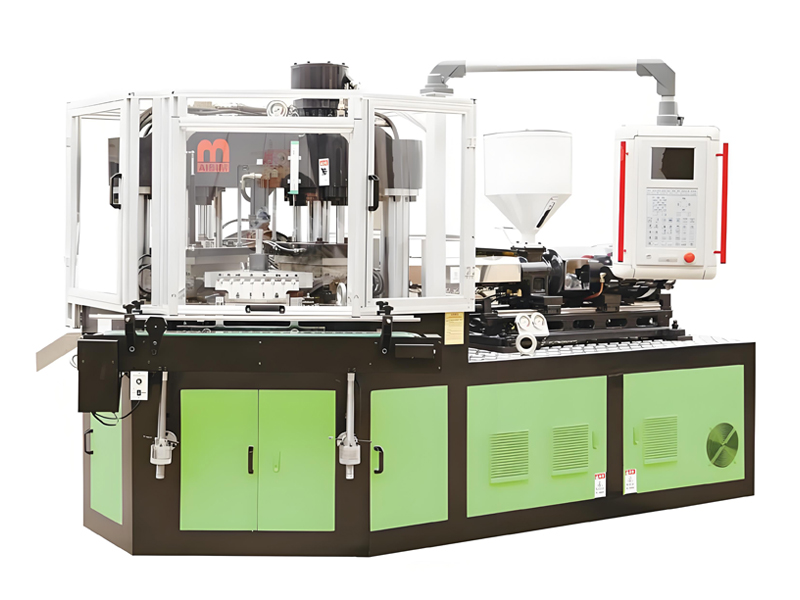
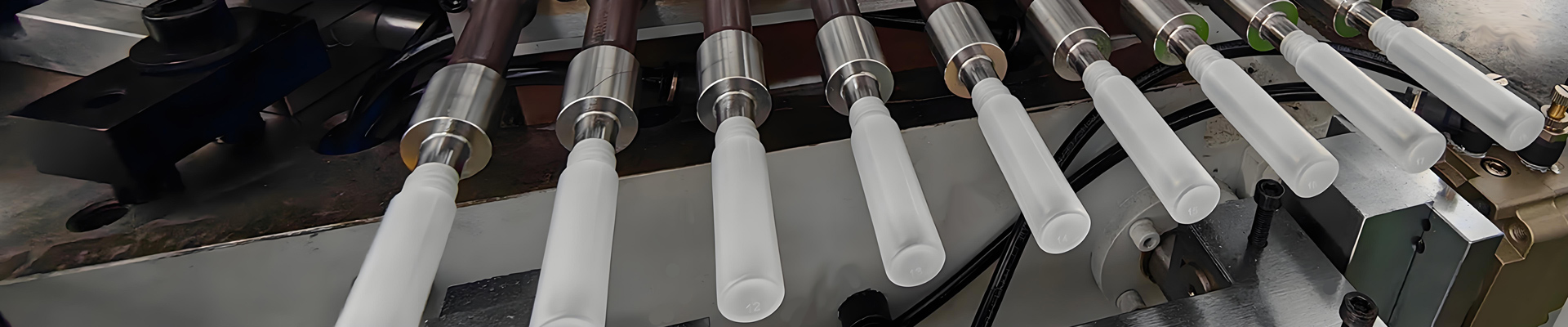
Food-grade plastic jug production represents one of the most demanding applications for injection blow molding technology, requiring strict adherence to food safety regulations, exceptional product quality, and consistent production performance. Plastic jugs for food and beverage applications must meet stringent requirements for material purity, hygiene, chemical resistance, and container performance to ensure product integrity and consumer safety. AiBiM injection blow molding machines, with over 12 years of manufacturing experience and more than 100 machines produced annually for export to over 40 countries, demonstrate exceptional capability for producing food-grade plastic jugs that meet international food safety standards. The company’s extensive experience in food and beverage packaging enables provision of comprehensive solutions for plastic jug production, from machine selection and material specification to quality control implementation and regulatory compliance certification.
Understanding Food-Grade Plastic Jug Requirements
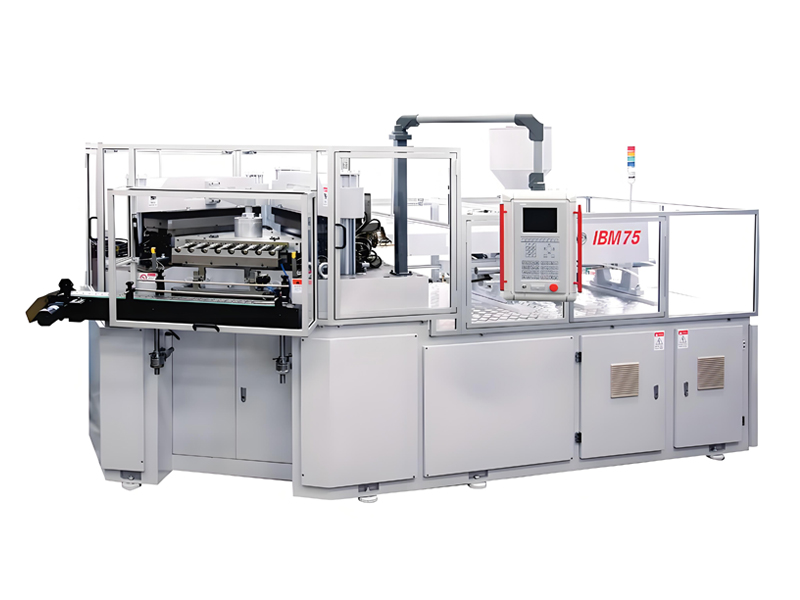
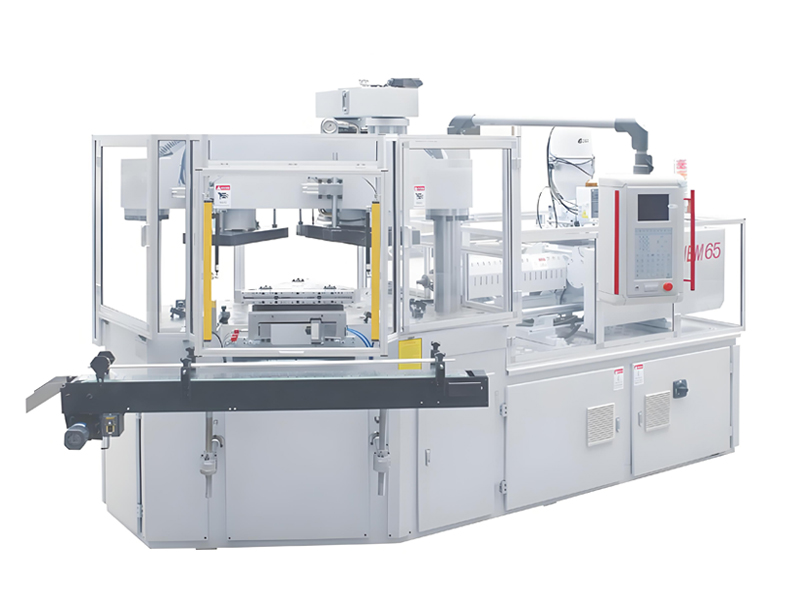
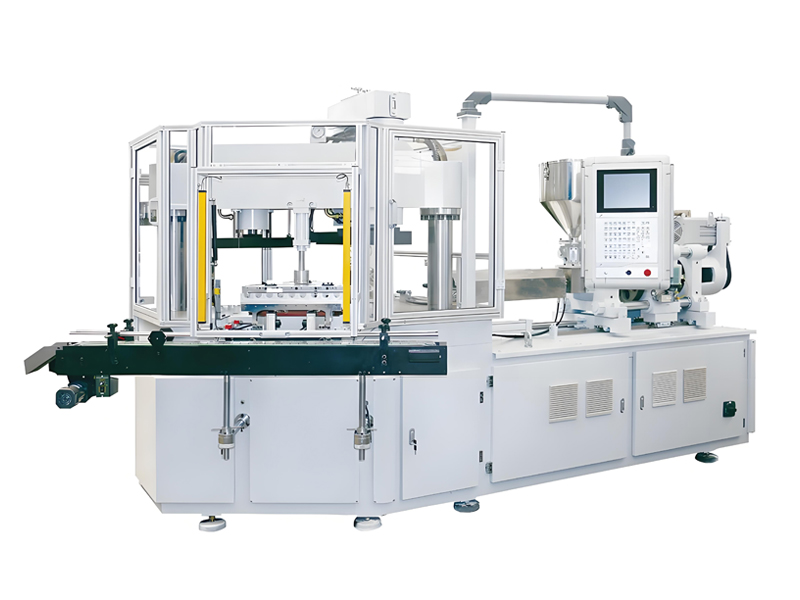
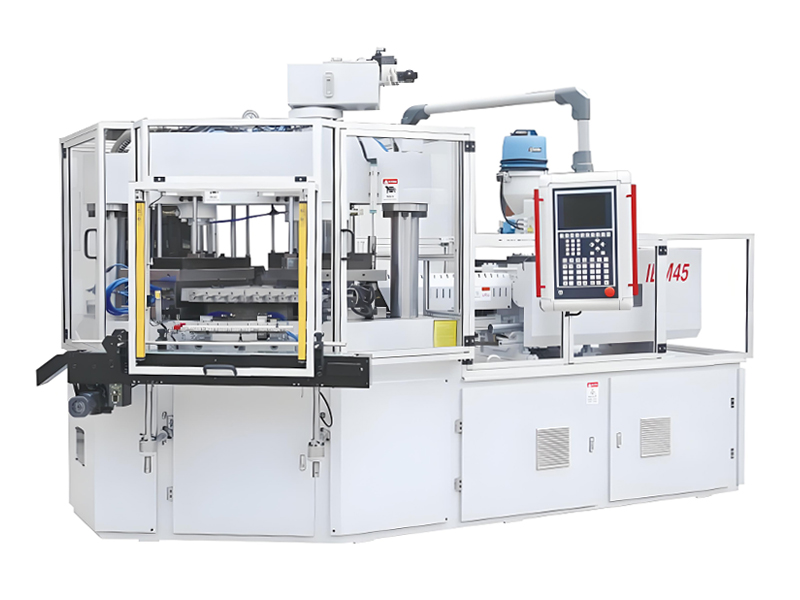
Food-grade plastic jugs serve diverse applications across food, beverage, dairy, and related industries, each imposing specific requirements on container design, material selection, and production quality. These containers must provide excellent food contact safety, maintain product integrity throughout storage and handling, and ensure consumer protection through compliance with food safety regulations. The nature of contained products varies widely from water and beverages to dairy products, liquid foods, and condiments, each requiring appropriate material selection and production considerations. AiBiM injection blow molding machines, including IBM75, IBM65, and IBM55 hybrid electric models, offer the versatility and precision needed to produce food-grade plastic jugs meeting diverse application requirements and international food safety standards.
Food safety requirements for plastic jugs are governed by various regulations depending on geographic market and intended application. In the United States, food contact materials must comply with FDA regulations including 21 CFR food contact substance requirements. In Europe, materials must comply with EU Regulation 1935/2004 and specific material regulations such as EU 10/2011 for plastics. Other regions including Asia, Africa, and the Americas have their own food contact material regulations that must be met for market access. AiBiM provides comprehensive regulatory compliance guidance based on extensive experience exporting machines to over 40 countries with diverse regulatory requirements, helping manufacturers navigate complex regulatory landscapes for food-grade plastic jug production.
Material purity requirements for food-grade plastic jugs are particularly stringent compared to other plastic container applications. Materials must meet specific purity standards regarding additives, extractables, leachables, and potential contaminants. Material selection must consider not only the base polymer but also all additives including colorants, stabilizers, processing aids, and other components that could potentially migrate into food products. Material traceability and documentation requirements are more stringent for food-grade applications compared to industrial or general packaging applications. AiBiM provides comprehensive material selection guidance and processing optimization for food-grade plastic jug applications based on extensive experience across global food packaging markets.
Hygiene requirements for food-grade plastic jug production extend beyond material selection to include production environment, equipment design, and production procedures. Production facilities must maintain appropriate hygiene levels to prevent contamination during production. Equipment design must enable effective cleaning and sanitization to prevent cross-contamination between production runs. Production procedures must include appropriate cleaning, changeover, and quality control procedures to maintain food-grade standards throughout production operations. AiBiM injection blow molding machines incorporate design features supporting food-grade production requirements, including hygienic design, contamination prevention, and cleaning accessibility.
Material Selection for Food-Grade Applications
Material selection represents the most critical factor in food-grade plastic jug performance, with different plastic materials offering different food contact safety profiles and performance characteristics. The most commonly used materials for food-grade plastic jugs include high-density polyethylene (HDPE), polypropylene (PP), and polyethylene terephthalate (PET), each offering distinct advantages for specific food and beverage applications. Material selection must consider food contact safety, product compatibility, container performance requirements, and regulatory compliance across target markets. AiBiM injection blow molding machines process all major food-grade plastic materials effectively, enabling manufacturers to select optimal materials for their specific food packaging applications.
High-density polyethylene (HDPE) represents one of the most widely used materials for food-grade plastic jugs, offering excellent chemical resistance, food contact safety, and processability. HDPE has extensive regulatory approval history for food contact applications across global markets, with well-established compliance documentation. The material exhibits excellent resistance to aqueous foods, beverages, and many liquid food products while maintaining good mechanical properties and clarity in thin-wall applications. HDPE’s relatively low processing temperatures and favorable flow characteristics enable efficient production on injection blow molding machines. AiBiM injection blow molding machines process HDPE efficiently, with the material’s favorable processing characteristics supporting high-quality food-grade plastic jug production with excellent consistency and reliability.
Polypropylene (PP) offers food-grade plastic jug applications with advantages in higher temperature resistance, better clarity, and different chemical resistance profiles compared to HDPE. PP demonstrates excellent heat resistance suitable for hot-fill applications and products requiring pasteurization. The material provides excellent clarity and aesthetic qualities making it suitable for premium food and beverage products. PP has comprehensive food contact approvals across global markets, though specific grade selection is important due to different additive formulations. AiBiM injection blow molding machines process PP effectively across various grades including homopolymer and copolymer types suitable for different food applications. The company’s advanced temperature control systems enable precise PP processing essential for food-grade plastic jug quality and consistency.
Polyethylene terephthalate (PET) provides food-grade plastic jug applications with exceptional clarity, gas barrier properties, and chemical resistance suitable for premium beverage and food products. PET offers excellent optical clarity making it ideal for applications where product visibility is important. The material’s excellent barrier properties against oxygen and carbon dioxide make it particularly suitable for carbonated beverages and products sensitive to oxidation. PET has comprehensive food contact approval across global markets and is widely used for beverage packaging. AiBiM injection blow molding machines, particularly the IBM75 model with enhanced temperature capabilities, are engineered to process PET effectively while addressing the material’s unique processing challenges including moisture sensitivity and higher processing temperatures.
Food Safety Regulatory Compliance
Food safety regulatory compliance represents a critical requirement for food-grade plastic jug production, with compliance requirements varying across different geographic markets and regulatory jurisdictions. Manufacturers must ensure that both materials and production processes comply with appropriate food contact regulations in target markets to enable legal product sales and ensure consumer protection. AiBiM provides comprehensive regulatory compliance support based on extensive experience exporting machines and producing containers for markets worldwide with diverse regulatory requirements.
United States FDA compliance requires that food contact materials including plastic jugs comply with 21 CFR food contact substance regulations. Material formulations must be either listed in approved food contact substance listings or comply with appropriate food additive petitions. Material suppliers must provide FDA compliance documentation including food contact notification numbers or compliance statements. Production processes must maintain material purity and prevent contamination that could compromise food contact safety. AiBiM provides comprehensive FDA compliance guidance for food-grade plastic jug production, including material selection, documentation requirements, and production process considerations to ensure FDA compliance for products sold in the United States market.
European Union food contact regulations require compliance with EU Regulation 1935/2004 establishing general requirements for materials in contact with food. Additionally, plastic materials must comply with specific regulations including EU 10/2011 for plastic materials in contact with food. Material migration testing must demonstrate compliance with specific migration limits for various food types and conditions. Material suppliers must provide EU compliance documentation including declaration of compliance. Production processes must maintain material integrity and prevent contamination. AiBiM provides comprehensive EU compliance guidance for food-grade plastic jug production, helping manufacturers navigate complex EU requirements and implement appropriate production processes.
Other global markets including Canada, Japan, China, and various countries in Asia, Africa, and the Americas have their own food contact material regulations that must be met for market access. These regulations vary in requirements and complexity but generally address material composition, migration limits, and production process controls. Material selection for global distribution requires consideration of compliance across all target markets. AiBiM provides global regulatory compliance guidance based on experience across over 40 countries where machines have been exported, helping manufacturers ensure compliance across diverse regulatory requirements.
Material Traceability and Documentation
Material traceability and documentation requirements are particularly stringent for food-grade plastic jug production compared to other plastic container applications. Manufacturers must maintain comprehensive documentation throughout the production process to demonstrate regulatory compliance and enable traceability of materials and products. Material traceability enables identification of material batches and suppliers in case of quality or compliance issues. Documentation requirements include material certificates, compliance documentation, batch records, and production records demonstrating appropriate material usage and process controls.
Material supplier documentation is essential for demonstrating food contact compliance and enabling traceability. Material certificates should include material identification, food contact compliance statements, regulatory approval numbers or references, batch identification, and material specifications. Compliance documentation should be obtained from material suppliers for each material shipment and maintained as part of the quality system. Material batch tracking through production enables traceability from material receipt through finished product. AiBiM provides guidance on appropriate material documentation and traceability systems for food-grade plastic jug production based on extensive experience in food packaging quality systems.
Production documentation requirements include batch records, process parameter records, quality control records, and shipment records. Batch records should document material batches used, production dates, process parameters, and quality control results for each production batch. Process parameter records provide evidence of consistent production operation and appropriate process control. Quality control records document product testing and verification of compliance with specifications. Shipment records enable traceability of finished products to customers. AiBiM provides documentation system recommendations and templates for food-grade plastic jug production, helping manufacturers implement comprehensive documentation systems meeting regulatory requirements.
Hygienic Machine Design and Construction
Hygienic machine design represents a critical requirement for food-grade plastic jug production, preventing contamination and enabling effective cleaning and sanitization between production runs. Machine design considerations include material compatibility with food products, prevention of contamination sources, cleaning accessibility, and microbial control. AiBiM injection blow molding machines incorporate numerous hygienic design features specifically engineered for food-grade production applications.
Material compatibility considerations include selection of machine components that will not introduce contaminants into food-grade plastic jugs. Machine components in contact with molten plastic should be constructed from materials appropriate for food contact applications. Hydraulic fluids should be selected to prevent potential contamination in case of leakage. Machine surfaces should be constructed from corrosion-resistant materials that will not degrade and introduce particulates. Seals and gaskets should be constructed from food-grade materials compatible with processing conditions. AiBiM injection blow molding machines feature food-grade compatible construction materials and corrosion-resistant design supporting food-grade production requirements.
Contamination prevention design features prevent introduction of contaminants during production. Machine design should prevent accumulation of material debris, dust, or other contaminants that could be introduced into products. Closed material handling systems prevent environmental contamination. Hydraulic system design should prevent fluid leakage that could contaminate production areas or products. Electrical systems should be enclosed to prevent introduction of particulate contamination. AiBiM injection blow molding machines incorporate comprehensive contamination prevention design features including enclosed hydraulic systems, sealed electrical enclosures, and material handling systems designed for food-grade production.
Cleaning accessibility enables effective cleaning and sanitization between production runs or material changes to prevent cross-contamination. Machine surfaces should be accessible for cleaning without requiring disassembly. Design should minimize areas where contaminants could accumulate during production and be difficult to clean. Materials should be compatible with cleaning and sanitizing agents used in food production environments. AiBiM injection blow molding machines feature hygienic design with smooth surfaces, minimal crevices, and excellent accessibility for cleaning and maintenance, supporting effective food-grade production hygiene practices.
Processing Parameter Optimization for Food-Grade Quality
Processing parameter optimization represents a critical factor in producing food-grade plastic jugs with consistent quality and performance. Temperature profiles, injection speeds and pressures, blow molding parameters, and cooling conditions all affect final container properties including food contact safety, mechanical properties, and appearance. AiBiM provides comprehensive processing parameter optimization support based on extensive experience processing various materials for food packaging applications across global markets.
Temperature profile optimization for food-grade plastic jugs must achieve proper melting and homogenization of material while preventing thermal degradation that could affect food contact safety. Barrel temperature profiles must be tailored to material type and grade, ensuring proper melting without excessive thermal stress that could cause degradation. Mold temperature affects crystallization behavior, which influences mechanical properties and barrier performance. Temperature uniformity throughout the processing system ensures consistent container properties and food contact safety. AiBiM’s advanced temperature control systems with multiple independently controlled heating zones enable precise temperature profile optimization for food-grade plastic jug production. The company’s processing experience enables optimization of temperature profiles for various materials and container applications.
Injection parameter optimization affects container wall thickness distribution, material orientation, and internal stresses that influence food contact properties and mechanical performance. Injection speed affects shear heating and molecular orientation within the preform, which can affect blow molding behavior and final container properties relevant to food product compatibility. Injection pressure affects preform density and uniformity, which influence wall thickness distribution during blow molding. Injection and hold pressure profiles affect packing and dimensional accuracy affecting closure fit and food product containment. AiBiM provides comprehensive injection parameter optimization guidance based on material characteristics, container design, and food product requirements. The company’s advanced control systems enable precise injection parameter control essential for food-grade plastic jug production.
Blow molding parameter optimization determines final container geometry, wall thickness distribution, and mechanical properties affecting food product performance. Blow pressure affects wall thickness distribution and container dimensions affecting food product volume accuracy. Blow timing affects material orientation and mechanical properties affecting container durability during food product handling. Mold temperature affects crystallization and cooling rates, influencing dimensional stability and barrier properties affecting food product preservation. AiBiM provides blow molding parameter optimization support based on extensive experience producing food-grade plastic jugs with various materials and designs. The company’s machines feature precise blow molding control capabilities enabling optimization of blow molding parameters for specific food container requirements.
Quality Control for Food-Grade Production
Comprehensive quality control systems are essential for ensuring food-grade plastic jugs meet demanding food safety and quality requirements. Quality control for food-grade plastic jugs includes dimensional verification, wall thickness measurement, visual inspection, leak testing, and food contact safety verification. AiBiM provides comprehensive quality control program development support, including testing protocols, acceptance criteria, and statistical process control methodologies based on extensive experience in food packaging quality control.
Dimensional control ensures containers meet specified dimensions critical for food product volume accuracy and closure compatibility. Critical dimensions include neck finish specifications for closure fit, overall dimensions affecting packaging compatibility, and volume accuracy affecting food product quantity. Dimensional tolerances must be tight enough to ensure proper closure fit and accurate food product volume while being achievable within process capabilities. Regular dimensional monitoring through statistical process control enables early detection of process drifts that could affect food product packaging and portioning accuracy. AiBiM provides dimensional control recommendations and measurement protocols tailored to specific food-grade plastic jug designs and applications. The company’s precise processing capabilities enable consistent production meeting tight dimensional tolerances required for food packaging.
Wall thickness measurement and control directly affect container strength, food product protection, and performance. Uniform wall thickness ensures consistent strength and protection across the container. Wall thickness specification must be appropriate for intended food product requirements including handling, storage, and distribution conditions. Wall thickness measurement systems enable monitoring and control of this critical parameter affecting food product containment integrity. AiBiM provides wall thickness measurement recommendations and control strategies for food-grade plastic jug applications. The company’s advanced control systems enable precise wall thickness control essential for food product packaging performance.
Visual inspection identifies surface defects, contamination, color variations, and other quality issues that could affect food-grade quality or appearance. Visual inspection should be performed at appropriate light levels with trained inspectors knowledgeable about defect types relevant to food packaging quality and food safety. Automated inspection systems can provide consistent detection of certain defect types, supplementing manual inspection. Visual inspection standards must be appropriate for food packaging requirements, often being more stringent than for industrial packaging applications. AiBiM provides visual inspection training and defect identification guidance based on extensive experience in food packaging quality control. The company’s machines produce containers with consistent surface quality facilitating effective visual inspection for food-grade quality assurance.
Leak testing ensures containers provide secure containment without leakage that could cause food product contamination or loss. Leak testing methods include pressure decay testing, water immersion testing, and vacuum testing depending on container type and food product requirements. Leak testing should be performed on a statistically representative sample basis to ensure container population quality. Leak test acceptance criteria must be appropriate for the food product application and container design, often being more stringent than for other applications due to food safety implications. AiBiM provides leak testing method recommendations and acceptance criteria guidance for various food-grade plastic jug applications. The company’s processing capabilities enable production of containers with consistent neck finish and seal integrity supporting reliable leak test results for food packaging applications.
Food Contact Safety Verification
Food contact safety verification represents a specialized quality control requirement for food-grade plastic jug production, ensuring that containers do not introduce contaminants into food products. Food contact safety verification includes extractables and leachables testing, sensory evaluation, and compliance verification. AiBiM provides comprehensive food contact safety verification guidance based on extensive experience in food packaging quality assurance.
Extractables and leachables testing identifies substances that could migrate from container material into food products. Extractables testing involves aggressive extraction conditions to identify all potential migrating substances from the container material. Leachables testing under milder conditions simulates actual food contact conditions to identify substances likely to migrate during normal use. Testing protocols should be appropriate for the food product type, contact conditions, and intended use. AiBiM provides extractables and leachables testing guidance and protocol recommendations for food-grade plastic jug applications. The company’s material and processing expertise enables optimization of materials and processes to minimize extractables and leachables.
Sensory evaluation ensures that containers do not affect food product taste, odor, or appearance through migration of substances from container material. Sensory testing should be conducted with appropriate food products or simulants under intended use conditions. Trained sensory panels evaluate potential effects on food product organoleptic properties. Sensory evaluation is particularly important for food products with subtle flavors or delicate sensory characteristics. AiBiM provides sensory evaluation guidance and protocol recommendations for food-grade plastic jug applications. The company’s material selection and processing optimization minimizes potential sensory effects on food products.
Cleaning and Sanitization Procedures
Cleaning and sanitization procedures represent critical requirements for food-grade plastic jug production, preventing cross-contamination between different production runs and maintaining hygiene standards appropriate for food production. Cleaning procedures must be appropriate for machine construction materials, effective against potential contaminants, and compatible with food production hygiene requirements. AiBiM provides comprehensive cleaning and sanitization procedure recommendations tailored to food-grade plastic jug production requirements.
Material changeover cleaning procedures must be thorough enough to prevent cross-contamination between different materials that could affect food contact safety of subsequent production. Purging procedures should be developed based on material compatibility and transition requirements, with particular attention for transitions between different food-grade materials or between food-grade and non-food-grade materials. Machine components contacting molten plastic should be cleaned or replaced as appropriate for material changes. Complete machine cleaning may be required for particularly sensitive food-grade applications or transitions between materials with different food contact compliance status. AiBiM provides material changeover procedure recommendations based on experience with diverse material combinations and food packaging applications. The company’s machines feature design facilitating thorough cleaning between material changes for food-grade production.
Sanitization procedures complement cleaning procedures to eliminate microbial contamination that could compromise food safety. Sanitization should be performed using appropriate food-grade sanitizing agents applied according to manufacturer instructions and food production hygiene standards. Sanitization frequency should be based on production volume, material types, and hygiene requirements. Documentation of sanitization procedures and results provides verification of appropriate hygiene practices. AiBiM provides sanitization procedure recommendations and guidance on appropriate sanitizing agents for food-grade plastic jug production. The company’s machine design supports effective sanitization with hygienic construction and accessible surfaces.
Preventive maintenance for food-grade production environments must address accelerated wear or contamination that may occur due to food production conditions. Maintenance frequency may need to be increased compared to standard operating conditions to maintain food-grade hygiene standards. Special attention should be paid to seals, gaskets, and surfaces exposed to potential food contact or contamination. Corrosion inspection and prevention should be included in regular maintenance procedures. Cleaning of machine exteriors and non-product contact surfaces should be included in maintenance routines to maintain overall facility hygiene. AiBiM provides maintenance program recommendations tailored to food-grade production environments. The company’s machines are designed for durability in demanding operating conditions, with maintenance procedures documented for food-grade production applications.
Food Packaging Market Applications
Food-grade plastic jugs serve diverse applications across the food and beverage industry, each presenting unique requirements and solutions. Beverage applications include water jugs, juice containers, dairy product containers, and carbonated beverage bottles. Food applications include condiment containers, cooking oil containers, sauce containers, and other liquid food products. Each application has specific requirements regarding material selection, container design, and performance characteristics. AiBiM has extensive experience producing food-grade plastic jugs across diverse applications globally, providing comprehensive application examples and solutions for various food packaging requirements.
Water and beverage jug applications represent significant market segments requiring food-grade plastic jugs with excellent clarity, barrier properties, and chemical resistance. Water jugs require materials with excellent clarity and no taste or odor transfer. Carbonated beverage jugs require materials with good carbonation barrier properties and pressure resistance. Juice containers require materials with acid resistance and appropriate barrier properties. Dairy product containers require materials with appropriate chemical resistance and clarity for product visibility. AiBiM has extensive experience supplying machines and technical support for water and beverage jug production across global markets, with comprehensive understanding of beverage packaging requirements and material selection.
Liquid food product applications include condiment containers, cooking oil containers, sauce containers, and other liquid food products with specific requirements. Condiment containers require materials resistant to acidic or oil-based products. Cooking oil containers require materials with good oil resistance and appropriate barrier properties. Sauce containers require materials resistant to various food ingredients including acids, oils, and spices. Each liquid food application has specific material and container design requirements. AiBiM has extensive experience producing liquid food containers across global markets, with comprehensive understanding of diverse liquid food product requirements and appropriate material solutions.
Productivity Optimization for Food-Grade Production
Productivity optimization for food-grade plastic jug production requires balancing production efficiency with strict food safety and quality requirements. Cycle time optimization, tooling design, and processing parameter optimization all contribute to productivity while maintaining food-grade quality standards. AiBiM provides comprehensive productivity optimization guidance for food-grade plastic jug production based on extensive experience optimizing production across diverse global markets with strict food safety requirements.
Cycle time optimization for food-grade plastic jugs must consider material characteristics, wall thickness requirements, and food-grade quality requirements. Temperature profile optimization enables faster cooling while maintaining food contact safety and material properties. Injection and blow molding parameter optimization enables faster cycle times while maintaining container quality and food-grade compliance. Efficient mold design including conformal cooling channels enables faster cooling and shorter cycle times while maintaining food-grade quality. AiBiM provides cycle time optimization recommendations for various food-grade plastic jug applications and materials. The company’s energy-saving systems and advanced control capabilities enable fast cycle times while maintaining food-grade quality requirements.
Tooling design optimization for food-grade plastic jugs affects productivity, quality, and maintenance requirements. Multi-cavity molds enable higher production rates but must maintain food-grade quality consistency across all cavities. Mold design should incorporate features for efficient cooling, easy cleaning, and long service life while maintaining food-grade hygiene. Mold surface finish affects container release quality and maintenance requirements. Conformal cooling channels enable faster cooling and more uniform temperature distribution improving both productivity and quality. AiBiM provides mold design recommendations for food-grade plastic jug applications based on extensive experience across diverse applications and global markets. The company’s single-crossbeam clamping framework provides increased mold space enabling optimized mold design for food-grade containers.
Production automation for food-grade applications can enhance productivity while maintaining or improving food safety standards. Automated quality inspection systems provide consistent defect detection while reducing manual inspection requirements. Automated material handling systems reduce manual contact with products, reducing contamination risks. Automated parameter control systems maintain consistent production parameters essential for food-grade quality. Integrated data logging provides documentation of production conditions supporting food safety verification. AiBiM provides production automation recommendations for food-grade plastic jug applications, balancing productivity improvements with food safety requirements. The company’s machines feature advanced control capabilities supporting various automation options for food-grade production.
Certification and Compliance Support
Certification and compliance support represents a critical factor for food-grade plastic jug production, enabling market access and demonstrating compliance with food safety regulations. Various certifications and compliance verifications may be required depending on target markets and customer requirements. AiBiM provides comprehensive certification and compliance support based on extensive experience achieving various certifications across global markets.
ISO 22000 food safety management system certification demonstrates implementation of comprehensive food safety management systems appropriate for food packaging production. This certification encompasses hazard analysis, preventive programs, and systematic management of food safety throughout production processes. Implementation of ISO 22000 provides structured framework for food safety management and demonstrates commitment to food safety to customers and regulators. AiBiM provides ISO 22000 implementation support for food-grade plastic jug production facilities, helping manufacturers achieve and maintain this important food safety certification.
FSSC 22000 food safety system certification represents another globally recognized food safety certification combining ISO 22000 with prerequisite programs specific to food industry sectors. This certification is particularly important for manufacturers supplying food packaging to major food manufacturers and retailers with strict supplier requirements. FSSC 22000 certification demonstrates comprehensive food safety management systems appropriate for food packaging production. AiBiM provides FSSC 22000 implementation support for food-grade plastic jug production facilities seeking this certification.
Customer-specific certification requirements may include additional food safety certifications, quality system certifications, or specific testing requirements mandated by customers in the food and beverage industry. These requirements may include HACCP implementation, specific material testing programs, or customer audit requirements. AiBiM provides support for meeting diverse customer-specific certification requirements based on extensive experience supplying food packaging equipment across global markets with various customer requirements.
Global Market Requirements
Food-grade plastic jug production for global markets requires understanding of diverse regulatory requirements, market preferences, and consumer expectations across different geographic regions. Food contact regulations vary significantly across regions, with different testing requirements, compliance standards, and documentation needs. Consumer preferences for container types, materials, and designs also vary across markets. AiBiM provides comprehensive global market support based on experience exporting machines to over 40 countries with diverse market requirements.
North American market requirements for food-grade plastic jugs include FDA compliance in the United States, CFIA compliance in Canada, and various state or provincial requirements. Material preferences vary by application, with HDPE and PP commonly used for water and dairy applications while PET is preferred for carbonated beverages. Consumer preferences include various closure types, container sizes, and design features. Quality expectations are high, with strict requirements for food safety and consistency. AiBiM provides comprehensive North American market support for food-grade plastic jug production, including regulatory compliance guidance and market preference insights.
European market requirements include EU Regulation 1935/2004 compliance, EU 10/2011 compliance for plastics, and various country-specific requirements. Material preferences vary across European countries and applications, with PET widely used for beverages and HDPE and PP for various food applications. Quality expectations are particularly high in Europe, with comprehensive food safety documentation requirements. Environmental considerations including sustainability and recyclability are increasingly important. AiBiM provides comprehensive European market support for food-grade plastic jug production based on extensive experience across European markets.
Asian, African, and Latin American markets have varying regulatory requirements and market preferences. Regulatory requirements range from comprehensive food contact regulations to more informal standards depending on country and market segment. Material preferences vary significantly across regions based on cost, availability, and local infrastructure. Quality requirements vary by market segment, with premium segments having requirements comparable to developed markets while value segments may prioritize cost. AiBiM provides comprehensive market support across diverse global regions based on experience exporting machines to over 40 countries with various market characteristics.
Conclusion: Food-Grade Production Excellence
Food-grade plastic jug production represents a demanding application requiring specialized materials, processing capabilities, quality control systems, and regulatory compliance to meet stringent food safety requirements. AiBiM injection blow molding machines provide the versatility, precision, and reliability needed for food-grade plastic jug production across diverse applications and global markets. The company’s 12 years of manufacturing experience, 100+ machines produced annually, and global export to 40+ countries provides extensive expertise in food packaging production across diverse industries, regulatory environments, and market requirements.
Successful food-grade plastic jug production requires integrated consideration of material selection, machine configuration, processing optimization, quality control implementation, regulatory compliance, and certification achievement. AiBiM provides comprehensive support across all aspects of food-grade production, from initial machine selection and material specification through process optimization, quality control implementation, certification support, and ongoing technical support. The company’s extensive experience in food and beverage packaging provides comprehensive understanding of diverse requirements and solutions for various food-grade applications.
For manufacturers seeking to produce food-grade plastic jugs meeting demanding food safety and quality requirements, AiBiM provides the equipment, expertise, and technical support needed to achieve production excellence. The company’s commitment to quality, innovation, and customer success ensures that food-grade plastic jug operations achieve maximum quality, efficiency, regulatory compliance, and market success. Contact AiBiM to discuss your specific food-grade plastic jug production requirements and discover how their injection blow molding machines can optimize your food packaging production for diverse global markets.