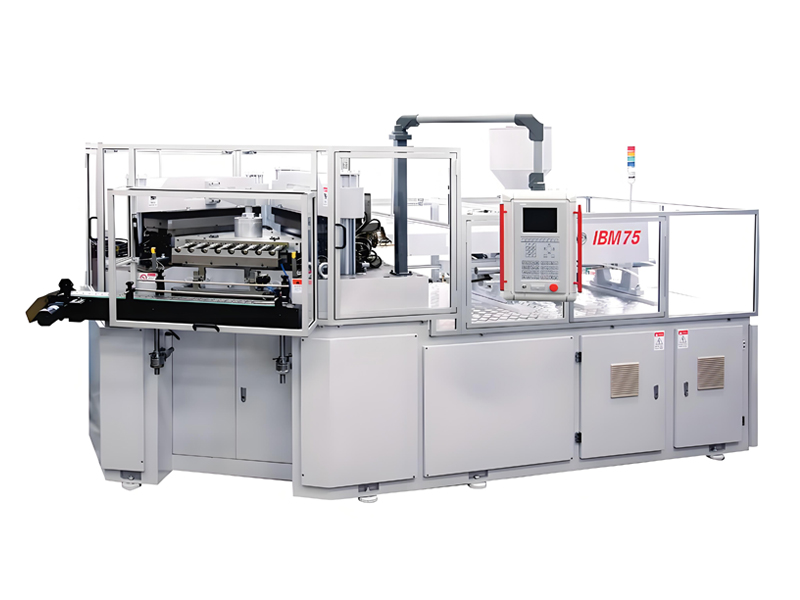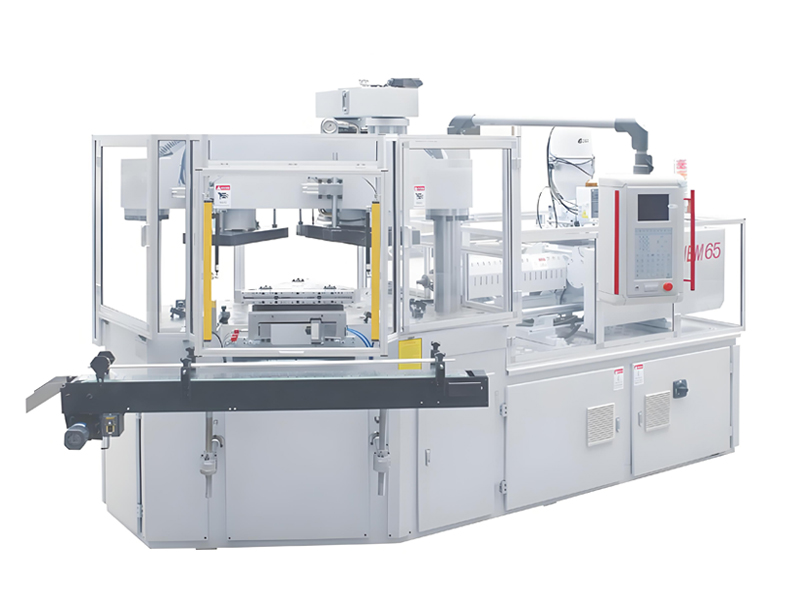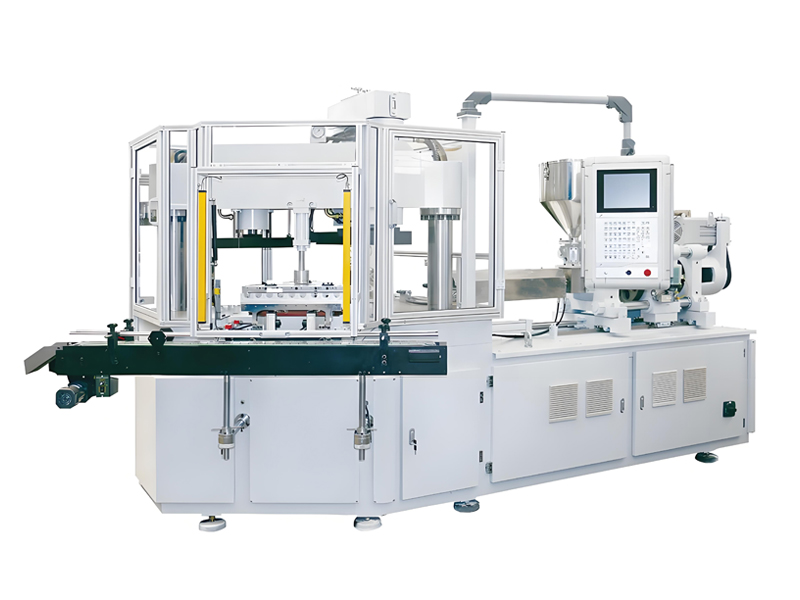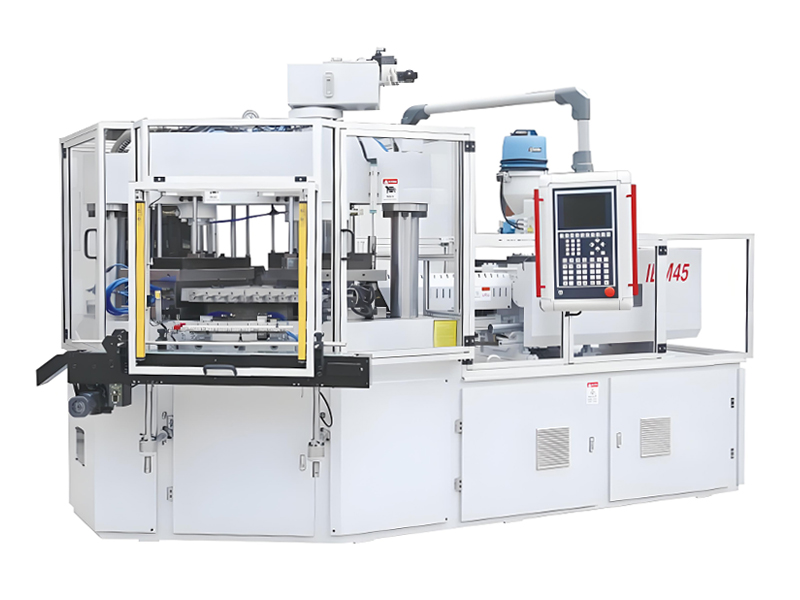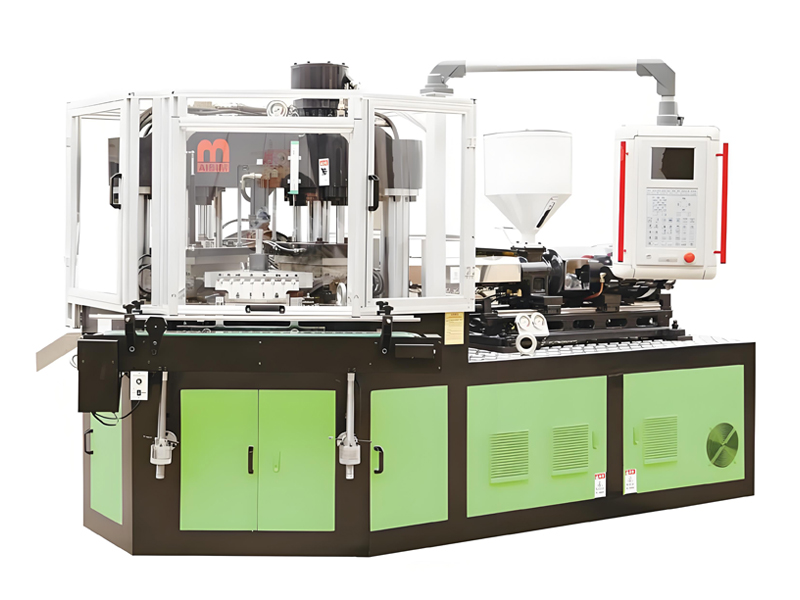
Injection blow molding machines represent significant capital investments for plastic manufacturing operations, with typical service lifespans ranging from 15-25 years when properly maintained. China-made injection blow molding machines, particularly those from reputable manufacturers like AiBiM, offer exceptional durability and reliability when appropriate maintenance and operational practices are followed. With over 12 years of manufacturing experience and more than 100 machines produced annually for export to over 40 countries, AiBiM has developed comprehensive understanding of factors affecting machine longevity. Implementing systematic maintenance programs, following proper operational procedures, and investing in preventive measures can substantially extend machine lifespan, reduce total cost of ownership, and maintain consistent production quality throughout equipment service life.
Understanding Injection Blow Molding Machine Longevity Factors
Multiple factors influence the service life of injection blow molding machines, including design quality, maintenance practices, operating conditions, and usage patterns. Modern injection blow molding machines incorporate complex systems including hydraulic or electric drives, precision mechanical components, advanced control systems, and integrated processing units, each with different lifespan characteristics. China-made machines from quality manufacturers like AiBiM demonstrate durability comparable to equipment from established global brands when properly maintained, with key wear components including hydraulic pumps, screws and barrels, clamping mechanisms, and control systems each requiring specific maintenance attention.
The cumulative effect of maintenance practices, operational procedures, and environmental conditions determines overall machine longevity. Preventive maintenance addressing wear before component failure represents the most effective approach to extending machine life. Reactive maintenance performed after component failure typically results in additional collateral damage and increased repair costs. Understanding typical component service intervals and wear patterns enables proactive maintenance planning that minimizes unplanned downtime and extends overall equipment life. AiBiM provides comprehensive maintenance documentation and technical support to help customers implement effective preventive maintenance programs tailored to specific operating conditions and production requirements.
Machine usage patterns significantly affect component wear rates and overall lifespan. Production volume, product characteristics, material types processed, and cycle time all influence wear on critical components. High-volume production of demanding products using abrasive materials accelerates wear compared to moderate-volume production of simpler products using less challenging materials. Understanding the relationship between usage patterns and component wear enables appropriate maintenance scheduling and replacement planning. AiBiM’s extensive experience across diverse global markets provides insight into appropriate maintenance intervals based on specific usage patterns and operating conditions.
Daily Maintenance Procedures
Daily maintenance procedures represent the foundation of effective machine care, addressing routine wear and preventing the accumulation of problems that can escalate into major failures. Daily maintenance tasks require minimal time investment but provide substantial return in terms of extended component life and reduced downtime. These procedures should be integrated into standard operator responsibilities, with documentation and verification ensuring consistent execution. AiBiM injection blow molding machines, including IBM75, IBM65, and IBM55 models, are designed for ease of maintenance access, enabling efficient completion of daily maintenance tasks.
Lubrication of moving components represents a critical daily maintenance task that prevents accelerated wear and maintains optimal performance. Injection blow molding machines incorporate numerous moving parts including guide rods, pivot points, sliding surfaces, and chain drives that require regular lubrication. The specific lubrication points and recommended lubricants vary by machine model and component type. AiBiM provides comprehensive lubrication charts and schedules for each machine model, specifying appropriate lubricant types, application methods, and frequency. Proper lubrication prevents metal-to-metal contact, reduces friction, and minimizes wear that would otherwise accelerate component degradation. The company’s energy-saving hydraulic systems and precision mechanical components require appropriate lubrication for optimal performance and longevity.
Cleaning of machine surfaces, molds, and material handling systems prevents contamination and enables early detection of potential problems. Accumulated plastic material, dust, and debris can cause component binding, interfere with proper operation, and hide developing problems. Daily cleaning of mold surfaces, material hoppers, and extruder discharge areas prevents material contamination that could affect product quality. Cleaning of machine guards and access covers enables proper ventilation and heat dissipation, preventing overheating that could reduce component life. AiBiM machines feature accessible machine design that facilitates thorough cleaning while maintaining safety. The single-crossbeam clamping framework provides improved access to critical components for cleaning and inspection.
Inspection of critical systems during daily operation enables early detection of developing problems before they cause major failures. Operators should monitor hydraulic oil levels and condition, check for abnormal noises or vibrations, observe temperature indicators, and verify proper machine operation through each production cycle. Deviations from normal operation patterns often indicate developing problems that require attention before failure occurs. AiBiM provides comprehensive inspection checklists and training to help operators identify potential problems early. The company’s advanced control systems include monitoring capabilities that can alert operators to abnormal conditions requiring investigation. The IBM55 hybrid electric model offers enhanced monitoring capabilities for predictive maintenance planning.
Documentation of daily maintenance activities and observations creates a valuable historical record that supports long-term maintenance planning. Recording maintenance actions, observations of machine condition, and production parameters enables analysis of trends and correlation between operational factors and component wear. This documentation becomes increasingly valuable as machines accumulate service hours and approach maintenance intervals. AiBiM provides maintenance documentation forms and record-keeping recommendations tailored to specific machine models and operating conditions. The company’s control systems enable parameter storage and retrieval, supporting documentation of machine settings and changes over time.
Weekly Maintenance Tasks
Weekly maintenance tasks address components and systems that require less frequent attention but still benefit from regular monitoring and maintenance. These tasks complement daily maintenance procedures and provide intermediate-level care that prevents the accumulation of problems. Weekly maintenance should be scheduled systematically to ensure consistent execution, with assigned responsibility and verification of completion. AiBiM injection blow molding machines are designed with maintenance access and serviceability in mind, facilitating efficient completion of weekly maintenance tasks.
Hydraulic system maintenance represents a critical weekly task, particularly for hydraulic-driven models. Hydraulic oil analysis should be performed weekly to check for contamination, water content, and chemical degradation. Oil filters should be inspected and replaced according to manufacturer recommendations, typically every 3-6 months depending on operating conditions. Hydraulic hoses and fittings should be inspected for signs of wear, leakage, or damage. Reservoir breathers and suction filters should be checked and cleaned or replaced as needed. AiBiM machines feature energy-efficient hydraulic systems designed for long service life, but proper maintenance is essential to achieve optimal lifespan. The company’s unique prefill technology and variable displacement pump systems require specific maintenance procedures documented in technical manuals.
Electrical system inspection should be performed weekly to identify and address developing problems before they cause failures. Electrical connections should be inspected for tightness, signs of overheating, and corrosion. Control cabinet ventilation should be checked to ensure proper cooling of electronic components. Emergency stop systems and safety interlocks should be tested to verify proper operation. Drive system components including motors, drives, and cables should be inspected for signs of wear or damage. AiBiM machines feature CE-certified safety systems and advanced electrical components designed for long service life. Regular electrical system maintenance prevents failures that could cause extended downtime and safety hazards.
Material handling system maintenance includes inspection and cleaning of dryers, hoppers, loaders, and conveying equipment. Dryer filters and screens should be cleaned or replaced according to material requirements and usage. Hopper and dryer interiors should be inspected for material buildup and contamination. Loaders and conveying equipment should be checked for proper operation, worn components, and material blockages. Material handling system performance directly affects material quality and machine operation, making regular maintenance essential for consistent production. AiBiM provides guidance on material handling system maintenance for different materials and operating conditions, supporting comprehensive machine care.
Monthly Maintenance Requirements
Monthly maintenance tasks provide deeper inspection and maintenance of systems requiring less frequent attention than daily or weekly tasks. These procedures address component wear and performance degradation that may not be immediately apparent but can significantly affect machine lifespan if neglected. Monthly maintenance should be performed by maintenance personnel with appropriate technical expertise, following detailed procedures and documenting findings for trend analysis. AiBiM provides comprehensive monthly maintenance schedules and procedures tailored to specific machine models and operating conditions.
Mechanical alignment verification should be performed monthly to ensure proper positioning and operation of machine components. Platen alignment, clamping unit parallelism, and extruder alignment should be checked and adjusted as needed. Guide rod and wear plate clearances should be measured and compared to specifications. Clamping unit tie-rod tension should be verified and adjusted according to manufacturer recommendations. Proper alignment prevents uneven wear and stress concentrations that accelerate component degradation. AiBiM machines feature robust mechanical design with alignment adjustments accessible for routine maintenance. The single-crossbeam, double-pole clamping framework facilitates alignment verification and adjustment.
Screw and barrel inspection provides important information about wear patterns and processing conditions. Screw and barrel should be inspected for signs of wear, abrasion, or corrosion. Screw flight profiles and barrel inner diameter measurements should be compared to specifications and baseline measurements. Barrel heating bands and thermocouples should be inspected for proper operation and secure mounting. Screw and barrel wear directly affects processing performance and product quality, making regular inspection essential for maintaining optimal operation. AiBiM provides screw and barrel inspection procedures and replacement criteria for different materials and operating conditions, supporting long-term machine performance.
Temperature control system verification ensures consistent processing performance and prevents problems that could affect component life. Heater bands and thermocouples should be tested for proper operation and calibration. Temperature controllers should be verified for accurate temperature indication and control. Cooling systems including water flow, heat exchangers, and cooling channels should be inspected for proper operation. Temperature control system problems can cause processing variations that affect product quality and machine components. AiBiM machines feature advanced temperature control systems with multiple heating zones for precise temperature management. Regular temperature system maintenance ensures consistent processing performance and extends component life.
Quarterly Maintenance Programs
Quarterly maintenance programs provide comprehensive inspection and maintenance of major machine systems and components, addressing wear and performance degradation that develops over extended periods. These programs should be planned in advance to ensure proper preparation, including procurement of replacement parts, allocation of maintenance personnel, and scheduling of production downtime. Quarterly maintenance represents an important opportunity to perform maintenance tasks that require extended downtime or special equipment. AiBiM provides comprehensive quarterly maintenance planning support, including parts lists, procedures, and technical assistance.
Complete hydraulic system maintenance should be performed quarterly, including oil analysis, fluid replacement, and component inspection. Hydraulic oil should be analyzed for viscosity, contamination, and chemical composition, with oil replacement performed according to analysis results and manufacturer recommendations. Hydraulic pumps, motors, and valves should be inspected for wear and performance degradation. Accumulators should be inspected and pre-charged according to specifications. Hydraulic system maintenance is particularly important for hydraulic-driven models, as hydraulic system problems can cause extensive collateral damage if neglected. AiBiM’s energy-efficient hydraulic systems are designed for long service life, but proper maintenance is essential to achieve optimal lifespan. The company’s prefill technology and variable displacement pump systems require specific quarterly maintenance procedures.
Complete electrical system testing and inspection should be performed quarterly to identify and address potential problems before they cause failures. Motor insulation resistance testing, cable inspection, connection verification, and control system diagnostics should be performed according to manufacturer recommendations. Drive system performance should be tested and compared to baseline measurements. Safety systems should be comprehensively tested to verify proper operation and compliance with safety standards. Electrical system problems can cause unexpected failures and safety hazards, making quarterly maintenance essential. AiBiM machines feature CE-certified electrical systems with advanced monitoring capabilities. Regular electrical system maintenance ensures reliable operation and extends component life.
Complete mechanical system inspection should address wear and alignment of all mechanical components. Guide rods, wear plates, bearings, and bushings should be inspected for wear and lubrication. Clamping unit components including platens, toggles, and clamping cylinders should be inspected for wear and proper operation. Material handling components including hoppers, dryers, and conveying equipment should be comprehensively inspected. Complete mechanical system inspection enables identification of developing problems before they cause major failures. AiBiM machines feature robust mechanical design designed for long service life. Regular mechanical system maintenance prevents premature component failure and extends overall machine lifespan.
Annual Maintenance Overhauls
Annual maintenance overhauls represent the most comprehensive maintenance activity, addressing complete machine systems and performing major component replacement or rebuilding as needed. Annual overhauls should be planned well in advance, with detailed planning including parts procurement, labor allocation, production scheduling, and coordination with technical support from the manufacturer. These overhauls provide opportunities to address accumulated wear, update systems for improved performance, and extend machine service life through component renewal. AiBiM provides comprehensive annual overhaul planning support, including technical assistance, parts kits, and field service options.
Complete machine disassembly and inspection enables thorough evaluation of component condition and identification of necessary replacement or rebuilding. Machine components should be cleaned, inspected, and measured according to manufacturer specifications. Worn components should be replaced, and rebuildable components such as pumps, motors, and valves should be rebuilt according to manufacturer procedures. Complete machine disassembly provides the opportunity for deep cleaning and inspection of areas not normally accessible during routine maintenance. AiBiM provides complete overhaul procedures and support for machine models including IBM75, IBM65, and IBM55 hybrid electric versions, ensuring comprehensive machine renewal.
Major component replacement or rebuilding should be performed based on inspection findings and manufacturer recommendations. Hydraulic pumps and motors, drive motors and gearboxes, clamping unit components, and control system components may require replacement or rebuilding at specific service intervals. Screw and barrel replacement may be necessary depending on processing conditions and wear measurements. Major component replacement represents significant investment but prevents more extensive damage and downtime if components fail during production. AiBiM provides major component specifications and replacement guidelines, ensuring proper component selection and installation for extended machine life.
Machine updates and upgrades during annual overhauls provide opportunities to improve performance and extend service life. Control system updates, energy efficiency improvements, and safety system upgrades can be integrated during overhauls when components are already disassembled. Retrofitting of new technologies or improvements based on operating experience can enhance machine capabilities and extend useful life. AiBiM provides machine upgrade options and recommendations based on operating experience and technological developments, enabling continuous improvement of machine performance and lifespan.
Preventive Maintenance Strategies
Implementing effective preventive maintenance strategies represents the most effective approach to extending injection blow molding machine lifespan. Preventive maintenance addresses potential problems before they cause failures, reducing total maintenance costs and preventing unplanned downtime. Effective preventive maintenance requires systematic planning, execution, and documentation based on manufacturer recommendations and specific operating conditions. AiBiM provides comprehensive preventive maintenance program development support, helping customers implement strategies optimized for their specific operating conditions and production requirements.
Maintenance scheduling based on machine operating hours provides systematic coverage of maintenance requirements at appropriate intervals. Different maintenance tasks should be scheduled at intervals based on component wear characteristics, operating conditions, and manufacturer recommendations. Hour-based scheduling ensures maintenance is performed at appropriate times regardless of calendar time, accounting for variations in production volume. AiBiM provides maintenance interval recommendations based on component service life and operating conditions for different machine models and applications. The company’s control systems can track machine operating hours and provide maintenance reminders based on scheduled intervals.
Predictive maintenance technologies enable early detection of developing problems through continuous monitoring and analysis. Vibration analysis, oil analysis, thermal imaging, and performance monitoring provide early warning of developing problems before failure occurs. Predictive maintenance can prevent unexpected failures and optimize maintenance timing based on actual condition rather than fixed intervals. AiBiM machines, particularly the IBM55 hybrid electric model, feature advanced monitoring capabilities that support predictive maintenance. The company provides guidance on implementing predictive maintenance technologies and interpreting monitoring data for optimal maintenance planning.
Condition-based maintenance combines monitoring technologies with decision-making based on actual component condition rather than fixed schedules. Component condition is monitored through various diagnostic methods, and maintenance is performed when indicated by measured condition rather than at predetermined intervals. This approach optimizes maintenance efficiency by performing maintenance only when needed while still preventing failures. AiBiM provides condition-based maintenance program development support, helping customers implement monitoring strategies and decision criteria tailored to specific machine models and operating conditions.
Operational Best Practices for Longevity
Operational practices significantly affect injection blow molding machine lifespan, independent of maintenance activities. Proper machine operation prevents accelerated wear and reduces stress on machine components. Training operators on proper operating procedures, implementing operational best practices, and monitoring machine operation for deviations from optimal practices extends component life and reduces maintenance requirements. AiBiM provides comprehensive operator training and operational best practices documentation tailored to specific machine models and applications.
Startup and shutdown procedures significantly affect machine component life, particularly for hydraulic and electrical systems. Proper warm-up procedures should be followed to allow gradual temperature increase and fluid circulation. Shutdown procedures should ensure proper cool-down and positioning of machine components to prevent stress during idle periods. Improper startup or shutdown can cause thermal shock, excessive wear, or component damage that accelerates degradation. AiBiM provides detailed startup and shutdown procedures for each machine model, ensuring proper machine operation from production initiation to termination. The company’s advanced control systems can automate certain aspects of startup and shutdown procedures for consistency.
Production parameter optimization reduces stress on machine components while maintaining product quality. Injection speeds, pressures, and temperatures should be optimized to achieve required product quality with minimal machine stress. Excessive processing parameters cause accelerated wear on hydraulic systems, screws and barrels, and clamping units. Material handling procedures should prevent contamination and material degradation that could cause machine problems. AiBiM provides production parameter optimization support based on material properties and product requirements, enabling optimal processing conditions that extend machine life while maintaining product quality.
Safety system operation and maintenance not only ensures operator safety but also protects machine components from damage. Proper use of safety interlocks and emergency stop systems prevents operation under abnormal conditions that could cause component damage. Regular testing and maintenance of safety systems ensures proper operation when needed. AiBiM machines feature CE-certified safety systems including light curtains and laser sensors for stripper station protection. The company emphasizes safety system maintenance as integral to overall machine care and longevity.
Environmental Control and Facility Considerations
Environmental conditions significantly affect injection blow molding machine lifespan, particularly temperature, humidity, and contamination levels. Control of facility environmental conditions reduces stress on machine components and extends service life. Implementation of appropriate environmental control measures represents an investment in machine longevity that provides significant return through reduced maintenance and extended service life. AiBiM provides facility environmental control recommendations based on experience across diverse global markets and operating conditions.
Temperature control in the facility prevents thermal stress on machine components and improves processing consistency. Excessive ambient temperatures cause reduced cooling system efficiency, accelerated hydraulic oil degradation, and increased electrical component stress. Cold temperatures can cause material handling problems and reduced processing efficiency. Temperature-controlled environments within appropriate ranges (18-28°C) optimize machine performance and component life. AiBiM provides temperature control recommendations for different machine models and operating conditions. The company’s machines are designed for operation across a range of ambient temperatures, but environmental control provides benefits for longevity and performance.
Humidity control prevents corrosion and electrical component degradation. High humidity causes corrosion of steel components, promotes electrical connection degradation, and can cause material problems in processing areas. Low humidity can cause static electricity problems and material handling difficulties. Maintaining appropriate humidity levels (40-60% relative humidity) prevents many environmental-related problems. AiBiM provides humidity control recommendations and corrosion prevention measures for different operating environments. The company’s machines are designed for operation in diverse global environments, but environmental control provides longevity benefits.
Cleanliness and contamination control prevent machine component problems and processing issues. Dust and airborne contaminants can accumulate in machine components, control systems, and material handling systems. Regular cleaning of facility air and machine surfaces prevents contamination-related problems. Separation of different processing areas prevents cross-contamination between materials. AiBiM provides facility cleanliness recommendations and contamination prevention measures. The company’s machines feature design features that minimize contamination accumulation, but facility cleanliness supports machine longevity.
Material Quality and Handling Practices
Material quality and handling practices significantly affect injection blow molding machine lifespan, particularly screw and barrel wear and hydraulic system contamination. Implementation of proper material handling practices reduces contamination and abrasion that accelerates machine component wear. Material quality control prevents processing problems that could stress machine components or cause damage. AiBiM provides material handling and quality control recommendations based on extensive experience processing diverse materials across global markets.
Material contamination prevention represents a critical factor for machine longevity. Contaminants including metal particles, other plastics, or foreign materials can cause rapid wear of screws and barrels, damage to hydraulic components, and quality problems. Implementation of material quality control procedures including inspection, sieving, and metal detection prevents contamination-related problems. Proper material storage and handling prevents contamination introduction before processing. AiBiM provides material contamination prevention recommendations for different materials and processing applications. The company’s machines include features that minimize damage from contamination, but prevention through proper material handling is far more effective.
Material drying and handling procedures affect processing performance and machine component stress. Materials must be properly dried according to manufacturer specifications to prevent processing problems and machine stress. Material handling equipment including dryers, loaders, and conveyors must be properly maintained to prevent contamination and material degradation. Inadequate drying or improper material handling can cause processing problems that stress machine components and may cause damage. AiBiM provides material handling recommendations for different materials and processing conditions. The company’s machines are designed to process materials efficiently when proper material handling practices are followed.
Operator Training and Skill Development
Operator training and ongoing skill development represent critical factors in machine longevity, as operator actions significantly affect machine component wear and stress. Well-trained operators follow proper procedures, identify developing problems early, and make decisions that minimize machine stress. Implementation of comprehensive training programs and ongoing skill development extends machine life through proper operation and early problem identification. AiBiM provides comprehensive operator training programs and ongoing support for skill development.
Initial operator training should cover machine operation, maintenance procedures, problem identification, and emergency response. Operators should understand machine capabilities, limitations, and proper operating procedures. Maintenance tasks within operator responsibility should be thoroughly trained and documented. Problem identification training enables operators to recognize developing problems and initiate appropriate response. AiBiM provides comprehensive initial operator training programs for each machine model, including classroom instruction, hands-on training, and reference materials. The company’s control systems are designed for ease of use while providing advanced capabilities for experienced operators.
Ongoing training and skill development should address new techniques, technologies, and best practices. Regular refresher training reinforces proper procedures and addresses any developing bad habits. Advanced training enables operators to optimize machine performance and handle complex problems. Cross-training on different machine models and applications increases operator flexibility and knowledge base. AiBiM provides ongoing training support and skill development programs to help customers maintain optimal operator capabilities. The company’s global experience provides diverse training insights that benefit customers across different markets and applications.
Documentation and Record Keeping
Comprehensive documentation and record keeping enable effective maintenance planning, trend analysis, and optimization of maintenance practices over time. Accurate records of maintenance activities, machine operation, and component performance provide the data needed for long-term maintenance optimization. Implementation of systematic documentation practices provides increasing benefits as machines accumulate service life. AiBiM provides documentation recommendations and record-keeping systems to support long-term maintenance optimization.
Maintenance records should document all maintenance activities, including performed work, replaced components, measurements, and observations. Records should be organized by machine, date, and maintenance type for easy reference and trend analysis. Digital record-keeping systems enable efficient storage, analysis, and retrieval of maintenance information. AiBiM provides maintenance record templates and recommendations for documentation systems. The company’s control systems enable parameter storage and retrieval, supporting documentation of machine settings and changes over time.
Operational records including production parameters, material consumption, and machine performance provide valuable data for maintenance optimization. Analysis of operational data correlations with component wear enables identification of factors affecting component life and optimization of maintenance practices. Production records also enable calculation of component service life based on actual usage rather than calendar time. AiBiM provides operational record-keeping recommendations and analysis methods to support maintenance optimization. The company’s advanced control systems capture operational data that can be used for trend analysis and maintenance planning.
Technical Support and Manufacturer Collaboration
Technical support from the manufacturer and ongoing collaboration extends machine life through access to expertise, updates, and improvements. Manufacturers develop expertise through experience with similar machines across diverse applications and markets. Establishing relationships for ongoing technical support provides access to this expertise and enables early adoption of improvements based on field experience. AiBiM provides comprehensive technical support programs and ongoing collaboration opportunities for customers.
Regular technical support from AiBiM provides access to expertise and recommendations based on similar installations and applications. Technical support can address specific problems, provide maintenance optimization recommendations, and advise on machine upgrades or improvements. Regular communication with technical support enables early adoption of improvements based on field experience across the manufacturer’s installed base. AiBiM provides technical support through various channels including remote support, on-site service, and regular visits. The company’s experience with installations in over 40 countries provides diverse insights applicable to various operating conditions and applications.
Manufacturer service programs provide scheduled maintenance support, performance optimization, and machine updates. Scheduled service visits can be integrated into annual maintenance planning, providing comprehensive machine service and optimization. Service programs also provide opportunities to implement updates and improvements based on field experience. AiBiM provides service programs tailored to specific machine models and operating conditions, supporting comprehensive machine care and optimization. The company’s 12 years of manufacturing experience and extensive installed base provides the knowledge base for effective service programs.
Spare Parts Management and Inventory
Effective spare parts management ensures availability of replacement components when needed while minimizing inventory investment. Strategic spare parts inventory prevents extended downtime during component failures. Implementation of spare parts management practices based on component failure modes, lead times, and criticality optimizes availability while controlling costs. AiBiM provides spare parts recommendations and inventory management support based on component reliability and operating conditions.
Critical spare parts inventory should focus on components with long lead times, high failure rates, or critical impact on production. Components such as hydraulic pumps, control system components, and specialized mechanical components may warrant inventory investment. Less critical components with short lead times may be procured as needed based on failure prediction rather than inventory stocking. AiBiM provides critical spare parts recommendations based on component failure modes and global supply chain considerations. The company’s global experience enables accurate assessment of component reliability and appropriate inventory levels.
Conclusion: Comprehensive Longevity Strategy
Extending injection blow molding machine lifespan requires comprehensive implementation of maintenance practices, operational procedures, and environmental controls. China-made machines from quality manufacturers like AiBiM demonstrate exceptional durability and reliability when properly maintained, with service lives extending beyond 20 years achievable through comprehensive care. Implementation of systematic preventive maintenance programs, proper operational practices, and environmental control provides substantial return on investment through extended machine life and reduced total cost of ownership.
AiBiM injection blow molding machines, including IBM75, IBM65, and IBM55 models, are designed for long service life with features supporting comprehensive maintenance and care. The company’s 12 years of manufacturing experience, 100+ machines produced annually, and global export to 40+ countries provides extensive expertise supporting machine longevity. AiBiM provides comprehensive support including documentation, technical assistance, training, and service programs to help customers achieve maximum machine lifespan.
For manufacturers seeking to maximize the return on injection blow molding machine investment, comprehensive implementation of the maintenance practices and strategies outlined above provides the foundation for extended machine life. AiBiM stands ready to provide the technical support, expertise, and services needed to implement effective longevity programs. Contact AiBiM to discuss your specific maintenance needs and discover how their injection blow molding machines, supported by comprehensive technical services, can provide decades of reliable service for your plastic manufacturing operations.