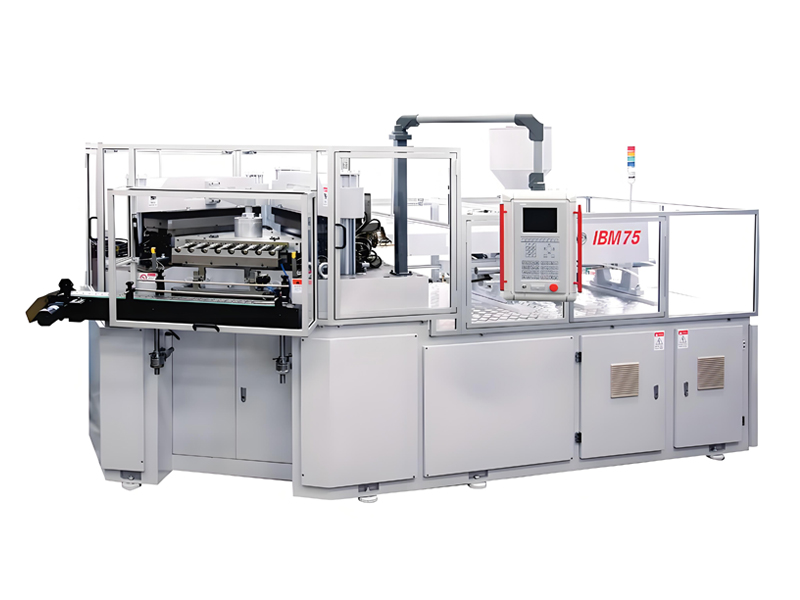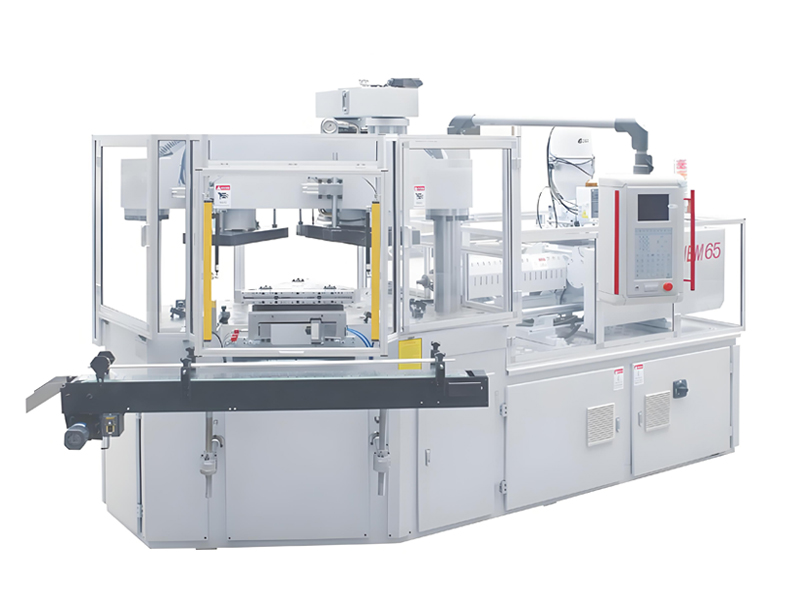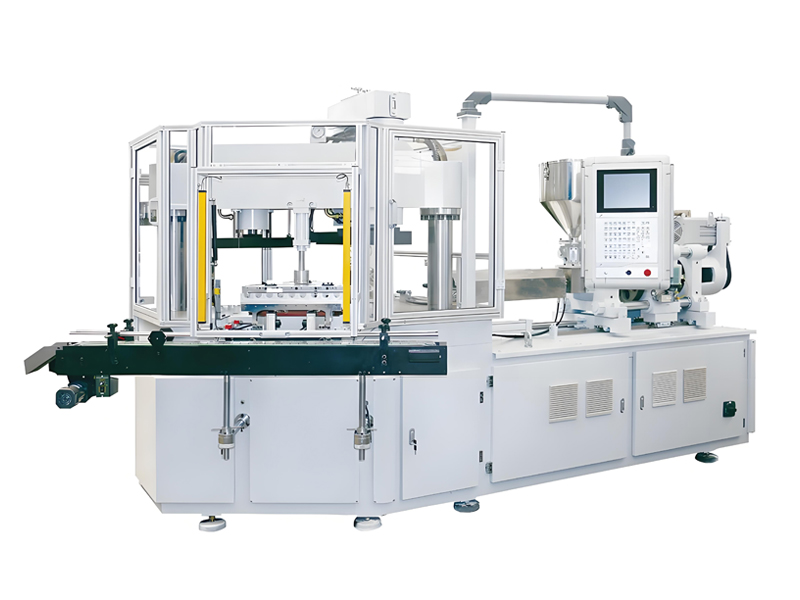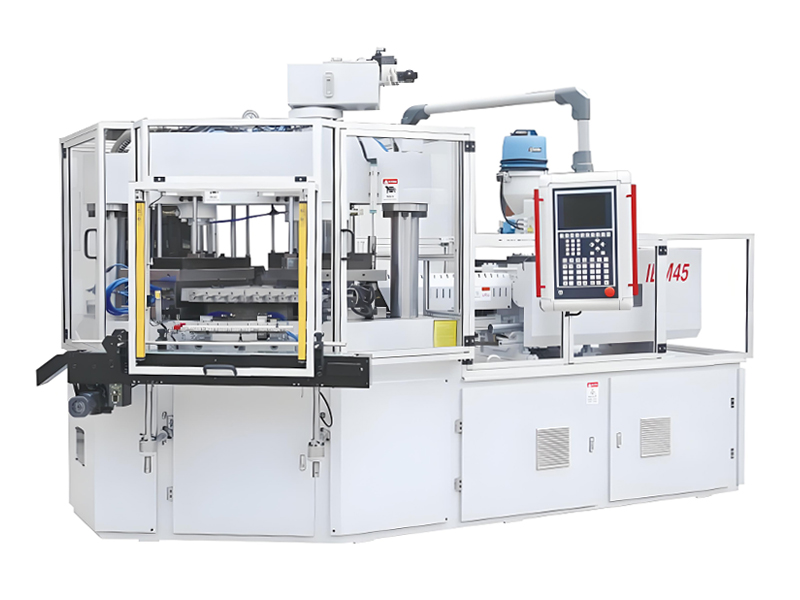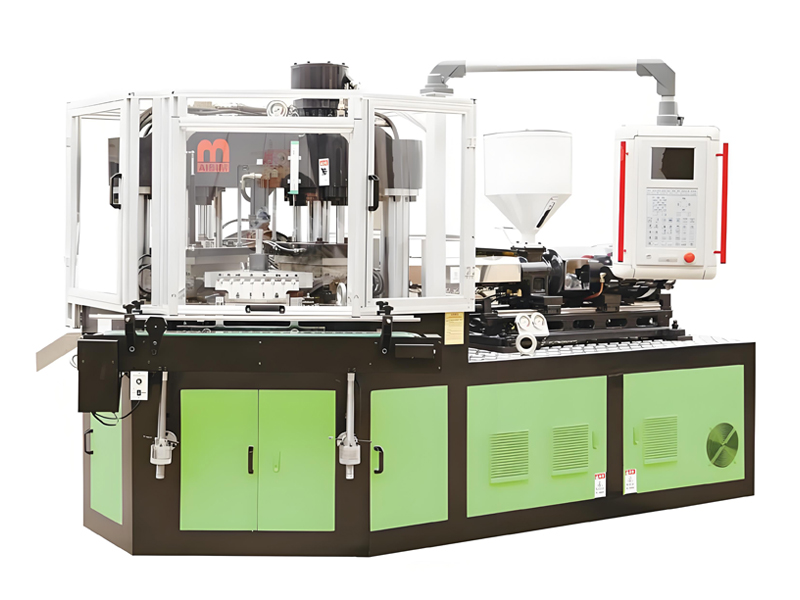
The global injection blow molding machine market is projected to reach $12.8 billion in 2026, growing at a compound annual growth rate (CAGR) of 5.8% through 2032. This growth is driven by increasing demand for high-quality plastic packaging in the medical, pharmaceutical, food and beverage, and personal care industries. China has emerged as the world’s largest manufacturer and exporter of injection blow molding machines, accounting for over 45% of global production. Chinese IBM machines offer an unbeatable combination of advanced technology, reliable performance, and competitive pricing, typically costing 30-50% less than comparable machines from European or American manufacturers.
However, importing injection blow molding machines from China presents significant challenges for global buyers. According to a 2026 industry survey, 62% of international buyers identify customs clearance issues as the biggest barrier to purchasing Chinese industrial equipment. These issues include incorrect HS code classification, unexpected tariff costs, document compliance problems, inspection delays, and cargo detention. These challenges can result in delivery delays of 2-6 weeks, additional costs of 10-30% of the machine value, and even production shutdowns for buyers.
As a leading Chinese manufacturer of injection blow molding machines with over 15 years of export experience, AiBiM has developed a comprehensive one-stop customs clearance assistance system to address these challenges. AiBiM has successfully delivered over 2,000 injection blow molding machines to customers in more than 80 countries worldwide. Our dedicated in-house customs team, combined with our global network of professional customs brokers, ensures that your machine clears customs smoothly and quickly, with no unexpected costs or delays. All AiBiM injection blow molding machines are certified to international standards including CE, FDA, and SASO, eliminating compliance issues in most markets.
This comprehensive guide provides everything global buyers need to know about importing injection blow molding machines from China. It examines the key customs clearance challenges, explains AiBiM’s full range of clearance assistance services, details country-specific requirements for major markets, and includes a complete cost analysis and real-world case studies. Whether you are purchasing your first injection blow molding machine or expanding your production capacity, this guide will help you navigate the complex customs process and ensure a successful import experience.
1. Global Injection Blow Molding Machine Market and China’s Export Advantages
Before diving into customs clearance details, it is important to understand the global market dynamics and why Chinese injection blow molding machines have become the preferred choice for buyers worldwide.
1.1 Growing Global Demand for IBM Machines
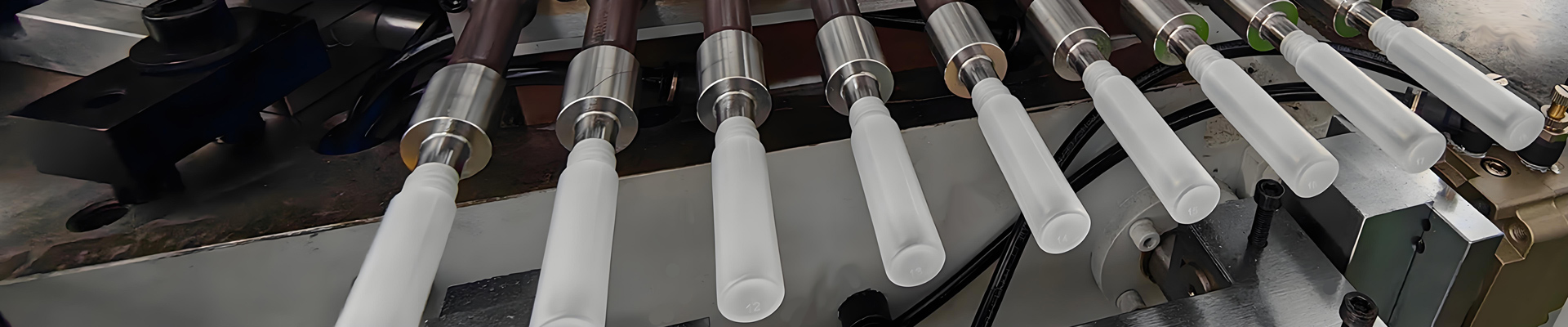
Injection blow molding technology produces high-precision, seamless plastic containers with excellent dimensional accuracy and uniform wall thickness. This makes it ideal for manufacturing small to medium-sized containers for pharmaceuticals, cosmetics, food products, and household chemicals. The medical industry is the fastest-growing segment for IBM machines, with demand increasing at 7.2% annually due to the need for sterile, single-use medical devices and packaging.
The personal care and cosmetics industry also drives significant demand, as injection blow molding produces containers with superior surface finish and design flexibility. Additionally, the growing focus on sustainable packaging has increased demand for IBM machines capable of processing recycled PET and other eco-friendly materials.
1.2 China’s Dominance in IBM Manufacturing
China has become the global hub for injection blow molding machine manufacturing due to several key advantages. First, Chinese manufacturers have invested heavily in research and development, resulting in machines that match the performance and reliability of European brands at a fraction of the cost. Modern Chinese IBM machines feature advanced servo drive systems, intelligent control technology, and energy-efficient designs that reduce operating costs by 20-30% compared to older models.
Second, China has a complete industrial supply chain for plastic machinery, allowing manufacturers to source high-quality components locally at competitive prices. This results in shorter production lead times and lower overall costs. Third, Chinese manufacturers offer greater customization flexibility, able to tailor machines to meet the specific production requirements of individual customers.
Finally, Chinese manufacturers have developed extensive export experience and after-sales service networks, making it easier for global buyers to purchase and maintain their equipment. AiBiM, for example, has service centers in 25 countries and provides 24/7 technical support to customers worldwide.
1.3 The Hidden Cost of Poor Customs Clearance
While Chinese injection blow molding machines offer significant upfront cost savings, poor customs clearance can erase these savings and create substantial problems for buyers. Common issues include incorrect tariff classification leading to overpayment of duties, missing or incorrect documents resulting in cargo detention, and unexpected inspection fees.
For example, a $70,000 injection blow molding machine incorrectly classified as an extrusion blow molding machine could result in an additional $7,000 in tariff costs. A 2-week delay in customs could cost a buyer $15,000 or more in lost production revenue. These hidden costs make it essential to work with a supplier who provides comprehensive customs clearance assistance.
2. Core Customs Clearance Challenges for China IBM Machine Exports
Importing injection blow molding machines from China involves navigating a complex web of regulations and requirements. The following are the most common challenges faced by global buyers.
2.1 HS Code Classification Errors
The Harmonized System (HS) code is the international standard for classifying traded products. The correct HS code for injection blow molding machines is 8477302000, as confirmed by Chinese customs authorities in 2026. This code applies specifically to machines that combine injection molding and blow molding processes in a single operation.
Many buyers and even some customs brokers incorrectly classify injection blow molding machines under other HS codes, such as 84771010 (other injection molding machines) or 84773010 (extrusion blow molding machines). This can lead to significant problems. For example, code 84771010 has a most-favored-nation (MFN) tariff rate of 0% in many countries, but customs authorities will reclassify the machine to 8477302000 if they determine the classification is incorrect, resulting in back taxes, fines, and cargo detention.
Conversely, some buyers may intentionally misclassify machines to pay lower tariffs, but this is extremely risky. Customs authorities are increasingly using advanced technology and data analytics to detect classification errors, and penalties can be severe, including permanent bans on importing from China.
2.2 Tariff and Anti-Dumping Duty Complexity
Tariff rates for injection blow molding machines vary significantly by country and trade agreement. The MFN tariff rate for HS code 8477302000 is 5% in most countries, but actual rates can range from 0% to 30% depending on the destination and applicable trade agreements.
The United States currently imposes a 25% additional tariff on Chinese injection blow molding machines under Section 301 of the Trade Act of 1974. This means the total tariff rate for machines imported into the US is 30% (5% MFN + 25% Section 301). However, some products may be eligible for exclusions from these tariffs, and AiBiM can help buyers apply for these exclusions where available.
Brazil recently increased tariffs on capital goods, including injection blow molding machines, from 0% to 12.6% in March 2026. Turkey imposes an 18% anti-dumping duty on Chinese plastic machinery, and India imposes a 23% duty. These additional duties can significantly increase the total cost of importing Chinese IBM machines.
Fortunately, China has signed free trade agreements (FTAs) with 29 countries and regions, including the Regional Comprehensive Economic Partnership (RCEP), which covers 15 Asia-Pacific countries. Under these agreements, buyers can enjoy reduced or zero tariffs on Chinese injection blow molding machines if they meet the rules of origin requirements.
2.3 Document Compliance Requirements
Customs authorities around the world require a complete set of accurate and consistent documents to clear imported goods. Missing or incorrect documents are the most common cause of customs delays. The essential documents for importing injection blow molding machines from China include:
- Commercial invoice: Must include detailed information about the machine, including brand, model, serial number, technical specifications, unit price, total value, and payment terms. The invoice must be signed and stamped by the manufacturer.
- Packing list: Must list each item in the shipment, including dimensions, weight, and number of packages. It should also specify the type of packaging used (e.g., wooden crates, steel frames).
- Bill of lading (B/L): Issued by the shipping company, this document serves as a receipt for the goods and a contract of carriage. It must accurately reflect the information in the commercial invoice and packing list.
- Certificate of origin: This document certifies that the goods were manufactured in China. It is required to claim preferential tariff treatment under FTAs.
- Technical documents: Include machine manuals, wiring diagrams, and technical specifications. Some countries require these documents to be translated into the local language.
- Certification documents: Depending on the destination country, may include CE, FDA, SASO, or other safety and quality certifications.
Even minor discrepancies between documents, such as a misspelled brand name or incorrect model number, can result in customs detention. For example, if the commercial invoice lists the machine model as “IBM-500” but the bill of lading lists it as “IBM500”, customs may hold the shipment until the discrepancy is resolved.
2.4 Inspection and Quarantine Requirements
Most countries require imported industrial machinery to meet specific safety and quality standards. Failure to comply with these requirements can result in the machine being rejected or destroyed by customs.
The European Union requires all machinery to have CE certification, which indicates compliance with the Machinery Directive (2006/42/EC), Low Voltage Directive (2014/35/EU), and Electromagnetic Compatibility Directive (2014/30/EU). The CE certification must be accompanied by a technical construction file (TCF) containing design drawings, risk assessments, test reports, and the manufacturer’s declaration of conformity.
The United States requires that any machine used to produce food or pharmaceutical packaging comply with FDA regulations, specifically 21 CFR Part 177, which governs food contact materials. This means all parts of the machine that come into contact with the plastic resin must be made from materials approved by the FDA.
Middle Eastern countries such as Saudi Arabia require SASO certification, while African countries such as Nigeria require SONCAP certification and Kenya requires PVOC certification. These certifications ensure that the machine meets local safety and quality standards.
2.5 Logistics and Transportation Risks
Injection blow molding machines are large, heavy, and delicate pieces of equipment that require special handling during transportation. Improper packaging can result in damage to the machine, which can lead to insurance claims, delays, and additional costs.
Most injection blow molding machines are shipped in wooden crates or steel frames to protect them during transit. However, if the packaging is not properly constructed or secured, the machine can shift during shipping, causing damage to critical components. Additionally, some countries require wooden packaging to be treated with heat or chemicals to prevent the spread of pests, and non-compliant packaging can result in customs detention.
Shipping delays are also a common risk, especially during peak seasons or due to port congestion. A delay of just a few days can result in missed production deadlines and lost revenue for buyers.
3. AiBiM’s One-Stop Customs Clearance Assistance System
AiBiM has developed a comprehensive one-stop customs clearance assistance system to address all the challenges outlined above. Our system covers every aspect of the export and import process, from pre-export compliance planning to destination port clearance and after-sales support.
3.1 Pre-Export Compliance Audit
The AiBiM customs team begins working on your order as soon as the contract is signed, long before production starts. We conduct a thorough pre-export compliance audit to ensure that all aspects of your order meet the customs requirements of your destination country.
This includes confirming the correct HS code classification for your specific injection blow molding machine model. Our team has extensive experience with HS code classification for plastic machinery and stays up-to-date with the latest changes in customs regulations worldwide. We provide you with a detailed classification report explaining why your machine is classified under 8477302000 and how this affects your tariff costs.
We also review all technical specifications and design documents to ensure compliance with local safety and quality standards. If any modifications are needed to meet your country’s requirements, we can implement them during the production process, avoiding costly retrofits later.
3.2 Preferential Certificate of Origin Processing
One of the most valuable services AiBiM provides is assistance with obtaining preferential certificates of origin. These certificates allow you to claim reduced or zero tariffs under free trade agreements, potentially saving you thousands of dollars in duty costs.
AiBiM can process all types of preferential certificates of origin, including:
- Generalized System of Preferences (GSP) Certificate of Origin (Form A): Available for exports to 39 developed countries, including the European Union, Japan, Australia, and Canada.
- Regional Comprehensive Economic Partnership (RCEP) Certificate of Origin: Available for exports to 14 other RCEP member countries, including Japan, South Korea, Australia, New Zealand, and all ASEAN countries. RCEP provides for gradual tariff reduction to zero on most goods over 20 years.
- ASEAN-China Free Trade Area (ACFTA) Certificate of Origin (Form E): Provides preferential tariff treatment for exports to ASEAN countries, with many products already eligible for zero tariffs.
- Other FTA certificates: Including Form B (Asia-Pacific Trade Agreement), Form F (China-Chile), Form L (China-Peru), and Form P (China-Pakistan).
Our team will determine which certificates you are eligible for and handle the entire application process on your behalf. We ensure that all certificates are completed accurately and submitted on time, so you can take full advantage of available tariff preferences. For example, a buyer in Thailand importing an $80,000 AiBiM IBM-500 can save $4,000 in tariffs by using an RCEP certificate of origin, which reduces the tariff rate from 5% to 0%.
3.3 Customized Document Preparation
AiBiM prepares all necessary export and import documents for your order, customized to meet the specific requirements of your destination country. Our document preparation team has extensive experience with the customs requirements of over 80 countries and ensures that all documents are accurate, consistent, and complete.
We provide all standard documents, including commercial invoices, packing lists, bills of lading, and certificates of origin. We also prepare specialized documents as required, such as technical manuals translated into the local language, certification documents, and inspection reports.
All documents undergo a rigorous three-step review process to ensure accuracy. First, the document preparation team drafts the documents based on your order details. Second, the customs compliance team reviews the documents to ensure compliance with destination country requirements. Finally, the project manager reviews the documents one last time before they are sent to you and the shipping company.
This comprehensive review process eliminates document errors that could cause customs delays. In fact, less than 1% of AiBiM shipments experience customs delays due to document issues, compared to the industry average of 15%.
3.4 International Logistics Coordination
AiBiM works with leading international shipping companies including Maersk, MSC, and CMA CGM to provide reliable, cost-effective transportation services for your injection blow molding machine. We offer a range of shipping options, including sea freight, air freight, and land transportation, to meet your delivery timeline and budget.
Our logistics team will select the optimal shipping route and carrier for your shipment, taking into account factors such as transit time, cost, and reliability. We also provide professional industrial packaging services to ensure your machine arrives in perfect condition. All AiBiM machines are packed in heavy-duty wooden crates with steel reinforcement and shock-absorbing materials to protect them during transit. We also use heat-treated wooden packaging that complies with international phytosanitary requirements, eliminating customs issues related to packaging.
We provide real-time tracking information for your shipment, so you can monitor its progress from our factory to your facility. If any issues arise during transportation, our logistics team will work quickly to resolve them and minimize delays.
3.5 Global Destination Port Customs Broker Network
One of AiBiM’s greatest strengths is our global network of professional customs brokers. We have established partnerships with experienced customs brokers in over 60 countries, covering all major markets for injection blow molding machines.
These local brokers have in-depth knowledge of their country’s customs regulations, procedures, and practices. They handle all aspects of destination port clearance on your behalf, including submitting customs declarations, paying duties and taxes, coordinating inspections, and arranging delivery to your facility.
Our local brokers also have established relationships with customs authorities, which can help expedite the clearance process and resolve any issues that may arise. For example, if your shipment is selected for inspection, our broker will be present to represent you and ensure the inspection is conducted quickly and efficiently.
3.6 Tariff and Tax Calculation & Optimization
AiBiM provides a detailed, transparent breakdown of all customs-related costs before you place your order. Our team will calculate the exact tariff rate, VAT, and any other taxes or fees applicable to your shipment based on the latest customs regulations.
We also provide tariff optimization advice to help you minimize your import costs. This includes identifying applicable free trade agreements, recommending optimal shipping terms, and providing guidance on customs valuation. For example, we can advise you on whether it is more cost-effective to ship the machine as a complete unit or in separate components, depending on your country’s tariff structure.
Our cost breakdown includes all fees, such as customs declaration fees, port charges, terminal handling fees, and customs broker fees. There are no hidden costs or surprises, so you can budget accurately for your import.
3.7 After-Sales Customs Support
AiBiM’s customs clearance assistance does not end when your machine is delivered. We also provide comprehensive after-sales customs support to help you with any future import needs related to your machine.
This includes assistance with importing spare parts, which often have different customs requirements than complete machines. We can prepare all necessary documents for spare part shipments and help you classify them correctly to minimize tariff costs. We also provide support for warranty repairs and returns, including assistance with temporary import/export procedures.
If you need to update or renew any certifications for your machine, our team can help you navigate the process. We also keep you informed about changes in customs regulations that may affect your future imports from China.
4. Customs Clearance Requirements by Major Export Markets and AiBiM Solutions
Customs clearance requirements vary significantly by country. The following sections outline the specific requirements for major markets and how AiBiM can help you meet them.
4.1 North America (United States and Canada)
The United States and Canada are major markets for Chinese injection blow molding machines, but they have strict customs and product safety requirements.
United States: As mentioned earlier, the US imposes a 25% Section 301 tariff on Chinese injection blow molding machines, in addition to the 5% MFN tariff. The US also requires FDA compliance for machines used to produce food or pharmaceutical packaging. All product contact parts must be made from FDA-approved materials, and you must provide a FDA food contact material declaration.
AiBiM Solution: All AiBiM injection blow molding machines intended for the US market are constructed with FDA-approved materials for all product contact parts. We provide a complete FDA food contact material test report and declaration of compliance. We also help buyers apply for Section 301 tariff exclusions where available, and we work with experienced US customs brokers who specialize in industrial machinery imports. Our brokers can help you navigate the FDA inspection process and resolve any issues that may arise.
Canada: Canada has a 5% MFN tariff on injection blow molding machines. Under the Canada-United States-Mexico Agreement (CUSMA), some products may be eligible for preferential tariff treatment if they meet the rules of origin requirements. Canada also requires compliance with CSA safety standards for electrical equipment.
AiBiM Solution: We can help you determine if your machine is eligible for CUSMA preferential treatment and prepare the necessary documentation. All AiBiM machines meet CSA electrical safety standards, and we provide the required certification documents. We also work with local customs brokers in Canada to ensure smooth clearance.
4.2 European Union
The European Union is one of the largest markets for injection blow molding machines, but it has some of the strictest product safety and environmental regulations in the world.
All machinery imported into the EU must have CE certification, which indicates compliance with the Machinery Directive, Low Voltage Directive, and Electromagnetic Compatibility Directive. The manufacturer must provide a technical construction file (TCF) containing all necessary technical documentation, and the CE mark must be affixed to the machine.
The EU also has strict environmental regulations, including the Restriction of Hazardous Substances (RoHS) Directive and the Waste Electrical and Electronic Equipment (WEEE) Directive. These regulations restrict the use of certain hazardous substances in electrical and electronic equipment and require manufacturers to take responsibility for the disposal of their products at the end of their life.
AiBiM Solution: All AiBiM injection blow molding machines are CE certified by TÜV Rheinland, a leading European notified body. We provide a complete technical construction file (TCF) with every machine, including design drawings, risk assessments, test reports, and the EU declaration of conformity. Our machines also comply with RoHS and WEEE directives. We can help you obtain GSP Form A certificates to reduce your tariff costs, and we work with experienced customs brokers throughout the EU to ensure smooth clearance.
4.3 Southeast Asia (ASEAN)
Southeast Asia is one of the fastest-growing markets for injection blow molding machines, driven by the expansion of the manufacturing sector in countries such as Thailand, Vietnam, Indonesia, and Malaysia.
Under the ASEAN-China Free Trade Area (ACFTA) and the Regional Comprehensive Economic Partnership (RCEP), most injection blow molding machines are eligible for zero or reduced tariffs when imported from China. However, some countries have additional certification requirements, such as SNI certification in Indonesia and TISI certification in Thailand.
AiBiM Solution: We prepare RCEP or ACFTA certificates of origin for all shipments to ASEAN countries, ensuring you enjoy the lowest possible tariff rates. We also assist with obtaining local certifications such as SNI and TISI, working with authorized testing laboratories in each country. Our local customs brokers in all major ASEAN countries handle all clearance procedures, including any required inspections.
4.4 Middle East
The Middle East is a significant market for injection blow molding machines, particularly for the production of cosmetics and personal care packaging.
Most Gulf Cooperation Council (GCC) countries require GSO certification, which is a regional conformity assessment scheme. Saudi Arabia also requires SASO certification, and some countries require additional product testing. Tariff rates in the Middle East generally range from 5% to 10%.
AiBiM Solution: All AiBiM injection blow molding machines are GSO and SASO certified, and we provide the required certification documents. We work with local customs brokers in all major Middle Eastern countries who are familiar with the specific requirements of each country. They handle all clearance procedures, including any required product testing or inspections.
4.5 Africa
Africa is an emerging market for injection blow molding machines, with growing demand for affordable packaging solutions.
Many African countries have implemented pre-shipment inspection schemes to ensure the quality of imported goods. For example, Nigeria requires SONCAP certification, Kenya requires PVOC certification, and Tanzania requires COC certification. These certifications require that the goods be inspected before shipment to ensure they meet local quality standards. Tariff rates in Africa generally range from 10% to 25%.
AiBiM Solution: We assist with obtaining all required pre-shipment certifications for African countries, working with authorized inspection companies. We ensure that all inspections are conducted before shipment to avoid delays at the port of destination. Our local customs brokers in major African countries handle all clearance procedures, including any additional inspections required upon arrival.
4.6 Latin America
Latin America is another growing market for injection blow molding machines, with Brazil, Mexico, and Argentina being the largest importers.
Brazil recently increased tariffs on capital goods, including injection blow molding machines, from 0% to 12.6% in March 2026. Mexico has a 5% MFN tariff, and under the USMCA agreement, some products may be eligible for preferential treatment. Brazil also requires INMETRO certification for electrical equipment, and Mexico requires NOM certification.
AiBiM Solution: We help you navigate the complex tariff and certification requirements in Latin America. We can assist with obtaining INMETRO and NOM certifications, working with local testing laboratories. We also prepare applicable FTA certificates of origin, such as Form F for Chile and Form L for Peru, to reduce your tariff costs. Our local customs brokers in major Latin American countries handle all clearance procedures.
5. Cost Analysis: Customs Clearance Related Expenses and AiBiM’s Cost Advantages
To help you budget accurately for your import, this section provides a detailed breakdown of customs clearance related expenses and compares the costs of handling clearance yourself versus using AiBiM’s assistance.
5.1 Breakdown of Customs Clearance Related Expenses
The total cost of customs clearance for an injection blow molding machine typically ranges from 10% to 40% of the machine’s CIF (Cost, Insurance, Freight) value, depending on the destination country. The main components of these costs are:
- Tariff duties: This is the largest component, typically ranging from 0% to 30% of the CIF value. As discussed earlier, tariff rates vary significantly by country and applicable trade agreements.
- Value-added tax (VAT): Most countries impose VAT on imported goods, typically ranging from 7% to 27% of the CIF value plus tariff duties. Some countries may also impose additional sales taxes or excise duties.
- Customs declaration fees: Charged by the customs broker for preparing and submitting the customs declaration. Typically ranges from $100 to $800 per shipment.
- Port and terminal charges: Charged by the port or terminal for handling the cargo. Includes terminal handling charges (THC), documentation fees, and security fees. Typically ranges from $500 to $1,500 for a standard 20-foot container.
- Customs broker fees: Charged by the customs broker for their services. Typically ranges from $300 to $1,000 per shipment, depending on the complexity of the clearance.
- Inspection and testing fees: If the shipment is selected for inspection or requires additional testing, these fees can range from $500 to $2,000 or more.
- Document preparation fees: Charged for preparing various documents such as certificates of origin, legalization, and translation. Typically ranges from $200 to $500 per shipment.
- Storage and demurrage fees: If the shipment is delayed in customs, you may be charged storage fees by the port or terminal. These fees can add up quickly, ranging from $50 to $200 per day.
5.2 Cost Comparison: Self-Clearance vs. AiBiM Assistance
Many buyers consider handling customs clearance themselves to save money, but this often results in higher total costs due to delays, errors, and unexpected fees. The following comparison illustrates the cost advantages of using AiBiM’s customs clearance assistance.
Example 1: AiBiM IBM-500 injection blow molding machine, CIF Los Angeles, USA, value $85,000
Self-clearance costs:
- Tariff (30%: 5% MFN + 25% Section 301): $25,500
- VAT (7.25% on CIF + tariff): $8,004
- Customs declaration fee: $500
- Port and terminal charges: $1,200
- Customs broker fee: $800
- Document preparation fee: $300
- Contingency fund (10% for unexpected costs): $3,630
- Total: $39,934
AiBiM-assisted clearance costs:
- Tariff (30%): $25,500
- VAT (7.25%): $8,004
- Customs declaration fee: $400
- Port and terminal charges: $1,000
- Customs broker fee: $600
- Document preparation fee: $0 (included in AiBiM service)
- Contingency fund (2% due to reduced risk): $710
- Total: $36,214
Savings with AiBiM: $3,720
In addition to these direct savings, AiBiM’s assistance reduces the risk of customs delays, which can cost thousands of dollars in lost production revenue. AiBiM also helps buyers apply for Section 301 tariff exclusions where available, which can reduce the tariff rate from 30% to 5%, saving an additional $21,250 in this example.
Example 2: AiBiM IBM-500 injection blow molding machine, CIF Bangkok, Thailand, value $80,000
Self-clearance costs (without RCEP certificate):
- Tariff (5% MFN): $4,000
- VAT (7% on CIF + tariff): $5,880
- Customs declaration fee: $300
- Port and terminal charges: $800
- Customs broker fee: $500
- Document preparation fee: $200
- Contingency fund (10%): $1,168
- Total: $12,848
AiBiM-assisted clearance costs (with RCEP certificate):
- Tariff (0% RCEP): $0
- VAT (7% on CIF): $5,600
- Customs declaration fee: $250
- Port and terminal charges: $700
- Customs broker fee: $400
- Document preparation fee: $0 (included in AiBiM service)
- Contingency fund (2%): $139
- Total: $7,089
Savings with AiBiM: $5,759
This example clearly demonstrates the significant savings that can be achieved through AiBiM’s assistance with preferential certificate of origin processing.
5.3 AiBiM IBM Machine Price List 2026
To help you budget for your complete project, the following are the base prices for AiBiM injection blow molding machines in 2026. These prices include standard configuration and FOB Shanghai shipping terms. Customization options and additional services will increase the price accordingly.
- AiBiM IBM-250: $35,000 – $50,000. Production capacity: Up to 250 bottles per hour (50ml). Suitable for small-scale production and laboratory use.
- AiBiM IBM-500: $65,000 – $90,000. Production capacity: Up to 500 bottles per hour (50ml). Most popular model for medium-scale production.
- AiBiM IBM-750: $95,000 – $130,000. Production capacity: Up to 750 bottles per hour (50ml). Suitable for high-volume production.
- AiBiM IBM-1200: $150,000 – $220,000. Production capacity: Up to 1200 bottles per hour (50ml). High-speed model for large-scale manufacturing.
6. Real-World Case Studies: How AiBiM Solved Customs Clearance Issues for Global Buyers
The following case studies illustrate how AiBiM’s customs clearance assistance has helped global buyers overcome significant challenges and save time and money.
6.1 Case Study 1: USA Medical Packaging Manufacturer
A medical packaging manufacturer in California purchased an AiBiM IBM-250 injection blow molding machine for producing sterile pharmaceutical bottles. The buyer initially planned to handle customs clearance themselves using a local broker.
When the machine arrived at the Port of Los Angeles, it was selected for FDA inspection. The local broker was unable to provide the required FDA food contact material documentation, and the machine was detained in customs. After 10 days of detention, the buyer contacted AiBiM for assistance.
AiBiM Solution: Our customs team immediately provided the complete FDA 21 CFR 177.1520 test report for all product contact parts of the machine, along with a detailed declaration of compliance. We also contacted our local customs broker in Los Angeles, who has extensive experience with FDA-regulated imports. The broker met with FDA inspectors and presented the documentation, answering all their questions.
Result: The machine was released from customs within 3 days of AiBiM’s involvement. The buyer avoided over $10,000 in demurrage and storage fees and was able to start production only 2 weeks later than originally planned. The buyer was so satisfied with our assistance that they have since purchased two more machines from AiBiM, using our full customs clearance service for both.
6.2 Case Study 2: Thai Beverage Company
A beverage company in Thailand purchased two AiBiM IBM-500 injection blow molding machines for producing plastic beverage bottles. The buyer was unaware of the RCEP free trade agreement and planned to pay the standard 5% MFN tariff.
AiBiM Solution: During the pre-export compliance audit, our team identified that the machines were eligible for zero tariff treatment under the RCEP agreement. We prepared and submitted the RCEP certificate of origin on the buyer’s behalf. When the machines arrived in Bangkok, our local customs broker used the certificate to clear the machines with zero tariff.
Result: The buyer saved $8,000 in tariff costs on the two machines. Additionally, the clearance process was completed in just 3 days, compared to the average 7-10 days for self-clearance. The buyer was able to start production ahead of schedule and has since become a repeat customer, using AiBiM’s customs clearance service for all their imports from China.
6.3 Case Study 3: Nigerian Bottling Plant
A bottling plant in Nigeria purchased an AiBiM IBM-750 injection blow molding machine. The buyer had previously experienced significant delays when importing machinery from China due to SONCAP certification issues.
AiBiM Solution: Before production started, our team worked with an authorized SONCAP inspection company to conduct a pre-shipment inspection of the machine. We obtained the SONCAP certificate before the machine was shipped, ensuring that all requirements were met before departure. When the machine arrived in Lagos, our local customs broker presented the SONCAP certificate and all other required documents.
Result: The machine cleared customs in just 4 days, with no additional inspections or delays. The buyer avoided the 2-week detention and $15,000 in fines they had experienced with their previous import. They were extremely satisfied with the smooth process and have recommended AiBiM to other manufacturers in Nigeria.
7. AiBiM IBM Machine Export Process and Customs Clearance Timeline
To help you plan your project, the following is a detailed timeline of the AiBiM injection blow molding machine export and customs clearance process.
7.1 Pre-Production Phase
Order confirmation and contract signing: 1-3 days. Finalize machine specifications, price, and delivery terms. Sign sales contract and receive deposit.
Pre-export compliance audit: 1-2 weeks. Confirm correct HS code classification. Identify applicable trade agreements and certification requirements. Develop customized document plan.
Production and quality inspection: 30-45 days. Manufacture machine according to specifications. Conduct rigorous quality testing and inspection. Prepare machine for shipping.
7.2 Export Phase
Final document preparation: 3-5 days. Prepare commercial invoice, packing list, and other export documents. Obtain required certificates of origin and certification documents. Conduct final document review.
Packaging and loading: 2-3 days. Pack machine in heavy-duty wooden crates with steel reinforcement. Load container and secure cargo. Obtain bill of lading from shipping company.
China export customs declaration: 1-2 days. Submit export declaration to Chinese customs. Arrange for any required export inspections. Obtain export release.
7.3 International Shipping Phase
Shipping time varies by destination:
- Southeast Asia: 7-10 days
- Europe: 20-25 days
- North America: 25-30 days
- Africa: 30-40 days
- Latin America: 35-45 days
During shipping, AiBiM provides real-time tracking information and updates on the shipment’s progress. We also notify the destination customs broker of the upcoming arrival to ensure they are prepared to handle the clearance.
7.4 Import Phase
Destination port customs clearance: 3-7 days (with AiBiM assistance). Submit import declaration to local customs. Pay applicable duties and taxes. Coordinate any required inspections. Obtain customs release.
Delivery and installation: 1-3 days. Transport machine from port to your facility. Unload and unpack machine. Begin installation and commissioning.
Total project timeline from order confirmation to installation:
- Southeast Asia: 45-60 days
- Europe: 60-75 days
- North America: 65-80 days
- Africa: 70-90 days
- Latin America: 75-95 days
8. Common Customs Clearance Issues and AiBiM’s Rapid Response Mechanism
Even with the most careful planning, occasional customs issues can arise. AiBiM has developed a rapid response mechanism to address these issues quickly and minimize their impact on your business.
8.1 Document Missing or Incorrect
This is the most common customs issue, but it is also the easiest to resolve with AiBiM’s assistance. Our document preparation team maintains a complete digital archive of all documents for every order. If a document is missing or contains an error, we can provide a corrected version within 24 hours, regardless of the time zone.
Our team also works directly with customs authorities to resolve document discrepancies. In many cases, we can provide electronic copies of documents to speed up the clearance process while waiting for physical copies to arrive.
8.2 Customs Inspection
Approximately 5-10% of shipments are selected for random customs inspection. If your shipment is selected for inspection, our local customs broker will be present to represent you and ensure the inspection is conducted quickly and efficiently.
Our brokers have extensive experience with injection blow molding machines and can answer any questions customs inspectors may have about the equipment. We also provide detailed technical documentation to help inspectors verify that the machine matches the declaration.
8.3 Tariff Classification Dispute
Occasionally, customs authorities may disagree with the HS code classification of your machine. If this happens, AiBiM’s customs team will provide technical support and evidence to support our classification. This includes detailed technical specifications, design drawings, and explanations of the machine’s operation.
We have successfully resolved numerous tariff classification disputes for our customers, saving them thousands of dollars in additional tariff costs. In most cases, we can resolve the dispute within 1-2 weeks without the need for formal appeals.
8.4 Cargo Detention
If your cargo is detained by customs for any reason, AiBiM’s rapid response team will immediately begin working to resolve the issue. We will coordinate with the shipping company, customs broker, and customs authorities to identify the cause of the detention and develop a solution.
We also provide regular updates on the status of your shipment and work to minimize any storage or demurrage fees. In cases where detention is prolonged, we can explore alternative solutions such as temporary storage or expedited release procedures.
8.5 Certification Issues
If customs authorities question the validity of your machine’s certifications, AiBiM will provide additional documentation and support to verify compliance. We work directly with certification bodies to resolve any issues and can provide additional testing or inspection if required.
All AiBiM certifications are issued by internationally recognized bodies, and we maintain complete records of all testing and inspection reports. This allows us to quickly address any certification questions that may arise.
9. Why Choose AiBiM as Your China IBM Machine Supplier and Customs Partner
Choosing the right supplier is critical to ensuring a successful import experience. AiBiM offers unique advantages that make us the ideal partner for your injection blow molding machine purchase.
9.1 15+ Years of Export Experience
AiBiM has over 15 years of experience manufacturing and exporting injection blow molding machines to over 80 countries worldwide. During this time, we have developed an in-depth understanding of the customs regulations and requirements of every major market. This experience allows us to anticipate and address potential issues before they become problems.
9.2 Professional In-House Customs Team
Unlike many manufacturers who outsource customs clearance to third parties, AiBiM has a dedicated in-house customs team consisting of certified customs specialists and international trade experts. Our team stays up-to-date with the latest changes in customs regulations and trade agreements worldwide, ensuring that your shipment complies with all current requirements.
9.3 Global Customs Broker Network
AiBiM has established partnerships with experienced customs brokers in over 60 countries. These local brokers have in-depth knowledge of their country’s customs procedures and established relationships with customs authorities. This allows us to provide fast, efficient clearance services anywhere in the world.
9.4 Full Range of Certified Products
All AiBiM injection blow molding machines are certified to international standards including CE, FDA, GSO, SASO, and RoHS. This eliminates the need for additional testing or certification in most markets, saving you time and money. We also provide all required certification documents as part of our standard service.
9.5 Transparent Pricing and No Hidden Fees
AiBiM provides transparent, all-inclusive pricing for our machines and services. We provide a detailed breakdown of all costs upfront, including machine price, shipping costs, and customs clearance fees. There are no hidden charges or surprises, so you can budget accurately for your project.
9.6 Comprehensive After-Sales Support
AiBiM’s commitment to our customers does not end when the machine is delivered. We provide comprehensive after-sales support, including installation and commissioning, operator training, spare parts supply, and technical support. We also provide ongoing customs support for spare part imports and warranty repairs.
9.7 Competitive Machine Prices
Despite our advanced technology and comprehensive services, AiBiM injection blow molding machines are priced 30-50% lower than comparable machines from European or American manufacturers. This allows you to enjoy significant cost savings without compromising on quality or performance.
10. Conclusion
Importing injection blow molding machines from China offers significant cost savings and access to advanced technology, but it also presents complex customs clearance challenges. Incorrect HS code classification, unexpected tariff costs, document compliance issues, and inspection delays can result in significant additional expenses and production downtime.
AiBiM’s comprehensive one-stop customs clearance assistance system addresses all these challenges, providing a seamless import experience for global buyers. Our pre-export compliance audit, preferential certificate processing, customized document preparation, global customs broker network, and after-sales support ensure that your machine clears customs smoothly and quickly, with no unexpected costs.
With over 15 years of export experience, a professional in-house customs team, and a global network of partners, AiBiM is uniquely positioned to help you navigate the complex customs process. We have successfully delivered over 2,000 injection blow molding machines to customers in more than 80 countries, and we are committed to ensuring your import experience is smooth and successful.
If you are considering purchasing an injection blow molding machine from China, contact AiBiM today to learn more about our customs clearance assistance services. Our team of experienced engineers and customs specialists will work with you to design a customized solution that meets your specific needs and budget. With AiBiM as your partner, you can be confident that your machine will arrive on time, clear customs without issues, and provide years of reliable performance.