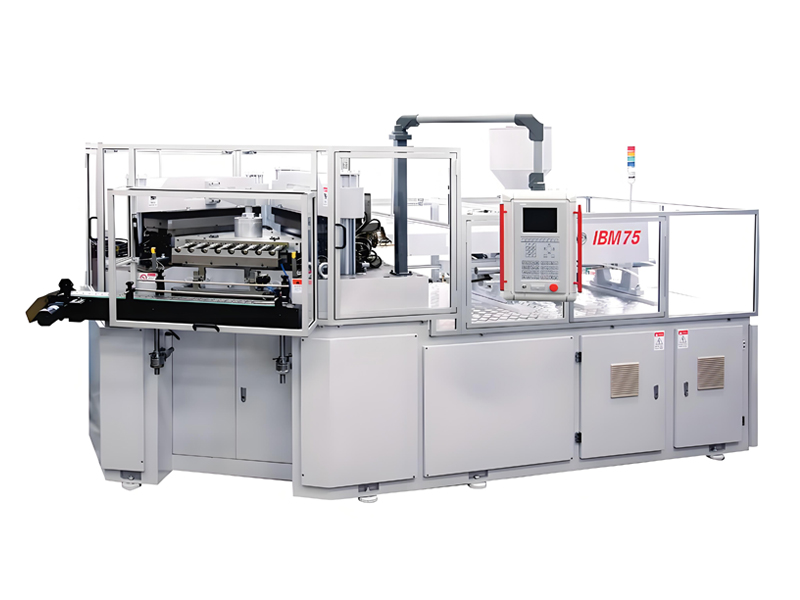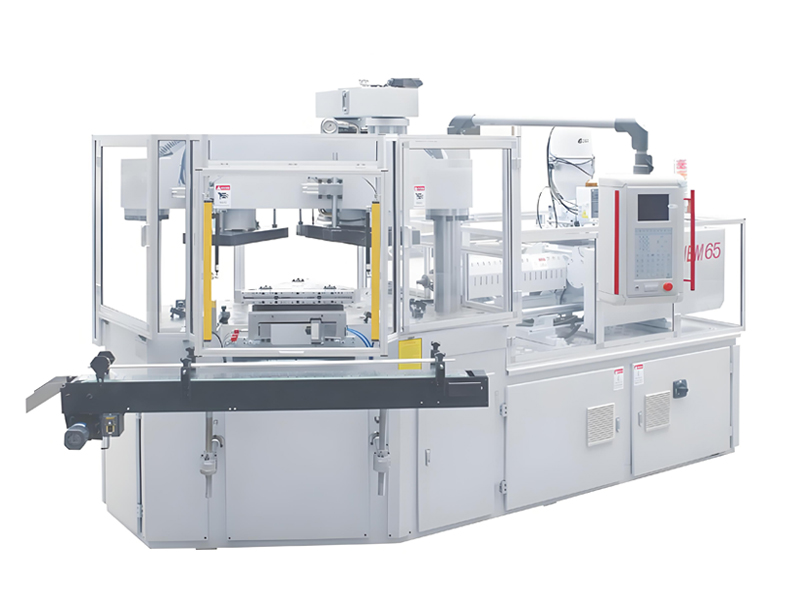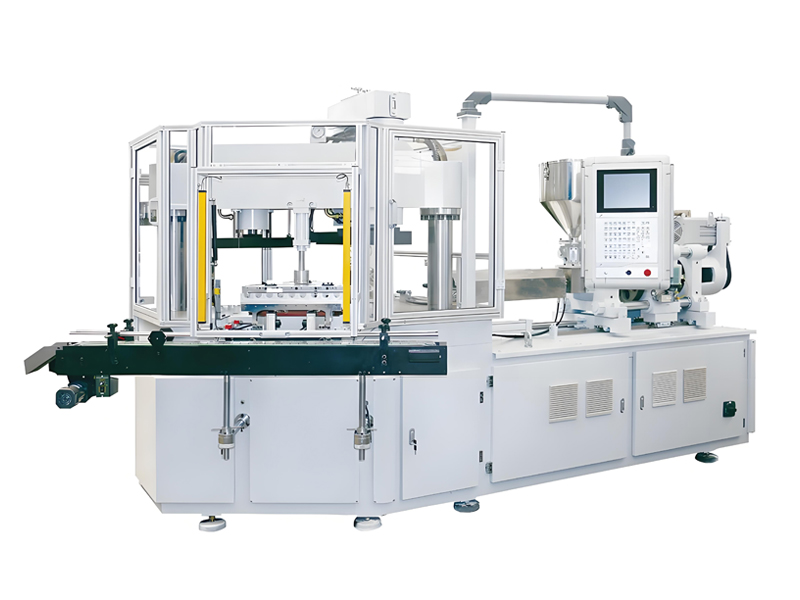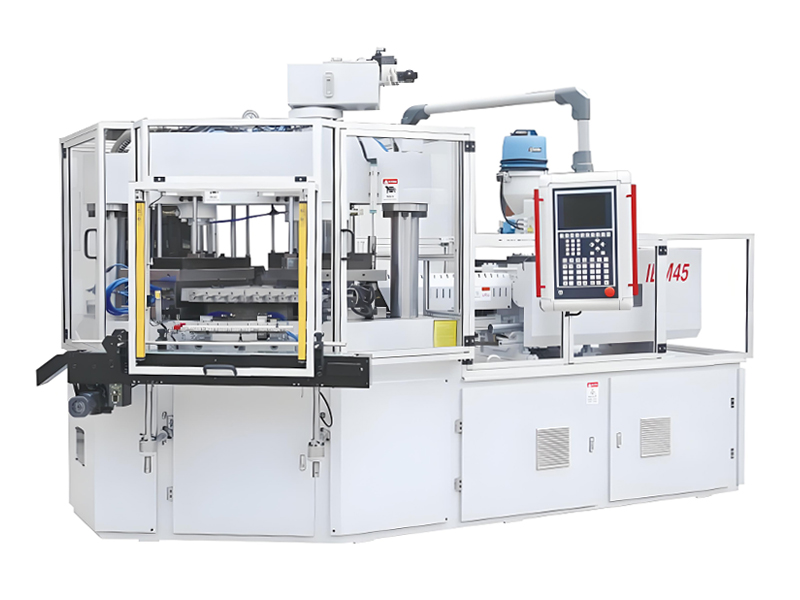
Modern manufacturing operations require more than just primary processing equipment to achieve optimal production efficiency and product quality. When operating an injection blow molding machine, the integration of properly selected auxiliary equipment becomes a critical factor that determines overall operational success. These supporting systems work in concert with the primary injection blow molding machine to create a comprehensive manufacturing ecosystem capable of delivering consistent, high-quality products across various industries including pharmaceuticals, food packaging, cosmetics, and consumer goods.
The relationship between an injection blow molding machine and its auxiliary equipment represents a sophisticated interplay of mechanical, electrical, and thermal management systems. Understanding how to properly specify, integrate, and operate these complementary technologies can significantly impact production throughput, energy consumption, product quality, and ultimately, return on investment. This comprehensive guide explores the essential auxiliary equipment categories, their functions, selection criteria, and best practices for achieving seamless integration with your injection blow molding operations.
Whether you are establishing a new manufacturing facility or optimizing an existing production line, this article provides the detailed knowledge required to make informed decisions about auxiliary equipment investments and operational strategies. From material handling to finished product conveyance, we cover every aspect of building an efficient injection blow molding machine production environment.
Understanding Auxiliary Equipment in Injection Blow Molding
Auxiliary equipment refers to the secondary machines and systems that support the primary injection blow molding machine throughout the production process. These systems handle critical functions including material preparation, temperature control, environmental management, and finished product handling. Without properly configured auxiliary equipment, even the most advanced injection blow molding machine cannot achieve its full potential in terms of efficiency, quality, or reliability.
The injection blow molding process itself involves three fundamental stages: injection of molten material into a preform mold, stretching and blow molding the preform into the final container shape, and ejection of the finished product. Each of these stages places specific demands on supporting systems, creating requirements for auxiliary equipment that must be carefully matched to production objectives and material specifications. When configuring an injection blow molding machine production line, each auxiliary system must be evaluated for compatibility with the specific machine model and production requirements.
In the context of modern manufacturing, auxiliary equipment serves multiple purposes beyond basic functionality. Energy efficiency has become increasingly important, with advanced auxiliary systems designed to reduce overall power consumption by optimizing their operation cycles to complement the injection blow molding machine. Additionally, the push toward Industry 4.0 integration means that auxiliary equipment must often communicate with central control systems, providing real-time data on operational parameters and enabling predictive maintenance strategies for the machine and its supporting equipment.
The Role of Auxiliary Systems in Production Efficiency
Production efficiency in injection blow molding operations depends heavily on the seamless coordination between the primary machine and its supporting systems. When auxiliary equipment operates optimally, the machine experiences fewer interruptions, maintains consistent cycle times, and produces products within specified quality parameters. Conversely, inadequately specified or poorly maintained auxiliary systems can become bottlenecks that limit throughput and increase reject rates on the injection blow molding machine.
Modern auxiliary equipment incorporates advanced control algorithms that enable energy savings while maintaining precise process conditions. Variable frequency drives, intelligent temperature controllers, and automated material delivery systems all contribute to reducing operational costs while improving product consistency. These systems represent significant investment opportunities that can deliver substantial returns through improved efficiency and reduced waste when integrated with the injection blow molding machine.
The injection blow molding machine operator must understand how each auxiliary system impacts overall production performance. Training programs should cover not only direct machine operation but also the supporting equipment that enables the machine to perform at peak efficiency. This comprehensive understanding supports faster problem resolution and more effective optimization efforts.
Essential Auxiliary Equipment Categories
Material Handling and Preparation Systems
Material handling equipment forms the foundation of any injection blow molding operation. The quality of raw material preparation directly impacts the final product characteristics and the performance of the injection blow molding machine. These systems encompass material storage, conveying, drying, and mixing capabilities that ensure consistent material properties throughout production runs. Every injection blow molding machine installation requires supporting material handling systems sized appropriately for production requirements.
Desiccant air dryers represent one of the most critical pieces of auxiliary equipment for injection blow molding operations processing hygroscopic materials. These systems remove moisture from plastic resins before they enter the injection blow molding machine, preventing hydrolysis reactions that can degrade material properties and cause surface defects in finished products. The drying temperature and humidity levels must be precisely controlled based on the specific material being processed, with most engineering polymers requiring dew points below minus 40 degrees Celsius to protect the machine from material-related quality issues.
Material conveying systems transport raw materials from storage containers to the machine hoppers. These systems can operate using vacuum, pressure, or combined conveying methods, with the choice depending on distance, throughput requirements, and material characteristics. Automated conveying systems reduce labor requirements while ensuring consistent material delivery rates that support stable injection blow molding machine operation. The conveying system capacity must match or exceed the machine consumption rate to prevent material starvation during production.
Material blenders enable precise compounding of virgin resin with regrind, colorants, and additives. Gravimetric blenders offer superior accuracy compared to volumetric systems, ensuring consistent product properties batch after batch. For operations producing multiple product types on the same injection blow molding machine, quick-change material feed systems minimize changeover time and reduce material waste. Proper blender configuration ensures that the machine receives consistently prepared material regardless of formulation changes.
Temperature Control Systems
Mold temperature controllers maintain precise thermal conditions in the machine tooling throughout the production cycle. These auxiliary systems remove heat from the mold during cooling phases while some configurations also provide heating for materials requiring elevated processing temperatures. The accuracy and stability of temperature control directly influences product quality, cycle time, and tool longevity. The injection blow molding machine benefits from precise mold temperature management that minimizes thermal stress on tooling components.
Modern temperature control units utilize advanced control algorithms that adjust flow rates and heating or cooling output based on real-time temperature measurements. This results in more stable mold temperatures compared to older on-off control methods, leading to improved product consistency and reduced thermal stress on tooling components. Some advanced systems incorporate multiple heating zones that can be independently controlled for complex mold geometries on the injection blow molding machine.
When selecting temperature controllers for injection blow molding applications, considerations include heating and cooling capacity, temperature range capability, flow rate, and energy efficiency. Oil-based systems offer higher temperature capabilities and more uniform heat transfer, while water-based units provide faster cooling rates for lower temperature applications. The choice depends on the specific requirements of the products being manufactured and the capabilities of the machine being used.
Cooling Systems and Chillers
Industrial chillers provide the cooling capacity required to remove heat from the injection blow molding process. These auxiliary systems condense coolant that has absorbed heat from the mold temperature controllers and injection blow molding machine components, preparing it for return to the production equipment. The capacity and efficiency of the chiller directly impacts cycle times and overall production throughput for the injection blow molding machine.
Chiller sizing calculations must account for all heat loads in the production system, including the injection blow molding machine, mold temperature controllers, and any other cooling requirements. Undersized chillers result in elevated coolant temperatures that extend cooling phases and reduce production rates on the injection blow molding machine. Oversized chillers consume excessive energy while potentially causing temperature instability due to excessive cycling.
Advanced chiller systems incorporate variable speed compressors and intelligent control algorithms that adjust cooling output to match actual demand. This approach can reduce energy consumption by 30 to 50 percent compared to fixed-capacity units operating at full load continuously. Some systems also enable heat recovery, directing waste heat from the cooling process toward facility heating requirements or material drying for the machine installation.
Air Management Systems
Compressed air systems supply the pneumatic power required for various functions in injection blow molding operations. These systems provide air for the blow molding phase, part ejection, mold ventilation, and pneumatic tool actuation. The quality and consistency of compressed air supply directly impacts the reliability and product quality of the injection blow molding machine.
Air preparation systems filter, regulate, and lubricate compressed air before distribution to point-of-use locations. Proper air preparation removes contaminants that could cause product defects or equipment damage, while regulators ensure consistent operating pressures regardless of system demand fluctuations. Overlooking air quality requirements represents a common mistake that leads to increased maintenance costs and production quality issues on the injection blow molding machine.
Energy-efficient compressor selection and system design can significantly impact operational costs for the machine installation. Variable speed drive compressors adjust output to match actual demand, eliminating the energy waste associated with continuous full-speed operation. Heat recovery systems capture the thermal energy generated during compression for use in facility heating or material drying applications.
Conveying and Material Handling Equipment
Finished Product Handling Systems
Conveyor systems transport finished products from the machine to subsequent processing stations or packaging areas. These auxiliary systems must handle products gently to prevent damage while maintaining sufficient throughput to avoid limiting production rates. Various conveyor configurations serve different product characteristics and production layouts when receiving output from the injection blow molding machine.
Timing screw conveyors provide precise product spacing that enables accurate placement for downstream processes such as leak testing, printing, or packaging. These systems require careful adjustment to match the cycle time of the machine while accommodating natural variations in product flow rate. Servo-driven timing screws offer superior control compared to mechanical alternatives for managing injection blow molding machine output.
Diverting conveyors enable separation of acceptable products from rejects, allowing continuous production while defective items are removed from the main product stream. Automated inspection systems can trigger automatic diversion, reducing labor requirements while improving quality consistency. The integration of inspection and diverting systems with the machine represents a significant opportunity for improving overall production efficiency.
Palletizing and Packaging Integration
Automated palletizing systems reduce labor costs while improving consistency and safety in product handling operations. These auxiliary systems range from simple robotic pick-and-place units to complex multi-axis robots capable of building intricate pallet patterns. Selection depends on production volumes, product characteristics, and facility layout constraints when receiving products from the injection blow molding machine.
Integration between the injection blow molding machine, conveyor systems, and palletizing equipment requires careful coordination of timing and communication protocols. Modern equipment supports standardized communication methods that facilitate integration, though older equipment may require custom interface development. Thorough testing during commissioning helps identify and resolve timing issues before full-scale production begins from the injection blow molding machine.
Quality Control and Monitoring Equipment
In-Process Inspection Systems
Vision inspection systems provide automated quality verification that supplements operator monitoring and statistical process control. These systems utilize cameras and image processing algorithms to detect surface defects, dimensional variations, and assembly issues in products from the injection blow molding machine. Early defect detection enables immediate process adjustment before significant quantities of reject product accumulate.
Advanced inspection systems incorporate machine learning capabilities that improve detection accuracy over time as they accumulate data on defect patterns. These systems can distinguish between cosmetic issues that may be acceptable and functional defects that require process intervention. Integration with the machine control system enables automatic parameter adjustments based on inspection results.
Statistical Process Control Integration
Data acquisition systems collect operational parameters from the machine and auxiliary equipment, enabling real-time monitoring and historical analysis. Modern equipment typically supports standard communication protocols that facilitate integration with manufacturing execution systems and enterprise resource planning platforms. This connectivity enables comprehensive production analytics and supports continuous improvement initiatives for the machine and supporting systems.
Control charts and statistical analysis tools help identify process variations before they result in quality problems. The ability to correlate product quality measurements with process parameters enables data-driven optimization of injection blow molding machine settings. Predictive maintenance algorithms analyze equipment performance data to anticipate failures before they occur, reducing unplanned downtime on the injection blow molding machine.
Cost Analysis for Auxiliary Equipment Investment
Auxiliary equipment investment decisions require comprehensive analysis that considers both initial capital requirements and ongoing operational costs. While the purchase price of auxiliary equipment represents a significant expenditure, the total cost of ownership often reveals that operational expenses far exceed initial investment over the equipment lifecycle. Careful evaluation of energy consumption, maintenance requirements, and productivity impacts enables informed investment decisions that optimize injection blow molding machine line performance.
Material handling and preparation systems typically represent 15 to 25 percent of total production line investment. Desiccant dryers range from $5,000 to $50,000 depending on capacity and features, while conveying systems cost $3,000 to $30,000 based on system complexity and conveying distance. Material blenders range from $2,000 to $15,000 for standard units, with gravimetric systems commanding premium prices for their improved accuracy in supporting injection blow molding machine operations.
Temperature control systems and chillers represent 10 to 20 percent of auxiliary equipment investment. Mold temperature controllers range from $3,000 to $25,000 depending on heating capacity and control sophistication. Chiller systems range from $10,000 to $100,000 based on cooling capacity, with energy-efficient models commanding higher initial prices that often deliver favorable returns through reduced operating costs for the machine installation.
When calculating return on investment for auxiliary equipment, consider productivity improvements that increase throughput from the injection blow molding machine, quality improvements that reduce reject rates, energy savings from efficient equipment operation, and labor savings from automation. These benefits must be weighed against investment costs, installation expenses, and ongoing maintenance requirements to determine true economic value for the machine production line.
AiBiM IBM Series Integration Capabilities
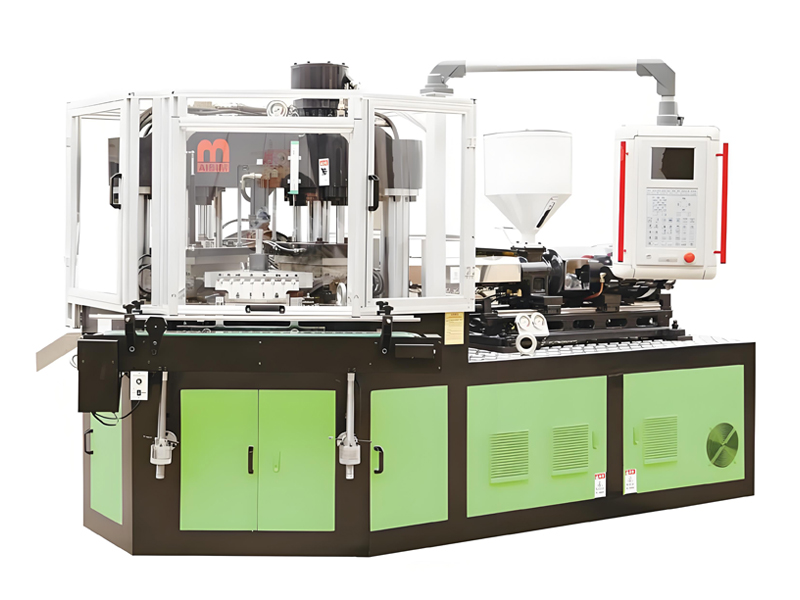
The AiBiM IBM Series injection blow molding machine is designed for seamless integration with industry-standard auxiliary equipment. These machines feature comprehensive communication interfaces that enable coordination with material handling systems, temperature controllers, and production management software. The SD card parameter storage capability allows easy transfer of optimized settings between machines, supporting consistent production across multiple injection blow molding machine units.
AiBiM offers auxiliary equipment packages specifically configured for optimal performance with their injection blow molding machines. These turnkey solutions simplify equipment selection and ensure compatibility between components. The company’s technical support team provides installation assistance and operator training to ensure smooth commissioning and rapid achievement of production targets for the machine line.
Best Practices for Auxiliary Equipment Operation
Preventive Maintenance Scheduling
Establishing comprehensive preventive maintenance programs for auxiliary equipment helps prevent unexpected failures that disrupt production on the injection blow molding machine. Maintenance schedules should be based on manufacturer recommendations, operational experience, and equipment condition monitoring data. Documentation of maintenance activities supports analysis of equipment performance trends and identification of emerging issues affecting the injection blow molding machine.
Critical maintenance tasks for desiccant dryers include filter replacement, desiccant bed inspection, and heater element testing. Temperature controller maintenance focuses on sensor calibration, valve inspection, and electrical connection verification. Chiller maintenance includes refrigerant level checking, coil cleaning, and compressor performance evaluation. Regular maintenance extends equipment life while ensuring consistent performance that supports injection blow molding machine productivity.
Energy Optimization Strategies
Energy costs represent a significant portion of auxiliary equipment operating expenses, making optimization efforts economically attractive for injection blow molding machine installations. Variable frequency drives on motors enable output matching to actual demand, reducing energy consumption during periods of reduced production on the injection blow molding machine. Heat recovery systems capture waste thermal energy for productive uses, improving overall system efficiency.
Smart control strategies coordinate auxiliary equipment operation with the machine cycle to minimize energy waste. Standby modes reduce power consumption during production pauses while maintaining readiness for rapid restart on the injection blow molding machine. Energy monitoring systems identify consumption patterns and optimization opportunities, supporting continuous improvement initiatives for the machine line.
Common Integration Challenges and Solutions
Equipment Compatibility Issues
Integration challenges often arise when combining equipment from different manufacturers with incompatible communication protocols or control interfaces. Addressing compatibility issues requires careful evaluation during equipment selection and, when necessary, development of custom interface solutions for the injection blow molding machine. Standard communication protocols such as Modbus, EtherNet/IP, and PROFINET facilitate integration between modern equipment and the injection blow molding machine.
Timing coordination between the machine and auxiliary equipment requires careful configuration to ensure smooth product flow without bottlenecks. Variable cycle times and changeover events complicate synchronization efforts on the injection blow molding machine. Advanced control systems with closed-loop timing feedback help maintain coordination despite operational variations.
Capacity Matching and Throughput Optimization
Ensuring that auxiliary equipment capacity matches injection blow molding machine throughput requirements prevents bottlenecks that limit production rates. Analysis of production schedules and product characteristics identifies peak demand periods that determine required equipment capacities for the injection blow molding machine. Some flexibility can be achieved through equipment staging strategies that match output to varying demand levels.
Buffer storage between process stages can accommodate temporary throughput imbalances while maintaining overall production flow from the injection blow molding machine. Accumulation conveyors, bins, and storage silos provide surge capacity that prevents upstream equipment shutdowns due to downstream interruptions. Strategic placement of buffers maximizes their effectiveness in smoothing production flow from the injection blow molding machine.
AiBiM Solutions for Complete Production Systems
AiBiM (Zhangjiagang AiBiM Plastics Machinery Co., Ltd) brings 12 years of specialized experience in injection blow molding technology, with their IBM Series machines exported to over 40 countries worldwide. The company’s commitment to quality is demonstrated through CE certification of all equipment, ensuring compliance with international safety and performance standards. AiBiM injection blow molding machines incorporate advanced technologies including PREFILL technology and energy-efficient hybrid electric drive systems.
The IBM Series includes models ranging from the compact IBM55 Hybrid Electric, with capacity from 3ml to 500ml and energy savings of 35 percent, to the industrial-scale IBM75 capable of handling products from 5ml to 1000ml. This range addresses applications across pharmaceuticals, food packaging, cosmetics, and consumer goods industries. The single-beam dual-column design provides exceptional structural stability while maintaining compact machine footprints for the injection blow molding machine.
AiBiM’s technical team supports customers throughout the equipment selection, installation, and production optimization process for their injection blow molding machines. Custom mold design services ensure optimal compatibility between tooling and injection blow molding machine capabilities. Comprehensive training programs equip operators with the knowledge required for efficient and safe equipment operation of the injection blow molding machine.
Frequently Asked Questions
What auxiliary equipment is essential for injection blow molding operations?
Essential auxiliary equipment for injection blow molding includes material drying systems, temperature controllers, cooling systems, and material handling equipment. The specific configuration depends on materials processed, production volumes, and product requirements for the injection blow molding machine. Consulting with equipment specialists helps identify the optimal equipment combination for specific applications.
How do I determine the right chiller capacity for my injection blow molding machine?
Chiller capacity requirements depend on total heat load from the injection blow molding machine, mold temperature controllers, and any other cooling requirements. Calculations should account for peak production conditions and include safety margins. Working with experienced chiller suppliers ensures proper sizing for reliable operation of the injection blow molding machine.
What maintenance is required for desiccant air dryers?
Desiccant air dryers require regular filter replacement, desiccant bed inspection, and heater element testing. Operating conditions and material characteristics influence maintenance frequency for the injection blow molding machine. Following manufacturer maintenance schedules helps ensure consistent drying performance and extends equipment life supporting the injection blow molding machine.
How can auxiliary equipment improve energy efficiency in injection blow molding?
Energy-efficient auxiliary equipment such as variable frequency drive motors, smart temperature controllers, and heat recovery systems can significantly reduce energy consumption for the injection blow molding machine. Coordinating auxiliary equipment operation with the machine cycle optimizes energy usage. Regular maintenance ensures equipment continues operating at peak efficiency.
What is the typical ROI timeline for auxiliary equipment investment?
Return on investment timelines vary based on equipment type, current baseline performance, and production volumes for the injection blow molding machine. Energy efficiency investments typically return within 1 to 3 years through reduced operating costs. Productivity improvements can deliver returns within months through increased throughput from the injection blow molding machine. Comprehensive cost-benefit analysis helps prioritize investment opportunities.
How do I ensure compatibility between auxiliary equipment and my injection blow molding machine?
Equipment compatibility depends on communication protocols, control interfaces, and capacity matching for the injection blow molding machine. Selecting equipment that supports standard communication protocols facilitates integration. Consulting with equipment suppliers and conducting thorough testing during commissioning helps identify and resolve compatibility issues with the injection blow molding machine.
What role does auxiliary equipment play in product quality?
Auxiliary equipment directly impacts product quality through precise control of material preparation, temperature management, and handling conditions for the injection blow molding machine. Inconsistent drying, temperature fluctuations, or improper handling can cause defects that compromise product quality from the injection blow molding machine. Investing in quality auxiliary equipment supports consistent production of defect-free products.
Can auxiliary equipment be retrofitted to older injection blow molding machines?
Many auxiliary equipment systems can be retrofitted to older injection blow molding machines with appropriate interface adapters and control modifications. Modern control systems often support legacy equipment communication protocols for the injection blow molding machine. Upgrading auxiliary equipment on older machines can significantly improve performance without requiring complete equipment replacement.
What training is required for auxiliary equipment operators?
Operator training requirements depend on equipment type and complexity for supporting the injection blow molding machine. Basic training covers normal operation, routine maintenance, and troubleshooting procedures. Advanced training addresses optimization techniques, diagnostic procedures, and preventive maintenance protocols for the injection blow molding machine. Manufacturer training programs provide comprehensive preparation for safe and efficient equipment operation.
How often should auxiliary equipment be calibrated?
Calibration frequencies depend on equipment type, manufacturer recommendations, and regulatory requirements for the injection blow molding machine. Temperature controllers typically require annual calibration, while flow meters and pressure sensors may need more frequent verification. Maintaining calibration records demonstrates compliance with quality system requirements and supports continuous improvement efforts for the injection blow molding machine.
Conclusion
Successful injection blow molding operations depend on the seamless integration of properly selected and maintained auxiliary equipment with the primary processing machinery. From material preparation through finished product handling, each auxiliary system contributes to overall production efficiency, product quality, and operational reliability of the injection blow molding machine. Understanding the functions, selection criteria, and best practices for auxiliary equipment enables informed investment decisions that deliver favorable returns.
The investment in quality auxiliary equipment represents a commitment to operational excellence that pays dividends through improved productivity, reduced waste, and consistent product quality from the injection blow molding machine. Working with experienced suppliers like AiBiM ensures access to equipment solutions optimized for injection blow molding applications, backed by technical support that enables successful implementation and ongoing operational success for the injection blow molding machine.
As manufacturing continues evolving toward greater automation and connectivity, auxiliary equipment capabilities will expand to support new requirements and opportunities for the injection blow molding machine. Staying informed about technological developments and best practices positions manufacturers to capitalize on improvements that enhance competitiveness and profitability in the dynamic injection blow molding industry.