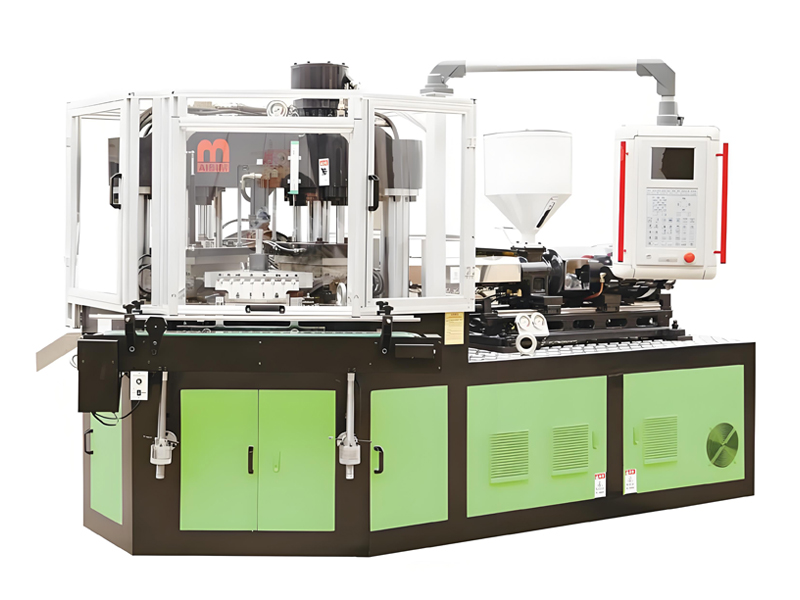
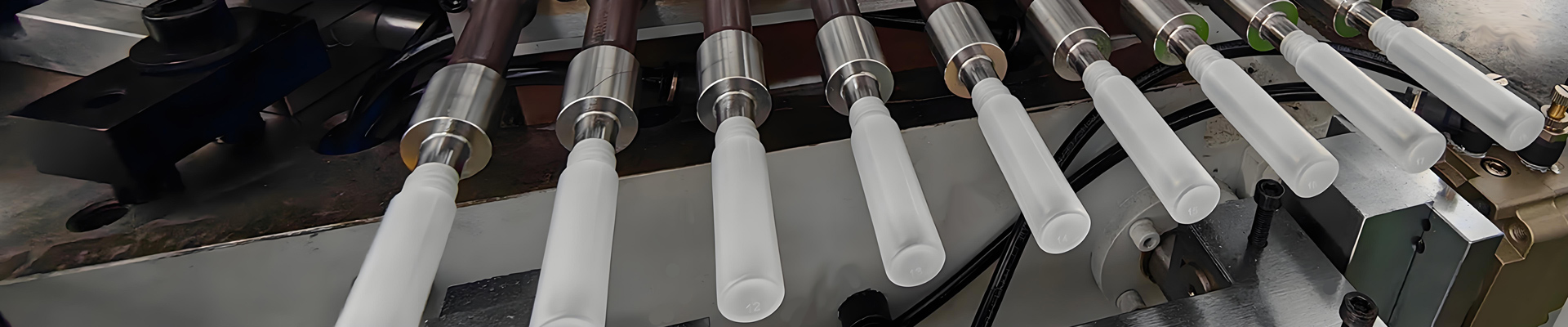
Global importers seeking injection blow molding equipment face important decisions about sourcing, pricing, and supplier selection that significantly impact their investment outcomes. China has emerged as a leading destination for manufacturing equipment including IBM machines, offering competitive pricing without compromising quality or capability. Understanding how to navigate the China sourcing process, evaluate factory direct prices, and identify genuine value propositions versus hidden costs enables importers to make informed purchasing decisions that support long-term business success.
Understanding China Factory Pricing for Injection Blow Molding Equipment
Factory pricing from China represents a fundamental shift in how injection blow molding equipment reaches global markets. Rather than purchasing through intermediaries, distributors, and regional dealers who add margins at each stage, importing directly from manufacturers like Zhangjiagang AiBiM Plastics Machinery Co., Ltd enables access to equipment at factory prices that reflect actual production costs plus reasonable margins. This direct sourcing model benefits both buyers seeking cost-effective equipment and manufacturers able to reach customers worldwide without dependence on local distribution networks.
Factors Influencing China Factory Pricing
Several factors contribute to the competitive pricing of manufacturing equipment from China. Labor costs in manufacturing regions remain lower than in many developed countries, reducing production costs across all equipment categories. The concentration of supplier ecosystems enables efficient sourcing of components and materials, reducing logistics costs and lead times. Manufacturing expertise developed over decades of serving global brands has elevated quality standards to match or exceed international competitors. Exchange rate advantages periodically strengthen the purchasing power of international buyers acquiring equipment priced in Chinese currency.
Comparing China Prices with Global Alternatives
Injection blow molding machines priced from Chinese factories typically cost 30 to 50 percent less than comparable equipment from European, Japanese, or American manufacturers. This price advantage reflects genuine cost structure differences rather than quality compromises, as leading Chinese manufacturers maintain production standards that satisfy international certifications including CE compliance. Importers should evaluate total cost of ownership including equipment price, shipping, installation, operation, and maintenance rather than focusing solely on initial purchase price to understand true value.
No Hidden Costs: Transparent Pricing Structure
Reputable Chinese manufacturers understand that hidden costs damage relationships and reputation in international markets. Professional suppliers including AiBiM provide comprehensive pricing that includes all significant cost elements, enabling accurate budgeting and eliminating unpleasant surprises during the purchasing process. Understanding typical pricing components helps importers evaluate quotes and identify potential hidden charges that require attention.
Machine Price Components
Factory pricing for AiBiM injection blow molding machines encompasses all manufacturing costs including materials, components, assembly, testing, and documentation. The quoted price reflects the complete machine ready for shipment, including standard accessories and basic spare parts as specified in the product configuration. Prices vary by model and capacity, with the IBM55 Hybrid Electric ranging from approximately 95,000 to 130,000 USD depending on configuration, the IBM65 from approximately 110,000 to 165,000 USD, and the IBM75 from approximately 160,000 to 280,000 USD for full-featured production configurations.
Documentation and Certification Costs
Professional Chinese manufacturers include all standard documentation and certifications in their pricing. CE certification testing and documentation are included as standard, confirming compliance with European Union requirements. Operation and maintenance manuals in English support international customers without requiring translation services. Electrical drawings and technical specifications enable proper installation and integration with existing facility systems. Any additional certifications or documentation required for specific markets should be discussed explicitly during quotation to ensure accurate pricing.
Shipping and Logistics Coordination
While shipping costs vary based on destination, machine configuration, and market conditions, professional suppliers coordinate logistics professionally and quote shipping costs transparently. Typical shipping from China to major ports worldwide ranges from 3,000 to 15,000 USD depending on machine size and containerization requirements. Full container loads may offer shipping advantages, particularly for larger machines like the IBM75. Importers should confirm whether quotes include insurance, customs documentation, and port handling to avoid unexpected charges.
Installation and Training Provisions
Factory pricing may or may not include installation services depending on supplier and customer arrangements. Some manufacturers include basic installation guidance via video conference at no additional charge, while others offer optional on-site installation services for additional cost. Training provisions similarly vary, with most suppliers providing operation manuals, video tutorials, and remote technical support as standard. On-site training visits can be arranged when justified by order value or customer requirements, with costs negotiated transparently during order confirmation.
Evaluating IBM Machine Pricing by Model and Capacity
Understanding the pricing structure across different injection blow molding machine models helps importers evaluate quotes and select equipment that matches their production requirements and budget constraints. Each model offers distinct capabilities suited to different production scenarios, with pricing reflecting the technology level and capacity provided.
IBM55 Hybrid Electric Pricing Analysis
The AiBiM IBM55 Hybrid Electric represents the technology-leading option in the product range, incorporating servo-electric drive systems for energy-intensive movements. Base prices for the IBM55 typically range from 95,000 to 130,000 USD depending on configuration and included features. The premium over conventional hydraulic models, typically 15 to 25 percent, is offset by energy savings of up to 35 percent during operation. For facilities operating equipment continuously, the energy savings often exceed the additional investment within the first two to three years of operation, making the Hybrid Electric an economically attractive choice despite higher initial pricing.
IBM65 Mid-Range Pricing Structure
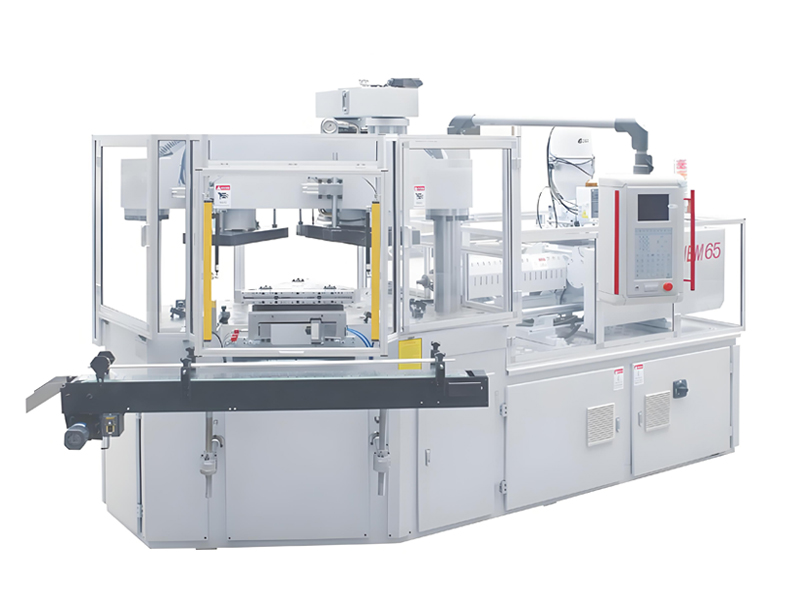
The IBM65 occupies the versatile mid-range position, offering capabilities suitable for diverse production requirements at attractive pricing. Standard configurations typically range from 110,000 to 140,000 USD, with enhanced specifications and optional features adding to the base price. The IBM65 handles the broadest range of container sizes, making it suitable for manufacturers with diverse product portfolios or those uncertain about future production requirements. The combination of capability and pricing makes the IBM65 a popular choice for importers seeking maximum value per dollar invested.
IBM75 High-Capacity Production Pricing
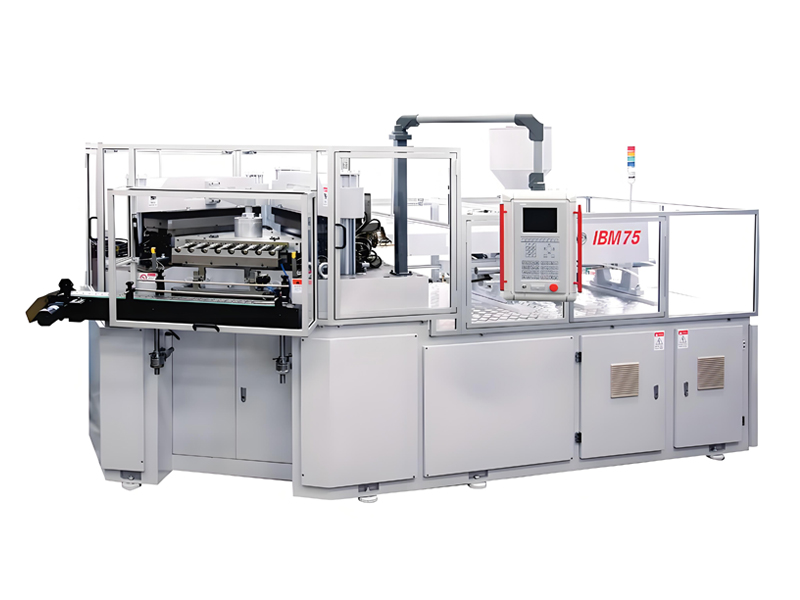
The IBM75 provides maximum production capacity for high-volume operations requiring large output capabilities. Pricing for full-featured configurations ranges from 160,000 to 280,000 USD depending on specifications and automation level. The significant investment is justified for operations requiring the capacity, speed, and reliability that the IBM75 delivers. Multi-cavity mold configurations can achieve production rates exceeding 2000 containers per hour, enabling efficient high-volume manufacturing that maximizes the return on the substantial equipment investment.
Total Cost of Ownership Analysis
Sophisticated equipment buyers evaluate total cost of ownership rather than focusing solely on initial purchase price. This comprehensive approach considers all expenses incurred over the equipment lifecycle, enabling accurate comparison of different equipment options and sourcing strategies.
Initial Investment Breakdown
Total initial investment encompasses the machine purchase price, shipping and logistics, import duties and taxes, installation and setup, initial tooling, and operator training. For a typical mid-range IBM machine imported from China, these costs might total 140,000 to 200,000 USD depending on specific requirements and destination country. While import duties and taxes vary significantly by country, most importers should budget an additional 5 to 15 percent of equipment value for these costs. Proper budgeting prevents cash flow surprises and ensures adequate capital for productive startup.
Operating Cost Projections
Ongoing operating costs include energy consumption, labor, materials, maintenance, and consumables. Energy costs vary based on local electricity rates and machine utilization, with the IBM55 Hybrid Electric offering significant advantages through 35 percent lower energy consumption. Labor requirements for well-operated IBM equipment are modest, with one operator typically able to manage multiple machines once processes are established. Material costs depend on production volume and material selection, while maintenance expenses for quality-built equipment like AiBiM machines are predictable and manageable with proper preventive maintenance programs.
Return on Investment Timeline
Return on investment timelines depend on production volume, container pricing, and margin structure. For a typical manufacturer producing containers at market rates, payback periods of 18 to 36 months are achievable with modern IBM equipment. The extended service life of quality-built equipment, typically 15 to 20 years or more, provides many years of profitable operation after the initial investment is recovered. Comparing total cost of ownership across equipment options and sourcing strategies reveals the true economic value of different choices.
Benefits of Direct Factory Sourcing
Importing equipment directly from manufacturers like AiBiM offers advantages beyond competitive pricing. Understanding these benefits helps importers make informed decisions about sourcing strategies and supplier relationships that maximize value throughout the equipment lifecycle.
Direct Technical Communication
Direct relationships with manufacturers enable clear communication of technical requirements and expectations without interpretation through intermediary organizations. AiBiM technical specialists can discuss equipment capabilities, configuration options, and production requirements directly with customers, ensuring that purchased equipment meets actual needs. This direct communication also facilitates efficient troubleshooting when questions arise during installation, startup, or production, as customers can access manufacturer expertise without going through distribution intermediaries.
Configuration Flexibility
Factory-direct purchasing enables customization and configuration options that may not be available through standard distribution channels. Manufacturers can modify standard designs to address specific customer requirements, incorporate special features, or adapt equipment for unusual production scenarios. This flexibility benefits customers with unique requirements that standard configurations cannot address, enabling solutions that would be unavailable through catalog-based purchasing from distributors.
Warranty and Service Advantages
Direct relationships with manufacturers often provide warranty terms and service access that exceed industry standards. AiBiM backs its equipment with warranty coverage that reflects confidence in quality construction and component selection. Direct access to technical support ensures that customers receive timely assistance when needed, without delays or communication challenges that can occur when intermediaries must relay information between customer and manufacturer.
Navigating International Trade Requirements
Importing manufacturing equipment from China requires attention to international trade requirements including customs documentation, import regulations, and compliance verification. Understanding these requirements helps importers avoid delays, unexpected costs, and compliance issues that could disrupt their projects.
Customs Documentation and Classification
Proper customs documentation ensures smooth import processing and accurate duty assessment. Commercial invoices should accurately describe equipment, quantities, and transaction values to support customs clearance. AiBiM provides comprehensive documentation packages that facilitate customs processing in destination countries. The harmonized tariff schedule classification for injection blow molding machines typically falls within machinery categories with duty rates varying by importing country.
Import Regulations and Compliance
Different countries impose varying regulations on imported manufacturing equipment. Most developed countries accept CE certification as evidence of safety compliance, though additional verification or certification may be required in some jurisdictions. AiBiM equipment carries CE certification as standard, meeting European Union requirements that are widely respected internationally. For specific regulatory requirements in destination countries, early inquiry during the quotation process ensures that necessary documentation and certifications are included.
Payment Security and Trade Finance
Secure payment methods protect both buyers and sellers in international transactions. Common approaches include letter of credit arrangements through reputable banks, payment platforms with buyer protection, or progressive payments tied to production milestones. AiBiM works with international payment methods that provide security while accommodating customer preferences and established practices. Clear payment terms documented in formal purchase agreements prevent misunderstandings and establish expectations for both parties.
Evaluating Supplier Reliability and Quality
Identifying reliable suppliers and verifying quality claims requires systematic evaluation of potential partners. Several indicators help importers assess supplier credibility and reduce purchasing risks associated with international transactions.
Company Background and Experience
AiBiM Plastic Machinery Co., Ltd brings substantial experience to injection blow molding equipment manufacturing. The company has established a track record of serving customers across more than 40 countries spanning Southeast Asia, the Middle East, Europe, the Americas, and Africa. This global experience demonstrates the capability to address diverse customer requirements and operate successfully in international markets. Established companies with proven track records offer lower risk than newer or unproven suppliers.
Facility and Production Capabilities
Modern manufacturing facilities with appropriate equipment, trained personnel, and quality management systems produce consistent, reliable equipment. Professional manufacturers invest in production capabilities that enable efficient, high-quality output. AiBiM maintains production facilities with comprehensive manufacturing capabilities including machining, assembly, and testing. Factory visits, whether in person or virtual, provide valuable insights into supplier capabilities that complement documentation review.
Customer References and Testimonials
References from existing customers provide valuable perspectives on supplier performance, equipment reliability, and service quality. Professional suppliers readily provide references from customers in similar industries or applications. AiBiM can connect prospective customers with existing users who can share experiences with equipment performance, installation support, and ongoing service. Positive references from customers in target markets significantly reduce purchasing uncertainty.
Certifications and Quality Systems
Quality certifications verify that suppliers maintain appropriate management systems and production standards. CE certification demonstrates compliance with international safety and environmental requirements. AiBiM equipment carries CE certification confirming adherence to European Union standards. Additional certifications such as ISO 9001 quality management system registration indicate commitment to systematic quality improvement. These certifications provide third-party verification of supplier quality practices.
Installation and Startup Support
Successful equipment installation requires proper planning, coordination, and support. Professional manufacturers provide installation guidance and technical assistance that facilitate smooth startup and productive operation. Understanding available support helps importers plan effectively for their equipment installation projects.
Pre-Installation Planning
Effective installation planning begins well before equipment arrival. Facility preparation including electrical system configuration, foundation requirements, and utility connections should be completed before equipment arrives. AiBiM provides comprehensive installation requirements documentation that enables customers to prepare facilities properly. Clear communication during the order fulfillment process ensures that all necessary information is provided for successful installation planning.
Installation Supervision Options
Depending on customer capabilities and preferences, installation can proceed with varying levels of manufacturer involvement. Customer-led installation using provided documentation works well for customers with appropriate technical capabilities and experience with similar equipment. Remote supervision through video conference provides guidance for capable teams without requiring on-site manufacturer personnel. Full on-site installation supervision by manufacturer technicians ensures professional installation but involves additional costs and scheduling coordination.
Startup and Validation Support
Initial startup and production validation benefit from manufacturer technical support that verifies proper equipment function and optimizes process parameters. AiBiM provides startup support packages that include parameter development, initial production qualification, and operator training. These services ensure that equipment reaches productive operation quickly and that customer personnel develop the skills necessary for independent operation. The investment in professional startup support typically pays for itself through faster time to productive operation and reduced learning curve costs.
Long-Term Support and Spare Parts
Long-term equipment value depends significantly on the support available throughout the equipment lifecycle. Professional manufacturers provide ongoing support that protects equipment investments and maintains productive operation over extended periods.
Spare Parts Availability
Ready availability of spare parts prevents prolonged production interruptions when maintenance or repairs are needed. Professional manufacturers maintain inventories of critical spare parts and can ship replacements quickly to customer locations worldwide. AiBiM stocks spare parts for all equipment models and can provide expedited shipping when urgent needs arise. Customers should establish appropriate spare parts inventories based on production criticality and supplier lead times.
Technical Support and Troubleshooting
Ongoing technical support addresses questions and issues that arise during production operations. Modern communication capabilities including video conferencing, remote desktop access, and instant messaging enable efficient technical support regardless of geographic location. AiBiM provides technical support through multiple channels, enabling customers to obtain assistance in ways that match their preferences and urgency levels. Prompt, effective technical support minimizes production downtime and resolves issues efficiently.
Equipment Upgrades and Modernization
As technology advances, existing equipment may benefit from upgrades that improve performance, capability, or efficiency. Professional manufacturers offer upgrade packages that incorporate new technologies into existing equipment where practical. These upgrades can extend equipment useful life, improve productivity, and incorporate features that were not available when original equipment was purchased. Consulting with manufacturers about upgrade opportunities helps customers maximize the value of their equipment investments over time.
Market Trends Affecting Import Economics
Understanding market trends that affect import economics helps buyers time purchases strategically and optimize value from their equipment investments. Several factors influence the economics of importing manufacturing equipment from China.
Currency Exchange Rate Considerations
Exchange rates between Chinese currency and importing country currencies directly affect equipment costs in local currency terms. While exchange rate movements are difficult to predict, buyers can monitor trends and, when possible, time purchases to favorable rate conditions. Professional manufacturers typically quote in major currencies including US dollars, euros, and Chinese yuan, enabling customers to select pricing currencies that suit their preferences and risk tolerance.
Shipping Cost Volatility
Global shipping costs have experienced significant volatility in recent years, affecting the total delivered cost of imported equipment. While container shipping rates have moderated from pandemic-era highs, customers should budget for shipping costs based on current market conditions and potential fluctuations. Working with manufacturers who have established logistics capabilities and relationships helps manage shipping cost uncertainty and ensures reliable delivery.
Trade Policy Developments
Trade policies including tariffs, trade agreements, and regulatory changes affect import economics and planning. Customers should monitor relevant policy developments in their countries and factor potential impacts into purchasing decisions and budgeting. Professional manufacturers like AiBiM can provide guidance on trade policy considerations and help customers navigate changing trade environments. Diversified sourcing strategies may reduce exposure to policy-related risks for buyers with significant equipment investment programs.
Frequently Asked Questions
What payment methods does AiBiM accept for international orders?
AiBiM accepts various payment methods suitable for international trade including bank wire transfers, letter of credit arrangements, and payment platform transactions through established services. Standard payment terms typically involve a deposit with order placement and balance payment before shipment. Letter of credit arrangements through reputable banks provide security for both parties and are commonly used for larger orders. The specific payment arrangement is negotiated during order confirmation based on customer preferences and established practices.
How long does shipping take from China to major international destinations?
Shipping times vary based on destination and shipping method. Ocean freight from major Chinese ports to destinations in Asia typically requires 7 to 14 days, while shipments to Europe, the Americas, and Africa require 25 to 45 days depending on specific ports and routing. Air freight options provide faster delivery for urgent needs but at significantly higher cost. AiBiM coordinates shipping logistics and provides estimated delivery timelines during order processing to support customer planning.
What warranty coverage does AiBiM provide with IBM machines?
AiBiM provides comprehensive warranty coverage that reflects confidence in equipment quality. Standard warranty includes coverage for manufacturing defects in materials and workmanship for a defined period, typically 12 to 24 months depending on configuration. Warranty terms are documented in formal purchase agreements and include provisions for repair or replacement of defective components. Warranty service is coordinated through AiBiM technical support to ensure prompt resolution of any covered issues.
Are there import duties or taxes when importing from China?
Import duties and taxes vary by country and equipment classification. Most countries impose import duties on manufacturing equipment at rates ranging from 0 to 15 percent depending on the harmonized tariff classification and applicable trade agreements. Value-added tax or goods and services tax typically applies to the landed cost including freight and insurance. Importers should consult with customs brokers or authorities in their countries to determine applicable duties and taxes for their specific situations.
Can AiBiM provide references from customers in my region?
AiBiM maintains customer relationships across more than 40 countries and can often connect prospective buyers with reference customers in similar industries or geographic regions. Reference availability depends on customer confidentiality preferences and regional distribution of the customer base. AiBiM sales representatives can discuss reference opportunities during the evaluation process and coordinate appropriate introductions when customers consent to being contacted.
What training is provided with equipment purchase?
AiBiM provides comprehensive training resources including operation manuals, maintenance guides, and video tutorials in English. Remote training sessions can be arranged to cover equipment operation, parameter adjustment, and troubleshooting procedures. Optional on-site training visits are available for customers requiring hands-on training or having multiple personnel requiring instruction. Training provisions are documented in purchase agreements to ensure clear expectations for both parties.
How do I verify AiBiM quality before placing an order?
Several approaches help verify quality before placing orders. Comprehensive documentation including specifications, certifications, and quality records supports evaluation of equipment capabilities. Factory visits, whether in person or virtual, provide direct observation of manufacturing operations and quality practices. Customer references from similar applications offer practical insights into real-world performance. AiBiM welcomes customer visits and can facilitate virtual facility tours for qualified prospects evaluating equipment options.
What is included in the standard machine configuration?
Standard configurations include the complete machine with specified clamping force, injection unit, control system, and standard accessories. Specific inclusions vary by model and are documented in product specifications. Typical standard inclusions cover the machine itself, basic tooling components for the specified configuration, standard spare parts kit, and comprehensive documentation package. Optional features and accessories beyond the standard configuration are quoted separately. Clear configuration documentation during quotation prevents misunderstandings about what is included.
Does AiBiM offer financing options for equipment purchases?
AiBiM primarily focuses on equipment manufacturing and sales rather than financing operations. However, the company can provide guidance on financing sources that serve international equipment buyers. Various banks and financing companies offer equipment financing for international transactions, and trade finance specialists can structure arrangements suitable for manufacturing equipment purchases. Sales representatives can discuss financing considerations and introduce customers to resources that may assist with financing requirements.
What is the typical delivery timeline for AiBiM IBM machines?
Delivery timelines vary based on machine model, configuration complexity, and current production schedule. Standard configurations of popular models typically ship within 30 to 60 days after order confirmation and deposit receipt. Custom configurations or high-capacity models may require longer lead times, typically 60 to 90 days. AiBiM provides estimated delivery timelines during quotation and communicates proactively regarding any schedule changes. Shipping from China requires additional time based on logistics arrangements as discussed previously.
Conclusion
Sourcing injection blow molding equipment from China at factory prices offers significant advantages for global importers seeking competitive equipment investments. The transparent pricing, quality construction, and comprehensive support provided by established manufacturers like Zhangjiagang AiBiM Plastics Machinery Co., Ltd enable confident purchasing decisions that protect buyer interests while delivering production capabilities that support business success.
The combination of advanced technology including Hybrid Electric models with 35 percent energy savings, CE certification ensuring international compliance, and global service capabilities addresses concerns that sometimes accompany international sourcing. The track record of serving customers across more than 40 countries demonstrates the capability to support importers regardless of location or requirements.
Importers who approach China sourcing with appropriate due diligence, clear requirements definition, and professional supplier relationships position themselves to capture the value advantages of direct factory purchasing while minimizing risks. The investment in evaluating suppliers, understanding total cost of ownership, and planning for successful implementation yields returns through equipment that performs reliably and economically over its extended service life.