The pharmaceutical industry demands exceptional quality, safety, and regulatory compliance from packaging equipment and containers. Child-resistant packaging represents a critical safety requirement that protects children from accidental medication ingestion while remaining accessible to adults who need to access their prescriptions. Injection blow molding machines produce pharmaceutical bottles with precise dimensions and excellent quality that enable reliable child-resistant closure systems while meeting the stringent requirements of regulatory authorities worldwide. This comprehensive guide examines how injection blow molding technology supports pharmaceutical packaging production with emphasis on child-resistant cap compatibility and regulatory compliance.
Understanding Pharmaceutical Packaging Requirements
Pharmaceutical packaging must satisfy complex requirements spanning safety, functionality, regulatory compliance, and patient convenience. The stakes are extraordinarily high, as packaging failures can result in adverse health outcomes for patients, regulatory sanctions for manufacturers, and liability exposure for all supply chain participants. Injection blow molding technology offers capabilities that address these demanding requirements effectively.
Regulatory Framework for Pharmaceutical Containers
Pharmaceutical containers must comply with regulations established by authorities including the US Food and Drug Administration, European Medicines Agency, and analogous bodies in other markets. These regulations specify requirements for material composition, extractables and leachables, container closure integrity, and manufacturing quality systems. Injection blow molding enables production of containers from pharmaceutical-grade materials that satisfy these requirements while maintaining the quality consistency that regulatory compliance demands.
Good Manufacturing Practice Compliance
Pharmaceutical packaging production typically occurs under Good Manufacturing Practice conditions that ensure consistent quality and regulatory compliance. GMP requirements encompass facility design, equipment qualification, process validation, documentation control, personnel training, and quality management systems. While container manufacturers bear primary responsibility for GMP compliance, injection blow molding equipment must support GMP requirements through appropriate design features, documentation availability, and quality consistency capabilities.
Material Requirements for Pharmaceutical Applications
Pharmaceutical containers must be manufactured from materials that are safe, compatible with the contained product, and capable of maintaining container integrity throughout the shelf life. Common materials for injection blow molded pharmaceutical bottles include high-density polyethylene for general pharmaceutical applications, polypropylene for products requiring steam sterilization, polycarbonate for applications demanding exceptional clarity and durability, and PCTG for specialty applications requiring specific property combinations. All materials must be pharmaceutical-grade with appropriate regulatory documentation including Drug Master Files where required.
What is an Injection Blow Molding Machine for Pharmaceutical Use
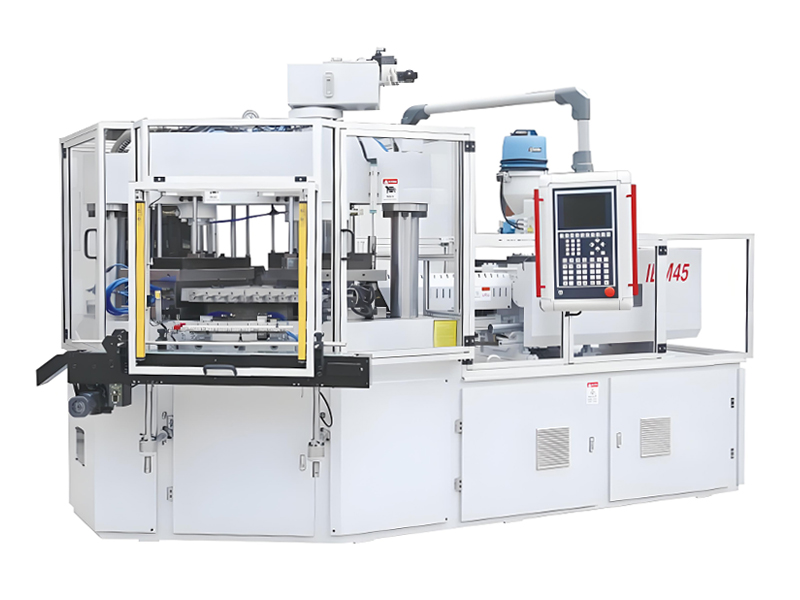
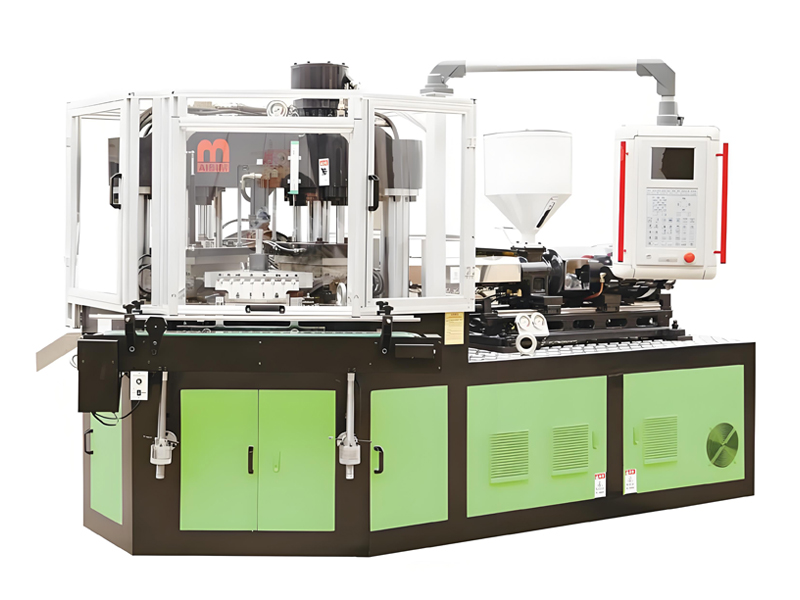
Injection blow molding machines designed for pharmaceutical applications incorporate features and capabilities that address the unique requirements of this demanding market segment. While the fundamental IBM technology remains consistent with general-purpose applications, pharmaceutical-specific configurations emphasize quality verification, contamination prevention, and documentation capabilities that pharmaceutical manufacturers require.
Precision Engineering for Pharmaceutical Quality
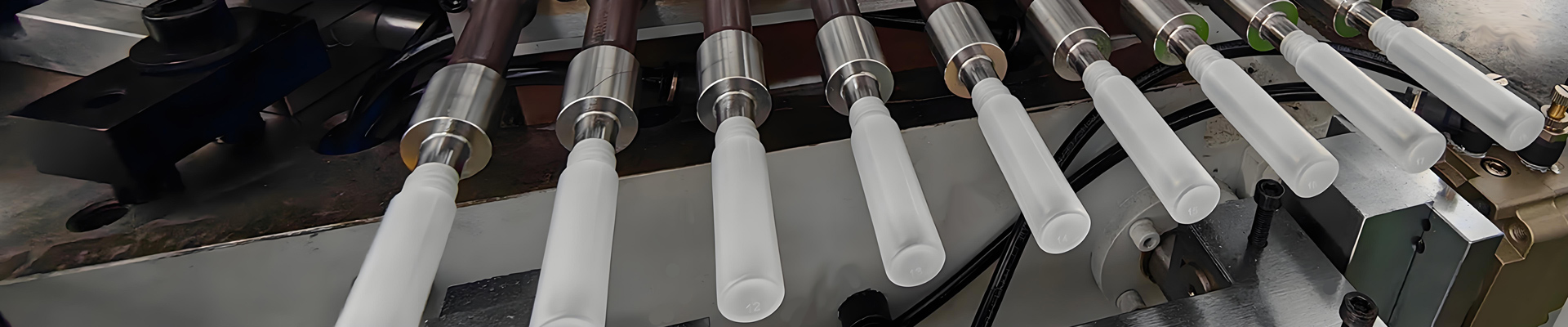
Pharmaceutical injection blow molding machines achieve tolerances and consistency levels that ensure reliable compatibility with child-resistant closure systems. The injection-molded preform establishes thread dimensions with precision that eliminates the fitting variability common with other molding technologies. This dimensional precision extends throughout the container, ensuring consistent wall thickness distribution that contributes to uniform performance. AiBiM machines incorporate advanced control systems that maintain this precision throughout production runs, producing containers that meet specifications consistently.
Hygienic Design Considerations
Equipment designed for pharmaceutical applications incorporates features that minimize contamination risks and support clean production environments. Smooth surfaces facilitate cleaning and sanitization. Materials of construction are selected for compatibility with pharmaceutical cleaning agents. Design features eliminate areas where product residues could accumulate. While pharmaceutical manufacturers implement additional controls including cleanroom environments and sterilization procedures, IBM equipment design supports these controls by avoiding inherent contamination risks.
Documentation and Traceability Features
Regulatory compliance requires comprehensive documentation of manufacturing processes and quality results. Modern injection blow molding machines including those from AiBiM incorporate control systems that record production parameters, enable production tracking, and support quality verification documentation. These capabilities facilitate compliance with pharmaceutical quality system requirements including batch traceability, deviation investigation, and change control. SD card parameter storage on AiBiM equipment enables consistent process reproduction while maintaining documented parameter records for each production batch.
Working Principle: Producing Pharmaceutical Bottles with IBM Technology
The injection blow molding process produces pharmaceutical bottles through the same fundamental principles as general IBM applications, with specific attention to the quality characteristics that pharmaceutical applications require. Understanding these process details helps pharmaceutical manufacturers appreciate why IBM technology excels for their applications.
Precise Preform Manufacturing
The injection phase creates preforms with precisely controlled dimensions that determine the finished container characteristics. For pharmaceutical bottles, injection precision ensures accurate thread dimensions that mate perfectly with child-resistant closures. The injection pressure and profile are optimized to achieve uniform material distribution without stress concentrations or defects that could compromise container performance. Material melt temperature and injection speed are controlled precisely to ensure consistent preform quality across all cavities in multi-cavity production.
Controlled Blow Molding Process
The blow phase expands the preform into the finished container shape while maintaining the dimensional precision established during injection. Blow pressure, timing, and distribution are controlled precisely to achieve the wall thickness profile required for specific pharmaceutical applications. Containers requiring specific barrier properties may require optimized wall thickness in specific regions, achieved through careful preform design and blow process optimization. The controlled expansion process avoids the surface defects and dimensional variations that could affect closure performance or visual inspection results.
Quality Verification Throughout Production
Pharmaceutical IBM production incorporates quality verification that ensures containers meet specifications before release. In-process monitoring verifies critical dimensions, appearance characteristics, and performance attributes throughout production runs. Statistical process control techniques identify trends that might indicate process drift before they result in out-of-specification product. Complete production records enable investigation and resolution of any quality issues that arise, supporting regulatory compliance and continuous improvement objectives.
Child-Resistant Cap Systems and IBM Compatibility
Child-resistant closures represent essential safety features for pharmaceutical packaging that require precise container dimensions and consistent quality to function reliably. Injection blow molding technology produces containers that meet these requirements, enabling effective child-resistant packaging systems that protect children while remaining accessible to adults.
Understanding Child-Resistant Closure Requirements
Child-resistant closures must satisfy testing protocols that verify their ability to prevent access by children while remaining usable by adults including those with limited hand strength or dexterity. Testing protocols such as those specified by ISO 8317 and US Poison Prevention Packaging Act regulations require closures to demonstrate resistance to child access while confirming adult accessibility. These requirements impose specific dimensional and performance specifications that pharmaceutical bottles must meet.
Thread Configuration Precision
Child-resistant closures typically incorporate mechanisms that require specific opening sequences or application of specific forces to release. These mechanisms depend on precise engagement between closure and container threads. Injection blow molding produces threads with accuracy measured in fractions of millimeters, ensuring consistent closure engagement regardless of production batch. This precision eliminates the thread fitting issues that can cause closure failure or difficult application, both of which create problems in pharmaceutical packaging lines.
Wall Thickness Consistency for Closure Performance
Closure performance depends partly on container wall characteristics that affect how closures seat and seal. The uniform wall thickness achievable with IBM technology ensures consistent closure seating across all containers, supporting reliable seal integrity and consistent child-resistant mechanism function. Containers with variable wall thickness may cause inconsistent closure engagement that affects either child resistance or adult accessibility, compromising the safety balance that child-resistant packaging must achieve.
Compatibility with Major Closure Systems
Injection blow molded pharmaceutical bottles are compatible with major child-resistant closure systems used in the pharmaceutical industry. Standard closure sizes including 13 millimeter, 19 millimeter, 24 millimeter, and 28 millimeter diameters accommodate most pharmaceutical applications. Push-and-turn, squeeze-and-turn, and dual-mechanism closure systems all function effectively with properly designed IBM containers. AiBiM machines accommodate standard closure thread configurations, enabling pharmaceutical manufacturers to use established closure systems without requiring custom closure development.
Applications for IBM Pharmaceutical Bottles
Injection blow molded pharmaceutical bottles serve numerous application categories within the pharmaceutical industry. The versatility of IBM technology enables production of containers suited to various product types, dosage forms, and patient populations. Understanding application requirements helps manufacturers select appropriate container specifications and production configurations.
Oral Solid Dosage Packaging
Tablets and capsules represent the most common pharmaceutical dosage forms requiring child-resistant packaging. Injection blow molded bottles provide excellent protection for these products, with HDPE and PP materials offering moisture barrier properties that maintain product stability. Child-resistant closures are essentially mandatory for oral solid dosage packaging in many markets, making IBM container precision particularly valuable. The range of sizes from 3 milliliters for small pediatric products to 1000 milliliters for bulk hospital supplies accommodates diverse packaging requirements.
Liquid Medication Containers
Liquid pharmaceutical products including suspensions, solutions, and syrups require containers that maintain product integrity and enable accurate dosing. Injection blow molded bottles accommodate various closure systems including child-resistant droppers and dosing caps. Material selection addresses compatibility with liquid formulations, with appropriate barrier properties preventing product degradation during storage. The uniform wall thickness of IBM containers supports consistent dosing accuracy by maintaining stable container dimensions throughout use.
Topical Medication Packaging
Creams, ointments, and gels for topical application often require child-resistant packaging to prevent accidental ingestion by children who may encounter these products. Injection blow molded containers provide appropriate sizes and closure options for topical medications. Material selection addresses compatibility with various formulation components, including protection against interaction with active pharmaceutical ingredients or excipients. The excellent surface finish of IBM containers supports product image and labeling requirements.
Veterinary Pharmaceutical Packaging
Veterinary pharmaceuticals require packaging that addresses both safety and practical considerations for animal medication administration. Child-resistant packaging protects pets and other animals from accidental ingestion while ensuring that pet owners can access medications when needed. Injection blow molded bottles provide the durability and closure options that veterinary pharmaceutical applications require. The material versatility of IBM technology accommodates the diverse formulations used in veterinary medicine.
Benefits of Injection Blow Molding for Pharmaceutical Packaging
Pharmaceutical manufacturers and packaging suppliers choose injection blow molding technology for pharmaceutical bottle production based on specific advantages that address their requirements. These benefits span quality, efficiency, compliance, and commercial considerations that affect business success.
Superior Dimensional Accuracy
Container dimensional accuracy directly affects packaging line efficiency and closure performance. Injection blow molding produces threads and container dimensions with precision that ensures reliable closure application and consistent seal integrity. This accuracy eliminates the fitting variability that causes line stoppages, quality rejections, and consumer complaints. The control systems on modern IBM machines maintain this accuracy throughout production runs, ensuring consistent quality from the first container to the last.
Material Versatility
Pharmaceutical applications require different material properties depending on product characteristics, regulatory requirements, and patient needs. Injection blow molding accommodates the full range of pharmaceutical-grade materials including HDPE, PP, PS, ABS, SAN, TPU, PC, and PCTG. This versatility enables appropriate material selection for each application rather than forcing compromises with materials chosen for manufacturing convenience. Material changes are managed through established procedures that maintain quality and regulatory compliance.
Production Efficiency and Output
Competitive pharmaceutical packaging requires efficient production that maintains quality while controlling costs. IBM technology achieves production rates that support competitive manufacturing economics, with cycle times optimized for specific container sizes and materials. Multi-cavity mold configurations maximize output for standard container designs, while single-cavity flexibility accommodates smaller production batches and specialty products. The efficiency advantages translate to competitive pricing that benefits pharmaceutical manufacturers and ultimately patients.
Quality Consistency
Pharmaceutical quality systems require consistent production results that enable process validation and ongoing compliance verification. Injection blow molding technology produces containers with minimal variation between units and between production batches. This consistency simplifies quality verification, supports regulatory compliance documentation, and enables efficient manufacturing operations. The control capabilities of modern IBM machines including parameter monitoring and statistical process control contribute to this consistency.
AiBiM IBM Machine Specifications for Pharmaceutical Production
AiBiM Plastic Machinery Co., Ltd manufactures injection blow molding machines suitable for pharmaceutical packaging production. The product range includes models with capacities and capabilities that address various pharmaceutical packaging requirements, from small-scale specialty production to high-volume commodity containers.
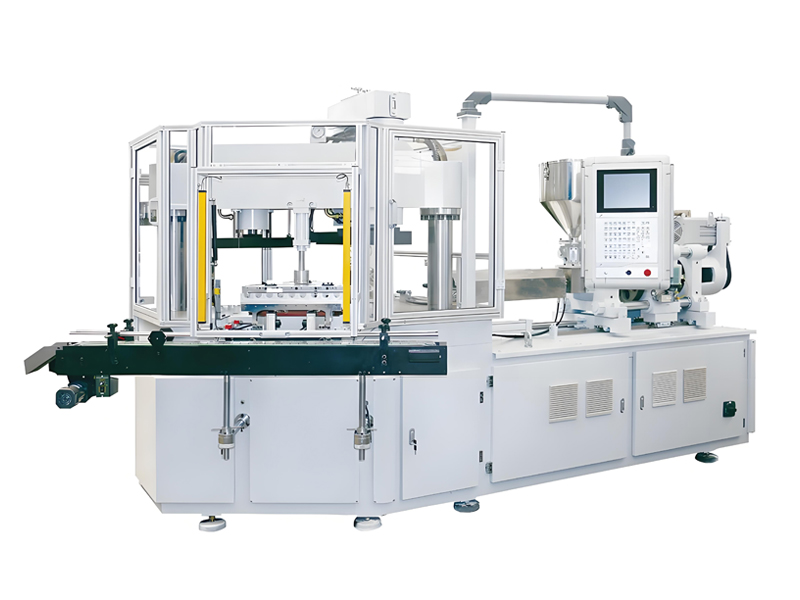
IBM55 Hybrid Electric for Precision Applications
The AiBiM IBM55 Hybrid Electric combines servo-electric drive precision with proven IBM technology for pharmaceutical applications requiring exceptional accuracy. The Hybrid Electric architecture delivers energy savings of up to 35 percent compared to conventional machines while providing the precise control that pharmaceutical quality requires. This model suits manufacturers producing smaller pharmaceutical containers where precision matters more than maximum output. The compact footprint accommodates facilities with space constraints while maintaining full production capabilities.
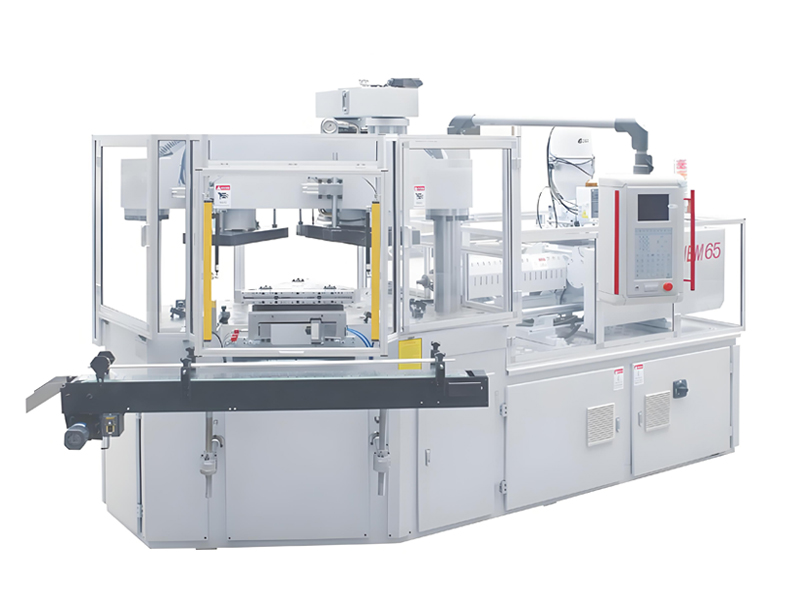
IBM65: Versatile Pharmaceutical Production
The IBM65 occupies the versatile middle position in the AiBiM range, accommodating pharmaceutical containers across the most common size range. The robust construction handles continuous production demands while maintaining the precision that closure compatibility requires. This model offers attractive balance between capability and investment, making it popular for pharmaceutical packaging operations of various scales. The extensive size range, from 3 milliliters to 1000 milliliters, addresses most pharmaceutical packaging requirements.
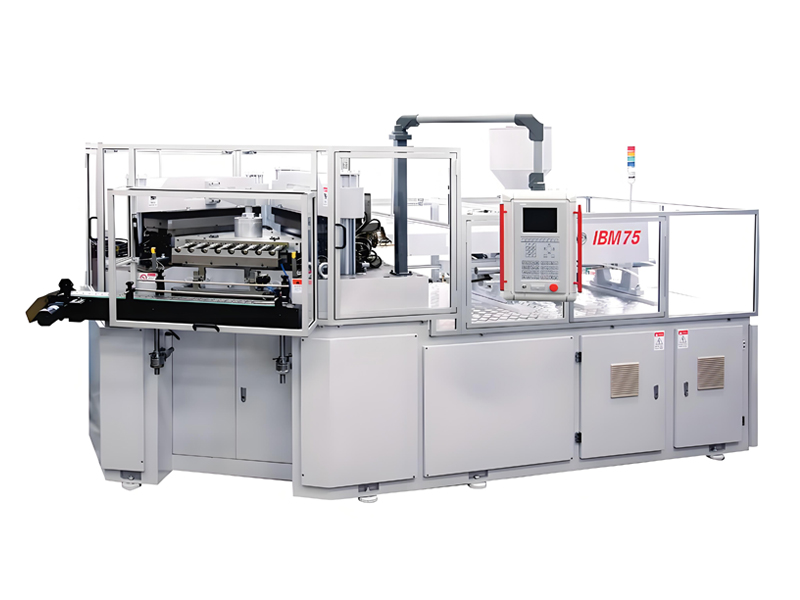
IBM75: High-Volume Pharmaceutical Packaging
High-volume pharmaceutical packaging operations benefit from the IBM75 production capacity. This model handles large containers and multi-cavity configurations that maximize output for commodity pharmaceutical bottles. Despite the high-volume focus, the IBM75 maintains the dimensional precision and quality consistency that pharmaceutical applications require. The comprehensive control systems ensure consistent production regardless of volume, supporting pharmaceutical quality system requirements.
Advanced Features Supporting Pharmaceutical Applications
AiBiM machines incorporate features that support pharmaceutical packaging production requirements. PREFILL technology optimizes material distribution for consistent preform quality. SD card parameter storage enables documented process control and rapid product changeover. CE certification confirms compliance with international safety standards that pharmaceutical manufacturers require. The single-beam dual-column design provides exceptional rigidity that maintains precise alignment throughout production cycles, contributing to consistent container dimensions and quality.
Cost and Price Analysis for Pharmaceutical IBM Equipment
Investment in pharmaceutical injection blow molding equipment requires comprehensive analysis of costs spanning equipment purchase, production operation, and regulatory compliance. Understanding these cost elements enables informed decisions about equipment selection and production planning.
Equipment Investment Ranges
Pharmaceutical IBM equipment pricing reflects the quality, capabilities, and support that pharmaceutical applications require. Standard configurations suitable for pharmaceutical production range from approximately 100,000 USD for compact models like the IBM55 to over 300,000 USD for high-capacity configurations. While these prices represent significant investments, they enable pharmaceutical packaging production that satisfies regulatory requirements and achieves commercial objectives. The value proposition includes quality construction, reliable performance, and global service support.
Total Cost of Ownership Considerations
Pharmaceutical equipment investments should evaluate total cost of ownership rather than focusing solely on initial purchase price. Operating costs including energy, labor, materials, and maintenance determine long-term profitability. The 35 percent energy savings of Hybrid Electric models significantly reduce operating costs over equipment life, improving return on investment for high-utilization operations. Quality construction and comprehensive support minimize unplanned downtime and production losses that could exceed initial price differences between equipment options.
Tooling Investment for Pharmaceutical Containers
Mold costs for pharmaceutical containers reflect the precision requirements and quality expectations of this demanding application. Pharmaceutical molds typically cost more than general-purpose molds due to tighter tolerances, specialized materials, and enhanced durability requirements. Single-cavity molds for specialty containers range from 30,000 to 80,000 USD, while multi-cavity production molds may cost 100,000 to 250,000 USD depending on complexity. The extended tool life achievable with quality molds distributes this investment across millions of containers.
Regulatory Compliance Costs
Pharmaceutical packaging production involves regulatory compliance costs beyond equipment investment. These include qualification documentation, validation studies, regulatory submissions, and ongoing quality system maintenance. While these costs are substantial, they are necessary for legitimate pharmaceutical packaging operations. Investment in quality equipment and established manufacturers like AiBiM simplifies compliance by providing documentation and support that pharmaceutical quality systems require.
Material Selection for Pharmaceutical Applications
Appropriate material selection ensures pharmaceutical container performance and regulatory compliance. Injection blow molding accommodates materials suited to various pharmaceutical applications, each offering specific property combinations that address particular requirements.
High-Density Polyethylene
HDPE represents the most common material for pharmaceutical bottle applications, offering excellent chemical resistance, good moisture barrier properties, and reasonable cost. Pharmaceutical-grade HDPE is available with appropriate regulatory documentation supporting drug product compatibility. HDPE bottles accommodate most pharmaceutical formulations including tablets, capsules, and liquid products. The material handles standard sterilization methods and maintains integrity throughout typical shelf life periods.
Polypropylene
PP provides enhanced temperature resistance compared to HDPE, enabling steam sterilization and hot-fill applications that HDPE cannot accommodate. Pharmaceutical-grade PP offers excellent chemical resistance and good moisture barrier properties. The material suits products requiring sterilization or高温 processing, including certain liquid formulations and reconstituted powders. PP containers provide pharmaceutical manufacturers with flexibility for demanding applications.
Polycarbonate
PC offers exceptional clarity and impact resistance for pharmaceutical applications requiring these properties. The transparency of PC enables visual inspection of contained products, supporting quality assurance requirements. Pharmaceutical-grade PC meets regulatory requirements for demanding applications where clarity and durability are essential. PC containers typically command premium pricing that limits use to applications where the property advantages justify the cost.
PCTG and Specialty Resins
PCTG and other specialty resins address specialized pharmaceutical packaging requirements that commodity materials cannot satisfy. PCTG offers excellent clarity with enhanced chemical resistance and processing characteristics. These specialty materials enable pharmaceutical manufacturers to address unique product requirements while maintaining injection blow molding production advantages. Material selection should involve consideration of regulatory compliance, product compatibility, and commercial factors.
Production Process for Pharmaceutical Bottles
Pharmaceutical bottle production on injection blow molding machines follows validated processes that ensure consistent quality and regulatory compliance. Understanding production process requirements helps pharmaceutical manufacturers plan and execute their packaging operations effectively.
Material Handling and Preparation
Pharmaceutical production requires appropriate material handling procedures that prevent contamination and ensure consistency. Materials are typically received with certificates of analysis confirming identity, purity, and compliance with specifications. Appropriate storage conditions maintain material quality until use. Drying procedures for hygroscopic materials ensure that moisture does not affect production quality. Material handling equipment and procedures are documented as part of pharmaceutical quality systems.
Process Validation and Qualification
Pharmaceutical production requires documented validation demonstrating that processes produce containers meeting quality requirements. Equipment qualification verifies that machines are properly installed and function as specified. Process validation confirms that established parameters consistently produce acceptable product. Ongoing monitoring verifies continued process control and product quality. These validation activities are requirements of pharmaceutical quality systems and regulatory compliance.
Production Monitoring and Control
Active production monitoring verifies ongoing process control and product quality. In-process testing confirms critical attributes including dimensions, appearance, and performance characteristics. Statistical process control techniques identify trends before they result in quality deviations. Complete documentation supports batch traceability and regulatory compliance. Control systems on AiBiM machines record production parameters that enable verification and investigation as required.
Quality Release Procedures
Produced containers undergo quality release procedures before use in pharmaceutical packaging. Testing verifies that containers meet all specifications and regulatory requirements. Certificate of analysis documentation confirms quality status. Quality release decisions authorize use in pharmaceutical production. These procedures ensure that only acceptable containers reach pharmaceutical manufacturing operations, protecting product quality and patient safety.
Market Trends in Pharmaceutical Packaging
Pharmaceutical packaging continues to evolve in response to changing products, regulations, and market dynamics. Understanding trends helps manufacturers position their operations competitively and anticipate future requirements.
Serialization and Track-and-Trace Requirements
Regulatory requirements for pharmaceutical serialization and track-and-trace systems are expanding globally. These requirements mandate unique identification of each pharmaceutical package, enabling verification of authenticity and supply chain integrity. Injection blow molded bottles accommodate serialization through label application and can incorporate features supporting track-and-trace systems. Manufacturers should consider serialization requirements when planning pharmaceutical packaging operations.
Sustainability in Pharmaceutical Packaging
Environmental sustainability increasingly influences pharmaceutical packaging decisions, creating tension with traditional approaches focused solely on protection and compliance. Lightweighting reduces material usage while maintaining container performance. Recycled content materials address circular economy objectives. Design for recycling enables material recovery at end of life. These sustainability considerations require balancing against pharmaceutical requirements for protection, stability, and compliance.
Patient-Centric Packaging Innovation
Pharmaceutical packaging increasingly emphasizes patient convenience and adherence alongside traditional protection and compliance requirements. Child-resistant packaging that remains accessible to elderly patients requires careful design balancing. Dosing convenience features improve patient adherence to medication regimens. Packaging that supports patient understanding improves safe and effective medication use. These patient-centric trends influence container design and closure selection.
Global Market Expansion
Pharmaceutical markets continue expanding globally, creating opportunities for packaging suppliers who can serve international requirements. Different regional markets impose varying regulatory requirements that packaging must satisfy. Export-oriented pharmaceutical manufacturers need packaging suppliers capable of addressing these diverse requirements. AiBiM serves pharmaceutical customers across more than 40 countries, demonstrating the capability to support global pharmaceutical packaging operations.
Frequently Asked Questions
What materials are approved for pharmaceutical injection blow molding?
Several materials are approved and commonly used for pharmaceutical injection blow molding. High-density polyethylene is the most widely used, with pharmaceutical-grade HDPE available from major resin suppliers. Polypropylene provides enhanced temperature resistance for applications requiring it. Polycarbonate offers exceptional clarity for visual inspection applications. PCTG addresses specialty requirements. All materials require appropriate regulatory documentation including Drug Master Files for pharmaceutical applications. Material selection should involve regulatory assessment for specific product applications.
Can AiBiM machines produce containers that meet FDA requirements?
AiBiM machines are capable of producing pharmaceutical containers meeting FDA requirements, though container manufacturer compliance depends on overall production practices rather than equipment alone. FDA compliance requires pharmaceutical-grade materials, validated production processes, appropriate quality systems, and regulatory documentation. AiBiM CE certification confirms compliance with international safety standards. Pharmaceutical manufacturers must implement additional controls and obtain appropriate regulatory approvals for specific product applications.
What is the typical lead time for pharmaceutical IBM equipment?
Lead times for AiBiM pharmaceutical IBM equipment vary based on model, configuration, and current production schedules. Standard configurations typically ship within 30 to 60 days after order confirmation and deposit receipt. Custom configurations or high-capacity models may require 60 to 90 days. Shipping from China requires additional time based on logistics arrangements. Detailed scheduling is coordinated during order processing to support customer production planning.
How do child-resistant closures work with IBM containers?
Child-resistant closures typically incorporate mechanisms requiring specific opening sequences that children cannot readily accomplish but adults can manage. Push-and-turn closures require downward pressure while rotating to release. Squeeze-and-turn closures require compression while rotating. Dual-mechanism designs add complexity further preventing child access. These closures engage with container threads that IBM machines produce with precision ensuring reliable function. Proper container thread dimensions verified through IBM process control enable consistent closure performance.
What certifications support pharmaceutical compliance?
Pharmaceutical compliance requires multiple certifications and documentation. CE certification confirms equipment safety compliance with European standards. ISO 9001 quality management system certification demonstrates systematic quality practices. FDA Drug Establishment Registration confirms pharmaceutical facility status. Specific product applications may require additional certifications. Pharmaceutical manufacturers must obtain their own regulatory approvals for specific products. AiBiM provides supporting documentation including equipment specifications, quality records, and manufacturing information.
What is the minimum production volume for pharmaceutical bottles?
Production volume requirements depend on commercial and practical considerations rather than equipment limitations. Standard IBM machines can produce efficiently from single containers per cycle to thousands per hour depending on cavity configuration and container size. Pharmaceutical manufacturers typically establish minimum order quantities based on commercial viability of mold investment and production setup costs. Contract packaging services may accommodate smaller volumes for specialty products or market testing.
How does IBM compare to other molding methods for pharmaceuticals?
Injection blow molding offers specific advantages for pharmaceutical bottle production. Dimensional precision ensures reliable closure function, particularly important for child-resistant systems. Surface finish quality supports product image and labeling. Material efficiency reduces waste compared to some alternatives. Alternative methods including extrusion blow molding and injection molding each have specific applications where they excel. IBM is generally preferred for smaller pharmaceutical bottles where closure precision matters most.
What support does AiBiM provide for pharmaceutical customers?
AiBiM provides comprehensive support for pharmaceutical customers including technical consultation during equipment selection, installation guidance and remote supervision, comprehensive documentation for regulatory compliance, and ongoing technical support. Remote diagnostic capabilities enable efficient troubleshooting. Spare parts availability minimizes production interruptions. The global service network supports customers across more than 40 countries. Sales and technical representatives can discuss specific support requirements during evaluation.
Can IBM containers accommodate serialization requirements?
Yes, injection blow molded pharmaceutical containers can accommodate serialization requirements. Containers receive unique identification through labels or direct marking applied after production. Container design should consider label placement and surface area requirements. High-quality surface finish supports clear marking application. Serialization systems integrate with production management systems to record and verify unique identifiers. Pharmaceutical manufacturers implement serialization systems meeting regional regulatory requirements.
What is the typical maintenance requirement for pharmaceutical IBM equipment?
Maintenance requirements for pharmaceutical IBM equipment follow structured preventive maintenance programs. Daily activities include visual inspection and basic cleaning. Weekly tasks cover more thorough inspection and lubrication. Monthly maintenance includes detailed component inspection and calibration verification. Annual comprehensive service addresses wearing components and system calibration. Pharmaceutical equipment may require additional cleaning and sanitization procedures. AiBiM provides comprehensive maintenance documentation and support.
Conclusion
Injection blow molding technology provides pharmaceutical manufacturers with proven capabilities for producing high-quality bottles compatible with child-resistant closure systems and regulatory compliance requirements. The precision, consistency, and versatility of IBM technology address the demanding requirements of pharmaceutical packaging while enabling efficient, competitive production.
AiBiM Plastic Machinery Co., Ltd offers pharmaceutical manufacturers reliable equipment supported by global service capabilities. The combination of advanced technology, quality construction, and CE certification addresses pharmaceutical requirements while delivering the economic value that competitive packaging operations require. Equipment serving customers across more than 40 countries demonstrates the capability to support pharmaceutical manufacturers regardless of location.
Successful pharmaceutical packaging operations require careful attention to material selection, process validation, quality systems, and regulatory compliance alongside equipment selection. Investment in quality equipment from established manufacturers provides foundation for operations that satisfy pharmaceutical requirements while achieving commercial success. The capabilities and support that AiBiM provides help pharmaceutical manufacturers build this foundation effectively.