Ultraviolet radiation represents one of the most significant environmental challenges facing plastic bottle manufacturers, particularly for products stored in outdoor environments or exposed to light during storage and transportation. UV exposure causes polymer degradation that manifests as discoloration, embrittlement, and loss of mechanical properties that can compromise product safety and container integrity. Injection blow molding technology provides manufacturers with the capability to produce UV-resistant plastic bottles through precise material selection, additive incorporation, and process optimization. This comprehensive guide examines the technologies and strategies that enable injection blow molding machine operators to produce plastic bottles with superior UV resistance across diverse application requirements.
The demand for UV-resistant plastic packaging has grown substantially as products are distributed globally through increasingly complex supply chains that expose containers to sunlight and UV radiation during transportation and storage. Industries ranging from beverage production to household chemicals, agricultural products, and pharmaceuticals require packaging solutions that maintain product quality and container integrity despite UV exposure. Injection blow molding machines equipped to produce UV-resistant containers enable manufacturers to meet these requirements while maintaining the production efficiency and cost-effectiveness demanded by competitive markets.
Understanding UV Degradation Mechanisms in Plastics
UV radiation breaks polymer chains through photochemical reactions that progressively degrade material properties. The energy from UV photons exceeds the bond energies in many common plastics, causing chain scission that reduces molecular weight and impairs mechanical characteristics. This degradation process begins almost immediately upon UV exposure but becomes visually apparent and functionally significant only after sufficient damage has accumulated to exceed the material threshold for acceptable performance. Understanding these degradation mechanisms enables material selection and additive strategies that provide appropriate protection for specific application requirements.
Polymer Chain Scission and Molecular Weight Reduction
The primary mechanism of UV degradation involves photon absorption that excites polymer molecules to higher energy states, leading to bond breakage and chain scission. This process reduces the molecular weight distribution of the polymer, with shorter chains resulting in reduced mechanical strength, impact resistance, and elongation properties. The reduction in molecular weight also increases material brittleness, making containers more susceptible to cracking and failure during handling and use. Chain scission occurs most rapidly at amorphous regions within semi-crystalline polymers, creating heterogeneous damage that concentrates stress at weakened areas.
The rate of molecular weight reduction depends on multiple factors including UV intensity, exposure duration, material susceptibility, and presence of stabilizing additives. Polyethylene typically experiences measurable molecular weight reduction after approximately three to six months of outdoor exposure depending on specific grade and climate conditions. Polyethylene terephthalate shows somewhat better inherent UV resistance but still requires additive protection for extended outdoor applications. The degradation rate accelerates with temperature elevation, making UV stability particularly challenging in hot climates or applications involving elevated storage temperatures.
Photooxidation and Discoloration
UV radiation interacts with atmospheric oxygen to create free radicals that attack polymer chains in photooxidative reactions. This oxidative degradation accelerates material breakdown compared to pure photolytic processes, particularly for materials exposed to air during UV exposure. Photooxidation creates carbonyl groups and other oxygen-containing functional groups within the polymer matrix that alter chemical properties and accelerate subsequent degradation. The formation of chromophores through photooxidation causes discoloration ranging from yellowing in polyolefins to browning in PET materials.
Discoloration represents one of the most visible indicators of UV damage and often occurs before mechanical property degradation reaches critical levels. The visual appearance of containers affects consumer perception of product quality even when material properties remain acceptable for intended applications. Cosmetic products and beverages particularly demand excellent color stability as discoloration creates negative consumer impressions regardless of actual product protection capabilities. UV absorber and stabilizer formulations must address both mechanical protection and color stability requirements for applications where visual appearance represents a critical quality criterion.
Surface Degradation and Embrittlement
UV radiation penetrates only the surface layers of plastic containers, creating damage gradients that concentrate material degradation in exterior regions. This surface-specific degradation creates embrittled outer layers that may crack or flake while interior material retains properties closer to original specifications. Surface embrittlement reduces impact resistance and creates failure initiation sites that compromise container performance under handling or stress conditions. The damage gradient creates complex failure modes where surface cracking propagates into unaffected material regions, ultimately causing container failure despite bulk material retention of many original properties.
Surface degradation also affects functional properties including barrier performance, seal integrity, and interaction with labeling and printing processes. UV-damaged surfaces develop increased porosity and surface energy changes that affect adhesion of inks, labels, and coatings applied to containers. The loss of seal integrity represents a critical concern for products requiring hermetic packaging such as beverages and chemicals where container failure leads to product loss and potential safety hazards. UV protection strategies must consider functional surface requirements in addition to bulk material property retention.
UV Stabilizer Technologies and Material Selection
UV stabilizers incorporate into plastic formulations to protect polymers from UV radiation through absorption, energy dissipation, or free radical scavenging mechanisms. The selection of appropriate stabilizer systems depends on material type, application requirements, exposure conditions, and cost considerations. Modern stabilizer technologies provide comprehensive protection against UV degradation while maintaining processability, optical clarity, and regulatory compliance required for packaging applications.
UV Absorbers and Hinder Amine Light Stabilizers
UV absorbers function by absorbing UV radiation and converting the energy to harmless heat through rapid interconversion between excited states. Benzophenone and benzotriazole derivatives represent the most common UV absorber chemistries, with benzotriazole-based absorbers offering superior performance in polyolefin applications. UV absorbers work throughout the material thickness but require relatively high loadings to achieve effective protection at depth due to absorption by the material itself. Typical loading levels range from 0.2 to 1.0 percent by weight depending on material thickness and exposure severity.
Hindered amine light stabilizers provide protection through free radical scavenging mechanisms that interrupt the degradation chain reactions initiated by UV exposure. HALS function through a regenerative mechanism that enables single molecules to deactivate many free radicals, making HALS particularly efficient at low loading levels. HALS show excellent performance in polyolefin applications and provide protection against both UV and thermal degradation that occurs during processing and in-service conditions. Typical HALS loadings range from 0.1 to 0.5 percent by weight, with optimal levels determined through accelerated testing under application-relevant conditions.
Combined UV absorber and HALS systems provide synergistic protection that exceeds the capability of either component used alone. UV absorbers protect polymer near the exposed surface while HALS scavenge free radicals that escape initial absorption events, creating complementary protection mechanisms. These combined systems provide excellent performance in demanding applications where containers experience prolonged UV exposure under harsh environmental conditions. The additive costs for UV stabilization typically add 0.10 to 0.50 dollars per kilogram of material depending on protection level and additive package sophistication.
Carbon Black and Opaque Pigments
Carbon black represents one of the most effective UV stabilizers available, providing protection through both UV absorption and free radical scavenging mechanisms. The deep black color provides near-complete UV blocking capability, with carbon black loadings as low as 2 percent providing excellent protection for most applications. Carbon black offers the additional benefit of opacity that prevents UV penetration beyond the immediate surface layer. The extremely low cost of carbon black compared to other stabilizers makes it an economical choice for applications where black container color is acceptable.
Opaque pigments including titanium dioxide and various inorganic pigments provide UV protection through opacity that prevents light penetration through the container wall. Titanium dioxide white pigments provide good UV protection while maintaining bright white appearance. Various colored pigments offer varying degrees of UV protection depending on specific pigment chemistry and loading levels. Pigment-based protection strategies require careful formulation to ensure adequate opacity across the UV spectrum while achieving desired container color and maintaining processability.
The limitations of opaque protection strategies include color restrictions and the need for higher loadings compared to additive stabilizers. Carbon black requires 2 to 3 percent loading for adequate protection, which increases material costs compared to additive-only approaches in light-colored containers. Titanium dioxide requires 10 to 15 percent loading for effective opacity, which significantly increases material density and cost compared to unstabilized materials. The selection of opaque protection strategies should consider aesthetic requirements against protection requirements and total cost considerations.
Material-Specific Formulation Considerations
High-density polyethylene requires UV stabilization for any outdoor application due to inherent susceptibility to UV degradation. HDPE stabilizer packages typically combine UV absorbers with HALS for balanced protection against both surface and bulk degradation. Processing stabilizers must be included to prevent thermal degradation during injection blow molding that could consume UV stabilizer capacity before the product even encounters UV exposure. Typical HDPE UV-stabilized material costs range from 1.30 to 1.80 dollars per kilogram compared to 1.00 to 1.30 dollars for unstabilized HDPE grades.
Polyethylene terephthalate offers somewhat better inherent UV resistance than polyolefins but still requires stabilizer packages for extended outdoor exposure. PET stabilizers must maintain optical clarity for applications requiring transparency, which limits the use of opaque protection strategies. UV absorber formulations specifically designed for PET provide protection without excessive yellowing that would compromise visual appearance. UV-stabilized PET materials typically cost 1.50 to 2.20 dollars per kilogram compared to 1.30 to 1.80 dollars for unstabilized injection blow molding grades.
Polypropylene exhibits excellent chemical resistance but suffers from extremely poor UV resistance, requiring robust stabilizer packages for any outdoor application. PP stabilizer formulations typically combine multiple UV absorber chemistries with HALS to provide adequate protection against the material’s high degradation rate. The high degradation rate of PP necessitates additive loadings significantly higher than those required for HDPE or PET, increasing material costs accordingly. UV-stabilized PP materials typically cost 1.40 to 1.90 dollars per kilogram compared to 1.10 to 1.40 dollars for unstabilized injection blow molding grades.
Injection Blow Molding Process Optimization for UV Resistance
The injection blow molding process itself influences UV protection performance through effects on additive distribution, molecular orientation, and material crystallinity. Process optimization for UV protection requires attention to processing conditions that affect additive effectiveness while balancing other quality requirements. UV-stabilized materials may have slightly different processing characteristics than unstabilized grades, requiring parameter adjustments to maintain optimal production quality.
Additive Distribution and Homogeneity
Uniform additive distribution throughout the material matrix is essential for consistent UV protection across container surfaces and through wall thickness. Injection blow molding machines equipped with efficient mixing capabilities ensure that additive concentrations remain consistent from the core to the surface of finished containers. Insufficient mixing creates regions with low stabilizer concentration that become weak points in UV protection, leading to premature failure in areas lacking adequate additive content.
Screw design significantly influences mixing effectiveness during material plasticization and injection. Injection blow molding machines should incorporate mixing sections that create distributive mixing without excessive shear heating that could degrade additives. Process parameters including screw speed, back pressure, and injection profile affect mixing quality and should be optimized for specific UV-stabilized material formulations. The slightly increased viscosity of stabilized materials may require adjustments in injection pressure and speed to achieve consistent cavity filling without excessive shear that could damage sensitive stabilizers.
Crystallinity Control and Material Structure
The degree of crystallinity in semi-crystalline polymers affects UV resistance through effects on additive mobility and reaction kinetics. Higher crystallinity reduces additive mobility and may slow stabilizer activity while potentially increasing susceptibility of amorphous regions to UV attack. Injection blow molding process parameters that control cooling rate and molecular orientation influence crystallinity distribution throughout the container structure. Optimal crystallinity balances UV protection requirements with other functional properties including barrier performance and mechanical strength.
Temperature control during the preform cooling stage critically affects crystallinity development in materials like PET and PP. Slower cooling rates allow more complete crystallization but may increase production cycle times and affect throughput efficiency. Rapid cooling reduces crystallinity but may affect material clarity and mechanical properties. Process optimization for UV protection should balance crystallinity effects with production economics and other quality requirements, potentially requiring cycle time adjustments that affect overall manufacturing efficiency.
Thermal Protection During Processing
UV stabilizers can be consumed or degraded during processing due to thermal exposure and shear forces in the injection unit. Processing temperatures and residence times must be controlled to minimize thermal degradation of stabilizers while ensuring adequate material flow for cavity filling. The injection unit should be operated at the minimum temperature required for adequate melt flow rather than the maximum temperature the material can tolerate. Reduced residence time through optimized cycle times and efficient shot sizing preserves stabilizer effectiveness for in-service UV protection.
Drying requirements for hygroscopic materials like PET become particularly important for UV-stabilized formulations because moisture can hydrolyze polymer chains and reduce molecular weight. Maintaining proper moisture levels below 0.02 percent for PET ensures that thermal degradation does not consume stabilizer capacity intended for UV protection. Drying systems should be properly maintained and calibrated to ensure consistent moisture content across production runs, as variations in drying effectiveness can cause inconsistent UV protection performance.
Performance Testing and Quality Assurance
Effective UV protection implementation requires comprehensive testing programs that verify performance under application-relevant exposure conditions. Accelerated weathering tests provide prediction of in-service performance while actual outdoor exposure testing validates accelerated test correlations. Quality assurance systems ensure that production maintains consistent UV protection capability through statistical process control and periodic performance verification.
Accelerated Weathering Test Methods
Accelerated weathering chambers simulate UV exposure using xenon arc or fluorescent UV lamps that deliver controlled UV spectra and intensities. The chambers typically cycle between UV exposure, moisture conditions, and temperature variations that simulate natural weathering cycles. Testing standards including ASTM G155 for fluorescent UV exposure and ASTM G155 for xenon arc exposure provide standardized methodologies that enable performance comparisons between different formulations and material suppliers.
Accelerated test times typically range from 500 to 2000 hours depending on the desired correlation with in-service exposure. A common correlation suggests that 1000 hours of accelerated testing approximates one year of outdoor exposure under moderate climate conditions. However, these correlations vary significantly depending on test parameters and actual exposure conditions, requiring careful validation through field testing for critical applications. Accelerated testing costs range from 1000 to 3000 dollars per test depending on test duration and complexity of evaluation criteria.
Real-World Exposure Testing and Correlation
Outdoor exposure testing at representative locations provides verification of accelerated test predictions and identification of any degradation mechanisms not captured by laboratory simulation. Multiple exposure sites representing different climate conditions including high UV intensity, high temperature, and high humidity provide comprehensive performance data. Exposure sites in Florida, Arizona, and other locations with extreme UV conditions accelerate the testing process while still providing real-world exposure data.
Outdoor exposure testing requires substantial time investment, typically requiring one to three years of exposure depending on application requirements and climate conditions. The testing infrastructure includes exposure racks, data logging equipment for UV intensity and environmental conditions, and periodic retrieval of samples for evaluation. Outdoor exposure programs typically cost 5000 to 20000 dollars depending on site locations, number of samples, and evaluation frequency. The investment in real-world exposure testing provides invaluable data for validating accelerated test methods and understanding actual performance under service conditions.
Quality Control and Monitoring Procedures
Statistical process control for UV protection capability focuses on stabilizer concentration and material quality consistency. Melt flow index testing provides indication of molecular weight retention that reflects both thermal processing and stabilizer effectiveness. Melt flow measurements should be conducted at regular intervals to detect any degradation in material quality that might indicate stabilizer depletion or processing problems. Melt flow test equipment typically costs 2000 to 5000 dollars depending on automation level and measurement capabilities.
Visual inspection for color stability provides rapid assessment of UV protection performance for products where discoloration represents the primary failure mode. Color measurement using spectrophotometers provides quantitative data that enables tracking of color changes over time and detection of quality variations between production lots. Color measurement equipment costs range from 3000 to 15000 dollars depending on measurement precision and automation features. Regular color monitoring enables early detection of material quality issues that might compromise UV protection capability.
Application-Specific UV Protection Solutions
Different application categories require varying levels of UV protection based on exposure conditions, product sensitivity, and performance requirements. Understanding application-specific needs enables appropriate specification of materials and additive packages that provide adequate protection without over-design that increases costs unnecessarily. The following sections examine UV protection requirements for major application categories served by injection blow molding.
Beverage Bottles and Food Packaging
Beverage bottles require UV protection primarily for color maintenance and prevention of product degradation through UV-induced reactions. Clear PET bottles for water and non-alcoholic beverages typically require moderate UV protection to prevent yellowing over typical product shelf lives of six to twelve months. UV absorber packages specifically designed for PET provide protection without significant color impact that would affect product appearance. UV-stabilized PET for beverage applications typically costs 1.50 to 1.80 dollars per kilogram compared to 1.30 to 1.50 dollars for standard grades.
Colored beverage bottles may incorporate pigment-based UV protection strategies that provide additional protection through opacity. Green, blue, and amber bottles commonly used for beer and other sensitive beverages provide excellent UV protection through pigment absorption of harmful wavelengths. These opaque protection strategies enable extended shelf life for light-sensitive products without requiring additive loadings that might affect taste or product compatibility. Pigment addition typically adds 0.10 to 0.30 dollars per kilogram of material cost depending on pigment type and loading level.
Food packaging applications require UV protection primarily for color maintenance and prevention of packaging degradation that could affect product safety. Food-contact applications must use stabilizers approved for food contact by relevant regulatory agencies including the FDA in the United States and EU regulations for European markets. Food-grade UV stabilizers typically cost 20 to 50 percent more than non-food-approved stabilizers due to purification requirements and certification costs. Food-contact UV-stabilized materials typically cost 1.60 to 2.20 dollars per kilogram depending on base polymer and protection level requirements.
Chemical and Agricultural Containers
Chemical containers require robust UV protection to prevent container degradation that could lead to chemical leakage or contamination. HDPE containers for household and industrial chemicals typically utilize carbon black or opaque pigments for maximum UV protection due to the extreme degradation that chemical exposure can cause in UV-damaged materials. Carbon black at 2 to 3 percent loading provides near-complete UV protection while reducing costs compared to additive-only approaches. Carbon black HDPE for chemical containers typically costs 1.30 to 1.60 dollars per kilogram, representing minimal cost increase over standard HDPE due to the low cost of carbon black.
Agricultural chemical containers face particularly demanding UV exposure conditions due to outdoor storage during agricultural growing seasons. These containers often require specialized UV protection packages combining multiple stabilizer chemistries with pigments for enhanced protection. The high value of agricultural chemicals justifies the additional material costs required for extended container life under harsh exposure conditions. Agricultural container materials typically cost 1.80 to 2.50 dollars per kilogram depending on specific protection requirements and base polymer selection.
Chemical compatibility represents an additional consideration for UV-stabilized materials because some chemical formulations can extract or degrade stabilizers. Compatibility testing between container materials and specific chemical formulations ensures that UV protection capabilities are maintained throughout product shelf life. Testing costs range from 2000 to 10000 dollars depending on number of chemical formulations and test duration. The compatibility testing investment prevents costly field failures that could result from stabilizer extraction or chemical-induced degradation.
Pharmaceutical and Medical Packaging
Pharmaceutical packaging requires UV protection to maintain drug stability and container integrity throughout product shelf life. Pharmaceutical applications must use medical-grade materials with stabilizers approved for medical applications, typically requiring compliance with USP Class VI testing or equivalent international standards. Medical-grade UV stabilizers undergo additional purification and testing to ensure biocompatibility and absence of extractable substances that could contaminate pharmaceutical products.
Pharmaceutical containers often require higher levels of UV protection than other applications due to the sensitivity of many drug formulations to light-induced degradation. The high value of pharmaceutical products justifies the use of premium stabilized materials despite higher costs. Medical-grade UV-stabilized materials typically cost 2.50 to 4.00 dollars per kilogram depending on base polymer and protection requirements. The additional cost represents a minimal fraction of total pharmaceutical product cost while providing essential protection for valuable and sensitive formulations.
Quality assurance for pharmaceutical UV protection includes more rigorous testing and documentation requirements than other application categories. Stability studies under ICH guidelines provide documented evidence of container performance throughout intended shelf life. These studies typically cost 10000 to 50000 dollars depending on number of formulations and test duration. The investment in comprehensive stability testing provides assurance of container performance and regulatory compliance essential for pharmaceutical market access.
AiBiM Injection Blow Molding Solutions for UV-Resistant Containers
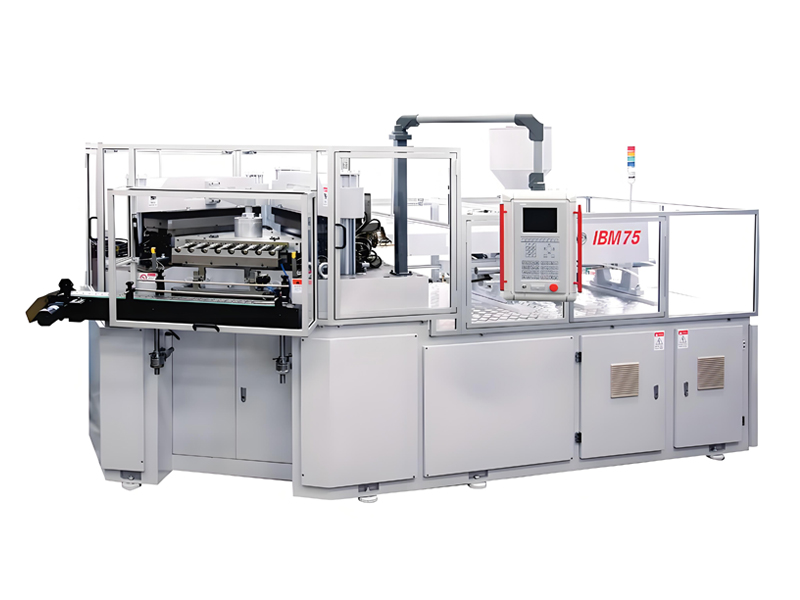
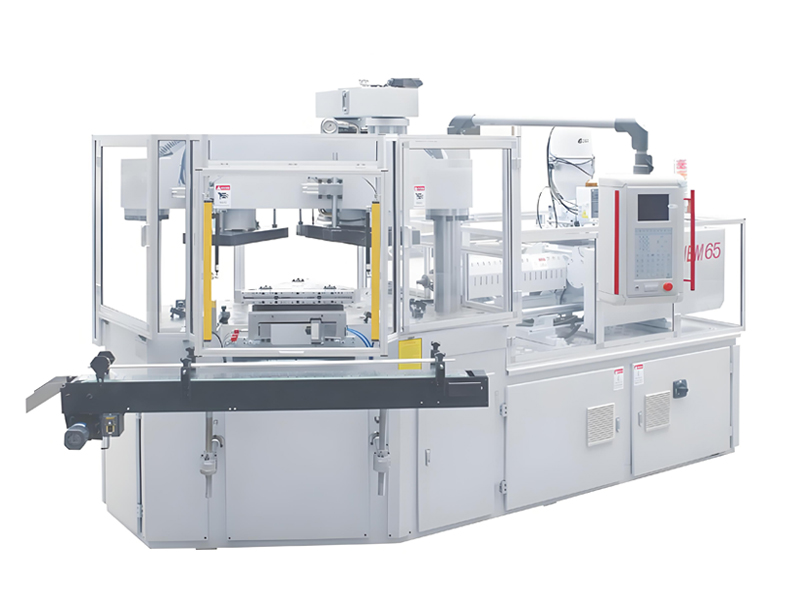
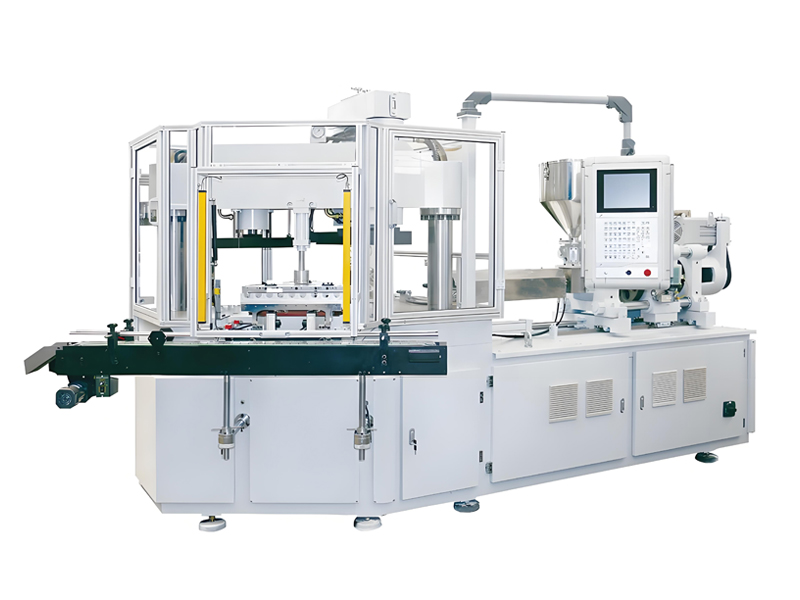
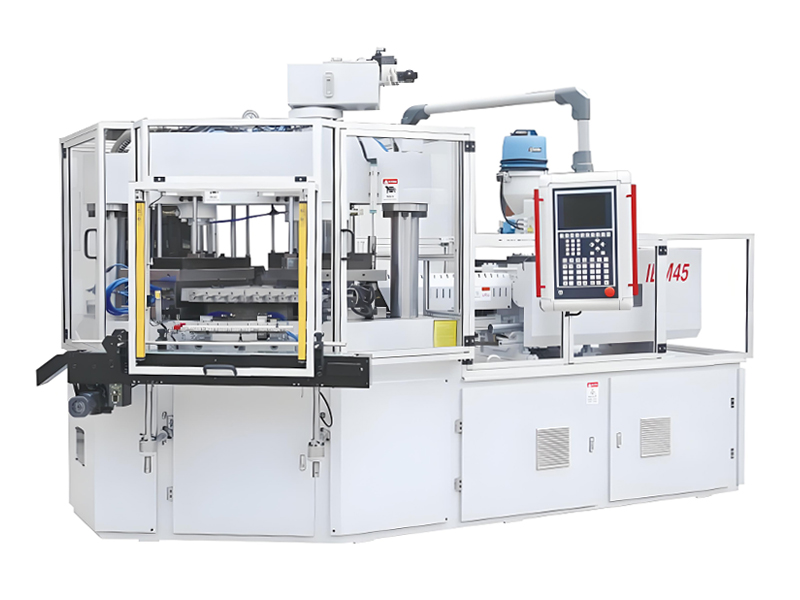
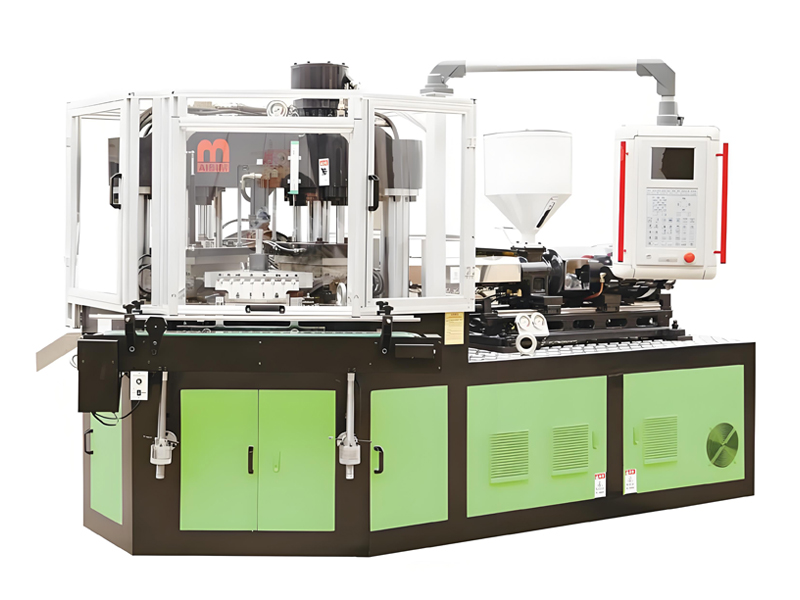
AiBiM injection blow molding machines provide the processing capabilities required for consistent production of UV-resistant containers across diverse material types and application requirements. The combination of precise process control, effective mixing capability, and material handling infrastructure enables manufacturers to achieve consistent UV protection performance while maintaining production efficiency. AiBiM technical support assists customers in material selection, process development, and quality assurance implementation for UV protection applications.
Processing Capabilities for Stabilized Materials
AiBiM machines feature screw designs optimized for effective mixing of additive packages while maintaining thermal stability for temperature-sensitive UV stabilizers. The mixing sections create distributive mixing that ensures uniform additive distribution without excessive shear heating that could degrade stabilizer chemistries. Process control systems enable precise temperature management that protects stabilizers from thermal degradation while maintaining optimal melt characteristics for cavity filling.
Material handling systems designed for stabilized materials prevent contamination and degradation that could compromise UV protection performance. Desiccant drying systems maintain proper moisture levels for hygroscopic materials, while material handling infrastructure minimizes thermal exposure during material transport. These capabilities ensure that the quality of UV-stabilized materials is preserved from receipt through processing into finished containers.
Technical Support for UV Protection Applications
AiBiM technical support teams provide material selection assistance that identifies appropriate stabilized materials for specific application requirements. The extensive material knowledge base includes performance data for various stabilizer packages under different exposure conditions, enabling informed material selection decisions. Technical support can also provide recommendations for processing parameters optimized for specific UV-stabilized material formulations.
Process development services help customers optimize processing conditions for consistent production of UV-resistant containers. The process development expertise includes parameter optimization for specific material formulations and container designs, quality monitoring system implementation, and production troubleshooting. This support capability accelerates new product development and ensures that production processes deliver consistent UV protection performance from startup through ongoing production.
Economic Analysis and Cost Optimization
UV protection implementation requires economic analysis to balance protection requirements against material cost increases and processing efficiency considerations. The total cost of ownership analysis should consider material costs, processing costs, quality failures, and potential product losses from inadequate UV protection. Cost optimization strategies identify the most economical protection approaches for specific application requirements.
Material Cost Comparison and Selection
UV-stabilized materials typically cost 20 to 80 percent more than unstabilized grades depending on base polymer, protection level, and stabilizer package sophistication. The material cost increase represents the most significant cost component for UV protection implementation, but must be evaluated against the cost of product loss and customer returns from inadequate UV protection. For most applications, the material cost increase represents less than 0.01 to 0.05 dollars per container in typical bottle sizes, providing substantial value compared to the cost of product loss from container failures.
Alternative protection strategies including pigments, carbon black, and multi-layer coextrusion provide different cost performance relationships that should be evaluated for specific applications. Carbon black at 2 to 3 percent loading typically costs less than additive-only packages for opaque black containers, while pigments provide intermediate costs with color flexibility. Multi-layer coextrusion approaches can concentrate UV stabilizers in outer layers to reduce overall additive cost, but require investment in coextrusion equipment that may not be justified for all applications.
Processing Cost Considerations
Processing of UV-stabilized materials typically requires minor parameter adjustments but does not significantly affect processing costs for most applications. The slightly increased viscosity of stabilized materials may require small increases in injection pressure and modest reductions in screw speed, but these adjustments typically have minimal impact on cycle time and energy consumption. Equipment capable of processing both stabilized and unstabilized materials without significant retooling enables flexible production strategies that adapt to changing market requirements.
Quality assurance costs for UV protection include testing, monitoring, and documentation requirements that add to total implementation cost. Accelerated weathering testing for new materials typically costs 2000 to 5000 dollars per material grade. Ongoing quality monitoring including melt flow testing, color measurement, and periodic accelerated testing adds 0.001 to 0.005 dollars per container in quality assurance costs. These costs represent a small fraction of total container cost while providing assurance of consistent UV protection performance.
Return on Investment Analysis
The return on investment for UV protection implementation depends largely on the value of products packaged and the cost consequences of container failures. For high-value products such as pharmaceuticals and specialty chemicals, the cost of product loss from container failure far exceeds material cost increases for UV protection. Even for lower-value products, the cost of customer returns, brand damage, and warranty claims often justifies UV protection investment.
Typical failure rates for unprotected containers under UV exposure range from 1 to 5 percent depending on exposure conditions and application severity. The cost of these failures includes product loss, customer service costs, replacement shipping, and brand damage. For most commercial products, the cost of failures exceeds the material cost increase for UV protection by factors ranging from 5 to 50, making UV protection a sound economic investment. The return on investment period typically ranges from 6 to 24 months depending on application conditions and market factors.
Conclusion and Implementation Recommendations
UV-resistant plastic bottle production through injection blow molding requires comprehensive attention to material selection, additive package formulation, process optimization, and quality assurance. Successful implementation demands understanding of UV degradation mechanisms, application-specific protection requirements, and cost optimization strategies that provide adequate protection without unnecessary expense. AiBiM injection blow molding technology provides the processing foundation for consistent production of UV-resistant containers across diverse application requirements.
Implementation should begin with application assessment that defines exposure conditions, performance requirements, and economic considerations for UV protection investment. Material selection should prioritize proven stabilized formulations with demonstrated performance under similar application conditions. Process development should optimize processing conditions for specific material formulations while maintaining production efficiency and quality consistency. Quality assurance systems should include both routine monitoring and periodic performance verification to ensure continued protection capability throughout production operations.
The partnership with experienced equipment suppliers and material suppliers accelerates UV protection implementation and reduces technical risk. Comprehensive technical support capabilities provide the expertise needed for material selection, process optimization, and quality assurance system development. The combination of proven technology, materials, and implementation support enables manufacturers to achieve reliable UV protection performance that meets application requirements while maintaining production economics and competitive positioning.