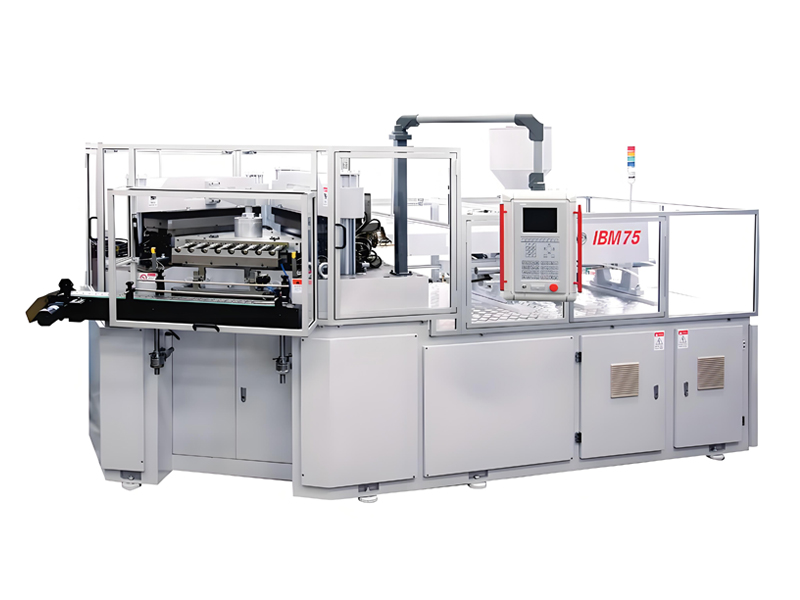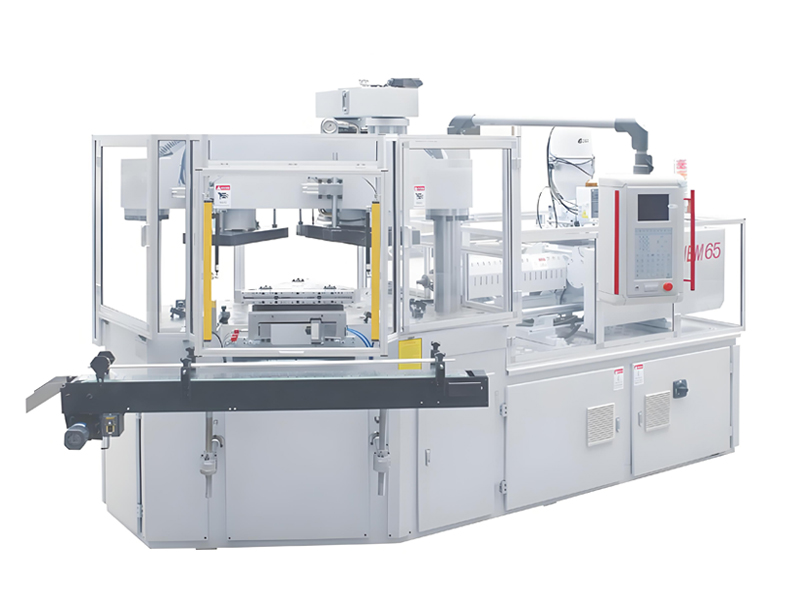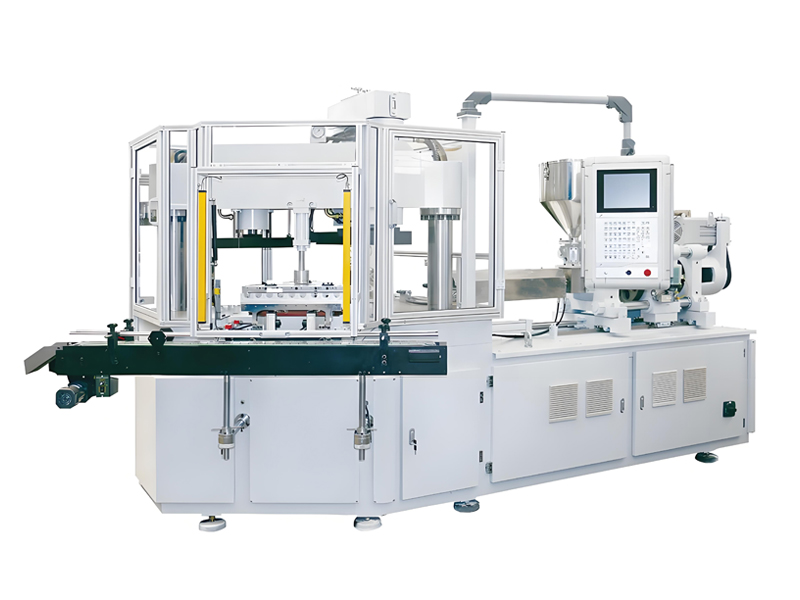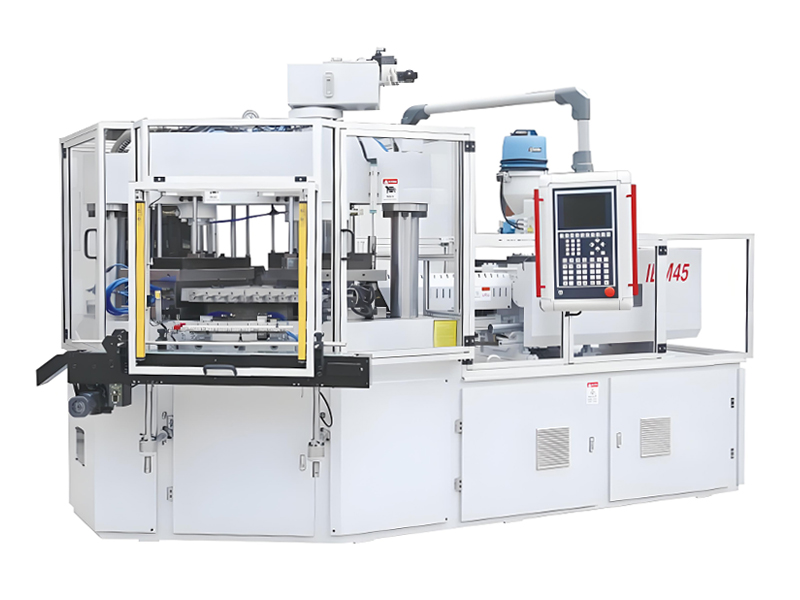
Precision represents the cornerstone of quality in injection blow molding operations, determining whether manufactured containers meet exacting specifications for dimensional accuracy, wall thickness consistency, and surface finish quality. Manufacturers across industries from pharmaceutical packaging to consumer goods production depend on consistent precision to minimize material waste, reduce production costs, and satisfy increasingly demanding customer requirements. This comprehensive guide examines the techniques, technologies, and best practices that enable operators to maximize precision in injection blow molding machine operations and achieve production quality that meets or exceeds industry standards.
The pursuit of precision in plastic manufacturing encompasses multiple interconnected factors including machine calibration, process control, material management, and preventive maintenance practices. Each of these elements contributes to the overall precision achievable in production operations, and optimal results require attention to all aspects of the manufacturing system. Understanding the relationships between these factors enables operators to identify improvement opportunities and implement changes that deliver measurable benefits in production quality and efficiency.
Understanding Precision Parameters in Injection Blow Molding
Precision in injection blow molding manifests across multiple dimensions that collectively determine the quality and consistency of finished containers. Dimensional precision refers to the ability to produce containers that match designed specifications within acceptable tolerance ranges for critical dimensions including overall height, diameter, neck finish dimensions, and wall thickness distribution. Material distribution precision ensures consistent wall thickness throughout the container geometry, which influences structural strength, weight, and material costs. Surface finish precision produces containers with the smooth, defect-free surfaces required for premium applications and subsequent processing operations.
The sources of dimensional variation in injection blow molding arise from multiple stages of the manufacturing process including material preparation, injection molding of the preform, thermal conditioning, and blow molding expansion. Each stage introduces potential variation that can accumulate to produce final containers outside acceptable tolerance ranges. Effective precision improvement requires understanding the mechanisms that generate variation at each process stage and implementing appropriate controls to minimize their effects. Modern injection blow molding machines incorporate sophisticated sensors and control systems that monitor and adjust process parameters to maintain precision throughout production runs.
Critical Dimensions and Tolerance Requirements
Container height precision typically requires tolerance control within plus or minus 0.2 millimeters for standard applications and plus or minus 0.1 millimeters for precision packaging requirements. Height variations can result from preform length variations, blow mold cavity wear, and insufficient clamping force during the blow molding phase. Maintaining precise height dimensions requires regular calibration of tooling and monitoring of process parameters that influence cavity fill and material distribution during blow molding.
Diameter and circularity precision ensure that containers maintain consistent cross-sectional geometry throughout their length and during storage and use. Diameter tolerance requirements typically range from plus or minus 0.15 millimeters for body sections to plus or minus 0.05 millimeters for neck finishes where closure components must achieve secure sealing. Circularity requirements become particularly critical for containers that will undergo labeling or sleeve application processes where irregular cross-sections can cause application problems and visual defects. Injection blow molding inherently produces excellent circularity compared to other blow molding processes because the expansion occurs uniformly against a contained cavity surface.
Wall thickness precision influences both product performance and material costs, making optimization of wall thickness control essential for manufacturing economics. Typical wall thickness tolerances range from plus or minus ten percent of nominal thickness for general-purpose applications to plus or minus five percent for precision pharmaceutical packaging requirements. The injection blow molding process offers inherent advantages in wall thickness control because material distribution in the preform can be precisely controlled through injection parameters and preform design. Subsequent blow molding expansion dilutes these thickness variations proportionally, but careful control of blow ratio and timing maintains the precision established in the preform stage.
Measurement Systems and Quality Monitoring
Effective precision improvement requires accurate measurement of current performance levels and tracking of changes resulting from process adjustments or equipment modifications. Coordinate measuring machines provide comprehensive dimensional analysis capabilities that capture container geometry with high precision and enable statistical analysis of measurement results. These systems can measure hundreds of container dimensions per hour, generating data that reveals variation patterns and identifies specific dimensions requiring process adjustment. The investment in coordinate measuring equipment typically ranges from fifty thousand to one hundred fifty thousand dollars depending on measurement range and accuracy specifications.
In-line measurement systems integrated with production equipment enable real-time monitoring of critical dimensions during production operations. Optical measurement systems using cameras and image analysis algorithms can inspect containers as they exit the production process, identifying dimensional variations that might indicate process drift or equipment problems. These inspection systems can achieve measurement rates exceeding fifty containers per minute, providing statistical process control data that enables rapid response to quality variations. In-line inspection investment typically ranges from thirty thousand to eighty thousand dollars depending on measurement complexity and integration requirements.
Statistical process control methodologies provide the framework for analyzing measurement data and making informed decisions about process adjustments. Control charts track dimensional measurements over time, revealing trends and patterns that indicate either stable process performance or developing problems requiring intervention. Process capability indices quantify the relationship between specification tolerances and actual process variation, providing objective metrics for evaluating precision improvement progress. Organizations implementing comprehensive SPC programs typically achieve thirty to fifty percent reductions in scrap and rework costs within the first year of implementation.
Machine Calibration and Mechanical Optimization
Mechanical precision of injection blow molding equipment forms the foundation upon which process optimization builds. Even the most sophisticated control systems cannot compensate for mechanical wear, misalignment, or improper calibration that introduces variation independent of process settings. Regular calibration and maintenance of mechanical components ensures that the equipment operates within design specifications and minimizes the variation introduced by mechanical sources. This preventive approach reduces unplanned downtime and maintains consistent production quality throughout equipment operating life.
Platen Parallelism and Clamping System Calibration
Platen parallelism represents a critical mechanical parameter that directly influences wall thickness consistency and dimensional precision in injection blow molding operations. Misaligned platens create uneven clamping forces that cause material distribution variations across the cavity and can result in flash formation or incomplete cavity filling. Laser alignment systems and precision dial indicators enable accurate assessment of platen parallelism, with acceptable deviation typically limited to 0.05 millimeters across the full platen surface. Regular verification of parallelism should occur at intervals determined by production volume and equipment age, generally monthly for high-volume operations and quarterly for lower-volume facilities.
Clamping force calibration ensures that the machine applies appropriate pressure to maintain mold closure during the injection and blow molding phases. Insufficient clamping force allows material to flash at mold parting lines while excessive force increases wear on mold components and machine mechanisms. Modern servo-electric and servo-hydraulic clamping systems provide precise force control that maintains consistent clamping throughout the production cycle. Force monitoring capabilities in advanced systems can detect variations indicating mechanical problems before they cause quality failures, enabling predictive maintenance interventions that minimize production disruptions.
Guide system alignment and wear monitoring prevent variation introduced by component movement during the production cycle. Worn guides allow mold components to shift position during injection and blow operations, directly affecting dimensional precision. Regular inspection and replacement of worn guide components maintains the mechanical precision required for consistent production quality. The investment in preventive maintenance for guide systems typically recovers through reduced scrap costs and extended mold life, with guide replacement costs ranging from two thousand to ten thousand dollars depending on machine size and component specifications.
Injection Unit Precision and Screw Condition
The injection unit must deliver precise quantities of molten material to the preform mold cavity with consistent pressure and flow characteristics throughout the production cycle. Screw wear directly affects metering precision, with worn screws producing variations in shot size that translate into wall thickness variations in finished containers. Screw condition monitoring through regular inspection and measurement ensures that replacement occurs before wear reaches levels that compromise production precision. Screw replacement costs range from three thousand to fifteen thousand dollars depending on screw design, size, and material specifications.
Injection profile optimization controls the relationship between injection pressure and material flow during the preform filling phase. Modern control systems enable precise programming of multiple pressure and flow stages that match material rheology and mold geometry requirements. Optimal injection profiles minimize shear stress on material while ensuring complete cavity filling and appropriate material packing. Process development efforts to optimize injection profiles typically require systematic trials that vary profile parameters while measuring resulting container quality, with successful optimization delivering measurable improvements in both quality consistency and material utilization.
Check ring and non-return valve function critically influences injection precision by preventing material backflow during injection and packing phases. Worn or damaged check rings allow material leakage that reduces effective shot volume and creates variation in preform weight. Regular inspection of check ring condition and replacement at appropriate intervals prevents quality problems originating from this critical component. Check ring replacement represents a relatively minor maintenance cost typically ranging from two hundred to one thousand dollars but can significantly affect production precision if neglected.
Process Control Optimization for Precision Manufacturing
Advanced process control strategies enable injection blow molding operations to achieve precision levels that exceed the capability of traditional parameter-based control approaches. These modern control methodologies use real-time sensor data and sophisticated algorithms to continuously adjust process parameters for optimal output quality. Implementation of advanced control systems typically requires investment in upgraded control hardware and software, but the precision and consistency improvements often justify this investment through reduced scrap, improved throughput, and enhanced customer satisfaction.
Temperature Control and Consistency Management
Temperature precision throughout the injection blow molding process significantly influences material viscosity, molecular orientation, and dimensional stability of finished containers. Barrel temperature control must maintain consistent material temperature despite variations in material feed, ambient conditions, and production rate fluctuations. Modern zone-based temperature control systems with independent monitoring and adjustment capabilities provide precision that far exceeds single-point temperature controllers. Multi-zone control enables compensation for heat transfer variations along the barrel length and ensures consistent material preparation regardless of processing position.
Mold temperature control directly influences surface quality and dimensional precision by managing heat transfer during the preform cooling phase. Inadequate temperature control creates temperature gradients that cause uneven cooling and resulting dimensional variations. Mold temperature controllers with precision sensing and rapid response capabilities maintain temperatures within one degree Celsius of setpoints, ensuring consistent cooling conditions throughout production. Investment in precision mold temperature control equipment typically ranges from five thousand to twenty thousand dollars depending on temperature range requirements and control sophistication.
The stretch rod and blow pin temperature management addresses the unique thermal challenges of injection blow molding where metal components contact molten material during both preform formation and blow molding expansion. Temperature variations in these critical components affect material cooling rates and release characteristics that influence wall thickness distribution and surface quality. Dedicated temperature control systems for stretch rods and blow pins enable independent optimization of these critical parameters separate from barrel and mold temperature control. This additional control layer improves overall process precision particularly for thin-wall containers and applications requiring tight dimensional tolerances.
Statistical Process Control Implementation
Statistical process control provides the analytical framework for understanding process capability and identifying improvement opportunities in injection blow molding operations. SPC implementation begins with identification of critical quality characteristics that directly affect product function or customer requirements. These critical characteristics become the focus of monitoring systems that track process performance and enable rapid response to variations before they cause quality failures. The investment in SPC infrastructure including measurement systems, data management software, and training typically ranges from twenty thousand to one hundred thousand dollars depending on organizational scale and integration requirements.
Control chart design requires careful selection of appropriate chart types and control limit calculations that balance sensitivity to process changes against false alarm rates. X-bar and R charts provide fundamental process monitoring for continuous variables such as dimensions and weights. Cumulative sum charts offer enhanced sensitivity to small process shifts that might escape detection with traditional control chart approaches. Process capability analysis using Cpk metrics quantifies the relationship between process variation and specification tolerances, providing objective targets for precision improvement efforts. Mature SPC implementations typically achieve Cpk values exceeding 1.33 for critical characteristics, indicating process capability suitable for demanding quality requirements.
Real-time SPC dashboards provide operators with immediate visibility into process status and historical trends, enabling proactive management of production quality. Modern manufacturing execution systems integrate SPC data with production scheduling and quality management functions, creating comprehensive production intelligence that supports continuous improvement initiatives. The analytical capabilities of these integrated systems identify patterns and correlations that might not be apparent from isolated data analysis, revealing improvement opportunities that drive ongoing precision enhancement. Organizations with mature SPC implementations typically achieve twenty to forty percent improvements in first-pass quality compared to operations without systematic statistical monitoring.
Material Management and Preparation Optimization
Material consistency directly influences process stability and achievable precision in injection blow molding operations. Variations in material properties including melt flow rate, moisture content, and virgin-recycled blend ratios create process variations that manifest as quality inconsistencies in finished containers. Comprehensive material management practices ensure consistent material properties throughout production runs and across different material lots, establishing the foundation for stable process operation and precise output quality.
Material Drying and Moisture Control
Moisture content in hygroscopic materials such as PET directly influences process stability and product quality in injection blow molding operations. Moisture causes hydrolysis during processing that degrades material molecular weight and reduces mechanical properties in finished containers. Excessive moisture also creates steam formation during injection that creates surface defects and internal voids. Proper material drying ensures moisture content below 0.02 percent for PET and below 0.01 percent for other sensitive materials, requiring drying temperatures and times appropriate for specific material grades.
Drying equipment selection and maintenance significantly affects the ability to achieve and maintain proper moisture levels consistently. Desiccant dryers with appropriate capacity for production throughput requirements provide the moisture removal capability necessary for consistent material preparation. Regular maintenance of dryer components including desiccant beds, filters, and sensors ensures continued performance throughout extended production periods. Dryer capacity planning should consider peak production rates and the residence time required for specific materials, with typical drying times ranging from four to six hours for PET materials.
Moisture analysis monitoring provides verification that material drying processes achieve target moisture levels before materials enter production. Karl Fischer titration and loss-on-drying methods provide accurate moisture measurement capabilities, with modern automated analyzers enabling rapid testing that supports real-time process adjustments. Regular moisture monitoring at established intervals throughout production runs ensures that drying systems continue to perform adequately and identifies when maintenance or capacity adjustments become necessary. Investment in moisture analysis equipment typically ranges from five thousand to fifteen thousand dollars for laboratory-grade instrumentation suitable for quality assurance applications.
Material Handling and Consistency Assurance
Material handling practices influence the consistency of material properties delivered to the injection unit throughout production operations. Material delivery systems must prevent contamination, segregation, and degradation that compromise processing consistency. Properly designed material handling systems include appropriate filtration, gentle conveying that minimizes particle damage, and storage configurations that maintain material quality during production.
Blend consistency becomes critical for operations using virgin-recycled material blends or color concentrates that must be uniformly distributed throughout production output. Gravimetric blending systems provide superior blend accuracy compared to volumetric approaches, ensuring consistent additive concentrations regardless of material density variations. Modern gravimetric blenders achieve blend accuracies within one percent of target composition, eliminating the variation associated with volumetric systems. Blender investment typically ranges from ten thousand to thirty thousand dollars depending on blending stations and integration sophistication.
Material lot tracking and traceability support quality management and continuous improvement initiatives by establishing connections between finished product quality and specific material lots. Comprehensive material management systems record material usage throughout production, enabling rapid identification of material-related quality issues and supporting root cause analysis when problems occur. The traceability capability also enables material quarantine procedures that prevent potentially defective materials from entering production, protecting product quality and reducing quality-related costs.
Preventive Maintenance and Equipment Reliability
Preventive maintenance practices protect the precision investments made through process optimization and calibration by maintaining equipment condition throughout operational life. Scheduled maintenance activities prevent the gradual precision degradation that occurs as mechanical wear and component degradation accumulate over time. Effective preventive maintenance programs balance maintenance frequency against production requirements, maximizing equipment availability while ensuring that precision capabilities remain within acceptable ranges.
Maintenance Schedule Optimization
Condition-based maintenance approaches use equipment monitoring data to schedule maintenance activities based on actual component condition rather than arbitrary time intervals. Vibration analysis, temperature monitoring, and performance trending provide data that indicates when components approach wear limits or performance degradation. This proactive approach optimizes maintenance timing by performing service only when necessary, reducing both maintenance costs and unnecessary equipment downtime. Implementation of condition monitoring systems typically requires investment in sensors, data collection infrastructure, and analysis capabilities, with typical returns including twenty to thirty percent reductions in maintenance costs and significant reductions in unplanned downtime.
Critical component identification focuses preventive maintenance resources on the equipment elements that most significantly affect production precision and quality. Spare parts inventory management ensures that replacement components are available when needed without excessive carrying costs for rarely-used items. Vendor relationships and service agreements provide access to technical support and spare parts that minimize equipment downtime when maintenance or repair becomes necessary.
Maintenance documentation and procedure standardization ensure consistent quality of maintenance activities regardless of which technicians perform the work. Detailed maintenance procedures with specific torque values, adjustment specifications, and inspection criteria enable technicians to achieve consistent results from each maintenance intervention. Documentation of maintenance activities creates a historical record that supports root cause analysis when quality problems occur and enables identification of maintenance-related patterns that might indicate emerging equipment issues.
Calibration Management and Verification
Calibration management ensures that measurement and control systems provide accurate information for process management and quality assurance. Regular calibration of temperature sensors, pressure transducers, and dimensional measurement equipment maintains the accuracy required for precise process control. Calibration intervals should reflect the stability characteristics of specific instrument types and the precision requirements of the processes they monitor.
Calibration traceability to national standards ensures that measurements made in production operations correlate with universally accepted reference values. Accredited calibration services provide certificates that document calibration results and establish metrological traceability for quality management system compliance. Investment in calibration services and reference standards typically ranges from two thousand to ten thousand dollars annually depending on the number and complexity of instruments requiring calibration.
In-process verification supplements scheduled calibration by confirming that measurement systems continue to perform adequately between formal calibration events. Check standards and reference artifacts enable operators to verify measurement system performance without requiring calibration laboratory services. Regular verification activities detect measurement drift or malfunction before they compromise quality assurance or process control effectiveness.
AiBiM Technical Solutions for Precision Optimization
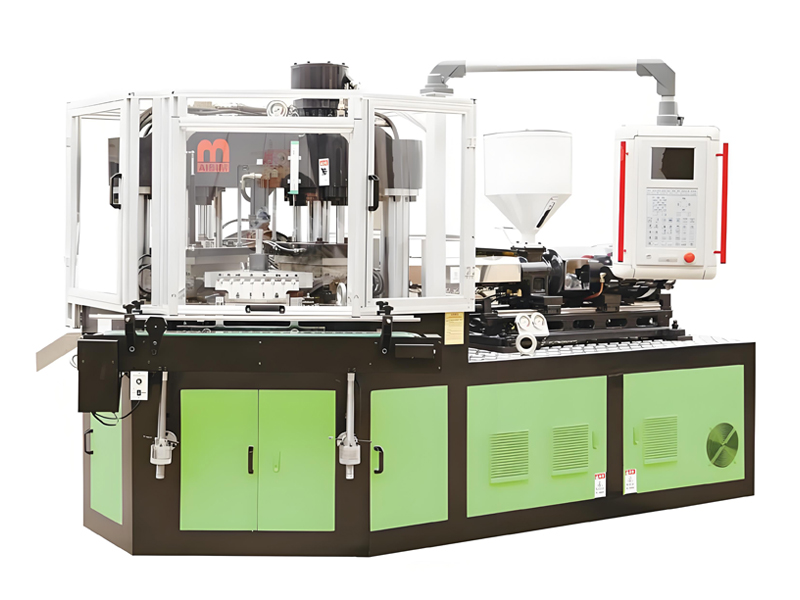
AiBiM injection blow molding machines incorporate advanced control technologies and precision engineering features that provide the foundation for high-precision production operations. The combination of mechanical precision, control sophistication, and quality monitoring capabilities enables manufacturers to achieve precision levels that meet demanding application requirements across pharmaceutical, cosmetic, and consumer product packaging sectors. Technical support capabilities ensure that customers can maximize the precision potential of their equipment through proper operation and ongoing optimization.
Advanced Control System Features
AiBiM machines feature proprietary control algorithms that optimize process parameters in real-time based on sensor feedback and quality measurements. The adaptive control capabilities compensate for variations in material properties, ambient conditions, and equipment status, maintaining consistent precision throughout production runs. Advanced control features include precise temperature profiling, optimized injection profiles, and intelligent cycle management that reduces variation while maximizing throughput efficiency.
Remote monitoring and diagnostic capabilities enable AiBiM technical support to assist customers in precision optimization without requiring on-site visits. Performance data analysis by experienced engineers identifies improvement opportunities and provides recommendations for process optimization. This support capability accelerates precision improvement timelines and ensures that customers can fully leverage the capabilities of their equipment investments.
Precision-Oriented Equipment Design
Mechanical precision engineering in AiBiM machines ensures that fundamental equipment capabilities support high-precision production requirements. Precision-ground components, hardened wear surfaces, and rigid construction minimize mechanical sources of variation that would otherwise limit achievable precision. The design emphasis on precision and durability provides consistent performance throughout extended production operations without the precision degradation that affects lesser-quality equipment.
Tooling interface precision ensures consistent positioning and alignment of molds with machine components, eliminating variation from mold mounting and changeover operations. Standardized tooling interfaces and precise alignment systems enable rapid mold changes while maintaining the positioning accuracy required for consistent production quality. This design approach reduces changeover time while ensuring that production precision remains consistent across different product configurations.
Economic Analysis of Precision Improvement Investments
Precision improvement investments require careful economic analysis to ensure that returns justify expenditures and that resources are allocated to highest-value improvement opportunities. The economic analysis should consider both direct cost impacts including scrap reduction and material utilization improvements, as well as indirect benefits such as customer satisfaction, reduced quality failures, and enhanced competitive positioning.
Investment Cost Categories and Ranges
Equipment upgrades for precision enhancement include control system modernizations, sensor additions, and mechanical precision improvements. Control system upgrades typically range from twenty thousand to one hundred thousand dollars depending on current system configuration and desired capability enhancements. Sensor additions for enhanced process monitoring generally range from five thousand to thirty thousand dollars depending on measurement types and integration requirements.
Measurement system investments including coordinate measuring machines, in-line inspection systems, and quality monitoring equipment typically range from fifty thousand to three hundred thousand dollars depending on measurement capabilities and throughput requirements. Software investments for SPC implementation, data analysis, and process optimization generally range from ten thousand to fifty thousand dollars depending on organizational requirements and integration complexity.
Training and development investments ensure that personnel can effectively utilize precision enhancement capabilities. Operator training, process engineering development, and quality management system implementation typically range from twenty thousand to one hundred thousand dollars depending on organizational scale and existing capabilities. The return on training investments typically exceeds returns from equipment investments alone, making human capital development a critical component of comprehensive precision improvement programs.
Return on Investment Analysis and Expectations
Scrap reduction benefits from precision improvement typically range from twenty to fifty percent reductions in material waste depending on current performance levels and improvement scope. Scrap cost reduction directly improves material utilization and manufacturing margins, with typical savings ranging from one hundred thousand to five hundred thousand dollars annually for medium-scale injection blow molding operations.
Rework and quality-related cost reductions complement scrap reduction benefits by eliminating the labor and material costs associated with correcting defective products. First-pass quality improvements from precision enhancement typically range from ten to thirty percentage points, translating to significant cost reductions for operations with current first-pass yields below ninety percent. Quality-related cost reductions typically range from fifty thousand to three hundred thousand dollars annually for typical manufacturing operations.
Customer satisfaction improvements from enhanced precision and consistency provide indirect economic benefits through reduced quality complaints, improved account retention, and enhanced reputation in competitive markets. While these benefits are more difficult to quantify precisely, they often represent the largest long-term economic impact of precision improvement investments. Premium pricing opportunities for enhanced quality and consistency can contribute additional margin improvements that accelerate return on precision enhancement investments.
Conclusion and Implementation Recommendations
Precision improvement in injection blow molding operations requires comprehensive attention to machine calibration, process control, material management, and preventive maintenance practices. Each element contributes to achievable precision levels, and optimal results require integrated approaches that address all relevant factors. The investments required for precision enhancement typically generate attractive returns through reduced waste, improved quality, and enhanced customer satisfaction that supports premium positioning and account retention in competitive markets.
Implementation should begin with baseline assessment of current precision capabilities and identification of highest-value improvement opportunities. Priority should be given to fundamental capabilities including calibration, preventive maintenance, and material management before addressing more sophisticated process optimization approaches. AiBiM technical support capabilities can assist customers in developing comprehensive precision improvement programs tailored to specific production requirements and capability development objectives.
Ongoing precision management requires sustained attention and continuous improvement commitment from organizational leadership. Precision capabilities degrade without active management attention, making precision maintenance an ongoing operational priority rather than a one-time project. Organizations that successfully maintain precision excellence achieve competitive advantages that support long-term success in demanding application markets where quality and consistency determine business outcomes.