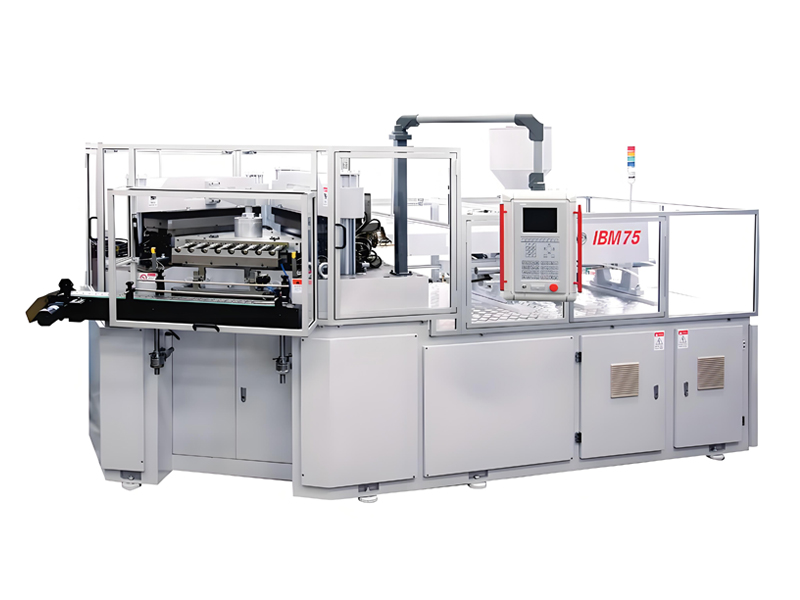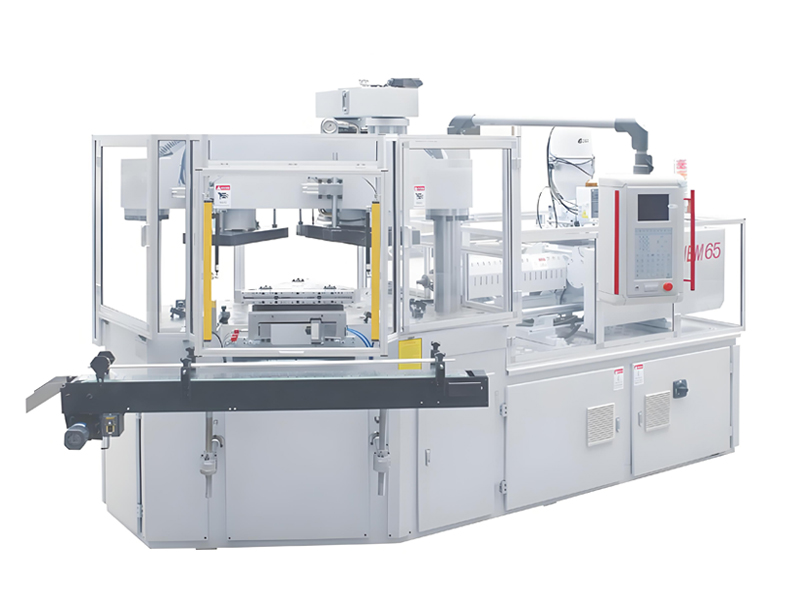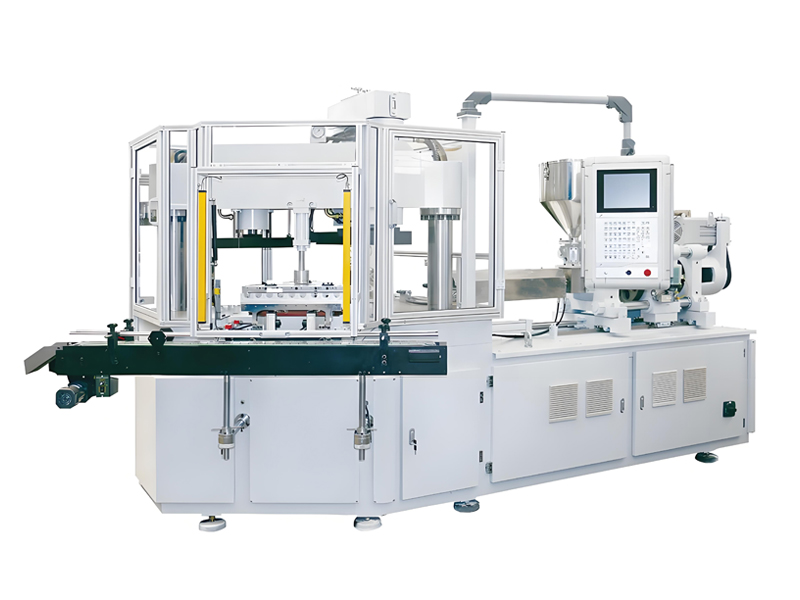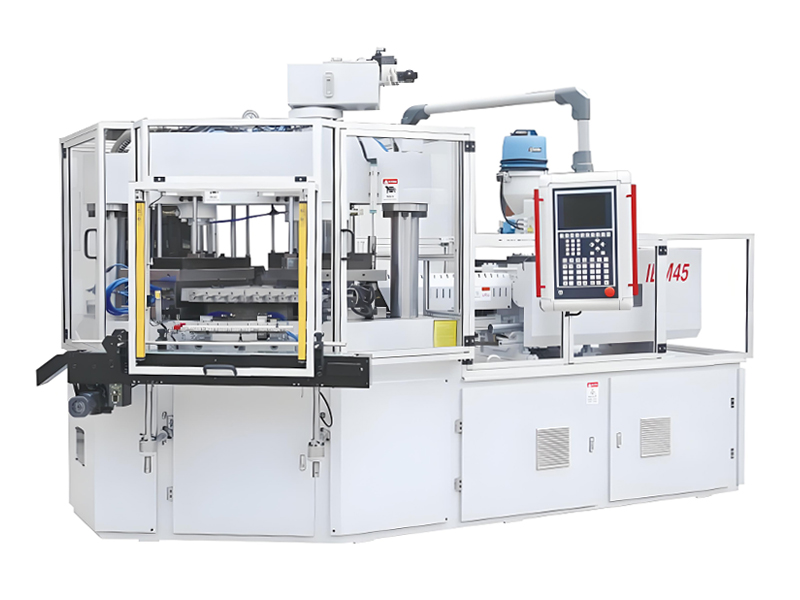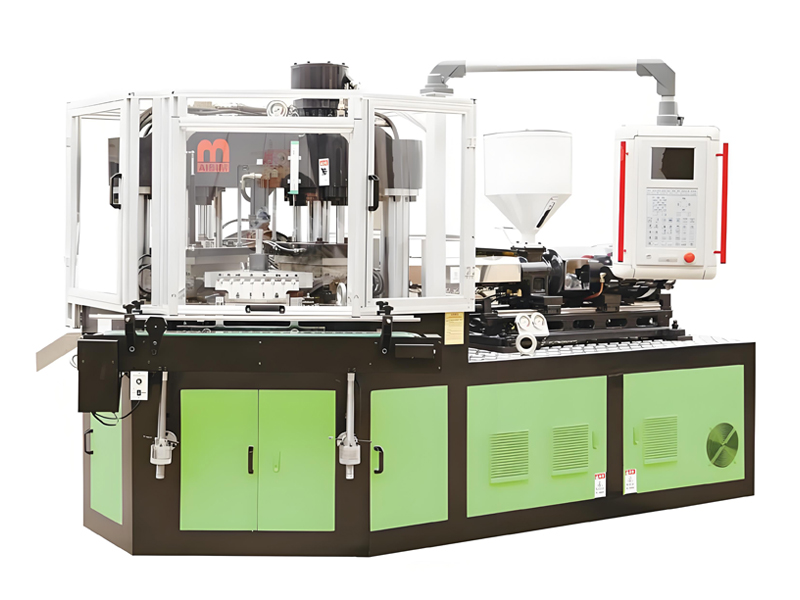
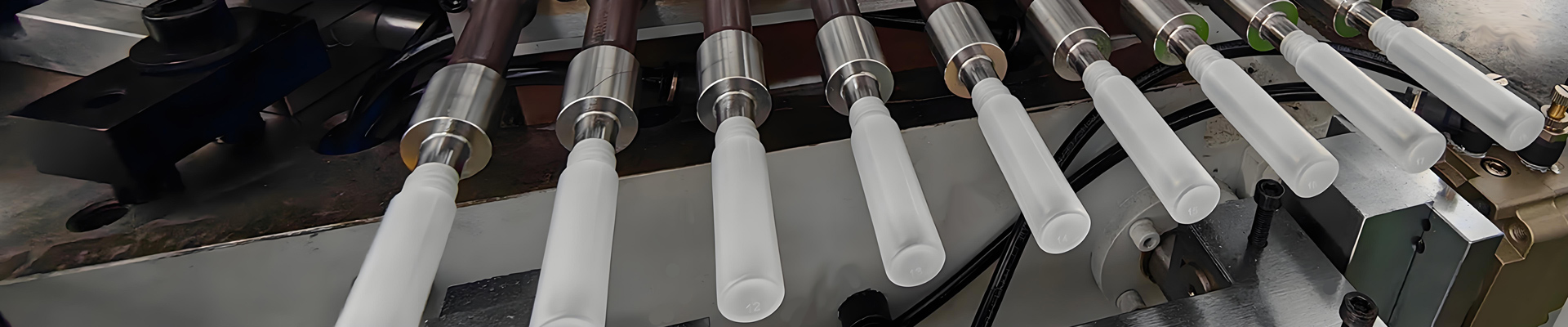
The global manufacturing landscape has witnessed a remarkable transformation in technical support capabilities, with Chinese injection blow molding machine suppliers emerging as leaders in providing comprehensive customer service that transcends traditional business hours. Manufacturers worldwide increasingly recognize the critical importance of reliable technical support infrastructure when investing in sophisticated production equipment. The availability of round-the-clock technical assistance has become a decisive factor in supplier selection, particularly for production operations that cannot tolerate extended downtime or quality disruptions. This comprehensive guide examines the technical support ecosystems offered by leading Chinese injection blow molding machine suppliers and the tangible benefits these services deliver to manufacturing operations across diverse industry sectors.
The competitive dynamics of the injection blow molding equipment market have compelled suppliers to differentiate through service quality rather than price alone. Chinese manufacturers have invested substantially in support infrastructure, training programs, and digital capabilities that enable responsive technical assistance regardless of when problems occur. This evolution has fundamentally changed the value proposition for equipment sourcing, transforming China from a source of affordable equipment to a source of comprehensive manufacturing solutions supported by world-class technical organizations. Understanding the scope and quality of technical support available from Chinese suppliers enables manufacturers to make informed sourcing decisions that balance equipment cost against total cost of ownership considerations.
The Evolution of Technical Support in Manufacturing Equipment
Technical support for industrial equipment has evolved from simple troubleshooting assistance to comprehensive service ecosystems that encompass predictive maintenance, performance optimization, and continuous improvement support. The transformation reflects broader changes in manufacturing economics where equipment downtime costs have increased relative to equipment purchase costs. Modern production facilities cannot afford the hours or days required for traditional support models based on scheduled service visits and delayed response times. The economic pressure has driven investment in support infrastructure that enables rapid diagnosis and resolution regardless of geographic distance or time zone differences.
Historical Context and Industry Transformation
Traditional technical support models for injection blow molding equipment relied on regional service offices staffed by local technicians with varying levels of expertise. Support availability typically followed standard business hours, leaving manufacturers without assistance during nights, weekends, and holidays when production continued. This support gap created significant risks for manufacturers operating around the clock, as equipment problems during unsupported periods could cascade into major production disruptions before assistance arrived. The economic consequences included lost production, delayed shipments, quality excursions, and customer dissatisfaction that damaged business relationships.
Chinese equipment suppliers recognized the limitations of traditional support models and invested in alternative approaches that leverage digital technologies and global staffing strategies. Remote diagnostic capabilities enable expert analysis of equipment problems without physical presence, dramatically reducing response times for initial problem assessment. Global support centers staffed across multiple time zones provide continuous coverage that matches production schedules worldwide. These innovations have established new benchmarks for technical support responsiveness that traditional regional support models cannot match regardless of staffing levels.
The investment in comprehensive support infrastructure represents a strategic commitment by Chinese suppliers to compete on total value rather than equipment price alone. Support organizations with hundreds of trained engineers and sophisticated diagnostic tools provide capabilities that exceed what most individual manufacturers could develop internally. This outsourcing of technical expertise enables manufacturers to access world-class support without the investment required to build equivalent internal capabilities. The value proposition has resonated with manufacturers worldwide, contributing to the market share gains achieved by Chinese equipment suppliers across multiple manufacturing sectors.
Economic Value of Technical Support Excellence
Downtime costs in injection blow molding operations typically range from 500 to 3000 dollars per hour depending on production rates, product values, and contractual obligations to customers. A single extended downtime event can easily cost more than annual technical support expenses, making effective support infrastructure a sound economic investment regardless of supplier pricing. The calculation becomes even more compelling when considering indirect costs including overtime expenses, expedited shipping, and customer relationship damage that accompany production disruptions.
Technical support quality directly influences mean time to repair, which quantifies the average duration from problem occurrence to successful resolution. Manufacturers with poor support quality experience mean time to repair values measured in days or weeks, while those with excellent support infrastructure typically achieve resolution within hours. The difference in downtime costs between these scenarios can easily exceed 50000 to 200000 dollars per incident, representing substantial economic value that justifies investment in premium support relationships.
Beyond direct downtime costs, technical support quality influences preventive maintenance effectiveness and continuous improvement opportunities. Suppliers with strong support organizations provide proactive guidance that helps manufacturers optimize equipment performance and extend component life, reducing total maintenance costs over equipment lifetime. The ongoing improvement support delivers compounding benefits that enhance manufacturing competitiveness year after year, making support quality a strategic investment rather than a reactive expense.
Comprehensive Support Service Offerings
Leading Chinese injection blow molding machine suppliers provide comprehensive service ecosystems that address the complete lifecycle of equipment ownership from initial installation through long-term operation and eventual upgrade. These service offerings extend far beyond basic troubleshooting to encompass preventive programs, optimization services, and strategic consulting that help manufacturers maximize the value of their equipment investments. Understanding the full scope of available services enables manufacturers to leverage support resources effectively throughout the equipment lifecycle.
Remote Diagnostic Capabilities
Remote diagnostic systems represent a foundational capability that enables rapid problem identification and resolution regardless of geographic distance or time zone. Modern injection blow molding machines incorporate extensive sensor networks that continuously monitor equipment status, process parameters, and performance metrics. These sensor data streams transmit to support centers where diagnostic algorithms and experienced engineers analyze information to identify problem sources and recommend corrective actions.
The diagnostic process begins with automated analysis that compares current equipment status against historical baselines and identifies anomalies that might indicate developing problems. When anomalies are detected, experienced process and controls engineers conduct detailed analysis using sophisticated diagnostic tools that visualize equipment behavior and reveal underlying causes. This analysis typically identifies root causes within minutes, enabling support personnel to provide immediate guidance for corrective action while more complex problems receive escalated attention.
Remote diagnostic equipment requirements include secure network connectivity between production facilities and support centers, typically implemented through dedicated VPN connections or secure cloud platforms. Installation costs for remote diagnostic capability typically range from 3000 to 8000 dollars depending on existing equipment configuration and connectivity infrastructure. Annual subscription fees for remote diagnostic services typically range from 5000 to 15000 dollars depending on equipment complexity and service scope. The investment delivers substantial value through reduced downtime, faster problem resolution, and improved maintenance effectiveness.
Real-Time Technical Consultation
Real-time technical consultation services provide immediate access to engineering expertise for problem-solving, process optimization, and troubleshooting guidance. Support centers staffed by experienced engineers offer voice, video, and messaging channels that enable rapid communication regardless of time or location. The consultants can view equipment status screens, process data, and diagnostic information in real-time, enabling informed guidance that addresses specific situation requirements.
Technical consultation scope encompasses the full range of injection blow molding challenges including mechanical problems, control system issues, process optimization, material troubleshooting, and quality concern investigation. Support engineers draw on extensive knowledge bases that capture resolution patterns from thousands of previous support interactions, enabling rapid identification of effective solutions. When problems exceed initial resolution scope, escalation processes engage specialized engineering resources while maintaining communication and providing interim guidance.
Response time commitments from leading suppliers typically guarantee initial response within 30 minutes for urgent issues regardless of time of day. This commitment provides manufacturers with confidence that equipment problems will receive immediate attention, enabling production planning that assumes reliable support availability. Suppliers failing to meet response commitments typically provide service credits or other remediation, creating accountability that ensures support quality remains high.
Preventive Maintenance Programs
Preventive maintenance programs structured around supplier expertise help manufacturers implement effective maintenance practices that maximize equipment reliability and performance. These programs include scheduled maintenance activities, condition monitoring, and maintenance optimization consulting that helps manufacturers get maximum value from their maintenance investments. The combination of supplier expertise and manufacturer operational knowledge creates continuous improvement dynamics that enhance equipment performance over time.
Scheduled maintenance services typically include quarterly or semi-annual visits by factory-trained technicians who perform comprehensive equipment inspection, calibration, and preventive replacement of wear components. These visits identify developing problems before they cause failures, enabling planned repairs that minimize disruption and extend equipment life. Service costs for scheduled maintenance programs typically range from 8000 to 20000 dollars annually depending on equipment complexity and visit frequency.
Condition monitoring programs supplement scheduled maintenance with continuous monitoring that detects problems between service visits. Remote diagnostic capabilities described earlier provide the foundation for condition monitoring, with support engineers analyzing equipment data and identifying maintenance needs as they develop. This proactive approach reduces emergency maintenance events and enables parts procurement that minimizes equipment downtime for planned repairs.
Training and Knowledge Development Services
Training and knowledge development services transfer expertise to manufacturer personnel, enabling more effective equipment operation and reduced dependence on external support for routine issues. Comprehensive training programs cover equipment operation, process setup, troubleshooting procedures, and preventive maintenance practices. The goal is developing internal capabilities that handle routine challenges while engaging supplier support for complex problems and continuous improvement opportunities.
Operator Training Programs
Operator training programs ensure that production personnel develop the skills and knowledge required for efficient and safe equipment operation. Training curricula typically include equipment overview and safety requirements, operating procedures and control interface navigation, process setup and parameter optimization, and normal operation monitoring practices. Hands-on training using actual equipment reinforces theoretical knowledge and builds practical skills that translate to improved production performance.
Training delivery options include on-site training at manufacturer facilities, training centers operated by equipment suppliers, and virtual training sessions that combine video instruction with remote equipment access. On-site training typically costs 3000 to 8000 dollars per session for groups of up to eight operators, with training center programs costing 1500 to 3000 dollars per person. Virtual training options provide cost-effective training access with typical costs ranging from 500 to 1500 dollars per participant. Investment in operator training typically generates returns through improved productivity, reduced quality incidents, and decreased support dependency within three to six months of training completion.
Certification programs provide formal recognition of operator competence and create career development pathways that motivate ongoing skill development. Certification requirements typically include completion of training curricula, demonstrated practical skills, and passing examinations that verify knowledge and application capability. Certified operators demonstrate higher productivity and lower error rates than non-certified peers, providing compelling justification for certification program implementation.
Maintenance Technician Development
Maintenance technician training addresses the specialized skills required for effective equipment maintenance including mechanical systems, electrical and control systems, and diagnostic troubleshooting. This training extends beyond operator capabilities to develop deep expertise that enables independent problem diagnosis and resolution without external support for most maintenance scenarios. Advanced training covers predictive maintenance techniques, equipment optimization, and root cause analysis methodologies that prevent problem recurrence.
Maintenance training programs typically cost 5000 to 15000 dollars per technician depending on training depth and delivery format. Investment in maintenance technician development generates returns through reduced downtime, more effective maintenance planning, and better utilization of supplier support resources for complex issues. Organizations with well-developed maintenance capabilities typically achieve maintenance costs 20 to 40 percent below organizations relying primarily on external support for maintenance needs.
Continuing education and skills updates ensure that maintenance technicians stay current with equipment upgrades, new diagnostic tools, and evolving best practices. Annual refresher training, new feature introductions, and technology update sessions maintain the effectiveness of maintenance organizations over time. The ongoing investment in technician development maintains the internal capabilities that enable effective equipment ownership throughout the equipment lifecycle.
Process Engineering Excellence
Process engineering training develops capabilities for advanced process optimization, new product introduction, and quality improvement initiatives. This training addresses the analytical skills and technical knowledge required for systematic process development and improvement rather than simple problem resolution. Process engineering capabilities enable manufacturers to continuously improve their competitive position through better quality, lower costs, and faster new product introduction.
Advanced process training typically costs 8000 to 25000 dollars per engineer depending on training depth and duration. The investment in process engineering development generates returns through improved process capability, reduced scrap and rework, and enhanced new product introduction speed. Organizations with strong process engineering capabilities typically achieve first-pass quality rates 10 to 20 percentage points above organizations lacking this expertise.
Spare Parts Supply Chain and Logistics
Reliable spare parts supply represents a critical success factor for injection blow molding operations, as equipment downtime for want of parts quickly erodes the economic benefits of production equipment. Leading Chinese suppliers have invested in global parts distribution networks that ensure rapid parts availability regardless of customer location. Understanding parts supply capabilities and logistics options helps manufacturers plan inventory strategies that balance availability against carrying costs.
Global Parts Distribution Networks
Strategic parts distribution centers located in major manufacturing regions enable rapid parts delivery that minimizes equipment downtime when replacement parts are required. Chinese suppliers typically maintain regional distribution centers in North America, Europe, and Asia that stock high-velocity parts for immediate shipment. These centers are supported by central warehouses at manufacturing facilities that provide comprehensive parts availability for less time-critical needs.
Parts availability for common wear components typically exceeds 95 percent from regional distribution centers, ensuring that most replacement needs can be satisfied within 24 to 48 hours. Critical components may be available for even faster delivery through expedited shipping programs that reduce delivery time to same-day or next-day options. Parts fill rates from global distribution networks typically exceed 98 percent for customers maintaining appropriate inventory levels of high-velocity items.
Parts pricing transparency enables accurate cost forecasting and budget planning for maintenance expenses. Supplier catalogs with standardized pricing simplify procurement processes and eliminate negotiation overhead for routine parts purchases. Volume discount programs for high-value parts enable cost optimization for manufacturers with substantial parts consumption. Total parts spending for typical injection blow molding operations ranges from 15000 to 50000 dollars annually depending on equipment age, utilization levels, and maintenance program effectiveness.
Emergency Parts Expediting
Emergency parts expediting services provide accelerated delivery for urgent needs when standard supply channels cannot meet production timeline requirements. These premium services typically guarantee delivery within 24 to 48 hours regardless of geographic location, enabling recovery from critical failures that would otherwise cause extended production interruptions. Emergency expediting fees typically range from 50 to 200 percent premium above standard parts pricing depending on urgency and delivery distance.
Emergency parts coverage programs provide pre-positioned parts inventories at customer facilities for components most likely to require urgent replacement. These coverage programs eliminate delivery delays entirely for covered components, enabling immediate repair and recovery from failures involving covered parts. Program costs typically range from 5000 to 20000 dollars annually depending on covered components and inventory levels, but provide substantial value for production-critical equipment where downtime costs exceed program fees for single failure events.
Critical spares planning services help manufacturers identify which parts to stock locally based on failure probability, downtime costs, and delivery time requirements. This analytical approach optimizes inventory investment while ensuring availability for components where stockouts would cause unacceptable production impacts. Spare parts planning services are typically included as part of comprehensive service agreements at no additional cost, representing valuable support that helps manufacturers manage maintenance costs effectively.
Service Agreement Options and Pricing Structures
Service agreements provide structured frameworks for technical support, preventive maintenance, and parts supply that simplify procurement and ensure consistent service quality. Different agreement tiers offer varying levels of support coverage that match different operational requirements and budget constraints. Understanding agreement options enables manufacturers to select coverage levels that provide appropriate protection while managing total service costs effectively.
Basic Support Agreements
Basic support agreements provide access to technical support resources with guaranteed response times but limited proactive services. These agreements typically include unlimited phone and email support during extended business hours, remote diagnostic assistance, and discounted parts pricing. Response time commitments typically guarantee initial contact within four hours during supported hours, with unlimited support usage included in annual fees.
Basic agreement pricing typically ranges from 8000 to 15000 dollars annually depending on equipment complexity and included services. These agreements provide cost-effective support access for manufacturers with limited support requirements or strong internal capabilities that handle most challenges independently. The agreement ensures access to expert support when needed while keeping annual costs manageable for smaller operations.
Premium Support Agreements
Premium support agreements provide comprehensive coverage that includes all basic services plus scheduled preventive maintenance, priority emergency response, and enhanced technical consultation. These agreements represent the recommended coverage level for production-critical equipment where downtime costs justify premium support investment. The comprehensive coverage eliminates uncertainty about support costs while ensuring the highest level of service quality.
Premium agreement pricing typically ranges from 20000 to 40000 dollars annually depending on equipment complexity, facility location, and included services. The investment provides substantial value through reduced downtime, improved maintenance effectiveness, and enhanced operational performance. Most manufacturers achieve return on premium support investment within the first few months of coverage through avoided downtime costs and improved productivity.
Enterprise Agreement Programs
Enterprise agreement programs provide customized coverage for organizations with multiple equipment units or complex support requirements. These programs typically include volume pricing, dedicated support resources, and customized service delivery that matches specific organizational needs. Enterprise programs may also include consulting services, training programs, and technology upgrade pathways that support long-term manufacturing excellence.
Enterprise agreement pricing varies significantly based on equipment count, coverage scope, and service customization requirements. Typical enterprise program costs range from 15000 to 30000 dollars per equipment unit annually for comprehensive coverage, with aggregate program costs reflecting total equipment portfolio served. The value proposition for enterprise programs includes administrative simplification, volume pricing benefits, and relationship benefits that enhance overall supplier partnership value.
AiBiM Comprehensive Support Infrastructure
AiBiM has established a comprehensive technical support infrastructure that provides customers worldwide with responsive, high-quality support services matched to their operational requirements. The support ecosystem combines global staffing, advanced diagnostic capabilities, and extensive service offerings that enable customers to maximize equipment value while minimizing operational risks. AiBiM commitment to support excellence reflects the understanding that equipment investment success depends as much on support quality as on equipment capability.
Global Support Center Operations
AiBiM operates support centers across multiple time zones staffed by experienced engineers who provide continuous coverage for customer support needs. The global staffing model ensures that knowledgeable support personnel are available regardless of when customers require assistance, eliminating the response delays that plague organizations with limited support coverage. Support center engineers undergo extensive training on AiBiM equipment and processes, ensuring consistent expertise across all support interactions.
Support center capabilities include remote diagnostic systems, video consultation platforms, and integrated knowledge management systems that capture and share resolution expertise across the support organization. These capabilities enable support personnel to access comprehensive information resources while engaging with customers, ensuring that guidance reflects the full depth of AiBiM engineering knowledge. Continuous improvement processes capture lessons from each support interaction, enhancing the knowledge base and support effectiveness over time.
Dedicated Customer Success Management
Customer success management provides dedicated relationship management that coordinates support resources, tracks performance metrics, and ensures customer satisfaction with support services. Customer success managers serve as single points of contact for escalations, service agreement management, and strategic support planning. This relationship management ensures that support services remain aligned with customer needs and that emerging issues receive appropriate attention.
Performance reporting provides customers with transparent visibility into support service quality including response times, resolution rates, and customer satisfaction metrics. Regular business reviews between customer success management and customer leadership ensure that support relationships remain productive and that opportunities for improvement are identified and addressed. The performance visibility creates accountability that maintains support quality while enabling continuous improvement over time.
Technical Training Academy
The AiBiM Technical Training Academy provides comprehensive training programs that develop customer capabilities across operation, maintenance, and process engineering disciplines. Academy facilities include modern training equipment, experienced instructors, and structured curricula that ensure consistent learning outcomes. Training programs range from basic operator certification through advanced engineering development, enabling customers to build comprehensive internal capabilities.
Academy enrollment options include public courses at AiBiM training facilities, on-site training at customer locations, and virtual training programs that provide flexible learning access. Course schedules accommodate different learning needs with options ranging from intensive week-long programs through extended learning pathways that combine multiple courses over several months. Training investments typically range from 2000 to 15000 dollars per participant depending on program depth and delivery format.
Comparative Analysis and Selection Guidance
Evaluation of technical support capabilities requires systematic assessment of multiple factors that collectively determine support value and effectiveness. Different suppliers offer varying combinations of support services, coverage levels, and pricing structures that create different value propositions for different customer scenarios. Understanding the evaluation framework enables manufacturers to identify suppliers whose support capabilities best match their specific requirements.
Key Evaluation Criteria
Response time performance represents a fundamental evaluation criterion that directly influences equipment downtime and associated costs. Manufacturers should verify response time commitments through references and service history rather than relying solely on marketing claims. Effective evaluation requires understanding not just initial response commitments but also resolution time expectations for different problem categories.
Engineer expertise and availability determine the quality of technical guidance that support interactions provide. Manufacturer should evaluate engineer training programs, certification requirements, and experience levels across the support organization. Support team continuity affects relationship effectiveness and problem resolution efficiency, making staff turnover rates an important consideration in support quality assessment.
Diagnostic capabilities determine how effectively problems can be identified and resolved without physical intervention. Manufacturers should evaluate remote diagnostic tools, real-time monitoring capabilities, and the integration between diagnostic systems and support personnel workflows. The sophistication of diagnostic capabilities often distinguishes excellent support organizations from adequate support providers.
Total Cost of Ownership Considerations
Technical support costs represent one component of total ownership costs that also include equipment purchase, installation, operation, maintenance, and eventual disposition. Excellent support can reduce total ownership costs by minimizing downtime, extending equipment life, and improving operational efficiency. Poor support can increase total ownership costs through extended downtime, accelerated wear, and suboptimal equipment utilization.
Service agreement costs should be evaluated against expected support utilization and potential downtime costs without adequate coverage. For production-critical equipment, premium support agreements typically represent sound investments that pay for themselves through avoided downtime and improved performance. For less critical equipment, basic agreements may provide appropriate coverage at lower cost. The analysis should consider both direct support costs and indirect costs of problem resolution alternatives.
Conclusion and Partnership Recommendations
Technical support quality has become a critical differentiator in injection blow molding equipment sourcing decisions, with comprehensive support infrastructure providing substantial competitive advantages for manufacturers worldwide. Chinese suppliers including AiBiM have invested significantly in support capabilities that match or exceed traditional equipment suppliers, fundamentally changing the value proposition for equipment sourcing. The availability of 24/7 technical support eliminates the support gaps that previously created significant operational risks for manufacturers with round-the-clock production requirements.
Effective support partnerships require clear understanding of support capabilities, service agreement options, and organizational readiness to leverage support resources effectively. Manufacturers should evaluate support requirements based on production criticality, internal capabilities, and total cost of ownership considerations. Service agreement selection should match coverage levels to specific requirements rather than assuming premium coverage is always optimal or basic coverage always adequate.
The partnership between AiBiM and customers extends beyond equipment supply to encompass comprehensive support services that enable manufacturing success throughout the equipment lifecycle. This partnership approach transforms the traditional supplier-customer relationship into collaborative engagement that creates mutual value through improved production performance, reduced operational risks, and enhanced competitive positioning. Manufacturers who leverage support capabilities fully position themselves for sustained success in competitive global manufacturing environments.