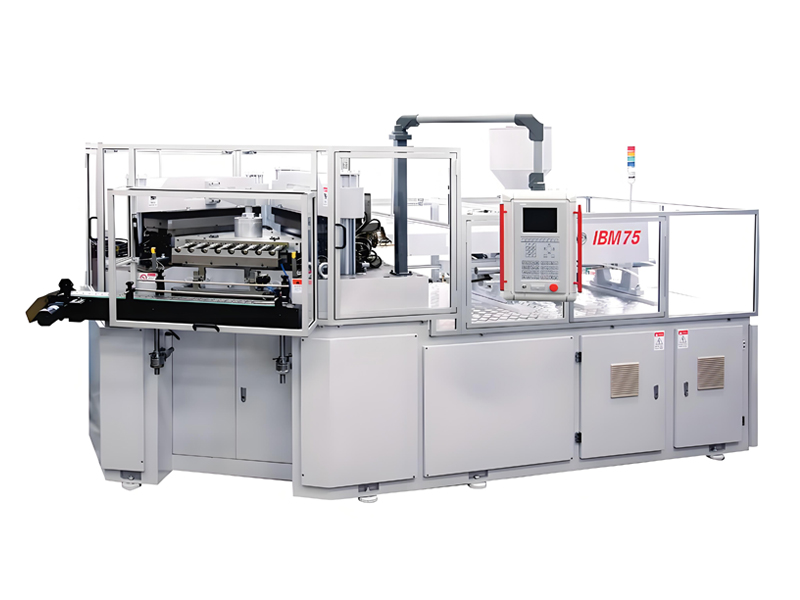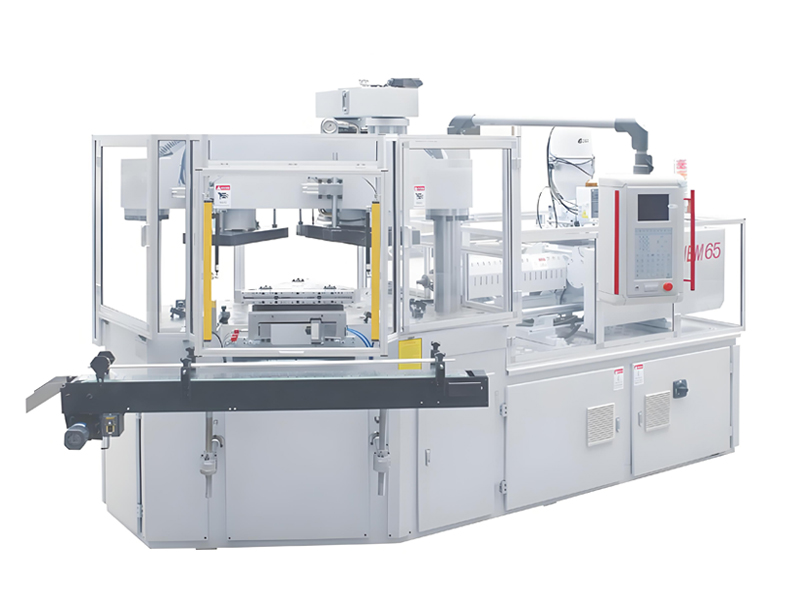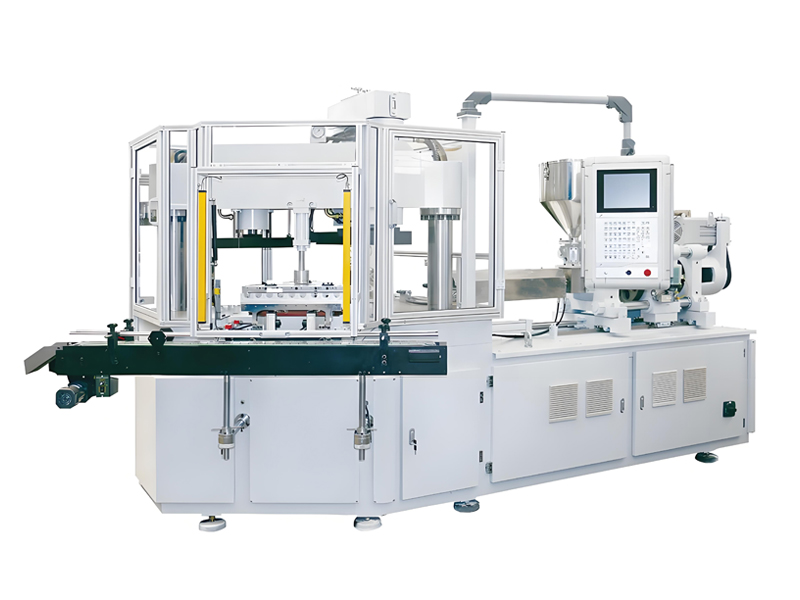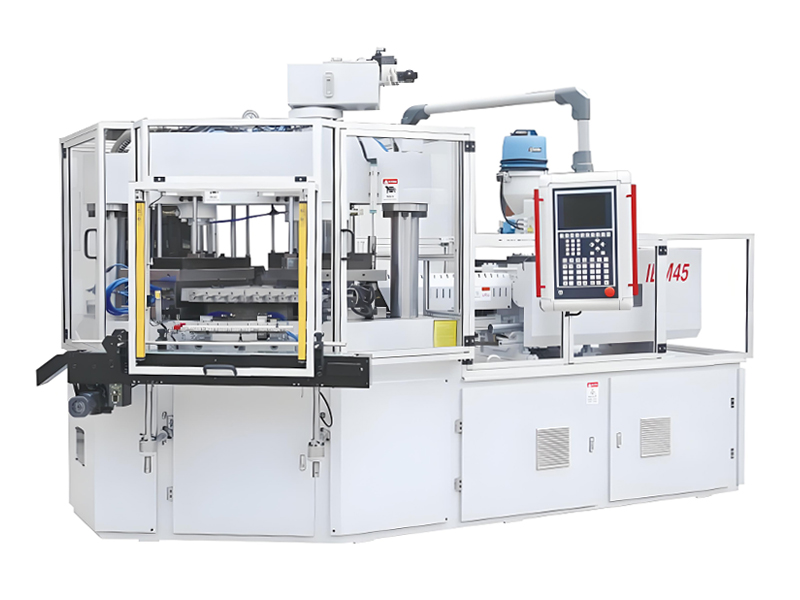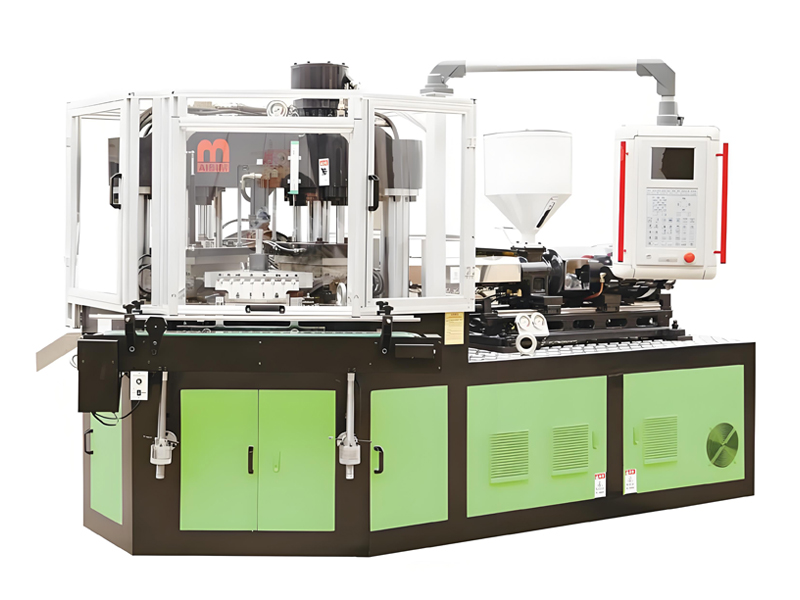
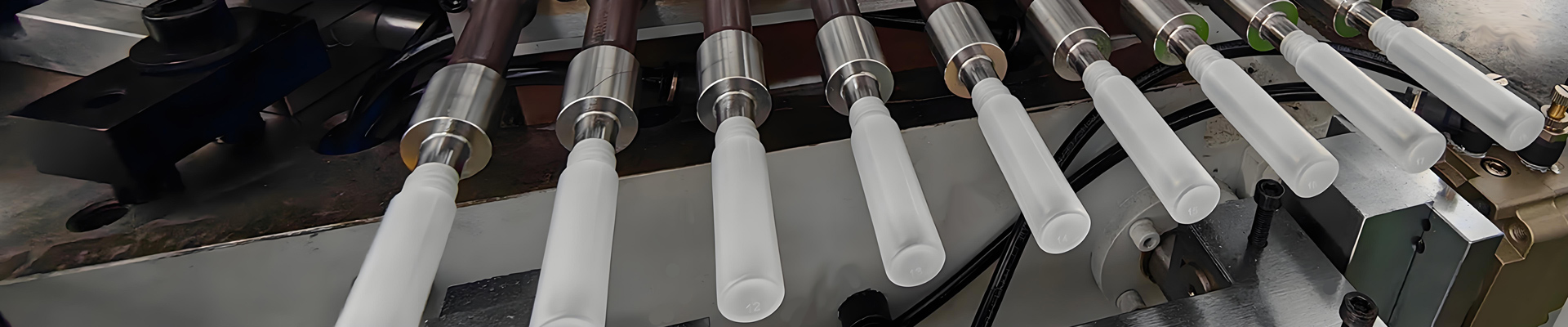
Proper mold maintenance represents one of the most critical aspects of operating an Injection Blow Molding Machine profitably and efficiently. The mold directly determines the quality of every container produced, making its care essential for maintaining product specifications, maximizing production output, and extending the service life of this significant capital investment. Understanding the complete process of cleaning and maintaining your IBM machine mold empowers operators to achieve consistent quality results while minimizing downtime and repair costs. This comprehensive guide covers everything from routine cleaning procedures to advanced maintenance strategies that protect your molding investment.
Understanding Mold Contamination and Its Impact
Mold contamination in injection blow molding operations manifests in multiple forms, each presenting unique challenges for cleaning and prevention. Residual plastic material accumulates in cavities, runner systems, and ejection mechanisms during normal production. Release agents, when used, can leave deposits that affect surface finish quality. Environmental contaminants including dust, oil, and airborne particles settle on mold surfaces during idle periods. Understanding these contamination sources helps operators implement appropriate cleaning strategies.
The impact of contamination extends beyond cosmetic surface defects to affect fundamental production economics. Contaminated molds require increased cycle times as operators attempt to work around defects. Scrap rates rise when contamination causes visual or dimensional defects. More seriously, contamination in critical areas can cause part sticking, incomplete filling, or premature mold failure. Regular cleaning prevents these costly outcomes and maintains profitable production conditions.
Different plastic materials present different contamination challenges. Polyethylene and polypropylene, the most common IBM materials, tend to produce relatively soft deposits that clean relatively easily. Engineering resins with higher melting points may leave more tenacious residues requiring specialized cleaning approaches. Color changes during production require thorough cleaning to prevent color contamination in subsequent runs. Material-specific cleaning protocols ensure optimal results for each application.
Types of Mold Contamination
Carbonized residue represents a common contamination type resulting from thermal degradation of plastic material. When plastic material experiences excessive heat exposure during injection or when residence time in the barrel exceeds recommended limits, thermal breakdown produces dark, carbon-rich deposits. These deposits bond strongly to mold steel surfaces and require aggressive cleaning methods for removal. Preventing carbonization through proper process control proves more effective than remediation.
Oil contamination originates from hydraulic fluid leaks, lubricating oils, or contaminated compressed air systems. Oil films on cavity surfaces prevent proper material flow and create surface defects in finished parts. Oil contamination may also cause slippery ejection conditions that lead to part dropping or ejection system failures. Identifying and addressing oil contamination sources prevents recurring cleaning requirements.
Silicone contamination from mold release agents, when used inappropriately or in excessive quantities, creates surface defects and bonding issues for subsequent coating or printing operations. While many IBM applications operate without release agents, some specialized applications require their use. Understanding proper release agent application techniques prevents contamination issues while achieving desired release characteristics.
Signs Your Mold Requires Cleaning
Visual inspection of finished parts provides the most immediate indication of mold cleaning requirements. Surface finish degradation, including streaking, hazing, or inconsistent appearance, often indicates contamination buildup on cavity surfaces. Part dimensional changes may result from contamination affecting cavity dimensions or parting line fit. Increased ejection forces suggest contamination in ejection mechanisms or parting line areas.
Production performance metrics reveal cleaning requirements before visual defects appear. Rising scrap rates, increasing cycle times, or declining output rates all signal potential contamination issues requiring investigation. Operators who monitor these metrics closely can schedule cleaning during planned maintenance periods rather than responding to emergencies that disrupt production schedules.
Scheduled cleaning intervals based on production volume or operating hours provide proactive maintenance that prevents contamination-related problems. Typical cleaning intervals range from weekly for high-volume production to monthly for lower-volume operations, with specific intervals determined by material characteristics, product requirements, and operating experience. Establishing and following these schedules maintains consistent quality and extends mold service life.
Essential Cleaning Equipment and Materials
Proper cleaning requires appropriate equipment and materials matched to the contamination types and mold designs encountered. Investing in quality cleaning supplies pays dividends through improved cleaning effectiveness, reduced mold damage risk, and more efficient cleaning operations. Understanding available options helps operators select appropriate tools for their specific requirements.
Cleaning equipment for injection blow molds includes specialty brushes designed for mold cavity cleaning, compressed air systems for loose debris removal, ultrasonic cleaning systems for thorough cleaning of disassembled components, and specialized extraction tools for reaching contamination in deep cavities and small passages. Each tool serves specific purposes in the comprehensive cleaning process.
Brush Selection and Usage Techniques
Mold cleaning brushes come in various types designed for different cleaning applications. Brass wire brushes remove stubborn deposits without damaging mold steel surfaces, as brass is softer than tool steel. Nylon brushes clean delicate surfaces where metal brushes might cause scratches. Specialty brushes with angled heads access difficult corners and parting line areas. Having a complete brush kit ensures appropriate tools for every cleaning situation.
Proper brush technique maximizes cleaning effectiveness while minimizing surface damage risk. Brush strokes should follow consistent patterns, typically moving parallel to cavity texture or grain to avoid creating scratches perpendicular to the intended finish. Light pressure prevents bristle embedding in soft mold materials. Regular brush inspection identifies worn or damaged brushes that require replacement before they cause surface damage.
Brush maintenance maintains cleaning effectiveness and prevents contamination transfer between cleaning operations. Brushes should be cleaned after each use to remove accumulated material. Storage in clean containers prevents environmental contamination. Regular inspection identifies contamination that might transfer between molds during cleaning operations.
Cleaning Solutions and Solvents
Cleaning solutions for mold maintenance range from mild detergents for routine cleaning to aggressive solvents for stubborn contamination. Water-based cleaners provide effective cleaning with minimal safety concerns for routine maintenance. Solvent-based cleaners address oil contamination and stubborn residues that water-based cleaners cannot remove. Specialty formulations target specific contamination types like carbon deposits or silicone residues.
Safety considerations when using cleaning solvents include adequate ventilation, personal protective equipment, and proper disposal procedures. Many effective cleaning solvents present health hazards requiring careful handling. Material Safety Data Sheets provide essential safety information that should be reviewed before any cleaning operation. Establishing safe work procedures protects operators while achieving cleaning objectives.
Environmental responsibility in cleaning operations includes selecting environmentally preferable cleaning methods when effective, properly containing and disposing of cleaning waste, and minimizing solvent usage through targeted application techniques. These practices reduce environmental impact while often improving cleaning effectiveness and reducing operating costs.
Step-by-Step Mold Cleaning Procedures
Systematic cleaning procedures ensure thorough contamination removal while minimizing mold handling risks and production downtime. Following established procedures consistently delivers reliable results and develops operator expertise that enables continuous improvement of cleaning processes. The comprehensive cleaning procedure encompasses preparation, disassembly, cleaning, inspection, and reassembly phases.
Preparation Phase for Safe Cleaning
Safe cleaning operations begin with proper preparation that protects both operators and molds from damage. The IBM machine should be fully shut down according to manufacturer procedures, with all energy sources isolated and locked out. Hydraulic pressure should be released, and heated components should cool to safe handling temperatures before mold access. Personal protective equipment appropriate for the cleaning tasks should be donned before beginning.
Mold cooling systems should be drained or isolated to prevent coolant leakage during cleaning operations. Ejection system air lines should be disconnected and capped to prevent contamination introduction. Any electrical connections to mold-mounted components should be identified and carefully disconnected. Documentation of these connections facilitates correct reassembly.
Workspace preparation creates conditions for efficient and safe cleaning operations. Adequate lighting illuminates cavity surfaces for thorough inspection. Work surfaces should be clean and protected from dropped tools or components. Cleaning materials should be organized for efficient workflow. Having all necessary tools and materials available before beginning prevents workflow interruptions.
Cavity Surface Cleaning Techniques
Cavity surface cleaning begins with loose debris removal using compressed air, typically at pressures below 60 PSI to avoid embedding particles into surfaces. Directional air blasting moves debris toward extraction points rather than deeper into cavity features. Multiple passes at different angles ensure complete debris removal from complex geometries. Visual inspection after air cleaning identifies remaining contamination requiring attention.
Manual cleaning of cavity surfaces follows debris removal, using appropriate brushes and cleaning solutions for the contamination type encountered. Systematic cleaning patterns ensure no areas are missed. Beginning at the top of vertical cavity walls and working downward prevents recontamination of cleaned areas. Frequent inspection during cleaning verifies progress and identifies areas requiring additional attention.
Parting line cleaning addresses contamination in the critical sealing surfaces that determine part quality and mold alignment. Brass brushes and compressed air remove material from parting line grooves and wear strips. Careful attention to parting line condition ensures proper mold sealing during subsequent production. Any parting line damage discovered during cleaning should be documented for repair assessment.
Ejection System and Venting Channel Maintenance
Ejection system components require careful cleaning to maintain reliable part release throughout the production cycle. Ejection pins, sleeves, and blade mechanisms accumulate material deposits that increase ejection forces and cause inconsistent part release. Cleaning these components requires disassembly access and thorough removal of all contamination from sliding surfaces and clearances.
Venting channels, which enable air escape during material injection, frequently become blocked with contamination that prevents proper venting. Blocked vents cause short shots, surface defects, and increased internal stress in finished parts. Cleaning vents requires careful attention to the small passages that extend from cavity surfaces into the mold plate structure. Specialty tools designed for vent cleaning access these narrow passages without damaging vent geometry.
Core pull mechanisms, when present in the mold design, require similar cleaning attention to ensure smooth operation. Contamination in core pull slides causes inconsistent core positioning that produces dimensional defects in parts. Lubrication of clean mechanisms following cleaning maintains smooth operation until the next maintenance cycle. Documentation of lubrication points and specifications ensures proper reassembly.
Inspection and Quality Verification
Thorough inspection following cleaning identifies any issues requiring attention before returning the mold to production service. Inspection should verify cleaning completeness, assess mold condition, and document any damage or wear that might affect production quality. This inspection phase provides valuable information for maintenance planning and continuous improvement of cleaning procedures.
Cavity Surface Inspection Methods
Visual inspection under adequate lighting reveals most surface contamination that manual cleaning might miss. Lighting angles should vary to highlight surface variations that might indicate contamination or damage. Magnification assists inspection of fine surface details and venting channels. Inspection mirrors access areas that direct viewing cannot reach.
Surface finish comparison against reference samples verifies cleaning completeness for cosmetic-critical applications. New mold surface finish samples provide comparison standards for assessing surface condition after cleaning. Any surface finish degradation should be documented and assessed for cause and remediation requirements.
Functional testing of cleaned molds before full production return verifies that cleaning has addressed all issues. Trial production runs at reduced speeds test ejection function, venting effectiveness, and part quality before resuming normal production rates. Any issues discovered during trial runs receive investigation and correction before production continues.
Identifying Damage Requiring Maintenance Attention
Cleaning operations sometimes reveal damage that requires maintenance attention beyond routine cleaning. Surface scratches, if shallow, may require only polishing to restore surface finish. Deep scratches may require weld repair and precision machining to restore dimensional accuracy. Any damage affecting critical sealing surfaces requires immediate assessment and repair to prevent production quality issues.
Wear assessment during cleaning identifies areas requiring attention in upcoming maintenance cycles. Ejection pin wear creates taper and diameter changes that affect fit and function. Cavity wear changes dimensions in ways that affect part quality. Vent wear can cause flash or venting defects. Documenting wear patterns enables planning for preventive maintenance that prevents unplanned production interruptions.
Documentation of inspection findings creates valuable records for maintenance planning and troubleshooting. Photographs of any damage or unusual conditions provide visual records for maintenance discussions. Written descriptions ensure accurate communication of findings. Maintenance records linked to specific production events enable analysis of relationships between operating conditions and mold condition.
Preventive Maintenance Strategies
Preventive maintenance strategies minimize cleaning requirements while extending mold service life through proactive care. These strategies address root causes of contamination and wear rather than simply treating symptoms. Implementing comprehensive preventive maintenance programs delivers substantial returns through improved production efficiency and reduced maintenance costs.
Production Scheduling for Mold Health
Production scheduling practices significantly influence mold condition and cleaning requirements. Production sequences that alternate between similar colors minimize cleaning requirements for color changes. Scheduling higher-volume runs on well-maintained molds minimizes cleaning frequency. Planning cleaning intervals during scheduled downtime rather than reactive to problems improves production planning and mold care consistency.
Material selection and specification affect contamination characteristics and cleaning frequency. Using materials with improved thermal stability reduces carbonization tendencies. Selecting materials with appropriate flow characteristics for the specific mold design prevents material degradation from excessive shear heating. Material supplier technical support can provide guidance on optimal material specifications for specific applications.
Operator training influences mold care quality throughout production operations. Operators who understand the relationship between their actions and mold condition make better decisions throughout the production day. Training in proper start-up and shutdown procedures, material handling, and early problem recognition prevents many contamination issues from developing. Ongoing operator development maintains high standards as experienced operators move to new responsibilities.
Cleaning Frequency Optimization
Optimal cleaning frequency balances cleaning costs against quality and maintenance risks of deferred cleaning. Excessive cleaning wastes productive time on molds that could continue running. Insufficient cleaning allows contamination to cause quality problems and accelerate wear. Finding the optimal balance requires systematic analysis of cleaning timing relative to quality trends and production performance.
Data-driven cleaning scheduling uses production metrics to determine cleaning timing. Tracking scrap rates, cycle times, and quality measurements reveals when cleaning effects begin to decline. Cleaning at the point of diminishing returns, rather than on fixed schedules, minimizes cleaning frequency while maintaining quality standards. Statistical process control techniques identify trends that indicate optimal cleaning timing.
Condition-based cleaning responds to actual mold condition rather than schedules or metrics. Visual inspection during production breaks identifies cleaning needs before they affect quality. Operators trained to recognize contamination indicators provide early warning that enables planned cleaning rather than emergency interventions. This approach requires operator engagement and quality awareness but delivers excellent results.
Deep Cleaning and Restoration Procedures
Periodic deep cleaning addresses accumulated contamination that routine cleaning cannot fully remove. These intensive cleaning operations typically occur during major maintenance shutdowns and involve mold disassembly, aggressive cleaning treatments, and thorough inspection. Deep cleaning restores molds to near-original condition and provides opportunities for comprehensive condition assessment.
Ultrasonic Cleaning for Thorough Results
Ultrasonic cleaning systems provide thorough cleaning of disassembled mold components by creating microscopic bubbles in cleaning solutions that implode against contaminated surfaces. This cleaning mechanism reaches into microscopic surface features that manual cleaning cannot access. Ultrasonic cleaning proves particularly effective for intricate mold components like core pins, inserts, and small cavity components.
Proper ultrasonic cleaning requires appropriate cleaning solution selection, temperature control, and exposure timing. Solutions should be matched to the contamination types encountered, with aqueous solutions for general cleaning and solvent solutions for specific contamination types. Temperature affects cleaning effectiveness and solution compatibility with mold materials. Exposure time should be sufficient for complete cleaning without damaging sensitive components.
Post-ultrasonic rinsing removes residual cleaning solution before reassembly. Residual cleaning chemicals could cause corrosion or contamination of production materials. Rinsing should use clean water or appropriate neutralizing solutions depending on the cleaning chemistry employed. Thorough drying following rinsing prevents moisture-related issues in storage or subsequent production.
Mold Storage and Preservation
Proper mold storage preserves cleaned condition during periods between production runs. Storage preparation should include corrosion prevention, contamination protection, and condition documentation. Appropriate storage containers and environments protect molds from environmental damage and handling hazards. Establishing storage protocols ensures that clean molds remain ready for production when needed.
Corrosion prevention for stored molds requires attention to moisture and chemical exposure. Corrosion-inhibiting papers or compounds applied to cavity surfaces provide protection during storage. Desiccant packages absorb moisture within sealed storage containers. Storage in controlled environments eliminates humidity fluctuations that cause condensation and corrosion.
Documentation accompanying stored molds provides essential information for future use. Mold identification and specifications, current condition status, recommended cleaning and maintenance procedures, and any special handling requirements should accompany the mold through storage and retrieval. This documentation ensures that personnel unfamiliar with specific molds have information needed for safe and effective handling.
Troubleshooting Common Mold Problems
Understanding the relationship between mold condition and production problems enables effective troubleshooting and appropriate cleaning interventions. Many production problems that appear to require mold repair actually result from contamination that proper cleaning can address. Developing troubleshooting skills helps operators resolve problems quickly and maintain productive relationships with maintenance specialists.
Problem Diagnosis and Cleaning Solutions
Surface finish degradation manifesting as splay marks, silver streaks, or inconsistent appearance often indicates moisture contamination on mold surfaces. Surface contamination from oils or release agents creates similar appearances. Cleaning the affected cavity surfaces typically resolves these issues if contamination is the root cause. Persistent problems after cleaning may indicate deeper issues requiring investigation.
Sticking parts that require excessive ejection force or damage during ejection frequently result from contamination in ejection mechanisms or parting line areas. Material buildup on ejection pins or slides increases friction and changes part geometry in ways that affect ejection. Cleaning ejection mechanisms and verifying proper lubrication typically resolves these issues. Parting line contamination affecting seal quality can also cause sticking problems.
Short shots and incomplete filling sometimes result from vent blockage rather than process or material issues. Contamination blocking vent channels prevents air escape, creating resistance that prevents complete cavity filling. Cleaning vent channels and verifying proper venting often resolves these problems without addressing other process parameters. This diagnosis requires understanding of vent system function and inspection capabilities.
Conclusion
Mold cleaning and maintenance represent essential competencies for injection blow molding operations seeking consistent quality and efficient production. The systematic approach outlined in this guide, from understanding contamination sources through implementing preventive maintenance strategies, provides a framework for achieving excellence in mold care. Investment in proper cleaning equipment, training, and procedures delivers returns through improved quality, reduced downtime, and extended mold service life.
Developing a culture that values mold care and empowers operators to maintain high standards produces lasting benefits for production operations. Operators who understand the importance of their role in mold maintenance take pride in their work and contribute to continuous improvement. Management support for mold care activities, through resource provision and recognition of good performance, reinforces these values throughout the organization.
AiBiM Injection Blow Molding Machines are designed for serviceability, with features that facilitate cleaning and maintenance activities. Their global support network provides training and technical assistance for operators seeking to develop mold care competencies. By partnering with equipment suppliers committed to customer success, manufacturers can build the capabilities needed for long-term operational excellence.