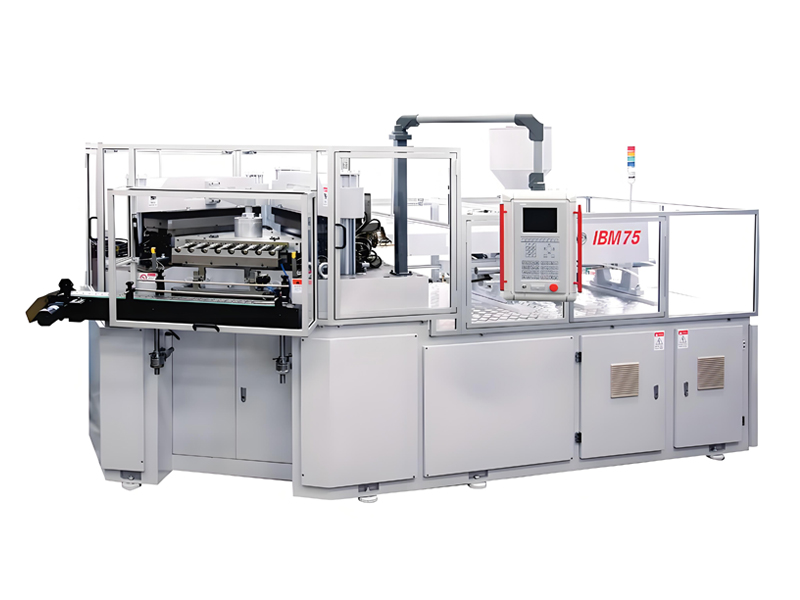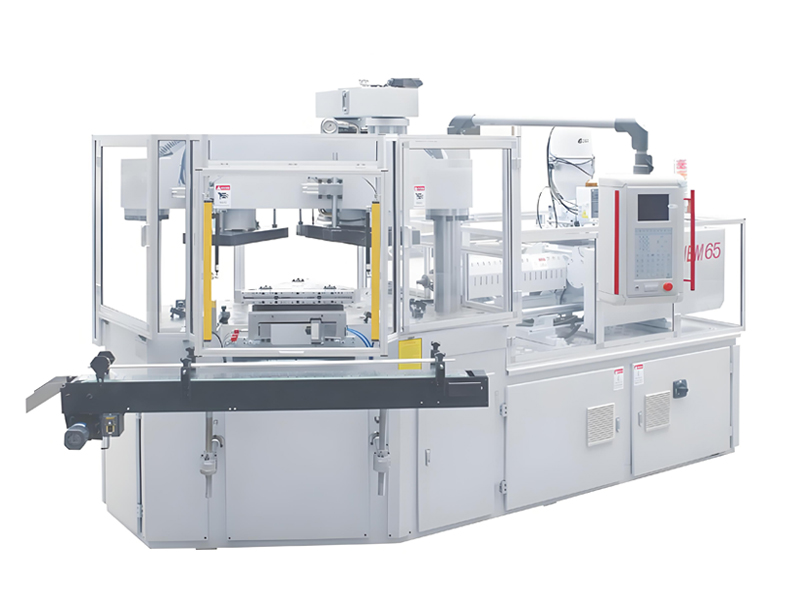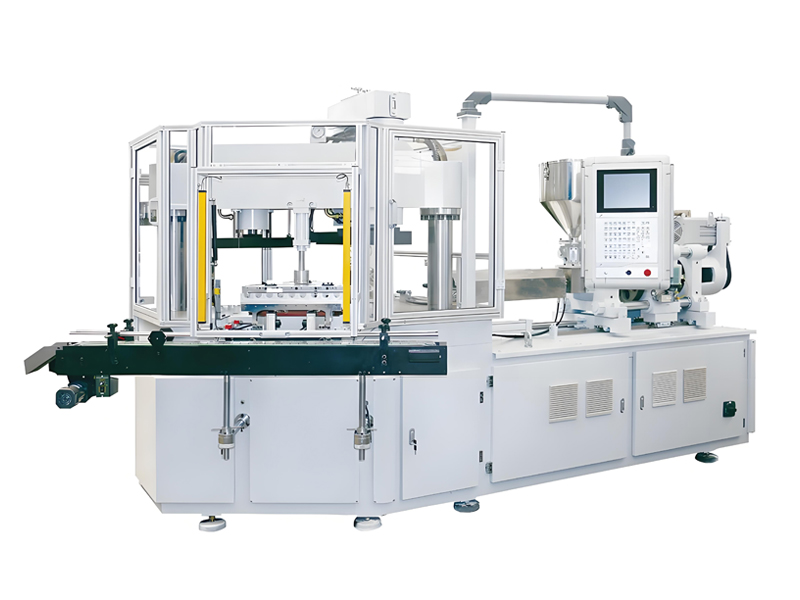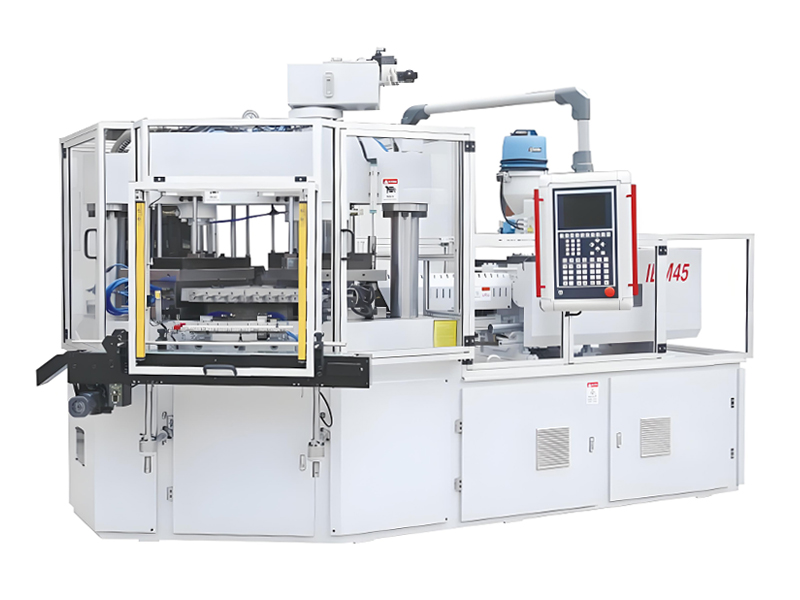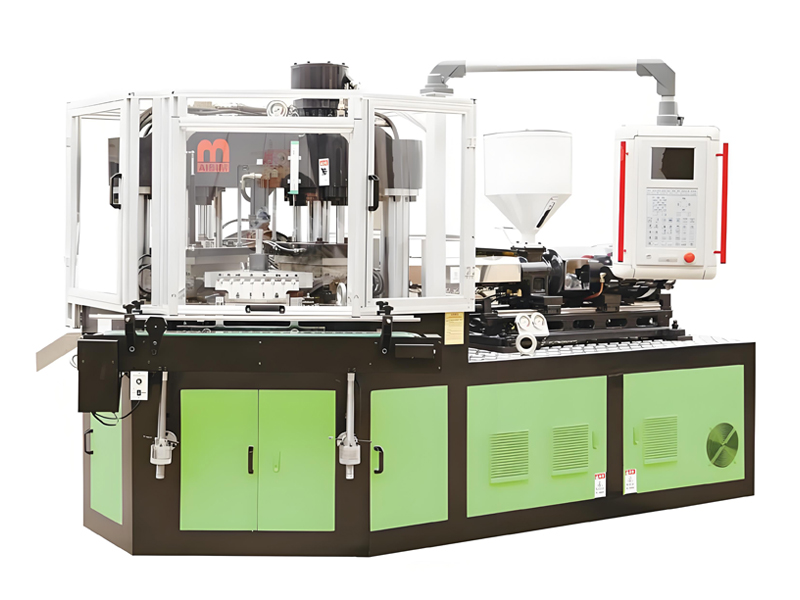
The evolution of Injection Blow Molding Machine technology has brought servo motor systems to the forefront of manufacturing efficiency and precision control. Chinese manufacturers have made significant advances in implementing high-speed servo motor technology that rivals traditional hydraulic systems while delivering superior energy efficiency, precise motion control, and reduced maintenance requirements. Understanding how servo motor systems work and their advantages for injection blow molding applications helps manufacturers make informed equipment decisions that impact their production capabilities and operating costs for years to come.
The Technology Behind Servo Motor Systems in IBM Machines
Servo motor systems represent a fundamental shift in how Injection Blow Molding Machines convert electrical energy into mechanical motion. Unlike traditional hydraulic systems that use pumps to pressurize fluid for power transmission, servo motors deliver power directly to machine axes through electric motors with integrated motion control capabilities. This direct-drive approach eliminates the energy losses inherent in hydraulic power transmission while enabling precise, programmable motion profiles that optimize production outcomes.
The core components of a servo motor system include the servo motor itself, drive electronics that control motor operation, position feedback sensors that provide real-time location information, and control software that coordinates all axes during the production cycle. Each servo motor drives a specific machine axis, with typical IBM machines employing three to five servo motors for injection, extrusion, blow, ejection, and auxiliary functions. This axis-specific motorization enables independent optimization of each motion sequence.
Servo motor technology has advanced dramatically in recent years, with improvements in motor efficiency, power density, and cost competitiveness making these systems increasingly attractive for industrial applications. Chinese manufacturers like AiBiM have embraced these advances, implementing servo motor technology across their equipment lineup to deliver performance benefits to customers worldwide. These technological advances have transformed servo motors from premium options to competitive alternatives for mainstream production applications.
How Servo Motors Differ from Traditional Hydraulic Drives
Hydraulic systems have dominated industrial machinery for decades due to their ability to deliver high forces from compact components and their inherent overload protection characteristics. However, hydraulic systems suffer from continuous energy consumption regardless of actual power demand, as pumps must maintain pressure even during idle portions of the production cycle. This characteristic makes hydraulic systems inherently inefficient for applications with varying power requirements like injection blow molding.
Servo motors consume energy only when producing useful work, with drive electronics precisely controlling power input to match actual demand. During portions of the production cycle when an axis is stationary or moving slowly, servo motor power consumption drops proportionally. This variable energy consumption can reduce overall machine energy requirements by 30% to 60% compared to equivalent hydraulic machines, depending on production cycle characteristics and machine utilization rates.
Motion control precision differs significantly between hydraulic and servo motor approaches. Hydraulic systems rely on proportional valves that modulate fluid flow, with inherent response delays and flow variations that limit positioning accuracy. Servo motors with digital position control achieve positioning precision measured in microns, with response times measured in milliseconds. These capabilities enable servo-driven machines to produce containers with tighter dimensional tolerances and more consistent quality.
The Evolution of Servo Technology in Chinese Manufacturing
Chinese manufacturers have progressed from early adopters of servo technology to leading developers of advanced servo-controlled machinery. This evolution reflects broader trends in Chinese industrial capability development, where initial technology transfer and adaptation have given way to innovation and competitive manufacturing excellence. Today, Chinese servo-controlled Injection Blow Molding Machines compete effectively with equipment from any global source.
Development of servo technology in China has benefited from strong domestic demand that provides scale economies and continuous improvement feedback. Chinese manufacturers serving diverse customer requirements have refined their servo implementations across a wide range of applications. This experience base has enabled rapid advancement of technology capabilities that serve increasingly demanding production requirements.
Integration of servo technology with Industry 4.0 concepts positions Chinese manufacturers at the forefront of smart manufacturing developments. Servo motors inherently provide digital interfaces that enable monitoring, optimization, and integration with factory automation systems. Chinese manufacturers have embraced these connectivity capabilities, implementing sophisticated control systems that leverage servo technology advantages for operational excellence.
Speed and Performance Advantages of Servo-Driven IBM Machines
Production speed directly impacts manufacturing economics, with faster cycles enabling greater output from available equipment and labor resources. Servo motor technology delivers significant speed advantages compared to traditional hydraulic systems, particularly in acceleration and deceleration performance that determines cycle time efficiency. Understanding these advantages helps manufacturers evaluate servo-driven equipment investments.
The direct-drive nature of servo motors enables rapid acceleration rates that shorten the injection and blow phases of the molding cycle. Hydraulic systems must accelerate fluid masses and overcome flow resistance, limiting acceleration rates and extending cycle time components. Servo motors accelerate simply by increasing electrical power input, achieving much faster response and higher peak speeds. These performance characteristics translate directly to shorter cycle times and greater production output.
Positioning speed and accuracy combine to reduce non-productive time during each production cycle. Faster movements between positions reduce overall cycle time, while precise positioning eliminates rework or adjustment time for out-of-specification conditions. Servo motors excel at both requirements, delivering rapid, accurate motion that minimizes total cycle time while maintaining quality consistency.
Cycle Time Optimization Through Servo Control
Servo motor control enables optimization of each cycle phase for minimum duration while maintaining quality requirements. Traditional machines use fixed parameters for each phase, with conservative settings that ensure acceptable quality across varying conditions. Servo machines can adapt parameters dynamically, optimizing for current conditions rather than worst-case assumptions.
The injection phase benefits from servo control through precise velocity profiling that matches material flow requirements throughout cavity filling. Initial injection at controlled velocity prevents material turbulence and air entrapment, while later filling at higher speeds minimizes cycle time. Servo-controlled velocity changes achieve this optimization automatically, producing consistent quality at minimum cycle time.
Blow phase optimization through servo control enables precise coordination between extrusion and blowing operations. The extruder axis must position the parison precisely relative to the blow pin while blow pressure and timing create the container shape. Servo motors execute this coordination with millisecond precision, producing consistent container wall distribution that affects both quality and material usage efficiency.
Precision Control for Quality Consistency
Quality consistency in injection blow molding depends on maintaining precise control over numerous process variables throughout each cycle and across production runs. Servo motor systems provide control precision that traditional hydraulic systems cannot match, enabling tighter process capability and more consistent product quality. This precision advantage proves particularly valuable for demanding applications requiring tight specification compliance.
Repeatability, the ability to produce identical parts cycle after cycle, benefits directly from servo motor precision. Position feedback sensors verify actual motor position and enable correction of any deviation from target values. This closed-loop control ensures that every cycle executes exactly as programmed, producing containers that match specification requirements regardless of external influences or component wear.
Response to process disturbances differs between servo and hydraulic systems. Hydraulic systems respond slowly to changing conditions, requiring time for valve adjustments to propagate through the hydraulic system. Servo motors respond immediately to control commands, correcting deviations within milliseconds. This rapid response maintains process stability despite variations in material properties, ambient conditions, or other disturbance sources.
Energy Efficiency and Operating Cost Savings
Energy costs represent a significant portion of injection blow molding operating expenses, particularly for facilities with high machine utilization and expensive electricity rates. The superior energy efficiency of servo motor systems translates directly to operating cost savings that accumulate throughout the equipment service life. Understanding these savings enables accurate comparison of lifecycle costs between servo and alternative technologies.
Energy consumption analysis for injection blow molding machines must consider the complete production cycle, not just peak power requirements. Hydraulic machines consume significant energy during non-productive portions of the cycle when pumps maintain system pressure without performing useful work. Servo machines consume only the energy required for actual motion, dramatically reducing average power consumption even when peak power requirements are comparable.
Studies comparing servo and hydraulic machines of similar capacity typically find servo energy savings of 40% to 60% for typical injection blow molding applications. These savings result from elimination of continuous pump operation, reduced oil heating requirements, and more efficient motion profiles. The actual savings achieved depend on specific applications, cycle characteristics, and operating patterns, but significant savings are consistently demonstrated.
Calculating Energy Cost Savings
Quantitative analysis of energy savings requires understanding specific operating conditions and energy costs. Consider an example comparing hydraulic and servo machines producing identical containers: Hydraulic machine average power consumption of 25 kW operating 6,000 hours annually at 0.10 USD per kWh yields annual energy cost of 15,000 USD. Servo machine average power consumption of 12 kW under identical conditions yields annual energy cost of 7,200 USD, saving 7,800 USD annually.
Over a typical equipment service life of 10 to 15 years, these annual savings accumulate to substantial amounts. For the example above, cumulative 10-year savings of 78,000 USD or 15-year savings of 117,000 USD significantly impact lifecycle equipment economics. These savings often exceed the price premium typically associated with servo motor technology, making servo machines economically advantageous despite higher initial investment.
Energy savings calculations should also consider maintenance cost differences between servo and hydraulic systems. Hydraulic machines require regular oil changes, filter replacements, and occasional component repairs that servo machines avoid. These maintenance cost differences add to the economic advantage of servo technology, further improving lifecycle cost comparisons.
Environmental Benefits of Servo Technology
Environmental considerations increasingly influence manufacturing equipment decisions, with energy consumption directly affecting carbon footprint. Servo motor technology reduces energy consumption and associated carbon emissions, supporting sustainability objectives that many manufacturers now prioritize. These environmental benefits align with broader corporate responsibility goals and increasingly stringent regulatory requirements.
Hydraulic system elimination removes oil storage, handling, and disposal requirements from manufacturing operations. Hydraulic fluids present environmental risks if released and require specialized disposal procedures at end of life. Servo machines eliminate these concerns entirely, simplifying environmental compliance and reducing environmental management costs.
Noise reduction from servo motor operation benefits worker comfort and facility environment. Hydraulic pumps generate substantial noise during operation, requiring hearing protection in some facilities and limiting opportunities for worker communication. Servo motors operate more quietly, reducing noise exposure and enabling better workplace conditions. These improvements support worker satisfaction and productivity while potentially reducing noise-related compliance requirements.
Maintenance Advantages of Servo Motor Systems
Maintenance requirements and costs significantly impact the total cost of ownership for manufacturing equipment. Servo motor systems offer substantial maintenance advantages compared to hydraulic systems, reducing both maintenance time and spare parts costs while improving equipment reliability and uptime. Understanding these advantages completes the picture of servo technology benefits.
Hydraulic systems require regular maintenance of pumps, valves, motors, and hydraulic fluid. Oil changes, filter replacements, and seal inspections consume maintenance time and require spare parts inventory. Servo motor systems have no equivalent consumables, dramatically reducing routine maintenance requirements. The only regular maintenance for servo systems involves mechanical inspection and cleaning, without fluid handling or replacement.
Reliability differences between servo and hydraulic systems become apparent over extended operating periods. Hydraulic systems experience gradual wear in pumps, valves, and seals that eventually require repair or replacement. Servo motors with their simpler mechanical designs experience less wear and longer component life. This reliability advantage reduces unexpected downtime and improves production planning predictability.
Maintenance-Free Operating Benefits
Elimination of hydraulic fluid management removes one of the most time-consuming maintenance activities from injection blow molding operations. Oil changes that require machine downtime, fluid filtering that demands specialized equipment, and leak management that creates ongoing maintenance demands all disappear with servo technology. These maintenance eliminations save both direct costs and indirect costs from production interruptions.
Thermal management simplifies when hydraulic heating from pump friction disappears. Hydraulic machines require oil coolers to manage heat from continuous pump operation, adding components that require their own maintenance. Servo machines avoid this heating source entirely, reducing cooling requirements and eliminating cooler maintenance. Temperature stability for the work environment also improves, benefiting workers and reducing HVAC loads.
Spare parts inventory requirements decrease substantially with servo technology. Hydraulic systems require stocked spare parts including filters, seals, hoses, and pump components that servo machines do not need. This inventory reduction frees working capital and reduces inventory management complexity. When servo components do require replacement, the modular nature of servo systems often enables rapid exchange that minimizes downtime.
Diagnostic Capabilities and Predictive Maintenance
Servo motor systems inherently provide detailed diagnostic information through their digital control systems. Motor currents, position errors, and temperature readings provide insight into machine condition that enables predictive maintenance approaches. These diagnostics identify developing problems before they cause failures, enabling planned maintenance during convenient shutdown periods rather than emergency repairs.
Control system software can monitor servo motor performance continuously, comparing current measurements against historical baselines to detect degradation trends. When a motor shows increasing position error or temperature rise, maintenance can be scheduled before the trend leads to failure. This predictive capability transforms maintenance from reactive response to planned activity that maximizes equipment availability.
Remote monitoring capabilities enable service technicians to access diagnostic information without traveling to the machine location. AiBiM provides remote support capabilities that help customers troubleshoot issues and optimize performance without waiting for on-site service visits. These capabilities prove particularly valuable for facilities in remote locations or with limited local service support.
Integration with Modern Manufacturing Systems
Industry 4.0 and smart manufacturing concepts drive requirements for connected, data-enabled production equipment. Servo motor technology provides inherent advantages for digital integration compared to traditional hydraulic systems. Understanding these integration capabilities helps manufacturers plan for future smart manufacturing requirements while selecting current equipment investments.
Servo motor drives communicate through standard industrial protocols including Ethernet/IP, PROFINET, and Modbus that enable integration with factory automation systems. Production data including cycle times, energy consumption, and quality measurements flow automatically to manufacturing execution systems for analysis and optimization. This data connectivity enables continuous improvement approaches that are difficult or impossible with traditional equipment.
Control system software for servo machines provides sophisticated functionality including production scheduling, quality monitoring, and performance reporting. These capabilities that were once separate software systems now integrate within modern machine control platforms. Users benefit from seamless operation while manufacturers benefit from reduced integration complexity and improved data consistency.
Real-Time Monitoring and Control
Real-time monitoring capabilities enabled by servo technology provide visibility into production operations that was previously unavailable. Energy consumption monitoring tracks energy use by machine, shift, or product, enabling efficiency improvement initiatives. Quality monitoring detects process variations before they produce defective parts, reducing scrap and rework. OEE tracking provides comprehensive equipment effectiveness analysis that guides improvement priorities.
Remote access capabilities enable authorized personnel to monitor and control machines from anywhere with network connectivity. Production managers can verify operations without being physically present, enabling more efficient management of distributed facilities. Technical support personnel can access machine data to assist troubleshooting without requiring on-site visits. These capabilities reduce operational costs while improving response to production issues.
Alarm and notification systems alert personnel to conditions requiring attention, preventing problems from developing into serious issues. Temperature warnings, positioning errors, and quality deviations all generate alerts that enable rapid response. Notification rules can escalate alerts through appropriate channels based on severity and response requirements. This proactive alerting transforms quality management from inspection-based to prevention-based approaches.
Data Analytics and Continuous Improvement
Historical data collected from servo-controlled machines enables analytics that drive continuous improvement. Trend analysis identifies gradual changes in machine performance that signal maintenance needs before failures occur. Correlation analysis links process parameters to quality outcomes, enabling optimization of production settings. Statistical analysis of production data reveals improvement opportunities that might otherwise remain hidden.
Quality analytics leverage the precise control servo systems provide to detect subtle quality variations. Wall thickness distribution, dimensional consistency, and weight variation all provide data for quality trending and optimization. When quality data correlates with process parameters, operators can adjust settings to maintain optimal quality despite material or environmental variations. This data-driven quality approach improves consistency while reducing waste.
Energy analytics identify optimization opportunities within production operations. Energy consumption patterns by shift, product, or machine reveal differences that improvement initiatives can address. Peak demand management can reduce utility costs by smoothing power demand profiles. Energy efficiency benchmarking enables performance comparison across machines and facilities, identifying best practices for broader adoption.
Cost Analysis: Servo Motor IBM Machine Investment
Comprehensive investment analysis compares servo motor IBM machines against alternatives considering all cost components over the equipment service life. Initial purchase price represents only one element of lifecycle cost, with energy, maintenance, and productivity factors often proving more significant. Understanding these relationships guides investment decisions that optimize long-term economic outcomes.
Initial Investment Comparison
Servo motor Injection Blow Molding Machines typically command a price premium compared to equivalent hydraulic machines, reflecting the additional cost of servo motor and drive components. This premium typically ranges from 15% to 30% depending on machine size, configuration, and manufacturer. Understanding this premium and the benefits it provides helps buyers evaluate the investment value proposition.
For a typical mid-size IBM machine with servo motor system, purchase price might range from 65,000 to 95,000 USD depending on specifications and manufacturer. Equivalent hydraulic machine might cost 55,000 to 75,000 USD. The premium of 10,000 to 20,000 USD represents the investment required for servo technology benefits including energy efficiency, precision control, and reduced maintenance.
Price premiums vary by manufacturer and configuration, with some premium products offering additional features that justify higher prices through enhanced performance or capability. Comparing features alongside prices ensures that buyers understand what they receive for their investment. AiBiM provides detailed specifications and pricing that enable informed comparison shopping.
Lifecycle Cost Analysis
Lifecycle cost analysis considers all costs from initial purchase through final disposal, enabling accurate comparison of true equipment economics. Key cost categories include initial investment, energy costs, maintenance costs, and productivity impacts. Calculating lifecycle costs typically requires assumptions about utilization rates, energy prices, and service life, but the analysis structure remains consistent regardless of specific assumptions.
Energy cost analysis for a servo machine with 15 kW average consumption operating 6,000 hours annually at 0.12 USD per kWh yields annual energy cost of 10,800 USD. Over 12 years of operation, energy costs total 129,600 USD. A comparable hydraulic machine with 28 kW average consumption would incur 201,600 USD in energy costs over the same period, a difference of 72,000 USD that exceeds typical price premiums.
Maintenance cost differences add to the economic advantage of servo technology. Hydraulic machines typically incur 2,000 to 4,000 USD annually in maintenance including fluid changes, filter replacements, and repair parts. Servo machines might incur only 500 to 1,000 USD annually for inspection and minor service. Over 12 years, maintenance savings of 18,000 to 36,000 USD further improve servo machine economics.
Return on Investment Calculations
Return on investment calculations combine lifecycle cost savings with any productivity improvements to determine payback period and investment returns. The combination of energy savings, maintenance savings, and productivity improvements typically produces attractive returns for servo motor investments, often exceeding returns available from alternative capital investments.
Payback period calculation for servo premium of 15,000 USD with annual savings of 8,000 USD (energy) plus 2,000 USD (maintenance) yields simple payback of approximately 1.5 years. With productivity improvements of even modest magnitude, payback periods become even shorter. These rapid paybacks make servo technology investments among the most attractive options available for manufacturing improvement.
Internal rate of return calculations for servo investments typically exceed 50% when considering typical cost and productivity parameters. These returns compare favorably with virtually all alternative investment opportunities in manufacturing operations. The combination of attractive returns and reasonable risk makes servo motor technology an investment that should be evaluated carefully by any injection blow molding operation.
Choosing the Right Servo IBM Machine for Your Application
Selecting the appropriate servo motor Injection Blow Molding Machine requires matching machine capabilities to specific production requirements. Machine size, clamping force, shot capacity, and auxiliary capabilities all affect suitability for particular applications. Understanding how these specifications relate to production requirements enables informed selection decisions.
Capacity Matching Considerations
Machine capacity should match production requirements to avoid both underutilization and capacity constraints. Excess capacity wastes capital and increases energy costs, while insufficient capacity limits production and may require additional equipment investment. Optimal matching considers both current requirements and reasonable growth expectations over the equipment service life.
Shot capacity requirements determine the maximum container size a machine can produce. Container volume divided by shot-to-weight ratio provides the shot capacity required, with some margin for process optimization flexibility. AiBiM offers servo machines with various shot capacities to address different container size requirements. Technical support capabilities help customers verify capacity matching for their specific products.
Cycle time requirements interact with shot capacity to determine achievable production rates. Machines with faster cycle capabilities can achieve higher output from equivalent capacity. Servo motors contribute to cycle time optimization, but other factors including cooling requirements and mold design also affect achievable speeds. Production rate calculations should consider all relevant factors for realistic capability assessment.
Feature Requirements for Specific Applications
Different applications have different feature requirements that affect machine specification needs. Food-contact applications require appropriate material contact certifications and may require specialized features for clean production. Pharmaceutical applications may require validation support and documentation capabilities. Industrial applications may prioritize durability and compatibility with aggressive materials.
Multi-layer coextrusion capabilities enable production of containers with barrier layers or other specialized structures. Not all servo machines include these capabilities, so applications requiring coextrusion require appropriate specification. Similarly, specialized features like in-mold labeling, hot fill capability, or free-rise blowing require specific machine configurations.
AiBiM provides comprehensive technical consultation to help customers identify machine specifications that address their specific application requirements. Their experience across diverse injection blow molding applications enables reliable guidance for specification decisions. Working with experienced manufacturers reduces the risk of specification mismatches that could compromise production outcomes.
Future Trends in Servo Motor Technology
Servo motor technology continues to evolve, with ongoing developments promising further improvements in performance, efficiency, and capability. Understanding these trends helps manufacturers plan equipment investments that will remain current as technology advances. Chinese manufacturers like AiBiM continue to lead servo technology development for injection blow molding applications.
Emerging Motor Technologies
Permanent magnet synchronous motors are increasingly common in servo applications, offering improved efficiency and power density compared to earlier motor designs. These motors reduce rare earth material requirements while maintaining or improving performance. Manufacturing advances continue to reduce costs while improving capabilities.
Wide-bandgap semiconductors like silicon carbide and gallium nitride are beginning to appear in servo drives, offering improved efficiency and power density. These semiconductors reduce drive losses and enable smaller, lighter drive electronics. As these technologies mature and costs decline, wider adoption will further improve servo system performance.
Integrated motor-drive systems combine motor and drive electronics in single packages that reduce wiring complexity and improve electromagnetic compatibility. These integrated systems simplify installation and reduce cabinet space requirements. Continued development will expand integrated system capabilities and reduce costs for mainstream applications.
Intelligent Servo Control Developments
Artificial intelligence and machine learning technologies are beginning to appear in servo control applications, enabling adaptive optimization that improves performance based on operational experience. These intelligent systems can automatically adjust parameters for changing conditions, reducing operator skill requirements while maintaining optimal performance. Further development will expand these capabilities to broader production optimization.
Digital twin technology enables virtual modeling of machine behavior, supporting predictive maintenance, process optimization, and training applications. Servo systems with comprehensive data collection provide the foundation for digital twin implementation. Integration with digital twin platforms will enable new approaches to machine management and optimization.
Cloud connectivity enables data aggregation and analysis across multiple machines and facilities, identifying patterns and best practices that individual operators might miss. Fleet-level analytics can benchmark performance, identify improvement opportunities, and predict maintenance needs across distributed operations. These capabilities will become increasingly important as manufacturing operations become more distributed and connected.
Conclusion
High-speed servo motor systems represent a transformative technology for Injection Blow Molding Machines, delivering compelling advantages in energy efficiency, precision control, maintenance simplicity, and smart manufacturing integration. Chinese manufacturers have developed world-class servo-controlled IBM machines that compete effectively with equipment from any global source. The combination of proven performance and attractive economics makes servo technology the preferred choice for new equipment investments.
The lifecycle cost advantages of servo technology typically exceed initial price premiums, providing rapid payback and attractive long-term returns. Energy savings, maintenance savings, and productivity improvements combine to deliver investment returns that compare favorably with alternative manufacturing investments. These economic advantages continue to improve as energy prices rise and servo technology matures.
AiBiM remains at the forefront of servo motor technology development for injection blow molding applications. Their commitment to continuous improvement ensures that customers receive equipment incorporating the latest technological advances. By partnering with manufacturers who invest in servo technology leadership, customers position themselves for long-term competitive success in demanding global markets.