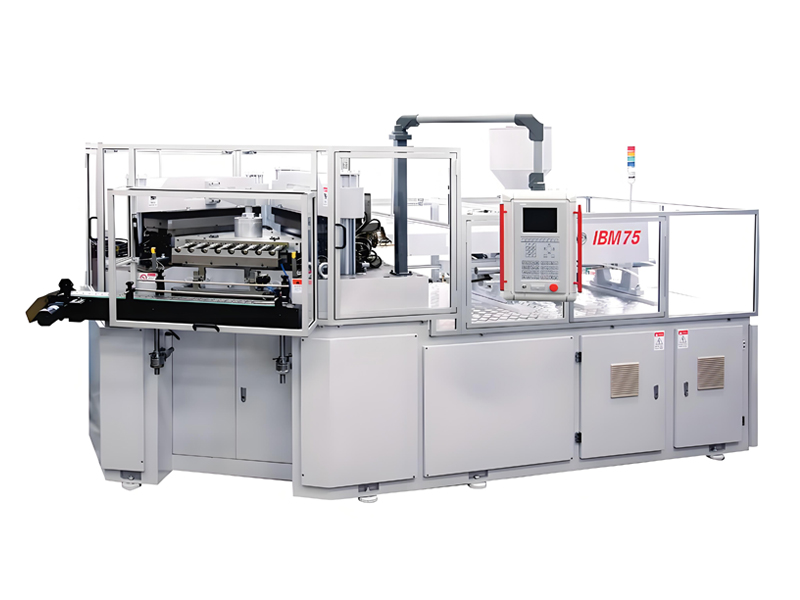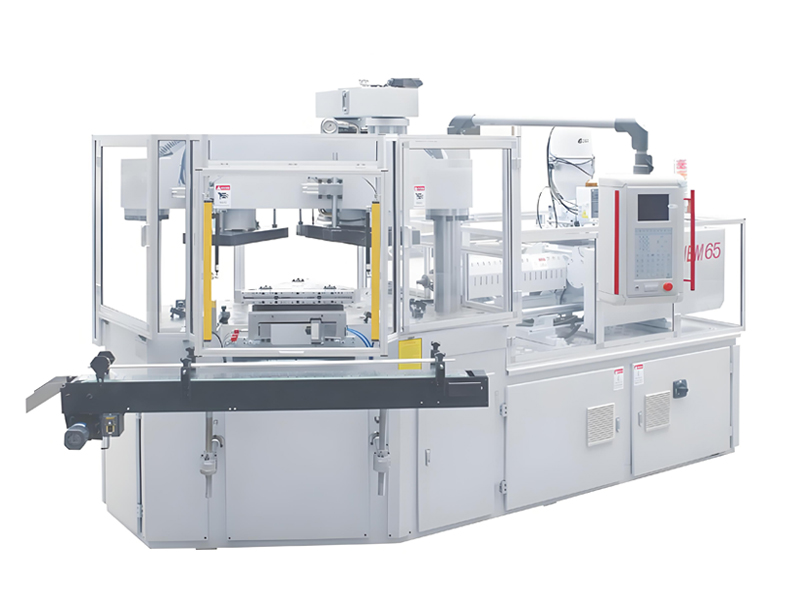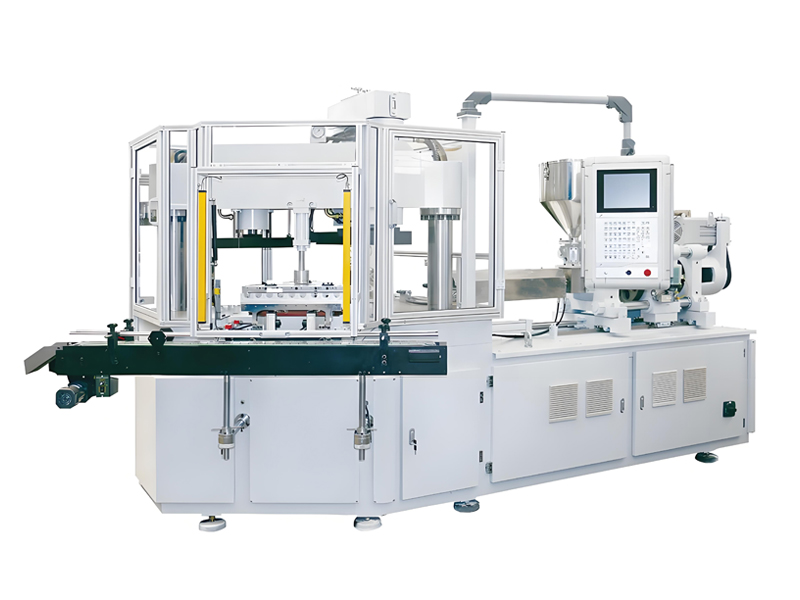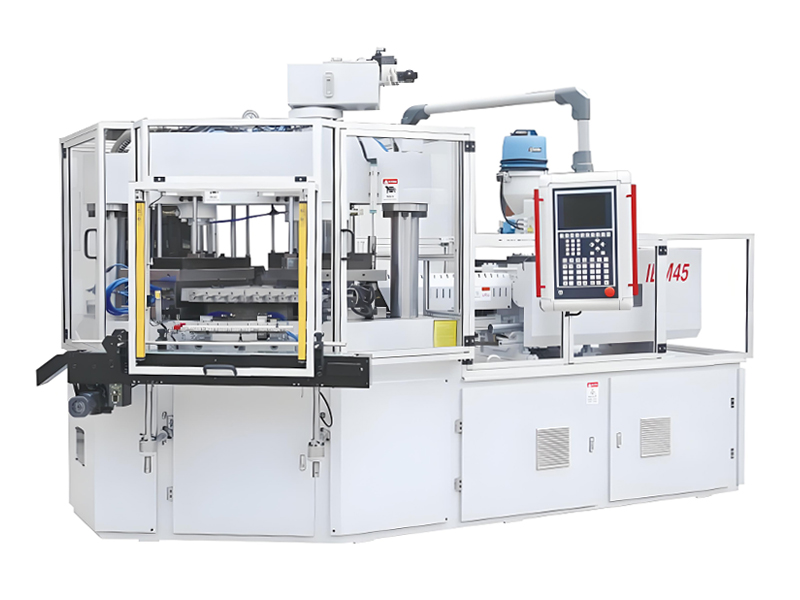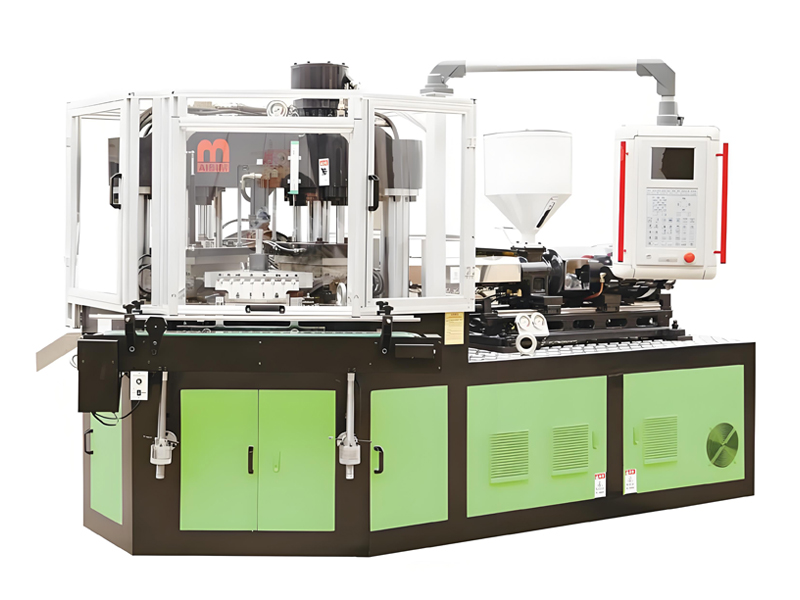
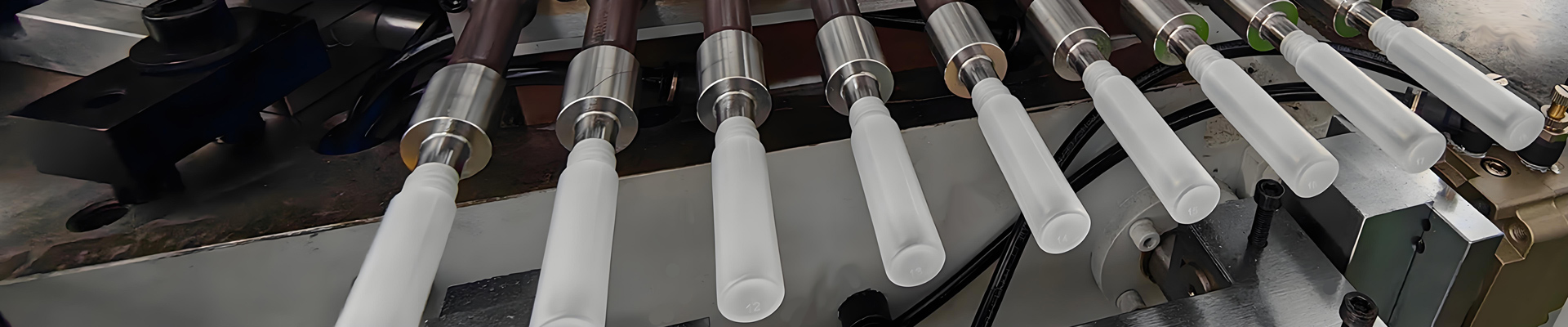
When manufacturing facilities in China produce industrial machinery like Injection Blow Molding Machines, the challenge of international shipping becomes a critical consideration for buyers worldwide. The journey from a Chinese manufacturing facility to your production floor involves complex logistics, specialized packaging requirements, and careful planning to ensure your equipment arrives in pristine condition. This comprehensive guide explores everything you need to know about exporting IBM machines from China with custom packaging solutions designed specifically for sea shipping, helping you navigate the complexities of international machinery procurement while optimizing costs and protecting your investment.
Understanding the Export Process for Injection Blow Molding Machines from China
The exportation of heavy industrial machinery from China follows a well-establishedprocess that has been refined over decades of international trade. When you purchase an Injection Blow Molding Machine from a Chinese manufacturer, understanding this process becomes essential for planning your delivery timeline and budget. The journey begins at the manufacturing facility where your machine is assembled, tested, and prepared for disassembly and packaging. Chinese exporters have developed sophisticated methods for preparing bulky machinery like IBM machines for international transport, recognizing that these precision devices require careful handling throughout their journey.
The typical export process involves multiple stages that can span several weeks from the moment your machine leaves the factory floor until it arrives at your designated port. First, the machine undergoes rigorous pre-shipment testing to ensure all components function correctly before packaging. This testing phase typically requires three to five working days and involves running the machine through multiple production cycles to verify heating systems, pneumatic components, hydraulic systems, and control mechanisms all operate within specified parameters. Manufacturers like AiBiM understand that catching any issues before shipping prevents costly complications at the destination and maintains their reputation for quality equipment.
Following testing, the machine must be drained of all hydraulic fluids and coolants to comply with international shipping regulations and prevent environmental contamination during transport. This fluid removal process requires specialized equipment and trained technicians who understand the specific fluid requirements of Injection Blow Molding Machines. The machine is then cleaned thoroughly to remove any residues that could attract pests or cause corrosion during the extended time at sea. These preparation steps typically require two to three days depending on the machine size and complexity.
Documentation Requirements for International Machinery Export
Export documentation represents one of the most critical aspects of shipping machinery from China to international destinations. The paperwork required for customs clearance varies significantly depending on your country of import, but certain documents remain universal across all shipping routes. Commercial invoices must accurately describe the machinery, including the make, model, specifications, and declared value for customs purposes. Proforma invoices serve an important function during the negotiation phase, while final commercial invoices become essential for payment processing and customs valuation.
Bill of Lading documentation serves as the contract of carriage between the shipper and the carrier, specifying the goods being transported, their destination, and the terms of delivery. For sea shipping, this typically takes the form of a Sea Waybill or a Negotiable Bill of Lading depending on your preference and relationship with the shipping company. The packing list provides detailed information about each package or crate, including dimensions, weights, and contents descriptions that assist customs officials in verifying the shipment. Certificate of Origin documentation confirms that the machinery was manufactured in China, which becomes important for determining applicable tariffs and trade agreements.
Additional certifications may be required depending on the destination country and the nature of the machinery. These might include certificates of analysis for any residual fluids, fumigation certificates proving the wood packaging materials meet international phytosanitary standards, and inspection certificates from recognized testing agencies. AiBiM maintains comprehensive documentation packages for all exports, working with experienced freight forwarders who understand the specific requirements of different import countries and can ensure all paperwork meets regulatory standards.
Quality Assurance Before Export Shipment
Reputable Chinese manufacturers implement thorough quality assurance protocols before releasing any Injection Blow Molding Machine for export. These protocols extend beyond simple functional testing to encompass visual inspections, mechanical verification, electrical safety checks, and performance validation. Quality assurance teams examine every aspect of the machine, from the structural integrity of the frame to the precision of the blow molding system, ensuring each component meets the exacting standards expected by international buyers.
The quality assurance process for export machines typically follows a structured checklist that documents every verification point. This checklist includes confirming that all safety guards and emergency stop systems function correctly, verifying that temperature controls maintain accurate readings across all heating zones, testing the consistency of the air pressure system, and ensuring the control panel displays accurate information and responds correctly to operator inputs. Any deviations from specifications trigger a re-inspection and necessary adjustments before the machine receives clearance for packaging.
Custom Packaging Solutions for Sea Shipping Protection
Sea shipping presents unique challenges that differentiate it from air or land transport, making custom packaging essential for protecting sensitive machinery like Injection Blow Molding Machines. The extended duration of sea voyages, exposure to salt air and humidity, and the mechanical stresses of container loading and unloading all pose risks that demand careful packaging consideration. Chinese manufacturers have developed specialized packaging approaches that address these challenges while optimizing costs for buyers.
The primary goal of custom packaging for sea shipping is creating a protective environment that shields the machine from physical damage, moisture intrusion, and corrosion throughout the journey. This requires understanding the specific vulnerabilities of Injection Blow Molding Machines and designing packaging solutions that mitigate each risk factor. The packaging must also facilitate efficient handling during loading and unloading operations, fitting standard container dimensions while maximizing protection.
Wooden Crate Construction and Standards
Wooden crates remain the dominant packaging solution for heavy machinery like IBM machines due to their combination of strength, cost-effectiveness, and widespread acceptance in international shipping. Custom crates for Injection Blow Molding Machines must be engineered to withstand the rigors of ocean transport, including container stacking pressures, ship motion, and repeated handling. The construction typically employs seasoned hardwood or engineered wood products that meet international phytosanitary requirements, with proper heat treatment certification mandatory for all wood packaging materials.
Crate design incorporates multiple protective elements that work together to shield the machine from damage. The outer shell provides structural strength and impact resistance, typically constructed from thick lumber panels that can absorb bumps and impacts without transferring forces to the delicate contents. Internal bracing systems secure the machine within the crate, preventing any movement that could cause damage during transport. Shock-absorbing materials like foam padding, bubble wrap, and anti-vibration mounts cushion the machine against vibrations and sudden movements.
The cost of custom wooden crate packaging varies based on machine size, complexity, and the level of protection required. For a standard Injection Blow Molding Machine, wooden crate packaging typically costs between 800 and 2000 USD depending on dimensions and special requirements. This investment proves worthwhile when considering the potential costs of machine damage during shipping, which could easily reach tens of thousands of dollars in repairs or replacement. AiBiM includes professional packaging services in their export pricing, ensuring consistent quality and reliable protection for all international shipments.
Moisture and Corrosion Protection Measures
Salt air and humidity represent persistent threats during sea shipping, particularly for machinery with precision metal components like Injection Blow Molding Machines. Custom packaging solutions incorporate multiple moisture protection measures that work together to maintain a dry environment within the shipping container. VCI (Volatile Corrosion Inhibitor) technology provides active corrosion protection by releasing molecules that form a protective layer on metal surfaces, preventing oxidation even in humid conditions.
Desiccant packages absorb residual moisture within the container, maintaining low humidity levels throughout the voyage. Professional packaging services typically include multiple desiccant packages strategically placed throughout the crate, with quantities determined by the container volume and expected voyage duration. For routes through tropical regions or during monsoon seasons, increased desiccant quantities provide additional protection against elevated humidity levels.
Waterproof barrier materials create an additional layer of protection between the machine and the external environment. Heavy-duty polyethylene sheeting wraps the machine before placement in the crate, preventing direct contact with any moisture that might penetrate the wooden structure. Heat-shrinkable plastic wrapping provides a tight seal around the entire package, further enhancing moisture protection while also securing loose components. These measures add minimal cost to the overall packaging expense but provide critical protection against the humid conditions encountered during sea shipping.
Internal Securement and Vibration Dampening
Within the custom crate, proper securement of the Injection Blow Molding Machine prevents any movement that could cause damage during transport. Forklift pockets and lifting holes in the crate design facilitate safe handling, but the internal mounting must accommodate these requirements while providing maximum protection. Professional packers use a combination of blocking, bracing, and cushioning techniques to secure the machine in a stable position that can withstand the dynamic forces encountered during shipping.
Vibration dampening becomes particularly important for sea shipping, where ship motion and engine vibrations create continuous low-frequency disturbances. Anti-vibration mounts placed between the machine and the crate floor absorb these vibrations, preventing fatigue damage to sensitive components and reducing noise transmission. For precision machinery like IBM machines, this vibration protection proves essential for maintaining the close tolerances required for quality production.
The internal securement system typically includes steel straps that anchor the machine to the crate base, wooden blocking that prevents lateral movement, and foam padding that cushions any impact forces. All fasteners are checked for tightness before crate closure, and documentation confirms the securement method used for insurance and inspection purposes. This attention to internal packaging details distinguishes professional export packaging from basic crating services.
Container Loading and Logistics Coordination
Once the custom packaging is complete, coordinating the loading and logistics of the shipment becomes the next critical phase. The choice between Less than Container Load (LCL) and Full Container Load (FCL) shipping depends on your order volume and budget considerations. For single Injection Blow Molding Machines, standard 20-foot or 40-foot containers typically accommodate the equipment with room for additional accessories or spare parts if needed.
Container selection requires careful consideration of the machine dimensions and weight. Most standard Injection Blow Molding Machines fit comfortably within a 20-foot container, though larger models or those with extended features may require 40-foot containers. The weight of the machine and its packaging must comply with container weight limits and ensure safe stacking during sea transport. Professional freight forwarders help determine optimal container selection based on your specific machine configuration.
Port Selection and Routing Optimization
Chinese ports offer numerous options for sea shipping, with major export hubs like Shanghai, Shenzhen, Guangzhou, and Ningbo providing regular services to destinations worldwide. Port selection affects transit times, shipping costs, and the availability of direct versus transshipment routes. Direct routes to major destination ports typically offer faster transit times and reduced handling, while transshipment routes may provide cost savings for less common destinations.
Transit times vary significantly based on the destination and routing. Shipping to the United States East Coast via the Panama Canal typically requires 30 to 40 days, while West Coast destinations can arrive in 15 to 25 days. European destinations generally require 25 to 35 days, while Australian and Southeast Asian routes may complete in 10 to 20 days. Understanding these timelines helps buyers plan their installation schedules and manage expectations for equipment arrival.
Freight forwarders with experience in machinery exports from China can recommend optimal routing based on your destination, budget, and timeline requirements. They negotiate competitive rates with shipping lines, coordinate customs documentation, and track shipments throughout the journey. AiBiM works with established logistics partners who provide comprehensive shipping services, including door-to-door delivery options that simplify the import process for international buyers.
Insurance Considerations for International Machinery Shipping
Marine insurance provides essential protection for your investment during the vulnerable period of international shipping. The potential for damage from water ingress, physical impact, theft, or other shipping-related risks makes insurance coverage a wise investment for high-value equipment like Injection Blow Molding Machines. Coverage options range from basic liability policies to comprehensive all-risk coverage that protects against virtually any cause of loss or damage.
Insurance costs typically range from 0.3% to 1% of the insured value, depending on the coverage scope and the shipping route. For an Injection Blow Molding Machine valued at 50,000 USD, insurance premiums might range from 150 to 500 USD for comprehensive coverage. While this represents a modest additional expense, the protection against potentially catastrophic losses makes it worthwhile for most buyers.
Documentation plays a crucial role in insurance claims, should any damage occur during shipping. Thorough pre-shipment inspection reports, detailed packing lists, and photographic documentation of the machine and packaging condition before shipping provide essential evidence for claims processing. Professional exporters maintain comprehensive records that facilitate efficient claims handling if damage is discovered upon arrival.
Cost Analysis for Export Packaging and Shipping
Understanding the total cost of exporting an Injection Blow Molding Machine from China requires careful analysis of multiple cost components. Beyond the machine purchase price, buyers must budget for packaging, shipping, insurance, customs duties, and any handling fees at the destination. Transparency in these costs helps buyers make informed decisions and avoid unexpected expenses that could impact project budgets.
Breakdown of Export-Related Costs
Custom packaging costs for a standard Injection Blow Molding Machine typically range from 800 to 2000 USD depending on machine size and protection requirements. This includes the wooden crate construction, internal securement materials, moisture protection measures, and labor for packaging operations. Premium packaging with enhanced protection features may cost more but provides superior assurance against shipping damage.
Sea freight costs vary significantly based on destination, container requirements, and market conditions. Shipping a standard machine in a 20-foot container from major Chinese ports typically costs between 1500 and 4000 USD to major international destinations. Peak season surcharges and fuel adjustment factors can temporarily increase these rates, while consolidation options may reduce costs for buyers with flexible timelines.
Insurance premiums, typically calculated at 0.5% of the machine value, add another 250 to 500 USD for a 50,000 USD machine. Destination port charges, customs brokerage fees, and inland transportation to your facility add further costs that vary by location. Total landed costs, including all these expenses, typically add 15% to 25% to the machine purchase price for shipments to major international destinations.
Budget Planning for International Equipment Procurement
Successful international equipment procurement requires comprehensive budget planning that accounts for all cost components. When budgeting for an Injection Blow Molding Machine from China, consider the following cost categories: machine purchase price, export packaging and documentation, international freight shipping, marine insurance, destination port charges and customs duties, inland transportation to your facility, installation and setup costs, and contingency reserves for unexpected expenses.
A typical budget breakdown for importing a 50,000 USD Injection Blow Molding Machine might include: machine cost 50,000 USD, export packaging 1,500 USD, freight shipping 2,500 USD, insurance 350 USD, customs duties and taxes 7,500 USD (assuming 15% duty rate), inland transportation 800 USD, installation and setup 2,000 USD, and contingency reserve 2,000 USD, bringing total project cost to approximately 66,650 USD.
Understanding these costs upfront enables accurate project budgeting and prevents financial surprises during the procurement process. AiBiM provides detailed cost estimates for all export shipments, helping buyers plan their investments with confidence. Their experienced team can advise on strategies for reducing costs, such as consolidating shipments or optimizing container utilization.
Receiving and Inspecting Your Shipped Machine
Upon arrival at your destination port, proper receiving and inspection procedures ensure any shipping damage is identified promptly and documented appropriately. These procedures protect your interests and facilitate any insurance claims or damage disputes that may arise. Establishing clear inspection protocols before shipment arrival prepares your team for efficient receiving operations.
Arrival Inspection Procedures
Inspection should begin immediately upon delivery, before the shipping container or crate is opened or moved from the receiving area. Visual inspection of the exterior packaging condition documents any damage that occurred during shipping. Photographs capture the condition of the crate, any visible damage, and any signs of moisture intrusion or tampering. This documentation proves invaluable for insurance claims and dispute resolution.
Upon opening the container or crate, a detailed inspection of the machine itself identifies any damage that may have occurred despite the protective packaging. This inspection includes checking for physical damage to the machine frame, loose or missing components, signs of moisture exposure, and any evidence of improper handling. Functional testing of accessible components verifies proper operation before committing to full installation.
Any damage or discrepancies discovered during inspection must be documented immediately and reported to the shipping company and insurer within the specified timeframes. Typical reporting requirements mandate notification within 3 to 5 days of delivery for visible damage and within 30 days for concealed damage. Prompt reporting ensures your ability to file successful claims and receive appropriate compensation.
Installation and Initial Setup Considerations
Following successful inspection, installation and setup of your new Injection Blow Molding Machine can proceed. Professional installation ensures proper connection of utilities, correct leveling of the machine, and proper configuration of all systems. Most manufacturers, including AiBiM, provide installation guidance and technical support to assist buyers through this critical phase.
Utility requirements for Injection Blow Molding Machines include electrical power at specified voltages and amperages, compressed air supply at required pressures and flow rates, and adequate space for operation and maintenance access. Pre-planning these requirements before machine arrival streamlines the installation process and prevents delays. Professional installers can advise on any modifications needed to your facility infrastructure.
Initial startup and testing verify proper machine function before committing to production operations. This typically involves running the machine through test cycles using standard materials to verify consistent quality output. Any adjustments needed for optimal performance can be identified and implemented during this commissioning phase. Proper commissioning establishes a baseline for ongoing quality monitoring and preventive maintenance scheduling.
Working with Chinese Manufacturers for Export Orders
Establishing effective communication and working relationships with Chinese manufacturers facilitates smooth export transactions and ongoing support. Understanding cultural differences, communication preferences, and business practices helps build productive partnerships that benefit both parties. Chinese manufacturers increasingly prioritize international customer satisfaction, recognizing the importance of global reputation in competitive markets.
Communication Best Practices
Clear communication forms the foundation of successful international business relationships. Written communication via email provides documentation that benefits both parties and accommodates language differences through careful translation. Establishing clear specifications, requirements, and expectations in writing prevents misunderstandings that could impact the transaction. Request confirmation of receipt for critical communications to ensure nothing is overlooked.
Professional translation services help bridge language barriers when discussing technical specifications or contractual terms. While many Chinese manufacturers employ English-speaking staff, the nuance of technical terminology may require careful clarification. Requesting drawings, specifications, and documentation in both Chinese and English provides reference materials that accommodate different readers.
Time zone differences require scheduling flexibility and patience when coordinating communications across international boundaries. Establishing regular communication schedules that respect both parties’ working hours facilitates efficient coordination. Video conferencing platforms increasingly supplement email communication, enabling face-to-face discussions that strengthen relationships and clarify complex topics.
After-Sales Support and Spare Parts
Comprehensive after-sales support represents an essential consideration when purchasing industrial machinery from international suppliers. Understanding the support capabilities of your manufacturer helps ensure long-term success with your equipment investment. Remote technical support via internet connectivity enables manufacturers to assist with troubleshooting and optimization without requiring on-site visits.
Spare parts availability and delivery times impact machine uptime and maintenance planning. Inquire about recommended spare parts packages for initial inventory, standard lead times for spare parts orders, and emergency parts availability for critical situations. Establishing relationships with manufacturers or authorized distributors ensures reliable access to genuine replacement parts when needed.
AiBiM provides comprehensive after-sales support for international customers, including technical documentation in multiple languages, remote troubleshooting assistance, and efficient spare parts shipping services. Their commitment to customer success extends beyond the initial sale, supporting customers throughout the operational life of their equipment.
Conclusion
Exporting an Injection Blow Molding Machine from China with custom packaging for sea shipping involves numerous considerations that successful buyers understand and plan for accordingly. From the initial documentation requirements through final installation and ongoing support, each phase of the process benefits from careful planning and professional execution. Custom packaging solutions specifically designed for sea shipping protection ensure your precision equipment arrives ready for productive operation.
The investment in professional export services, quality packaging, and comprehensive insurance provides peace of mind and protection for your substantial equipment investment. Working with experienced manufacturers and logistics partners simplifies this complex process while ensuring compliance with international shipping regulations and quality standards. Understanding the total landed costs enables accurate budgeting and prevents unexpected expenses that could impact project success.
Chinese manufacturers like AiBiM continue to enhance their export capabilities, offering international buyers competitive pricing on quality machinery backed by comprehensive support services. By following the guidance provided in this article, you can navigate the export process with confidence, knowing what to expect at each stage and how to protect your interests throughout the journey from Chinese factory to your production floor.