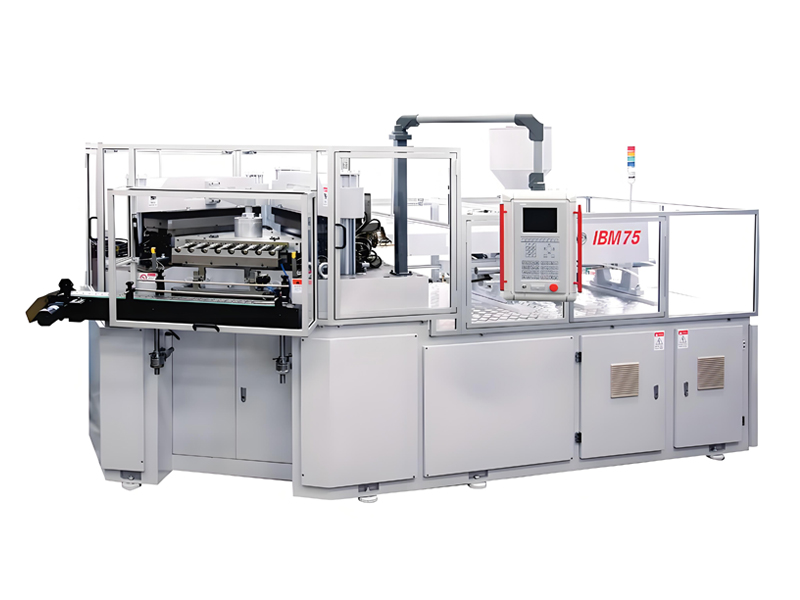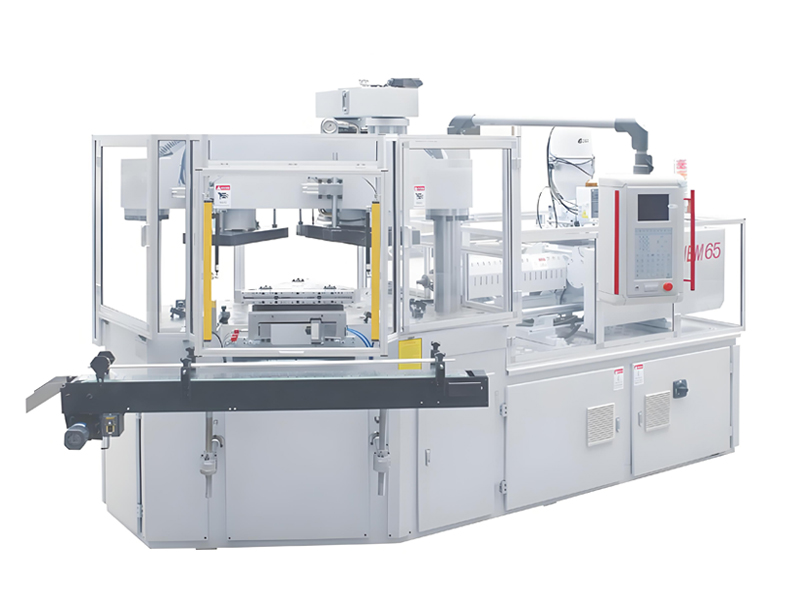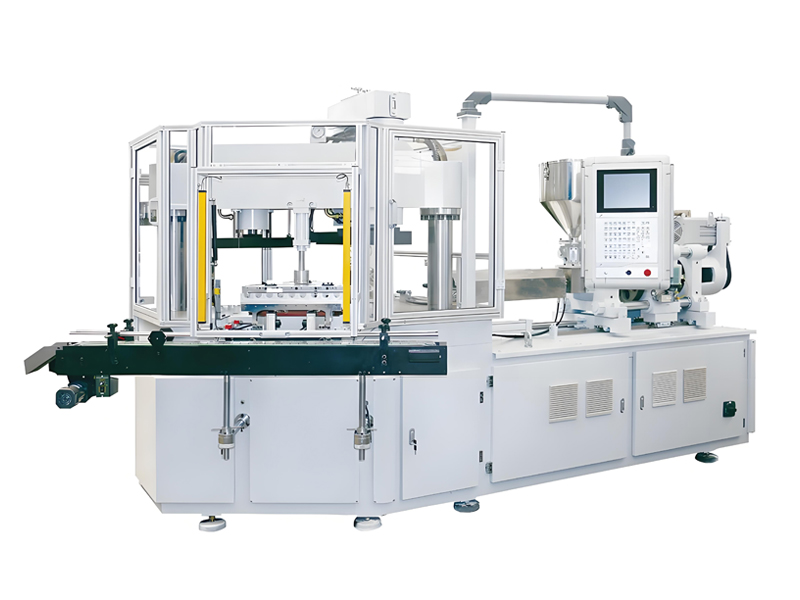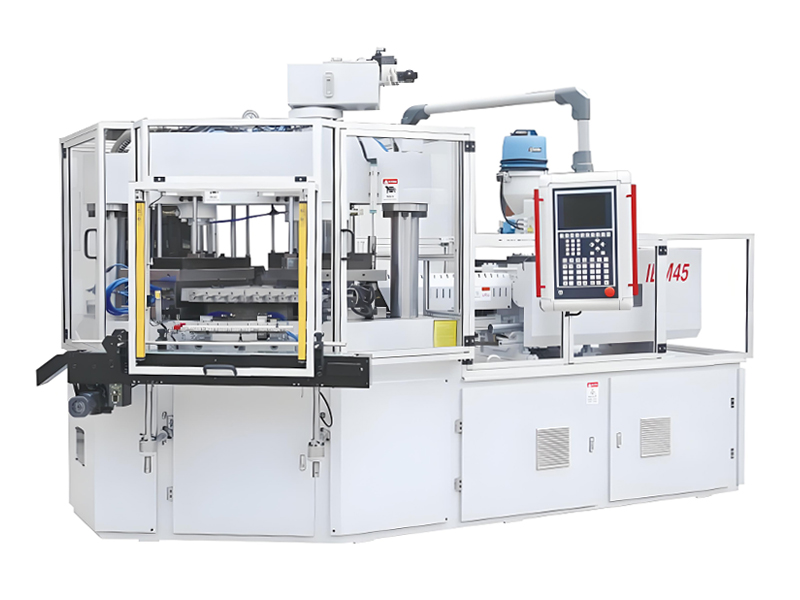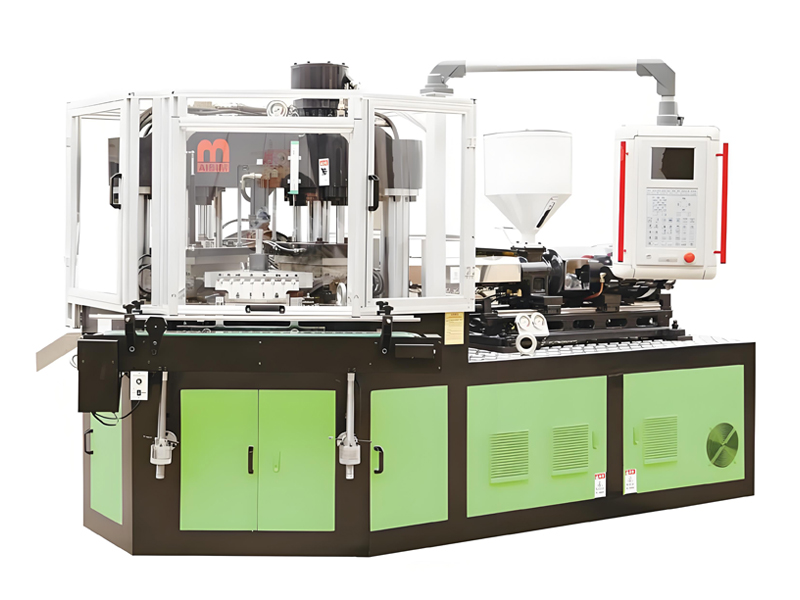
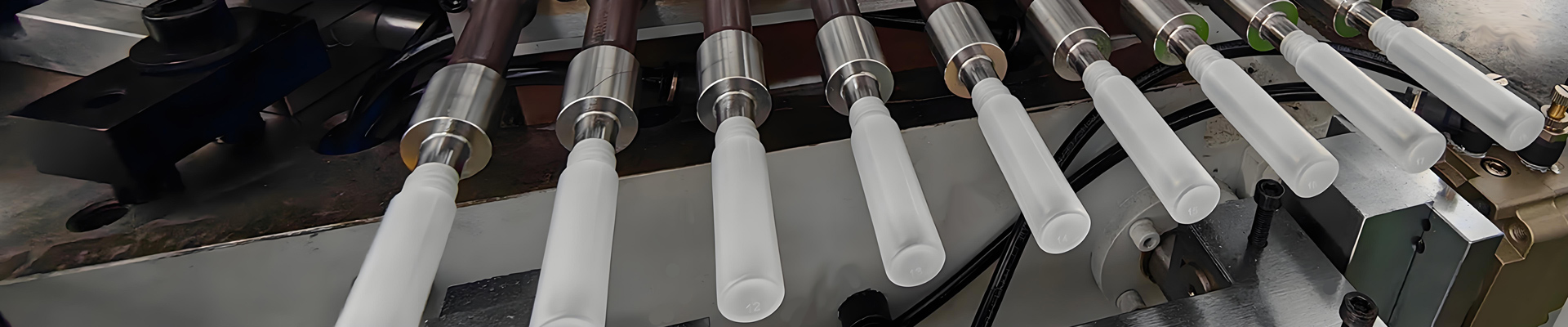
The daily chemical industry encompasses an extensive range of products including shampoo, conditioner, body wash, liquid soap, dishwashing detergent, and household cleaning solutions. These products require packaging that combines functional performance with user-friendly design characteristics. Anti-slip design features have become increasingly important in this market, addressing consumer needs for secure grip, ease of use, and safety during handling. The AiBiM injection blow molding machine provides the precision and flexibility necessary to produce daily chemical bottles with sophisticated anti-slip features that enhance user experience while maintaining production efficiency.
Understanding Daily Chemical Packaging Requirements
Daily chemical bottles must satisfy demanding requirements that span functional, aesthetic, and economic dimensions. These containers protect valuable product formulations from contamination and degradation while providing convenient dispensing throughout the product lifecycle. The packaging serves as a critical interface between the product and the consumer, influencing purchase decisions and overall brand perception. Successful packaging design balances multiple requirements to create products that perform reliably while appealing to target consumers.
Functional requirements include appropriate barrier properties to preserve product integrity, chemical resistance to prevent container degradation, and physical durability to withstand handling stresses. Aesthetic requirements encompass visual appeal, brand consistency, and shelf presence that influences consumer purchasing decisions. Economic requirements include material efficiency, production cost optimization, and supply chain reliability that affect product profitability and market competitiveness.
Market Dynamics and Consumer Expectations
Consumer expectations for daily chemical packaging continue to evolve in response to changing lifestyles and usage patterns. Products used in wet environments such as showers require packaging that provides secure grip even when hands are soapy or wet. Family households with children need packaging that enables easy handling by users of different ages and grip strengths. Aging populations increasingly prioritize packaging that accommodates reduced grip strength and hand dexterity.
Sustainability expectations also influence packaging design decisions. Consumers increasingly prefer packaging that uses recycled materials, enables efficient recycling, and minimizes environmental impact. Daily chemical manufacturers balance these sustainability preferences against functional requirements and cost constraints that characterize competitive consumer products markets. Sustainable packaging initiatives increasingly influence brand positioning and consumer purchase decisions.
Industry Trends Shaping Package Design
Premiumization trends drive investment in sophisticated packaging designs that differentiate products in crowded market segments. High-end shampoo and body care products feature bottles with distinctive textures, ergonomic shapes, and premium tactile qualities that justify higher price points. These premium designs often incorporate anti-slip features as integral elements of overall aesthetic and functional design. Premium positioning enables higher margins that support design investment.
Value-oriented segments prioritize cost efficiency while maintaining acceptable functional performance. Injection blow molding enables efficient production of cost-effective bottles with essential anti-slip features that ensure usability without unnecessary complexity. The process flexibility allows manufacturers to serve both premium and value market segments with appropriately configured production capabilities. Manufacturing efficiency enables competitive pricing across market segments.
Anti-Slip Design Fundamentals
Anti-slip design encompasses various features and treatments that enhance grip security and reduce the likelihood of accidental dropping. Effective anti-slip solutions address both wet and dry handling conditions while maintaining aesthetic appeal and production efficiency. Understanding fundamental approaches enables appropriate design selection for specific application requirements.
Surface Texture and Pattern Approaches
Surface textures provide friction enhancement through physical modifications to the bottle surface. Raised patterns, ribbed surfaces, and embossed logos create tactile variations that improve grip security. The specific texture pattern affects both grip performance and visual appearance, requiring careful design consideration to balance functional and aesthetic objectives. Texture design should consider production implications and tooling costs.
Texture depth and geometry significantly influence grip enhancement effectiveness. Deeper grooves provide more pronounced tactile feedback and friction enhancement but may compromise cleanability and product appearance. Optimal texture design accounts for these competing factors to achieve appropriate balance for specific applications. Consumer testing validates that designed features provide intended functionality.
Soft-Touch Material Applications
Soft-touch materials provide enhanced grip through rubbery or tactile surface characteristics that increase friction coefficients compared to standard plastics. These materials feel pleasant to the touch while providing functional grip advantages. Soft-touch overmolding applications apply these materials to specific grip zones while maintaining standard material for other bottle areas. Material selection for soft-touch applications requires attention to durability and chemical resistance.
Soft-touch materials typically add cost to bottle production but may reduce overall packaging costs by enabling thinner-walled bottle designs. The enhanced grip permits lighter bottles without compromising handling security. Economic justification for soft-touch applications should consider both material costs and potential weight reduction benefits. Total cost analysis identifies whether soft-touch investment delivers acceptable return.
Structural Geometry Optimization
Bottle geometry directly affects grip security independent of surface treatments. Curved surfaces that conform to hand anatomy provide inherent grip advantages compared to cylindrical designs. Contoured grip zones with varying diameters accommodate different grip styles and hand sizes. Geometry optimization through ergonomic analysis identifies optimal shapes for target user populations.
The AiBiM injection blow molding process enables sophisticated geometric designs that would be difficult or impossible with other manufacturing methods. Precise control of wall thickness distribution accommodates complex shapes while maintaining consistent material properties throughout the bottle structure. Design for manufacturing principles ensure that complex geometries can be produced efficiently at target costs.
Ergonomic Design Principles for Daily Chemical Bottles
Ergonomic design optimizes packaging for human use, considering factors including hand size variations, grip strength requirements, and usage context characteristics. Well-designed daily chemical bottles minimize user effort and maximize handling confidence across diverse user populations. Ergonomic investment reduces consumer frustration while improving brand perception and repeat purchase behavior.
Anthropometric Considerations
Human hand dimensions vary significantly across age groups, genders, and populations. Ergonomic designs must accommodate this variation through appropriately sized grip zones that fit comfortably within the hand while providing secure control. Design targets should consider relevant population demographics for the specific product category. Global products may require design compromises to serve diverse populations effectively.
Typical adult hand dimensions provide baseline design parameters, but products intended for family use should consider accommodation of smaller hands for children and reduced strength for elderly users. Grip zone dimensions that enable three-finger pinch grip accommodate the widest range of users while still providing secure handling for two-handed use scenarios. Testing with diverse user populations validates design effectiveness across intended demographics.
Force and Torque Requirements
Pump and cap opening forces affect user experience and accessibility. Caps that require excessive torque may frustrate users and potentially lead to product leakage if not properly secured. Anti-slip features on caps themselves should facilitate grip application while opening. Opening force testing with target populations ensures appropriate force levels for intended users.
Dispensed product weight affects handling difficulty as the bottle contents are consumed. Initial fill weights may be manageable but become disproportionately difficult as contents decrease. Ergonomic design should account for handling throughout the complete product lifecycle, not just initial dispensing operations. Full and partially empty conditions both require acceptable handling characteristics.
Context-Specific Design Considerations
Shower environments present unique challenges including wet surfaces, steam, and limited stable positioning options. Shampoo and body wash bottles used in showers must provide secure grip under wet conditions with soapy hands. Surface textures that channel water away from grip zones enhance slip resistance during shower use. Water management in grip zones improves wet grip performance significantly.
Kitchen environments involve handling with greasy or wet hands while performing other tasks. Dishwashing liquid bottles must remain controllable during one-handed dispensing operations while the other hand manages dishes. Anti-slip features on the bottle body and pump mechanism both contribute to overall usability in this demanding context. One-handed operation capability expands utility in busy kitchen environments.
Injection Blow Molding Capabilities for Anti-Slip Features
The injection blow molding process provides inherent advantages for producing bottles with sophisticated anti-slip features. Understanding these capabilities helps designers create achievable designs that maximize functional benefits while maintaining production efficiency. Process capabilities should inform design decisions to ensure manufacturing feasibility.
Precision Mold Cavity Engineering
Mold cavity precision enables accurate reproduction of anti-slip textures and patterns throughout production runs. CNC machining of mold cavities achieves surface detail resolution that captures fine texture elements essential for effective anti-slip performance. Quality mold tooling investment pays dividends through consistent product quality and extended tooling life. Tool steel selection and heat treatment affect both tooling life and texture retention.
AiBiM injection blow molding machines accommodate complex mold designs that incorporate multiple texture zones, varying surface finishes, and integrated mechanical features. Our engineering support team assists customers in optimizing mold designs for both functional performance and production efficiency. Design for manufacturability review identifies potential issues before tooling fabrication.
Wall Thickness Control for Structural Features
Consistent wall thickness throughout anti-slip feature geometry ensures uniform material properties and appearance. Variable wall thickness in grip zones can create weak points that compromise durability or cause aesthetic defects. Precise control of injection and blow parameters maintains thickness consistency even in complex geometries. Thickness verification through production monitoring ensures consistent quality.
The three-station configuration in AiBiM machines enables independent optimization of injection and blow stages to achieve optimal wall thickness distribution. Adaptive control algorithms adjust parameters in real-time to compensate for variations that might affect thickness uniformity. This control capability enables complex geometry designs that would be challenging with less sophisticated equipment.
Multi-Material and Overmolding Capabilities
Advanced daily chemical bottles may incorporate multiple materials to achieve specific functional objectives. Soft-touch overmolding applies elastomeric materials to grip zones while maintaining rigid structural materials elsewhere. Two-shot injection blow molding enables integrated multi-material production in a single manufacturing operation. Multi-material capabilities expand design possibilities but increase production complexity.
AiBiM machines support multi-material configurations that expand design possibilities for sophisticated anti-slip solutions. These capabilities enable innovative product designs that would be impossible with single-material production approaches. Multi-material production requires additional process development but enables differentiated products that justify premium pricing.
Material Selection for Daily Chemical Applications
Material selection significantly affects anti-slip performance, chemical compatibility, and overall product success. Daily chemical packaging must withstand exposure to challenging formulations while maintaining appearance and functionality throughout the product lifecycle. Material evaluation should consider both processing requirements and end-use performance expectations.
HDPE for Daily Chemical Bottles
High-density polyethylene provides excellent chemical resistance for most daily chemical formulations including shampoo, body wash, and household cleaners. The material accepts colorants well, enabling extensive design flexibility for brand-consistent product appearance. HDPE bottles are widely recyclable, supporting sustainability objectives. HDPE processing characteristics enable efficient high-volume production of cost-effective bottles.
HDPE surface characteristics provide moderate inherent grip performance that anti-slip features can enhance. The material responds well to texture embossing and accepts soft-touch coatings when additional grip enhancement is required. Processing characteristics enable efficient high-volume production with consistent quality. HDPE durability ensures acceptable service life for daily chemical applications.
PP for Premium Applications
Polypropylene offers superior durability and temperature resistance compared to HDPE, making it suitable for products requiring hot-fill capability or extended service life. The material provides excellent hinge fatigue resistance for bottles with flip-top caps or integrated dispensers. PP stiffness provides good dimensional stability for bottles with complex geometries. Premium positioning supports higher material costs through corresponding price increases.
PP clarity can be enhanced through clarifying additives for applications where product visibility is desirable. The material accepts various surface treatments and coatings that enable sophisticated anti-slip designs. Higher material costs compared to HDPE are often justified through improved product performance and premium market positioning. Premium performance enables premium pricing that supports material investment.
Specialty Materials for Challenging Applications
Corrosion-resistant materials may be required for aggressive chemical formulations that challenge standard HDPE or PP performance. Fluoropolymers and other specialty resins provide exceptional chemical resistance for demanding applications. These materials command premium pricing but may be essential for product stability in some formulations. Specialty material evaluation should consider both performance requirements and economic viability.
Pigment and additive compatibility requires verification for specific daily chemical formulations. Some colorants and additives may interact with packaging materials over time, affecting product stability or appearance. Material suppliers provide guidance on compatible formulations for specific resin grades. Compatibility testing under actual storage conditions provides the most reliable compatibility verification.
Cost Analysis for Anti-Slip Daily Chemical Bottle Production
Investment in anti-slip bottle production requires careful economic analysis considering tooling costs, material expenses, and expected production volumes. The following analysis provides framework for evaluating production economics across different configuration options and market positioning strategies.
Equipment and Tooling Investment
An AiBiM IBM65 injection blow molding machine suitable for daily chemical bottle production ranges from $65,000 to $85,000 depending on configuration. This model provides excellent balance of capacity and cost efficiency for moderate production volumes typical of daily chemical packaging applications. Configuration selection should consider both current requirements and future flexibility needs.
Mold tooling costs vary significantly based on cavity count, complexity, and texture requirements. A single-cavity mold for a 500ml daily chemical bottle with basic anti-slip texture features costs approximately $15,000 to $25,000. Multi-cavity molds for higher production rates range from $35,000 to $70,000 depending on complexity and cavitation. Tooling investment should be evaluated against production volume projections and expected product lifecycle.
Premium anti-slip features including soft-touch overmolding require additional tooling investment of $25,000 to $50,000 for the overmolding component. These specialized molds require precise temperature control and material handling capabilities that AiBiM machines provide. Premium feature investment requires corresponding premium pricing to achieve acceptable return on investment.
Material Cost Considerations
HDPE material costs of $1.10 to $1.60 per kilogram provide cost-efficient foundation for standard daily chemical bottles. A typical 300ml HDPE bottle weighing 25 to 35 grams requires material valued at $0.03 to $0.06 per bottle. Enhanced anti-slip surface treatments may add $0.01 to $0.03 per bottle to material costs. Material cost optimization through design efficiency reduces per-unit material expenses.
PP material costs of $1.20 to $1.80 per kilogram result in slightly higher per-bottle material costs despite lower density. For premium products where durability and appearance justify premium pricing, PP offers appropriate performance characteristics. Premium material investment should be evaluated against expected premium pricing and extended product lifecycle benefits.
Total Production Cost Analysis
Total production costs including material, labor, energy, and overhead typically range from $0.08 to $0.25 per bottle for standard HDPE daily chemical containers with basic anti-slip features. Premium bottles with sophisticated multi-material designs may range from $0.30 to $0.60 per bottle depending on design complexity and material requirements. Total cost analysis should consider all relevant cost factors.
At production rates of 1,500 to 3,000 bottles per hour depending on cavity configuration and complexity, annual production capacity ranges from 10 to 25 million bottles depending on operating schedules and efficiency levels. Total production costs for high-volume operations benefit from economies of scale that improve unit economics significantly. Volume efficiency enables competitive pricing while maintaining acceptable margins.
Market Pricing Context
Daily chemical bottle wholesale pricing ranges from $0.15 to $0.80 depending on size, complexity, material, and market positioning. Standard HDPE bottles with basic anti-slip features typically wholesale for $0.15 to $0.30. Premium PP bottles with sophisticated ergonomic designs command $0.40 to $0.80 depending on brand positioning and volume requirements. Market pricing must justify production investment while remaining competitive.
Retail pricing for filled daily chemical products typically ranges from $3 to $15 depending on product category, brand, and size. Bottle costs represent a small fraction of total retail value, enabling investment in quality packaging that supports product differentiation and brand positioning. Packaging investment contributes to brand value that supports premium retail pricing.
Design Guidelines for Effective Anti-Slip Features
Effective anti-slip design requires attention to multiple factors that collectively determine user experience. Following established design guidelines helps ensure that developed products satisfy functional requirements while maintaining production efficiency. Design guidelines should be applied flexibly based on specific application requirements.
Texture Design Best Practices
Grip zone texture patterns should extend across sufficient surface area to provide meaningful friction enhancement. Partial or discontinuous texture coverage reduces effectiveness by limiting actual grip contact area. Full circumference or bilateral grip zones provide the most reliable grip security across diverse grip styles and hand positions.
Texture depth should balance grip enhancement with cleanability and visual aesthetics. Depths of 0.3mm to 0.8mm typically provide effective grip enhancement without creating cleaning difficulties or compromising appearance. Sharper edges on texture elements increase friction but may feel uncomfortable during extended handling. Consumer testing validates that texture designs provide acceptable user experience.
Structural Feature Guidelines
Grip zone diameters should accommodate the target user population while providing comfortable handling. For general consumer products, grip zone diameters of 50mm to 65mm suit most adult users. Family products intended for broader user populations should consider smaller diameter options or contoured designs that accommodate varying hand sizes. Universal design principles maximize accessibility across diverse user populations.
Shoulders and transitions between grip zones and body sections should incorporate adequate radius to prevent stress concentration and facilitate comfortable grip. Sharp corners create pressure points that cause discomfort during extended handling. Generous radii improve ergonomics while adding negligible cost when properly incorporated into mold design. Radius guidelines should be documented in design standards for consistency.
Integration with Brand Design
Anti-slip features should integrate with overall brand design rather than appearing as separate functional additions. Embossed logos, brand patterns, and decorative textures can simultaneously serve aesthetic and functional purposes. This integration approach avoids compromising visual design while achieving necessary functional performance. Design language consistency reinforces brand recognition across product lines.
Color and finish selections affect both brand perception and practical grip performance. Darker colors may hide wear and staining better than light colors but may absorb more heat in sun-exposed conditions. Gloss levels influence both appearance and surface friction characteristics. Finish selection should balance aesthetic preferences with functional requirements.
Quality Assurance for Daily Chemical Bottles
Comprehensive quality assurance ensures that anti-slip bottles meet functional and aesthetic requirements throughout production runs. Quality protocols should address both dimensional specifications and functional performance verification. Quality investment protects brand reputation while reducing consumer complaints and potential recalls.
Dimensional Verification
Critical dimensions including grip zone diameter, overall height, and closure engagement require verification throughout production. Sampling inspection according to statistical process control principles identifies trends before excessive variation occurs. Automated inspection systems improve inspection efficiency and consistency for high-volume production. Inspection capability should match quality requirements and production volumes.
Texture depth and pattern accuracy affect anti-slip functionality and should be verified during production qualification and periodically during ongoing production. Surface profilometry or tactile measurement systems provide quantitative verification of texture characteristics. Texture verification ensures that anti-slip features deliver intended grip performance throughout production runs.
Functional Performance Testing
Drop testing verifies that bottles maintain integrity and closure security when accidentally dropped during handling. Test protocols should simulate expected handling conditions including typical drop heights and impact surfaces. Multiple drops from various orientations ensure comprehensive performance verification. Drop testing validates that products survive normal handling without failure.
Grip testing measures the force required to maintain secure handling under various conditions including wet and dry surfaces. Coefficient of friction measurements quantify grip enhancement provided by anti-slip features. These tests correlate with user experience to establish minimum performance thresholds. Functional testing ensures that designs deliver intended performance benefits.
Chemical Compatibility Validation
Daily chemical formulations may interact with bottle materials over extended storage periods. Compatibility testing under accelerated aging conditions verifies that bottles maintain integrity and do not affect product quality. Testing should include elevated temperature conditions that accelerate potential degradation mechanisms. Compatibility validation protects product quality and consumer safety.
Leak testing verifies closure integrity throughout the product lifecycle. Tests should simulate typical usage patterns including repeated opening and closing, temperature cycling, and inverted storage conditions. Bottles that pass leak testing under these conditions demonstrate acceptable functional performance for daily chemical applications.
Production Optimization Strategies
Maximizing production efficiency while maintaining quality requires systematic optimization across multiple operational parameters. AiBiM injection blow molding machines provide the flexibility and control necessary for effective optimization. Continuous improvement initiatives maintain competitive position through ongoing efficiency gains.
Cycle Time Optimization
Cooling time dominates overall cycle time in injection blow molding, making cooling system optimization critical for productivity improvement. Mold cooling channel design, cooling water temperature, and flow rate all affect cooling efficiency. Optimization balancing cooling time against product quality achieves minimal cycle times for specific product configurations.
AiBiM machines incorporate advanced cooling control capabilities that enable fine-tuning of cooling parameters for specific products. Adaptive control algorithms automatically adjust parameters to maintain optimal cooling efficiency as conditions vary throughout production runs. Cooling optimization directly affects production efficiency and per-unit manufacturing costs.
Material Yield Optimization
Reducing material usage per bottle directly impacts production costs, particularly for high-volume daily chemical packaging. Optimization of wall thickness distribution, gate design, and processing parameters can reduce material usage while maintaining quality standards. Yield improvement reduces both material costs and environmental impact.
Flash and rework rates affect overall yield efficiency. Proper processing parameters and mold maintenance minimize flash formation and ensure consistent product quality. Scrap reduction directly improves material yield and reduces waste disposal costs. Yield monitoring enables rapid identification and correction of efficiency issues.
Changeover Efficiency
Production flexibility requires efficient changeovers between different bottle designs and materials. AiBiM machines support quick-change tooling configurations that minimize downtime during product transitions. Parameter memory systems store optimal settings for each product configuration, enabling rapid restoration of production conditions. Changeover efficiency affects effective production capacity across multiple products.
Material system purge efficiency affects changeover time when switching between different colored or formulated materials. Proper purging procedures and material selection minimize material waste during transitions. Changeover optimization maximizes equipment utilization across diverse product requirements.
Market Applications for Anti-Slip Daily Chemical Bottles
Anti-slip bottle designs serve diverse market applications with varying requirements and competitive dynamics. Understanding specific application needs helps manufacturers prioritize feature development and design investment. Application focus enables deeper customer understanding and stronger competitive positioning.
Personal Care Products
Shampoo and conditioner bottles represent the largest application segment for anti-slip daily chemical packaging. Wet environment handling requirements make anti-slip features particularly valuable for these products. Premium products often feature sophisticated texture patterns that serve both functional and aesthetic purposes. Product differentiation through design supports premium positioning in competitive markets.
Body wash and liquid soap bottles require similar anti-slip capabilities due to wet handling conditions in shower and sink environments. Family-sized products benefit from ergonomic designs that accommodate users of different ages and grip capabilities. Universal design principles maximize accessibility for diverse user populations.
Household Cleaning Products
Dishwashing liquid bottles face unique handling challenges including wet and greasy hands, one-handed operation, and potential exposure to various kitchen conditions. Anti-slip features on both bottle body and pump mechanism improve usability in these demanding conditions. One-handed operation capability expands utility in busy kitchen environments.
Surface cleaners and bathroom cleaning products may encounter wet handling conditions and require grip security during application operations. Bottles for these products benefit from anti-slip designs that accommodate these specific usage patterns. Chemical resistance requirements may influence material selection for aggressive formulations.
Industrial and Commercial Applications
Commercial daily chemical dispensers require durability and ergonomic design for frequent repeated use by various operators. Anti-slip features ensure reliable handling in demanding commercial environments where product reliability is essential for operational efficiency. Commercial products often have extended service life requirements that favor durable materials and robust construction.
Industrial cleaning product packaging may require additional durability and chemical resistance beyond consumer product specifications. Specialty materials and enhanced anti-slip designs address these demanding requirements while maintaining acceptable cost structures. Industrial applications may have regulatory requirements that influence material selection and quality systems.
Future Trends in Anti-Slip Packaging Design
Packaging design continues to evolve in response to changing consumer expectations, sustainability requirements, and technological capabilities. Manufacturers should consider emerging trends when planning product development and production capabilities. Trend awareness enables proactive positioning ahead of market developments.
Sustainability Integration
Sustainability requirements increasingly influence packaging design decisions, with anti-slip features evolving to support environmental objectives. Reduced material usage through optimized designs decreases environmental impact while potentially improving grip performance through geometry optimization rather than material addition. Sustainable design benefits both environment and economics.
Recycled content incorporation creates new design challenges for maintaining consistent anti-slip performance. Emerging material technologies enable incorporation of recycled content while maintaining processing characteristics and finished product performance. Recycled material compatibility requires verification for specific anti-slip applications.
Smart Packaging Integration
Digital connectivity features increasingly integrate with traditional packaging functions. Anti-slip designs may incorporate touch-sensitive surfaces, connectivity indicators, or other electronic features that require specialized design approaches. Smart packaging integration requires collaboration between packaging designers and electronics specialists.
Injection blow molding must accommodate these additional functional requirements while maintaining core packaging performance. Integration of electronics with plastic packaging creates new design possibilities but also introduces new complexity and cost considerations. Smart packaging applications continue to evolve as technology advances.
Conclusion
Anti-slip design represents a critical success factor for daily chemical bottle packaging, directly affecting user experience, product differentiation, and brand perception. The AiBiM injection blow molding machine provides the precision, flexibility, and efficiency necessary to produce sophisticated anti-slip features that satisfy demanding functional and aesthetic requirements. Production capabilities enable execution of design intentions that enhance market success.
Effective anti-slip design requires systematic consideration of ergonomic principles, material selection, production capabilities, and market positioning. Manufacturers who invest appropriately in these considerations develop products that consumers prefer and that perform reliably throughout the product lifecycle. Design investment returns through improved brand perception and customer satisfaction.
The flexibility of AiBiM injection blow molding technology accommodates diverse anti-slip design requirements across premium and value market segments. Our engineering support team assists customers in optimizing designs for both functional performance and production efficiency. We provide comprehensive support from initial design through production optimization and ongoing operational excellence.
Contact our team to discuss your daily chemical bottle anti-slip design requirements. We will help you develop solutions that achieve your functional, aesthetic, and economic objectives. Strategic collaboration ensures that packaging investments deliver intended market benefits and competitive advantages.