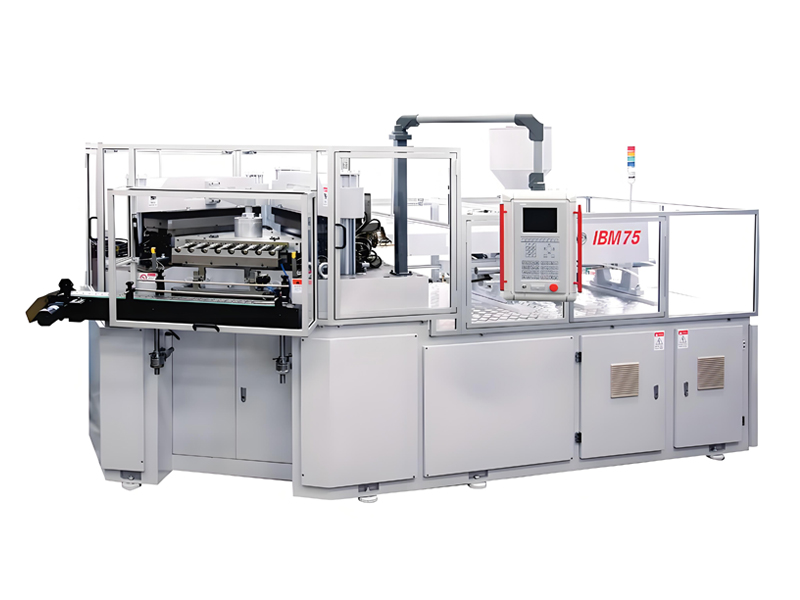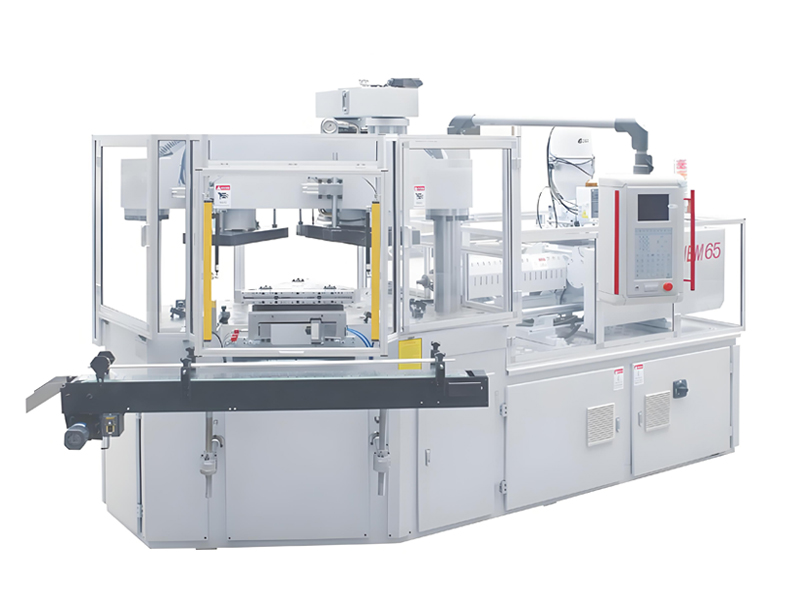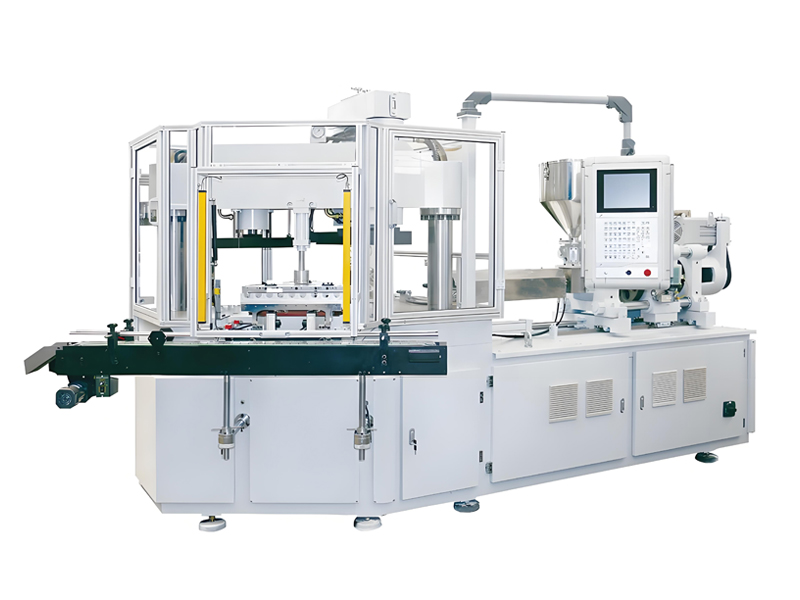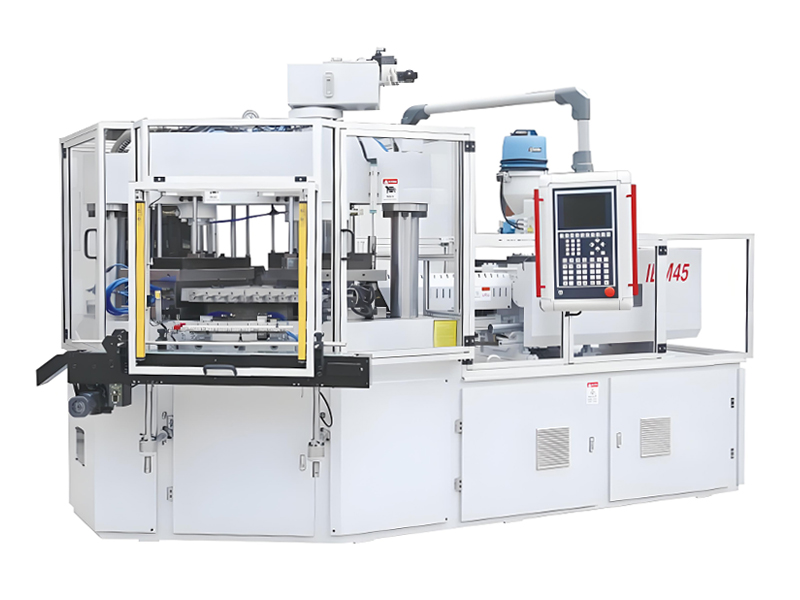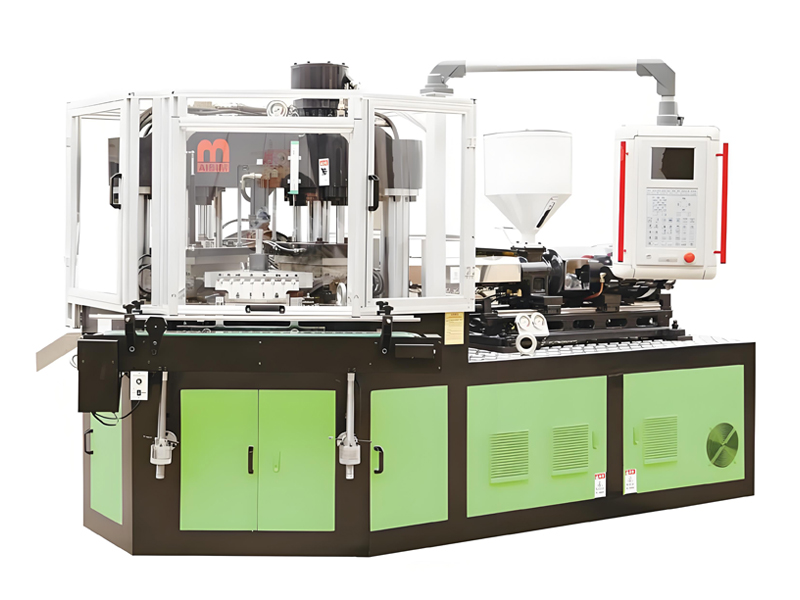
The demand for safe, BPA-free water bottles has surged dramatically as consumers become increasingly conscious of food safety and environmental health. Manufacturers worldwide are seeking reliable injection blow molding machines that can produce high-quality, food-grade water bottles while meeting strict regulatory standards. The AiBiM injection blow molding machine offers an advanced solution for producing BPA-free water bottles that comply with international food safety regulations. This comprehensive guide explores how modern injection blow molding technology enables the production of safe, durable, and cost-effective water bottles for the global market.
Understanding BPA-Free Requirements for Water Bottle Manufacturing
BPA, or bisphenol A, is a chemical compound commonly found in polycarbonate plastics and epoxy resins. Extensive scientific research has linked BPA exposure to various health concerns, including hormonal disruptions, reproductive issues, and developmental problems in children. As a result, regulatory agencies across North America, Europe, and Asia have implemented strict bans and restrictions on BPA in products intended for food contact applications. Manufacturers producing water bottles must now ensure their products are completely free from BPA contamination throughout the entire production process.
The journey toward BPA-free water bottle production begins with careful material selection and extends through every stage of the manufacturing process. Modern injection blow molding machines must be compatible with BPA-free alternative materials such as Tritan, Eastman Tritan copolyester, and other FDA-approved food-grade resins. These materials provide the clarity, durability, and safety required for premium water bottle products while eliminating the health risks associated with BPA exposure.
The Science Behind BPA-Free Material Selection
Selecting the appropriate BPA-free material requires understanding the specific performance requirements of water bottle applications. Tritan copolyester has emerged as a leading choice for premium water bottle manufacturing due to its exceptional clarity, impact resistance, and thermal stability. This material can withstand temperatures ranging from -20°C to 96°C, making it suitable for both cold water and hot beverage applications. The molecular structure of Tritan eliminates the bisphenol compounds that characterize polycarbonate materials, providing peace of mind for health-conscious consumers.
Polypropylene (PP) represents another popular BPA-free option, particularly for budget-friendly water bottle production. PP offers excellent chemical resistance, good durability, and microwave-safe properties that appeal to health-conscious consumers. High-density polyethylene (HDPE) provides superior moisture barriers and is commonly used for large-format water bottles and dispensers. Each material presents unique processing characteristics that must be considered when configuring injection blow molding equipment. The selection between these materials often depends on specific application requirements, cost considerations, and target market preferences.
Food-Grade Certification Standards Explained
Food-grade certification encompasses multiple regulatory frameworks that ensure products are safe for direct food contact. In the United States, the Food and Drug Administration (FDA) regulates food-contact materials under Title 21 of the Code of Federal Regulations. European manufacturers must comply with Regulation (EC) No 1935/2004, which establishes general safety requirements for materials intended to come into contact with food. These regulations specify approved substances, migration limits, and testing protocols that manufacturers must follow to ensure compliance.
The AiBiM injection blow molding machine supports production processes that meet these stringent certification requirements. Our equipment undergoes rigorous testing and validation to ensure compatibility with FDA-approved food-grade materials. Manufacturers utilizing our machines can confidently produce water bottles that satisfy regulatory requirements across multiple global markets, including North America, Europe, Asia, and Oceania. Documentation and traceability systems support compliance verification throughout the production process.
How Injection Blow Molding Technology Ensures Food Safety
Injection blow molding represents one of the most precise and controlled manufacturing processes for producing hollow plastic products. Unlike conventional blow molding methods, injection blow molding combines injection molding precision with blow molding flexibility to create seamless, uniform-walled containers. This integrated approach minimizes the risk of contamination and ensures consistent product quality across large production runs. The technology has evolved significantly over decades of development, incorporating advanced control systems and precision engineering that enable unprecedented levels of quality and consistency.
The three-station configuration employed by AiBiM machines represents the industry standard for water bottle manufacturing. This configuration separates the injection, blowing, and ejection processes into distinct stations, allowing each operation to occur under optimal conditions. The controlled environment at each station significantly reduces the risk of particle contamination and ensures that products meet exacting cleanliness standards required for food-contact applications. This architectural approach also improves production efficiency by allowing parallel operations at each station.
The One-Step Injection Blow Molding Process Explained
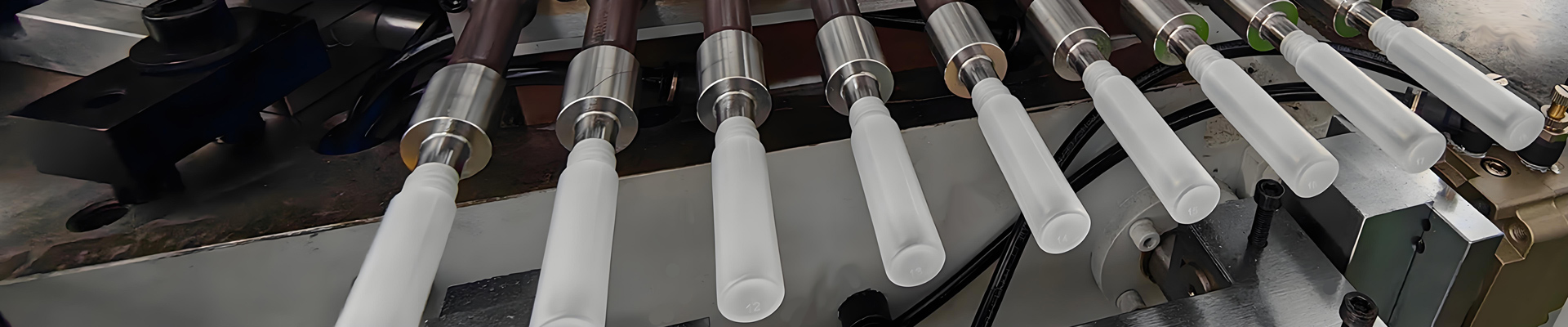
The one-step injection blow molding process begins with the injection of molten plastic into a cooled mold cavity to form a preform, also known as a parison. This preform captures the precise dimensions and wall thickness distribution required for the final product. The injection stage operates under extremely controlled conditions, with temperature, pressure, and cooling parameters precisely monitored and adjusted throughout the production cycle. Advanced sensors and control algorithms ensure consistent quality from the first bottle to the millionth.
Following injection, the preform transfers to the blow station where compressed air expands the material against the final mold cavity. The expansion process occurs at controlled pressures and rates, ensuring uniform wall thickness distribution throughout the bottle. This precision control distinguishes injection blow molding from other manufacturing methods and enables the production of bottles with consistent wall thicknesses that meet strict dimensional specifications. The blow ratio can be precisely controlled to achieve optimal material distribution for specific bottle geometries and performance requirements.
The final ejection station safely removes the completed bottle from the mold with precision-controlled mechanisms that prevent damage to the product. Automated ejection systems ensure consistent handling and minimize the risk of contamination from manual contact. Modern AiBiM machines incorporate advanced sensor technology to verify proper ejection and detect any anomalies that might compromise product quality. Quality verification systems can flag potential issues for operator review before defective products enter the production stream.
Temperature Control Systems for Food-Grade Production
Precise temperature management throughout the injection blow molding process plays a critical role in achieving food-grade quality standards. The AiBiM injection blow molding machine employs advanced PID temperature control systems that maintain melt temperatures within plus or minus one degree Celsius of target values. This level of precision ensures consistent material properties and eliminates variations that could affect product safety or performance. Temperature variations can cause molecular orientation differences that affect strength, clarity, and chemical resistance.
Mold temperature control systems ensure that cooling occurs at optimal rates throughout the production cycle. Uneven cooling can create internal stresses, warpage, or crystallinity variations that compromise product integrity. Our machines feature independent cooling channel temperature regulation for each mold section, enabling manufacturers to fine-tune the cooling process for specific product geometries and material requirements. This independent control ensures that complex bottle shapes cool uniformly without distortion.
Cost Analysis: Setting Up a BPA-Free Water Bottle Production Line
Establishing a BPA-free water bottle manufacturing facility requires careful investment planning and equipment selection. The total capital expenditure depends on production capacity requirements, automation levels, and quality control systems. Below is a comprehensive cost breakdown for setting up a professional-grade water bottle production line with comprehensive food safety compliance capabilities.
Equipment Investment Breakdown
The primary piece of equipment, an AiBiM IBM75 injection blow molding machine suitable for water bottle production from 3ml to 1000ml, represents the largest capital investment. The IBM75 model offers a balance of production capacity and affordability, with pricing ranging from $85,000 to $120,000 depending on configuration and optional features. This machine handles material volumes from 3ml to 1000ml, making it ideal for producing various water bottle sizes from small personal bottles to large family-size containers. The robust construction ensures years of reliable operation in demanding production environments.
Supporting equipment includes material handling systems, blending equipment, and quality inspection machinery. A complete material preparation system with drying hoppers and gravimetric feeders typically costs between $15,000 and $30,000. Proper material drying is essential for food-grade production, as moisture contamination can cause defects and compromise product safety. Quality inspection equipment, including vision systems and dimensional verification tools, ranges from $20,000 to $50,000 depending on automation levels and inspection requirements.
Mold investment varies significantly based on cavity configuration and complexity. A single-cavity mold for 500ml water bottles costs approximately $8,000 to $15,000, while multi-cavity molds for higher production rates range from $25,000 to $60,000. Manufacturers should budget for multiple molds to accommodate different bottle designs and sizes while maintaining production flexibility. Quality mold tooling represents a long-term investment that significantly impacts production efficiency and product quality.
Operating Cost Considerations
Material costs constitute the largest ongoing expense in water bottle manufacturing. Food-grade Tritan resin prices range from $3.50 to $5.50 per kilogram, while PP resin costs approximately $1.20 to $1.80 per kilogram. HDPE food-grade resin ranges from $1.10 to $1.60 per kilogram. A typical 500ml water bottle requires approximately 25 to 35 grams of material, depending on wall thickness specifications and design requirements. At a production rate of 1,000 bottles per hour, material costs range from $0.04 to $0.19 per bottle depending on material selection.
Energy consumption for the AiBiM injection blow molding machine averages 18 to 25 kWh during normal operation. At an electricity rate of $0.10 per kWh, energy costs approximately $0.002 to $0.003 per bottle. Labor costs vary by region, with operators earning between $15 and $35 per hour depending on location and experience levels. Highly automated production lines can achieve labor costs below $0.01 per bottle with minimal operator intervention. Training investment ensures that operators can effectively manage equipment and maintain quality standards.
Return on Investment Projections
For a mid-scale production facility equipped with an AiBiM IBM75 machine and supporting equipment, total investment ranges from $150,000 to $280,000 including installation, training, and initial inventory. At a production capacity of 2.5 million bottles annually and a profit margin of $0.05 to $0.15 per bottle, annual profitability ranges from $125,000 to $375,000. Most facilities achieve full return on investment within 12 to 24 months of operation, depending on market conditions and operational efficiency.
Premium BPA-free water bottles command higher market prices, with retail values ranging from $8 to $25 per unit depending on brand positioning and features. Contract manufacturing arrangements with established brands can provide stable revenue streams ranging from $0.30 to $1.20 per bottle. The growing consumer preference for safe, BPA-free products continues to drive demand and support favorable pricing structures across market segments.
Material Compatibility: Choosing Resins for Food-Grade Water Bottles
Successful BPA-free water bottle production requires careful material selection based on performance requirements, regulatory compliance, and cost considerations. The AiBiM injection blow molding machine supports a wide range of food-grade materials, enabling manufacturers to optimize their product offerings for specific market segments. Material selection affects not only product performance but also processing efficiency and production costs.
Tritan Copolyester: The Premium Choice
Tritan copolyester has established itself as the premier material for premium water bottle applications. This material offers exceptional clarity comparable to glass, allowing consumers to easily monitor water levels and freshness. The inherent toughness of Tritan provides excellent impact resistance, reducing the risk of breakage during normal use and handling. These premium characteristics justify higher material costs in market segments where quality and safety are paramount concerns.
Chemical resistance properties ensure that Tritan water bottles maintain their integrity when exposed to various beverages, cleaning agents, and environmental conditions. The material does not absorb odors or flavors, ensuring that water and other beverages taste fresh regardless of previous use. AiBiM machines provide precise temperature and pressure control required for optimal Tritan processing, resulting in consistent quality across production runs. Processing optimization for Tritan requires attention to specific temperature and pressure requirements that differ from standard materials.
Polypropylene Applications and Benefits
Polypropylene offers an excellent balance of performance and cost-effectiveness for standard water bottle applications. PP demonstrates excellent fatigue resistance, making it suitable for bottles with hinged lids or flip-top designs. The material maintains structural integrity across a wide temperature range and resists stress cracking under repeated use conditions. These characteristics make PP particularly suitable for bottles designed for extended service life and repeated use by consumers.
The lower density of PP compared to other materials results in lighter-weight products that reduce shipping costs and environmental impact. Processing temperatures for PP range from 220C to 260C, which allows for energy-efficient production on AiBiM injection blow molding machines. Manufacturers can achieve production speeds comparable to other materials while benefiting from the cost advantages of PP. Material yield optimization can further reduce per-unit costs through careful design and processing optimization.
HDPE for Large-Format Applications
High-density polyethylene remains the material of choice for large-format water bottles, jugs, and dispensers. HDPE provides excellent moisture barrier properties essential for maintaining water quality during extended storage periods. The material offers good chemical resistance and can withstand repeated cleaning and sanitization cycles without degradation. Large-format containers benefit from HDPE’s superior stiffness and impact resistance characteristics.
HDPE processing requires careful attention to melt temperature and cooling parameters to achieve optimal material properties. The AiBiM machine accommodates HDPE processing requirements through precise temperature control systems and adjustable cooling configurations. Typical HDPE water bottles range from 1 liter to 5 gallons in capacity, serving both consumer and commercial applications. Commercial applications may require additional certifications and testing to verify suitability for specific uses.
Quality Assurance in Food-Grade Water Bottle Manufacturing
Implementing comprehensive quality assurance protocols ensures that water bottles consistently meet food safety standards and regulatory requirements. Modern injection blow molding facilities employ multiple verification methods throughout the production process to identify and eliminate defects before products reach consumers. Quality assurance investment protects brand reputation and ensures regulatory compliance across all target markets.
In-Process Quality Monitoring Systems
AiBiM injection blow molding machines incorporate advanced sensor technology for continuous quality monitoring during production. Laser-based wall thickness measurement systems verify that bottles meet dimensional specifications throughout the manufacturing process. Pressure transducers monitor blow ratios and detect anomalies that might indicate material inconsistencies or mold problems. Real-time monitoring enables immediate correction of process variations before defective products are produced.
Statistical process control (SPC) software analyzes production data in real-time, identifying trends that might lead to quality deviations before they result in defective products. This predictive capability reduces waste and ensures consistent quality across extended production runs. Manufacturers can configure alarm thresholds and automatic process adjustments based on specific quality requirements. SPC dashboards provide operators with immediate visibility into process stability and quality trends.
Final Product Testing Protocols
Completed water bottles undergo comprehensive testing to verify compliance with food safety and performance standards. Leak testing ensures that bottles maintain seal integrity under normal use conditions. Drop testing verifies impact resistance and durability for consumer safety. Dimensional inspection confirms that bottles meet design specifications for cap compatibility and label fit. These tests simulate actual use conditions to verify product suitability.
Food safety validation includes extraction testing to verify that no harmful substances migrate from the bottle into the contents. These tests simulate actual use conditions and analyze extracts for potentially hazardous compounds. Manufacturers targeting specific markets must ensure that testing protocols satisfy relevant regulatory requirements in each target region. Third-party laboratory testing provides independent verification of compliance claims.
Maintenance Requirements for Consistent Quality
Regular maintenance ensures that injection blow molding machines continue to produce food-grade quality products throughout their operational lifespan. Preventive maintenance programs minimize unplanned downtime and protect product quality by addressing wear and component degradation before they affect production. Maintenance investment pays dividends through improved reliability, consistent quality, and extended equipment life.
Daily Maintenance Procedures
Operator-level daily maintenance includes visual inspection of machine components, cleaning of mold surfaces, and verification of sensor calibration. Material system inspection ensures proper drying conditions and identifies any material contamination before it enters the production process. Hydraulic fluid levels and temperature readings should be checked at the start of each production shift. Documentation of daily inspections provides valuable reference information for troubleshooting and process optimization.
Mold maintenance at daily intervals includes cleaning blow pins, checking vent conditions, and verifying ejector pin alignment. Any material buildup or contamination should be removed immediately to prevent quality issues.记录 daily maintenance activities in production logs provides valuable reference information for troubleshooting and process optimization. Consistent maintenance practices reduce variability and support consistent product quality.
Scheduled Maintenance Intervals
Weekly maintenance procedures include thorough inspection of hydraulic systems, verification of temperature controller accuracy, and lubrication of moving components. The AiBiM service team recommends calibrating temperature sensors against reference thermometers monthly to ensure measurement accuracy within specified tolerances. Regular calibration ensures that temperature control systems maintain the precision required for food-grade production.
Quarterly maintenance addresses more comprehensive system checks, including hydraulic filter replacement, electrical system inspection, and control system software updates. Annual comprehensive maintenance should include complete system overhaul, replacement of wear components, and thorough calibration of all subsystems. These investments in preventive maintenance protect product quality and extend machine service life. Maintenance schedules should account for production intensity and operating conditions.
Market Opportunities for BPA-Free Water Bottles
The global market for BPA-free water bottles continues to expand as consumer awareness of health and environmental issues grows. Manufacturers equipped with modern injection blow molding capabilities are well-positioned to capture market share across multiple segments, including sports and fitness, outdoor recreation, office and home use, and specialized applications. Market research indicates sustained growth projections for BPA-free water bottle segments worldwide.
Growing Consumer Demand Drivers
Health consciousness among consumers has accelerated demand for BPA-free products across all demographics. Parents particularly seek BPA-free water bottles for their children, willing to pay premium prices for products that guarantee safety. Athletes and fitness enthusiasts demand high-performance bottles that combine durability with chemical safety, driving innovation in material and design options. Marketing messages emphasizing BPA-free formulations resonate strongly with health-conscious consumer segments.
Environmental awareness complements health concerns, with consumers increasingly choosing reusable BPA-free bottles over disposable alternatives. This trend creates sustained demand for durable, long-lasting water bottles that maintain safety standards throughout extended use. Manufacturers who emphasize both health safety and environmental sustainability in their marketing positioning capture the attention of this growing consumer segment. Sustainability certifications and recycled content claims provide additional differentiation in competitive markets.
Regulatory Expansion Worldwide
Regulatory trends continue to favor BPA-free products, with additional countries and regions implementing restrictions each year. The European Union has implemented comprehensive restrictions on BPA in products intended for children under three years of age. Similar legislation in the United States and Asia continues to expand the scope of BPA-free requirements across product categories. Manufacturers should monitor regulatory developments to anticipate compliance requirements in target markets.
Compliance with evolving regulations requires manufacturing flexibility and access to certified materials. The AiBiM injection blow molding machine supports rapid material changeover and accommodates multiple food-grade resins, enabling manufacturers to adapt to regulatory changes without major equipment investments. This flexibility provides strategic advantages in markets where regulatory requirements continue to evolve. Proactive compliance preparation positions manufacturers ahead of competitors when new regulations take effect.
Design Considerations for Premium Water Bottles
Product design significantly influences water bottle appeal and market success. Beyond functional requirements, design must address aesthetic preferences, brand positioning, and manufacturing efficiency. Successful water bottle design balances these considerations to create products that perform well while commanding premium market positioning.
Ergonomic Design Principles
Water bottles must provide comfortable handling during use, considering various grip styles and hand sizes. Ergonomic bottle shapes that conform to natural hand contours improve user comfort and reduce fatigue during extended use. Grip zones with appropriate texture and diameter accommodate secure handling even when hands are wet. Design optimization through user testing ensures that bottles satisfy real-world handling requirements.
Weight distribution affects handling characteristics, particularly for larger bottles that users may carry during activities. Center of gravity positioning influences tipping stability when bottles are set down. Balanced design improves user experience and reduces accidental spills. Computational design tools enable optimization of these characteristics before mold fabrication.
Aesthetic and Brand Considerations
Visual appearance significantly influences purchase decisions in consumer product markets. Water bottles must present an appealing appearance that supports brand positioning and justifies premium pricing. Color selection, surface finish, and decorative elements contribute to overall aesthetic impact. Translucent materials enable consumers to monitor water levels while providing visual appeal.
Brand consistency across product lines strengthens recognition and supports premium positioning. Design language elements including shape proportions, texture patterns, and cap designs create cohesive brand identities. Injection blow molding enables precise reproduction of these design elements across production volumes. Quality control ensures that each bottle matches brand standards consistently.
Conclusion
Producing high-quality, BPA-free food-grade water bottles requires careful attention to material selection, process control, and quality assurance throughout the manufacturing operation. The AiBiM injection blow molding machine provides the precision, flexibility, and reliability necessary to meet these demanding requirements while maintaining cost-effective production economics. Manufacturing success requires investment in equipment, personnel training, and quality systems that collectively enable consistent compliance.
Investment in modern injection blow molding technology enables manufacturers to capitalize on growing market demand for safe, BPA-free water bottles. With proper equipment selection, material handling, and quality control systems, production facilities can achieve consistent product quality that satisfies regulatory requirements across global markets. Strategic positioning in growing market segments provides long-term business opportunity.
Contact our team today to discuss your BPA-free water bottle production requirements. Our engineers will help you configure an AiBiM injection blow molding solution that meets your capacity, quality, and cost objectives. We provide comprehensive support from initial equipment selection through production optimization and ongoing operational excellence.
Cleanroom and Hygiene Considerations for Food-Grade Production
Food-grade water bottle production requires attention to hygiene and cleanliness throughout the manufacturing environment. Cleanroom classifications and contamination control procedures ensure that bottles are not exposed to particles, microorganisms, or other contaminants during production. Air filtration systems, material handling protocols, and personal protective equipment all contribute to maintaining the cleanliness standards required for food-contact packaging. The level of contamination control required depends on specific product applications and applicable regulatory requirements.
AiBiM injection blow molding machines can be configured with cleanroom-appropriate features that minimize contamination risk. Sealed hydraulic systems prevent fluid leakage that could contaminate products. Stainless steel construction in product contact areas facilitates cleaning and sanitation. Optional features such as integrated air showers and material sterilization systems provide additional contamination control for demanding applications. Cleanroom configuration selection should consider applicable regulatory requirements and quality standards for target markets.
Quality Certifications and Compliance Documentation
Modern quality management systems require comprehensive documentation of production processes and quality verification activities. AiBiM machines incorporate data logging and traceability capabilities that support quality certification requirements. Production records can demonstrate compliance with specifications, regulatory requirements, and customer quality standards. Traceability from raw material to finished product enables rapid investigation and resolution of any quality issues that may arise during production or after products reach customers.
Common quality certifications for water bottle manufacturers include ISO 9001 for quality management systems, ISO 22000 for food safety management, and BRCGS or FSSC 22000 for global food safety standards. Achieving and maintaining these certifications requires investment in quality systems, documentation practices, and regular audits. AiBiM production systems support certification requirements through controlled processes, automated monitoring, and comprehensive record-keeping capabilities.
Production Planning and Capacity Optimization
Successful water bottle manufacturing operations require careful planning to match production capacity with market demand. Production planning considers equipment capacity, labor availability, material supply, and quality control requirements. Efficient production planning maximizes equipment utilization while maintaining quality standards and meeting delivery commitments. Strategic capacity planning ensures that manufacturing capabilities align with business growth objectives.
Capacity Calculation and Throughput Optimization
Production capacity calculations must account for cycle time, availability, and yield factors. An AiBiM IBM75 machine with a 25-second cycle time produces approximately 144 bottles per hour in continuous operation. Accounting for changeovers, maintenance, and minor interruptions, realistic production rates typically range from 120 to 130 bottles per hour. Multi-cavity molds increase output proportionally, with 4-cavity molds producing 480 to 520 bottles per hour. Capacity projections guide investment decisions and customer commitment decisions.
Capacity optimization focuses on reducing cycle times, improving availability, and maximizing yield. Lean manufacturing principles identify and eliminate waste in production processes. Total productive maintenance programs minimize unplanned downtime. Quality improvement initiatives reduce scrap and rework that consume capacity without producing saleable products. These continuous improvement efforts compound over time to achieve significant capacity improvements that benefit both cost competitiveness and customer service.
Workforce Development and Training Programs
Injection blow molding operations require trained personnel for machine operation, quality control, maintenance, and supervisory functions. Staffing levels depend on production volume, automation level, and operational complexity. Typical staffing for a single-machine operation includes one operator per shift plus support from maintenance and quality personnel shared across multiple shifts. Training programs ensure that personnel develop the skills needed for safe, efficient operation that produces quality products consistently.
AiBiM provides comprehensive training programs that cover machine operation, maintenance procedures, quality control methods, and safety requirements. Training can be conducted at AiBiM facilities or on-site at customer locations. Ongoing training and skill development maintain workforce competence as equipment and processes evolve. Investment in training pays returns through improved safety, quality, and efficiency performance that benefit both employees and business results.