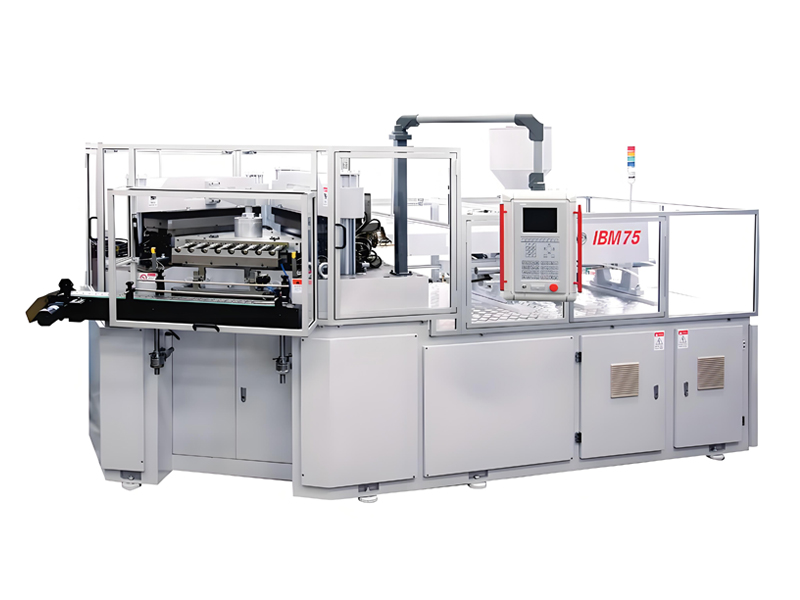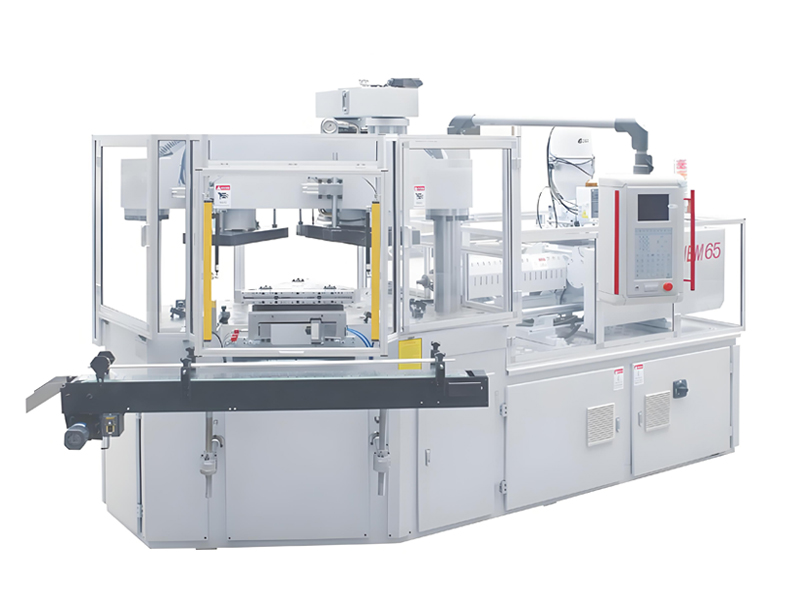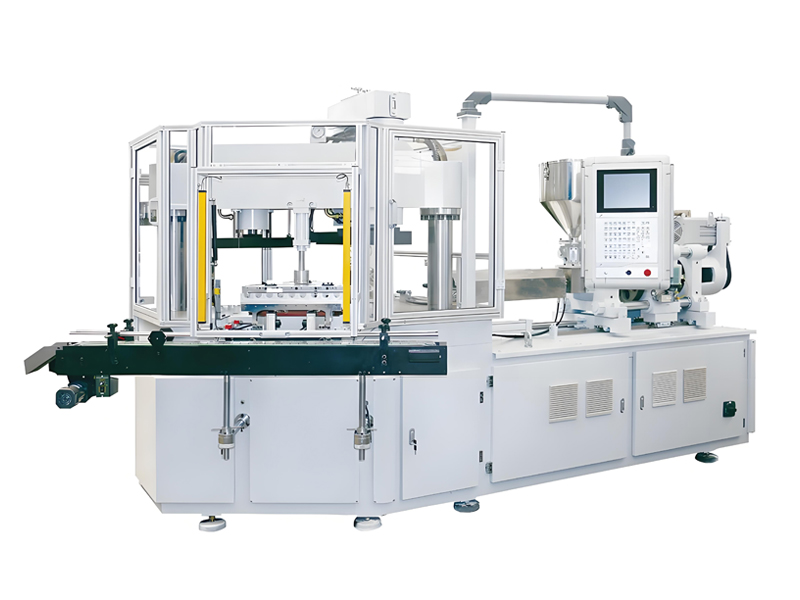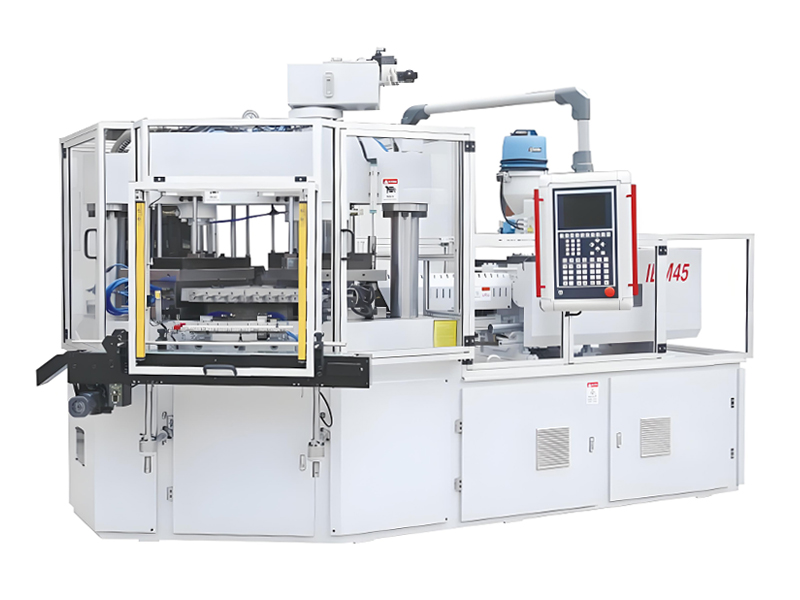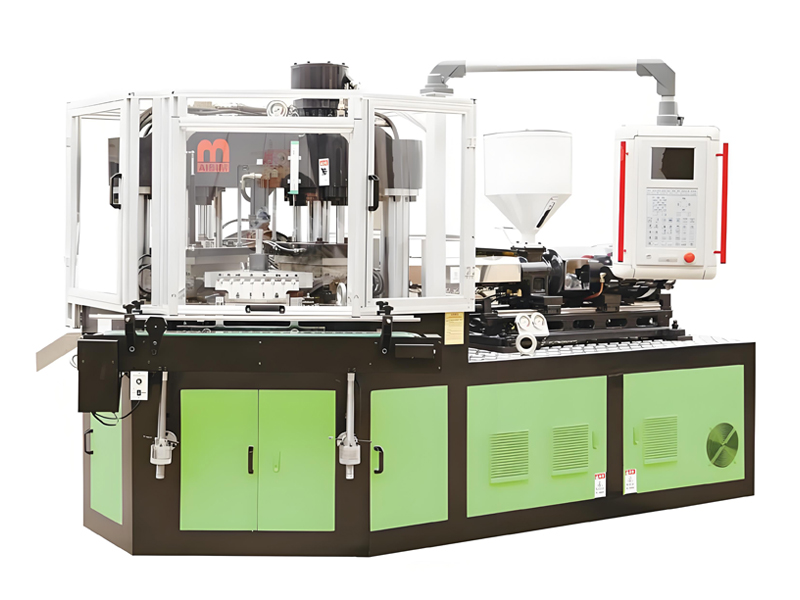
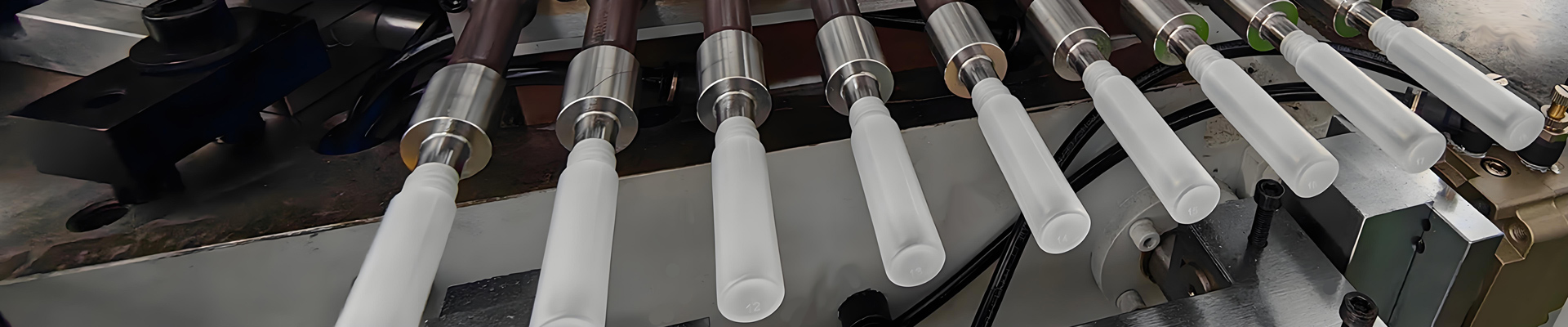
The injection blow molding machine industry has witnessed remarkable growth in recent years, particularly in the manufacturing of heavy-duty industrial plastic products. AiBiM injection blow molding machines have established themselves as leading solutions for producing robust industrial containers, bottles, and hollow plastic products that demand exceptional durability and precision. When investing in injection blow molding machines for industrial applications, manufacturers must carefully evaluate machine capabilities, production requirements, and long-term operational costs to ensure optimal return on investment.
Heavy-duty industrial plastic products manufactured through injection blow molding processes include chemical containers, automotive components, industrial packaging, construction materials, and specialized equipment housings. These products require machines with enhanced structural integrity, precise control systems, and the ability to process engineering-grade polymers with consistent quality. The global market for injection blow molding machines serving industrial applications is projected to reach $2.8 billion by 2026, with annual growth rates of approximately 6.5% driven by increasing demand from chemical processing, automotive manufacturing, and industrial packaging sectors.
Understanding Heavy-Duty Injection Blow Molding Requirements
Heavy-duty injection blow molding machines differ significantly from standard models in terms of construction materials, power capabilities, and operational characteristics. Industrial applications demand machines that can withstand continuous operation under demanding conditions while maintaining precision and consistency. AiBiM injection blow molding machines designed for industrial applications feature reinforced frames, high-capacity hydraulic systems, and advanced control algorithms that ensure reliable operation over extended production runs.
The primary considerations for heavy-duty injection blow molding include material handling capabilities, clamping force requirements, shot volume capacity, and the ability to maintain consistent quality over extended production cycles. Industrial injection blow molding machines typically feature clamping forces ranging from 100 to 1000 tons, shot volumes from 100 to 5000 cubic centimeters, and the capability to process high-performance engineering plastics including polycarbonate, nylon, and various polymer blends designed for industrial applications.
Industrial Material Processing Capabilities
Injection blow molding machines for industrial applications must handle a wide range of engineering thermoplastics with varying processing requirements. These materials include high-density polyethylene (HDPE) for chemical containers, polypropylene (PP) for automotive components, polycarbonate (PC) for transparent industrial housings, and various engineering compounds with enhanced mechanical properties. Processing these materials requires injection blow molding machines with precise temperature control capabilities, high injection pressures, and the ability to maintain consistent melt quality over extended production runs.
Material costs for industrial injection blow molding applications vary significantly based on polymer type and quality requirements. Engineering-grade polymers typically cost between $2.50 and $6.00 per kilogram, compared to commodity polymers priced between $1.20 and $2.00 per kilogram. The cost difference reflects the enhanced mechanical properties, chemical resistance, and thermal stability required for industrial applications. AiBiM injection blow molding machines are designed to process these premium materials efficiently, with typical material utilization rates of 95-98% depending on product complexity and material characteristics.
Production Volume Considerations
Industrial injection blow molding operations typically involve high-volume production requirements with annual outputs ranging from 1 million to 50 million units depending on product type and market demand. The production volume directly influences machine selection, with larger volumes justifying investment in higher capacity injection blow molding machines with enhanced automation and quality control systems. Production volume analysis must consider both current requirements and projected growth to ensure selected equipment can support future expansion without requiring complete replacement.
Cost per unit decreases significantly with production volume due to economies of scale in injection blow molding operations. For industrial plastic products, production costs typically range from $0.15 to $2.00 per unit depending on material type, product complexity, and production volume. High-volume production runs exceeding 10 million units annually can achieve unit costs 40-60% lower than production runs under 1 million units. This cost advantage makes investment in larger capacity injection blow molding machines economically attractive for manufacturers serving large industrial markets.
Quality and Precision Requirements
Industrial plastic products manufactured through injection blow molding must meet stringent quality standards for dimensional accuracy, wall thickness consistency, and material properties. Quality requirements for industrial applications typically include dimensional tolerances of ±0.05 to ±0.2 millimeters, wall thickness variations less than 10%, and mechanical property specifications that ensure product performance under industrial operating conditions. Injection blow molding machines for industrial applications incorporate advanced quality control systems including in-process monitoring, automated inspection, and statistical process control to ensure consistent quality compliance.
Quality control costs typically represent 3-8% of total production costs in industrial injection blow molding operations. Investment in advanced quality control systems, ranging from $15,000 to $75,000 depending on system sophistication, typically provides return on investment within 12-24 months through reduced scrap rates and improved customer satisfaction. Industrial applications with tight quality specifications often require additional quality assurance processes including third-party testing and certification, adding $0.01 to $0.10 per unit to production costs.
AiBiM Heavy-Duty Machine Specifications
AiBiM injection blow molding machines designed for heavy-duty industrial applications incorporate advanced engineering features that ensure reliable operation under demanding production conditions. These machines are available in various configurations to meet specific application requirements, with standard models ranging from 100-ton to 500-ton clamping force and custom configurations available for specialized applications. The investment cost for AiBiM industrial injection blow molding machines ranges from $85,000 to $450,000 depending on machine capacity, automation level, and included features.
Frame and Structural Components
The structural components of heavy-duty injection blow molding machines must withstand substantial mechanical loads during operation. AiBiM machines feature heavy-duty frame construction using stress-relieved cast iron or steel weldments designed for operation at 30-40% above maximum rated loads. This over-engineering ensures long service life and consistent performance under demanding production conditions. The frame construction typically includes reinforced tie bars, precision-ground platen surfaces, and optimized stress distribution that minimizes deflection during clamping operations.
Frame component replacement costs, if required due to accidental damage or extreme overloading, typically range from $15,000 to $75,000 depending on machine size. The robust construction of AiBiM injection blow molding machines significantly reduces the likelihood of such failures, with most industrial installations experiencing frame service life exceeding 15 years under normal operating conditions. Regular inspection and maintenance of structural components, including torque checks on tie bar nuts and inspection for fatigue cracking, helps identify potential issues before they cause operational failures.
Hydraulic System Design
The hydraulic system in heavy-duty injection blow molding machines provides the power necessary for clamping, injection, and mold operations. AiBiM machines feature high-capacity hydraulic systems with accumulator-assisted injection capable of injection speeds up to 300 millimeters per second and injection pressures up to 2500 bar. These systems incorporate industrial-grade hydraulic pumps, proportional valves, and filtration systems that ensure consistent performance and long service life under continuous operation.
Hydraulic system maintenance represents 10-15% of total maintenance costs for injection blow molding machines. Annual hydraulic oil replacement typically costs $2,000 to $8,000 depending on system capacity, with additional costs for filter replacement and component refurbishment. The hydraulic system efficiency typically degrades by 1-2% annually if maintenance is neglected, resulting in increased energy consumption and reduced production capacity. AiBiM injection blow molding machines incorporate efficient hydraulic system designs that minimize energy consumption while maintaining required power output, with typical energy costs of $0.08 to $0.15 per kilowatt-hour resulting in annual energy costs of $25,000 to $120,000 depending on machine size and local energy rates.
Temperature Control Systems
Precise temperature control is critical for processing engineering-grade materials used in industrial injection blow molding applications. AiBiM machines feature multi-zone temperature control systems with PID controllers that maintain barrel temperatures within ±1°C of setpoint. The control systems typically include 5-8 heating zones on the barrel plus additional zones for the mold and hot runner systems. Advanced models incorporate adaptive temperature control algorithms that automatically adjust parameters based on material characteristics and production conditions.
Temperature control system upgrades or replacements typically cost $8,000 to $35,000 depending on the number of zones and control sophistication. The precision control provided by AiBiM temperature systems enables processing of engineering materials with narrow processing windows, reducing scrap rates by 2-5% compared to less sophisticated control systems. For high-value industrial materials costing $3-6 per kilogram, this scrap reduction represents annual savings of $15,000 to $75,000 for typical production volumes.
Control System Integration
Modern injection blow molding machines incorporate sophisticated control systems that manage all aspects of the injection blow molding process. AiBiM machines feature industrial-grade programmable logic controllers (PLCs) with human-machine interfaces (HMIs) that provide real-time monitoring and control of all machine functions. The control systems include recipe management for product changeover, statistical process control for quality monitoring, and connectivity options for integration with factory automation systems.
Control system upgrades typically cost $12,000 to $50,000 depending on the level of sophistication and integration requirements. Advanced control systems can reduce cycle times by 3-8% through optimized control of machine functions, representing annual production capacity increases worth $30,000 to $250,000 depending on machine size and product value. The control systems also provide data logging and analysis capabilities that enable predictive maintenance and process optimization, reducing unplanned downtime by 20-40% and saving $20,000 to $100,000 annually in lost production.
Industrial Application Categories
Injection blow molding machines for industrial applications serve diverse market segments, each with specific requirements and technical considerations. Understanding these application categories helps manufacturers select appropriate equipment and optimize production processes for their specific market needs.
Chemical and Pharmaceutical Containers
Chemical and pharmaceutical container applications require injection blow molding machines capable of processing materials with exceptional chemical resistance and the ability to maintain strict quality standards. These applications often involve containers for aggressive chemicals, pharmaceuticals requiring inert materials, and packaging for sensitive substances that demand product protection from contamination. AiBiM injection blow molding machines for chemical applications feature corrosion-resistant construction, special material handling systems, and enhanced quality control capabilities.
The chemical and pharmaceutical container market represents approximately 25% of the industrial injection blow molding market, with annual production volumes exceeding 5 billion units globally. Production costs for chemical containers range from $0.25 to $1.50 per unit depending on material type and container size. Equipment investments for chemical container production typically range from $120,000 to $350,000 per machine, with production line capacities of 10-50 million units annually requiring investments of $2-8 million for complete production facilities.
Automotive Components
Automotive applications for injection blow molding include fluid reservoirs, ducting systems, air intake components, and various under-hood applications. These applications require machines capable of processing engineering-grade materials with enhanced mechanical properties, precise dimensional control, and the ability to meet automotive industry quality standards. AiBiM injection blow molding machines for automotive applications feature high precision control, rapid cycle times, and integration with automotive quality systems including traceability and part identification.
The automotive injection blow molding market represents approximately 30% of the industrial segment, with growing demand for lightweight plastic components that reduce vehicle weight and improve fuel efficiency. Production costs for automotive components range from $0.50 to $3.00 per unit depending on component complexity and material requirements. Automotive applications typically require capital investments of $200,000 to $500,000 per machine, with complete production lines requiring investments of $5-15 million depending on component mix and production volume.
Industrial Packaging
Industrial packaging applications include containers for lubricants, solvents, construction materials, and various industrial supplies. These applications demand injection blow molding machines capable of high-volume production with consistent quality and the ability to handle diverse product sizes and shapes. AiBiM machines for industrial packaging applications feature rapid mold change capabilities, flexible control systems, and high production capacity designed to meet the variable demands of industrial packaging markets.
The industrial packaging market represents approximately 20% of the industrial injection blow molding market, characterized by moderate to high production volumes and cost-sensitive pricing. Production costs for industrial packaging range from $0.10 to $0.80 per unit depending on container size and material type. Capital investments for industrial packaging typically range from $85,000 to $280,000 per machine, with complete packaging lines requiring investments of $1.5-5 million depending on product mix and volume requirements.
Construction and Infrastructure Products
Construction and infrastructure applications for injection blow molding include pipe fittings, conduit boxes, cable management systems, and various construction accessory products. These applications require machines capable of processing materials with UV resistance, weatherability, and long-term durability under outdoor exposure conditions. AiBiM injection blow molding machines for construction applications feature enhanced material handling systems for filled compounds, UV-resistant components, and heavy-duty construction for long service life.
The construction injection blow molding market represents approximately 15% of the industrial segment, with growing demand for plastic components that reduce weight and installation time compared to traditional materials. Production costs for construction products range from $0.15 to $1.20 per unit depending on product size and material requirements. Capital investments for construction applications typically range from $100,000 to $320,000 per machine, with production facilities requiring investments of $2-6 million depending on product variety and volume requirements.
Machine Selection Criteria
Selecting the appropriate injection blow molding machine for industrial applications requires careful consideration of multiple technical and economic factors. The selection process must balance current production requirements with future growth considerations, ensuring selected equipment can support business development without premature obsolescence or excessive initial investment.
Production Capacity Analysis
Production capacity analysis involves evaluating current production requirements, projected growth, and optimal machine utilization rates. Industrial injection blow molding machines typically operate most efficiently at 70-85% of maximum capacity, providing flexibility for demand variations and growth without requiring additional equipment. Machines operating at higher utilization rates experience increased maintenance requirements and reduced flexibility for product changes, while machines operating at lower utilization rates represent inefficient capital investment.
Capacity analysis should consider both volume and weight requirements, as injection blow molding machines have limits on both parameters. For industrial applications, weight capacity often becomes the limiting factor due to the larger product sizes and heavier materials used. Production capacity requirements typically increase 5-15% annually for growing industrial segments, while mature markets may experience 0-3% annual growth. Selecting machines with 20-30% excess capacity over current requirements provides adequate growth headroom while maintaining reasonable utilization levels.
Material Processing Capabilities
Material processing capabilities must match both current and anticipated material requirements. Industrial applications often require processing of engineering-grade materials with specific processing characteristics including melt temperature ranges, injection pressure requirements, and cooling time considerations. The selected injection blow molding machine must provide adequate shot volume, injection pressure, and temperature control capabilities for all materials to be processed.
Material compatibility testing should be conducted before final machine selection to ensure the selected equipment can process required materials with acceptable quality and efficiency. Material changeover times range from 30 minutes to 4 hours depending on material similarity and machine configuration. For industrial applications requiring frequent material changes, rapid changeover capabilities can save 20-40 hours of production time monthly, representing $5,000 to $50,000 in production value depending on machine capacity and product value.
Automation and Integration Requirements
Automation and integration requirements vary significantly based on production volume, labor costs, and quality requirements. High-volume applications often justify investment in comprehensive automation including robotic part handling, automated inspection, and integration with upstream and downstream processes. Lower volume applications may rely more heavily on manual operations with targeted automation for critical quality or efficiency improvements.
Automation investments typically range from $25,000 to $200,000 depending on the level of sophistication and integration required. Automated systems typically reduce labor requirements by 50-80% while improving consistency and reducing human error. For industrial applications with annual labor costs of $80,000 to $300,000 per machine, automation can provide return on investment within 12-36 months while improving quality and production consistency. Integration with factory automation systems typically costs an additional $10,000 to $50,000 but enables data collection and analysis that supports continuous improvement initiatives.
Total Cost of Ownership Analysis
Total cost of ownership analysis provides a comprehensive view of the economic impact of equipment selection, considering not only initial purchase price but also operating costs, maintenance requirements, energy consumption, and residual value. Industrial injection blow molding machines typically have service lives of 12-18 years, with proper maintenance extending service life to 20+ years. Operating costs typically represent 40-60% of total cost of ownership over the machine service life, with energy costs representing 15-25% of operating costs.
Total cost of ownership analysis should consider the time value of money, with discount rates of 10-15% typically applied for industrial equipment investment analysis. The analysis should include realistic estimates of maintenance costs (typically 3-6% of machine value annually), energy costs based on local rates and projected energy prices, and residual value estimates based on historical equipment depreciation patterns. This comprehensive analysis enables objective comparison of equipment options with different initial costs but different operating cost profiles.
Installation and Commissioning
Proper installation and commissioning of heavy-duty injection blow molding machines is critical for achieving optimal performance and long service life. Installation requirements for industrial injection blow molding machines include facility preparation, equipment placement, utility connections, and operational testing. The installation and commissioning process typically requires 2-6 weeks depending on machine size and complexity, with costs ranging from $10,000 to $50,000 including travel expenses for installation technicians.
Facility Preparation Requirements
Facility preparation for industrial injection blow molding machines includes foundation construction, utility provision, and workspace organization. Foundation requirements vary by machine size, with 100-ton machines requiring 15-20 square meters of reinforced concrete capable of supporting 3-5 tons per square meter, while 500-ton machines may require 40-60 square meters capable of supporting 7-10 tons per square meter. Foundation construction typically costs $8,000 to $35,000 depending on size and local construction costs.
Utility requirements for industrial injection blow molding machines include electrical power (typically 200-600 amps three-phase at 380-480 volts), compressed air (typically 50-300 CFM at 80-120 PSI), and cooling water (typically 20-150 liters per minute). Utility provision costs vary significantly based on location and existing infrastructure but typically range from $15,000 to $75,000 for new installations. Proper utility provision is critical for machine performance, with inadequate power supply causing production problems and insufficient cooling causing reduced cycle times and increased wear.
Machine Placement and Leveling
Machine placement and leveling are critical for proper machine operation and product quality. Industrial injection blow molding machines must be positioned precisely on the foundation with alignment tolerances of ±0.1 millimeters per meter for major components. Leveling typically requires precision optical equipment and may take 1-3 days depending on machine size and foundation quality. Improper leveling can cause uneven wear, reduced product quality, and premature component failure.
Machine placement must also consider operator access, maintenance access, and material handling requirements. Sufficient clearance must be provided around the machine for mold changes, maintenance operations, and material handling. For industrial applications, typical clearance requirements include 2-3 meters on all sides of the machine, with additional space for auxiliary equipment such as material dryers, granulators, and conveyor systems. Insufficient space can increase changeover times by 50-200% and create safety hazards during machine operation and maintenance.
Utility Connections and Testing
Utility connections include electrical power, compressed air, cooling water, and sometimes additional services such as chilled water or specialized gas supplies for specific applications. Electrical connections must be made by qualified electricians following all local codes and manufacturer specifications. Connection testing should verify proper phase rotation, voltage levels, and grounding before energizing the machine. Compressed air connections must include proper filtration, pressure regulation, and moisture removal to prevent contamination of pneumatic systems.
Utility testing typically takes 2-5 days and involves verification of all systems under both no-load and load conditions. Testing should include verification of temperature control accuracy, pressure regulation, cycle time consistency, and safety system operation. Problems identified during testing must be resolved before production begins to prevent equipment damage or safety issues. The testing phase typically identifies 15-25% of issues that would cause problems during initial production, with resolution during this phase preventing costs of $5,000 to $50,000 in production losses and potential equipment damage.
Initial Production Ramp-Up
Initial production ramp-up involves producing acceptable quality products while optimizing process parameters for efficiency and consistency. The ramp-up period typically lasts 2-8 weeks depending on product complexity and machine sophistication, with production quality and efficiency gradually improving as operators gain experience and process parameters are optimized. During ramp-up, production typically operates at 50-80% of target efficiency with scrap rates 2-5 times higher than steady-state levels.
The economic impact of ramp-up varies based on product value and production volume but typically represents 3-7% of first-year production value. For a $5 million annual production value machine, ramp-up costs may represent $150,000 to $350,000 in reduced efficiency and increased scrap. Comprehensive training and process optimization can reduce ramp-up time by 30-50%, potentially saving $50,000 to $175,000 in ramp-up costs. AiBiM provides comprehensive training programs and startup support that can significantly reduce ramp-up time and costs.
Maintenance and Reliability
Maintenance and reliability considerations are critical for industrial injection blow molding operations where equipment downtime represents substantial production losses. Heavy-duty injection blow molding machines require comprehensive maintenance programs to achieve optimal service life and minimize unplanned downtime. The economic impact of downtime varies based on production volume and product value but typically ranges from $1,000 to $10,000 per hour depending on machine capacity and product value.
Preventive Maintenance Programs
Preventive maintenance programs involve scheduled maintenance activities based on machine operating hours or calendar time intervals. These programs are designed to identify and address potential issues before they cause equipment failure. Industrial injection blow molding machines typically require preventive maintenance at 500-1000 hour intervals for major components and more frequent intervals for wear items and routine checks. Preventive maintenance costs typically represent 2-4% of machine value annually.
Preventive maintenance activities include lubrication, inspection of critical components, replacement of wear items, and calibration of control systems. Comprehensive preventive maintenance programs can reduce unplanned downtime by 70-90% compared to reactive maintenance approaches. For machines with annual unplanned downtime potential of 50-200 hours, preventive maintenance can save $50,000 to $2,000,000 annually in lost production. The investment in preventive maintenance, typically $25,000 to $100,000 annually depending on machine size, provides excellent return on investment through downtime avoidance and extended equipment life.
Predictive Maintenance Technologies
Predictive maintenance technologies use condition monitoring and performance analysis to predict component failures before they occur, enabling maintenance to be scheduled at optimal times. Technologies include vibration analysis, thermal imaging, oil analysis, and performance trend monitoring. Predictive maintenance typically requires initial investment in monitoring equipment and sensors, with costs ranging from $15,000 to $75,000 depending on the sophistication of the monitoring system.
Predictive maintenance can further reduce unplanned downtime by 30-50% beyond preventive maintenance programs, saving an additional $15,000 to $1,000,000 annually depending on machine size and production value. The technology also typically extends component service life by 20-40%, providing additional savings through reduced replacement costs. Industrial injection blow molding machines operating critical production often justify predictive maintenance investment through these substantial benefits.
Common Failure Points and Mitigation
Common failure points in industrial injection blow molding machines include hydraulic components, electrical systems, wear items in clamping mechanisms, and temperature control components. Hydraulic system failures typically represent 30-40% of all failures, with electrical system failures representing 20-30%, and wear item failures representing 15-25%. Understanding these common failure points enables proactive maintenance and spare parts planning that minimizes failure impact.
Mitigation strategies include maintaining appropriate spare parts inventory, implementing condition monitoring for critical components, and following manufacturer-recommended maintenance intervals. Spare parts inventory typically represents 3-5% of machine value for common components and critical spare parts. For a $250,000 machine, spare parts inventory of $7,500 to $12,500 can reduce downtime by 50-80% when failures occur, saving $5,000 to $80,000 per incident depending on spare part availability and failure severity.
Service Life Extension Strategies
Service life extension strategies aim to maximize the economic return from injection blow molding equipment through maintenance practices that extend component life and upgrade strategies that keep older equipment competitive with newer models. Industrial injection blow molding machines typically have economic service lives of 12-18 years, but with proper maintenance and strategic upgrades, service lives of 20-25 years are achievable.
Service life extension strategies include comprehensive maintenance programs, periodic refurbishment of major components, and strategic upgrades to control systems and automation. Refurbishment of major components such as hydraulic systems or clamping mechanisms typically costs $25,000 to $100,000 but can extend service life by 5-8 years, providing excellent return on investment. Control system upgrades typically cost $15,000 to $50,000 but can provide 3-5 years of additional competitive service life while improving energy efficiency by 10-20%.
Operating Cost Optimization
Operating cost optimization involves identifying and implementing strategies to reduce the ongoing costs associated with operating industrial injection blow molding machines. Operating costs typically include material costs, energy costs, labor costs, maintenance costs, and overhead costs. Optimization of these costs can significantly improve the profitability of injection blow molding operations.
Material Cost Reduction
Material costs typically represent 40-60% of total production costs for injection blow molded industrial products. Material cost reduction strategies include material optimization through design changes, scrap reduction through process improvement, and material substitution where performance requirements permit. Engineering-grade materials often allow thickness reductions of 10-30% while maintaining performance requirements, with each 1% thickness reduction typically saving 0.8-1.2% in material costs.
For a machine processing 1 million kilograms of material annually at $4 per kilogram, a 5% material reduction through design optimization saves $200,000 annually in material costs. Scrap reduction through process improvement can save an additional 5-15% of material costs, representing another $200,000 to $600,000 in annual savings. Material substitution must be carefully evaluated to ensure that product performance is maintained, but can provide cost savings of 20-40% where appropriate substitution is possible.
Energy Efficiency Improvements
Energy costs represent 15-25% of operating costs for injection blow molding machines. Energy efficiency improvements include upgrading to energy-efficient motors, implementing variable frequency drives, optimizing cycle times, and recovering waste heat. Energy-efficient motor upgrades typically cost $8,000 to $35,000 but can reduce energy consumption by 15-25%, providing annual energy savings of $5,000 to $30,000 depending on local energy rates.
Variable frequency drives on hydraulic pumps and cooling fans can reduce energy consumption by 20-40% during partial load operation, with typical installations costing $15,000 to $50,000 and providing annual savings of $10,000 to $50,000. Cycle time optimization through process improvement reduces energy consumption per part, with each 1% cycle time reduction typically saving 0.8-1.2% in energy costs. Waste heat recovery systems can provide additional savings by capturing and reusing heat from cooling systems and machine operations.
Labor Cost Optimization
Labor costs for industrial injection blow molding operations typically represent 15-25% of operating costs depending on automation level. Labor cost optimization strategies include automation implementation, improved operator training, and optimized staffing models. Automation investments can reduce labor requirements by 50-80%, with typical automation costs of $25,000 to $200,000 providing annual labor savings of $40,000 to $240,000 depending on automation level and local labor rates.
Operator training programs costing $2,000 to $8,000 can increase productivity by 10-20% while reducing scrap rates by 15-30%. Optimized staffing models using cross-trained operators and flexible scheduling can reduce labor costs by 10-20% while maintaining production levels. For operations with annual labor costs of $100,000 to $300,000, these optimization strategies can provide annual savings of $20,000 to $150,000.
Maintenance Cost Optimization
Maintenance costs typically represent 3-6% of machine value annually for industrial injection blow molding machines. Maintenance cost optimization strategies include predictive maintenance implementation, improved preventive maintenance practices, and strategic spare parts management. Predictive maintenance typically requires investment of $15,000 to $75,000 but can reduce maintenance costs by 20-40% while reducing unplanned downtime by 30-50%.
Improved preventive maintenance practices, including more frequent inspections and earlier replacement of wear items, can increase preventive maintenance costs by 20-40% but reduce reactive maintenance costs by 50-70%, resulting in net savings of 15-30%. Strategic spare parts management, including maintaining appropriate inventory of critical parts, can reduce downtime-related costs by 50-80% while carrying inventory costs of only 3-5% of machine value. For machines with annual maintenance costs of $15,000 to $50,000, these optimization strategies can provide annual savings of $5,000 to $25,000.
Quality Assurance Systems
Quality assurance systems for industrial injection blow molding operations are critical for maintaining customer satisfaction and minimizing costs associated with quality problems. Industrial applications typically require comprehensive quality systems including process control, product testing, documentation, and continuous improvement activities. The investment in quality assurance systems typically ranges from $25,000 to $150,000 depending on sophistication and industry requirements.
In-Process Quality Control
In-process quality control involves monitoring critical process parameters and product characteristics during production to detect and correct quality problems before they result in substantial scrap. Technologies include vision inspection systems, dimensional measurement systems, and automated testing equipment. In-process quality control systems typically cost $20,000 to $100,000 but can reduce scrap rates by 50-80% while reducing customer returns by 60-90%.
For industrial operations with scrap rates of 3-5% and annual production value of $5 million, scrap reduction through in-process control can save $150,000 to $250,000 annually. Customer returns, which typically cost 5-10 times the value of the returned product due to processing costs and customer relationship impacts, can be reduced by $25,000 to $200,000 annually. The investment in in-process quality control typically provides return on investment within 6-18 months.
Testing and Certification
Industrial applications often require product testing and certification to demonstrate compliance with industry standards and customer specifications. Testing capabilities may include dimensional testing, mechanical property testing, chemical resistance testing, and performance testing under simulated service conditions. Testing and certification costs vary widely based on application but typically range from $10,000 to $100,000 for initial certification plus $2,000 to $20,000 annually for ongoing compliance testing.
Testing and certification are often necessary for market access, particularly in regulated industries such as pharmaceutical and chemical containers. The cost of testing and certification should be considered as market access costs rather than quality costs, as they enable access to markets and customers that would otherwise be unavailable. For operations serving multiple markets requiring different certifications, testing costs may represent 1-3% of total production costs but enable access to markets with 20-50% higher prices.
Documentation and Traceability
Documentation and traceability systems are essential for industrial applications, particularly those serving regulated industries or critical applications. These systems track production parameters, material lots, and testing results for each production run or individual product as required. Documentation and traceability systems typically cost $15,000 to $75,000 depending on the level of sophistication and tracking requirements.
Documentation and traceability enable rapid response to quality problems, potentially reducing recall costs by 70-90% when problems occur. For products with potential recall costs of $100,000 to $10 million depending on product use and quantity produced, traceability systems provide substantial risk reduction. Additionally, many industrial customers require documentation and traceability as a condition of doing business, making these systems essential for market access.
Continuous Improvement Processes
Continuous improvement processes aim to systematically identify and implement improvements to product quality and process efficiency. These processes may include statistical process control, Six Sigma methodologies, lean manufacturing principles, or custom improvement frameworks tailored to specific operations. Implementation of continuous improvement processes typically requires training investment of $5,000 to $25,000 plus ongoing time investment of 5-15% of technical staff time.
Continuous improvement processes typically generate quality improvements of 10-30% annually and efficiency improvements of 5-15% annually after initial implementation. For operations with annual production value of $5 million, quality improvements representing 10% scrap reduction save $500,000 annually in material costs alone. Efficiency improvements of 10% can increase effective capacity by $500,000 worth of production annually without additional capital investment. The return on continuous improvement investment is typically 300-1000% annually.
Regulatory Compliance
Regulatory compliance requirements for industrial injection blow molding operations vary based on industry segment and geographic location but typically include environmental regulations, safety requirements, and industry-specific certifications. Compliance costs typically represent 1-3% of operating costs but are essential for market access and risk management.
Environmental Regulations
Environmental regulations for industrial injection blow molding operations typically include emissions controls, waste management requirements, and energy efficiency standards. Emissions from injection molding operations primarily involve volatile organic compounds from material processing and potential emissions from auxiliary operations. Compliance equipment may include emission control systems, waste segregation and treatment systems, and energy monitoring equipment.
Environmental compliance investments typically range from $25,000 to $150,000 depending on regulatory requirements and existing facility capabilities. Operating costs for environmental compliance typically represent 0.5-1.5% of total operating costs. However, non-compliance risks including fines, production shutdowns, and reputational damage can far exceed compliance costs. Environmental compliance also often provides efficiency benefits through energy conservation and waste reduction that can offset compliance costs.
Safety Requirements
Safety requirements for industrial injection blow molding operations include machine guarding, safety interlocks, personnel protection equipment, and emergency systems. Safety requirements are typically established by regulations such as OSHA standards and industry best practices. Safety investments typically range from $15,000 to $75,000 for new equipment installation plus ongoing training costs.
Safety compliance is essential not only for regulatory compliance but also for protecting employees and reducing costs associated with workplace injuries. Workplace injuries in manufacturing typically cost $50,000 to $500,000 per incident including direct costs, indirect costs, and productivity impacts. Comprehensive safety programs can reduce injury rates by 70-90%, providing substantial return on investment beyond regulatory compliance.
Industry-Specific Certifications
Industry-specific certifications may include ISO quality certifications, industry association certifications, or customer-specific certifications. Certification processes typically involve audits, documentation requirements, and ongoing compliance activities. Certification costs typically range from $10,000 to $75,000 for initial certification plus 2-5% of annual operating costs for ongoing compliance.
Industry-specific certifications are often necessary for market access, particularly for serving large corporate customers or regulated industries. While certification represents significant cost and administrative burden, the market access benefits typically justify the investment. Additionally, certification processes often drive quality and efficiency improvements that provide ongoing benefits beyond market access.
Economic Justification and ROI
Economic justification for investment in heavy-duty injection blow molding machines involves comprehensive analysis of capital costs, operating costs, and projected returns. Return on investment analysis should consider both financial metrics such as payback period and internal rate of return and strategic factors such as market positioning and competitive advantage.
Capital Investment Analysis
Capital investment analysis for injection blow molding machines should include not only the initial equipment cost but also facility preparation, utility upgrades, training, and initial inventory requirements. Total investment for a new injection blow molding machine typically represents 120-150% of the base machine price. For a machine priced at $250,000, total investment may range from $300,000 to $375,000 including all associated costs.
Financing options include cash purchase, equipment leasing, and equipment financing with varying terms and interest rates. Cash purchase avoids interest costs but requires substantial upfront capital. Equipment leasing preserves working capital but typically results in 20-30% higher total cost over the lease term. Equipment financing provides intermediate options with interest rates typically 5-12% depending on creditworthiness and market conditions.
Revenue Projections
Revenue projections for injection blow molding operations depend on market demand, production capacity, and pricing strategy. Industrial markets typically have moderate growth rates of 3-8% annually, with some segments such as automotive and construction experiencing cyclical demand patterns. Revenue projections should consider both volume growth and potential pricing changes due to market conditions and competitive pressure.
Industrial injection blow molding operations typically achieve gross margins of 25-40% depending on market segment and operational efficiency. Operations serving high-value specialized markets may achieve gross margins of 40-60%, while commodity markets may have gross margins of 15-25%. Operational efficiency improvements can typically increase gross margins by 2-5 percentage points through cost reduction and productivity improvements.
Payback Period Calculation
Payback period calculation involves determining how long it takes for the investment to be recovered through operational cash flows. For industrial injection blow molding machines, payback periods typically range from 2-5 years depending on market segment and operational efficiency. High-value specialized applications may achieve payback in 12-24 months, while commodity markets may require 4-7 years.
Factors affecting payback period include production volume, product value, operational efficiency, and financing costs. Efficiency improvements of 10-20% can reduce payback period by 30-50%. Market growth can also reduce effective payback period as production volume increases. Conservative payback period calculations should assume worst-case scenarios to ensure financial viability under adverse conditions.
Risk Assessment and Mitigation
Risk assessment for injection blow molding investments should consider market risks, technological risks, operational risks, and financial risks. Market risks include demand variability, competitive pressure, and pricing pressure. Technological risks include obsolescence and the need for future upgrades. Operational risks include quality problems, equipment failures, and labor issues. Financial risks include interest rate changes and currency fluctuations for international operations.
Risk mitigation strategies include market diversification to reduce dependence on any single market segment, technology partnerships to access new developments, comprehensive training and maintenance programs to reduce operational risks, and conservative financial planning including contingency funds. Well-structured risk mitigation can reduce the effective downside risk by 50-80% while still capturing most of the upside potential.
Conclusion
Heavy-duty injection blow molding machines represent substantial capital investments that can generate excellent returns when properly selected, installed, operated, and maintained. AiBiM injection blow molding machines designed for industrial applications provide the robust construction, precise control, and operational reliability required for demanding industrial production environments. Successful implementation requires careful consideration of application requirements, comprehensive total cost of ownership analysis, and commitment to operational excellence through maintenance, quality assurance, and continuous improvement.
The industrial injection blow molding market continues to grow as manufacturers increasingly adopt plastic solutions for industrial applications due to advantages in weight reduction, design flexibility, and corrosion resistance. Manufacturers who invest in appropriate equipment and operational excellence can achieve substantial returns while building competitive advantages in quality, efficiency, and customer service. The long service life of properly maintained equipment combined with operational improvements that accumulate over time can create compounding returns that far exceed initial investment projections.
Partnering with experienced equipment suppliers like AiBiM provides access to application expertise, installation support, and ongoing service that helps ensure successful implementation and optimal long-term performance. The injection blow molding industry will continue to evolve with new materials, technologies, and market opportunities, but the fundamental principles of machine selection, operational excellence, and continuous improvement remain the keys to long-term success in industrial injection blow molding operations.