Introduction to Small Capacity Industrial Plastic Tanks
Small capacity industrial plastic tanks play a critical role in various manufacturing processes, chemical storage, water treatment, and pharmaceutical applications. These containers typically range from 2 liters to 50 liters in capacity, serving as intermediate storage solutions, chemical reactors, or distribution vessels in industrial settings. The global market for small capacity plastic tanks is projected to reach $12.8 billion by 2030, growing at a compound annual growth rate of 6.1 percent. This growth is driven by increasing demand for durable, corrosion-resistant, and cost-effective alternatives to traditional metal containers.
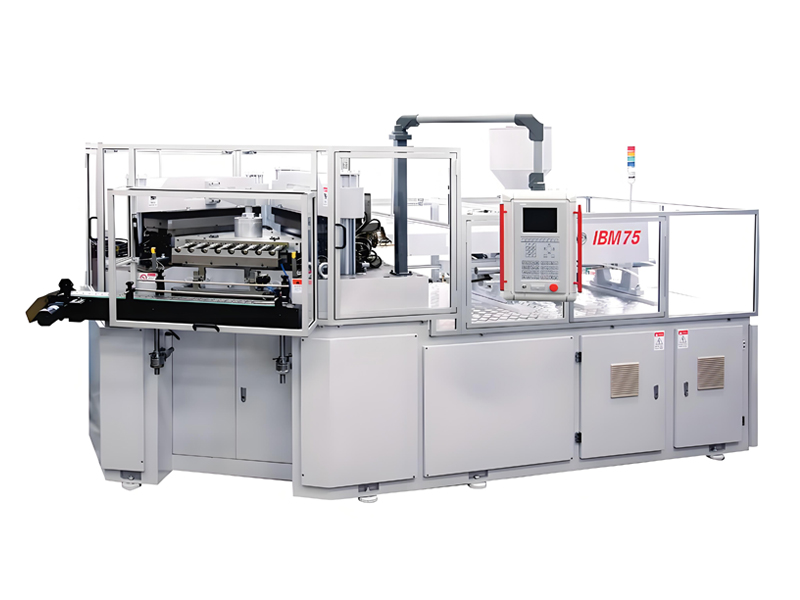
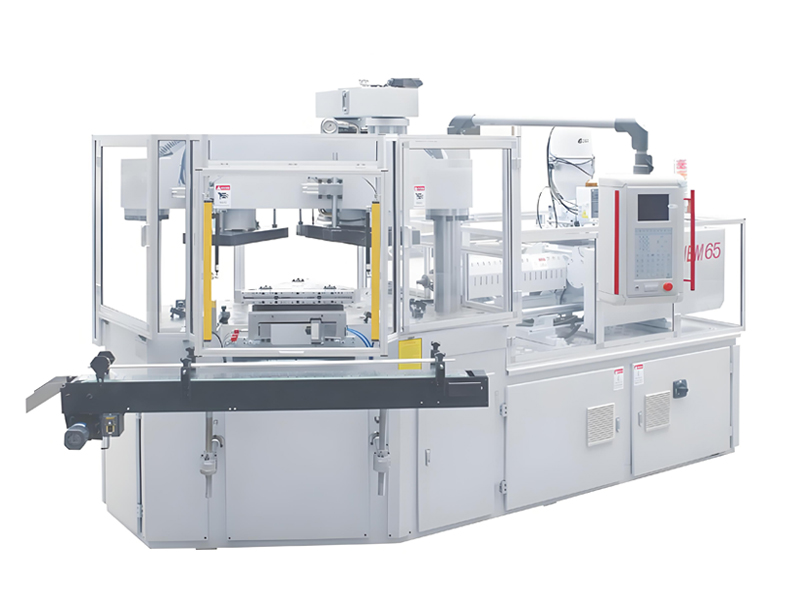
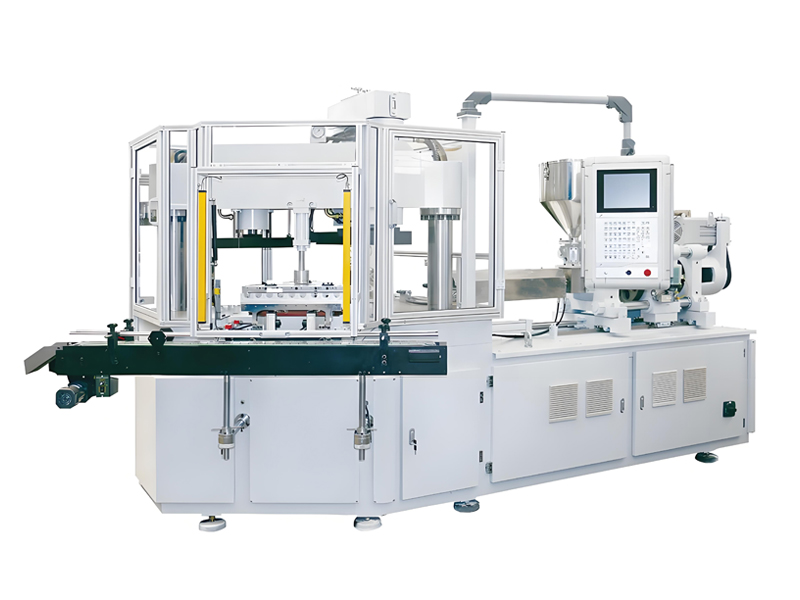
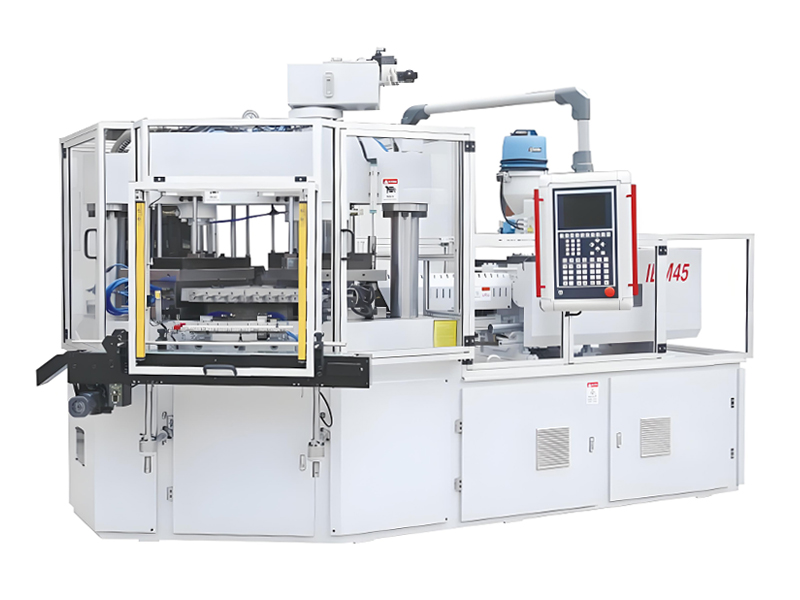
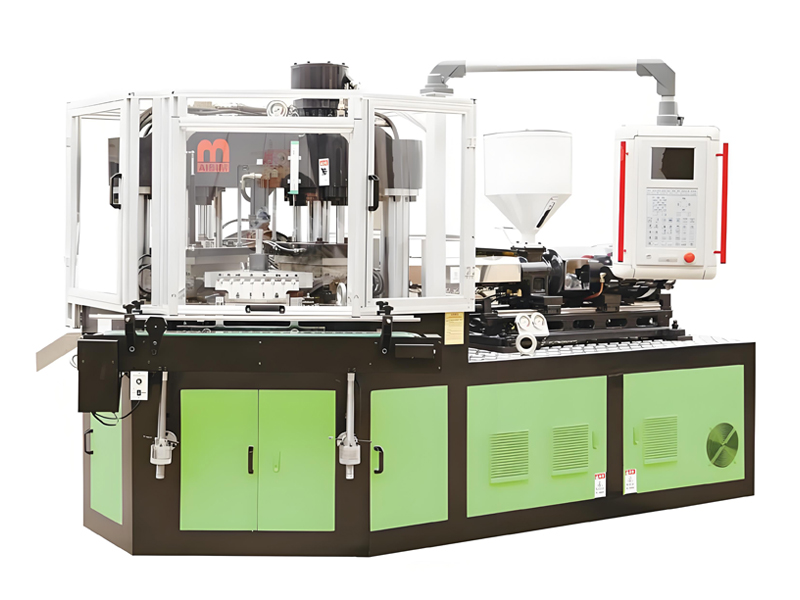
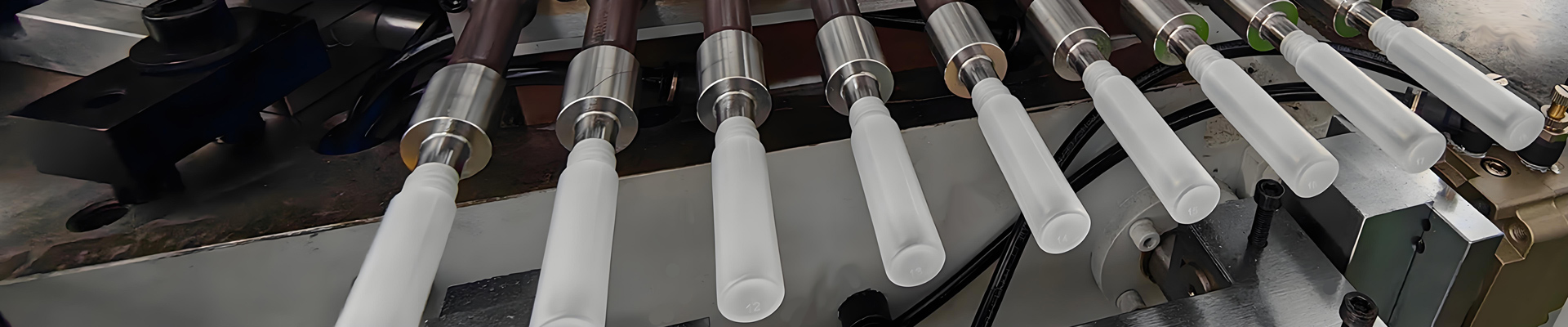
AiBiM injection blow molding machines offer efficient and precise production solutions for small capacity industrial plastic tanks, providing advantages over conventional manufacturing processes including extrusion blow molding, rotational molding, or thermoforming. Injection blow molding enables consistent wall thickness, precise dimensional control, and superior surface quality, particularly important for industrial applications requiring leak resistance, pressure tolerance, and compatibility with aggressive chemicals. AiBiM machines produce tanks meeting stringent industrial standards with production costs typically 20 to 30 percent lower than traditional manufacturing methods.
The industrial plastic tank market is highly diversified, with applications across virtually every industry sector. Chemical processing industries require tanks resistant to corrosive materials at various temperatures and pressures. Pharmaceutical industries need tanks meeting stringent GMP requirements with smooth surfaces for easy cleaning and contamination prevention. Water treatment facilities use tanks for chemical dosing, filtration media storage, and process solutions. Each application presents unique challenges that can be effectively addressed through specialized material selection, tank design, and production process optimization using advanced injection blow molding technology.
Technical Requirements for Industrial Plastic Tanks
Industrial plastic tanks must meet rigorous technical requirements to ensure safe operation and reliable performance in demanding environments. AiBiM injection blow molding machines are designed to produce tanks meeting these requirements through precise control of key manufacturing parameters and material selection capabilities.
Wall thickness consistency represents a critical performance parameter for industrial tanks. Uneven wall thickness can cause stress concentrations, potential failure points, and inconsistent pressure rating capabilities. AiBiM injection blow molding machines maintain wall thickness uniformity within plus or minus 0.1 millimeters across the entire tank surface, including corners and base areas that present challenges for other manufacturing processes. This precision ensures consistent pressure rating capabilities and eliminates weak points that could lead to failure under normal operating conditions or unexpected pressure surges.
Dimensional accuracy is essential for tanks requiring connections to pipelines, mixing systems, or other process equipment. AiBiM machines achieve dimensional tolerances within plus or minus 0.2 percent of nominal dimensions, ensuring proper fit with associated equipment without requiring on-site modification or machining. This precision is particularly critical for tanks with integrated connection points, level indicator ports, or mounting brackets that require precise alignment with auxiliary equipment. Injection blow molding technology maintains accuracy throughout production runs, ensuring consistent interchangeability between multiple tanks installed in the same facility or process system.
Surface finish quality directly impacts tank performance for many applications. Smooth internal surfaces reduce flow resistance, minimize chemical buildup, and facilitate thorough cleaning required for pharmaceutical and food processing applications. AiBiM machines produce surfaces with Ra values under 0.8 micrometers, meeting the most demanding hygiene requirements. External surfaces are smooth and uniform, facilitating handling, stacking, and label application. The consistent surface quality achieved through injection blow molding eliminates variations caused by manual finishing or post-production processing steps required with other manufacturing methods.
Pressure and vacuum rating capabilities are essential for many industrial applications. AiBiM injection blow molding machines produce tanks rated for operating pressures from atmospheric pressure up to 10 bar depending on material selection, wall thickness, and tank design. Vacuum ratings down to 0.9 bar can be achieved through optimized rib patterns and material reinforcement strategies. The injection blow molding process creates homogeneous tank walls without weld lines or material discontinuities that can act as failure points under pressure or vacuum loading conditions. Tank design optimization software ensures proper structural integrity while minimizing material usage and production costs.
Material Selection for Industrial Plastic Tanks
AiBiM injection blow molding machines accommodate a wide range of thermoplastic materials suitable for industrial tank applications. Material selection depends on specific requirements including chemical resistance, temperature tolerance, mechanical strength, cost considerations, and regulatory compliance requirements.
High-Density Polyethylene (HDPE) represents the most common material for small capacity industrial tanks due to its excellent chemical resistance, impact strength, and cost-effectiveness. HDPE tanks are resistant to acids, bases, solvents, and salts, making them suitable for general industrial chemical storage and process applications. AiBiM machines process HDPE with melt temperatures between 190 and 240 degrees Celsius, producing tanks with tensile strength up to 28 MPa and flexural modulus of 1,000 MPa. HDPE tanks typically cost $50 to $300 per unit depending on capacity and design requirements, providing excellent value for most industrial applications.
Polypropylene (PP) offers higher temperature resistance compared to HDPE, maintaining structural integrity up to 100 degrees Celsius for continuous use and 120 degrees Celsius for short-term applications. PP exhibits excellent resistance to strong acids, oxidizing agents, and organic solvents, making it suitable for chemical processing and food applications. AiBiM machines process PP with melt temperatures between 200 and 250 degrees Celsius, producing tanks with tensile strength up to 35 MPa and flexural modulus of 1,400 MPa. PP tanks typically cost 20 to 30 percent more than equivalent HDPE tanks, ranging from $60 to $400 per unit depending on specifications.
Polyethylene Terephthalate (PET) provides exceptional clarity, mechanical strength, and barrier properties, making it suitable for specialty applications requiring product visibility or moisture resistance. PET tanks exhibit good chemical resistance to acids, alcohols, and oils, but have limited resistance to strong bases and some solvents. AiBiM machines process PET with melt temperatures between 250 and 280 degrees Celsius, requiring precise temperature control to avoid material degradation. PET tanks offer tensile strength up to 45 MPa and flexural modulus of 2,500 MPa, providing excellent impact resistance despite relatively high modulus. PET tanks typically cost $80 to $500 per unit due to higher material costs and processing complexity.
Engineering plastics including Polyvinylidene Fluoride (PVDF), Polyethylene Naphthalate (PEN), and Polyphenylene Sulfide (PPS) offer specialized properties for demanding applications requiring exceptional chemical resistance, high-temperature stability, or regulatory compliance. PVDF provides broad chemical resistance including strong acids, bases, and solvents, with continuous use temperatures up to 140 degrees Celsius. PEN offers excellent thermal stability and barrier properties, while PPS provides exceptional chemical resistance at temperatures up to 200 degrees Celsius. These materials typically cost $200 to $1,000 per unit depending on material type and tank specifications, representing significant investment for specialized applications requiring their unique properties.
Multi-layer technology enables combining different material properties within a single tank structure. AiBiM machines support multi-layer injection blow molding, creating tanks with internal layers optimized for chemical resistance, intermediate layers for structural strength, and external layers for UV stability or impact resistance. Multi-layer construction typically adds 30 to 50 percent to production costs compared to single-layer tanks, but provides performance characteristics not achievable with homogeneous materials. These advanced structures enable cost-effective solutions for complex applications requiring multiple performance attributes simultaneously.
AiBiM Injection Blow Molding Solutions for Plastic Tanks
AiBiM offers specialized injection blow molding solutions tailored for efficient production of small capacity industrial plastic tanks. These machines incorporate design features optimizing tank production throughput, quality consistency, and material utilization efficiency while maintaining competitive pricing and comprehensive service support.
The AiBiM IBM-200 series represents the entry-level solution for small capacity tank production, suitable for containers from 2 liters to 20 liters. These machines feature clamping forces ranging from 50 to 100 tons, shot capacities from 80 to 250 grams, and production rates up to 1,200 units per hour depending on tank size and cavity configuration. Pricing starts at $65,000 for basic models, increasing to $120,000 for multi-cavity configurations with advanced control systems and automation features. The IBM-200 series provides cost-effective entry into tank production for small businesses or niche application requirements.
For medium-sized tanks ranging from 10 liters to 50 liters, AiBiM offers the IBM-400 series with clamping forces from 120 to 200 tons, shot capacities from 200 to 450 grams, and production rates up to 800 units per hour for single-cavity molds. These machines incorporate enhanced structural components for handling larger molds and heavier production cycles while maintaining precision control and consistent product quality. Pricing ranges from $110,000 to $220,000 depending on configuration and automation options. The IBM-400 series provides the ideal balance between production capacity, precision control, and cost-effectiveness for most industrial tank applications.
High-performance production is achieved with the AiBiM IBM-HD series, designed for heavy-duty tank production requirements. These machines deliver clamping forces up to 300 tons, shot capacities up to 700 grams, and feature advanced control systems ensuring consistent quality in high-volume production environments. The IBM-HD series incorporates robust construction, energy-efficient servo-hydraulic systems, and rapid mold change capabilities to minimize downtime and maximize productivity. Pricing starts at $200,000 for basic configurations, increasing to $350,000 with full automation, multi-layer capabilities, and advanced quality monitoring systems. This series targets manufacturers with high-volume production requirements or complex tank designs requiring specialized processing capabilities.
Specialized configurations are available for specific industry requirements. Pharmaceutical models feature stainless steel construction, food-grade seals, and GMP-compliant controls with comprehensive validation documentation capabilities. Explosion-proof configurations incorporate certified electrical components for use in hazardous locations where flammable materials are present. Hygienic design options include smooth surfaces, crevice-free construction, and rapid disassembly features facilitating thorough cleaning procedures required for food and beverage applications. These specialized configurations typically cost 15 to 30 percent more than standard models depending on required modifications and compliance standards.
Production Cost Analysis for Small Capacity Plastic Tanks
The production costs for small capacity industrial plastic tanks using AiBiM injection blow molding machines are influenced by multiple factors including material selection, tank design complexity, production volume, machine configuration, and required quality standards.
Material costs represent the largest component of tank production expenses, typically accounting for 40 to 60 percent of total production costs depending on material type and wall thickness requirements. HDPE costs approximately $1.20 to $2.00 per kilogram, making it the most cost-effective material for industrial tanks. PP costs $1.50 to $2.50 per kilogram, while specialty materials like PVDF can cost $20 to $50 per kilogram for high-purity grades meeting regulatory requirements. For a 10-liter tank requiring 1.5 kilograms of material, material costs range from $1.80 to $75 depending on material selection, demonstrating significant cost variation based on application requirements.
Labor costs account for 15 to 25 percent of total production costs depending on automation level and production volume. AiBiM machines feature advanced automation capabilities that reduce labor requirements significantly compared to traditional manufacturing methods. A single operator can monitor 2 to 4 injection blow molding machines depending on level of automation and required manual intervention. Fully automated production cells require minimal operator presence, focusing primarily on material replenishment, quality control, and monitoring system status. Labor costs for tank production typically range from $0.50 to $3.00 per unit depending on production volume and geographic labor rates.
Energy consumption represents 5 to 15 percent of total production costs depending on machine technology and energy prices. Traditional hydraulic injection blow molding machines consume 60 to 100 kilowatt-hours per hour of operation. AiBiM machines incorporate energy-efficient servo-hydraulic or all-electric systems that reduce energy consumption by 25 to 40 percent compared to conventional hydraulic machines. For a machine operating 2,000 hours annually with electricity costs of $0.10 per kilowatt-hour, annual energy costs range from $900 to $1,500 per machine. Per unit energy costs range from $0.05 to $0.30 depending on production rates and energy prices.
Maintenance costs account for 3 to 8 percent of total production costs, influenced by machine complexity, operating conditions, and maintenance program effectiveness. AiBiM machines are designed for reliability with extended maintenance intervals and easy access to service components. Basic maintenance activities include filter replacements, lubrication, and system calibration every 2,000 operating hours, typically costing $1,500 to $3,000 per service. Comprehensive maintenance every 8,000 operating hours includes major component inspection and performance verification, costing $5,000 to $10,000 per service. Per unit maintenance costs range from $0.10 to $0.50 depending on production volume and machine complexity.
Overhead costs including factory space, management support, quality control, and administration account for 10 to 20 percent of total production costs. These costs vary significantly depending on organizational structure, geographic location, and production volume. High-volume production facilities achieve economies of scale that reduce per unit overhead costs significantly compared to small-scale production operations. Overhead costs per unit typically range from $0.50 to $3.00, depending on production volume and overhead structure efficiency.
Quality Control and Certification for Industrial Tanks
Quality assurance and compliance with relevant industry standards are paramount for industrial plastic tank applications. AiBiM injection blow molding machines incorporate comprehensive quality control systems and produce tanks meeting or exceeding international quality and safety standards for industrial use.
Each tank undergoes multiple quality checks during production to ensure compliance with specifications and performance requirements. In-process monitoring systems continuously verify wall thickness, dimensional accuracy, and surface quality characteristics, automatically rejecting non-conforming units before completing the production cycle. AiBiM machines maintain statistical process control parameters that track process capability indices, enabling proactive adjustments to maintain production within required specifications. Statistical process control ensures consistent quality levels with process capability indices typically exceeding 1.33 for critical dimensions and wall thickness measurements.
Post-production testing verifies critical performance attributes including leak resistance, pressure tolerance, and structural integrity. Leak testing involves subjecting tanks to internal pressure 1.5 times the operating pressure rating for 30 minutes while monitoring for pressure decay or visual signs of leakage. Impact resistance testing evaluates ability to withstand accidental drops or handling forces without damage, particularly important for transportation and installation scenarios. Environmental stress cracking resistance testing ensures tanks withstand chemical exposure under mechanical loading conditions over extended periods. These tests provide assurance that tanks will perform reliably throughout their service life under expected operating conditions.
Product certification documents compliance with international safety, quality, and performance standards. AiBiM tanks are manufactured to ISO 9001 quality management system requirements and meet specific product standards including ASTM D-1998 for polyethylene tanks and ASTM D-4169 for transportation package testing. Specialized certifications include FDA food contact approval for tanks used in food processing applications, NSF/ANSI 61 certification for water treatment applications, and UL certification for use in hazardous locations when configured with explosion-proof electrical components. Certification costs are typically included in machine purchase price or production costs, with additional third-party testing fees ranging from $1,000 to $5,000 per product type depending on certification scope and complexity.
Traceability systems provide comprehensive tracking of each tank throughout production, raw material supply chain, and distribution process. Serial numbers link tanks to production batch records, raw material certificates of analysis, and quality control test results. This traceability enables rapid investigation of potential quality issues and facilitates targeted product recall management if necessary while maintaining compliance with strict regulatory requirements in pharmaceutical and food industries. AiBiM machines incorporate integrated barcode or RFID tagging systems that enable automated tracking throughout production and distribution processes at additional costs of $5,000 to $15,000 per machine depending on implementation scope and integration requirements.
Applications Across Industrial Sectors
Small capacity industrial plastic tanks produced using AiBiM injection blow molding machines find applications across diverse industries, providing storage and processing solutions tailored to specific sector requirements.
Chemical processing industries represent the largest user of small capacity plastic tanks, employing them for storage of raw materials, intermediate process solutions, and final product formulations. AiBiM machines produce tanks resistant to acids, bases, solvents, and corrosive chemicals used in chemical manufacturing processes. These tanks are used as mixing vessels, reaction containers, and transfer vessels in continuous and batch processing operations. Customization options include integrated agitator mounts, level indicator ports, and specialized connections facilitating integration into complex chemical production lines. The corrosion resistance and cost-effectiveness of plastic tanks provide significant advantages over traditional metal containers in many chemical applications.
Pharmaceutical and biotechnology industries utilize small capacity tanks for drug manufacturing, formulation preparation, and sterile product processing. AiBiM machines produce tanks meeting stringent GMP requirements with smooth surfaces, crevice-free construction, and cleanability facilitating compliance with regulatory standards. These tanks are used for storage of active pharmaceutical ingredients (APIs), preparation of intermediate solutions, and final product packaging materials. Material selection focuses on compliance with USP Class VI biocompatibility standards and FDA food contact requirements. Comprehensive validation documentation including IQ/OQ/PQ protocols supports regulatory submissions and ongoing compliance maintenance activities.
Water treatment facilities employ plastic tanks for chemical storage, media backwashing solutions, and process water holding. AiBiM machines produce tanks resistant to aggressive chemicals used in water treatment processes including chlorine, coagulants, flocculants, and pH adjustment chemicals. NSF/ANSI 61 certification ensures tanks meet safety standards for drinking water applications. Tanks are configured with specialized fittings, venting systems, and level monitoring instrumentation facilitating integration into automated water treatment control systems. Corrosion resistance eliminates concerns associated with metal containers in chemically aggressive water treatment environments.
Food and beverage processing industries use plastic tanks for ingredient storage, product mixing, and intermediate processing stages. AiBiM machines produce tanks with food-grade materials and smooth surfaces facilitating thorough cleaning and sanitation procedures required by food safety regulations. These tanks accommodate various food products including beverages, dairy products, sauces, and ingredient solutions. Temperature control capabilities enable processing of hot or cold products while maintaining product integrity and quality standards. Customization options include jacketed constructions for temperature control, sanitary fittings for clean-in-place systems, and specialized agitation systems for product mixing and suspension applications.
Automotive and aerospace manufacturing use plastic tanks for storing coolants, lubricants, hydraulic fluids, and specialty chemical solutions. AiBiM machines produce tanks with precise dimensional requirements and compatibility with aggressive automotive fluids while maintaining structural integrity under varying operating temperatures. Lightweight construction reduces vehicle weight, contributing to improved fuel efficiency and reduced emissions. Tanks are designed to withstand vibration, impact, and temperature fluctuations experienced in automotive and aerospace operating environments. Advanced material selection ensures compatibility with synthetic fluids and lubricants used in modern engine systems and hydraulic components.
Advantages of Injection Blow Molding Over Competing Technologies
AiBiM injection blow molding technology offers significant advantages over competing tank manufacturing processes including extrusion blow molding, rotational molding, and thermoforming for small capacity industrial tank production applications.
Compared to extrusion blow molding, injection blow molding provides superior wall thickness control with variations typically under 5 percent compared to 15 to 30 percent variations common with extrusion blow molding. This precision enables consistent pressure rating capabilities and material savings through optimized wall thickness design tailored to specific stress requirements rather than uniform thickness dictated by process limitations. Injection blow molding also eliminates the need for secondary trimming operations required with extrusion blow molding, reducing production time and material waste by 10 to 15 percent compared to extrusion blow molding alternatives.
Versus rotational molding, injection blow molding offers faster production cycles enabling higher throughput rates. Cycle times for injection blow molding typically range from 30 to 90 seconds depending on tank size compared to 2 to 10 minutes required for rotational molding. This productivity advantage enables meeting higher volume production requirements with fewer machines, reducing capital investment and factory floor space requirements. Injection blow molding also provides superior dimensional accuracy with variations under 0.2 percent compared to 2 to 5 percent variations common with rotational molding, ensuring proper fit with associated equipment and connections without requiring post-production machining or fitting adjustments.
Compared to thermoforming, injection blow molding produces homogeneous tank walls without seams or thickness variations inherent in thermoformed products, providing superior structural integrity and pressure resistance capabilities. Thermoformed tanks typically have thinner walls in stretched areas that can become failure points under pressure loading conditions. Injection blow molding enables integrated design features including molded-in flanges, fittings, and mounting brackets that are difficult or impossible to produce through thermoforming without secondary operations that increase production costs and reduce production efficiency.
Material utilization efficiency represents another key advantage, with injection blow molding achieving material usage efficiency typically exceeding 98 percent compared to 85 to 95 percent efficiency for competing technologies. This efficiency reduces material costs significantly for high-volume production operations while minimizing environmental impact through reduced material waste generation. The ability to precisely control wall thickness distribution through computerized process control enables material optimization strategies that reduce overall material consumption by 10 to 20 percent compared to uniform thickness designs required by alternative manufacturing technologies.
Future Developments in Industrial Tank Production
Emerging technologies and market trends continue to drive innovation in industrial tank production, with AiBiM injection blow molding machines evolving to meet changing industry requirements and application demands.
Sustainable manufacturing practices represent a major trend influencing industrial tank design and production processes. AiBiM machines are being optimized for processing recycled materials and bio-based plastics, including post-consumer recycled HDPE and bio-based polyethylene derived from sugarcane feedstock. These sustainable materials offer similar performance characteristics to virgin materials while reducing environmental impact through reduced fossil fuel consumption and carbon emissions. Processing recycled materials requires specialized screw designs and melt filtration systems to maintain product quality with potential production cost increases of 5 to 15 percent compared to virgin materials depending on material source and purity level.
Smart tank technologies integrating sensors, connectivity, and data analytics capabilities enable remote monitoring, predictive maintenance, and real-time performance optimization. AiBiM machines produce tanks with integrated sensor ports for temperature, pressure, and level monitoring instrumentation. Internet of Things connectivity enables remote monitoring of tank conditions, providing early warning of potential issues including leaks, contamination, or performance degradation. Smart tank systems typically add 10 to 30 percent to initial tank costs but provide significant operational benefits including reduced maintenance costs, improved process control, and enhanced safety through proactive issue detection and resolution capabilities.
Advanced composite materials combining plastics with reinforcing fibers or nanoparticles enable enhanced performance characteristics including improved strength-to-weight ratio, increased temperature resistance, and enhanced chemical resistance capabilities. AiBiM machines support processing of composite materials including long-fiber thermoplastics (LFTs) and nano-filled polymers that offer significantly improved mechanical properties compared to unfilled thermoplastics. These advanced materials enable production of lighter weight tanks with equivalent or superior structural strength compared to traditional materials, reducing transportation costs and improving installation efficiency. Composite materials typically cost 30 to 100 percent more than conventional plastics depending on reinforcement type and processing complexity requirements.
Additive manufacturing (3D printing) is emerging as complementary technology for low-volume or custom tank production applications. AiBiM offers hybrid production solutions combining injection blow molding for high-volume standardized tank production with additive manufacturing for small-batch custom tanks requiring specialized geometries or configurations not suitable for traditional molding processes. Additive manufacturing enables rapid prototyping and customization without requiring expensive tooling investments that can range from $5,000 to $50,000 for conventional injection molds. For production volumes under 100 units, additive manufacturing often provides more cost-effective solutions compared to traditional molding technologies despite slower production rates and material limitations compared to injection blow molding alternatives.
Conclusion
AiBiM injection blow molding machines represent efficient, cost-effective, and technologically advanced solutions for production of small capacity industrial plastic tanks. These machines offer technical capabilities matching or exceeding traditional manufacturing technologies while maintaining competitive pricing and comprehensive service support systems. The ability to produce tanks with precise dimensional control, consistent wall thickness, and superior surface quality enables meeting stringent industrial application requirements across diverse industry sectors.
Material selection flexibility enables tailoring tank performance properties to specific application requirements including chemical resistance, temperature tolerance, mechanical strength, and regulatory compliance standards. Comprehensive quality control systems and product certification provide assurance of reliable performance and compliance with international safety and quality standards for critical industrial applications.
Cost analysis demonstrates significant cost advantages compared to alternative manufacturing technologies, particularly for medium to high-volume production requirements. The total cost of ownership advantages extend beyond initial purchase price to include lower operating costs, reduced material waste, and improved production efficiency through advanced automation capabilities and intelligent process control systems.
As industrial requirements evolve with increasing emphasis on sustainability, smart manufacturing, and product customization, AiBiM injection blow molding machines provide flexible production solutions addressing these emerging trends while maintaining high production efficiency and product quality standards. The continuous technology development and application engineering support provided by AiBiM ensure manufacturers have access to state-of-the-art production capabilities enabling ongoing competitive advantage in evolving global industrial markets.