Introduction
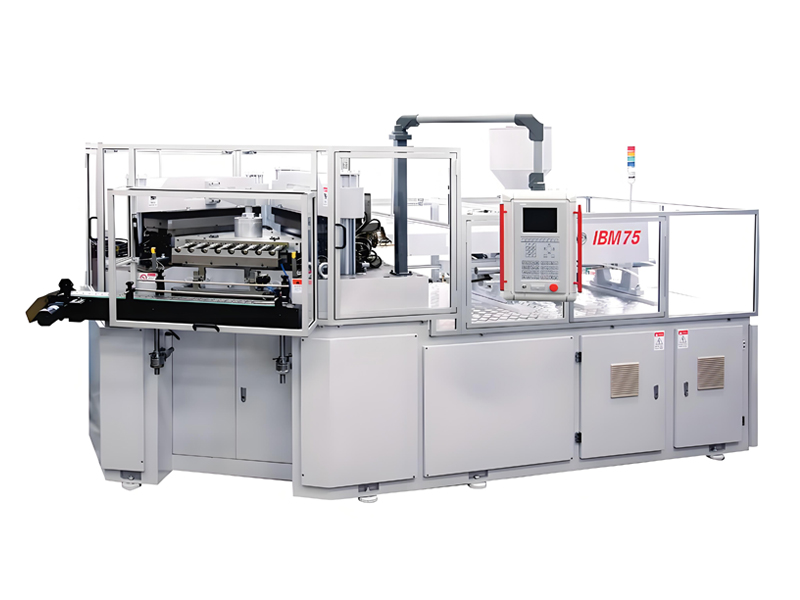
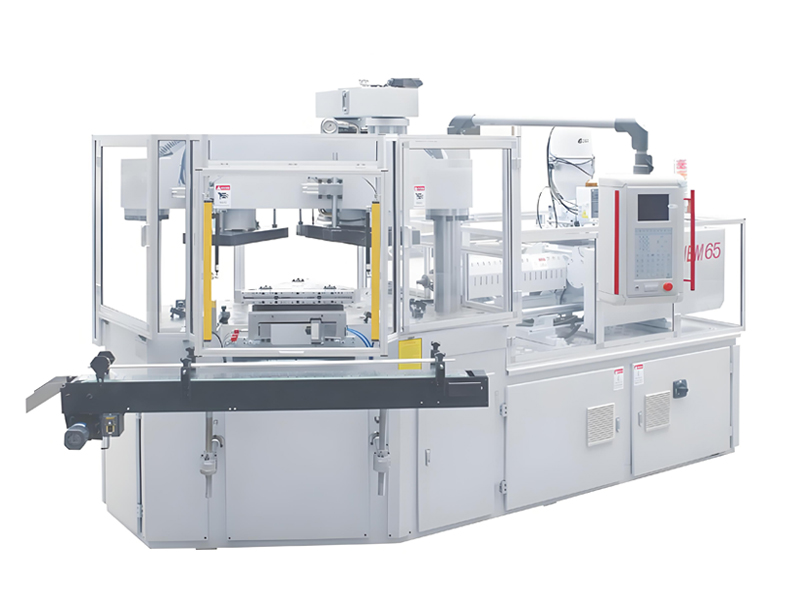
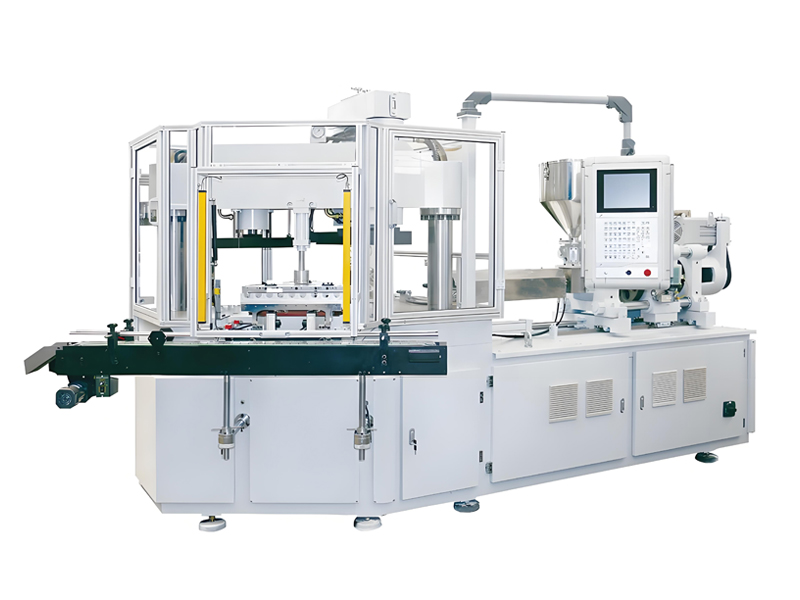
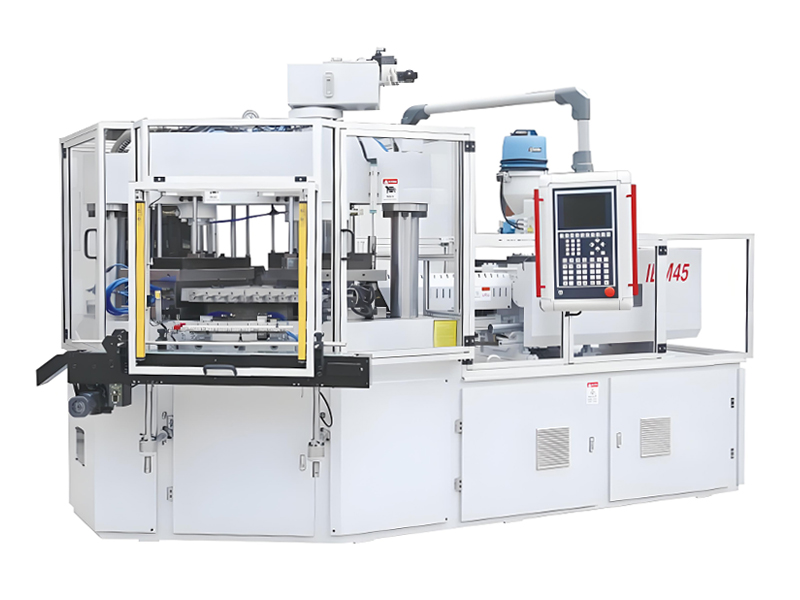
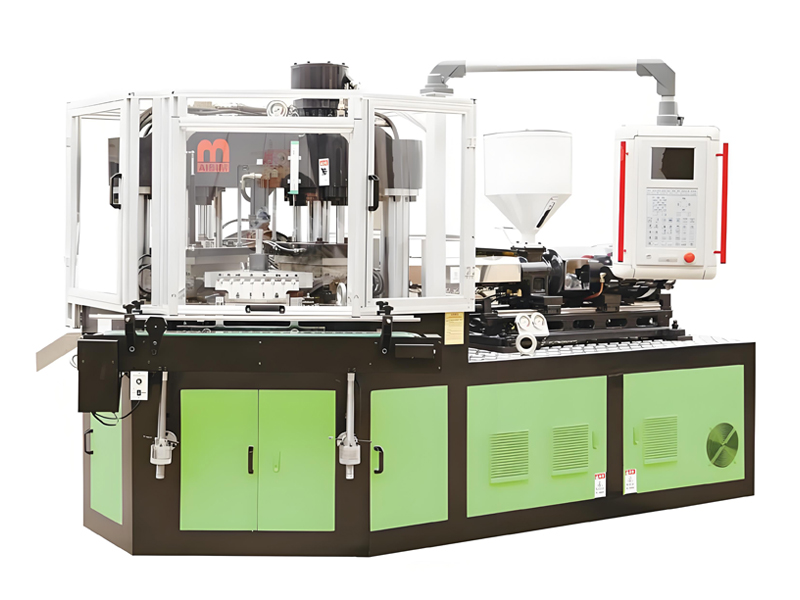
Energy consumption represents one of the most significant operational costs in injection blow molding operations, typically accounting for 30-50% of total variable production costs. As energy prices continue rising globally and environmental regulations become more stringent, manufacturers increasingly seek energy-efficient injection blow molding machines that deliver significant electricity cost savings while maintaining production quality and output. AiBiM injection blow molding machines have pioneered energy-efficient technologies that reduce electricity consumption by 40-60% compared to traditional equipment, delivering substantial cost savings and environmental benefits.
The comprehensive approach to energy efficiency in injection blow molding encompasses multiple systems including servo-electric drives replacing hydraulic systems, advanced thermal management systems, energy recovery technologies, intelligent control systems optimizing energy use, and process innovations reducing energy requirements per unit produced. AiBiM energy-efficient machines integrate all these technologies seamlessly, delivering industry-leading energy performance without compromising production quality, cycle times, or output capabilities.
Understanding Energy Consumption in Injection Blow Molding
Energy Consumption Breakdown
Injection blow molding energy consumption can be analyzed across multiple system components and process stages. The injection system typically consumes 35-45% of total energy, particularly in traditional hydraulic systems where energy is wasted maintaining constant hydraulic pressure even when not required. The blow molding system consumes 20-30% of total energy through air compression and mold heating. The cooling system represents 15-25% of total energy consumption through chillers and cooling water pumps. Heaters and thermal control systems account for 10-15% of total energy consumption maintaining required processing temperatures. Auxiliary systems including conveyors, automation, and lighting consume the remaining 5-10% of total energy.
This energy breakdown highlights significant opportunities for energy savings through targeted system improvements. Traditional hydraulic injection systems waste substantial energy maintaining pressure during idle periods, a problem eliminated by servo-electric systems that only consume energy when actively moving. Cooling systems often operate at full capacity regardless of actual cooling requirements, creating opportunities for variable speed drives and intelligent control systems reducing energy consumption by 30-50%.
Energy Cost Impact on Production Economics
Energy costs significantly impact production economics and profitability for injection blow molding operations. Energy costs per unit produced vary by product size, material, and equipment efficiency, typically ranging from $0.03-$0.15 per container for standard bottles to $0.08-$0.30 per unit for larger containers and thicker wall sections. For production facilities operating 5000-8000 hours annually, energy costs can total $100,000-$400,000 per year depending on equipment efficiency and energy rates.
Energy efficiency improvements translate directly to improved profitability. For a production facility consuming $200,000 annually in electricity, a 40% energy reduction saves $80,000 per year. These savings represent pure profit improvement, directly impacting bottom line performance. Energy efficiency investments typically deliver return on investment periods of 18-36 months through electricity cost savings alone, making energy-efficient equipment financially attractive even without considering additional benefits like reduced maintenance and improved environmental performance.
AiBiM Energy-Efficient Technologies
Servo-Electric Drive Systems
Servo-electric drive systems represent the most significant energy-saving advancement in injection blow molding technology, replacing traditional hydraulic systems with electric servo motors and drives providing precise motion control while consuming energy only when actively moving. Traditional hydraulic systems continuously run hydraulic pumps maintaining constant pressure, wasting substantial energy during idle periods between injection cycles. Servo-electric systems eliminate this waste by only consuming energy during active motion, reducing energy consumption by 50-70% for the injection system alone.
AiBiM servo-electric systems provide additional benefits beyond energy savings. Precise control enables shot size repeatability within plus or minus 0.1%, significantly better than hydraulic systems. Reduced maintenance eliminates hydraulic oil requirements, hydraulic pump maintenance, and associated disposal costs. Cleaner operation without hydraulic oil eliminates contamination risks particularly important for food contact and pharmaceutical applications. Noise reduction of 50-70% improves working conditions and reduces environmental noise impact.
Initial investment for servo-electric systems is typically 20-30% higher than traditional hydraulic systems, but energy savings typically pay back this premium within 18-24 months. Over 5-year equipment lifetime, servo-electric systems typically deliver total savings of $80,000-$200,000 compared to hydraulic systems considering energy savings, maintenance reductions, and operational benefits.
Variable Speed Drives
Variable speed drives (VSDs) applied to motors throughout injection blow molding equipment enable precise speed control matching actual demand rather than running motors at full speed continuously. Traditional fixed-speed motors run at full speed regardless of actual requirements, wasting energy through excess speed and power. VSDs reduce energy consumption by 30-50% by matching motor speed to actual requirements, automatically adjusting based on load conditions and production needs.
AiBiM applies variable speed drives to multiple systems including cooling pumps, hydraulic pumps on hybrid systems, material handling equipment, and auxiliary systems. Cooling systems benefit particularly from VSD technology, reducing energy consumption by adjusting pump speed based on actual cooling load rather than running continuously at full capacity. Material handling systems including loaders and conveyors reduce energy consumption by adjusting speed based on actual material flow requirements.
VSD implementation typically costs $5,000-$15,000 per motor drive depending on motor size and application complexity. Energy savings typically deliver payback periods of 12-24 months, faster for motors with higher runtime hours and larger power ratings. For production facilities running 24/7, VSDs on major motors typically deliver annual savings of $8,000-$25,000 per drive depending on motor size and operating profile.
Advanced Thermal Management
Advanced thermal management systems optimize energy use for heating and cooling processes representing significant energy consumption in injection blow molding. Intelligent heating control systems use predictive algorithms to optimize heating power based on thermal requirements, reducing energy consumption by 20-30% compared to traditional PID controllers. These systems anticipate thermal requirements based on cycle time changes, ambient conditions, and material characteristics, applying optimal heating power without overshooting.
AiBiM thermal optimization includes zone-specific heating control enabling different heating profiles for different mold areas, focusing heating energy where required most. Insulated barrel and mold components reduce heat loss by 30-50%, lowering the energy required to maintain processing temperatures. Heat recovery systems capture waste heat from processes including hydraulic cooling and compressor discharge, repurposing this energy for pre-heating materials or facility heating. These systems can reduce total energy consumption by 10-15% in suitable applications.
Energy Recovery Systems
Regenerative Braking Systems
Regenerative braking systems capture kinetic energy from moving components during deceleration phases, converting this energy to electrical power fed back into facility electrical systems. In injection blow molding, significant energy dissipation occurs during deceleration of moving components including carriage movement, mold closing, and ejection systems. Traditional systems dissipate this energy as heat through braking resistors, wasting potential energy savings.
AiBiM regenerative systems capture this deceleration energy, converting it to electrical power usable elsewhere in the facility. Energy recovery efficiency typically ranges from 60-80% of kinetic energy, reducing overall energy consumption by 5-15% depending on machine size and cycle profile. The captured energy can be immediately used by other equipment, stored in capacitors for short-term use, or fed back into facility grid systems providing facility-wide benefits.
Regenerative braking implementation costs typically $8,000-$20,000 per machine depending on size and system complexity. Energy savings typically deliver payback periods of 24-36 months, faster for machines with high-cycle-time operations and substantial moving mass. Beyond direct energy savings, regenerative systems reduce brake resistor maintenance and improve working conditions by reducing heat dissipation requirements.
Heat Recovery Technologies
Heat recovery systems capture waste heat from various processes and repurpose it for useful applications, reducing overall energy consumption. In injection blow molding, substantial waste heat is generated from hydraulic cooling, compressor discharge, and process cooling. Traditional systems dissipate this heat through cooling towers and chillers, wasting thermal energy that could provide useful heating.
AiBiM heat recovery systems capture waste heat from compressors using air-to-water heat exchangers, producing hot water for material pre-heating, facility heating, or other thermal applications. Hydraulic system heat recovery captures heat from hydraulic cooling, providing thermal energy for various uses. Recovery efficiency typically ranges from 50-70% of available waste heat, reducing total energy consumption by 8-12% depending on process characteristics and recovery system design.
Heat recovery system costs vary based on application and capacity, typically ranging from $15,000-$45,000 per system. Payback periods range from 18-42 months depending on energy prices and thermal load requirements. Beyond direct energy savings, heat recovery reduces chiller and cooling tower loading, potentially reducing capital costs for new facilities or enabling expansion without additional cooling infrastructure.
Intelligent Control Systems
Energy Monitoring and Optimization
Comprehensive energy monitoring systems provide real-time visibility into energy consumption patterns across all machine systems, enabling targeted optimization and continuous improvement. Advanced monitoring systems measure electrical consumption at component level, tracking energy use by injection system, blow system, cooling system, heaters, and auxiliary systems. This granular data enables identification of energy waste, verification of energy-saving measures, and ongoing optimization opportunities.
AiBiM energy management systems provide real-time energy dashboards showing current consumption, historical trends, and cost analysis. Predictive analytics identify abnormal consumption patterns signaling potential problems or optimization opportunities. Benchmarking capabilities compare current consumption to historical performance and industry standards, enabling performance gap identification and targeted improvement initiatives. These systems typically reduce energy consumption by 5-10% through operational optimization and problem identification.
Energy monitoring system implementation costs range from $8,000-$25,000 per machine depending on monitoring depth and integration requirements. Energy savings typically deliver payback periods of 12-30 months, with faster returns through improved operational efficiency and reduced downtime from proactive problem identification.
Adaptive Process Control
Adaptive process control systems optimize process parameters automatically based on real-time conditions, reducing energy consumption while maintaining or improving product quality. These systems use advanced algorithms monitoring process variables including melt temperature, mold temperature, ambient conditions, and material characteristics, automatically adjusting parameters to maintain optimal conditions with minimum energy consumption.
AiBiM adaptive control systems optimize heating power based on actual thermal requirements rather than fixed schedules, reducing energy consumption by 15-25% for thermal systems. Cooling optimization adjusts cooling power based on actual heat load requirements, reducing chiller energy consumption by 20-30%. Process optimization adjusts cycle timing based on actual requirements, potentially reducing overall energy consumption by 5-10% by eliminating unnecessary cycle time elements.
Adaptive control systems typically included as standard feature on advanced AiBiM equipment or available as retrofit for existing machines. Energy savings deliver immediate benefits from installation, with typical payback periods of 6-18 months depending on application and baseline efficiency. Beyond energy savings, adaptive control improves quality consistency and reduces operator requirements.
Energy Efficiency Economics
Energy Cost Analysis
Detailed energy cost analysis provides foundation for efficiency investment decisions. Energy consumption per unit produced varies significantly based on equipment efficiency, product size, and operational profile. For standard PET bottles on traditional hydraulic equipment, energy consumption typically ranges from 0.08-0.15 kWh per unit. On energy-efficient servo-electric equipment, consumption drops to 0.04-0.08 kWh per unit. For larger containers, consumption ranges from 0.15-0.35 kWh per unit on traditional equipment to 0.08-0.18 kWh per unit on energy-efficient equipment.
Energy costs per unit depend on local electricity rates. At $0.10 per kWh, traditional equipment energy costs range from $0.008-$0.035 per unit, while energy-efficient equipment reduces costs to $0.004-$0.018 per unit. For high-volume production producing 10 million units annually, this represents energy cost savings of $40,000-$170,000 per year. At higher electricity rates of $0.20 per kWh common in many regions, annual savings double to $80,000-$340,000.
Investment and Payback Analysis
Energy-efficient equipment typically requires higher initial investment compared to traditional equipment, but energy savings typically deliver attractive returns. Servo-electric systems typically cost 20-30% more than hydraulic systems. For a $250,000 machine, servo-electric premium might be $50,000-$75,000. Energy savings of $25,000-$60,000 per year deliver payback periods of 1-3 years. Over 5-year equipment life, total savings reach $125,000-$300,000 after recovering initial premium.
Comprehensive energy efficiency retrofit packages for existing equipment typically cost $40,000-$120,000 depending on machine size and scope. Energy savings of $20,000-$50,000 per year deliver payback periods of 1-6 years depending on application and current efficiency levels. Beyond direct energy savings, retrofits often deliver maintenance reductions, quality improvements, and extended equipment life providing additional benefits.
Environmental Benefits and Incentives
Energy efficiency delivers significant environmental benefits reducing carbon emissions and environmental impact. Each kWh of electricity saved reduces CO2 emissions by 0.4-1.0 kg depending on local generation mix, with higher reductions for coal-heavy grids and lower reductions for renewable-heavy grids. For production facilities consuming 1,000,000 kWh annually, achieving 40% energy reduction saves 400,000 kWh, reducing CO2 emissions by 160-400 metric tons annually.
Many governments and utilities offer incentives for energy efficiency investments including tax credits, rebates, and low-interest financing. Incentive programs may cover 10-50% of energy efficiency project costs, dramatically improving financial returns. AiBiM assists customers in identifying available incentives and preparing required documentation. These incentives can reduce payback periods by 30-70% and transform marginal projects into attractive investments.
Operational Excellence for Energy Efficiency
Production Optimization
Production optimization strategies can significantly impact energy consumption beyond equipment technology. Cycle time optimization reduces energy consumption per unit by spreading fixed energy consumption across more units. However, optimization must balance energy savings against quality requirements and equipment capabilities. AiBiM provides cycle time optimization services reducing energy consumption by 5-15% while maintaining quality standards.
Changeover optimization reduces energy consumption during product changeovers by minimizing transition time and optimizing startup procedures. Rapid changeover systems reduce changeover energy consumption by 40-70% compared to traditional procedures. Optimized startup sequences reduce energy waste during machine warm-up, delivering savings of 10-20% during transition periods.
Production scheduling optimization reduces energy consumption by grouping similar products and optimizing start-stop sequences. Continuous operation of energy-efficient equipment typically delivers lower per-unit energy consumption than intermittent operation. Smart scheduling reduces idle periods and transition losses, improving overall energy efficiency by 3-8%.
Maintenance for Energy Efficiency
Proper maintenance is essential for maintaining energy efficiency performance over equipment lifetime. Regular maintenance prevents efficiency degradation including worn motor bearings increasing friction and energy consumption, leaking hydraulic systems wasting energy through fluid loss, fouled heat exchangers reducing heat transfer efficiency, and degraded insulation increasing thermal losses.
AiBiM preventive maintenance programs specifically address energy efficiency through regular efficiency testing, component inspection, and calibration verification. Energy efficiency audits identify degradation opportunities before they cause significant energy waste. Regular efficiency testing tracks machine performance against benchmarks, enabling early identification of problems.
Maintenance impact on energy consumption is significant. Poorly maintained equipment may consume 10-25% more energy than properly maintained equipment. Maintenance investments typically deliver energy savings of 5-15% through efficiency restoration, with payback periods of 6-18 months depending on the extent of maintenance required.
FAQ
How much can I save with energy efficient injection blow molding machines?
Energy-efficient injection blow molding machines typically reduce energy consumption by 40-60% compared to traditional hydraulic equipment. For a production facility consuming 500,000 kWh annually, this represents savings of 200,000-300,000 kWh per year. At $0.15 per kWh, this translates to annual savings of $30,000-$45,000. For larger facilities consuming 2,000,000 kWh annually, savings reach $120,000-$180,000 per year. Actual savings depend on existing equipment efficiency, product mix, operational profile, and energy prices.
What is the payback period for energy efficient equipment?
Payback periods for energy-efficient injection blow molding equipment typically range from 18-48 months depending on application and baseline efficiency. Servo-electric systems typically deliver payback in 18-30 months through energy savings alone. Comprehensive retrofit packages for existing equipment typically achieve payback in 24-60 months including energy savings, maintenance reductions, and other benefits. Incentive programs can reduce payback periods by 30-70%, making some projects attractive within 6-12 months.
How do AiBiM machines achieve such high energy efficiency?
AiBiM machines achieve industry-leading energy efficiency through comprehensive approach integrating multiple technologies. Servo-electric drive systems eliminate hydraulic energy waste, reducing injection system energy consumption by 50-70%. Variable speed drives on motors throughout equipment reduce energy consumption by 30-50% by matching speed to actual demand. Advanced thermal management optimizes heating and cooling energy use, reducing thermal system consumption by 20-30%. Energy recovery systems capture waste energy, adding 5-15% additional savings. Intelligent control systems optimize process parameters automatically, delivering 5-10% further reduction. The cumulative effect of these integrated technologies delivers 40-60% overall energy savings.
Do energy efficient machines sacrifice production speed or quality?
No, energy-efficient AiBiM machines maintain or improve production speed and quality compared to traditional equipment. Servo-electric systems provide superior precision with shot size repeatability within plus or minus 0.1%, improving quality consistency. Faster acceleration and deceleration capabilities enable faster cycle times, potentially increasing production speed. Advanced control systems optimize process parameters automatically, improving quality consistency while reducing energy consumption. Energy efficiency improvements typically come with quality and productivity enhancements rather than tradeoffs.
What maintenance is required for energy efficiency performance?
Maintaining energy efficiency performance requires preventive maintenance addressing efficiency-critical components. Regular maintenance includes lubrication of moving components, verification of motor alignment, testing of servo system performance, inspection of thermal insulation, calibration of control systems, verification of cooling system efficiency, and testing of energy recovery systems. AiBiM provides preventive maintenance programs specifically designed to maintain energy efficiency performance, typically requiring 4-8 hours monthly for comprehensive maintenance. Preventive maintenance typically recovers 5-15% energy efficiency lost through gradual degradation between maintenance events.
Are there incentives available for energy efficiency investments?
Yes, many governments and utilities offer incentives for energy efficiency investments. Incentive programs may include tax credits covering 10-30% of project costs, rebates providing direct payments for energy efficiency measures, low-interest financing reducing borrowing costs, and accelerated depreciation improving tax benefits. AiBiM assists customers in identifying available incentives for their specific location and project, helping prepare required documentation and applications. Incentive availability and amounts vary by region, but many programs significantly improve financial returns on energy efficiency investments.
Conclusion
Energy-efficient injection blow molding machines represent smart investments delivering substantial electricity cost savings, improved environmental performance, and enhanced competitiveness. AiBiM energy-efficient technology combines servo-electric drives, advanced thermal management, energy recovery systems, and intelligent control to deliver 40-60% energy savings while maintaining or improving production quality and speed. Understanding energy consumption patterns, efficiency technologies, investment economics, and operational strategies enables manufacturers to maximize benefits from energy efficiency investments.
Investment in AiBiM energy-efficient injection blow molding technology delivers compelling returns through electricity cost savings, environmental benefits, and competitive advantages. Rising energy prices and environmental regulations make energy efficiency increasingly important for business viability. The comprehensive support infrastructure including engineering expertise, financing assistance, and performance verification ensures successful implementation and sustained energy savings throughout equipment lifetime. Energy efficiency represents not just cost reduction but strategic imperative for future manufacturing competitiveness and sustainability.