Introduction
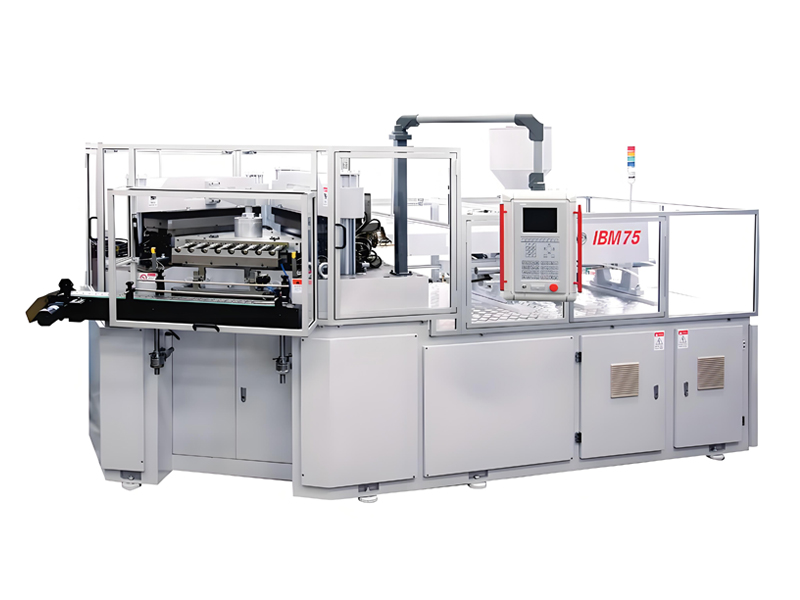
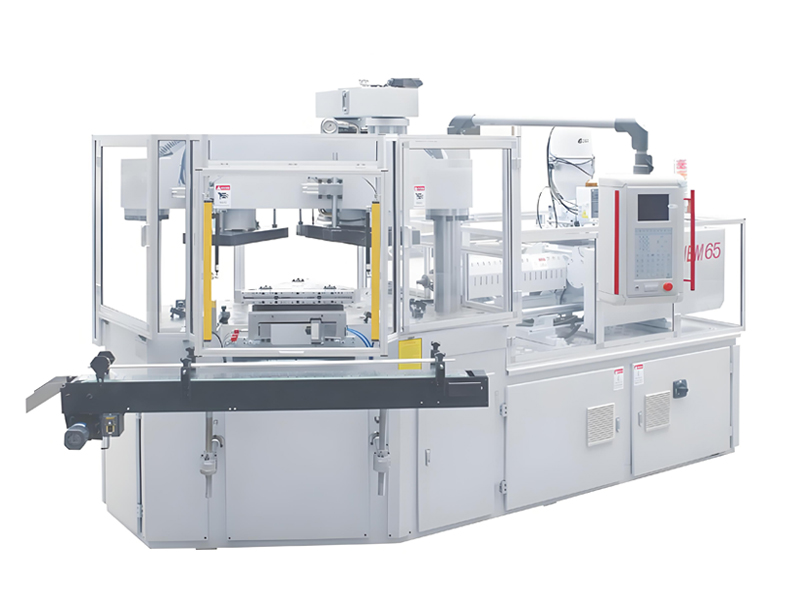
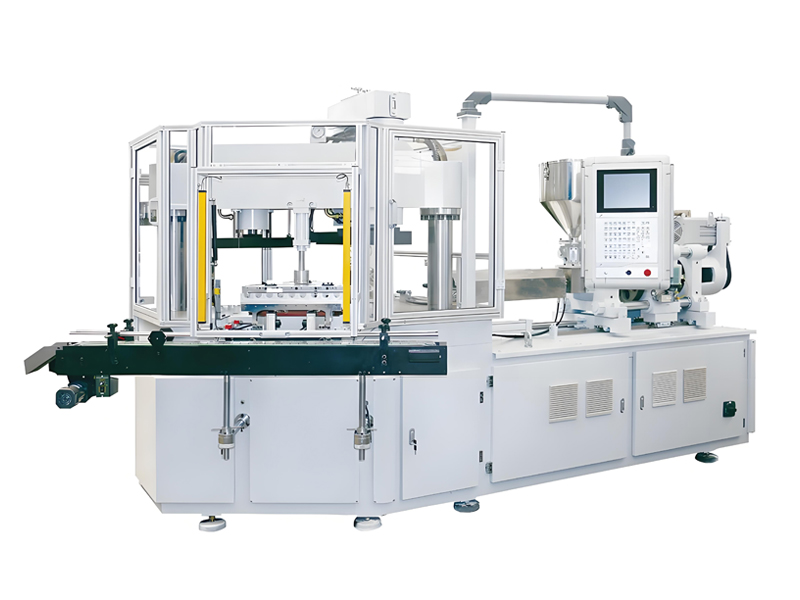
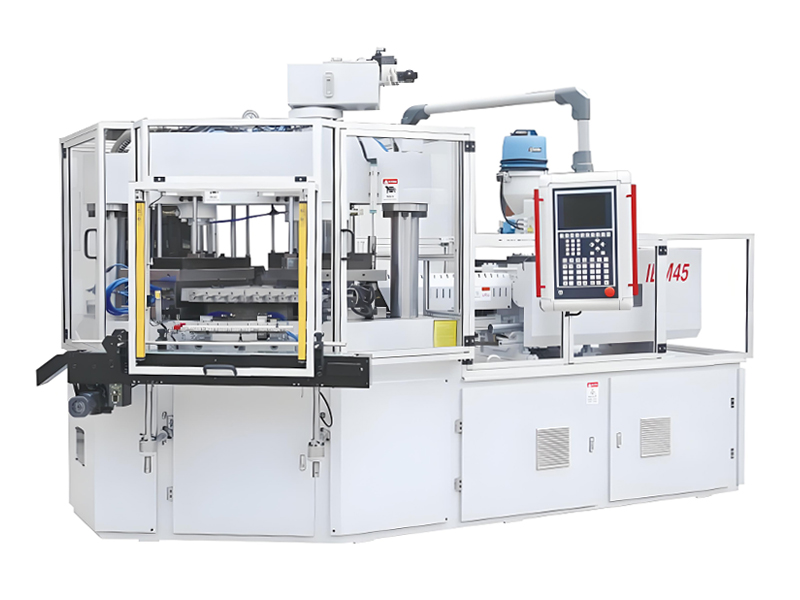
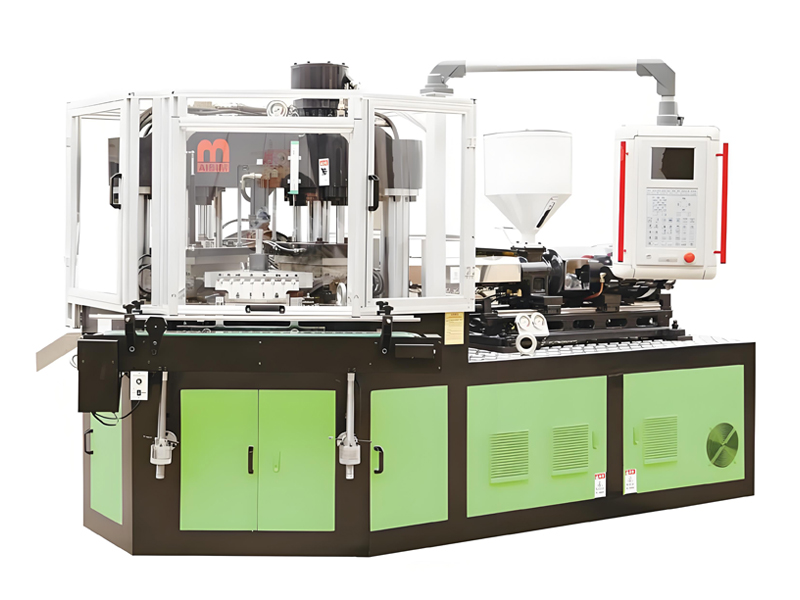
China has emerged as the global powerhouse for injection blow molding (IBM) machine manufacturing, combining advanced technology, competitive pricing, and comprehensive customization capabilities to serve manufacturers worldwide. AiBiM injection blow molding machines represent the pinnacle of Chinese manufacturing excellence, delivering custom production line solutions tailored to specific product requirements, production volumes, and operational objectives. The combination of factory-direct pricing, extensive engineering expertise, and complete solution capabilities makes Chinese IBM equipment increasingly attractive for manufacturers seeking competitive advantages in plastic container production.
Custom production line solutions extend far beyond basic machine supply, encompassing complete manufacturing ecosystems including mold design, automation integration, material handling systems, quality control infrastructure, and comprehensive training programs. AiBiM China factory designs and delivers integrated solutions optimized for specific applications, ensuring all components work together seamlessly to maximize productivity, quality, and profitability. This comprehensive approach eliminates compatibility issues between equipment from different suppliers and simplifies project management through single-source responsibility.
Understanding Chinese IBM Manufacturing Excellence
Manufacturing Infrastructure and Capabilities
Chinese injection blow molding machine manufacturing has evolved dramatically over recent decades, transitioning from basic equipment production to advanced technology development rivaling established manufacturers in Europe and America. Modern Chinese factories like AiBiM facilities incorporate advanced manufacturing equipment including CNC machining centers, precision grinding equipment, and advanced quality inspection systems. This manufacturing infrastructure enables production of high-precision components with tolerances meeting international standards for injection blow molding applications.
Manufacturing scale represents another significant advantage, with large Chinese factories producing hundreds of machines annually, achieving economies of scale that reduce unit costs without compromising quality. This production scale enables investment in advanced manufacturing technologies that smaller manufacturers cannot justify economically. AiBiM facilities produce injection blow molding machines across multiple model series, from compact systems for niche applications to high-capacity multi-cavity machines for high-volume production.
Engineering capabilities in Chinese manufacturers have expanded dramatically, with extensive research and development investments yielding technological innovations in precision control, energy efficiency, and automation integration. AiBiM employs engineering teams with extensive experience across diverse applications including pharmaceutical containers, chemical packaging, food and beverage containers, and industrial applications. This application expertise enables development of customized solutions addressing specific production challenges and performance requirements.
Quality Standards and Certifications
Modern Chinese injection blow molding machine manufacturers have achieved comprehensive quality certifications meeting international standards, validating design, manufacturing, and quality management systems. ISO 9001 quality management certification ensures consistent quality across all manufacturing processes, from component fabrication through final machine testing and delivery. AiBiM maintains ISO 9001 certification through regular audits and continuous improvement programs, ensuring quality systems meet evolving international standards.
Safety certifications including CE marking for European markets, UL certification for North American markets, and various regional safety certifications demonstrate compliance with international safety standards. These certifications require rigorous testing and documentation of safety features including emergency stop systems, guarding systems, and electrical safety requirements. AiBiM machines achieve comprehensive safety certification to facilitate market access worldwide.
Additional certifications for specific applications include FDA compliance for food contact applications, USP Class VI certification for pharmaceutical applications, and chemical resistance certifications for chemical packaging applications. These application-specific certifications require material selection verification, testing procedures, and documentation validation. AiBiM provides certification support for machines serving regulated applications, ensuring compliance with applicable requirements.
AiBiM Custom Production Line Solutions
Turnkey Project Capabilities
AiBiM delivers complete turnkey production line solutions encompassing all equipment and services required from concept through commissioning and production start-up. Project planning begins with detailed needs assessment, including production volume requirements, product specifications, facility constraints, budget considerations, and timeline objectives. AiBiM project engineers work closely with customers to understand these requirements and develop comprehensive solutions addressing all operational needs.
Engineering design includes detailed process engineering, equipment selection, layout planning, utility requirements, and integration planning. AiBiM provides detailed engineering drawings, process flow diagrams, and integration plans ensuring all system components function together seamlessly. Custom engineering addresses specific customer requirements including space constraints, integration with existing equipment, automation objectives, and quality system requirements.
Project management encompasses all aspects from order placement through commissioning, including equipment manufacturing, quality verification, shipping coordination, installation supervision, operator training, and performance verification. AiBiM assigns dedicated project managers for turnkey projects, providing single-point accountability and streamlined communication throughout implementation. This approach ensures projects stay on schedule and budget while meeting all performance specifications.
System Integration Expertise
Comprehensive system integration ensures all production line components work together efficiently and reliably. Material handling integration includes automated material delivery systems from storage areas to processing equipment, drying systems for moisture-sensitive materials, and material recycling systems for scrap reclamation. AiBiM designs integrated material handling systems optimizing material flow, minimizing manual handling, and ensuring consistent material quality throughout production processes.
Automation integration extends beyond basic machine operation to include robotic systems for downstream operations, automated inspection systems, integrated packaging equipment, and material tracking systems. AiBiM automation engineers design integrated systems maximizing productivity while minimizing manual intervention and associated quality risks. These integrated systems can reduce labor requirements by 70-90% compared to manual operations while improving consistency and throughput.
Quality system integration ensures comprehensive quality monitoring across all production processes, from incoming material inspection through final product verification. AiBiM provides integrated quality systems including in-line inspection, statistical process control, and comprehensive data management. These systems ensure quality parameters are monitored continuously, enabling proactive adjustments preventing quality problems and reducing waste.
Custom Machine Configuration Options
Cavity Configuration and Production Capacity
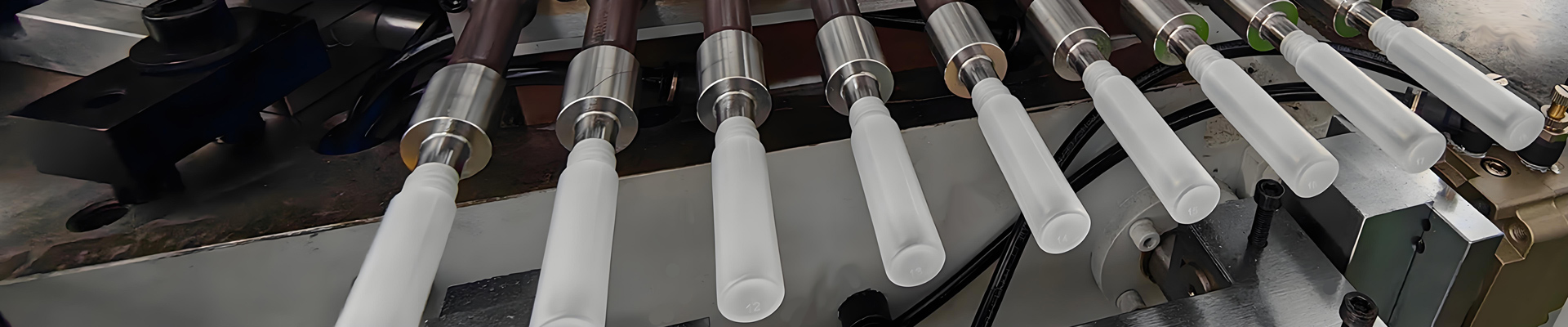
Injection blow molding machines offer extensive cavity configuration options enabling optimization for specific production requirements and cost structures. Multi-cavity configurations ranging from single cavity for large products to 32+ cavities for small products provide flexibility matching production volume targets with investment efficiency. AiBiM engineers optimize cavity count based on product size, required output, mold complexity, and available floor space.
Production capacity optimization involves balancing cycle time, cavity count, machine size, and operational requirements. For small containers under 250ml, machines typically feature 16-32 cavities achieving production rates of 3,500-8,000 containers per hour. Medium containers from 250ml-2 liters typically use 4-16 cavities achieving 1,500-4,500 containers per hour. Large containers from 2-10 liters typically use 1-8 cavities achieving 500-2,000 containers per hour. AiBiM provides capacity optimization recommendations based on specific product requirements and business objectives.
Changeover capability considerations affect cavity configuration decisions. Machines serving diverse product portfolios require faster changeover capabilities between different cavity configurations. AiBiM offers quick-change mold systems enabling cavity configuration changes within 1-3 hours, enabling flexible production serving diverse product lines with single equipment investment.
Material System Customization
Material system configuration represents critical customization area affecting process flexibility, material efficiency, and product quality. Single material systems provide economic solutions for single-material applications, minimizing equipment investment while maintaining excellent performance for focused product lines. These systems typically include injection systems optimized for specific material characteristics including screw geometry, heating capacity, and melt handling capabilities.
Multi-material co-injection systems enable production of containers with multiple material layers, providing capabilities including barrier layers for chemical resistance, co-extruded materials for specialized properties, and material combinations for performance optimization. These systems enable production of sophisticated containers previously requiring post-processing operations. AiBiM co-injection systems provide precise layer control enabling optimization of material performance while minimizing material costs.
Material recovery systems including immediate scrap reprocessing, automatic scrap feeding, and material blending capabilities reduce material waste and operating costs. Integrated scrap systems can reduce material waste by 15-25% compared to systems without scrap recovery, significantly impacting profitability for high-volume operations. AiBiM provides various scrap recovery options matching production requirements and investment preferences.
Injection and Blow System Configuration
Injection system configuration affects precision, efficiency, and material handling capabilities significantly. Servo-electric injection systems provide superior precision with shot repeatability within plus or minus 0.001mm, essential for wall thickness consistency in precision applications. These systems also deliver 40-60% energy savings compared to hydraulic systems while reducing maintenance requirements. AiBiM servo-electric injection systems provide advanced performance for high-precision applications including pharmaceutical containers.
Hydraulic injection systems provide cost-effective solutions for applications where extreme precision requirements are less critical. Modern hydraulic systems incorporate energy-saving features including variable displacement pumps and accumulator systems reducing energy consumption compared to traditional hydraulic designs. AiBiM hydraulic injection systems provide economical solutions for general-purpose applications requiring good but not exceptional precision.
Blow system configuration varies based on container requirements and production volumes. High-pressure blow systems for complex shapes or thick walls deliver pressures up to 40 bar, while standard applications typically require 6-15 bar pressure. AiBiM provides optimized blow system configurations matching application requirements while maximizing energy efficiency and production speed.
Automation and Control Systems
Advanced Control Capabilities
Modern injection blow molding machines incorporate sophisticated control systems enabling precise operation, comprehensive monitoring, and data-driven optimization. Programmable logic controllers (PLCs) from leading manufacturers provide reliable automation control with extensive input/output capabilities and communication protocols. AiBiM control systems incorporate PLCs from major manufacturers including Siemens, Allen-Bradley, and Mitsubishi, ensuring compatibility with customer automation standards and providing extensive support availability.
Human-machine interfaces (HMIs) provide intuitive operator control with comprehensive process visualization, parameter adjustment capabilities, and production monitoring. Advanced HMIs incorporate features including recipe management, alarm history, production statistics, and trend analysis. AiBiM HMI systems provide comprehensive operator interfaces reducing training requirements while enabling advanced process optimization through data analysis capabilities.
Data acquisition and SCADA integration capabilities enable comprehensive production monitoring and analysis. These systems collect and analyze production data including cycle times, energy consumption, quality parameters, and production statistics. AiBiM provides extensive data integration capabilities including OPC communication, SQL database integration, and MES system connectivity, enabling comprehensive production management and optimization.
Robotic Integration and Automation
Robotic automation extends injection blow molding machine capabilities through automated downstream operations reducing manual labor and improving consistency. Pick-and-place robots handle container removal from molds, inspection system integration, and packaging system feeding, enabling fully automated production from raw material to packaged product. AiBiM provides integrated robotic solutions from leading manufacturers including FANUC, ABB, and KUKA, ensuring reliable performance and comprehensive support availability.
Inspection system integration provides automated quality verification including dimensional inspection, leak testing, and visual defect detection. These systems perform 100% inspection at production speeds, automatically rejecting non-conforming products and enabling real-time process adjustments. AiBiM inspection systems integrate with machine control systems providing closed-loop quality control minimizing scrap production.
Packaging automation integration connects injection blow molding equipment with packaging systems including case packing, palletizing, and labeling systems. These integrated systems enable complete automated production from container production through finished packaging. AiBiM provides comprehensive packaging integration services ensuring smooth material flow and optimal system performance.
Cost Analysis and Investment Considerations
Equipment Investment Analysis
Investment analysis for custom production lines requires comprehensive evaluation of all equipment and infrastructure costs. Base machine costs vary significantly based on configuration, size, and capabilities. Compact machines for small containers with 16-32 cavities typically cost $180,000-$320,000 including standard automation. Medium-sized machines for medium containers with 4-16 cavities typically cost $250,000-$450,000. Large machines for large containers with 1-8 cavities typically cost $320,000-$580,000 including advanced features and automation.
Mold investment represents significant additional cost varying based on cavity count, complexity, and material requirements. Standard molds for simple containers typically cost $25,000-$45,000 for 4-8 cavities. Complex molds for sophisticated containers with features like handles, special neck finishes, or intricate designs typically cost $45,000-$85,000 for 4-8 cavities. Co-injection molds for multi-material applications typically cost $65,000-$120,000 depending on complexity.
Automation investment varies based on automation level and system complexity. Basic automation including automatic loaders and conveyors typically costs $30,000-$65,000. Advanced automation including robotic systems and inspection integration typically costs $85,000-$200,000 depending on capabilities and configuration. Complete turnkey automation including packaging integration typically costs $150,000-$400,000 depending on scope and complexity.
Total Investment and Return Analysis
Total investment for complete production lines varies significantly based on production requirements, automation level, and integration scope. Small-scale production lines for niche applications typically require total investment of $300,000-$550,000 including machine, molds, and basic automation. Medium-scale production lines for moderate volumes typically require $500,000-$900,000 including advanced automation and integration. Large-scale production lines for high-volume operations typically require $850,000-$1,800,000 including comprehensive automation and system integration.
Return on investment depends heavily on market segment, product pricing, and operational efficiency. High-value pharmaceutical container applications typically achieve payback periods of 18-30 months due to premium pricing and quality differentiation capabilities. Commodity food packaging applications typically require 30-48 months payback due to competitive pricing and lower margins. Performance improvement through efficiency gains and waste reduction can significantly improve ROI, often reducing payback periods by 20-40% through operational excellence.
Operating Cost Analysis
Operating costs for injection blow molding production include material costs, energy costs, labor costs, and maintenance costs. Material costs represent the largest variable cost component, typically 60-80% of total variable costs depending on material type and container size. Energy costs typically represent 8-12% of variable costs, with modern efficient machines reducing energy consumption significantly compared to older equipment. Labor costs vary dramatically based on automation level, ranging from 5-15% for highly automated lines to 25-40% for lines requiring significant manual intervention.
Maintenance costs typically average 2-4% of equipment value annually when preventive maintenance programs are properly implemented. Poorly maintained equipment may require 5-10% of equipment value annually in repair costs plus additional costs from downtime and reduced production. AiBiM preventive maintenance programs typically reduce total maintenance costs by 30-50% compared to reactive maintenance approaches while extending equipment life.
Project Implementation Process
Needs Assessment and Planning
Successful custom production line projects begin with comprehensive needs assessment identifying all operational requirements and constraints. Production volume analysis determines required capacity, considering both current demand and projected growth. AiBiM engineers work with customers to develop production scenarios, calculate required capacity, and identify equipment configurations meeting both current and future requirements.
Product requirements analysis identifies all technical specifications including material requirements, dimensional specifications, quality requirements, and regulatory compliance needs. AiBiM provides application engineering support analyzing these requirements and developing appropriate equipment specifications. This analysis ensures equipment capabilities match application requirements without unnecessary over-specification increasing costs.
Facility analysis evaluates space availability, utility capabilities, infrastructure constraints, and expansion potential. AiBiM provides facility assessment services identifying required modifications, infrastructure upgrades, and optimal equipment layout. This analysis ensures smooth installation and operation while identifying potential issues early in project planning.
Engineering and Design
Detailed engineering transforms requirements into comprehensive system designs specifying all equipment, integration requirements, and operating parameters. Machine engineering includes detailed specifications for injection blow molding equipment, including material systems, mold configurations, and control systems. AiBiM engineering teams develop machine specifications optimized for specific applications while ensuring compatibility with overall production line requirements.
Process engineering develops optimal production processes including material handling, processing parameters, quality control procedures, and operating protocols. AiBiM process engineers develop detailed process documentation ensuring consistent operation and quality. This engineering addresses all process aspects from raw material receipt through finished product storage.
Integration engineering ensures all system components work together seamlessly, including material flow, control integration, and communication protocols. AiBiM integration engineers develop detailed integration plans ensuring smooth operation of complete production lines. This engineering addresses mechanical integration, electrical integration, and software integration across all system components.
Manufacturing and Testing
Manufacturing processes transform engineering designs into physical equipment meeting precise specifications and quality standards. Component fabrication utilizes advanced manufacturing equipment producing precision components meeting tight tolerances required for injection blow molding applications. AiBiM manufacturing facilities include CNC machining centers, precision grinding equipment, and advanced measurement systems ensuring component quality.
Assembly processes combine components into complete equipment with careful attention to alignment, calibration, and system integration. AiBiM assemblers receive comprehensive training on assembly procedures, quality requirements, and testing protocols ensuring consistent equipment quality. Assembly includes verification of all mechanical alignments, electrical connections, and control system calibrations.
Factory acceptance testing (FAT) verifies equipment performance against specifications through comprehensive testing including operational testing, performance verification, and quality validation. AiBiM FAT procedures include extended operation simulations, precision measurements, and system integration verification. Customer representatives often witness FAT to verify performance before equipment ships from factory.
Installation and Commissioning
Installation processes position and connect equipment at customer facilities according to engineering specifications. Site preparation ensures foundation requirements, utility connections, and infrastructure support meet equipment needs. AiBiM provides detailed site preparation requirements and support ensuring smooth installation process. Equipment placement includes positioning machine components, connecting utilities, and establishing initial alignments.
Commissioning processes verify correct installation and operational readiness through systematic testing and adjustment. Initial startup procedures verify correct operation of individual systems including injection systems, blow systems, and control systems. AiBiM commissioning engineers perform systematic testing adjusting parameters for optimal performance and quality.
Production verification confirms equipment meets production requirements including capacity, quality, and efficiency targets. This verification typically includes extended operation under actual production conditions producing customer products. AiBiM commissioning support continues until equipment consistently meets all performance specifications and customer operators demonstrate competence in equipment operation.
Training and Support Services
Operator Training Programs
Comprehensive training programs ensure operators have knowledge and skills required for safe, efficient operation of injection blow molding equipment. Basic operation training covers machine startup procedures, normal operation protocols, shutdown procedures, and emergency response actions. AiBiM training programs emphasize safety procedures and operational practices maximizing equipment performance and product quality.
Process optimization training enables operators to understand process interactions and adjust parameters for optimal performance. This training includes explanation of how injection parameters, blow parameters, and cooling parameters interact to affect product quality and cycle time. AiBiM provides process optimization guidance based on extensive application experience across diverse products and materials.
Troubleshooting training develops operator capability to identify and resolve common operational problems without requiring external support. This training includes recognition of abnormal conditions, identification of probable causes, and implementation of appropriate corrective actions. AiBiM troubleshooting training significantly reduces downtime by enabling operators to resolve common issues independently.
Technical Support Services
Comprehensive technical support ensures customers receive ongoing assistance throughout equipment lifetime. Remote technical support provides immediate assistance for operational issues through telephone and internet communication. AiBiM provides 24/7 technical support hotlines ensuring assistance availability whenever issues arise. Remote diagnostic capabilities enable AiBiM engineers to access machine control systems remotely for detailed troubleshooting and parameter adjustment.
On-site support provides hands-on assistance for complex issues requiring presence at customer facilities. AiBiM maintains regional service teams with equipment-specific expertise enabling rapid response to technical issues. On-site support includes troubleshooting assistance, maintenance services, and performance optimization activities.
Spare parts availability ensures replacement components are available quickly when needed, minimizing downtime from component failures. AiBiM maintains comprehensive spare parts inventories at regional warehouses worldwide, enabling delivery of common components within 48-72 hours to most locations. Critical spare parts programs enable customers to maintain on-site inventories of components with long lead times, ensuring rapid replacement when needed.
FAQ
How long does it take to implement a custom production line?
Implementation timelines vary based on project complexity and customization requirements. Standard equipment projects typically require 12-16 weeks from order confirmation through commissioning. Custom equipment projects with significant modifications typically require 20-28 weeks. Complete turnkey projects including extensive automation and integration typically require 28-40 weeks depending on complexity. AiBiM provides detailed project schedules with specific milestones during contract development, enabling customers to plan implementation activities effectively.
What level of customization is available?
AiBiM provides extensive customization capabilities across all aspects of injection blow molding equipment and production line design. Machine customization includes cavity configuration optimization, material system design, injection and blow system specification, and control system configuration. Mold customization includes complete mold design and fabrication tailored to specific product requirements. Automation customization includes integration of robotic systems, inspection systems, and packaging systems customized for specific applications. Nearly every aspect of production lines can be customized to meet specific customer requirements.
How does Chinese equipment compare to European alternatives?
Modern Chinese injection blow molding equipment from leading manufacturers like AiBiM offers performance capabilities comparable to European manufacturers while typically costing 30-50% less. Quality certifications including ISO, CE, and UL demonstrate compliance with international standards. Advanced technology including servo-electric drives, precision control systems, and sophisticated automation matches European capabilities. The primary advantages include lower acquisition costs, faster delivery times, and more extensive customization capabilities. Considerations include brand recognition differences and potentially different support infrastructure, though AiBiM has established comprehensive global support capabilities.
What is the typical production capacity of AiBiM IBM machines?
Production capacity varies significantly based on container size and machine configuration. Small containers under 250ml typically achieve 3,500-8,000 containers per hour on machines with 16-32 cavities. Medium containers from 250ml-2 liters typically achieve 1,500-4,500 containers per hour on machines with 4-16 cavities. Large containers from 2-10 liters typically achieve 500-2,000 containers per hour on machines with 1-8 cavities. Actual production rates depend on material, wall thickness requirements, operational efficiency, and changeover frequency.
What support is available after equipment purchase?
AiBiM provides comprehensive support throughout equipment lifetime including technical support, spare parts, training, and maintenance services. Technical support includes 24/7 hotlines, remote diagnostic capabilities, and on-site support from regional service teams. Spare parts availability includes inventories at regional warehouses worldwide enabling rapid delivery of common components within 48-72 hours. Training programs include initial operator training, process optimization training, and ongoing refresher training as needed. Maintenance support includes preventive maintenance programs, repair services, and performance optimization activities.
How do custom projects get started?
Custom projects typically begin with needs assessment discussions identifying customer requirements including production targets, product specifications, and operational constraints. AiBiM engineering teams then develop preliminary proposals including equipment specifications, cost estimates, and project schedules. Detailed engineering follows contract award, developing comprehensive designs for all system components. Manufacturing produces equipment according to specifications, followed by factory acceptance testing. Installation and commissioning at customer facilities completes implementation. The process involves regular customer interaction throughout to ensure final results meet expectations.
Conclusion
Chinese factory IBM machines from AiBiM represent compelling solutions for manufacturers seeking custom production line capabilities combining advanced technology, competitive pricing, and comprehensive customization. The combination of manufacturing excellence, extensive engineering capabilities, and complete solution delivery enables manufacturers to implement production lines optimized for specific applications while minimizing total cost of ownership. Understanding customization options, investment considerations, and implementation processes enables manufacturers to make informed decisions maximizing value from custom production line investments.
Investment in AiBiM custom production line solutions delivers long-term value through operational excellence, product quality capabilities, and market competitiveness. The comprehensive support infrastructure including engineering expertise, global service capabilities, and extensive training ensures successful implementation and sustained performance throughout equipment lifetime. As manufacturing requirements continue evolving with new materials, quality standards, and competitive pressures, AiBiM custom production line solutions provide the foundation for manufacturing excellence and market success.