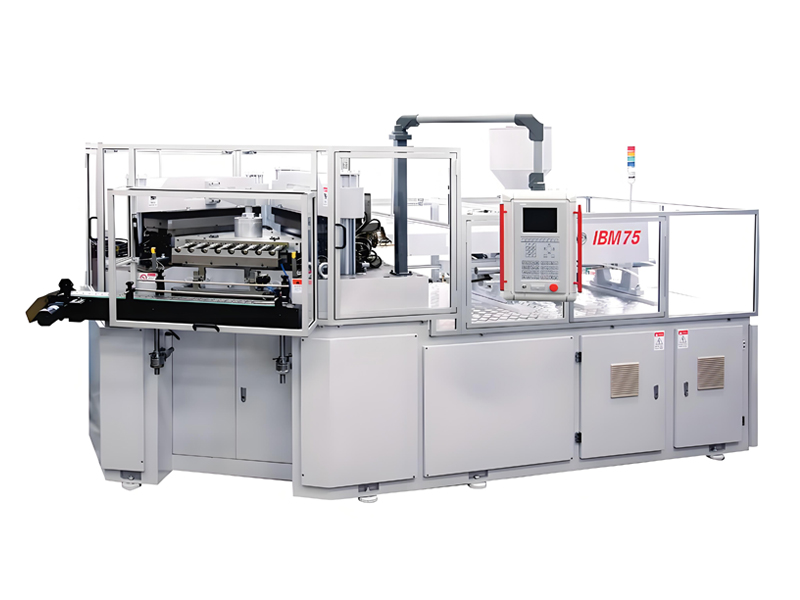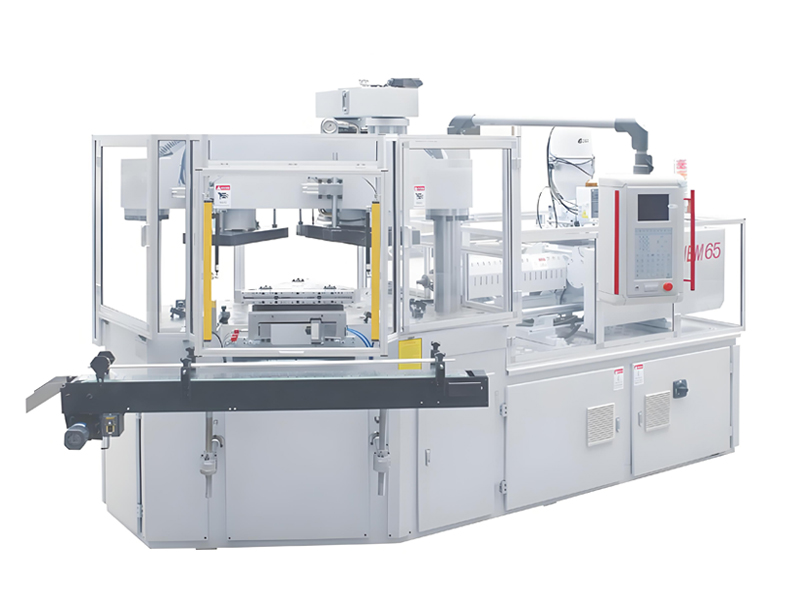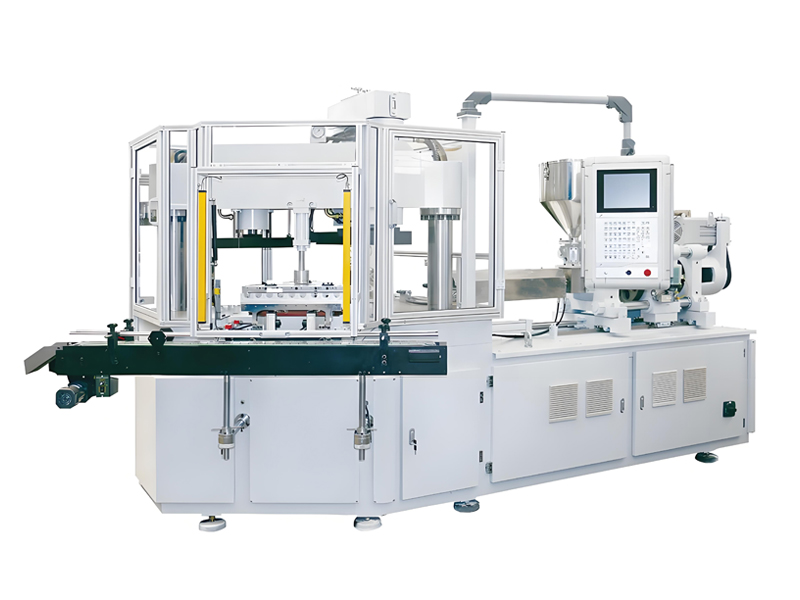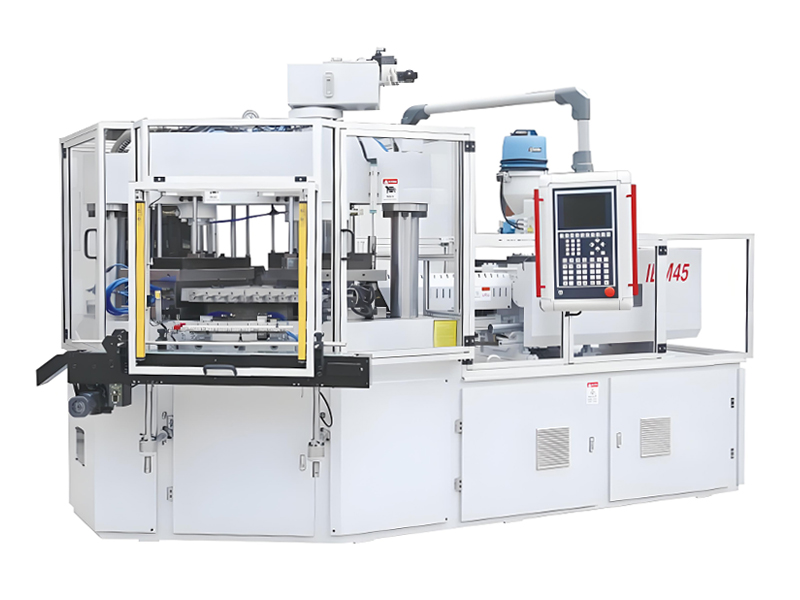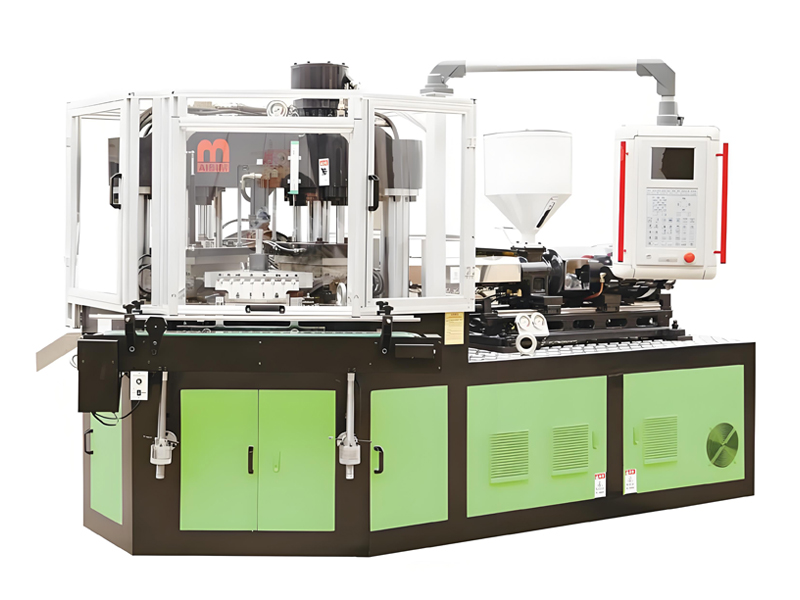
Optimizing injection blow molding machine efficiency represents a critical competitive advantage in today’s plastics manufacturing environment where cost pressures, quality requirements, and market demands continuously drive manufacturers to achieve higher productivity levels with reduced operating costs. AiBiM injection blow molding machines provide advanced technological capabilities that enable substantial efficiency improvements through systematic optimization of processing parameters, maintenance procedures, and operational strategies. Implementing comprehensive optimization approaches across machine operations, process control, and facility management typically enables efficiency improvements of 15-30% in production output, energy consumption reduction of 10-20%, and material waste reduction of 5-10%, creating significant cost benefits and competitive advantages.
Machine optimization encompasses multiple dimensions including cycle time reduction, energy efficiency enhancement, material waste minimization, maintenance optimization, and production scheduling improvements. Each dimension contributes to overall equipment efficiency, and systematic optimization across all dimensions provides cumulative benefits that transform production economics and market competitiveness. Manufacturers adopting comprehensive optimization approaches typically achieve return on investment for optimization activities within 6-12 months while maintaining or improving product quality standards.
Cycle Time Optimization Strategies
Injection Phase Optimization
The injection phase represents the first critical stage in injection blow molding cycle time, and optimizing this phase can reduce total cycle time by 3-5 seconds while maintaining or improving product quality. AiBiM machines provide advanced injection control capabilities that enable precise optimization of injection parameters including injection speed profiles, pressure curves, and transition points between filling, packing, and holding phases. Systematic optimization of these parameters typically enables cycle time reduction of 8-12% without compromising product quality.
Injection speed profiling represents the most significant opportunity for injection phase optimization. Rather than using constant injection speed throughout the entire filling phase, AiBiM machines enable multi-stage injection speed profiles that optimize flow based on mold geometry and material characteristics. For example, using slower injection speeds during initial material contact with mold surfaces reduces surface defects while accelerating speed during mid-fill phase optimizes filling time. This profiling approach typically reduces injection phase time by 20-25% compared to constant speed approaches.
Pressure curve optimization during the packing and holding phases enables efficient material compaction and dimensional accuracy while minimizing time spent in these phases. AiBiM machines enable precise pressure ramping that applies appropriate pressure levels for optimal results without excessive time in high-pressure phases. Optimizing pressure curves typically reduces packing and holding phase time by 15-20% while improving dimensional consistency and reducing flash formation.
Transition point optimization between injection phases enables efficient progression through the injection cycle without unnecessary dwell times or premature phase transitions that could cause quality problems. AiBiM machines provide precise control over transition timing based on material position, pressure, or time parameters, enabling optimization for specific material and mold characteristics. Proper transition point optimization typically reduces overall injection phase time by 10-15% while improving process stability.
Blowing Phase Optimization
The blowing phase represents the second critical stage in injection blow molding cycle time, and optimizing this phase can reduce total cycle time by 2-4 seconds while ensuring consistent wall thickness and dimensional accuracy. AiBiM machines provide advanced blow control capabilities including variable blow pressure profiles, multi-stage blowing sequences, and precise timing control that enable efficient bottle formation with minimal cycle time requirements.
Blow pressure profiling enables optimal material stretching and bottle formation without excessive blowing time. Rather than using constant blow pressure throughout the blowing phase, AiBiM machines enable pressure profiles that apply appropriate pressure levels at different stages of bottle formation. For example, using higher initial pressure to initiate material stretching followed by reduced pressure for fine-tuning wall thickness typically reduces blowing phase time by 15-20% while improving wall thickness consistency.
Multi-stage blowing sequences enable optimization for bottles with complex geometries or varying wall thickness requirements. AiBiM machines enable programming of multiple blow pressure stages with different durations and pressure levels, allowing optimization for specific bottle designs that would otherwise require extended blowing times to achieve acceptable quality. Multi-stage blowing typically reduces blowing phase time by 20-25% for complex bottle designs while improving quality consistency.
Blow timing optimization ensures that blowing initiates at the optimal material temperature and condition for efficient formation. AiBiM machines provide precise control over conditioning time between injection and blowing phases, enabling optimization for specific material characteristics and mold designs. Proper timing optimization typically reduces blowing phase time by 10-15% while improving bottle formation consistency and reducing defects caused by improper material conditioning.
Cooling Phase Optimization
The cooling phase typically represents the longest portion of injection blow molding cycle time, and optimizing this phase can provide the most significant cycle time reduction opportunities, typically 5-8 seconds per cycle. AiBiM machines incorporate advanced cooling technologies and control capabilities that enable substantial cooling optimization while maintaining product quality and dimensional stability.
Mold cooling optimization represents the primary opportunity for cooling phase time reduction. AiBiM machines enable precise control of mold temperature across multiple cooling zones, allowing optimization of cooling rates based on bottle geometry and material characteristics. For example, implementing higher cooling rates in thin wall sections while using moderate rates in thick sections typically reduces overall cooling time by 20-25% while maintaining dimensional accuracy and preventing warpage that could cause quality problems.
Cooling channel design optimization represents another significant opportunity for cooling phase reduction. While mold design modifications require investment, AiBiM provides design support for optimizing cooling channel placement and sizing based on specific bottle geometries. Proper cooling channel optimization typically reduces cooling time by 15-20% while improving temperature uniformity across mold surfaces, which enhances product quality consistency.
Conditioning temperature optimization before blowing influences cooling requirements after blowing. AiBiM machines enable precise control of parison temperature conditioning between injection and blowing phases, affecting material temperature after blowing and subsequent cooling requirements. Optimizing conditioning temperature typically reduces required cooling time by 10-15% while improving material distribution consistency during blowing.
Energy Efficiency Enhancement
Hydraulic System Optimization
Hydraulic systems represent the largest energy consumption component in injection blow molding machines, typically accounting for 40-50% of total energy consumption. Optimizing hydraulic systems through efficient control strategies, maintenance practices, and component upgrades typically enables energy savings of 15-25% while maintaining or improving machine performance. AiBiM machines incorporate advanced hydraulic control technologies that provide substantial opportunities for energy optimization.
Variable displacement pump optimization represents the most significant hydraulic energy saving opportunity. AiBiM machines incorporate servo-controlled variable displacement pumps that adjust hydraulic output to match actual demand rather than maintaining constant output regardless of requirements. Optimizing pump control strategies typically reduces hydraulic energy consumption by 20-30% compared to fixed displacement pump systems that waste energy generating excess hydraulic capacity during low-demand portions of the cycle.
Hydraulic pressure optimization reduces energy consumption by eliminating excessive pressure margins and optimizing pressure levels for actual process requirements. AiBiM machines enable precise pressure control that matches hydraulic pressure to process demands rather than maintaining unnecessarily high pressure levels throughout the cycle. Pressure optimization typically reduces hydraulic energy consumption by 10-15% while extending component life by reducing stress from excessive pressure operation.
Hydraulic system maintenance represents a critical energy efficiency factor, as worn components, degraded fluid, or system leaks increase energy consumption significantly. AiBiM provides maintenance guidelines for optimal hydraulic system condition, including fluid change intervals, component inspection schedules, and leak prevention procedures. Proper hydraulic maintenance typically reduces energy consumption by 5-10% compared to neglected systems while improving reliability and reducing downtime from hydraulic failures.
Electric Motor Optimization
Electric motors driving injection, blow, and auxiliary systems represent the second largest energy consumption component in injection blow molding machines, typically accounting for 25-35% of total energy consumption. Optimizing motor systems through efficient operation practices, component upgrades, and control strategy improvements typically enables energy savings of 10-20% while maintaining machine performance. AiBiM machines incorporate efficient motor technologies and control systems that provide substantial optimization opportunities.
Servo motor optimization represents the most significant electric motor energy saving opportunity. AiBiM machines incorporate high-efficiency servo motors for injection, blow, and auxiliary functions that adjust output to match actual demand. Optimizing servo motor control strategies typically reduces motor energy consumption by 15-25% compared to induction motor systems that operate at constant speed regardless of demand, wasting energy during low-demand portions of the cycle.
Motor sizing optimization ensures that motors are appropriately sized for actual production requirements rather than being oversized with consequent efficiency penalties. AiBiM provides motor sizing recommendations based on specific production requirements, ensuring that motors operate in their optimal efficiency ranges. Proper motor sizing typically reduces motor energy consumption by 5-10% compared to oversized motor installations that operate inefficiently below optimal load ranges.
Motor maintenance represents a critical energy efficiency factor, as worn bearings, degraded lubrication, or misalignment increase energy consumption significantly. AiBiM provides maintenance guidelines for optimal motor condition, including lubrication schedules, bearing inspection procedures, and alignment verification methods. Proper motor maintenance typically reduces energy consumption by 3-5% compared to neglected systems while improving reliability and reducing downtime from motor failures.
Thermal Management Optimization
Thermal systems for heating and cooling represent another significant energy consumption component in injection blow molding machines, typically accounting for 15-20% of total energy consumption. Optimizing thermal systems through efficient control strategies, insulation improvements, and heat recovery technologies typically enables energy savings of 10-15% while maintaining process requirements. AiBiM machines incorporate advanced thermal management technologies that provide substantial optimization opportunities.
Temperature control optimization reduces energy consumption by eliminating excessive heating and minimizing heating element cycling. AiBiM machines incorporate precision temperature control systems that maintain tight tolerances while minimizing energy waste from temperature overshoot and excessive cycling. Optimizing temperature control strategies typically reduces heating energy consumption by 10-15% compared to less precise control systems that waste energy through temperature instability and excessive heating cycles.
Insulation improvements reduce energy consumption by minimizing heat loss from heaters and maintaining more consistent thermal conditions. AiBiM machines incorporate thermal insulation materials and design features that reduce heat loss from heating elements and molds. Additional insulation upgrades for existing equipment typically reduce heating energy consumption by 5-10% while improving temperature uniformity and reducing cycle time variability.
Heat recovery systems capture waste heat from processes and reuse it for heating purposes, reducing energy consumption for primary heating requirements. AiBiM machines can be equipped with heat recovery systems that capture waste heat from hydraulic systems, motors, or cooling systems for use in preheating materials or maintaining mold temperatures. Heat recovery implementation typically reduces heating energy consumption by 15-25% while reducing cooling system energy requirements.
Material Waste Reduction
Injection Material Optimization
Injection phase material waste typically represents 3-5% of total material consumption in injection blow molding operations, primarily from flash, sprues, and runner systems. Optimizing injection material usage through parameter adjustment, mold design improvements, and process control enhancement typically reduces material waste by 30-50% while maintaining product quality. AiBiM machines provide advanced control capabilities that enable substantial material waste reduction opportunities.
Injection pressure optimization reduces flash formation and material waste by applying appropriate pressure levels rather than excessive pressure that causes material to overflow mold cavities. AiBiM machines enable precise pressure control that matches injection pressure to material requirements rather than using excessive pressure as a safety margin. Optimizing injection pressure typically reduces material waste from flash by 40-60% while extending mold life by reducing stress from excessive pressure operation.
Injection speed optimization reduces material waste by controlling material flow to prevent jetting, air entrapment, or other flow-related defects that cause scrap. AiBiM machines enable multi-stage injection speed profiles that optimize flow based on mold geometry and material characteristics. Optimizing injection speed typically reduces material waste from flow-related defects by 30-50% while improving surface quality and dimensional consistency.
Temperature optimization reduces material waste by ensuring proper material viscosity for consistent filling and mold cavity replication. AiBiM machines provide precise temperature control across multiple heating zones, enabling temperature profiles optimized for specific materials and mold designs. Optimizing temperature typically reduces material waste from temperature-related defects by 25-40% while improving product quality consistency.
Blowing Material Optimization
Blowing phase material waste typically represents 2-3% of total material consumption, primarily from inconsistent wall thickness requiring over-dimensioning to meet minimum thickness requirements. Optimizing blowing material distribution through parameter adjustment, mold design improvements, and process control enhancement typically reduces material waste by 20-30% while maintaining product quality requirements. AiBiM machines provide advanced blowing control capabilities that enable material optimization opportunities.
Blow pressure optimization improves material distribution consistency, reducing the need for over-dimensioning walls to ensure minimum thickness requirements are met. AiBiM machines enable multi-stage blow pressure profiles that optimize material stretching based on bottle geometry and material characteristics. Optimizing blow pressure typically reduces material usage by 10-15% through improved wall thickness consistency while eliminating thick sections that waste material without providing functional benefits.
Blowing timing optimization ensures that material blows at optimal temperature and condition for efficient distribution. AiBiM machines provide precise control over conditioning time between injection and blowing phases, affecting material flow characteristics during blowing. Optimizing blowing timing typically reduces material usage by 5-10% through improved material distribution while reducing defects from improper blowing conditions.
Mold design optimization for material distribution represents a significant opportunity for material waste reduction, though requiring mold modification investment. AiBiM provides design support for optimizing mold geometries based on specific bottle designs, enabling improved material distribution without over-dimensioning walls. Mold design optimization typically reduces material usage by 10-20% while improving product quality and reducing cycle time through more efficient material distribution.
Process Control Enhancement
Process control enhancement represents a comprehensive approach to material waste reduction by improving consistency and reducing defect rates across all production processes. AiBiM machines incorporate advanced process monitoring and control capabilities that enable substantial material waste reduction through improved consistency and early detection of process deviations that could cause quality problems. Implementing comprehensive process control strategies typically reduces material waste by 20-40% while improving product quality consistency.
Real-time monitoring systems track critical process parameters including temperature, pressure, and timing, detecting deviations that could cause quality problems before significant scrap quantities are produced. AiBiM machines incorporate comprehensive monitoring systems with alert capabilities that notify operators of parameter deviations requiring attention. Real-time monitoring typically reduces material waste from process drift by 50-70% by enabling rapid correction before significant scrap quantities accumulate.
Statistical process control enables systematic quality improvement through data analysis and parameter optimization based on actual process performance. AiBiM machines provide data logging capabilities that enable SPC implementation for continuous process improvement. Implementing SPC typically reduces material waste by 15-25% through systematic parameter optimization and elimination of variability sources that cause quality problems.
Automated quality inspection systems detect quality issues early in production processes, preventing continued production of defective products that would waste additional material and machine time. AiBiM machines can be equipped with automated inspection systems that verify critical quality characteristics including dimensions, wall thickness, and surface quality. Automated inspection typically reduces material waste from undetected quality problems by 60-80% while reducing downstream processing costs associated with defective products.
Maintenance Optimization
Preventive Maintenance Implementation
Preventive maintenance represents a critical efficiency optimization strategy, as well-maintained equipment operates more efficiently, experiences less downtime, and produces consistent quality compared to equipment with deferred maintenance. Implementing comprehensive preventive maintenance programs typically increases overall equipment efficiency by 5-10% while extending equipment life and reducing total ownership costs. AiBiM provides detailed maintenance guidelines and support for implementing effective preventive maintenance programs.
Scheduled maintenance intervals based on machine hours, production cycles, or calendar time prevent unexpected failures that cause costly downtime. AiBiM provides recommended maintenance schedules for all critical components including hydraulic systems, electric motors, heating elements, and mechanical components. Following recommended maintenance intervals typically reduces unplanned downtime by 70-90% while maintaining consistent machine performance and energy efficiency.
Component inspection procedures enable early detection of developing problems before they cause failures or efficiency reductions. AiBiM provides inspection guidelines and criteria for evaluating component condition including wear measurements, performance testing, and visual inspection criteria. Implementing regular component inspections typically reduces downtime from component failures by 50-70% while enabling planned maintenance that minimizes production disruption.
Maintenance record keeping enables tracking of maintenance history, component performance trends, and identification of recurring issues that require root cause analysis. AiBiM recommends maintaining detailed maintenance records including dates, activities performed, component measurements, and observations during maintenance activities. Proper record keeping typically reduces maintenance costs by 10-15% through improved planning and identification of systematic issues requiring design or procedure modifications.
Predictive Maintenance Adoption
Predictive maintenance represents an advanced approach that uses condition monitoring and predictive analytics to determine maintenance needs based on actual component condition rather than fixed intervals. Implementing predictive maintenance typically reduces maintenance costs by 15-25% compared to fixed-interval preventive maintenance while further reducing unplanned downtime and improving equipment efficiency. AiBiM machines provide data logging and monitoring capabilities that support predictive maintenance implementation.
Vibration monitoring detects mechanical problems including bearing wear, misalignment, and imbalance before they cause failures or efficiency reductions. AiBiM machines can be equipped with vibration monitoring systems that track vibration characteristics across critical rotating components. Implementing vibration monitoring typically reduces downtime from mechanical failures by 60-80% while enabling planned maintenance that minimizes production disruption.
Temperature monitoring detects thermal anomalies including overheating components, insufficient cooling, or thermal degradation problems before they cause failures. AiBiM machines incorporate temperature monitoring across critical components including motors, heaters, and hydraulic systems. Implementing comprehensive temperature monitoring typically reduces downtime from thermal-related failures by 50-70% while enabling early detection of efficiency-reducing thermal problems.
Performance monitoring tracks operational parameters and trends that indicate developing problems or efficiency reductions before they cause failures or quality problems. AiBiM machines provide performance data logging capabilities that enable trend analysis and predictive identification of developing issues. Implementing performance monitoring typically reduces downtime from performance-related problems by 40-60% while enabling early correction of efficiency-reducing parameter drifts.
Component Life Extension
Extending component life through proper selection, operation, and maintenance represents a significant efficiency optimization strategy by reducing replacement costs and downtime associated with component failures. Implementing component life extension strategies typically reduces maintenance costs by 20-30% while improving overall equipment reliability and efficiency. AiBiM provides recommendations for component selection, operation practices, and maintenance procedures that maximize component life.
Proper component selection based on actual application requirements ensures that components operate within design parameters rather than being undersized or stressed beyond recommended operating conditions. AiBiM provides component sizing recommendations based on specific production requirements, ensuring that components operate with appropriate safety margins without excessive stress that reduces life. Proper component selection typically extends component life by 30-50% compared to undersized or inappropriate component selections.
Operational practices that avoid component stress including smooth acceleration rather than rapid starts, avoiding operation beyond design limits, and implementing proper warm-up procedures before full-load operation significantly extend component life. AiBiM provides operational guidelines that minimize component stress while maintaining production efficiency. Implementing proper operational practices typically extends component life by 20-40% while reducing energy consumption and improving quality consistency.
Maintenance procedures including proper lubrication, regular cleaning, and appropriate component adjustment significantly extend component life. AiBiM provides detailed maintenance procedures for all critical components including lubrication specifications, cleaning methods, and adjustment criteria. Following recommended maintenance procedures typically extends component life by 25-45% while improving performance consistency and reducing energy consumption.
Production Scheduling Optimization
Changeover Time Reduction
Changeover time represents a significant efficiency limitation for machines producing multiple product types, as each changeover represents lost production time that could otherwise produce saleable products. Implementing changeover time reduction strategies typically reduces changeover time by 50-70%, enabling more flexible production scheduling and increased overall machine utilization. AiBiM machines provide features and capabilities that support rapid changeover strategies.
Quick mold change systems including quick clamping, standardized mold bases, and automated mold positioning reduce mold change time significantly. AiBiM machines can be equipped with quick mold change systems that reduce mold change time from hours to minutes while maintaining safety and alignment accuracy. Implementing quick mold change typically reduces mold change time by 70-90% while enabling more frequent product changes to better match market demand.
Material handling optimization including automated material loading systems, quick material changeover capabilities, and efficient purging procedures reduce material-related changeover time. AiBiM machines provide automated material handling capabilities and efficient purging systems that minimize material-related changeover time. Optimizing material handling typically reduces material changeover time by 50-70% while reducing material waste during purging and changeover processes.
Parameter setup optimization including pre-programmed parameter sets, automated parameter loading, and quick adjustment procedures reduce setup time after mold and material changes. AiBiM machines provide extensive parameter storage and automated loading capabilities that minimize setup time after changeovers. Optimizing parameter setup typically reduces setup time by 60-80% while reducing parameter-related quality problems after changeovers.
Production Batch Optimization
Production batch optimization involves scheduling production to balance efficiency considerations including changeover frequency, inventory holding costs, and market demand fulfillment. Implementing optimal batch sizing strategies typically reduces total production costs by 5-15% while improving customer service levels through better availability of required product types. AiBiM machines support flexible production through quick changeover capabilities that enable optimal batch sizing strategies.
Economic order quantity analysis determines optimal production batch sizes by balancing changeover costs against inventory carrying costs. AiBiM machines enable efficient changeovers that reduce the cost penalty for smaller batch sizes, allowing production to align more closely with actual demand patterns. Implementing EOQ-based batch optimization typically reduces total production costs by 5-10% while reducing inventory carrying costs and improving cash flow.
Group technology principles enable production organization by product family similarities, reducing changeover complexity and enabling faster changeovers between similar products. AiBiM machines support family-based production through parameter sets optimized for product families rather than individual products. Implementing group technology typically reduces changeover time by 30-50% while enabling more responsive production to market demand variations.
Demand forecasting integration links production planning with market demand forecasts, enabling production to anticipate and prepare for demand variations rather than reacting after demand changes occur. AiBiM machines provide flexible production capabilities that support responsive manufacturing strategies based on demand forecasts. Integrating demand forecasting typically reduces stockouts by 40-60% while reducing excess inventory that ties up working capital.
Energy Load Management
Energy load management involves scheduling production activities to optimize energy consumption patterns, taking advantage of off-peak energy rates and reducing peak demand charges. Implementing energy load management strategies typically reduces energy costs by 10-20% while maintaining production requirements. AiBiM machines provide energy monitoring capabilities that support effective load management strategies.
Off-peak scheduling shifts energy-intensive production activities to off-peak time periods when energy rates are typically 30-50% lower than peak rates. AiBiM machines provide production flexibility that enables effective off-peak scheduling while meeting customer delivery requirements. Implementing off-peak scheduling typically reduces energy costs by 15-25% while maintaining production output and customer service levels.
Peak demand reduction spreads energy-intensive activities across time to avoid simultaneous high-demand operation of multiple machines that would increase peak demand charges. AiBiM provides energy monitoring capabilities that enable identification of peak demand periods and development of demand reduction strategies. Implementing peak demand reduction typically reduces energy costs by 10-15% through elimination of peak demand penalty charges.
Energy consumption monitoring tracks actual energy usage patterns and identifies opportunities for efficiency improvement beyond simple load shifting strategies. AiBiM machines provide detailed energy consumption data that enables identification of specific processes or components requiring efficiency improvement. Implementing comprehensive energy monitoring typically identifies additional energy saving opportunities of 5-10% beyond basic load management strategies.
Performance Monitoring and Continuous Improvement
Key Performance Indicator Tracking
Key performance indicator tracking provides the foundation for continuous improvement by identifying optimization opportunities and measuring progress against efficiency goals. Implementing comprehensive KPI tracking typically identifies efficiency improvement opportunities worth 10-20% of current operating costs while enabling measurement of improvement progress. AiBiM machines provide data logging and monitoring capabilities that support comprehensive KPI tracking.
Overall equipment effectiveness measurement combines availability, performance, and quality metrics into a single comprehensive efficiency indicator. AiBiM machines provide the data required for OEE calculation including downtime tracking, cycle time data, and quality statistics. Tracking OEE typically identifies improvement opportunities worth 5-15% of operating costs while providing a single metric for measuring overall efficiency improvement progress.
Specific process efficiency metrics including cycle time, energy consumption, material yield, and defect rate tracking enable identification of optimization opportunities within specific process areas. AiBiM machines provide detailed data logging capabilities that support comprehensive process efficiency metric tracking. Tracking specific process metrics typically identifies improvement opportunities worth 3-8% per metric area while enabling targeted optimization efforts.
Cost per unit measurement combines all operating costs into a single efficiency indicator that reflects the total cost efficiency of production operations. AiBiM machine data enables accurate calculation of cost per unit including energy, material, labor, and maintenance costs. Tracking cost per unit typically identifies optimization opportunities worth 8-12% of total operating costs while providing a comprehensive efficiency improvement metric.
Data Analysis and Root Cause Analysis
Data analysis and root cause analysis enable systematic identification of efficiency improvement opportunities by analyzing performance data to identify patterns, correlations, and root causes of inefficiencies. Implementing systematic data analysis typically identifies improvement opportunities worth 15-25% of current operating costs while preventing ineffective solutions that address symptoms rather than root causes. AiBiM machines provide comprehensive data logging capabilities that support sophisticated data analysis approaches.
Trend analysis identifies gradual changes in performance metrics over time that indicate developing problems or efficiency degradation. AiBiM machine data logging enables comprehensive trend analysis across all performance metrics. Implementing trend analysis typically identifies efficiency degradation problems 30-50% earlier than would be detected without systematic analysis, enabling early intervention before significant efficiency losses occur.
Correlation analysis identifies relationships between process parameters and performance outcomes, enabling optimization based on understanding of cause-and-effect relationships. AiBiM machine data logging enables sophisticated correlation analysis across parameters and performance metrics. Implementing correlation analysis typically identifies optimization opportunities worth 10-15% of operating costs based on understanding of parameter effects on performance.
Root cause analysis systematically identifies the fundamental causes of problems rather than addressing superficial symptoms that recur because underlying causes remain unaddressed. AiBiM provides root cause analysis methodologies and support for applying them to machine performance problems. Implementing systematic root cause analysis typically eliminates recurring problems permanently, providing ongoing efficiency benefits worth 20-30% of the cost impacts from the eliminated problems.
Continuous Improvement Implementation
Continuous improvement implementation establishes ongoing processes for identifying and implementing efficiency improvements rather than treating optimization as a one-time project. Establishing continuous improvement processes typically generates ongoing efficiency improvements of 3-5% annually while creating a culture of optimization that sustains improvement momentum. AiBiM supports continuous improvement through machine capabilities and technical expertise that enable ongoing optimization.
Cross-functional improvement teams bring together diverse perspectives and expertise to identify optimization opportunities that might be overlooked by single-function approaches. AiBiM supports cross-functional improvement through technical expertise across manufacturing, engineering, and quality functions. Implementing cross-functional improvement teams typically identifies 25-40% more improvement opportunities than single-function approaches while building organizational capability for ongoing improvement.
Pilot testing enables validation of improvement concepts before full-scale implementation, preventing implementation of ineffective solutions that waste resources while providing opportunities to refine approaches based on actual results. AiBiM supports pilot testing through machine flexibility and data logging capabilities that enable accurate measurement of pilot results. Implementing pilot testing before full-scale implementation typically prevents 30-50% of ineffective solutions from reaching implementation while enabling refinement of promising approaches.
Standardization of proven improvements ensures that optimization benefits are sustained and replicated across similar processes rather than being lost through personnel changes or process drift. AiBiM supports standardization through documentation and training capabilities that ensure proven improvements become permanent practices. Implementing standardization typically sustains 80-90% of improvement benefits over the long term compared to 50-70% without standardization efforts.
Technology Upgrade Considerations
Advanced Control System Upgrades
Advanced control system upgrades represent significant opportunities for efficiency improvement through enhanced monitoring, optimization, and automation capabilities. Implementing modern control systems typically provides efficiency improvements of 10-20% while enabling additional optimization opportunities that weren’t possible with legacy control systems. AiBiM offers advanced control system options and upgrade capabilities for both new and existing equipment.
Predictive control systems use process models and predictive algorithms to optimize process parameters in real time, automatically adjusting parameters to maintain optimal performance despite variations in material properties, ambient conditions, or other factors. AiBiM offers predictive control options that typically reduce energy consumption by 5-10% while improving quality consistency and reducing operator intervention requirements.
Adaptive control systems learn from process performance over time and automatically adjust parameters to optimize performance for specific conditions and material characteristics. AiBiM adaptive control options typically reduce cycle time by 3-8% while improving quality consistency and reducing parameter adjustment workload for operators.
Integrated quality control systems combine process monitoring with automated quality inspection, enabling real-time quality control that prevents continued production of defective products. AiBiM integrated quality control options typically reduce scrap rates by 40-60% while reducing inspection labor requirements and improving customer satisfaction through consistent quality.
Servo and Electric Drive Upgrades
Servo and electric drive upgrades represent significant efficiency improvement opportunities for machines utilizing older hydraulic technologies that waste energy through constant-speed operation regardless of actual demand. Implementing servo and electric drive upgrades typically provides energy savings of 20-30% while improving performance precision and reducing maintenance requirements. AiBiM offers servo and electric drive upgrade options for appropriate machine models.
Servo injection drives replace hydraulic injection systems with electric servo systems that provide precise control and energy efficiency by matching output to actual demand. AiBiM servo injection upgrade options typically reduce injection-related energy consumption by 40-60% while improving injection control precision and reducing maintenance requirements associated with hydraulic systems.
Servo blow drives replace hydraulic blow systems with electric servo systems that provide precise control of blow pressure and timing while reducing energy consumption. AiBiM servo blow upgrade options typically reduce blow-related energy consumption by 30-50% while improving blow control precision and eliminating hydraulic system maintenance requirements.
All-electric machine upgrades replace hydraulic systems entirely with electric servo drives for all functions, providing the ultimate energy efficiency and maintenance reduction benefits. AiBiM all-electric machine options typically reduce total energy consumption by 25-40% compared to hydraulic machines while eliminating hydraulic oil maintenance requirements and improving machine cleanliness.
Automation and Robotics Integration
Automation and robotics integration represent opportunities for labor cost reduction and consistency improvement while enabling operation at higher efficiency levels than manual operation can sustain. Implementing appropriate automation typically reduces labor costs by 40-70% while improving quality consistency and enabling operation during unattended periods. AiBiM machines provide integration capabilities for various automation and robotics solutions.
Robotic part removal systems automatically remove parts from molds after completion of cycles, eliminating manual part handling while maintaining consistent cycle timing. AiBiM robotic integration capabilities typically reduce labor requirements by 1-2 operators per machine while improving cycle time consistency by eliminating operator timing variations.
Automated quality inspection systems check product quality automatically at production speeds, eliminating manual inspection bottlenecks while improving defect detection consistency. AiBiM automated inspection options typically reduce inspection labor requirements by 60-80% while improving defect detection accuracy and preventing undetected quality problems from reaching customers.
Integrated automation solutions combine multiple automation functions including material handling, part removal, quality inspection, and packaging into comprehensive automated production lines. AiBiM integration capabilities enable comprehensive automation solutions that reduce total labor requirements by 70-90% while enabling continuous unattended operation for extended periods.
Cost-Benefit Analysis
Investment Requirements
Efficiency optimization investments vary widely depending on the scope and nature of optimization activities, ranging from minimal cost parameter adjustments to substantial capital investments for equipment upgrades. Understanding investment requirements enables planning and prioritization of optimization activities based on expected returns and available resources. Typical optimization investment ranges provide guidance for planning purposes.
Parameter optimization activities including cycle time reduction, energy efficiency adjustment, and process improvement require minimal investment primarily involving training, analysis time, and potential trial production time. Parameter optimization investments typically range from $5,000 to $20,000 depending on complexity and scope, representing minimal investment relative to potential benefits that typically range from $50,000 to $200,000 annually for medium-sized production operations.
Maintenance optimization investments including preventive maintenance program implementation, predictive monitoring system installation, and component upgrades range from $20,000 to $100,000 depending on equipment size and monitoring complexity. These investments typically generate annual benefits of $40,000 to $150,000 through reduced downtime, extended component life, and improved energy efficiency, providing excellent return on investment typically achieved within 6-18 months.
Technology upgrade investments including control system upgrades, servo drive implementations, and automation integration range from $50,000 to $300,000 depending on upgrade scope and equipment size. These investments typically generate annual benefits of $80,000 to $300,000 through energy savings, labor reduction, quality improvement, and performance enhancement, providing attractive returns on investment typically achieved within 12-24 months.
Return on Investment
Return on investment calculations for optimization activities provide objective measures of financial viability and enable prioritization of activities based on financial return criteria. ROI calculations consider total investment costs including implementation expenses, trial costs, and operational impacts against expected annual benefits including energy savings, labor reduction, quality improvements, and increased production capacity.
Parameter optimization activities typically achieve ROI exceeding 500% within the first year, as minimal investment yields substantial benefits through reduced cycle time, lower energy consumption, and improved material utilization. Parameter optimization benefits accrue immediately upon implementation, with typical annual benefits 5-10 times the minimal investment required to implement optimization changes.
Maintenance optimization investments typically achieve ROI of 150-300% within the first 18 months, as moderate investments generate substantial benefits through reduced downtime, extended equipment life, and improved efficiency. Maintenance optimization benefits accrue gradually as equipment condition improves and problems are prevented, with cumulative benefits typically exceeding 200% of investment within 18-24 months.
Technology upgrade investments typically achieve ROI of 80-150% within the first 24 months, as substantial investments generate significant benefits through energy savings, labor reduction, and performance enhancement. Technology upgrade benefits accrue gradually as systems are implemented and optimized, with cumulative benefits typically exceeding 100% of investment within 24-36 months for most upgrades.
Implementation Prioritization
Implementation prioritization ensures that optimization activities are undertaken in sequence that maximizes early returns while building capability for more substantial subsequent optimizations. Effective prioritization considers ROI, implementation complexity, resource requirements, and interdependencies between optimization activities to develop implementation schedules that maximize overall benefits.
High-priority quick wins including parameter optimization, basic maintenance improvements, and production scheduling adjustments typically provide immediate benefits with minimal investment and implementation complexity. These activities should be implemented first to generate early returns and build momentum for subsequent optimization efforts. Quick win implementations typically require less than 3 months and provide benefits exceeding 50% of total optimization potential.
Medium-priority activities including maintenance program enhancements, basic monitoring system implementation, and moderate automation provide substantial benefits requiring moderate investment and implementation complexity. These activities should be implemented after quick wins to build on initial successes while preparing for more complex subsequent activities. Medium-priority implementations typically require 6-12 months and provide additional benefits exceeding 30% of total optimization potential.
Long-term strategic activities including major technology upgrades, comprehensive automation, and complete facility optimization provide maximum benefits requiring substantial investment and extended implementation periods. These activities should be implemented after building success and capability with earlier activities while considering long-term strategic objectives. Long-term implementations typically require 18-36 months and provide remaining benefits representing comprehensive optimization achievement.
Conclusion
Optimizing injection blow molding machine efficiency represents a strategic imperative for manufacturers seeking competitive advantage in today’s demanding plastics manufacturing environment. AiBiM injection blow molding machines provide advanced technological capabilities and comprehensive support services that enable manufacturers to achieve substantial efficiency improvements across cycle time, energy consumption, material utilization, and operational effectiveness.
Systematic optimization across all efficiency dimensions typically enables overall improvements of 15-30% in production output, 10-20% in energy efficiency, and 5-10% in material utilization, creating significant cost benefits and competitive advantages. The combination of technological capabilities, technical expertise, and support services provided by AiBiM enables comprehensive optimization that transforms production economics and market positioning.
Continuous improvement processes ensure that optimization benefits are sustained and enhanced over time rather than being one-time improvements that gradually erode through process drift and complacency. Establishing ongoing optimization culture and capabilities enables manufacturers to adapt to changing market conditions, technological advancements, and competitive pressures while maintaining efficiency advantages.
Strategic investment in optimization capabilities generates returns that typically exceed 200% within 24 months, representing exceptional financial performance compared to most capital investment opportunities in manufacturing environments. The combination of early quick wins, intermediate improvements, and long-term strategic optimization provides both immediate benefits and sustained competitive advantage that positions manufacturers for ongoing success in evolving markets.
As efficiency pressures continue increasing across global plastics manufacturing, the competitive advantage of systematic optimization becomes increasingly significant. Manufacturers implementing comprehensive optimization strategies today position themselves for future success in markets where efficiency and cost competitiveness represent critical success factors regardless of product type or market segment served.