The global market for plastic packaging machinery is highly competitive, and many distributors and large end-users prefer to market equipment under their own brand name. Original Equipment Manufacturer (OEM) partnerships with Chinese factories like AiBiM offer a lucrative opportunity to build brand equity without the massive R&D costs of developing a machine from scratch. Custom branding allows businesses to present a unified corporate identity to their customers, offering after-sales support and warranties directly under their company name. This article explores the scope of OEM services available for Injection Blow Molding Machines, the customization options, and the economic benefits of the OEM model. By leveraging AiBiM’s manufacturing capabilities, OEM partners can enter the market quickly with a proven, reliable product, focusing their resources on sales, marketing, and customer service rather than heavy manufacturing infrastructure.
Understanding the OEM Model in Machinery Manufacturing
In the context of Injection Blow Molding Machines, OEM means that a manufacturer (like AiBiM) produces a machine that is then sold by another company under their own brand name. The physical machine might be identical to the manufacturer’s standard model, or it can be customized to specific requirements. The OEM partner handles the marketing, sales, and often the first-line support, while the Chinese factory handles the design, manufacturing, and quality control. This model allows distributors in Europe or North America to offer a “local” product with local support, backed by the cost-effective manufacturing power of China. For the Chinese factory, it provides volume stability and access to global distribution networks they might not have on their own. AiBiM has established a robust OEM division specifically to support international partners, offering flexible MOQs (Minimum Order Quantities) and comprehensive branding packages. The key advantage for the buyer is the ability to leverage the factory’s existing certification (CE, ISO) and technical expertise while building their own brand reputation. The OEM partner essentially becomes the “face” of the product, while AiBiM is the “engine.” This symbiotic relationship allows both parties to focus on their core competencies.
Visual Customization and Corporate Identity
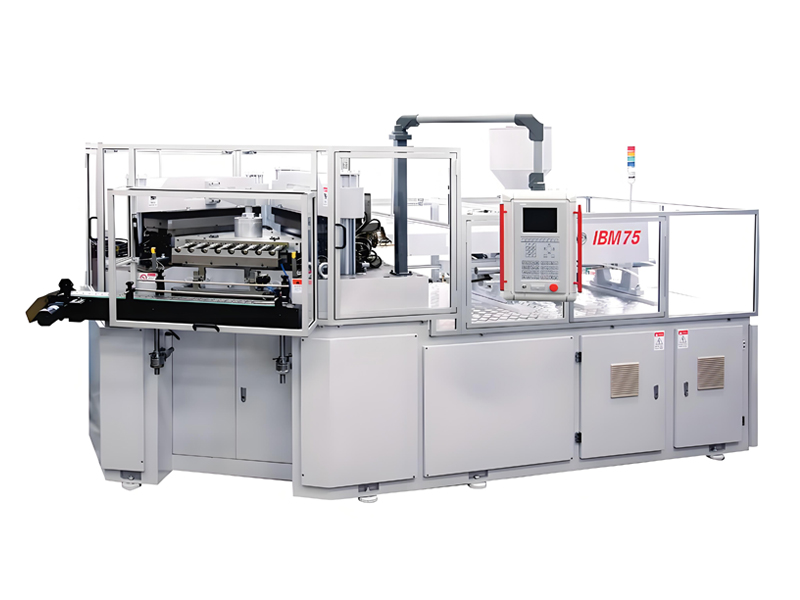
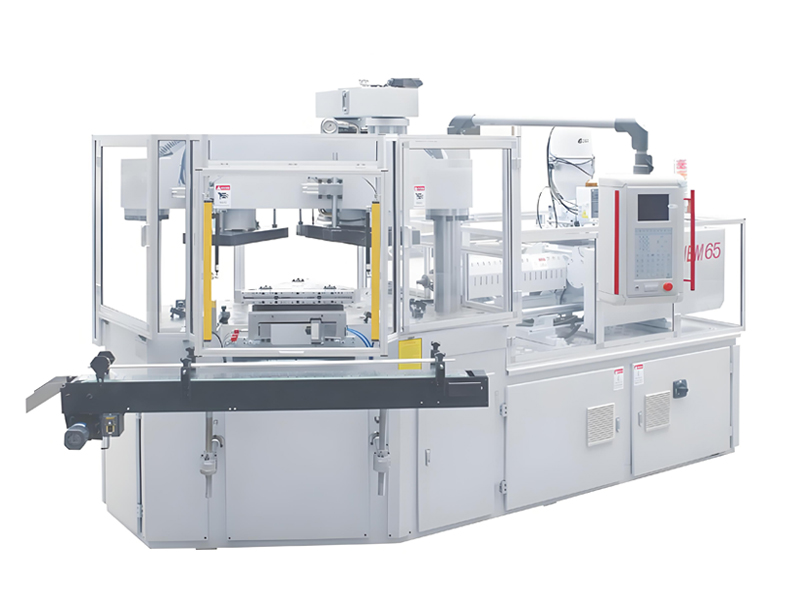
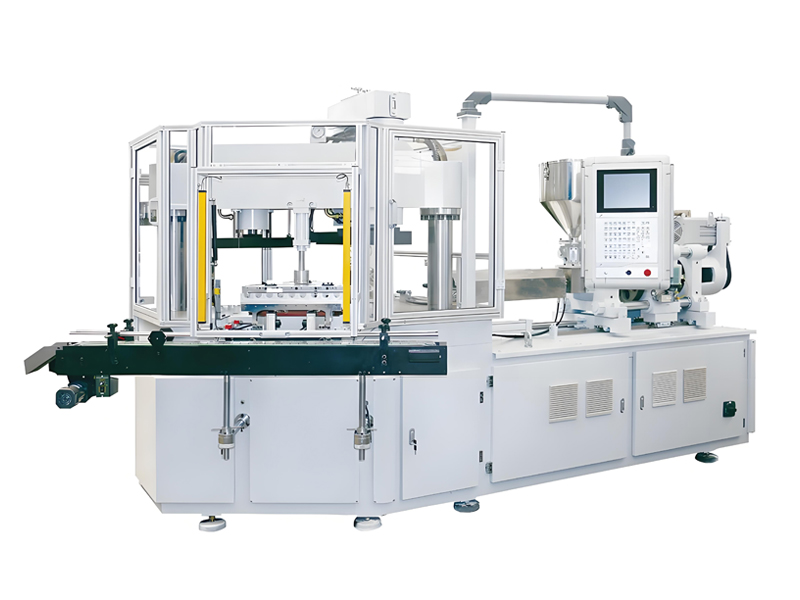
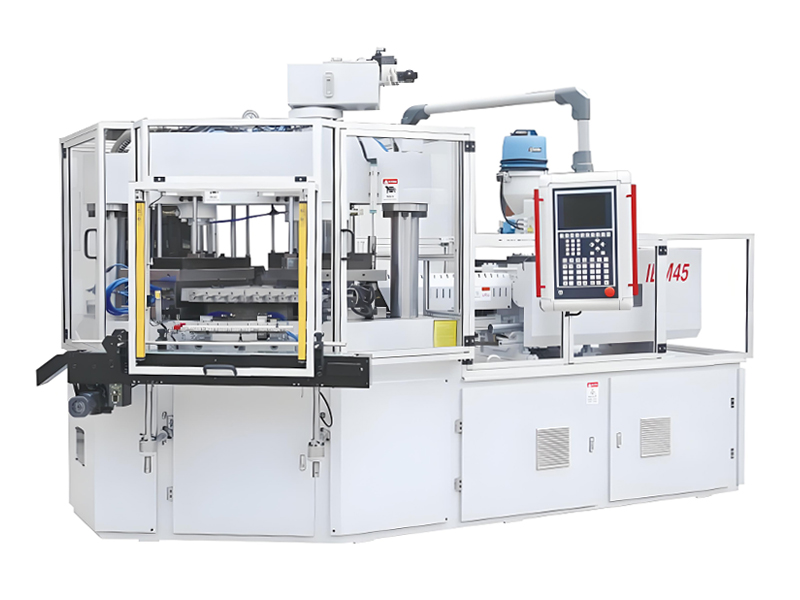
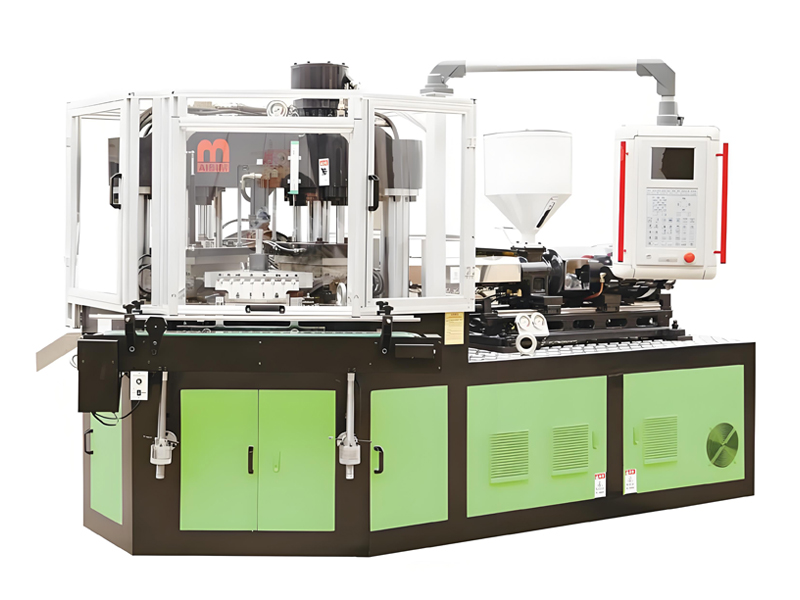
The most visible aspect of OEM is visual branding. AiBiM offers extensive customization of the machine’s appearance. This starts with the color scheme. While standard machines are often industrial blue or grey, an OEM partner can request the machine to be painted in their corporate colors (e.g., red, black, white) using high-quality automotive-grade powder coating. This not only looks professional but also protects the steel from corrosion. The company logo can be applied using silk-screening, vinyl decals, or metal emblems affixed to the safety guards, control cabinet, and main body. For premium OEM packages, the logo can be laser-engraved into the steel panels, creating a permanent, high-end look. Beyond aesthetics, the machine’s user interface can be customized. The HMI (Human-Machine Interface) screen can display the OEM’s logo during the boot-up sequence. The startup splash screen and the “About” section can be modified to show the distributor’s contact information instead of the factory’s. Even the machine nameplate can be customized with the OEM’s model number. For example, instead of “AiBiM-65”, it can be branded as “BrandX-BP65”. This level of customization helps the end-user feel they are buying a product from a local, established supplier rather than an import. The cost for a full visual branding package typically adds $1,000 to $3,000 to the unit cost, depending on the complexity of the paint job and the quality of the signage. This is a small investment compared to the value of brand recognition and customer trust it builds.
Technical Customization and Market-Specific Configurations
OEM is not just about stickers; it often involves technical customization to meet specific market needs. AiBiM works closely with OEM partners to modify machine specifications. For example, a distributor in a country with unstable power supply might request a heavier-duty voltage stabilizer or a specific electrical configuration (e.g., 440V 60Hz for the US, 380V 50Hz for Europe). The machine can be fitted with different types of hopper loaders, conveyors, or take-out robots to integrate seamlessly with the customer’s existing factory layout. Another common customization is the “clean room” version for pharmaceutical or cosmetic applications. This involves fully enclosed guards, HEPA filters on the air intake, and stainless steel covers to prevent dust contamination. The cost for such a specialized configuration is higher—often a 15% to 20% premium—but it opens up high-margin markets. OEM partners can also request proprietary software features. For instance, a specific data logging format required by the customer’s ERP system can be programmed into the PLC. AiBiM’s R&D team is capable of developing custom molds or neck finish standards exclusively for an OEM partner, locking the customer into that partner’s ecosystem for future mold purchases. This creates a recurring revenue stream for the OEM partner beyond the initial machine sale. The ability to offer “exclusive” features is a powerful sales tool that differentiates the OEM partner from generic resellers.
Documentation, Manuals, and Training Localization
A critical component of the OEM experience is the documentation. End-users expect manuals, electrical schematics, and maintenance guides in their native language. AiBiM provides a complete documentation package that can be rebranded. The PDF manuals are supplied in source formats (Word/InDesign), allowing the OEM partner to replace the factory’s name and contact details with their own. The translations can be handled either by the factory (using professional technical translators) or by the OEM partner. The factory can provide the “master” manuals in English, which the partner then translates into Spanish, French, German, etc. Additionally, the parts list and exploded views can be watermarked with the OEM’s logo. This ensures that when the customer orders spare parts, they order from the OEM partner, not directly from the factory (unless the partner authorizes it). The cost of professional translation for a full set of manuals (mechanical, electrical, hydraulic) can range from $2,000 to $5,000 per language. However, this is a one-time investment that adds immense value to the product offering. AiBiM also provides editable CAD files of the machine’s general arrangement, which the OEM can use to create their own marketing renders or 3D animations without visiting the factory. This empowers the OEM partner to create high-quality sales materials that look like they were produced in-house, further enhancing the illusion of a locally manufactured product. Proper documentation is also crucial for liability protection; if an accident occurs, the local language manual is the first document insurance companies will review.
Pricing Structure, MOQ, and Profit Margins
The pricing for OEM machines differs from standard catalog sales. Because the factory is investing in branding setup (screens, paint masks, documentation), they usually require a Minimum Order Quantity (MOQ). For a standard Injection Blow Molding Machine, the MOQ might be 3 to 5 units per order. However, for large strategic partners, AiBiM may agree to a “mixed container” approach where different models are combined to meet the volume. The unit price for an OEM machine is typically 5% to 10% lower than the retail price of the factory’s own brand, allowing the OEM partner a healthy margin. For example, if the factory sells a machine for $80,000, the OEM price might be $72,000. The OEM partner can then sell it to the end-user for $90,000 to $100,000, capturing an $18,000 to $28,000 margin per unit. This margin covers the OEM’s marketing costs, warranty reserves, and local support staff. It is crucial for the OEM partner to negotiate a “price protection” clause. If the factory lowers its public price, the OEM’s cost should be adjusted accordingly to maintain their margin. AiBiM offers tiered pricing based on annual volume commitments. A partner committing to 50 units per year might get an additional 3% discount. The payment terms for OEM are often stricter, requiring a higher deposit (e.g., 40% T/T) to cover raw material costs, with the balance paid before shipment after a pre-shipment inspection (PSI) is passed. The OEM partner must also factor in the cost of warranty claims. While the factory provides the machine, the OEM is the face of the warranty. They need to budget for potential repairs or replacements, which is why a robust service network or a service contract with the factory is essential.
Warranty, After-Sales Support, and Service Models
One of the most complex aspects of OEM is after-sales support. Who fixes the machine when it breaks? There are generally two models. In the “Depot Repair” model, the OEM partner handles all on-site repairs using their own engineers or third-party contractors, while the factory provides remote support and ships spare parts. In the “Factory Direct” model, the factory sends engineers to the end-user’s site, but they wear the OEM’s uniforms and represent themselves as “Certified Technicians from [OEM Brand].” AiBiM supports both models. For the Depot Repair model, AiBiM offers a comprehensive training program for the OEM’s technical team at their factory in China. This 2-week intensive course covers troubleshooting, hydraulic repairs, and PLC programming. The cost is approximately $3,000 per engineer. For the Factory Direct model, the OEM pays a service fee to AiBiM for each call-out. The warranty period is usually standardized (e.g., 12 months for the machine, 24 months for the screw and barrel). The OEM partner must maintain a stock of critical spare parts in their local warehouse to honor warranty claims quickly. AiBiM helps by offering a “Warranty Starter Pack” of spare parts at a 20% discount. The economic benefit of handling warranty locally is that the OEM builds trust with the customer and can upsell maintenance contracts. A local service contract can generate $5,000 to $10,000 in annual revenue per machine, which often exceeds the profit from the initial sale over a 5-year period. Therefore, investing in local service capabilities is a strategic imperative for successful OEM partners. The factory’s role is to provide the technical backup, spare parts supply, and advanced training to ensure the OEM’s team is competent.
Marketing Advantages and Brand Equity Building
From a marketing perspective, offering an OEM Injection Blow Molding Machine allows a distributor to position themselves as a “manufacturer” or “system integrator” rather than just a reseller. This elevates their status in the eyes of the customer. They can claim “Engineered by [Brand]” which implies a level of quality control and customization that generic imports cannot match. It also protects the distributor from price wars. If a competitor is selling the same unbranded machine for a lower price, the OEM brand can justify a premium based on “local support,” “custom engineering,” and “guaranteed parts availability.” Furthermore, owning the brand allows the distributor to build an asset. If they decide to sell their business in the future, the brand equity they have built is part of the valuation. AiBiM supports this by not competing with its OEM partners in their exclusive territories. A strict territorial protection policy ensures that if a partner has exclusive rights to sell “Brand X” in Germany, AiBiM will not sell the same machine under their own name or another OEM brand in that region. This exclusivity is a powerful sales tool. The cost of developing a brand from scratch is immense, but through OEM, a company can acquire a “virtual” manufacturing capability overnight. The initial investment in branding (logos, manuals, paint) is minor compared to the cost of setting up a factory, yet the perceived value to the customer is the same. This is why OEM is the preferred route for many machinery distributors entering the plastic packaging market. It allows them to control the customer relationship and the after-sales revenue stream, which is where the real long-term profit lies.