Importing an Injection Blow Molding Machine from China is a significant investment that requires careful financial planning. The price tag on the machine is just the beginning; the “landed cost” includes shipping, insurance, customs duties, installation, and training. Many buyers underestimate these ancillary costs, leading to budget overruns.
This comprehensive guide breaks down every component of the import cost, using current market rates and AiBiM’s transparent pricing structure as a reference. Whether you are a startup or a multinational corporation, understanding these figures is crucial for a successful procurement project.
The Base Machine Price: FOB vs. CIF vs. EXW
The first and most obvious cost is the price of the machine itself. However, the price quoted can vary significantly based on the Incoterms (International Commercial Terms). Most Chinese manufacturers, including AiBiM, quote FOB (Free On Board) prices. FOB means the seller pays for transportation to the port of shipment and loading onto the vessel. The buyer assumes all costs and risks from that point onward.
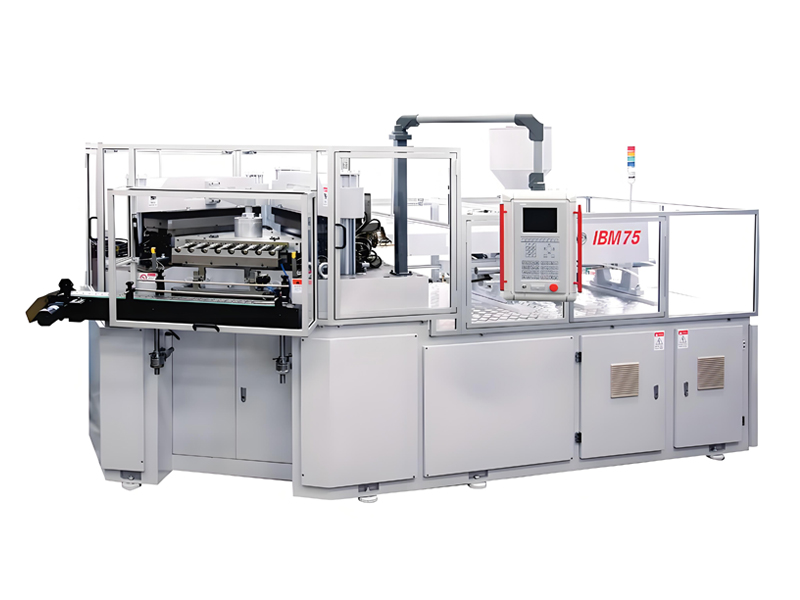
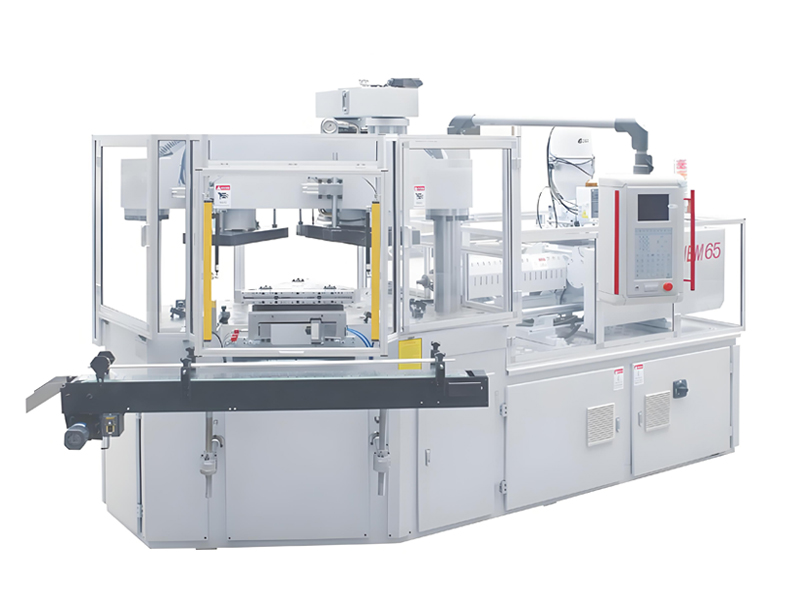
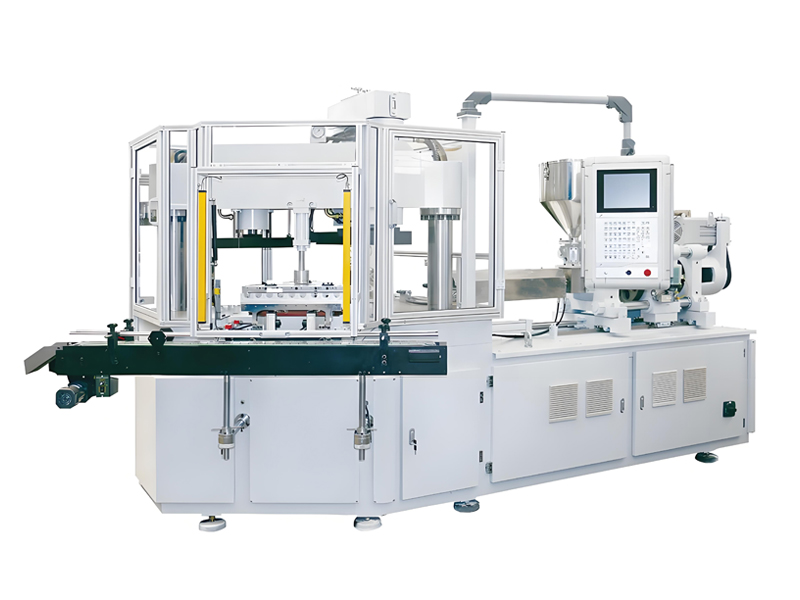
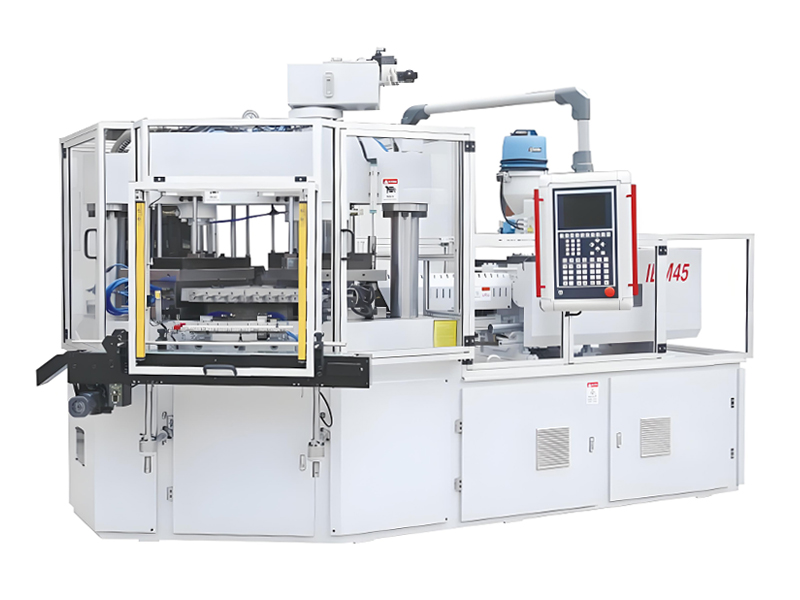
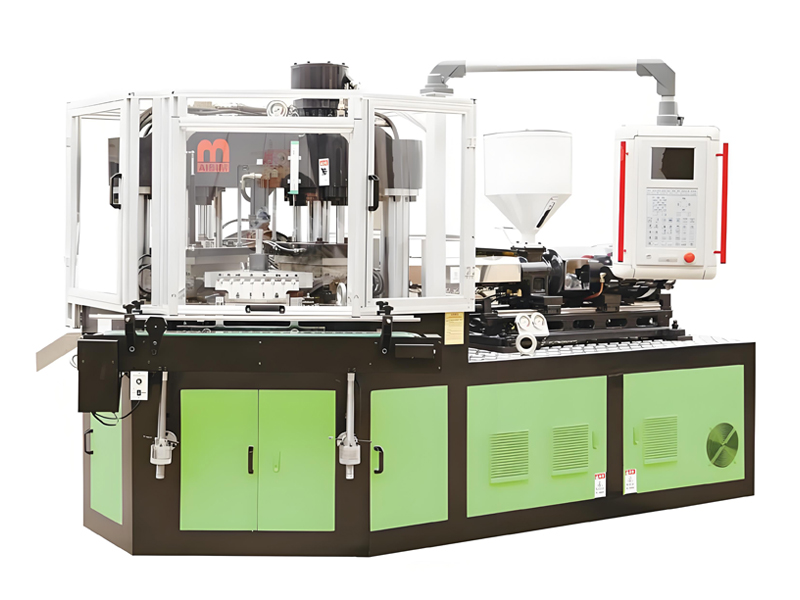
For a standard mid-sized Injection Blow Molding Machine (e.g., 500ml bottle, 2,000 bottles per hour capacity), the FOB price in China typically ranges from $60,000 to $90,000 USD, depending on the brand and configuration. A high-end European-spec machine with full servo motors and robot integration can cost $150,000 or more.
It is vital to clarify what is included in this price. Does it include the molds? Usually, molds are extra. A set of molds for a 4-cavity machine can cost $5,000 to $15,000 depending on complexity. Does it include the air compressor and dryer? Often these are sold separately. AiBiM provides a detailed quotation specifying every included component (screw, barrel, HMI, heaters) and excluded components (molds, auxiliary equipment).
International Shipping and Logistics: Sea vs. Air
Shipping a large Injection Blow Molding Machine requires specialized freight forwarding. These machines are heavy (often 5 to 10 tons) and large (occupying 20 to 40 cubic meters). They usually ship in wooden crates or on pallets. There are two main options: LCL (Less than Container Load) or FCL (Full Container Load).
Since a machine usually fills most of a 40-foot container, FCL is the most common and secure option. The cost of shipping a 40-foot container from major Chinese ports (Shanghai, Ningbo, Shenzhen) to the US West Coast is approximately $3,000 to $5,000. To the East Coast or Europe, it is $5,000 to $8,000. This price fluctuates with fuel costs and seasonality (e.g., Chinese New Year).
Insurance is mandatory and typically costs 0.1% to 0.3% of the machine’s value. Additionally, there are port handling charges (THC), documentation fees, and customs broker fees at the destination port. These local charges can add another $1,000 to $2,000. It is crucial to hire a freight forwarder experienced in heavy machinery to handle the “last mile” transport from the port to your factory. If the machine is too heavy for a standard forklift, you may need a crane truck, which adds $500 to $1,000.
Customs Duties, Taxes, and HS Codes
Customs duties are a major component of the landed cost. The Harmonized System (HS) code for Injection Blow Molding Machines is typically 8477.30 or 8477.40. In the United States, most machinery from China is subject to Section 301 tariffs, which can be an additional 25% on top of the standard duty rate.
The standard MFN (Most Favored Nation) duty rate for this machinery is usually around 2% to 4%. However, with the Section 301 tariffs, the total duty can be 27% to 29%. In the European Union, the duty is generally lower, around 2% to 4%, plus VAT (Value Added Tax) which is typically 19% to 25% of the sum of the machine price plus shipping plus duty.
For example, on a $80,000 machine: Duty (27%) = $21,600. VAT (20% on $101,600) = $20,320. The tax burden alone can exceed $40,000. It is essential to consult a customs broker to determine the exact HS code and duty rate for your specific machine configuration. Some countries have free trade agreements or exemptions for capital goods used in manufacturing, which can reduce or eliminate duties. Always budget for the worst-case duty scenario to avoid surprises. AiBiM can provide a Certificate of Origin to help with duty calculations, but the ultimate responsibility lies with the importer.
Installation, Commissioning, and Technical Training Costs
Once the machine arrives at your factory, it is not ready to produce bottles. It must be installed, leveled, and commissioned. This requires a team of specialized technicians. Most Chinese manufacturers, including AiBiM, offer a commissioning package where they send engineers to the site. The cost of this service is usually not included in the FOB price.
It typically includes round-trip airfare, accommodation, a daily allowance for the engineers (usually 2 engineers for 5 to 10 days), and their labor rate. The total cost for a commissioning trip is approximately $3,000 to $6,000. This fee covers unloading, leveling the machine (critical for high-speed operation), connecting utilities (power, water, air), and running the first production trials. Training is often bundled with this.
If you opt to install it yourself to save money, you risk improper leveling or wiring errors that can void the warranty and cause long-term damage. The cost of hiring local riggers and electricians can be comparable to flying in the manufacturer’s team, but without their specific knowledge of the machine’s quirks. Additionally, you will need to budget for the concrete foundation. A machine of this size requires a reinforced concrete pad to prevent vibration. The cost of pouring a foundation (excavation, rebar, concrete) can range from $2,000 to $5,000 depending on local labor rates and soil conditions. Do not underestimate this civil work cost. An improper foundation can lead to misalignment and premature wear of the machine’s components.
Auxiliary Equipment and Infrastructure Requirements
An Injection Blow Molding Machine does not work in isolation. It requires a suite of auxiliary equipment, often referred to as the “peripherals.” The most significant cost here is the air compressor. The machine requires high-pressure air (30 to 40 bar) for blowing and low-pressure air for actuators. A suitable oil-free or oil-injected screw compressor with a dryer and tank can cost $10,000 to $20,000 if purchased new. You also need an industrial chiller for the mold cooling water, costing $5,000 to $10,000. The material dryer (hopper loader) is another $3,000 to $5,000. If you are processing PET, you need a crystallizer, which adds another $8,000. Then there is the mold temperature controller (oil heater) for the injection unit, around $3,000. Summing these up, the auxiliary equipment can easily cost as much as the machine itself—an additional $30,000 to $50,000. Many first-time buyers forget to budget for this, leading to cash flow problems. AiBiM offers “turnkey” packages that include these peripherals at a discounted bundle price, which can save 10% to 15% compared to buying them separately. Electrical infrastructure is another hidden cost. A large machine may require 3-phase power at 380V or 480V with significant amperage (100A to 200A). Upgrading your factory’s electrical panel or installing a dedicated transformer can cost $5,000 to $15,000. You must also factor in the cost of compressed air piping and chilled water piping installation, which involves plumbing and insulation. The total cost for infrastructure upgrades should be budgeted at 10% to 15% of the machine price. Neglecting these costs can result in a machine that is delivered but cannot be powered or cooled, causing expensive delays.
Spare Parts, After-Sales Support, and Working Capital
To ensure smooth operation, you should budget for initial spare parts. It is recommended to have a “start-up kit” that includes wear items. This kit should contain a set of heater bands, thermocouples, seal kits for the hydraulic cylinders, check rings (non-return valves), and a set of screws and barrels for the injection unit if you plan to process different materials. The cost of a comprehensive start-up kit is typically 5% to 10% of the machine price, so around $5,000 to $8,000. While this seems like an upfront expense, it prevents production stoppages. If a heater band blows on a Sunday night and you don’t have a spare, you could be down for a week waiting for shipping. Furthermore, you should budget for an annual service contract. AiBiM offers Platinum, Gold, and Silver support packages. The Platinum package, which includes priority parts shipping and quarterly visits, might cost $5,000 per year. Over a 10-year lifespan, the total cost of ownership (TCO) for maintenance and parts can easily reach 50% of the purchase price. When calculating the Return on Investment (ROI), these ongoing costs must be factored in. A cheaper machine with expensive or hard-to-find spare parts can become a financial burden. AiBiM’s global warehouse network ensures that spare parts are usually available within 48 hours, minimizing downtime risk. The price transparency for spare parts is a key selling point, with lists published on their website www.aibim-china.com. It is also wise to have working capital reserved for the first 3 months of operation to cover raw material purchases, labor, and utilities before revenue starts flowing in consistently.
Financing, ROI Calculation, and Risk Mitigation
With a total landed cost (machine + shipping + duties + installation + peripherals) potentially reaching $150,000 to $200,000 for a complete line, financing is often necessary. Interest rates for industrial equipment loans range from 6% to 12% depending on your credit rating and the country. If you finance $150,000 at 8% over 5 years, the monthly payment is approximately $3,000, and the total interest paid is around $30,000. This financing cost must be added to your operational expenses. To justify this investment, you need to calculate the ROI. Let’s assume the machine produces 2,000 bottles per hour, running 20 hours a day, 300 days a year (12 million bottles/year). If the net profit per bottle is $0.03, the annual gross profit is $360,000. After subtracting operating costs (material, labor, electricity, rent, financing), the net profit might be $150,000 per year. The payback period would be roughly 1.3 years. This is a healthy ROI. However, if the machine is underutilized (e.g., only 50% capacity), the payback period doubles. Therefore, accurate demand forecasting is critical before importing. AiBiM provides ROI calculation tools on their website where you can input your local material costs, electricity rates, and labor costs to get a customized payback analysis. They also offer leasing options in some regions, which can reduce the initial capital outlay. Leasing might have a higher total cost over the term but improves cash flow, which is vital for startups. Another financial consideration is currency exchange risk. If you are paying in USD while earning in local currency, fluctuations can impact the effective cost. Hedging strategies or forward contracts can mitigate this risk, though they add complexity.