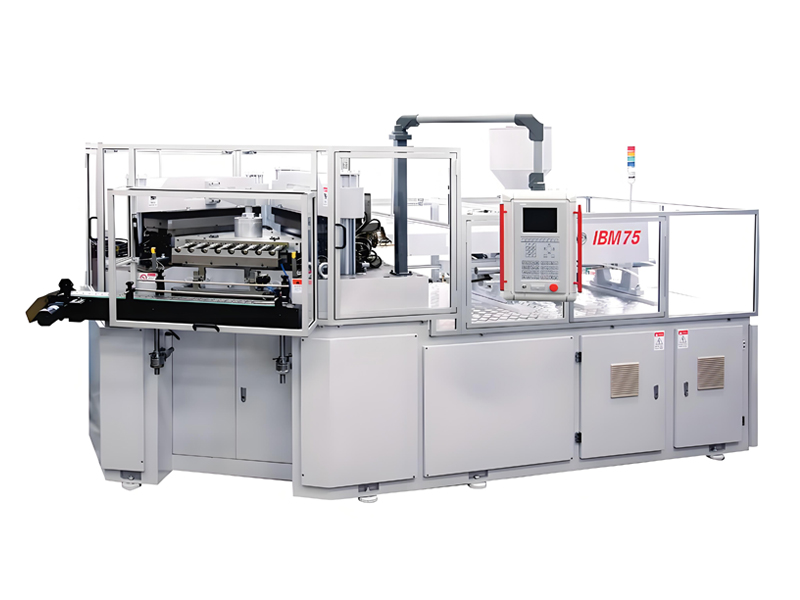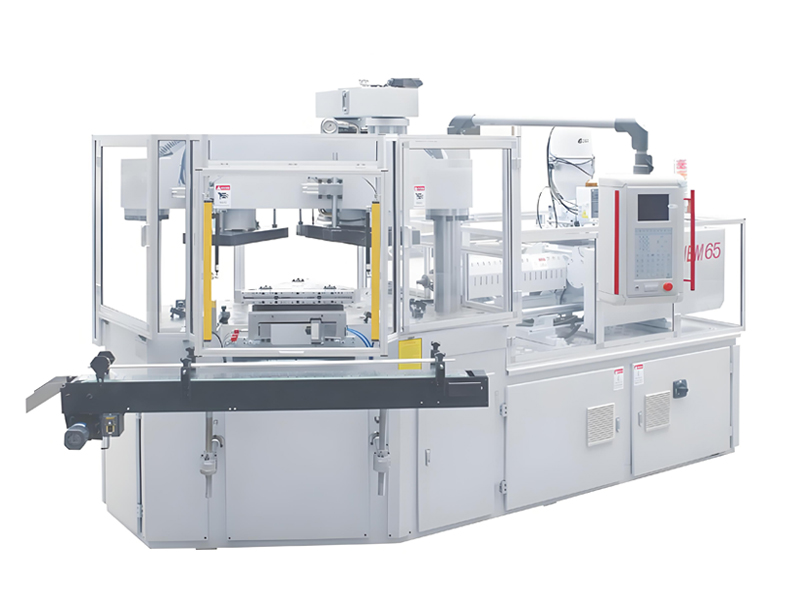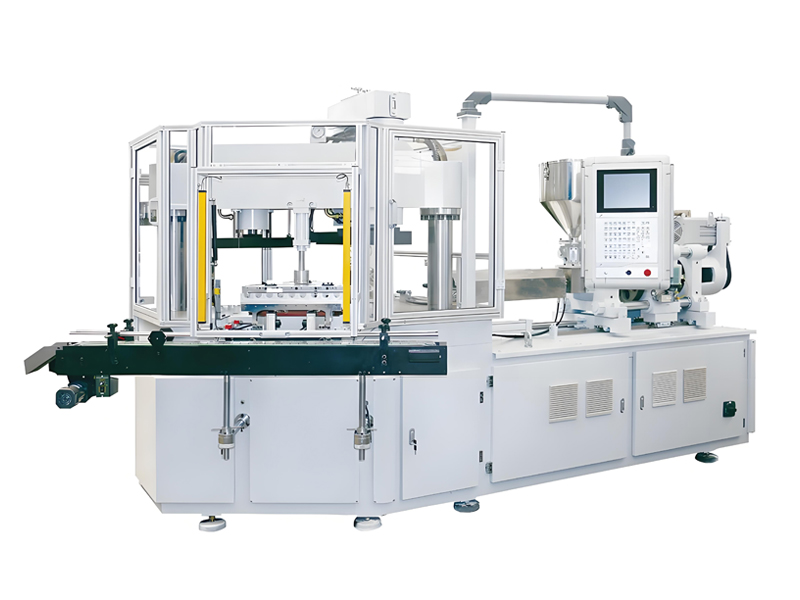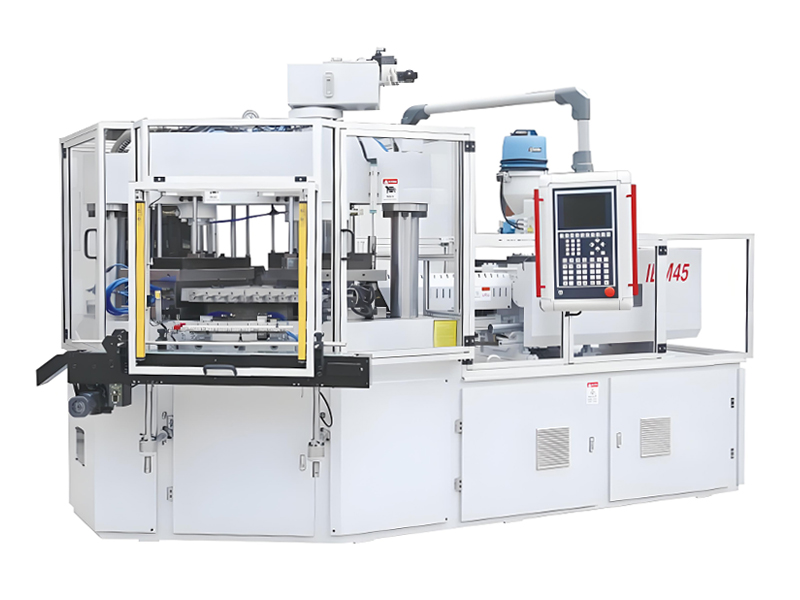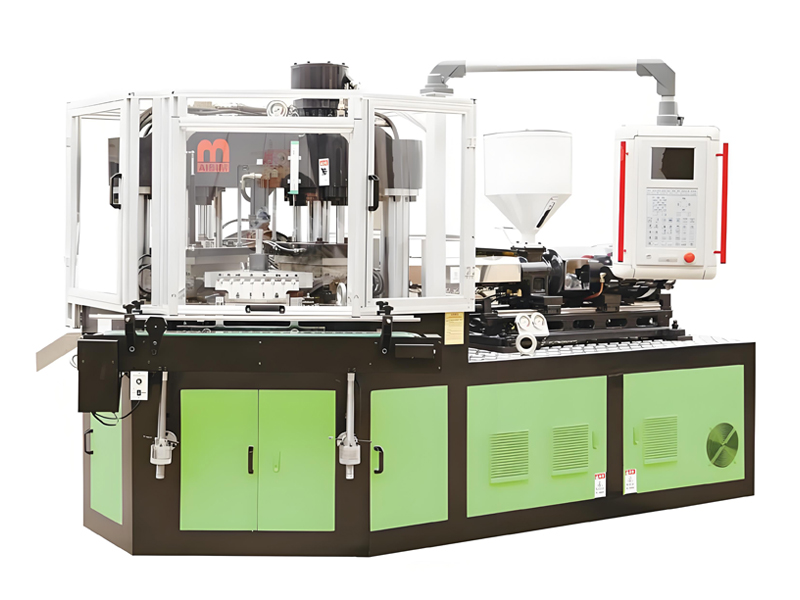
When sourcing an Injection Blow Molding Machine from China, quality control is often the primary concern for international buyers. The reputation of Chinese manufacturing has evolved significantly, with leading brands like AiBiM implementing rigorous inspection processes that rival or exceed Western standards.
A strict quality control (QC) system ensures that the machine delivers consistent performance, long service life, and compliance with safety regulations. This article details the multi-stage inspection process employed in the production of high-quality Injection Blow Molding Machines, focusing on raw materials, assembly, and final testing.
Raw Material Inspection and Supplier Qualification
The foundation of a high-quality machine lies in the quality of its components. A strict QC process begins not on the assembly line, but with the suppliers of raw materials.
Critical components such as the screw, barrel, and mold steel must be sourced from certified mills. For example, the screw and barrel are typically made from high-speed steel (HSS) or bimetallic alloys (like 38CrMoAlA nitrided steel) that resist wear and corrosion.
Before entering the production line, these steel blanks undergo ultrasonic testing to detect internal flaws or voids that could compromise structural integrity. Chemical composition analysis is performed using spectrometers to ensure the alloy meets precise specifications.
If the steel is too soft, it will wear out quickly under the high shear forces of plasticizing; if too brittle, it may crack under the clamping pressure. AiBiM maintains an approved vendor list (AVL) for steel suppliers and conducts random audits to ensure consistency.
Precision Machining and Component Tolerance
Once the raw materials are approved, they move to the CNC machining center. Precision is paramount in Injection Blow Molding Machines, particularly for the clamping unit and the injection unit.
Tolerances for critical parts like the tie bars, platens, and screw flights are typically held within 0.01mm to 0.02mm. Coordinate Measuring Machines (CMM) are used to verify these dimensions after machining.
If the platen is not perfectly flat, the mold will not seal properly, leading to flash. If the screw flight depth is inconsistent, the melting capacity will vary, causing process instability.
During this stage, operators perform first-article inspections (FAI) where the first piece produced from a new setup is measured in detail. Only after the FAI passes is batch production authorized.
Sub-Assembly and Hydraulic System Testing
Before final assembly, sub-assemblies like the hydraulic power unit and the electrical control cabinet are tested independently. The hydraulic system is the heart of the machine’s movement, providing the force for clamping and injection.
A strict QC process involves pressure testing the hydraulic manifold and hoses at 1.5 times the maximum operating pressure to ensure there are no leaks. The hydraulic oil is filtered to a specific cleanliness level (ISO 4406 standard) before being filled into the tank.
Contaminated oil is a leading cause of valve failure and pump wear. The electrical cabinet is tested for proper wiring, grounding, and insulation resistance. Programmable Logic Controllers (PLCs) and Human-Machine Interfaces (HMIs) are flashed with the latest firmware and subjected to simulated cycle tests to ensure all I/O points function correctly.
Final Assembly and Geometric Accuracy
The final assembly stage is where all components come together. This is a critical control point for geometric accuracy. The parallelism between the injection unit and the clamping unit must be checked using laser alignment tools.
Misalignment causes stress on the mold and can lead to premature wear of the guide pillars. The tie-bar nuts are tightened using hydraulic torque wrenches to a specific sequence and torque value, ensuring even distribution of clamping force.
The assembly team also verifies the straightness of the stretch rod and the smoothness of the linear guides. Any binding or stiction in the guides will affect the repeatability of the blowing process.
Factory Acceptance Test (FAT) and Performance Validation
The culmination of the quality control process is the Factory Acceptance Test (FAT). Before the machine is shipped, it undergoes a rigorous 24 to 72-hour continuous run-in test using actual molds and material.
The test simulates real-world production conditions, including maximum speed, maximum pressure, and rapid cycling. During the FAT, several key performance indicators (KPIs) are measured: repeatability of shot weight, cycle time stability, energy consumption, and noise levels.
For an Injection Blow Molding Machine, the bottle weight variation should ideally be within plus or minus 1% of the target weight. If the variation exceeds this, the process parameters or the machine hardware (like the check ring or screw tip) are adjusted.
Certifications and International Standards Compliance
To compete in the global market, Injection Blow Molding Machines must comply with various international standards. Quality control extends to obtaining necessary certifications.
The most common is the CE mark for the European Union, which requires compliance with the Machinery Directive regarding safety, health, and environmental protection. This involves rigorous risk assessments and documentation.
For machines exported to North America, UL (Underwriters Laboratories) or CSA certification may be required for the electrical components. Additionally, ISO 9001 certification for the manufacturing facility is a baseline indicator of a robust quality management system.
Cost Implications of Quality Control
Implementing a strict quality control process increases the manufacturing cost of an Injection Blow Molding Machine. Premium materials, precision machining, and extensive testing add to the bill of materials and labor hours.
A machine produced under a strict QC regime might cost 15% to 20% more than a budget model from a factory with lax standards. However, the cost of poor quality is far higher. A machine that fails frequently can cost thousands of dollars per hour in lost production.
Furthermore, safety incidents can lead to lawsuits and reputation damage. For a mid-sized Injection Blow Molding Machine with a price tag of around $80,000, a 15% premium for top-tier quality control adds $12,000 to the purchase price.
However, this investment typically pays for itself within the first year through reduced scrap rates, lower energy consumption, and extended maintenance intervals. AiBiM’s quality control philosophy focuses on “Total Cost of Ownership” (TCO) rather than just the initial purchase price.