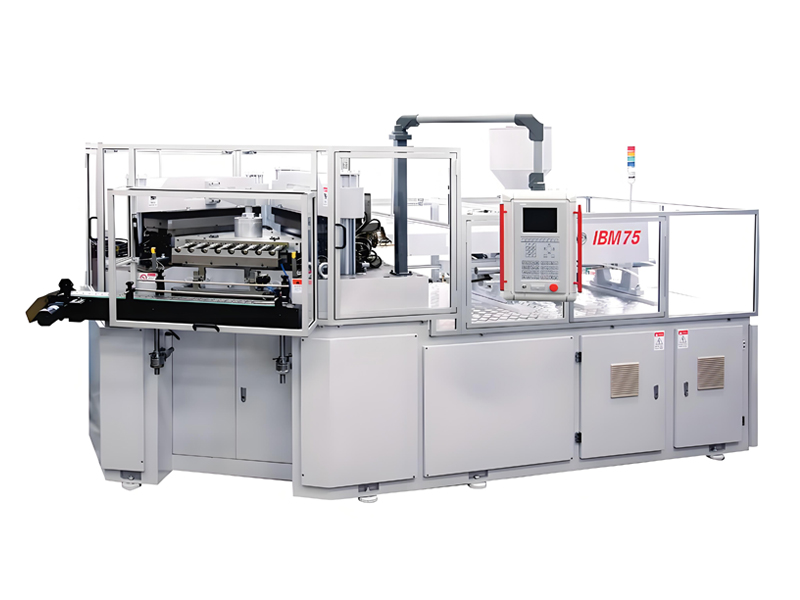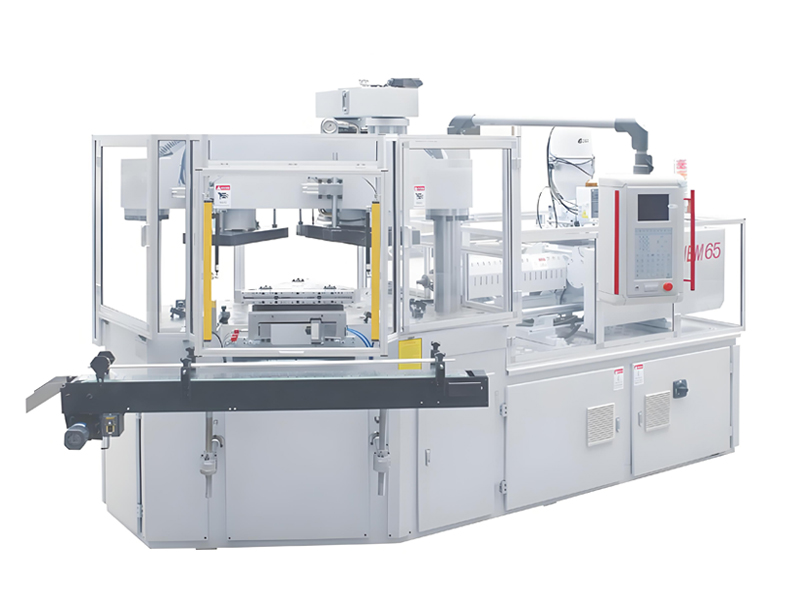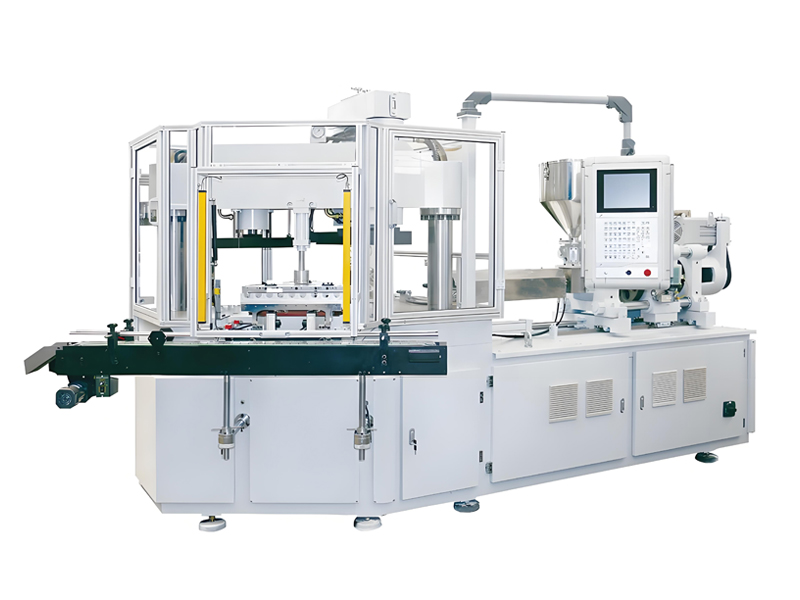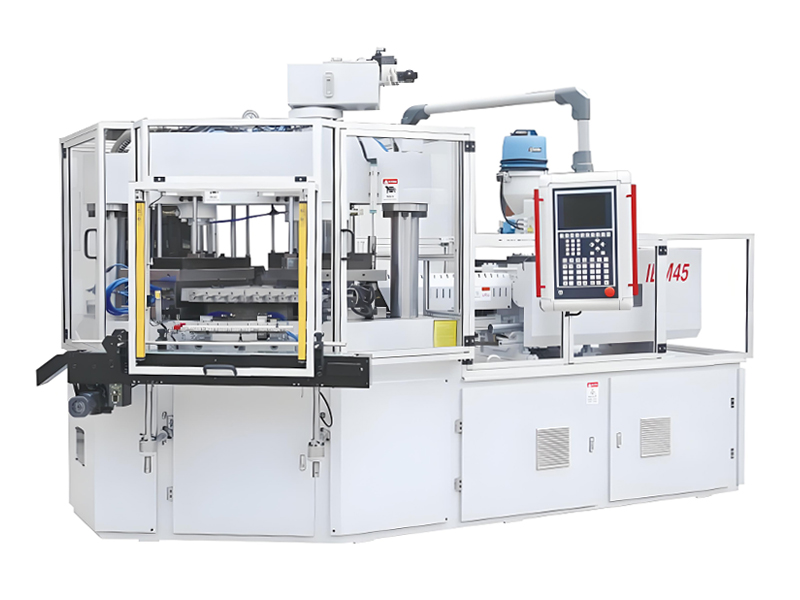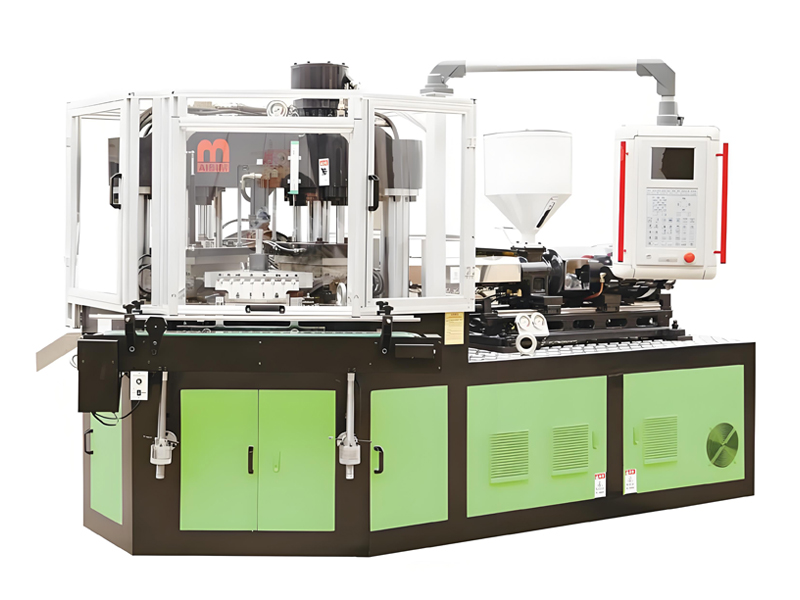
Mastering the operation of an Injection Blow Molding Machine is a critical skill set in the plastic packaging industry. Unlike simple extrusion blow molding, the injection stretch blow molding (ISBM) process requires precise synchronization of three distinct stages: injection, blowing, and ejection. For operators and plant managers, understanding the intricacies of machine parameters, mold handling, and troubleshooting is essential to maximize output and minimize scrap.
This guide provides a deep dive into professional operation techniques, specifically tailored for AiBiM Injection Blow Molding Machines, ensuring you get the most out of your investment. The complexity of modern ISBM machines, with their servo-driven axes and programmable logic controllers (PLCs), demands a level of expertise that goes beyond basic machine operation. It requires a holistic understanding of polymer science, thermodynamics, and precision mechanics.
This document serves as a comprehensive training manual, covering everything from the fundamental physics of the process to advanced troubleshooting strategies that can save thousands of dollars in downtime and material waste.
Understanding the Three-Stage Process in Detail
The core of any Injection Blow Molding Machine is its ability to perform three sequential actions within a single cycle. Professional operators must understand the interdependence of these stages.
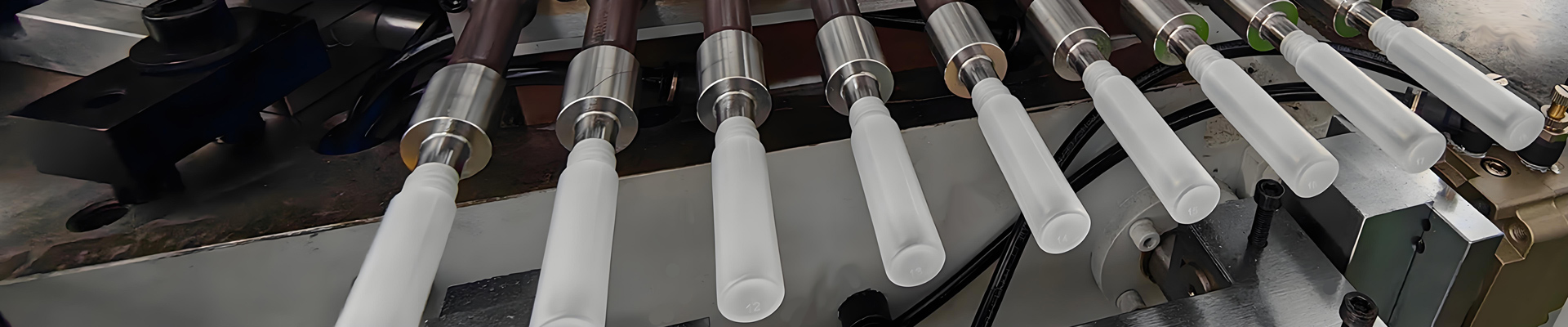
The first stage is injection, where molten plastic is forced into a preform mold. The second stage is blowing, where the hot preform is transferred to a blow mold and inflated. The third stage is ejection, where the finished container is removed. Unlike continuous extrusion, ISBM is a cyclic process, and timing is everything.
A delay of even 0.5 seconds in mold transfer can result in the preform cooling too much, leading to poor distribution of material and weak spots in the final bottle. This cyclic nature means that the machine is constantly accelerating and decelerating heavy components, placing immense stress on the mechanical and hydraulic systems.
Injection Stage Parameters and Polymer Science
During the injection phase, the operator must control the melt temperature, injection pressure, and hold time. For PET (Polyethylene Terephthalate), the melt temperature typically ranges between 270 to 290 degrees Celsius.
If the temperature is too low, the preform will have unmelted particles (gels) which can cause haze or weak points in the bottle. If too high, the polymer degrades, causing yellowing and brittleness due to a reduction in intrinsic viscosity (IV).
The injection pressure must be high enough to fill the mold completely but not so high that it causes flash (excess material escaping the mold) or stresses the mold steel. AiBiM machines utilize advanced servo-driven injection units that allow for precise control of screw speed and backpressure.
Operators should be trained to adjust backpressure to ensure consistent melting and homogenization of the polymer. A typical backpressure setting for PET might be 50 to 100 bar, depending on the screw design and material viscosity.
The hold time is equally critical; it ensures that the material packs out the mold to compensate for shrinkage as it cools. Insufficient hold time results in sinks or voids in the preform neck, which can lead to leakage in the final bottle.
Blowing Stage Mechanics and Pneumatics
The blowing stage is where the bottle gets its final shape and strength. This involves stretching the preform axially with a stretch rod and inflating it radially with high-pressure air.
The timing of the stretch rod insertion is critical. It must enter the preform immediately after the mold closes to ensure the material is stretched while still above its glass transition temperature.
The blow pressure typically ranges from 20 to 40 bar for standard bottles. However, for carbonated beverage bottles requiring high burst strength, pressures can reach 60 bar or even higher in specialized applications.
Operators must monitor the high-pressure air system closely. A drop in pressure during the blow cycle will result in a bottle with poor top-load strength and uneven wall distribution. AiBiM machines are equipped with high-flow air valves and accumulators that maintain constant pressure even during rapid cycling.
Ejection and Cycle Time Optimization
The final stage involves opening the blow mold and ejecting the bottle. Cycle time is the single biggest factor in machine productivity. A typical cycle for a 500ml bottle might be 8 to 12 seconds, but high-speed machines can achieve cycles as low as 4 seconds.
Professional operators look for ways to shave off milliseconds without compromising quality. This includes optimizing the opening and closing speed of the molds and the speed of the take-out robot.
However, rushing the cooling phase is a common mistake. The bottle must be cooled sufficiently to retain its shape when ejected. If the mold temperature is too high or cooling time is too short, the bottle will deform (creep) after ejection or stick in the mold.
AiBiM machines feature intelligent cooling control systems that regulate mold temperature based on cycle time and ambient conditions. Operators should be trained to read the machine’s HMI (Human-Machine Interface) to identify bottlenecks in the cycle, such as slow hydraulic responses or delays in the stretch rod mechanism.
Mold Handling and Maintenance Protocols
Molds are the most expensive and delicate part of an Injection Blow Molding Machine setup. Proper handling is non-negotiable for professional operation. Molds should never be dropped or struck.
Before installation, the mold faces must be cleaned with a lint-free cloth and a specialized mold release agent if required for the specific material or design. For AiBiM machines, the mold clamping system is often hydraulic or servo-electric.
Operators must verify that the mold is centered perfectly using dial indicators. Misalignment causes uneven wall thickness, flash, and can damage the mold locking rings or the machine’s platens.
During operation, operators should listen for any unusual noises from the mold area, such as grinding or knocking, which could indicate worn guide pillars, damaged cavities, or trapped debris.
Regular maintenance includes checking the ventilation channels in the mold. Blocked vents can trap air, causing burns (splay marks) or incomplete filling. A professional operator will have a checklist for daily, weekly, and monthly mold inspections, including checking for corrosion, especially if processing PVC or corrosive additives like flame retardants.
Troubleshooting Common Defects and Process Deviations
Even with perfect setup, defects occur. A professional operator must be able to diagnose and fix issues on the fly. Common defects include haze, bubbles, uneven walls, flash, and stress whitening.
Haze is often caused by moisture in the resin or a cold mold. Moisture hydrolyzes PET, breaking down the polymer chains. Bubbles (not to be confused with air inclusions) can indicate material degradation due to excessive heat or trapped volatiles.
Uneven wall thickness is usually a mechanical issue, such as a misaligned stretch rod, uneven heating, or a blocked cooling channel. Flash occurs when the mold doesn’t close completely or injection pressure is too high.
Stress whitening around the neck finish is often a sign of over-stretching or a sharp mold radius. For AiBiM machines, the control system often provides error codes and real-time graphs of pressure and temperature.
However, experienced operators rely on visual and auditory cues. For example, a hissing sound during blowing might indicate a leak in the air system or a cracked mold. Training programs should include extensive “defect libraries” where operators can match physical samples to process deviations and learn the corrective actions.
Material Handling, Drying, and Regrind Management
The quality of the final product is heavily dependent on the quality of the input material. PET is hygroscopic, meaning it absorbs moisture from the air. If the moisture content exceeds 50 parts per million (ppm), the polymer will degrade during processing, leading to a loss of intrinsic viscosity (IV) and brittle bottles.
Professional operation requires a strict material handling protocol. This includes using sealed hoppers, checking the dew point of the drying air, and verifying the drying temperature (typically 160 to 180 degrees Celsius for 4 to 6 hours).
Operators should be trained to use moisture analyzers and to interpret the results. If the material is not dry enough, the machine settings cannot compensate for the resulting bubbles and haze.
AiBiM machines often integrate with central drying systems. The operator must understand how to set the “material out” alarm and how to purge the system when changing materials to prevent cross-contamination, which can be disastrous for food-grade packaging.
Cost Analysis of Operator Training and Skill Development
Investing in professional training for an Injection Blow Molding Machine yields a high return on investment. Untrained operators can cause significant waste.
For a machine producing 2,000 bottles per hour, a scrap rate of 5% due to poor operation means 100 wasted bottles per hour. If the material and overhead cost per bottle is $0.05, that is a loss of $5 per hour, or $40,000 per year assuming a 24/5 operation (8,000 hours).
Over a 24/7 operation, this loss triples to $120,000 per year. Professional training reduces scrap rates to below 1%.
The cost of a comprehensive training program from AiBiM, including on-site installation, commissioning, and a 2-week intensive certification course, typically ranges from $2,000 to $5,000 per operator, including travel and accommodation. This is a negligible expense compared to the potential savings.
Furthermore, well-trained operators perform preventive maintenance better, extending the life of expensive components like the screw and barrel. They also change molds faster, reducing downtime. When calculating the total cost of ownership, the cost of training should be viewed as an essential capital investment, not an operational expense.
Safety Standards, Compliance, and Risk Management
Operating an Injection Blow Molding Machine involves high temperatures, high pressures, and moving parts. Professional operation mandates strict adherence to safety protocols.
Operators must wear appropriate PPE, including heat-resistant gloves, safety glasses with side shields, and ear protection (as the machines can exceed 85 decibels). Lockout/Tagout (LOTO) procedures must be followed during any maintenance.
AiBiM machines are equipped with safety interlocks on doors and guards, as well as light curtains around the robot cell. However, operators must never bypass these safety features.
Training should cover emergency stops, fire suppression systems (especially for hydraulic units), and the proper handling of hot molds and ejected bottles. In many regions, compliance with OSHA (in the US) or CE standards (in Europe) is mandatory.
Failure to train operators can lead to heavy fines and workplace accidents. The cost of a single serious injury can exceed the price of the machine itself due to medical costs, legal fees, and lost productivity. Therefore, safety training is not just a regulatory requirement but a financial imperative.