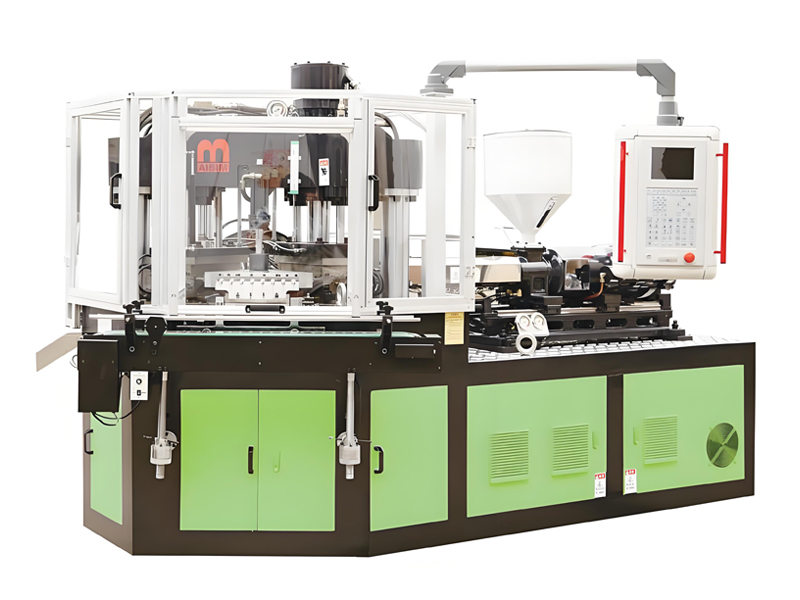
The global packaging industry is undergoing a significant transformation driven by sustainability demands, cost pressures, and environmental regulations. Lightweight design has emerged as one of the most effective strategies for plastic bottle manufacturers seeking to reduce material consumption while maintaining product quality and performance. An injection blow molding machine plays a crucial role in achieving these lightweight objectives, offering precision manufacturing capabilities that enable producers to create thinner-walled bottles without compromising structural integrity or consumer safety.
As brands and manufacturers worldwide commit to sustainable packaging goals, understanding the intersection of injection blow molding technology and lightweight design becomes essential for industry professionals. This comprehensive guide explores how injection blow molding machines contribute to lightweight bottle production, the technical principles behind successful weight reduction, and practical strategies for implementing lightweight solutions across various applications.
Hiểu về thiết kế nhẹ trong sản xuất chai nhựa
Lightweight design represents a systematic approach to reducing the amount of plastic material used in bottle production while preserving or enhancing functional performance. This methodology goes beyond simple material reduction; it encompasses holistic engineering considerations including structural optimization, material selection, and manufacturing precision.
Xác định Thiết kế Nhẹ và Bối cảnh Ngành
Lightweight design in plastic bottle manufacturing refers to the deliberate engineering of bottle structures that use less material than traditional designs while meeting equivalent or superior performance requirements. The concept gained prominence in the early 2000s when oil prices surged and environmental awareness increased, prompting manufacturers to seek efficiency improvements throughout their production operations.
The pharmaceutical, food, and beverage industries have been primary adopters of lightweight technology, driven by regulatory requirements, sustainability commitments, and economic incentives. Modern lightweight bottles typically achieve weight reductions of 15 to 40 percent compared to conventional designs, depending on the application requirements and material selection.
Ý nghĩa về môi trường và kinh tế
The environmental benefits of lightweight plastic bottles extend across the entire product lifecycle. Reduced material consumption means less raw material extraction, lower energy consumption during manufacturing, decreased transportation emissions due to lighter product weights, and reduced waste at end-of-life. A single gram of plastic saved per bottle, when multiplied by millions of units produced daily, translates to substantial environmental impact reduction.
From an economic perspective, material costs typically represent 50 to 70 percent of total bottle production costs. Lightweight design directly addresses this variable cost driver, offering immediate savings that improve profit margins or enhance competitive pricing capability. Manufacturers implementing successful lightweight strategies often achieve return on investment within 12 to 24 months through combined material and transportation savings.
Sự chấp nhận của người tiêu dùng và xu hướng thị trường
Contemporary consumers increasingly support sustainable packaging initiatives, with research indicating that over 60 percent of shoppers consider environmental factors when making purchasing decisions. Lightweight bottles align with consumer expectations for responsible packaging without sacrificing the convenience and functionality they demand.
Market trends show accelerated adoption across all major packaging segments. Major beverage brands have committed to significant weight reduction targets, while pharmaceutical companies increasingly specify lightweight containers for both environmental and patient-handling benefits. This market momentum creates both opportunity and pressure for manufacturers to develop or enhance their lightweight production capabilities.
Ưu điểm của Injection Blow Molding cho sản xuất chai nhựa
Injection blow molding technology offers distinct advantages for producing lightweight plastic bottles, particularly in applications requiring precision, consistency, and material efficiency. Understanding these advantages helps manufacturers make informed equipment decisions and optimize their production processes.
Quy trình sản xuất một bước
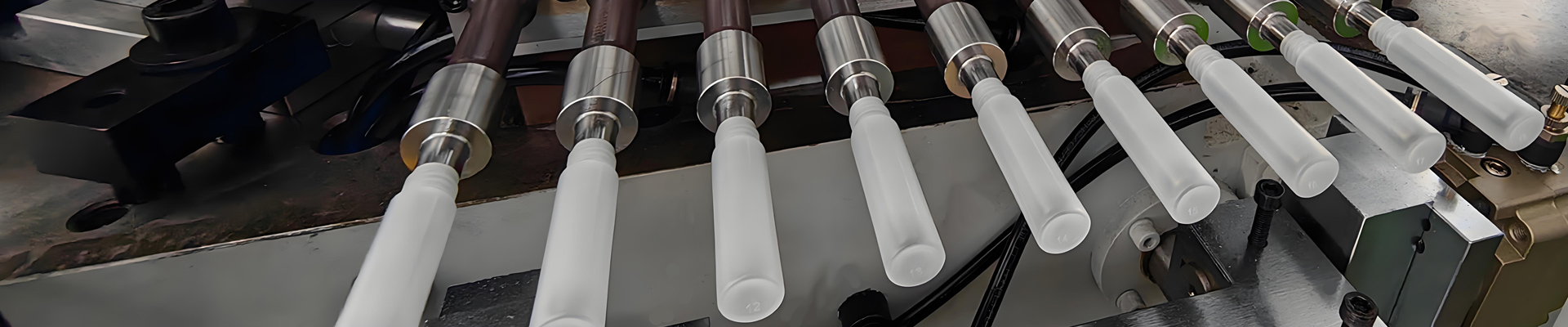
The injection blow molding machine executes bottle production through an integrated process that combines injection molding for the preform with blow molding for the final container shape. This one-step approach eliminates handling and transfer operations that characterize multi-stage manufacturing methods, reducing contamination risk and production cycle time.
The seamless integration of preform creation and bottle forming enables tighter process control and improved consistency. Each bottle emerges from the machine with uniform wall thickness distribution and precise dimensional characteristics, eliminating variations that often occur when preforms are transported between separate manufacturing stations.
Kiểm soát độ dày thành vượt trội
Precise wall thickness control represents one of the most significant advantages of injection blow molding for lightweight applications. The technology enables manufacturers to program exact material distribution across the bottle structure, concentrating material in high-stress areas while reducing thickness where load requirements permit.
Advanced injection blow molding machines incorporate sophisticated control systems that monitor and adjust process parameters in real-time, maintaining thickness consistency within tight tolerances throughout production runs. This capability proves essential for lightweight bottles where even minor variations can compromise structural integrity or cause aesthetic defects.
Độ chính xác và tính nguyên vẹn của miệng chai
Phần hoàn thiện cổ chai được đúc phun của các chai đúc thổi phun thể hiện độ chính xác kích thước vượt trội so với các phương pháp sản xuất khác. Độ chính xác này là kết quả của quy trình phun áp suất cao điền đầy khoang cổ chai bằng vật liệu nóng chảy trước khi bất kỳ sự kéo giãn hoặc thổi nào xảy ra.
For lightweight bottles, neck integrity proves particularly important as the closure area often represents the highest stress concentration point. Injection blow molding produces thread profiles and sealing surfaces that meet exact specifications, ensuring reliable sealing performance even with reduced material in adjacent body sections.
So sánh với Ép phun Thổi Kéo dãn
While both injection blow molding and injection stretch blow molding utilize similar initial injection steps, the stretching mechanism differs significantly. Injection stretch blow molding introduces axial stretching through a stretch rod, creating molecular orientation that enhances strength in the body section. This characteristic makes stretch blow molding particularly suitable for carbonated beverage applications requiring high hoop strength.
Injection blow molding without stretching offers advantages for certain applications including pharmaceutical containers, cosmetics packaging, and wide-mouth bottles. The absence of stretching simplifies tooling, reduces machine complexity, and often provides better material distribution control for non-carbonated applications. For lightweight designs targeting these segments, conventional injection blow molding frequently delivers superior results.
Nguyên tắc Thiết kế Chai Nhựa Nhẹ
Thiết kế chai nhẹ thành công đòi hỏi sự chú ý kỹ thuật có hệ thống trên nhiều khía cạnh thiết kế. Các nhà sản xuất phải cân bằng mục tiêu giảm trọng lượng với các yêu cầu về kết cấu, ràng buộc gia công và cân nhắc về mục đích sử dụng cuối cùng.
Tiêu chí lựa chọn vật liệu
Lựa chọn vật liệu ảnh hưởng cơ bản đến mức giảm khối lượng có thể đạt được và hiệu suất cuối cùng của chai. Mỗi polyme có các đặc tính riêng biệt quyết định sự phù hợp của nó với các ứng dụng cụ thể.
PET represents the most common material for beverage and food packaging, offering excellent clarity, good mechanical properties, and widespread recycling infrastructure. Modern PET grades enable significant weight reduction while maintaining adequate barrier properties and impact resistance for most applications.
Polypropylene provides superior chemical resistance and thermal stability, making it suitable for pharmaceutical and cosmetics applications requiring sterilization or exposure to aggressive contents. PP lightweight bottles achieve excellent results with injection blow molding due to the material’s favorable flow characteristics and low temperature sensitivity.
Polyethylene offers cost-effective solutions for household and industrial chemical containers. HDPE provides excellent stiffness and chemical resistance, while LDPE enables flexible dispensing applications. Both materials respond well to lightweight optimization through injection blow molding processes.
Polystyrene, đặc biệt là các cấp độ biến tính chịu va đập, phục vụ các ứng dụng đòi hỏi độ trong suốt và độ cứng. Mặc dù ít được sử dụng cho các chai giảm trọng lượng do lo ngại về độ giòn, các công thức PS biến tính cho phép các giải pháp bao bì chuyên dụng với các cân nhắc thiết kế phù hợp.
Tối ưu hóa độ dày thành
Tối ưu hóa độ dày thành đòi hỏi cân bằng nhiều yêu cầu cạnh tranh bao gồm độ bền cấu trúc, tiết kiệm vật liệu và khả năng xử lý. Các kỹ sư sử dụng phân tích phần tử hữu hạn và thử nghiệm thực tế để xác định các phân bố độ dày tối ưu cho các ứng dụng cụ thể.
Modern lightweight design principles advocate for gradient wall thickness approaches that vary thickness based on localized stress analysis. High-stress regions such as the base, shoulder, and closure interface receive additional material, while body sections under lower stress accommodate thickness reductions. This targeted approach maximizes weight savings while maintaining structural adequacy.
Máy đúc thổi phun phải đạt được kiểm soát độ dày nhất quán trong toàn bộ mô hình phân bố được tối ưu hóa. Các khả năng lập trình parison tiên tiến cho phép biến đổi độ dày chính xác trong giai đoạn thổi, chuyển các ý định thiết kế thành các sản phẩm được sản xuất với độ trung thực cao.
Gân tăng cứng kết cấu và gia cường
Strategic placement of structural ribs provides stiffness and impact resistance without proportional material increase. Ribbing proves particularly effective in maintaining column strength and preventing buckling in tall, slender bottle designs where body sections might otherwise require excessive thickness.
Effective rib design considers multiple factors including rib height-to-width ratios, spacing between ribs, and integration with body geometry. Properly designed ribs can increase structural stiffness by 30 to 50 percent while adding minimal weight, making them essential tools for lightweight optimization.
Quy trình ép thổi khuôn cho phép tạo gân chính xác thông qua phân bố vật liệu có kiểm soát trong cả giai đoạn phun và thổi. Thiết kế khuôn phải phù hợp với hình dạng gân đồng thời đảm bảo điền đầy vật liệu hoàn toàn và bề mặt hoàn thiện phù hợp.
Tối ưu hóa thiết kế đế
Thiết kế đáy chai ảnh hưởng đáng kể đến cả hiệu suất cấu trúc và hiệu quả vật liệu. Các đáy phẳng truyền thống đòi hỏi độ dày đáng kể để chống biến dạng dưới tải trọng xếp chồng và áp suất bên trong, tạo ra các cơ hội tối ưu hóa thông qua các hình dạng thay thế.
Champagne-style bases with recessed centers and radial ribbing achieve excellent stability and load resistance with reduced material compared to conventional designs. The curved geometry distributes stresses more efficiently than flat surfaces, enabling thickness reduction while maintaining or improving performance.
Đế có chân kết hợp nhiều điểm tiếp xúc mang lại các cơ hội tối ưu hóa bổ sung cho một số ứng dụng. Mặc dù yêu cầu khuôn mẫu phức tạp hơn, các thiết kế này có thể đạt được giảm trọng lượng đáng kể đồng thời cung cấp độ ổn định và khả năng xếp chồng đầy đủ.
Thiết kế vai chai và vùng chuyển tiếp
Vùng vai kết nối miệng cổ chai với thân chai yêu cầu sự chú ý thiết kế cẩn thận vì nó đại diện cho một khu vực tập trung ứng suất quan trọng. Tối ưu hóa giảm trọng lượng phải bảo toàn độ bền đầy đủ trong vùng chuyển tiếp này trong khi giảm vật liệu ở những nơi mức ứng suất cho phép.
Smooth radius transitions between the neck and shoulder reduce stress concentrations and enable more aggressive lightweight measures in adjacent areas. Sharp corners create localized stress peaks that require additional material to prevent failure, making radius optimization an essential lightweight strategy.
The slope angle of the shoulder influences both material distribution during blow molding and stress distribution during use. Steeper shoulder angles facilitate material flow during manufacturing but may create stress concentrations requiring additional thickness. Design optimization balances these competing considerations for each specific application.
Các Công nghệ Chủ chốt Hỗ trợ Sản xuất Nhẹ
Các công nghệ tiên tiến được tích hợp vào máy đúc thổi phun hiện đại cho phép độ chính xác và kiểm soát cần thiết cho việc sản xuất chai nhẹ thành công. Hiểu các công nghệ này giúp nhà sản xuất tận dụng hiệu quả các khoản đầu tư thiết bị của họ.
Hệ thống điều khiển chính xác
Modern injection blow molding machines incorporate sophisticated control systems that manage all process parameters with high precision and repeatability. Closed-loop feedback systems monitor temperature, pressure, and position sensors throughout the production cycle, adjusting parameters in real-time to maintain optimal conditions.
Các bộ điều khiển logic lập trình với khả năng chuyển động tiên tiến cho phép phối hợp chính xác giữa các giai đoạn phun, thổi và đẩy sản phẩm. Sự phối hợp này rất cần thiết cho các ứng dụng làm nhẹ nơi các biến động nhỏ có thể gây ra sai lệch chất lượng đáng kể.
Human-machine interfaces provide intuitive operation and comprehensive monitoring capabilities, enabling operators to optimize settings for specific bottle designs and material combinations. Recipe storage functions allow quick changeovers between products while maintaining validated parameters for each configuration.
Ứng dụng công nghệ PREFILL
PREFILL technology represents an advanced control methodology that optimizes material distribution during the preform injection phase. By precisely controlling the filling pattern and pressure profile, PREFILL systems achieve more uniform preform wall thickness that translates directly to improved final bottle characteristics.
The technology enables manufacturers to produce preforms with specifically engineered thickness distributions that compensate for subsequent blow molding operations. This predictive control approach produces bottles with tighter tolerances and more efficient material placement than conventional processes.
Đối với các ứng dụng làm nhẹ, công nghệ PREFILL tỏ ra đặc biệt có giá trị vì nó cho phép tối ưu hóa mạnh mẽ hơn các phân bố độ dày thành. Nhà sản xuất có thể giảm độ dày trung bình trong khi vẫn duy trì hiệu suất thông qua việc bố trí vật liệu được nhắm mục tiêu chính xác.
Quản lý đồng đều nhiệt độ
Phân bố nhiệt độ nhất quán trong toàn bộ hệ thống nhựa nóng chảy và khuôn ảnh hưởng trực tiếp đến chất lượng và tính nhất quán của chai cuối cùng. Các máy đúc thổi phun hiện đại kết hợp nhiều vùng gia nhiệt và làm mát duy trì kiểm soát nhiệt độ chính xác trên tất cả các bề mặt liên quan.
Tính đồng đều nhiệt độ không đủ gây ra các biến động độ nhớt trong nhựa nóng chảy, dẫn đến sự không nhất quán về độ dày và các điểm yếu trong chai cuối cùng. Các hệ thống tiên tiến giám sát nhiệt độ tại nhiều điểm và tự động điều chỉnh công suất gia nhiệt để duy trì tính nhất quán trong các dung sai chặt chẽ.
Đối với sản xuất làm nhẹ, độ đồng đều nhiệt độ càng trở nên quan trọng hơn vì các đoạn thành giảm để lại ít biên độ hơn cho các biến động gia công. Kiểm soát nhiệt độ chặt chẽ cho phép hành vi điền đầy và thổi nhất quán tạo ra các chai nhẹ đồng đều.
Hệ thống tối ưu hóa áp suất khí
Hệ thống khí thổi cung cấp năng lượng định hình vật liệu nóng chảy áp vào bề mặt khoang. Tối ưu hóa hệ thống này bao gồm quản lý cẩn thận áp suất thổi, thời gian và biên dạng để đạt được tạo hình hoàn chỉnh mà không kéo giãn hoặc biến dạng vật liệu quá mức.
Các biên dạng thổi nhiều giai đoạn bắt đầu ở áp suất thấp hơn và tăng lên áp suất cao hơn cho phép kiểm soát phân bố vật liệu tốt hơn so với các phương pháp áp suất đơn. Cách tiếp cận theo giai đoạn này đặc biệt có giá trị cho các hình dạng chai phức tạp và các thiết kế giảm trọng lượng mạnh mẽ.
Máy hiện đại tích hợp các bộ điều khiển khí nén chính xác cung cấp áp suất khí nhất quán bất kể biến động điện áp đường dây hoặc dao động nguồn cấp khí nén. Sự nhất quán này đảm bảo chất lượng sản xuất ổn định trong suốt các đợt chạy dài và qua các ca làm việc.
Ưu điểm máy Injection Blow Molding AiBiM cho sản xuất nhẹ
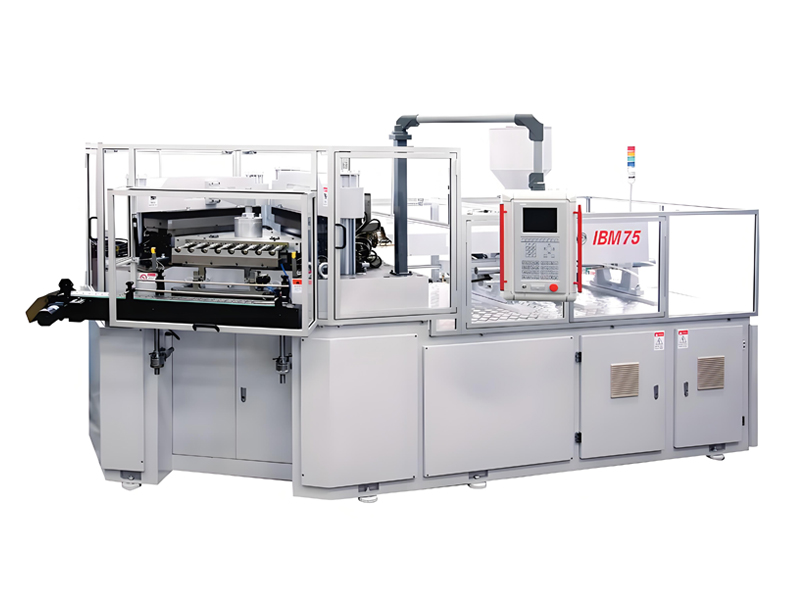
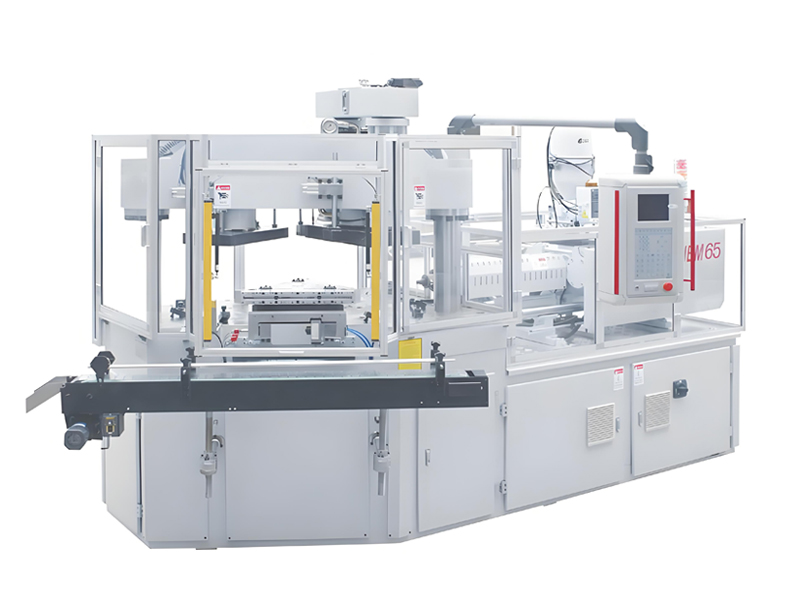
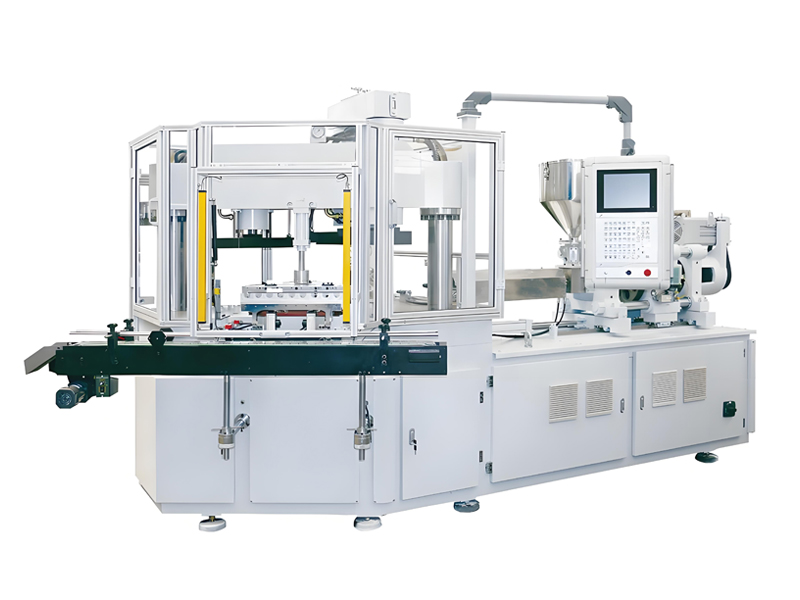
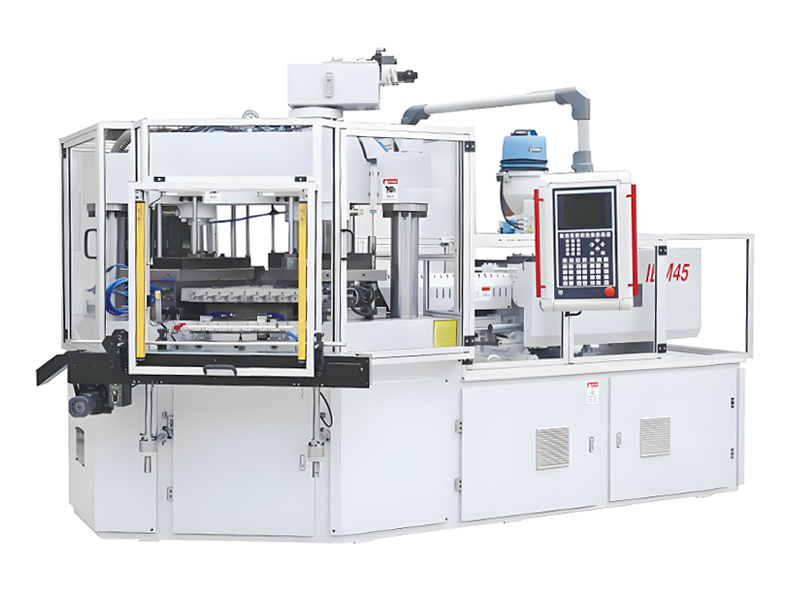
Zhangjiagang AiBiM Plastics Machinery Co., Ltd. has developed a comprehensive lineup of injection blow molding machines specifically engineered to meet the demanding requirements of lightweight bottle production. The IBM Series combines proven mechanical design with advanced control technologies to deliver exceptional performance across the full range of lightweight applications.
Thông số kỹ thuật của dòng IBM
Dòng máy IBM của AiBiM bao gồm ba mẫu máy chính được thiết kế để đáp ứng các yêu cầu sản xuất và cân nhắc ngân sách khác nhau. Mỗi mẫu máy đều tích hợp các tính năng được tối ưu hóa cụ thể cho sản xuất chai nhẹ.
The IBM55 Hybrid Electric machine represents the entry point to the lightweight-optimized lineup, offering competitive pricing from $95,000 to $130,000 while delivering professional-grade performance. This model handles containers from 3ml to 500ml with efficient production rates suitable for small to medium volume requirements.
The IBM65 model provides enhanced capabilities for medium-scale production, with pricing ranging from $110,000 to $165,000. This machine offers improved cycle times and larger shot capacities that enable higher production volumes while maintaining the precision control required for lightweight quality.
IBM75 đại diện cho model hàng đầu cho các ứng dụng giảm trọng lượng đòi hỏi khắt khe, có giá từ $160.000 đến $280.000. Máy này mang lại hiệu suất tối đa với các dải công suất mở rộng lên đến 1000ml và các tính năng điều khiển tinh vi nhất để đạt được các mục tiêu giảm trọng lượng mạnh mẽ.
Độ ổn định thiết kế dầm đơn trụ đôi
Thiết kế cơ khí dầm đơn trụ kép sáng tạo cung cấp độ ổn định nền tảng vượt trội trong suốt các giai đoạn phun và thổi. Kiến trúc này đảm bảo sự căn chỉnh chính xác giữa bộ phận phun và trạm thổi, duy trì các điều kiện nhất quán cho sản xuất chất lượng cao.
Reduced mechanical complexity compared to traditional designs minimizes wear points and maintenance requirements while improving overall reliability. The symmetrical column arrangement distributes forces evenly, preventing deflection that could compromise dimensional accuracy in critical bottle features.
Triết lý thiết kế này chứng tỏ đặc biệt có giá trị cho các ứng dụng giảm trọng lượng, nơi ngay cả các biến động vi mô cũng có thể gây ra sai lệch chất lượng trong các sản phẩm thành mỏng. Sự ổn định vốn có của thiết kế cung cấp một nền tảng vững chắc để đạt được các dung sai chặt chẽ trên các đợt sản xuất kéo dài.
Ưu điểm về hiệu quả năng lượng
AiBiM machines incorporate energy-efficient technologies that reduce operating costs by up to 35 percent compared to conventional alternatives. This efficiency improvement directly enhances the economics of lightweight bottle production by reducing the per-unit cost contribution of energy consumption.
Các hệ thống truyền động điện hybrid kết hợp độ chính xác của động cơ servo với tiêu thụ điện năng được tối ưu hóa, mang lại hiệu suất cần thiết mà không lãng phí năng lượng thừa. Các chức năng quản lý điện năng thông minh giảm tiêu thụ trong các giai đoạn chạy không tải và điều chỉnh việc cung cấp năng lượng để khớp với các yêu cầu sản xuất thực tế.
Khoản tiết kiệm năng lượng 35 phần trăm cải thiện đáng kể thời gian lợi tức đầu tư cho thiết bị sản xuất nhẹ. Kết hợp với tiết kiệm vật liệu từ trọng lượng chai giảm, các nhà sản xuất đạt được những lợi thế tổng chi phí sở hữu hấp dẫn.
Sự tiện lợi khi lưu trữ thông số bằng thẻ SD
Chức năng lưu trữ thẻ SD tích hợp cho phép quản lý thuận tiện các thông số sản xuất trên các thiết kế chai và vật liệu khác nhau. Tính năng này đơn giản hóa quy trình chuyển đổi và đảm bảo khả năng lặp lại của các cài đặt đã được xác nhận.
Người vận hành có thể lưu trữ các hồ sơ cấu hình hoàn chỉnh bao gồm cài đặt nhiệt độ, biên dạng áp suất, chuỗi thời gian và các thông số phân bố độ dày. Khả năng lưu trữ toàn diện này loại bỏ việc nhập thông số thủ công và giảm thời gian chuyển đổi đồng thời ngăn ngừa các lỗi sao chép.
Hệ thống thẻ SD cũng tạo điều kiện cho các yêu cầu sao lưu và lưu trữ tài liệu của hệ thống quản lý chất lượng. Các thông số đã được xác nhận có thể được lưu giữ trong kho lưu trữ an toàn, cho phép phục hồi nhanh chóng sau các hoạt động bảo trì hoặc di dời thiết bị.
Phân tích chi phí - lợi ích của chai nhựa trọng lượng nhẹ
Sản xuất chai nhẹ mang lại lợi ích kinh tế đáng kể trải rộng trên nhiều hạng mục chi phí. Phân tích toàn diện cho phép đưa ra quyết định sáng suốt về các chiến lược triển khai chai nhẹ và đầu tư thiết bị.
Tính toán tiết kiệm chi phí vật liệu
Tiết kiệm chi phí vật liệu đại diện cho lợi ích tức thì và đo lường được nhất của thiết kế làm nhẹ. Hãy xem xét một chai đồ uống 500ml điển hình nặng 25 gram trong thiết kế thông thường. Giảm trọng lượng 25 phần trăm đưa con số này xuống 18,75 gram, tiết kiệm 6,25 gram mỗi chai.
At a PET resin price of $1.50 per kilogram, the material saving equals approximately 0.94 cents per bottle. For a production facility manufacturing one million bottles monthly, this translates to monthly savings of $9,400 or annual savings exceeding $112,000. Larger facilities with higher volumes realize proportionally greater savings.
These calculations assume constant resin pricing; actual savings increase when considering that lightweight reduction often enables procurement of smaller quantities at equivalent per-kilogram costs. Additionally, reduced material consumption lowers handling, storage, and transportation costs within the manufacturing facility.
Phân tích giảm chi phí vận chuyển
Giảm trọng lượng ảnh hưởng trực tiếp đến kinh tế vận chuyển trong toàn bộ chuỗi cung ứng. Chai nhẹ hơn giảm chi phí vận chuyển trên mỗi đơn vị, cho phép xếp nhiều chai hơn trên mỗi pallet hoặc container vận chuyển, đồng thời giảm tiêu thụ nhiên liệu cho phương tiện vận chuyển.
Việc giảm 25 phần trăm trọng lượng trong bao bì chai thường giảm chi phí vận chuyển từ 8 đến 15 phần trăm, tùy thuộc vào khoảng cách, phương thức và các cấu hình sản phẩm cụ thể. Đối với các lô hàng quốc tế, nơi chi phí vận chuyển tích lũy đáng kể, các khoản tiết kiệm này trở nên đặc biệt đáng kể.
Xử lý trong kho cũng được hưởng lợi từ trọng lượng giảm, với thao tác bốc dỡ nhanh hơn, giảm mệt mỏi và nguy cơ chấn thương cho công nhân, và cải thiện mật độ lưu trữ. Các cải tiến vận hành này chuyển thành tiết kiệm chi phí nhân công và nâng cao năng lực thông qua.
Thời gian hoàn vốn đầu tư thiết bị
Đầu tư vào thiết bị đúc thổi phun tiên tiến cho sản xuất làm nhẹ yêu cầu đánh giá cẩn thận các mốc thời gian hoàn vốn. Phân tích phải xem xét cả chi phí tăng cho thiết bị có năng lực và khoản tiết kiệm toàn diện có thể đạt được thông qua sản xuất làm nhẹ.
For an AiBiM IBM65 machine priced at approximately $140,000, the monthly material and transportation savings achievable with lightweight production typically generate paybacks within 14 to 20 months for moderate-volume facilities. Higher volume operations achieve faster returns, often within 10 to 14 months.
Beyond direct cost savings, manufacturers benefit from enhanced competitive positioning through sustainability credentials, potential premium pricing for lightweight products, and improved capacity utilization from reduced material handling requirements. These factors often accelerate returns beyond baseline calculations.
Các kịch bản khối lượng sản xuất
Các khối lượng sản xuất khác nhau gợi ý các cách tiếp cận tối ưu khác nhau để thực hiện làm nhẹ. Hiểu các kịch bản này giúp nhà sản xuất định cỡ đúng các khoản đầu tư và chiến lược của họ.
Low-volume producers manufacturing 50,000 to 200,000 bottles monthly may find that modest lightweight reductions of 15 to 20 percent deliver optimal returns through simplified implementation and reduced risk. Entry-level equipment investments combined with incremental design improvements often prove most cost-effective for this segment.
Các hoạt động khối lượng trung bình sản xuất 200.000 đến 1.000.000 chai mỗi tháng có thể biện minh cho các mục tiêu giảm trọng lượng mạnh mẽ hơn từ 25 đến 35 phần trăm cùng với các khoản đầu tư thiết bị tương ứng. Mức khối lượng này thường hỗ trợ các lựa chọn máy tầm trung và các nỗ lực tối ưu hóa toàn diện hơn.
High-volume producers exceeding 1,000,000 bottles monthly should pursue maximum lightweight potential with premium equipment selections and ongoing optimization programs. At these volumes, even small percentage improvements translate to substantial absolute savings that justify significant investment in capability development.
Các Lĩnh vực Ứng dụng của Chai Nhựa Nhẹ
Công nghệ chai nhẹ được áp dụng trên nhiều phân khúc ngành khác nhau, mỗi phân khúc có các yêu cầu cụ thể và cơ hội tối ưu hóa riêng. Hiểu được các lĩnh vực ứng dụng này giúp nhà sản xuất xác định các mục tiêu đầy hứa hẹn nhất cho việc triển khai làm nhẹ chai.
Ứng dụng trong ngành đồ uống
Ngành đồ uống đại diện cho thị trường lớn nhất cho sản xuất chai nhựa, với các cơ hội triển khai giảm trọng lượng đáng kể trên nhiều phân khúc phụ. Chai nước, bao bì nước trái cây và đồ uống trà đều được hưởng lợi từ việc giảm trọng lượng trong khi vẫn duy trì chức năng cần thiết.
Still water bottles present excellent lightweight opportunities as they experience minimal internal pressure and handle relatively gentle conditions throughout their lifecycle. Conventional water bottles in the 500ml to 1500ml range often achieve 30 to 40 percent weight reduction through optimized design and injection blow molding production.
Đồ uống nước trái cây và trà yêu cầu các cách tiếp cận giảm trọng lượng thận trọng hơn phần nào do các yêu cầu thanh trùng và hàm lượng axit tiềm năng. Tuy nhiên, ngay cả các ứng dụng này thường đạt được mức giảm trọng lượng 20 đến 30 phần trăm với các cân nhắc thiết kế và vật liệu phù hợp.
Ứng dụng trong ngành thực phẩm
Các ứng dụng bao bì thực phẩm bao gồm nước sốt, gia vị, dầu và các sản phẩm thực phẩm đặc biệt sử dụng chai nhựa cho phép tối ưu hóa làm nhẹ hiệu quả. Hình dạng và yêu cầu đóng nắp đa dạng của bao bì thực phẩm tạo ra các cơ hội tối ưu hóa khác nhau.
Các chai nước sốt và gia vị thường có hình dạng phức tạp với lượng vật liệu đáng kể ở các khu vực nắp đóng và đáy. Thiết kế lại để sản xuất giảm trọng lượng có thể đạt được mức giảm trọng lượng 20 đến 30 phần trăm trong khi vẫn duy trì hiệu suất chức năng cho việc phân phối sản phẩm nhớt và độ ổn định trên kệ.
Cooking oil bottles present unique opportunities due to the product weight and volume typically involved. A lightweight 1-liter oil bottle weighing 40 grams instead of 55 grams saves 15 grams per unit, translating to significant material savings when considering the volumes typical for this category.
Các ứng dụng trong ngành dược phẩm
Pharmaceutical packaging demands rigorous quality standards that inform lightweight strategies differently than consumer goods applications. While pharmaceutical bottles must meet strict regulatory requirements, thoughtful design enables meaningful weight reduction while ensuring complete product protection.
Oral liquid containers in sizes from 10ml to 100ml serve as excellent candidates for lightweight implementation. These small-volume containers often utilize excessive material in conventional designs, creating opportunities for 25 to 35 percent weight reduction without compromising medication safety or dosing accuracy.
Eye drop bottles require particular attention to closure area design and dropper functionality while offering lightweight opportunities in body sections. The precision capabilities of injection blow molding enable optimization that preserves functional requirements while reducing material consumption.
Ứng dụng trong ngành mỹ phẩm
Bao bì mỹ phẩm cân bằng các yêu cầu chức năng với các cân nhắc thẩm mỹ ảnh hưởng đến các phương pháp thiết kế nhẹ. Tính thẩm mỹ của chai thường chi phối nhận thức của người tiêu dùng, đòi hỏi sự cân bằng cẩn thận giữa giảm trọng lượng và chất lượng thị giác.
Lotion and serum bottles frequently achieve 20 to 30 percent weight reduction while maintaining the visual quality and product protection required for cosmetic applications. Injection blow molding delivers the surface finish quality that cosmetics branding demands while enabling effective lightweight optimization.
Travel-size cosmetic containers present particularly compelling lightweight opportunities due to the volumes involved and the direct relationship between container weight and shipping costs for these small-format products. Even modest weight reductions translate to meaningful savings at typical travel-size production volumes.
Hướng dẫn lựa chọn: Chọn thiết bị cho sản xuất chai nhẹ
Việc lựa chọn thiết bị phù hợp cho sản xuất chai nhẹ đòi hỏi đánh giá có hệ thống nhiều yếu tố. Hướng dẫn này cung cấp khung tham chiếu để đưa ra quyết định thiết bị sáng suốt, phù hợp với yêu cầu sản xuất và mục tiêu kinh doanh.
Đánh giá công suất sản xuất
Đánh giá công suất chính xác tạo nền tảng cho việc lựa chọn thiết bị. Các nhà sản xuất phải đánh giá khối lượng sản xuất hiện tại, quỹ đạo tăng trưởng dự kiến và các yêu cầu hợp đồng tiềm năng có thể ảnh hưởng đến nhu cầu công suất trong tương lai.
AiBiM IBM55 xử lý các tốc độ sản xuất phù hợp cho lên đến khoảng 800.000 chai nhỏ mỗi tháng, khiến nó phù hợp cho các hoạt động cấp đầu vào hoặc các ứng dụng khối lượng nhỏ chuyên biệt. IBM65 mở rộng khả năng này lên khoảng 1.200.000 đơn vị mỗi tháng cho các nhà sản xuất quy mô trung bình.
Các nhà sản xuất khối lượng lớn cần sản lượng tối đa nên cân nhắc IBM75, máy mang lại tốc độ và công suất nâng cao cho các lịch trình sản xuất khắt khe. Khoản đầu tư bổ sung thường được chứng minh là hợp lý thông qua thông lượng vượt trội và giảm chi phí chung trên mỗi đơn vị.
Các cân nhắc về độ phức tạp của chai
Độ phức tạp của thiết kế chai ảnh hưởng đến cả yêu cầu thông số máy và đầu tư khuôn mẫu. Các chai hình trụ đơn giản với ít đặc điểm thường có thể được sản xuất hiệu quả trên các cấu hình thiết bị tiêu chuẩn, trong khi các hình dạng phức tạp được hưởng lợi từ các khả năng điều khiển tiên tiến.
Features such as specialized base geometries, complex shoulder transitions, large mouth diameters, or integrated handles require enhanced control precision and potentially more sophisticated tooling. Manufacturers should honestly assess their product portfolio complexity when evaluating equipment specifications.
AiBiM machines across the IBM Series incorporate the control capabilities required for complex lightweight designs, with more advanced models offering additional precision and flexibility for demanding applications. This scalability enables manufacturers to match equipment to actual requirements rather than purchasing excessive capability.
Yêu cầu tương thích vật liệu
Các vật liệu khác nhau đặt ra các yêu cầu gia công khác nhau ảnh hưởng đến thông số kỹ thuật thiết bị. Các nhà sản xuất phải xác nhận rằng thiết bị dự kiến xử lý được các vật liệu cần thiết cho ứng dụng mục tiêu của họ với khả năng và hiệu quả phù hợp.
Các máy dòng IBM tiếp nhận toàn bộ dải vật liệu phổ biến trong sản xuất chai nhẹ bao gồm các cấp PET, PP, PE và PS. Các hệ thống điều khiển cho phép tối ưu hóa thông số chính xác cho từng họ vật liệu, đảm bảo chất lượng nhất quán khi thay đổi vật liệu.
Các ứng dụng chuyên dụng yêu cầu vật liệu bất thường hoặc điều kiện xử lý khắt khe có thể cần đánh giá bổ sung. Hỗ trợ kỹ thuật của AiBiM có thể cung cấp hướng dẫn cụ thể cho các yêu cầu vật liệu khó.
Cân bằng ngân sách và lợi tức đầu tư
Các quyết định đầu tư thiết bị phải cân bằng yêu cầu vốn ban đầu với lợi nhuận dài hạn. Trong khi thiết bị cao cấp mang lại các khả năng nâng cao, các nhà sản xuất nên đảm bảo rằng các tính năng bổ sung mang lại giá trị tương xứng cho các tình huống cụ thể của họ.
IBM55 cung cấp một điểm khởi đầu dễ tiếp cận cho các nhà sản xuất mới làm quen với sản xuất làm nhẹ hoặc hoạt động với nguồn vốn hạn chế. Tỷ lệ hiệu suất trên giá hấp dẫn cho phép hoàn vốn nhanh đồng thời xây dựng các năng lực cho sự phát triển trong tương lai.
Producers with established lightweight operations or demanding requirements may find that IBM65 or IBM75 investments deliver superior returns through enhanced capabilities, improved efficiency, and expanded application range. The total cost of ownership analysis should guide these decisions rather than purchase price alone.
Các thách thức và giải pháp phổ biến trong sản xuất nhẹ hóa
Sản xuất chai nhẹ đặt ra những thách thức cụ thể đòi hỏi sự hiểu biết và các phương pháp tiếp cận có hệ thống để giải quyết thành công. Phần này đề cập đến các vấn đề phổ biến và cung cấp các giải pháp thực tế để duy trì chất lượng và hiệu quả.
Xử lý các vấn đề về độ đồng đều độ dày thành
Độ dày thành không đồng đều là thách thức chất lượng phổ biến nhất trong sản xuất chai nhẹ. Các biến đổi gây ra các điểm yếu làm tổn hại tính toàn vẹn cấu trúc và tạo ra các khuyết tật thẩm mỹ ảnh hưởng đến khả năng bán trên thị trường.
Solutions focus on three primary areas: tooling quality, process control, and design optimization. High-quality tooling with proper venting and material flow channels enables consistent filling behavior. Advanced process control systems maintain stable parameters throughout production runs. Optimized designs with appropriate thickness distributions minimize sensitivity to normal process variations.
Máy AiBiM tích hợp các tính năng điều khiển tiên tiến được thiết kế đặc biệt để giải quyết tính đồng nhất về độ dày, bao gồm lập trình parison chính xác và giám sát vòng kín giúp xác định và hiệu chỉnh các biến động trước khi chúng gây ra vấn đề chất lượng.
Ngăn ngừa biến dạng miệng chai
Biến dạng phần miệng chai làm tổn hại hiệu suất đóng nắp và sự chấp nhận của người tiêu dùng. Các thiết kế nhẹ đôi khi tập trung ứng suất ở vùng cổ chai, tạo ra sự nhạy cảm với các biến động kích thước trong quá trình sản xuất hoặc xử lý sau đó.
Prevention strategies include maintaining adequate material in critical neck dimensions, optimizing cooling sequences to reduce thermal stress, and implementing appropriate handling procedures throughout production and filling operations. Tooling design must ensure proper support during ejection and subsequent handling.
Injection blow molding inherently produces superior neck finish quality compared to other methods, providing a foundation for lightweight optimization without sacrificing this critical feature. Combined with appropriate design attention and process control, manufacturers can achieve lightweight goals while maintaining neck quality.
Xử lý các phức tạp trong lựa chọn vật liệu
Lựa chọn vật liệu cho các ứng dụng nhẹ liên quan đến việc cân bằng nhiều yêu cầu hiệu suất với các cân nhắc về chi phí và xử lý. Sự đa dạng của các loại nhựa hiện có và việc liên tục giới thiệu các cấp mới làm phức tạp việc ra quyết định.
Systematic evaluation approaches help navigate this complexity. Begin by clearly defining performance requirements including strength, clarity, barrier properties, chemical resistance, and regulatory compliance. Then evaluate material options against these requirements, considering both conventional grades and newer lightweight-optimized formulations.
Tham vấn với các nhà cung cấp vật liệu thường mang lại giá trị, vì các nhà cung cấp có thể khuyến nghị các cấp phù hợp và chia sẻ kinh nghiệm từ các ứng dụng tương tự. Hỗ trợ kỹ thuật của AiBiM cũng cung cấp hướng dẫn dựa trên kinh nghiệm sâu rộng trên các loại vật liệu và ứng dụng.
Khắc phục các giới hạn về tốc độ sản xuất
Đạt được chất lượng chai nhẹ đôi khi đòi hỏi tốc độ sản xuất chậm hơn so với sản xuất thông thường. Sự căng thẳng giữa chất lượng và năng suất này ảnh hưởng đến việc lựa chọn thiết bị và lập kế hoạch sản xuất.
Thiết bị hiện đại với khả năng điều khiển tiên tiến ngày càng giải quyết xung đột này, cho phép cả chất lượng và tốc độ. Đầu tư vào thiết bị có năng lực thường tỏ ra kinh tế hơn so với việc chấp nhận thỏa hiệp chất lượng hoặc giới hạn sản xuất.
Production planning should realistically account for achievable rates with specific products and materials. Building appropriate cycle time allowances into production schedules prevents quality problems caused by excessive speed pressure. As manufacturers gain experience with lightweight production, optimization typically enables continuous improvement in achievable throughput.
Kết luận: Hợp tác để Thành công với Bao bì Nhẹ
Sản xuất chai nhựa giảm trọng lượng đại diện cho một cơ hội chiến lược cho các nhà sản xuất đang tìm cách giảm chi phí, tăng cường tính bền vững và cải thiện vị thế cạnh tranh. Thành công đòi hỏi sự tích hợp cân nhắc kỹ lưỡng giữa tối ưu hóa thiết kế, lựa chọn vật liệu và khả năng sản xuất.
Injection blow molding technology provides essential capabilities for achieving lightweight objectives while maintaining the quality and consistency that markets demand. The precision control and material efficiency of this manufacturing approach make it ideally suited for lightweight applications across diverse industry segments.
Zhangjiagang AiBiM Plastics Machinery Co., Ltd. offers comprehensive solutions for lightweight bottle production through the IBM Series lineup. With 12 years of industry experience, exports to more than 40 countries, CE certification compliance, and advanced technologies including PREFILL systems and energy-efficient operation, AiBiM provides the capability and support manufacturers need for lightweight success.
Whether producing pharmaceutical containers, beverage bottles, food packaging, or cosmetics containers, manufacturers can benefit from AiBiM’s proven technology and global service network. Contact our team to discuss your specific requirements and explore how our injection blow molding machines can support your lightweight production objectives.
The path to successful lightweight production requires careful planning, appropriate investment, and ongoing optimization. With the right equipment partner and systematic approach, manufacturers can achieve substantial benefits across economic, environmental, and competitive dimensions. Start your lightweight journey today by evaluating how AiBiM technology can transform your plastic bottle production capabilities.