Tổng quan: Chi phí ẩn của lãng phí trong sản xuất Ép phun Thổi khuôn
The plastic manufacturing industry, particularly injection blow molding (IBM), faces a critical challenge: waste reduction. For most manufacturers, waste is not just an environmental issue but a hidden financial burden that erodes profit margins, slows production, and limits scalability. On average, injection blow molding production lines lose 15-25% of input materials to waste, with additional costs from energy inefficiency, mold damage, and defective products. For small and medium-sized manufacturers, this waste can reduce annual profits by 30% or more.
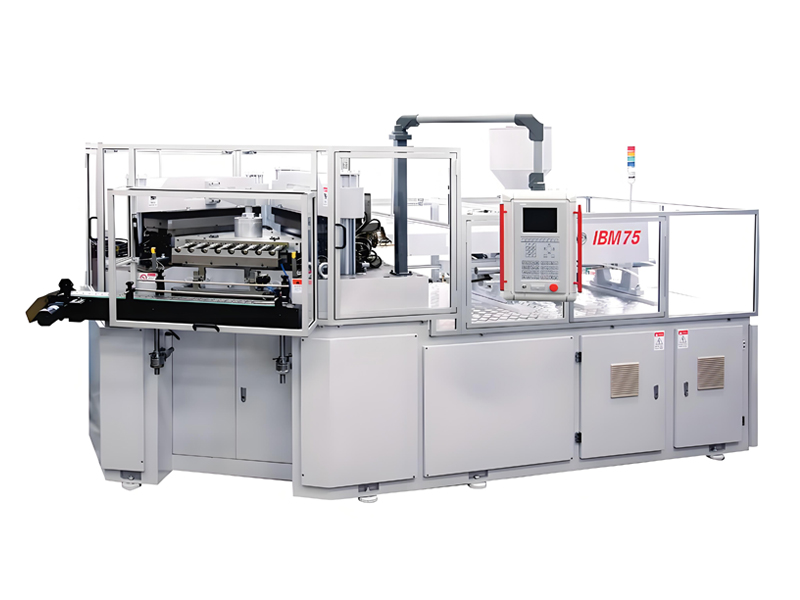
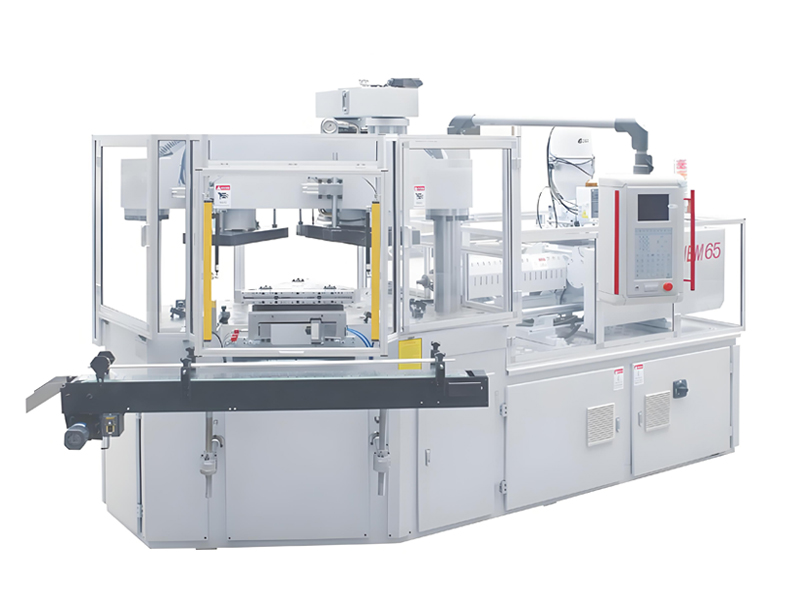
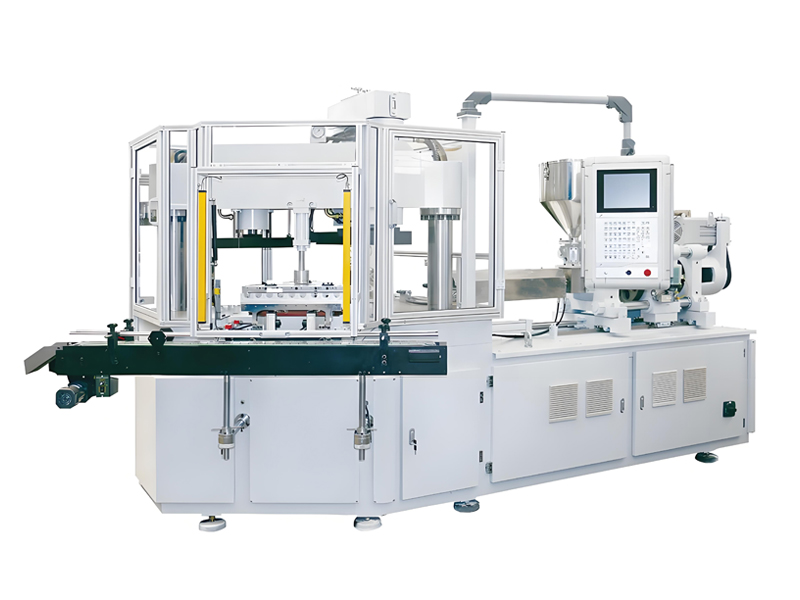
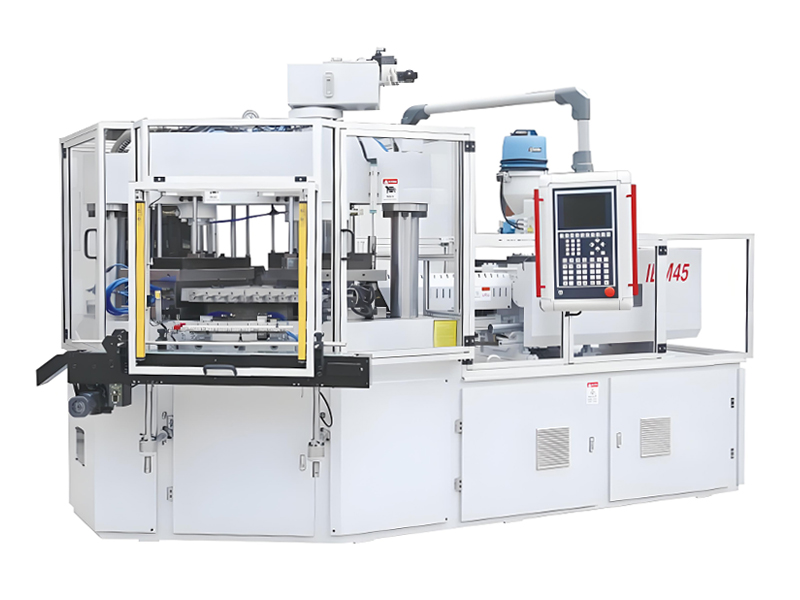
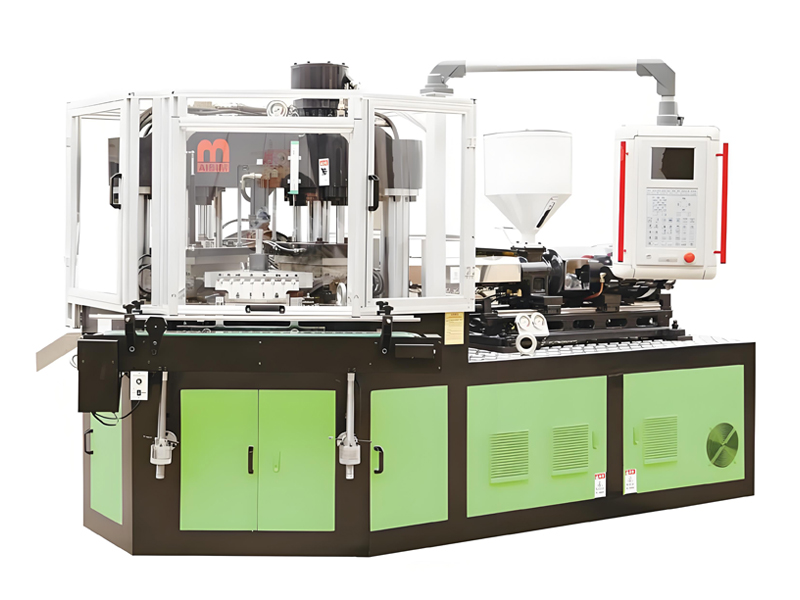
Waste in injection blow molding production spans five core categories: raw material waste, energy waste, mold-related waste, defective product waste, and process inefficiency waste. Each category stems from specific operational gaps, and addressing them requires a combination of process optimization, equipment upgrades, and data-driven management. AiBiM (www.aibim-china.com), a leading manufacturer of injection blow molding machines, has engineered its Máy ép thổi khuôn solutions to minimize waste at every production stage, offering manufacturers a cost-effective path to sustainability and profitability.
In today’s market, regulatory pressure for sustainable manufacturing and rising raw material costs make waste reduction non-negotiable. The global plastic waste management market is projected to reach $108.4 billion by 2030, and manufacturers that proactively reduce waste will not only comply with environmental regulations but also gain a competitive edge. This guide explores the root causes of waste in injection blow molding production, provides actionable step-by-step reduction strategies, highlights AiBiM’s built-in waste reduction features, and delivers a detailed cost analysis to help manufacturers quantify the benefits of waste reduction.
Các loại lãng phí cốt lõi trong ép thổi phun và phân tích nguyên nhân gốc
Để giảm lãng phí hiệu quả, các nhà sản xuất trước tiên phải xác định nguyên nhân gốc rễ của nó. Dưới đây là phân tích chi tiết về các loại lãng phí phổ biến nhất trong sản xuất ép thổi khuôn và nguyên nhân cơ bản của chúng, kèm theo những hiểu biết dựa trên dữ liệu về tác động tài chính.
1. Lãng phí Nguyên liệu thô: Yếu tố Chi phí Lớn nhất
Raw material waste accounts for 60-70% of total production waste in injection blow molding, making it the most critical area for reduction. Key causes include excessive molten material loss, impurity-induced scrap, color change and material switching waste, and poor drying efficiency. For a mid-sized manufacturer producing 10,000 parts daily with a raw material cost of $1.20/kg, 20% material waste translates to nearly $9,000 in monthly losses, a figure that quickly adds up over a full production year.
2. Lãng phí năng lượng: Hao hụt vận hành tiềm ẩn
Năng lượng waste makes up 10-15% of total production costs, driven by inaccurate temperature control, continuous equipment operation during low demand, inefficient cooling systems, and outdated non-servo hydraulic setups. A large-scale injection blow molding machine running 24/7 can waste $12,000 to $18,000 annually on excess energy alone, with smaller machines still losing $3,000 to $6,000 per year in avoidable energy costs.
3. Hao phí Liên quan đến Khuôn: Tổn thất Thời gian Dừng máy Có thể Ngăn ngừa
Mold-related waste covers mold damage, replacement costs, and production downtime, representing 8-12% of total waste. Poor maintenance shortens mold life by 50%, while misalignment and flawed design create consistent defects. Mold replacement costs range from $5,000 to $50,000 per set, and unplanned downtime can cost $1,000 to $3,000 per hour, making mold care a high-priority waste-reduction step.
4. Hao phí Sản phẩm Lỗi: Khoảng trống Kiểm soát Chất lượng
Defective products account for 5-10% of total waste, caused by uneven wall thickness, resin degradation, contamination, and inconsistent cooling. For manufacturers selling finished parts at $5 each, a 10% defect rate leads to over $180,000 in annual losses for a line producing 3,000 units daily, not including recall risks or damaged customer relationships.
5. Lãng phí do Quy trình Kém hiệu quả: Khoảng trống Vận hành
Process waste makes up 5-8% of total losses, stemming from excessive manual labor, poor production scheduling, lack of real-time data monitoring, and untrained operators. Human error alone can increase overall waste by 5-10%, while long changeover times reduce effective production hours and raise per-unit costs significantly.
Các chiến lược từng bước để giảm lãng phí trong ép thổi phun
1. Giảm lãng phí nguyên liệu thô: Tối đa hóa hiệu quả sử dụng vật liệu
Start with optimized resin drying using AiBiM’s integrated precision dryer, an optional upgrade priced at $2,500-$5,000, which reduces moisture-related defects by 90%. Store resins in sealed, dry containers to avoid contamination, and use the NIR impurity sensor standard on AiBiM ABM-200 and ABM-300 models to filter harmful particles before processing.
Calibrate injection volume to match product size, cutting over-injection waste by 30-50%. AiBiM’s servo-driven injection system ensures consistent pressure and material flow, minimizing flash and excess parison. For color and material changes, the quick-purge barrel upgrade ($3,000-$7,000) slashes purging waste by 60-80%, while batching production by color reduces switch frequency and further cuts material loss.
Thêm một hệ thống tái chế phế liệu vòng kín ($8.000-$15.000) để nghiền và tái sử dụng ba via và các bộ phận lỗi chấp nhận được, giảm sử dụng nhựa nguyên sinh từ 20-30%. Chỉ sử dụng nhựa tái chế cấp thực phẩm hoặc cấp công nghiệp được chứng nhận để duy trì chất lượng sản phẩm và tránh tái nhiễm bẩn.
2. Giảm Lãng phí Năng lượng: Cắt giảm Chi phí Vận hành
Upgrade to AiBiM’s servo-driven injection blow molding machine models to lower energy use by 30-40% compared to traditional hydraulic machines. The smart temperature control module, standard on ABM-300 and optional for smaller models at $4,000-$8,000, maintains ±0.5℃ accuracy, eliminating repeated heating and saving 15-20% on heating energy.
Run machines based on real demand rather than full capacity at all times, and use AiBiM’s built-in energy-saving mode to reduce consumption during idle or low-output periods. Clean cooling circuits weekly and upgrade to high-efficiency water chillers ($5,000-$12,000) to cut cooling energy waste by 25-30%. Recover waste heat from the barrel and hydraulic system to preheat raw material, gaining an extra 5-10% energy savings with no additional equipment cost.
3. Giảm lãng phí liên quan đến khuôn: Kéo dài tuổi thọ khuôn & giảm khuyết tật
Sử dụng thiết kế khuôn ít ba via tùy chỉnh của AiBiM, giúp giảm tràn vật liệu 40-60% và hạ thấp tỷ lệ khuyết tật ngay từ nguồn. Tiêu chuẩn hóa các quy trình thay khuôn với các đồ gá thay nhanh ($3.000-$6.000) để cắt giảm thời gian chuyển đổi từ 1-2 giờ xuống 15-20 phút, giảm lãng phí thời gian ngừng máy.
Implement a weekly mold maintenance routine: clean cavities, lubricate moving parts with food-grade lubricant, and check for wear or misalignment. Replace worn molds before they cause mass defects, as preventive maintenance costs 50% less than emergency replacement and production halts. AiBiM provides free mold maintenance training with every machine purchase, helping teams extend mold life from 6-12 months to 2-3 years.
4. Giảm lãng phí quy trình và sản xuất: Tinh gọn quy trình làm việc
Automate material feeding, defect detection, and part handling with AiBiM’s optional automation package ($10,000-$25,000), cutting manual labor needs by 60-70% and reducing human error. Use real-time production monitoring to track waste rates, cycle times, and defect counts, adjusting parameters immediately to avoid sustained losses.
Train operators on standardized settings for each resin and product type, with AiBiM’s free 2-3 day on-site training included with every machine. Optimize production scheduling to group similar jobs together, reducing changeover frequency and material waste. For multi-product factories, this simple shift can lower overall process waste by 12-18% within one month.
5. Giảm phế phẩm khuyết tật: Cải thiện chất lượng nhất quán
Sử dụng hệ thống kiểm soát độ dày thành tự động của AiBiM để đảm bảo các thành sản phẩm đồng đều, loại bỏ các khuyết tật điểm mỏng và giảm tỷ lệ loại bỏ 30-50%. Thiết lập các biên dạng nhiệt độ và áp suất ổn định cho từng loại nhựa, tránh quá nhiệt gây phân hủy và đổi màu.
Maintain a sealed production environment to prevent dust and oil contamination, and use in-line optical inspection tools ($4,000-$9,000) to catch defects early before full processing. Standardize cooling times based on part size and resin type, avoiding under-cooling that causes warping and over-cooling that wastes energy and time.
Máy Ép phun Thổi khuôn AiBiM: Các tính năng giảm lãng phí tích hợp sẵn
AiBiM designs every injection blow molding machine to reduce waste from the first production cycle, with standard and optional features that target every waste category. The 316L food-grade stainless steel barrel and screw prevent material sticking and degradation, cutting resin waste by 8-12% compared to standard carbon steel components.
The servo hydraulic system lowers energy waste by 30-40% while improving injection precision, and the multi-zone PID temperature control maintains ±0.5℃ accuracy to avoid thermal degradation. The closed-loop feeding system with NIR impurity detection stops contaminated material before processing, reducing scrap from impurities by 90%.
AiBiM’s quick-purge design minimizes color-change waste, while the low-flash mold matching system reduces flash material by 40%. Optional integrated scrap granulators feed regrind directly back into the production line, creating a closed-loop system that cuts virgin material use by 20-30%. All AiBiM machines include a touch-screen control panel with saved parameter presets, reducing setup errors and process waste by 15-20%.
Phân tích chi phí và ước tính giá cho các giải pháp giảm lãng phí
1. Dải giá máy Ép phun Thổi khuôn AiBiM (2026 FOB Thượng Hải)
ABM-100 cỡ nhỏ (500-1000 pcs/h): $25.000-$35.000, lý tưởng cho các nhà máy nhỏ và công ty khởi nghiệp. ABM-200 cỡ trung (1000-3000 pcs/h): $50.000-$80.000, phổ biến nhất cho sản xuất thông thường. ABM-300 cỡ lớn (3000-6000 pcs/h): $120.000-$300.000, được thiết kế cho sản xuất hàng loạt khối lượng lớn.
2. Chi phí và tiết kiệm từ nâng cấp giảm phế liệu
Precision resin dryer: $2,500-$5,000, saves 5-8% on raw material monthly. Quick-purge barrel: $3,000-$7,000, cuts color-change waste by 60%. Closed-loop scrap system: $8,000-$15,000, reduces resin cost by 20-30%. Servo energy system: included in standard models, saves $3,000-$18,000 yearly on energy. Mold quick-change fixture: $3,000-$6,000, cuts downtime waste by 40%.
3. Tính toán ROI cho Đầu tư Giảm Hao phí
A mid-sized factory investing in AiBiM ABM-200 ($65,000) plus $15,000 in waste-reduction upgrades for a total $80,000 investment typically sees: 20% lower raw material cost ($1,200/month saved), 30% lower energy cost ($450/month saved), 25% lower defect waste ($800/month saved), and 15% lower labor cost ($300/month saved). Total monthly savings reach $2,750, with full ROI achieved in just 30 months. For factories running two or three shifts, ROI drops to 10-15 months, making waste-reduction upgrades highly profitable.
Nghiên cứu điển hình: Giảm lãng phí với máy Ép phun Thổi khuôn AiBiM
Trường hợp 1: Nhà sản xuất bao bì nhựa Đông Nam Á
Nhà máy trước đây sử dụng các máy đúc thổi phun truyền thống với 22% tổng chất thải. Sau khi chuyển sang AiBiM ABM-200 với hệ thống tái chế phế liệu và servo, chất thải vật liệu giảm xuống 7%, sử dụng năng lượng giảm 28% và tiết kiệm hàng năm đạt $78.000. ROI đã hoàn thành trong 14 tháng.
Trường hợp 2: Nhà sản xuất linh kiện đồ chơi châu Âu
Một nhà sản xuất đồ chơi Đức đối mặt với 18% chất thải do khuyết tật và chi phí năng lượng cao. AiBiM ABM-100 với kiểm soát độ dày thành và hệ thống nhiệt độ thông minh đã giảm khuyết tật xuống 0,5%, cắt giảm sử dụng năng lượng 26% và cho phép công ty đáp ứng các tiêu chuẩn môi trường của EU đồng thời tăng biên lợi nhuận thêm 12%.
Tình huống 3: Nhà máy Sản phẩm Nhựa Gia dụng Trung Quốc
Một nhà máy lớn ở Quảng Đông đã thay năm máy cũ bằng các dây chuyền AiBiM ABM-300, giảm tổng lãng phí từ 24% xuống 9%, kéo dài tuổi thọ khuôn thêm 70% và cắt giảm chi phí sản xuất hàng năm 460.000 USD. Toàn bộ khoản đầu tư đã được thu hồi trong 11 tháng.
Thực hành tốt nhất để giảm phế liệu dài hạn
Conduct daily machine checks for leaks, temperature accuracy, and feeding issues to catch small problems before they create large waste. Track weekly waste data by category to identify repeating issues and adjust processes accordingly. Train new operators within one week using AiBiM’s standardized manuals to maintain consistent setup and reduce human error.
Update machine control software annually to access the latest efficiency algorithms, and replace wearing parts like screws and seals on schedule rather than waiting for failure. Partner with AiBiM’s after-sales team for quarterly performance reviews, which help identify additional waste-reduction opportunities specific to your production lineup.
Câu hỏi thường gặp về giảm lãng phí trong sản xuất ép thổi phun
Q1: Tôi có thể giảm thực tế bao nhiêu phế phẩm với máy ép-thổi AiBiM? A: Hầu hết người dùng giảm tổng phế phẩm từ 15-25% xuống 6-10% trong vòng 2-3 tháng, với phế phẩm vật liệu có mức cải thiện lớn nhất.
Q2: Các gói nâng cấp giảm phế phẩm có cần sửa đổi nhà máy lớn không? A: Không, tất cả các gói nâng cấp của AiBiM đều là plug-and-play (cắm là chạy), với việc lắp đặt hoàn tất trong 1-3 ngày bởi đội ngũ của chính nhà máy hoặc kỹ thuật viên AiBiM.
H3: Các nhà máy nhỏ có đủ khả năng chi trả cho các cải tiến giảm chất thải không? Đ: Có, AiBiM cung cấp các nâng cấp cấp nhập môn bắt đầu từ $2.500, và ngay cả máy nhỏ cũng mang lại tiết kiệm có thể đo lường trong vòng 6-12 tháng.
H4: Giảm chất thải có ảnh hưởng đến chất lượng sản phẩm không? Đ: Không, giảm chất thải trong sản xuất ép phun thổi cải thiện độ nhất quán, độ chính xác kích thước và tuân thủ các tiêu chuẩn an toàn.
Q5: Tôi nên bảo trì máy bao lâu một lần để giữ tỷ lệ phế phẩm thấp? A: Kiểm tra 15 phút hằng ngày, vệ sinh sâu hằng tuần và hiệu chuẩn hằng tháng là đủ để duy trì tỷ lệ phế phẩm thấp và tuổi thọ máy dài.
Kết luận
Reducing waste in injection blow molding machine production is one of the most effective ways to lower costs, improve profitability, and meet global sustainability standards. Waste is not an unavoidable cost of production—it is a solvable problem through optimized processes, high-quality equipment, and targeted upgrades.
AiBiM’s full line of injection blow molding machines is engineered to minimize material, energy, mold, defect, and process waste at every stage, with transparent pricing, reliable performance, and strong return on investment. Whether you run a small startup or a large mass-production factory, AiBiM provides tailored solutions to cut waste, boost efficiency, and strengthen your market position.
Để tìm hiểu thêm về các mẫu máy ép thổi phun giảm lãng phí của AiBiM, các nâng cấp tùy chỉnh và báo giá chi tiết, hãy truy cập www.aibim-china.com hoặc liên hệ đội ngũ bán hàng chính thức để được kiểm toán sản xuất miễn phí và kế hoạch hiệu quả được cá nhân hóa.