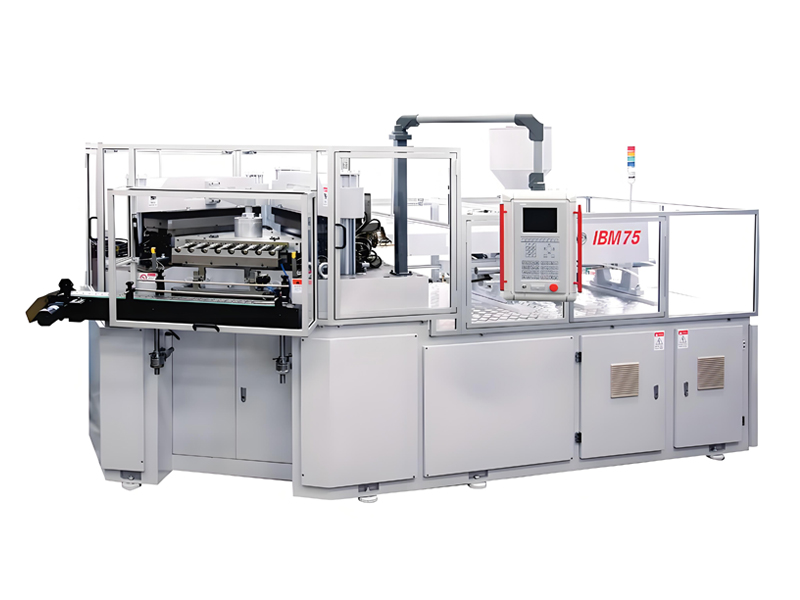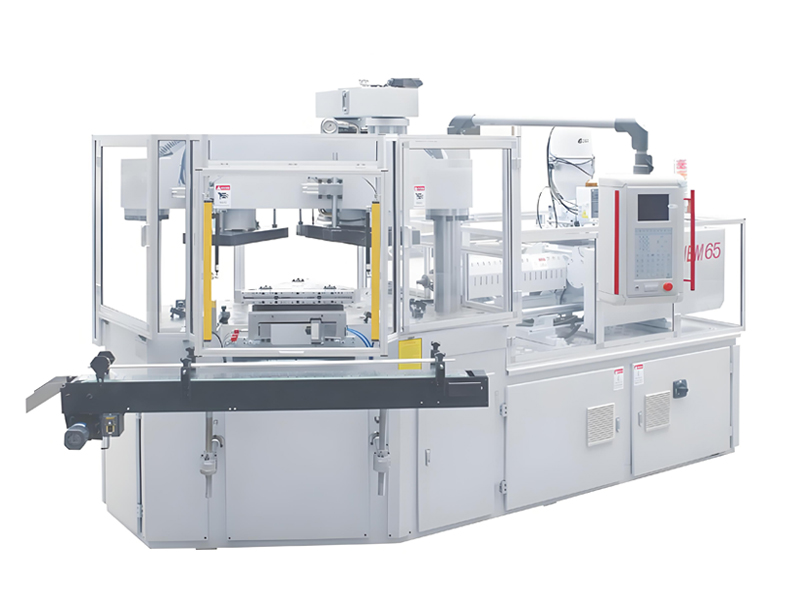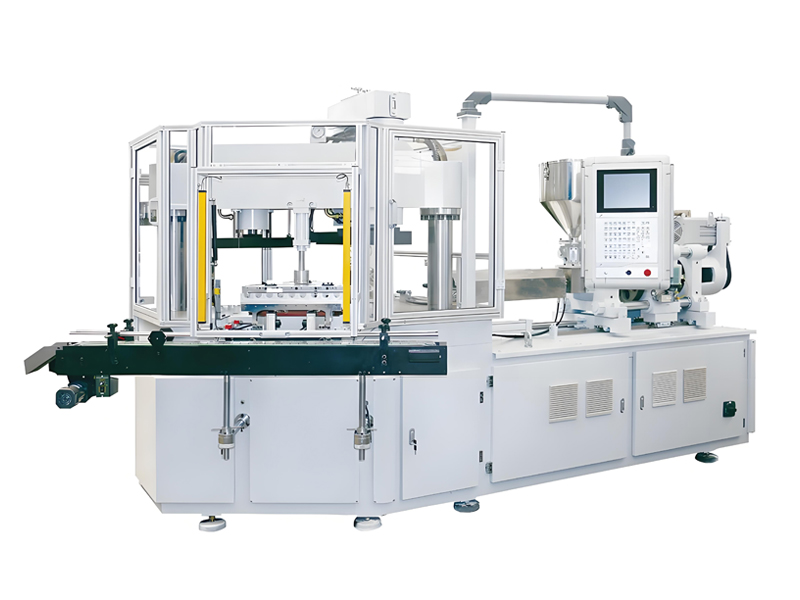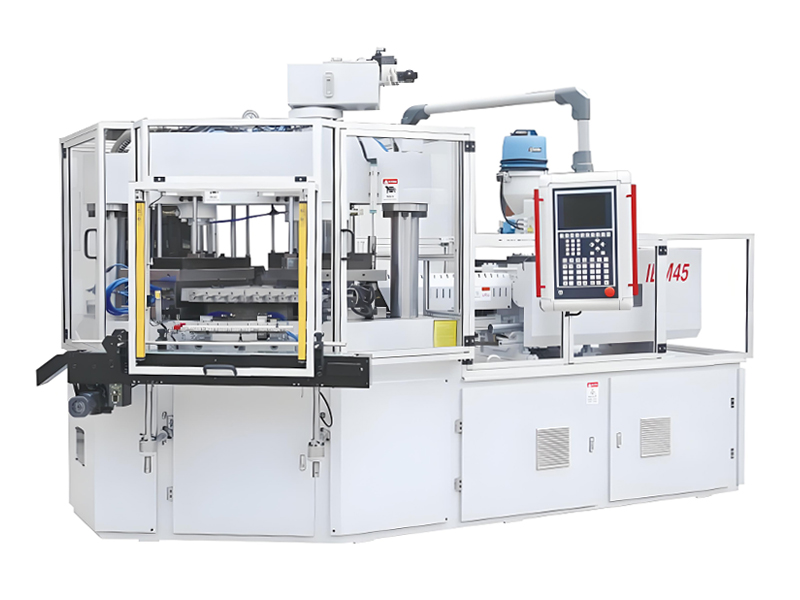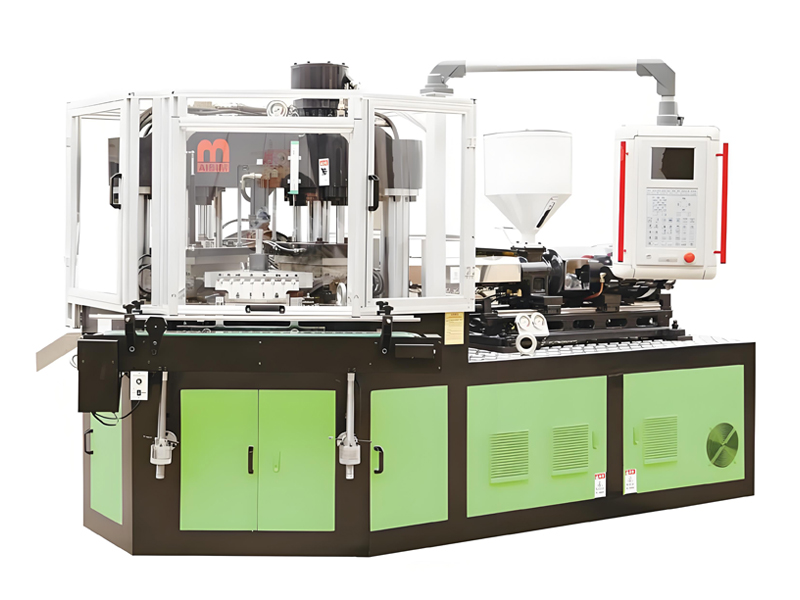
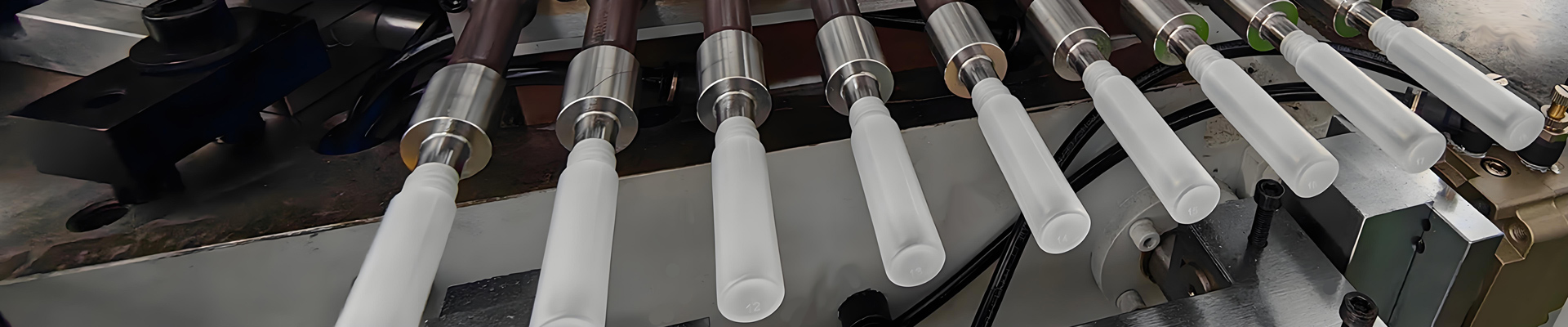
Defect prevention in injection blow molding machine production represents one of the most critical challenges facing manufacturers seeking to deliver consistent quality and control production costs. Common defects including flash formation, wall thickness variation, short shots, and surface imperfections can significantly impact production efficiency and product quality. Understanding the root causes of these defects and implementing systematic prevention strategies enables manufacturers to achieve excellent first pass quality while minimizing waste and rework expenses.
Yaygın Enjeksiyon Şişirme Kalıplama Kusurlarını Anlamak
Çapak Oluşumu ve Ayırma Hattı Sorunları
Flash formation occurs when molten material escapes past the mold parting line or seal surfaces during injection or blow stages. This defect manifests as thin protrusions of material along container edges that require trimming and increase material waste. Flash results from inadequate clamping force, worn or damaged mold seal surfaces, or injection pressure that exceeds mold containment capacity.
Parting line alignment issues produce similar visual defects and may affect dimensional accuracy of the finished container. Misalignment between cavity halves causes steppage at the split line that can interfere with closure application or affect sealing surface integrity. Precise mold alignment during assembly and regular maintenance of alignment mechanisms prevent parting line defects.
Et Kalınlığı Varyasyonu
Wall thickness variation represents one of the most significant quality concerns in injection blow molding production. Uneven material distribution affects structural integrity, barrier properties, and appearance quality of containers. Variation typically results from improper core rod alignment, uneven cooling, or incorrect blow timing and pressure parameters.
Excessive wall thickness variation can cause weak points in containers that fail during filling, shipping, or end use. In pharmaceutical applications, wall thickness variation may affect barrier properties that protect product stability. Measurement of wall thickness at multiple points around container circumference and length identifies variation patterns that help diagnose root causes.
Kısa Atış ve Eksik Oluşum
Short shots occur when material fails to completely fill the mold cavity, resulting in incomplete containers or missing sections. This defect wastes material and production time while producing parts that must be discarded. Causes include insufficient injection pressure, material viscosity too high for the injection conditions, or restricted flow paths in the mold.
Incomplete formation during the blow stage produces containers that do not fully replicate cavity geometry. This defect may appear as incomplete detail formation, visible seams, or poor surface replication. Blow stage issues typically result from insufficient blow pressure, premature material cooling, or improper timing between injection and blow phases.
Yüzey Kusurları ve Görünüm Sorunları
Surface defects include a range of appearance issues that affect container quality perception and may indicate underlying structural concerns. Sink marks appear as depressions in container surfaces, typically near thick sections or ribs, caused by internal material contraction during cooling. Flow lines appear as streaks or patterns on container surfaces resulting from material flow patterns during injection.
Weld lines occur where material flow fronts meet after flowing around obstacles such as core pins. These lines create stress concentrations and affect appearance quality, particularly in transparent materials where they are highly visible. Causes include low melt temperature, low injection speed, or mold design that creates flow obstacles.
Kök Neden Analizi ve Önleme Stratejileri
Malzeme ile İlgili Kusur Önleme
Material selection and preparation significantly influence defect occurrence in injection blow molding production. Material moisture content must be controlled within specification to prevent hydrolysis degradation and moisture related defects. Hygroscopic materials including polyethylene terephthalate and nylon require drying at elevated temperatures for specified times before processing.
Material contamination from previous production runs or improper storage introduces defects including black specs, color variation, and property degradation. Implement material handling procedures that prevent contamination including dedicated material handling equipment, sealed storage containers, and material verification before production use. Material lot tracking enables identification of quality issues to specific material lots.
Malzeme Viskozitesi Optimizasyonu
Material viscosity affects how material fills the mold cavity and influences final part quality. Viscosity varies with temperature, shear rate, and material moisture content. High viscosity causes incomplete filling and excessive pressure requirements, while low viscosity may cause flash and poor surface replication. Optimize processing conditions to achieve appropriate viscosity for the specific application.
Enjeksiyon speed affects shear rate in the material, influencing viscosity during the filling phase. Higher speeds increase shear thinning in most polymers, reducing effective viscosity and improving fill characteristics. However, excessive speed can cause other issues including air entrapment and surface defects. Balance injection speed against other parameters to achieve optimal filling conditions.
Kusur Önleme için Sıcaklık Kontrolü
Mold temperature significantly affects part quality and defect occurrence. Insufficient mold temperature increases material viscosity and can cause incomplete filling, particularly in thin wall sections. Excessive mold temperature can cause flashing, poor ejection, and extended cycle times. Maintain mold temperature within specifications established during process development.
Temperature uniformity throughout the mold prevents differential cooling that causes warpage, dimensional variation, and internal stress. Uneven cooling results from cooling channel blockage, inadequate flow, or insufficient channel sizing. Regular maintenance of cooling systems ensures consistent temperature distribution throughout production runs.
Kalite için Kalıp Tasarımı ve Bakımı
Kalıp Tasarımı Değerlendirmeleri
Mold design fundamentally influences defect susceptibility and quality achievable in production. Proper gate design ensures complete cavity filling without hesitation or air entrapment. Gate location affects material flow patterns and can influence weld line positions and wall thickness distribution. Gate sizing must balance fill requirements against aesthetic considerations and ejection ease.
Draft angle design facilitates part release from the mold without damage. Insufficient draft causes ejection difficulties that can scratch or deform container surfaces. Standard draft angle requirements range from one half degree to two degrees per side depending on material selection and surface texture requirements. Deep draw sections require proportionally larger draft angles.
Düzenli Bakım Protokolleri
Preventive maintenance prevents quality issues caused by mold wear and deterioration. Establish maintenance schedules based on production volume rather than calendar time. High volume production may require weekly or even daily maintenance attention, while lower volume production can extend intervals appropriately. Document all maintenance activities and their results.
Critical maintenance items include cleaning of parting line surfaces, verification of alignment pin and bushing conditions, inspection of seal surfaces for wear, and verification of cooling channel integrity. Wear in these areas directly affects quality parameters and should be addressed before defects become significant problems. Replacement parts should meet original specifications to maintain quality consistency.
Kalıp Aşınma İzleme ve Düzeltme
Monitor mold wear through regular dimensional verification of critical cavity dimensions. Track dimensional trends over time to identify wear progression before dimensions exceed tolerance limits. Statistical process control techniques applied to dimensional data enable early identification of drift that may indicate developing problems.
When wear is identified, evaluate repair options based on extent and cost. Minor wear may be addressable through polishing or minor machining, while significant wear may require complete component replacement. Planned repair activities should be scheduled during planned downtime to minimize production disruption.
Proses Parametre Optimizasyonu
Enjeksiyon Parametre Ayarı ve Kontrolü
Enjeksiyon parameters require careful optimization to achieve defect free production. Enjeksiyon pressure must be sufficient to fill the cavity completely without causing flash or excessive stress. Initial settings should follow material supplier recommendations, then refined based on observed quality results. Incremental adjustments of 5 to 10 percent are appropriate when optimizing pressure settings.
Enjeksiyon speed affects material flow patterns, pressure requirements, and surface quality. Multiple speed stages may be beneficial for complex parts, allowing slower injection through critical sections and faster injection through less sensitive areas. Pressure and speed profiles should be coordinated to achieve smooth transitions between stages.
Şişirme Aşaması Optimizasyonu
Blow stage parameters control material distribution and container formation during the blow phase. Blow pressure must be sufficient to fully expand the preform against cavity walls without causing material thinning or rupture. Higher pressures are typically required for containers with complex geometries or thick walls.
Blow timing controls when blow pressure activates relative to material cooling. Premature blow activation causes material sag and neck deformation, while delayed activation allows excessive cooling that requires higher pressures for adequate formation. Optimize timing through observation of part quality with incremental adjustments of 0.1 seconds.
Soğutma Parametresi Yönetimi
Cooling time typically represents the largest portion of cycle time in injection blow molding. Insufficient cooling causes dimensional instability, warpage, and potential quality issues after containers leave the production line. Excessive cooling wastes production time without quality benefit. Optimize cooling time based on actual dimensional stability rather than arbitrary settings.
Cooling system maintenance ensures consistent performance throughout production runs. Monitor coolant flow rates and temperatures to verify system function. Blocked cooling channels reduce cooling efficiency and cause temperature variation that affects quality. Regular cleaning and flow verification maintains cooling system performance.
Kalite Kontrol Sistemleri ve Denetim
Proses İçi Kalite İzleme
In process monitoring detects quality variation before defects become widespread. Key parameters to monitor include injection pressures and temperatures, blow pressures and timing, and cycle times. Statistical process control charts track these parameters and identify when variation exceeds acceptable limits, enabling rapid response before quality problems affect production.
Modern injection blow molding machines incorporate data collection capabilities that support comprehensive process monitoring. Real time data collection enables immediate detection of parameter deviations and supports root cause analysis when quality issues occur. Investment in monitoring capability provides significant return through defect prevention and improved process understanding.
İstatistiksel Proses Kontrol Uygulaması
Statistical process control provides systematic methodology for quality monitoring and improvement. Control charts track key quality characteristics over time, distinguishing between common cause variation inherent in the process and special cause variation indicating problems requiring attention. Implementation requires identification of critical characteristics, establishment of measurement systems, and development of control chart protocols.
Process capability analysis quantifies the relationship between specification limits and actual process variation. Capability indices including Cpk provide objective measures of process performance that support quality improvement efforts and customer communication. Target capability indices of 1.33 or higher indicate processes capable of meeting specification requirements consistently.
Boyutsal Muayene ve Test
Dimensional inspection verifies that containers meet specification requirements. Critical dimensions vary by application but typically include neck finish dimensions, overall height, body diameter, and wall thickness. Measurement methods range from manual gauges for simple dimensions to coordinate measuring machines for comprehensive verification.
Fonksiyonel testing verifies that containers perform correctly with closure systems and meet application requirements. Closure torque testing, leak testing, and other functional tests provide quality assurance beyond dimensional verification. Testing frequency should be risk based, with higher frequency for critical characteristics and lower frequency for stable parameters.
Operatör Eğitimi ve En İyi Uygulamalar
Yeterlilik Gereklilikleri ve Eğitim Programları
Operator competency significantly affects defect rates and production efficiency. Comprehensive training programs should cover machine operation, adjustment procedures, quality requirements, and troubleshooting techniques. Training should combine classroom instruction with hands on practice under experienced supervision.
Certification requirements verify that operators have achieved required competency levels before assuming production responsibilities. Regular refresher training maintains skill levels and introduces new procedures or techniques as equipment and processes evolve. Documentation of training activities supports quality system requirements and regulatory compliance.
Standart Çalışma Prosedürü Geliştirme
Standard operating procedures document approved methods for all production activities. Well developed procedures ensure consistent execution regardless of operator, reducing variation and defect occurrence. Procedures should be specific, clear, and supported by visual aids where helpful. Regular review ensures procedures remain current with equipment and process changes.
Procedure development should involve experienced operators who understand practical considerations and potential issues. Testing new procedures during development identifies gaps or unclear instructions before formal release. Change control processes ensure that procedure updates are implemented consistently across all production shifts.
Sorun Giderme Becerilerinin Geliştirilmesi
Effective troubleshooting requires understanding of cause and effect relationships between process parameters and quality outcomes. Training should develop systematic troubleshooting approaches that methodically identify root causes rather than implementing quick fixes that may mask underlying problems. Documentation of troubleshooting activities supports continuous improvement.
Common troubleshooting frameworks include fault tree analysis for complex problems and five why analysis for simpler issues. These systematic approaches develop problem solving skills that improve over time with practice. Encourage knowledge sharing among operators to spread effective troubleshooting techniques across the organization.
Ekipman Kalibrasyonu ve Bakımı
Ölçüm Sistemi Kalibrasyonu
Accurate measurement is essential for quality verification and process control. Measurement systems must be calibrated against traceable standards at defined intervals to ensure accuracy. Calibration records document measurement system performance and support quality system requirements. Include all measurement and test equipment in calibration programs.
Calibration frequency depends on equipment type and usage patterns. More frequent calibration may be appropriate for critical measurement systems or equipment subject to heavy use. Calibration procedures should specify methods, acceptance criteria, and documentation requirements. Out of tolerance conditions require investigation and corrective action.
Makine Kalibrasyon ve Doğrulama
Enjeksiyon blow molding machines require periodic calibration of temperature controllers, pressure transducers, and motion control systems. Temperature calibration should verify accuracy at multiple set points throughout the operating range. Pressure calibration ensures accurate measurement and control of injection and blow pressures.
Motion calibration verifies positioning accuracy and repeatability of injection unit and mold movements. Improperly calibrated motion systems cause dimensional variation and affect process consistency. Include machine calibration verification in preventive maintenance schedules and after any significant machine repair or adjustment.
Önleyici Bakım Planlaması
Preventive maintenance prevents equipment failures that cause defects and production interruptions. Develop maintenance schedules based on manufacturer recommendations, equipment age, and operating experience. Critical maintenance items should be prioritized to ensure attention is not deferred due to production pressure.
Bakım kayıtları, ekipman durumunu belgeler ve bakım etkinliğinin analizini destekler. Bakım programlarını zaman içinde optimize etmek için bakım maliyetlerini ve ekipman performansını takip edin. Bakım uygulamalarının sürekli iyileştirilmesi, duruş süresini azaltır ve kalite tutarlılığını iyileştirir.
Belirli Kusur Önleme Stratejileri
Çapak Önleme Tedbirleri
Flash prevention requires addressing all potential causes including clamping force, mold condition, and injection pressure. Verify clamping force is adequate for the specific material and part geometry. Higher pressures and certain materials require proportionally higher clamping forces to prevent flash.
Inspect mold seal surfaces regularly for wear that reduces sealing effectiveness. Seal surface wear typically manifests as progressive flash that worsens over time. Prompt repair or replacement of worn seal surfaces prevents escalating flash problems. Document flash occurrence patterns to identify when mold maintenance is needed.
Eğilme Önleme Teknikleri
Warpage results from uneven cooling or internal stress that causes containers to distort after ejection. Prevention strategies include uniform cooling, appropriate material selection, and optimized processing conditions. Uniform cooling requires adequate and properly balanced cooling channel design and function.
Material selection influences warpage susceptibility, with some materials more prone to warpage than others. Process optimization can reduce warpage in susceptible materials by minimizing internal stress through appropriate cooling and ejection conditions. Container design can address warpage susceptibility through geometry optimization.
Kabarcık ve Boşluk Önleme
Bubbles and voids indicate air entrapment or material density issues that affect container quality and may compromise structural integrity. Prevention focuses on proper material preparation, optimized injection parameters, and appropriate venting. Material moisture control prevents steam formation that creates internal bubbles.
Enjeksiyon speed and pressure optimization reduces air entrapment during cavity filling. Proper mold venting enables escape of air and gases ahead of material flow. Vent channel design and maintenance ensure effective venting throughout production. Observe bubble formation patterns to identify specific causes.
Yüzey Kusuru Önleme
Surface defects including sink marks, flow lines, and weld lines require integrated prevention approaches addressing material, design, and process factors. Material selection influences susceptibility to specific surface defects. Processing optimization addresses parameters that affect surface quality.
Sink marks near thick sections can be addressed through material selection, part design modification, or process adjustment. Flow lines can be reduced through increased injection speed or modified gate location. Weld lines require attention to melt temperature and flow patterns to ensure proper material fusion where flow fronts meet.
Kusur Önlemenin Maliyet Analizi
Düşük Kalite Maliyeti Hesaplaması
Cost of poor quality includes all expenses resulting from defects including scrap, rework, inspection, and customer impact costs. Direct scrap costs include material, machine time, and labor consumed in producing rejected parts. Scrap costs typically range from 2 to 10 percent of production cost for well controlled processes but can exceed 30 percent for poorly controlled operations.
Rework costs apply when defective parts can be salvaged through additional processing. Rework often costs more than original production due to special handling and reduced efficiency. Customer impact costs including rejection, returns, and reputation damage can far exceed direct production costs. These hidden costs emphasize the importance of defect prevention investment.
Önleme Yatırım Getirileri
Prevention investment yields returns through reduced defect costs, improved efficiency, and enhanced customer satisfaction. Kalite system investment typically ranges from 2 to 5 percent of production cost but often reduces total quality costs by significantly more than the investment amount. The relationship follows the classic quality cost curve where prevention investment reduces failure costs more than proportionally.
Calculate specific return on investment for prevention activities based on current defect costs and expected improvements. Consider both direct cost reduction and intangible benefits including improved customer relationships and reduced compliance risk. Prioritize prevention investments that offer highest return relative to investment required.
Önleme ve Tespit Arasında Denge
Effective quality management balances prevention activities that stop defects from occurring with detection activities that identify defects when they do occur. Over emphasis on detection without prevention wastes inspection resources on managing defects rather than eliminating them. Over emphasis on prevention without adequate detection risks releasing defects to customers.
Risk based approaches allocate resources according to the criticality of different quality characteristics and the effectiveness of different prevention and detection strategies. Critical characteristics receive more intensive prevention attention and higher inspection frequency. Less critical characteristics may rely more on process control with periodic verification.
Sürekli İyileştirme Programları
Veri Odaklı İyileştirme Prosesleri
Continuous improvement requires systematic collection and analysis of quality data to identify improvement opportunities. Key performance indicators track quality performance over time, revealing trends and improvement progress. Establish baseline measurements before improvement initiatives to enable objective evaluation of results.
Root cause analysis of quality issues identifies underlying causes that can be addressed through improvement activities. Use structured problem solving methods to ensure thorough analysis and effective corrective action. Follow up verification confirms that corrective actions achieve intended results and do not create new problems.
Proses Optimizasyon Metodolojileri
Design of experiments enables systematic optimization of process parameters to achieve defect free production efficiently. Screening experiments identify which parameters most significantly affect quality outcomes. Response surface methodology refines parameter settings to achieve optimal quality and efficiency.
Process window optimization identifies the ranges of parameters within which acceptable quality is achieved consistently. Operating within these windows reduces defect occurrence and improves process robustness. Document process windows in standard operating procedures to ensure consistent operation.
En İyi Uygulama Paylaşımı ve Standardizasyon
En iyi uygulama paylaşımı, etkili teknikleri kuruluş genelinde dağıtır. Başarılı yaklaşımları belgeleyin ve bunları eğitim ve prosedür güncellemeleri aracılığıyla iletin. Operatörleri iyileştirme fikirleri sunmaya teşvik edin ve etkili katkıları takdir edin.
Standardization applies proven best practices consistently across production lines and shifts. Standardized approaches reduce variation and enable more effective troubleshooting when problems occur. Balance standardization against flexibility needed to address specific product or situation requirements.
Kusur Önleme için Gelişmiş Teknolojiler
Hat İçi Muayene Sistemleri
Advanced inspection systems inspect containers during production without slowing cycle times. Vision systems detect surface defects, dimensional variations, and visual quality issues automatically. Ultrasonic systems verify wall thickness without contact. These systems enable 100 percent inspection of critical characteristics that would be impractical with manual inspection.
Integration of inspection systems with production controls enables automatic rejection of defective parts and feedback to process controls. Closed loop systems can adjust process parameters automatically in response to detected variation. Investment in inline inspection systems ranges from 30000 to 150000 dollars depending on complexity and capabilities.
Öngörücü Kalite Sistemleri
Predictive quality systems use statistical and machine learning methods to predict quality outcomes before defects occur. Analysis of process parameter patterns identifies conditions that typically precede quality problems. This early warning enables preventive adjustment before defective parts are produced.
Implementation requires substantial data collection infrastructure and analytical capability. Investment in predictive systems ranges from 50000 to 200000 dollars for software, sensors, and integration. Return on investment comes from reduced scrap, improved uptime, and reduced inspection costs. Benefits increase with production volume and defect rate.
Endüstri 4.0 Entegrasyonu
Industry 4.0 technologies including Internet of Things connectivity, cloud computing, and advanced analytics enable new approaches to defect prevention. Connected equipment provides comprehensive data visibility across production operations. Cloud based analytics enable sophisticated analysis that would not be practical with local computing resources.
Digital thread concepts connect design, production, and quality data throughout product lifecycle. This integration enables traceability and supports root cause analysis when quality issues occur. Investment in Industry 4.0 capabilities ranges from moderate to substantial depending on scope and implementation approach.
AiBiM Kusur Önleme Desteği
Kalite için Makine Tasarım Özellikleri
AiBiM injection blow molding machines incorporate design features that support defect prevention. Precision temperature control systems maintain processing conditions within tight tolerances that prevent temperature related defects. Stable clamping systems ensure consistent mold closure that prevents flash and alignment defects.
Gelişmiş kontrol sistemleri, kalite yönetimini destekleyen kapsamlı izleme ve veri toplama yetenekleri sağlar. Entegre denetim sistemi arayüzleri, harici denetim ekipmanıyla bağlantı kurmayı mümkün kılar. Bu özellikler, etkili kusur önleme programları için temel sağlar.
Proses Geliştirme ve Optimizasyon Hizmetleri
AiBiM uygulama mühendisleri, müşteri uygulamaları için proses geliştirme ve optimizasyonu destekler. Proses geliştirme hizmetleri, hatasız üretim sağlayan doğrulanmış parametreler oluşturur. Optimizasyon hizmetleri, kusurları azaltmak ve verimliliği artırmak için mevcut prosesleri iyileştirir.
Training programs develop operator competency in defect prevention and troubleshooting. AiBiM training combines classroom instruction with hands on practice using customer equipment and representative products. Ongoing technical support assists with troubleshooting and continuous improvement activities.
Dokümantasyon ve Kalite Sistemi Desteği
AiBiM, doğrulama protokolleri, kalibrasyon prosedürleri ve bakım programları dahil kalite sistemi gereksinimlerini destekleyen belgeler sağlar. Bu belgeleme temeli, kalite uygulamalarının ve düzenleyici uyumluluk faaliyetlerinin uygulanmasını hızlandırır.
Kalite system consulting services assist customers with development and improvement of quality management systems. Our quality professionals have experience across diverse industries and applications. This expertise supports effective quality system implementation regardless of current capability level.
Sonuç
Defect prevention in injection blow molding production requires systematic attention to material, machine, mold, process, and human factors that influence quality outcomes. Understanding root causes of common defects enables implementation of targeted prevention strategies that eliminate defects at their source rather than managing them through inspection and sorting.
Investment in prevention activities yields substantial returns through reduced scrap, improved efficiency, and enhanced customer satisfaction. Kalite system implementation provides the framework for systematic defect prevention and continuous improvement. Commitment to quality excellence throughout the organization creates culture that sustains quality performance over time.
AiBiM supports customer quality objectives through machine design, process development, training, and ongoing technical assistance. Our experience across diverse injection blow molding applications enables us to provide effective guidance on defect prevention strategies for specific requirements. Contact our application engineering team to discuss quality improvement opportunities for your production operations.
Gelişmiş Kusur Analizi Teknikleri
Kök Neden Analizi Metodolojileri
Systematic root cause analysis prevents recurring defects by identifying underlying causes rather than addressing symptoms. The five why technique explores causal chains by repeatedly asking why until fundamental causes are identified. This simple yet powerful method often reveals root causes that are not immediately apparent from initial observations.
Fault tree analysis provides structured methodology for complex defect investigation. This technique identifies all possible causes of a defect and determines how combinations of causes might produce the observed failure. Fault trees reveal interaction effects between multiple factors that simple investigation might miss.
Fishbone diagrams organize potential causes into categories including machine, material, method, measurement, and environment. This categorization ensures comprehensive consideration of all potential cause sources. Team based fishbone analysis incorporates diverse perspectives and expertise into defect investigation.
Öngörücü Kalite Sistemleri
Öngörücü kalite sistemleri, kusurları ortaya çıkmadan önce tahmin etmek için istatistiksel ve makine öğrenimi yöntemleri kullanır. Geçmiş verilerin analizi, kalite sorunlarından önce gelen kalıpları belirler. Bu kalıplar, kusurların üretimi etkilemeden önce durdurulmasını sağlayan önleyici eylemi mümkün kılar.
Machine learning models trained on production data predict quality outcomes based on current process conditions. Models continuously refine as new data becomes available, improving prediction accuracy over time. Integration with process controls enables automatic parameter adjustment when predicted quality falls below acceptable thresholds.
Implementation of predictive quality requires substantial data collection infrastructure and analytical capability. Investment ranges from 50000 to 200000 dollars depending on system complexity and integration requirements. Return on investment comes from reduced scrap, improved uptime, and enhanced customer satisfaction.
Hata Modu ve Etki Analizi
Hata türü ve etkileri analizi, potansiyel kusurları ve nedenlerini oluşmadan önce proaktif olarak belirler. FMEA, şiddet, oluşma olasılığı ve tespit zorluğuna dayalı olarak risk öncelik numaraları atar. Bu risk temelli yaklaşım, önleme çabalarını en yüksek riskli sorunlara önceliklendirir.
FMEA ekipleri, potansiyel arıza modlarının kapsamlı şekilde belirlenmesini sağlamak için çeşitli uzmanlıklara sahip personeli içerir. Çapraz fonksiyonlu ekipler tasarım, üretim, kalite ve müşteri bakış açılarını birleştirir. Düzenli FMEA güncellemeleri, üretim deneyiminden öğrenilen dersleri içerir.
Tasarım FMEA, kusurlara neden olabilecek ürün ve proses tasarımı zayıflıklarını ele alır. Proses FMEA, üretim prosesi risklerini değerlendirir. Birleşik tasarım ve proses FMEA, ürün yaşam döngüsü boyunca kusur önlemeyi destekleyen kapsamlı risk değerlendirmesi sağlar.
Malzeme ile İlgili Kusur Çözümleri
Nem Kontrol Sistemleri
Malzeme nem kontrolü, higroskopik polimerlerdeki nemin neden olduğu kusurları önler. Kurutucu (desikant) kurutma sistemleri, işlemeden önce nemi gerekli seviyelere indirir. Kurutucu kapasitesi, tutarlı malzeme koşullarını korumak için malzeme tüketim hızıyla eşleşmelidir.
Drying parameter optimization ensures effective moisture removal without material degradation. Temperature, time, and airflow requirements depend on material properties and moisture levels. Over drying can cause chain scission that affects material properties. Careful parameter control achieves appropriate moisture levels.
Material moisture verification confirms that drying processes achieve required moisture content. Karl Fischer titration provides accurate moisture measurement. Inline moisture sensors enable continuous monitoring during production. Verification ensures that moisture control systems function effectively.
Malzeme Taşıma En İyi Uygulamaları
Malzeme taşıma prosedürleri, kusurlara neden olan kontaminasyonu ve karışmayı önler. Her malzeme için özel malzeme taşıma sistemleri, çapraz kontaminasyonu önler. Sızdırmaz kaplarda malzeme depolama, kontaminasyonu ve nem emilimini önler.
Malzeme parti takibi, hammaddeden bitmiş ürüne kadar izlenebilirliği sağlar. Parti tanımlama, kalite sorunları ortaya çıktığında araştırmayı destekler. FIFO envanter rotasyonu, malzemelerin raf ömrü dolmadan kullanılmasını sağlar.
Konveyörler ve karıştırıcılar dahil malzeme transfer ekipmanı düzenli temizlik ve bakım gerektirir. Transfer ekipmanındaki artık malzeme, sonraki malzemeleri kirletebilir. Temizlik doğrulaması, malzeme elleçleme ekipmanının kusur getirmemesini sağlar.
Malzeme Şartnamesi ve Nitelendirme
Malzeme spesifikasyonları, kabul edilebilir kaliteyi sağlamak için malzemelerin karşılaması gereken gereksinimleri tanımlar. Spesifikasyonlar; özellik gereksinimlerini, safsızlık sınırlarını ve test protokollerini içerir. Doğru spesifikasyonlar, satın alınan malzemelerin kalite hedeflerini desteklemesini sağlar.
Malzeme kalifikasyon süreçleri, malzemelerin spesifikasyonları karşıladığını ve üretimde yeterince performans gösterdiğini doğrular. Kalifikasyon testleri, üretim uyumluluğunu doğrulayan işleme denemelerini içermelidir. Kalifiye malzeme listeleri, üretim kullanımı için onaylanmış kaynaklar sağlar.
Tedarikçi kalite anlaşmaları, malzeme kalitesi ve performansına ilişkin beklentileri resmileştirir. Anlaşmalar; spesifikasyon gereksinimlerini, test protokollerini ve düzeltici eylem prosedürlerini tanımlamalıdır. Güçlü tedarikçi ilişkileri, kalite iyileştirme girişimlerini destekler.
Proses Optimizasyon Stratejileri
Deney Tasarımı
Deney tasarımı, birden fazla proses parametresinin aynı anda sistematik optimizasyonunu sağlar. Faktöriyel tasarımlar, parametreler arasındaki ana etkileri ve etkileşimleri belirler. Bu yaklaşım, tek seferde bir faktör optimizasyonundan daha verimlidir.
Tarama tasarımları, hangi parametrelerin kalite sonuçlarını en önemli ölçüde etkilediğini belirler. Bu ön çalışmalar, daha ayrıntılı optimizasyon çabalarına rehberlik eder. Yanıt yüzeyi metodolojisi, tarama yoluyla belirlenen optimal bölgeler içinde parametre ayarlarını iyileştirir.
DOE requires careful planning including definition of objectives, selection of factors and levels, and specification of response variables. Statistical analysis of results identifies optimal settings and quantifies effects. Documentation of DOE activities supports regulatory compliance and knowledge management.
Proses Penceresi Geliştirme
Proses pencereleri, kalite gereksinimlerinin karşılandığı parametre aralıklarını tanımlar. Proses pencerelerini anlamak, kusur üretmeden normal varyasyona tolerans gösteren sağlam üretimi mümkün kılar. Geniş proses pencereleri, varyasyona duyarlılığı azaltır ve üretim tutarlılığını iyileştirir.
Proses penceresi çalışmaları, ötesinde kusurların oluştuğu sınırları belirlemek için parametreleri sistematik olarak değiştirir. Birden çok kalite özelliği farklı optimum pencerelere sahip olabilir ve dengeli bir uzlaşma gerektirir. Proses pencerelerinin grafiksel gösterimi, anlayışı ve iletişimi kolaylaştırır.
Proses pencereleri içindeki çalışma noktaları, spesifikasyon sınırlarına karşı pay sağlamalıdır. Proses yetenek indeksleri, proses varyasyonu ile spesifikasyon sınırları arasındaki ilişkiyi ölçer. Çalışmayı proses merkezine hedeflemek payı en üst düzeye çıkarır ve tutarlılığı iyileştirir.
Parametre Etkileşim Analizi
Proses parametreleri, kalite sonuçlarını etkileyen şekillerde etkileşime girer. Bu etkileşimleri anlamak, parametreleri bağımsız olarak ele almaktan daha etkili optimizasyon sağlar. Etkileşim etkileri, bir parametrenin etkisi başka bir parametrenin seviyesine bağlı olduğunda ortaya çıkar.
DOE aracılığıyla etkileşim analizi, parametrelerin birbirini nasıl etkilediğini ortaya çıkarır. Önemli etkileşimler, optimizasyon sırasında özel dikkat gerektirir; çünkü bir parametre için optimal ayarlar, diğer parametre seviyelerine bağlıdır. Kontur grafikleri, etkileşim etkilerini görselleştirir ve optimizasyon kararlarına rehberlik eder.
Proses kontrol stratejileri, parametre etkileşimlerini hesaba katmalıdır. Birden fazla parametreyi koordineli şekilde ayarlayan kontrol sistemleri, tek parametreli kontrolden daha etkili biçimde optimal koşulları korur. Gelişmiş kontrol algoritmaları, performansı iyileştirmek için etkileşim etkilerinden yararlanabilir.
Çevresel ve Operasyonel Faktörler
Ortam Koşulları ve Bunların Etkileri
Ortam sıcaklığı ve nemi, malzeme işlemeyi ve parça kalitesini etkiler. Yüksek ortam sıcaklıkları soğutma verimliliğini azaltır ve kalite değişimine neden olabilir. Nem, malzemenin nem içeriğini ve işleme stabilitesini etkiler.
Üretim alanlarındaki iklim kontrolü, tutarlı ortam koşullarını korur. Klima ve nem kontrol sistemleri, çevresel koşulları düzenler. İzleme sistemleri, koşulların belirtilen aralıklar içinde kaldığını doğrular.
Ortam koşullarındaki mevsimsel değişim, aşırı hava dönemlerinde kalite sorunlarına neden olabilir. İşleme parametrelerinin ayarlanmasıyla mevsimsel değişim için planlama yapmak kalite sorunlarını önler. Mevsimsel etkilerin belgelenmesi, sorunlar ortaya çıktığında sorun gidermeyi destekler.
Ekipman Bakımı ve Performansı
Ekipman bakımı, kusur oranlarını ve üretim tutarlılığını doğrudan etkiler. Önleyici bakım, kusurlara neden olan bozulmayı önler. Bakım programları, ekipman yaşını, kullanım yoğunluğunu ve geçmiş performansı dikkate almalıdır.
Öngörücü bakım teknikleri, arızalar oluşmadan önce bakım ihtiyaçlarını tahmin etmek için izleme verilerini kullanır. Titreşim analizi, yağ analizi ve sıcaklık izleme, gelişmekte olan sorunları belirler. Bu teknikler beklenmedik duruşları azaltır ve ekipman arızalarından kaynaklanan kalite sorunlarını önler.
Bakım kayıtları, ekipman durumunu belgeler ve bakım etkinliğinin analizini destekler. Bakım faaliyetlerinin kalite performansıyla ilişkilendirilmesi, optimal bakım uygulamalarını belirler. Bakım prosedürlerinin sürekli iyileştirilmesi, maliyetleri düşürür ve güvenilirliği artırır.
Operatör Eğitimi ve Yeterliliği
Operatör yeterliliği, üretim sırasındaki karar verme yoluyla kusur oranlarını etkiler. Yetenekli operatörler, gelişen sorunların erken uyarı işaretlerini tanır ve önleyici eylemde bulunur. Eğitim, bu tanıma ve yanıt verme yeteneklerini geliştirir.
Eğitim programları kusur tanımlama, kök neden analizi ve düzeltici faaliyet prosedürlerini kapsamalıdır. Üretim ekipmanıyla uygulamalı eğitim, pratik beceriler kazandırır. Sertifikasyon gereksinimleri, operatörler bağımsız sorumluluklar üstlenmeden önce yeterliliği doğrular.
Operatörler arasında bilgi paylaşımı, etkili uygulamaları kuruluş genelinde dağıtır. Çapraz eğitim, esneklik ve yedekleme kapasitesi sağlar. Performans geri bildirimi, sürekli beceri gelişimini motive eder.
Sektöre Özel Kusur Önleme
Farmasötik Kalite Sistemleri
Pharmaceutical production requires quality systems that satisfy regulatory requirements while preventing defects. Good Manufacturing Practice regulations mandate specific quality system elements including deviation investigation, corrective action, and change control. Compliance requires investment in quality systems and documentation.
Proses validasyonu, üretim proseslerinin tutarlı şekilde kaliteli ürünler ürettiğini gösterir. Kurulum kalifikasyonu, operasyonel kalifikasyon ve performans kalifikasyonu, ekipman ve proses kapasitesini doğrular. Süregelen proses doğrulaması, devam eden valide edilmiş performansı teyit eder.
Düzenleyici denetimler, GMP gereksinimlerine uygunluğu değerlendirir. Denetim bulguları, uyarı mektuplarına, ürün geri çağırmalarına veya tesis kapatmaya yol açabilir. Sağlam kalite sistemlerine yatırım, pazara erişimi ve hasta güvenliğini korur.
Gıda Güvenliği Gereksinimleri
Gıda ambalajı üretimi, kontaminasyonu önleyen ve ürün güvenliğini sağlayan kalite sistemleri gerektirir. Tehlike analizi ve kritik kontrol noktası programları riskleri belirler ve kontroller oluşturur. HACCP planları biyolojik, kimyasal ve fiziksel tehlikeleri ele alır.
Alerjen kontrolü, gıda alerjenleriyle çapraz kontaminasyonu önler. Malzeme taşıma prosedürleri, alerjenlerin ürünler arasında transferini önler. Temizlik validasyonu, alerjenlerin üretim ekipmanından uzaklaştırıldığını doğrular.
İzlenebilirlik sistemleri, kalite sorunları belirlendiğinde hızlı yanıt sağlar. Ham maddeden bitmiş ürüne izlenebilirlik, tüketici maruziyetini en aza indiren hedefli geri çağırmaları mümkün kılar. Düzenleyici gereksinimler, birçok yargı bölgesinde izlenebilirlik yeteneklerini zorunlu kılar.
Kozmetik Kalite Hususları
Kozmetik ambalaj kalite sistemleri, fonksiyonel gereksinimlerin yanı sıra görünüm ve tüketici deneyimine odaklanır. Görsel kalite standartları açıkça tanımlanmalı ve tutarlı şekilde uygulanmalıdır. Endüstriyel ürünlerde kabul edilebilir olabilecek görünüm kusurları, kozmetik uygulamalarda kabul edilemez.
Tüketici şikayeti takibi, üretim kalite kontrolünden kaçan kusurları belirler. Şikayet desenlerinin analizi, ilgilenilmesi gereken sistemik sorunları ortaya çıkarır. Şikayetlere hızlı yanıt, itibar hasarını önler ve sürekli iyileştirmeyi destekler.
Stabilite testi, ambalajın ürün raf ömrü boyunca kaliteyi koruduğunu doğrular. Test protokolleri, sıcaklık, nem ve ışık maruziyeti dahil beklenen depolama koşullarını simüle etmelidir. Stabilite verileri, düzenleyici başvuruları ve tüketici güvenini destekler.
Önleme Programlarının Maliyet Fayda Analizi
Kalite Maliyet Sınıflandırması
Kalite costs fall into four categories: prevention, appraisal, internal failure, and external failure. Prevention costs include quality planning, training, and preventive maintenance. Appraisal costs include inspection and testing activities. Internal failure costs include scrap and rework. External failure costs include warranty claims and reputation damage.
Prevention costs typically represent 5 to 10 percent of quality costs in well controlled operations. External failure costs may exceed 50 percent of total quality costs when quality systems fail. Investment in prevention reduces failure costs more than proportionally, improving overall quality cost performance.
Kalite cost analysis identifies opportunities for improvement by comparing costs across categories. High failure costs indicate need for improved prevention. Low prevention costs may indicate under investment in quality improvement. Balanced allocation across categories optimizes quality cost performance.
Yatırım Getirisi Hesaplamaları
Return on investment for quality improvement projects considers both cost reduction and benefit generation. Cost reductions come from reduced scrap, rework, and warranty claims. Benefits include improved customer satisfaction and reduced compliance risk. Quantifying these factors enables objective project prioritization.
Geri ödeme süresini, yatırımı yıllık tasarruflara bölerek hesaplayın. Geri ödeme süresi bir yıldan kısa olan projeler genellikle derhal uygulanmayı hak eder. Daha uzun geri ödeme süreleri, stratejik önceliklere ve mevcut sermayeye göre değerlendirme gerektirir.
Uygulama riski ve fayda gerçekleşme belirsizliği dahil risk faktörleri ROI hesaplamalarını etkiler. Uygun risk ayarlamasıyla muhafazakar tahminler gerçekçi beklentiler sağlar. Duyarlılık analizi, temel varsayımlardaki değişikliklerin sonuçları nasıl etkilediğini belirler.
Önceliklendirme Çerçeveleri
Önceliklendirme çerçeveleri, sınırlı kaynakların iyileştirme fırsatları arasında tahsis edilmesine yardımcı olur. Riske dayalı önceliklendirme, dikkati en yüksek etkili sorunlara odaklar. Maliyet-fayda analizi, iyileştirme fırsatlarının finansal çekiciliğini değerlendirir.
Stratejik uyum, iyileştirme çabalarının kurumsal öncelikleri desteklemesini sağlar. Stratejik hedeflerle uyumlu projeler, finansal metriklerden bağımsız olarak öncelik alır. Paydaş katılımı, başarılı uygulamayı destekler.
Portföy yönetimi, kısa vadeli hızlı kazançları uzun vadeli stratejik yatırımlara karşı dengeler. Çeşitlendirilmiş proje portföyleri, gelecekteki başarı için yetenekler oluştururken acil ihtiyaçları da karşılar. Düzenli portföy incelemesi, değişen önceliklerle uyumu sağlar.
Sonuç
Defect prevention in injection blow molding production requires systematic attention to material, machine, mold, process, and human factors that influence quality outcomes. Understanding root causes of common defects enables implementation of targeted prevention strategies that eliminate defects at their source rather than managing them through inspection and sorting.
Advanced analytical techniques including root cause analysis, FMEA, and predictive quality systems provide frameworks for systematic defect prevention. These methodologies enable organizations to move beyond reactive defect management toward proactive prevention that eliminates defects before they occur.
Investment in prevention activities yields substantial returns through reduced scrap, improved efficiency, and enhanced customer satisfaction. Kalite system implementation provides the framework for systematic defect prevention and continuous improvement. Commitment to quality excellence throughout the organization creates culture that sustains quality performance over time.
AiBiM supports customer quality objectives through machine design, process development, training, and ongoing technical assistance. Our experience across diverse injection blow molding applications enables us to provide effective guidance on defect prevention strategies for specific requirements. Contact our application engineering team to discuss quality improvement opportunities for your production operations.
Continuous improvement in defect prevention requires ongoing attention to emerging issues and evolving best practices. Stay current with industry developments through professional development, industry conferences, and peer networking. Investment in quality excellence creates sustainable competitive advantage that benefits your organization and customers alike.