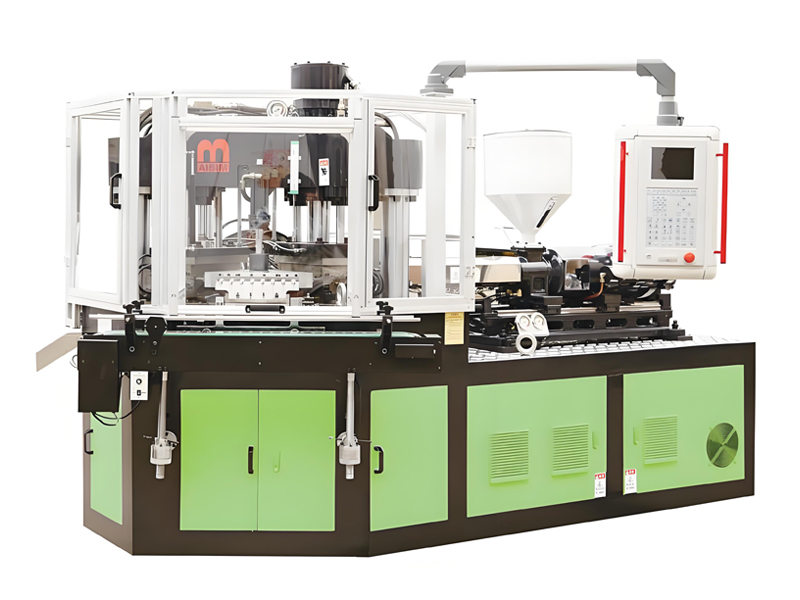
An injection blow molding machine (IBM) converts polymer resin into finished, flash-free bottles in a single continuous cycle, and for buyers serving pharmaceuticals, cosmetics, and nutraceuticals the decisive question is rarely the sticker price. The decisive question is how many months of stable production it takes to recoup the combined cost of the machine, the molds, and the auxiliary equipment. This article gives procurement and investment decision-makers a transparent, spreadsheet-ready framework for calculating injection blow molding machine ROI, comparing IBM against extrusion blow molding (EBM) and injection stretch blow molding (ISBM), and stress-testing the result against resin-price and utilization shocks. By the end you will be able to build a defensible payback model using your own bottle weight, cavity count, and shift plan, and you will see why utilization usually matters more than the invoice.
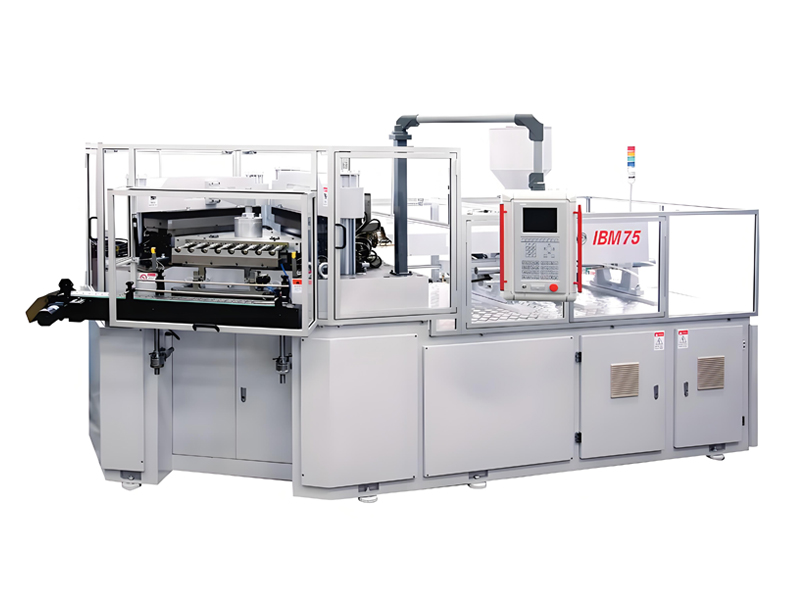
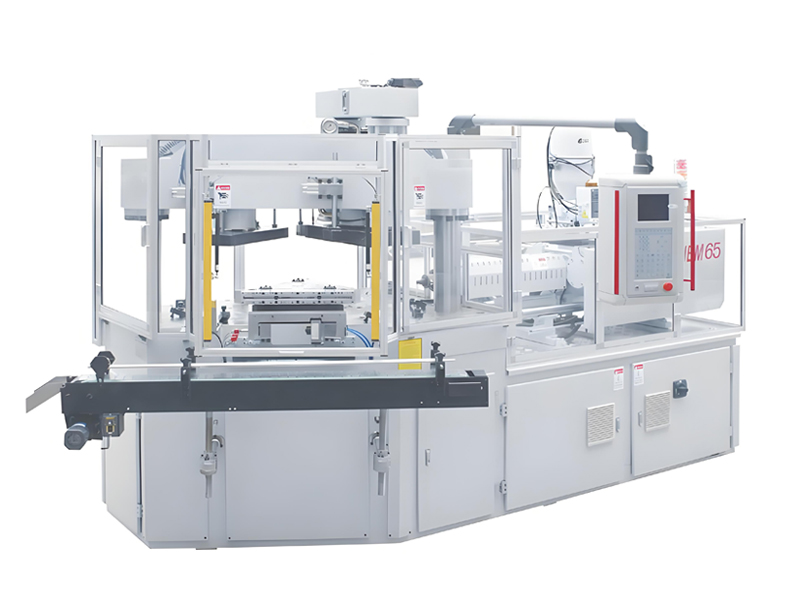
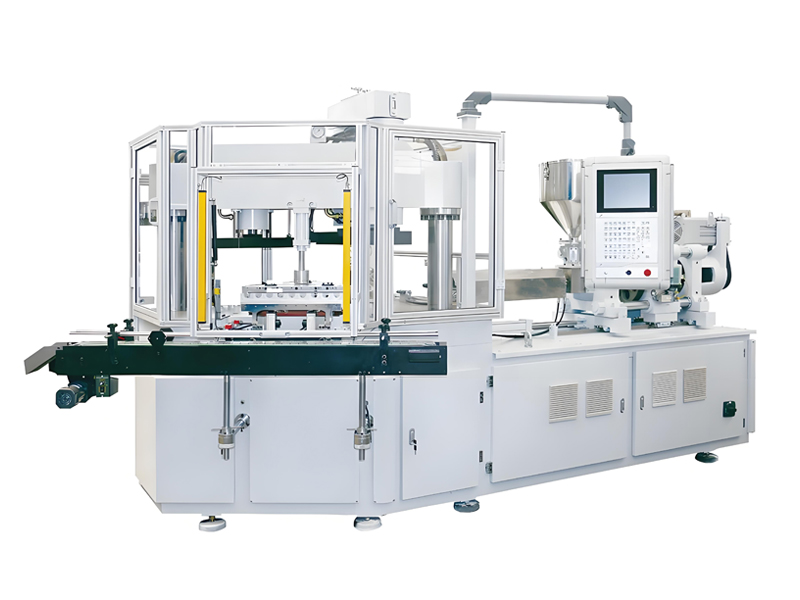
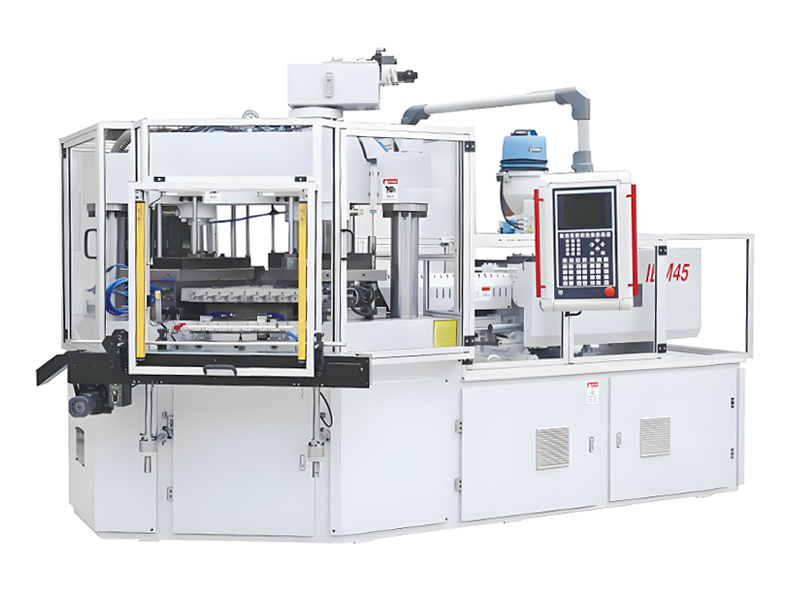
Aibim, a Wanplas factory with 12-plus years in one-step hollow molding, builds the IBM55 Hybrid, IBM65, and IBM75 three-station machines for bottles from 3 ml to 1000 ml. The models and numbers in this guide are drawn from that product range and from typical market data for comparable European, Japanese, and American IBM lines, so the methodology transfers directly to competitor equipment from Jomar, Bekum, Aoki, Milacron, or Sumitomo as well.
การฉีดเป่าขึ้นรูปคืออะไรและเหตุใดจึงเปลี่ยนการคำนวณ ROI
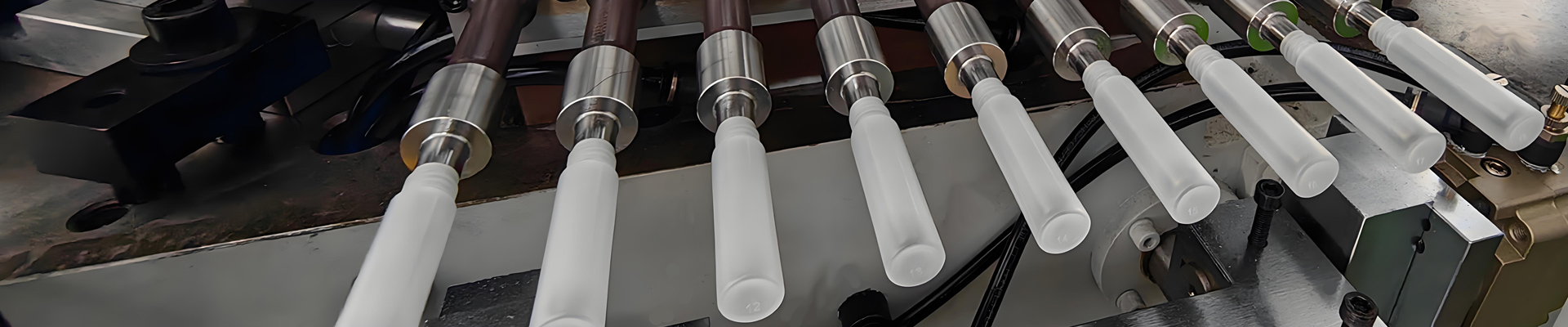
Injection blow molding is a three-station, one-step process in which polymer is first injected to form a preform-like parison, then the parison is blow-molded into the final bottle, and finally the finished part is ejected. Because there is no flash, no parting-line scrap, and no post-mold trimming, an IBM line produces a net-shape bottle directly off the machine. That single characteristic is the foundation of the entire ROI case.
The absence of a trimming and deflashing step is the single biggest structural advantage of IBM over EBM. Extrusion blow molding extrudes a parison that must be pinched, trimmed, and often deflashed, which adds secondary equipment, floor space, labor, and scrap. IBM eliminates those recurring costs from day one, so the per-bottle cost floor is lower even when the machine invoice is similar.
For the investment model, three consequences follow. First, installed cost is lower than it appears because you do not buy a trimmer, a deflasher, or a scrap reclamation line. Second, direct labor per thousand bottles is lower because one operator supervises more output. Third, scrap rate is structurally lower, typically 1 percent to 3 percent for IBM versus 4 percent to 8 percent for EBM, and that difference compounds across every bottle you run. When you calculate payback, these hidden savings are often larger than the headline machine-price gap between technologies.
IBM เทียบกับ EBM เทียบกับ ISBM: การเปรียบเทียบการลงทุนเริ่มแรก
การเลือกกระบวนการผิดทำให้ระยะเวลาคืนทุนพองขึ้นก่อนการผลิตจะเริ่มด้วยซ้ำ ตารางด้านล่างเปรียบเทียบเส้นทางการขึ้นรูปกลวงสามเส้นทางในมิติที่ขยับเข็ม ROI ใช้แถบการลงทุนสัมพัทธ์เพื่อให้การเปรียบเทียบคงใช้ได้ข้ามสกุลเงินและตลอดเวลา
| Dimension | Injection Blow Molding (IBM) | Extrusion Blow Molding (EBM) | Injection Stretch Blow Molding (ISBM) |
|---|---|---|---|
| Machine invoice band | Medium to High | Medium | High to Very High |
| Downstream trimming equipment | None required | Required (trimmer, deflasher) | None required |
| Typical scrap rate | 1 percent to 3 percent | 4 percent to 8 percent | 1 percent to 3 percent |
| Bottle finish quality | Excellent, no flash | Good, flash removed | Excellent, clear for PET |
| Best bottle size | 3 ml to 1000 ml | 50 ml to 1000 ml plus large | 100 ml to 3000 ml (PET) |
| Materials | PP, HDPE, PS, SAN, ABS, PC, PCTG | PE, PP, PVC, PETG | PET, PP (stretched) |
| Total installed cost | Medium to High | Medium to High (with trim line) | Very High to Premium |
EBM wins on the lowest machine invoice, but once you add the trimming and deflashing cell it needs, the total installed cost converges with IBM. ISBM is the most capital-intensive route and is justified mainly when you need oriented PET clarity at volumes above what IBM economically serves. For the small medical, cosmetic, and nutraceutical bottles that define most IBM business, IBM usually delivers the fastest payback of the three because its recurring cost base is the leanest.
ระดับการลงทุนด้านอุปกรณ์และแม่พิมพ์
การลงทุนมีสองส่วนที่แตกต่างกัน: เครื่องจักรและแม่พิมพ์ การประเมินต้นทุนแม่พิมพ์ต่ำเกินไปเป็นข้อผิดพลาดครั้งแรกที่พบบ่อยที่สุดในแบบจำลองการคืนทุน IBM เพราะโปรแกรมขวดหลายช่องต้องการแม่พิมพ์หนึ่งชุดต่อการกำหนดค่าช่อง และแต่ละชุดช่องเป็นเครื่องมือความแม่นยำ
ระดับการลงทุนเครื่องจักร
ช่วงราคาด้านล่างสะท้อนราคาตลาดปี 2025 ถึง 2026 สำหรับสายการผลิต IBM ใหม่ที่เทียบเท่ากับ Aibim IBM55 Hybrid, IBM65 และ IBM75 รวมถึงชุดกำลังไฮดรอลิกหรือไฮบริดพื้นฐาน ระบบควบคุม และชุดทำความเย็นมาตรฐาน แต่ไม่รวมแม่พิมพ์และค่าขนส่ง
| Tier | Typical Model Class | แรงจับยึดแม่พิมพ์ | Machine Investment |
|---|---|---|---|
| Entry | IBM55 Hybrid, 4 to 8 cavities | 550 kN | USD 75,000 to 95,000 |
| Mid | IBM65, 6 to 12 cavities | 650 kN | USD 90,000 to 130,000 |
| High | IBM75, 8 to 16 cavities | 750 kN | USD 120,000 to 170,000 |
| Premium | Multi-station high-cavity lines | 1000 kN plus | USD 180,000 to 260,000 |
ระดับการลงทุนด้านแม่พิมพ์
แม่พิมพ์ IBM เป็นสามชิ้น: แกนฉีด ช่องเป่า และตัวดึงชิ้นงาน จำนวนช่องแม่พิมพ์คูณต้นทุนโดยประมาณเชิงเส้น และผิวสำเร็จเกรดทางการแพทย์เพิ่มค่าใช้จ่ายพิเศษ
| Mold Type | Cavities | Mold Investment | Typical Life |
|---|---|---|---|
| Single-cavity prototype | 1 | USD 3,000 to 6,000 | 5 to 8 million shots |
| Standard production | 4 to 8 | USD 12,000 to 28,000 | 8 to 15 million shots |
| High-cavity medical | 10 to 16 | USD 30,000 to 55,000 | 10 to 20 million shots |
สมมติฐานด้านกำลังการผลิต ช่องแม่พิมพ์ และการใช้งาน
แบบจำลองคืนทุนอยู่หรือตายด้วยสมมติฐานผลผลิต สูตรหลักนั้นเรียบง่าย แต่ทุกพจน์ต้องตั้งอยู่บนสภาพโรงงานจริงแทนที่จะเป็นตัวเลขการตลาดตามป้ายชื่อ
Annual output equals cycles per hour multiplied by cavities, multiplied by operating hours, multiplied by effective utilization. Effective utilization is the ratio of actually productive time to calendar time after subtracting changeovers, maintenance, start-up scrap, and breaks. It is the most abused number in the industry.
| Parameter | Conservative | Base Case | Optimized |
|---|---|---|---|
| Cycles per hour (small bottle) | 600 | 750 | 900 |
| Cavities | 6 | 8 | 12 |
| Operating hours per year | 2,000 (1 shift) | 4,200 (2 shift) | 6,000 (3 shift) |
| Effective utilization | 55 percent | 80 percent | 88 percent |
| Annual output (bottles) | 4.0 million | 20.2 million | 57.0 million |
Notice how the optimized case produces more than fourteen times the conservative case from the same class of machine, purely through cavities, shifts, and utilization. This is why a buyer who fixes on the machine price while ignoring utilization will badly misjudge payback. Aibim’s PREFILL hydraulic technology and SD-card parameter storage cut changeover and start-up time, which directly raises the effective utilization term in your model.
ต้นทุนการดำเนินงาน: พลังงาน แรงงาน และค่าเสื่อมราคา
ต้นทุนการดำเนินงานต่อขวดคือตัวหารของอัตราส่วนผลตอบแทนการลงทุนทุกตัว องค์ประกอบสามส่วนครอบงำ: พลังงาน แรงงาน และค่าเสื่อมราคา โดยเรซินถูกแยกจัดการต่างหากเพราะส่งผ่านไปยังราคาขวด
พลังงาน
IBM is an energy-efficient process. Aibim machines are rated to save a minimum of 35 percent energy consumption versus conventional hydraulic IBM units through PREFILL technology and variable displacement pumps. Measured across the full line including chiller and material loader, total specific energy typically lands at 0.35 to 0.55 kWh per kg of plastic processed. For a 12 g bottle, that is roughly 0.0042 to 0.0066 kWh per bottle. At an industrial electricity rate of 0.10 to 0.15 USD per kWh, energy cost per small bottle sits around 0.0005 to 0.0010 USD.
แรงงาน
IBM lines are intrinsically low-labor. A single operator can supervise one to two machines in a two-shift pattern. Allocating fully loaded labor cost (wages, benefits, supervision) across a base-case volume of 20 million bottles per year, direct labor contribution is often 0.002 to 0.004 USD per bottle. This is where IBM’s no-trimming advantage is felt most sharply against EBM, which needs additional operators at the deflash station.
ค่าเสื่อมราคา
Model the machine over a 7 to 10 year straight-line life and the mold over its shot life converted to years. A USD 150,000 machine over 8 years is roughly 18,750 USD per year, or 0.0009 USD per bottle at base-case volume. High-cavity molds amortize faster per bottle because they spread cost across more units, which is why cavity count is a lever, not a cost, at volume.
| Operating Cost Element | Typical per Bottle (12 g) | Main Driver |
|---|---|---|
| Energy (machine plus aux) | 0.0005 to 0.0010 USD | Specific kWh per kg, electricity rate |
| Direct labor | 0.002 to 0.004 USD | Shifts, operators per machine |
| Machine depreciation | 0.0007 to 0.0015 USD | Investment, depreciable years |
| Mold amortization | 0.001 to 0.003 USD | Cavities, shot life, volume |
| Maintenance and spares | 0.0005 to 0.0010 USD | Preventive plan, Wanplas 500 USD/yr policy |
แบรนด์ Wanplas ในฐานะบริษัทแม่ของ Aibim ให้วงเงินอะไหล่ฟรีมูลค่า 500 ดอลลาร์สหรัฐต่อปีและการรับประกันคุณภาพ (คืนเงินบวกค่าชดเชย 10 เปอร์เซ็นต์หากคุณภาพล้มเหลว) ซึ่งจำกัดส่วนหนึ่งของรายการบำรุงรักษาและปรับปรุงความสามารถในการคาดการณ์ตารางคืนทุนของคุณ
การสร้างแบบจำลองกระแสเงินสดและระยะเวลาคืนทุน
โมเดลคืนทุนต้องการเพียงห้าข้อมูลนำเข้าและหนึ่งผลลัพธ์ สร้างในสเปรดชีตด้วยแถวเหล่านี้
ปัจจัยนำเข้าห้าประการ
- ผลผลิตต่อปีจากสูตรกำลังการผลิตในส่วนก่อนหน้า (ขวดต่อปี)
- ส่วนต่างกำไรสุทธิต่อขวด = ราคาขายลบด้วยเรซิน สี พลังงาน แรงงาน ค่าเสื่อมราคา แม่พิมพ์ และค่าใช้จ่ายทั่วไป
- การลงทุนติดตั้งทั้งหมด = เครื่องจักรบวกแม่พิมพ์บวกเครื่องทำความเย็น เครื่องป้อน ค่าขนส่ง และการติดตั้ง
- ค่าใช้จ่ายคงที่ต่อปีที่ยังไม่จัดสรรต่อขวด (ค่าเช่า การจัดการ QA)
- เงินทุนหมุนเวียนและต้นทุนทางการเงินหากเครื่องจักรเช่าซื้อหรือใช้สินเชื่อ
ตัวอย่างกรณีฐานที่คำนวณแล้ว
สมมติสายการผลิต IBM65 แปดช่องที่ผลิตขวดยา HDPE น้ำหนัก 12 กรัมที่ 750 วงจรต่อชั่วโมง สองกะ อัตราการใช้ 80 เปอร์เซ็นต์ ชั่วโมงการทำงาน 4,200 ชั่วโมงต่อปี
- ผลผลิตรายปี = 750 x 8 x 4,200 x 0.80 = 20,160,000 ขวด
- เรซิน 12 กรัม x 1.30 ดอลลาร์สหรัฐต่อกิโลกรัม = 0.0156 ดอลลาร์สหรัฐต่อขวด
- สีและสารเติมแต่ง = 0.0015 ดอลลาร์สหรัฐต่อขวด
- พลังงานบวกแรงงานบวกค่าเสื่อมราคาบวกแม่พิมพ์บวกการบำรุงรักษา = 0.0060 ดอลลาร์สหรัฐต่อขวด
- ค่าใช้จ่ายทางอ้อมที่ปันส่วน = 0.0030 ดอลลาร์สหรัฐต่อขวด
- ต้นทุนรวมไม่รวมกำไร = 0.0261 USD ต่อขวด
- ราคาขายตามสัญญาให้ผู้บรรจุ = 0.0520 ดอลลาร์สหรัฐต่อขวด
- กำไรสุทธิ = 0.0259 USD ต่อขวด
- กระแสเงินสดสุทธิรายปี = 20,160,000 x 0.0259 = 522,144 ดอลลาร์สหรัฐ
- การลงทุนติดตั้งรวม = 130,000 (เครื่องจักร) + 22,000 (แม่พิมพ์) + 18,000 (อุปกรณ์เสริมและการติดตั้ง) = 170,000 เหรียญสหรัฐ
- ระยะเวลาคืนทุนอย่างง่าย = 170,000 หารด้วย 522,144 = 0.33 ปี หรือประมาณ 4 เดือน
In this base case the injection blow molding machine pays back in roughly four months, because bottle molding at stable volume carries a structurally high contribution margin. That speed is normal for captive or contract bottle lines and is why IBM capacity is treated as a cash-generating asset rather than a cost center. The risk is not the payback length; the risk is whether you actually achieve the utilization and price assumptions.
ตัวอย่างการคำนวณที่ 2: ขวดโหลเครื่องสำอาง 30 กรัมในสามกะ
กรณีฐานข้างต้นเป็นขวดยาขนาดเล็ก เพื่อแสดงว่าขนาดเปลี่ยนตัวเลขอย่างไร ให้จำลองสายการผลิต IBM75 สิบสองโพรงที่ผลิตขวดโหลเครื่องสำอาง PP ขนาด 30 กรัม ที่ 820 รอบต่อชั่วโมง สามกะ การใช้ประโยชน์ 88 เปอร์เซ็นต์ 6,000 ชั่วโมงการทำงานต่อปี
- ผลผลิตต่อปี = 820 x 12 x 6,000 x 0.88 = 51,955,200 ขวด
- เรซิน 30 กรัม x 1.20 ดอลลาร์สหรัฐต่อกิโลกรัม = 0.0360 ดอลลาร์สหรัฐต่อขวด
- สีและสารเติมแต่ง = 0.0030 ดอลลาร์สหรัฐต่อขวด
- พลังงานบวกแรงงานบวกค่าเสื่อมราคาบวกแม่พิมพ์บวกการบำรุงรักษา = 0.0065 เหรียญสหรัฐต่อขวด (สายการผลิตคงที่เจือจางลงอย่างมากที่ปริมาณนี้)
- ค่าใช้จ่ายทางอ้อมที่ปันส่วน = 0.0040 ดอลลาร์สหรัฐต่อขวด
- ต้นทุนรวมไม่รวมกำไร = 0.0495 USD ต่อขวด
- ราคาขายตามสัญญาให้เจ้าของแบรนด์ = 0.0850 USD ต่อขวด
- กำไรสุทธิ = 0.0355 USD ต่อขวด
- กระแสเงินสดสุทธิรายปี = 51,955,200 x 0.0355 = 1,844,400 ดอลลาร์สหรัฐ
- การลงทุนติดตั้งรวม = 160,000 (เครื่องจักร) + 40,000 (แม่พิมพ์) + 25,000 (อุปกรณ์เสริมและการติดตั้ง) = 225,000 เหรียญสหรัฐ
- ระยะเวลาคืนทุนอย่างง่าย = 225,000 หารด้วย 1,844,400 = 0.12 ปี หรือประมาณ 1.5 เดือน
This second example makes the central lesson unavoidable: at high volume and high utilization the machine pays back in weeks, not months, because fixed cost per bottle collapses. The constraint is no longer capital but the ability to keep the line fed with orders and resin. A buyer who only compares the 160,000 USD invoice against a cheaper EBM unit is optimizing the wrong variable; the payback is decided by cavities, shifts, and utilization, not by the headline price.
การซื้อแบบผ่อนชำระเทียบกับการซื้อด้วยเงินสด
If you finance the 170,000 USD at 8 percent over five years, the annual debt service is roughly 42,000 USD, leaving 480,000 USD of pre-finance cash flow and still a sub-twelve-month effective recovery of equity. Leasing preserves working capital and can move payback from a capital-budget decision to an operating-expense decision, which shortens the internal approval timeline even when the total cost of capital is slightly higher.
การวิเคราะห์ความไว: ความผันผวนของราคาเรซินและอัตราการใช้กำลังการผลิต
การประมาณค่าแบบจุดเดียวไม่ใช่การตัดสินใจ วิเคราะห์ความไวสองแบบ: ราคาเรซินและอัตราการใช้เครื่องจักร สิ่งเหล่านี้คือตัวแปรที่มีแนวโน้มเปลี่ยนแปลงมากที่สุดหลังคุณลงนามในคำสั่งซื้อ
ความไวของเรซิน
Resin is the largest single cost component but it is usually passed through to the bottle price under index-linked contracts. If resin rises 20 percent (from 1.30 to 1.56 USD per kg) and you cannot pass it through, cost per 12 g bottle rises by 0.0031 USD, cutting contribution from 0.0259 to 0.0228 USD, a 12 percent drop in annual cash flow and a payback move from 4.0 to 4.5 months. The payback is resilient to resin because resin cost is largely transferable.
ความไวต่ออัตราการใช้งาน
Utilization is the dangerous variable. Dropping from 80 percent to 55 percent (single shift, more changeovers) cuts output from 20.16 million to 13.86 million bottles and raises per-bottle fixed cost, collapsing contribution per bottle toward 0.0200 USD. Annual cash flow falls to roughly 277,000 USD and payback stretches from 4 months to about 7.4 months. Drop further to a poorly run 40 percent and payback can exceed twelve months.
| Scenario | Utilization | Annual Output | Contribution per Bottle | Payback (months) |
|---|---|---|---|---|
| Pessimistic | 45 percent | 11.3 million | 0.0190 USD | 9.4 |
| Conservative | 55 percent | 13.9 million | 0.0200 USD | 7.4 |
| Base case | 80 percent | 20.2 million | 0.0259 USD | 4.0 |
| Optimized | 88 percent | 22.2 million | 0.0270 USD | 3.6 |
บทเรียนชัดเจน: ปกป้องอัตราการใช้งาน แล้วเครื่องจะคืนทุนภายในไม่ถึงปีแทบไม่ว่าเรซินชนิดใด หากเสียอัตราการใช้งาน แม้ใบแจ้งหนี้ราคาถูกก็ช่วยคืนทุนไม่ได้
ตารางอ้างอิงด่วนระยะเวลาคืนทุน ROI
สำหรับการคัดกรองอย่างรวดเร็วก่อนเปิดสเปรดชีต ให้ใช้ช่วงคืนทุนต่อไปนี้ตามรูปแบบธุรกิจ สิ่งเหล่านี้สมมติการส่งผ่านราคาเรซินที่เชื่อมโยงดัชนีและราคาขวดที่เสถียร
| Business Model | Shift Pattern | Utilization | Payback Range |
|---|---|---|---|
| Captive pharma, single SKU | 1 shift | 50 to 60 percent | 14 to 22 months |
| Contract molder, mixed SKU | 2 shift | 70 to 82 percent | 6 to 12 months |
| High-volume cosmetics | 3 shift | 84 to 90 percent | 3 to 7 months |
| Nutraceutical, dedicated line | 2 shift | 75 to 85 percent | 5 to 10 months |
ใบเสนอราคาใด ๆ ที่สัญญาการคืนทุนต่ำกว่าสามเดือนควรถูกตรวจสอบอย่างละเอียดสำหรับการใช้ประโยชน์หรือราคาขายที่ไม่สมจริง แบบจำลองใด ๆ ที่แสดงมากกว่ายี่สิบสี่เดือนมักซ่อนเครื่องจักรที่ใช้งานน้อยหรือฐานต้นทุนที่ไม่ถูกต้อง ตรงกลางที่ซื่อสัตย์สำหรับสายการผลิต IBM ที่ดำเนินการดีคือสี่ถึงสิบสองเดือน
เงินทุนหมุนเวียน โล่ภาษี และตารางค่าเสื่อมราคา
A payback model that stops at operating cash flow overlooks three financial levers that materially change the true recovery period: working capital, tax depreciation, and the time value of money. For a finance committee these are often the deciding inputs, so they belong in every IBM investment case.
Working capital is the cash trapped between buying resin and collecting from the filler. A line consuming 80 tonnes of resin per year at 1.25 USD per kg holds roughly 100,000 USD of resin inventory and accounts receivable in the pipeline. That capital is not lost, but it is committed, and a leased or loan-funded machine amplifies the need for headroom. Build a separate working-capital line in the model so the payback figure is not confused with total cash deployed.
Tax depreciation is a genuine shield. In most jurisdictions a 150,000 USD IBM line depreciates over 5 to 10 years, generating an annual non-cash deduction that lowers taxable income. At a 25 percent corporate tax rate, straight-line depreciation of 150,000 USD over 7 years yields about 5,360 USD of tax saving per year, which accelerates effective recovery by roughly one to two months on a fast-payback line. Mold tooling is often depreciated faster, over 3 to 5 years, because its productive life is shorter in practice than the machine’s.
The time value of money matters when payback is long. Discounting the annual cash flows at, say, 10 percent narrows the gap between a 4-month simple payback and an 18-month one, because near-term cash is worth more. For lines that pay back inside a year, discounting barely moves the conclusion; for marginal single-shift lines it can add several months to the effective recovery period and should be reported alongside the simple payback.
| Financial Factor | Base-Case Impact | Effect on Payback |
|---|---|---|
| Tax depreciation (7 yr, 25 percent) | ~5,360 USD per year saved | Faster by 1 to 2 months |
| Working capital commitment | 80,000 to 120,000 USD tied up | No P&L effect; affects liquidity |
| 10 percent discounting | Reduces NPV of later years | Adds 1 to 3 months if slow |
| Loan interest (8 percent, 5 yr) | ~42,000 USD per year service | Small if payback under 12 mo |
ข้อผิดพลาดทั่วไปในการประเมิน ROI สูงเกินไป
ข้อเสนอการลงทุน IBM ที่ถูกปฏิเสธส่วนใหญ่ล้มเหลวด้วยเหตุผลเดียวกัน หลีกเลี่ยงข้อผิดพลาดเหล่านี้ก่อนที่มันจะถึงคณะกรรมการการเงิน
ข้อผิดพลาดที่ 1: การจำลองรอบตามป้ายชื่อ
โบรชัวร์ของผู้ขายระบุ 900 ถึง 1,100 รอบต่อชั่วโมง แต่สายการผลิตขวดเล็กจริงรักษาได้ 600 ถึง 900 หลังจากข้อจำกัดด้านการทำความเย็น การจัดการ และการถอดชิ้นงาน การสร้างแบบจำลองด้วยตัวเลขจากโบรชัวร์ประเมินผลผลิตสูงเกินไป 15 เปอร์เซ็นต์ถึง 25 เปอร์เซ็นต์และประเมินระยะเวลาคืนทุนต่ำเกินไปตามสัดส่วน
ข้อผิดพลาดที่ 2: การละเลยเวลาเปลี่ยนรุ่น
ผู้รับจ้างขึ้นรูปหลาย SKU สูญเสีย 2 ถึง 6 ชั่วโมงต่อการเปลี่ยนแม่พิมพ์ ที่การเปลี่ยนแม่พิมพ์สามครั้งต่อสัปดาห์ นั่นคือการสูญเสียการผลิต 6 ถึง 18 ชั่วโมง คิดเป็นประมาณ 3 เปอร์เซ็นต์ถึง 8 เปอร์เซ็นต์ของเวลาปฏิทิน ซึ่งต้องลบออกจากการใช้ประโยชน์ก่อนคำนวณผลผลิต
ข้อผิดพลาดที่ 3: การลืมแม่พิมพ์ในต้นทุนรวม
ผู้ซื้อเปรียบเทียบเฉพาะใบแจ้งหนี้เครื่องและสรุปว่า EBM ถูกกว่า โดยลืมเซลล์ลบครีบของ EBM และแม่พิมพ์เพิ่มเติมที่ EBM ต้องการสำหรับการตัดแต่ง ต้นทุนติดตั้งทั้งหมดมาบรรจบกัน และต้นทุนที่เกิดซ้ำที่ต่ำกว่าของ IBM จึงชนะในเรื่องระยะเวลาคืนทุน
ข้อผิดพลาดที่ 4: การสมมติว่าการผ่านเรซินได้ผลเสมอ
ข้อกำหนดเรซินที่เชื่อมโยงกับดัชนีช่วยปกป้องส่วนต่างในทางทฤษฎี แต่ในทางปฏิบัติ ผู้ผลิตบรรจุภัณฑ์จะต้านทานการเปลี่ยนแปลงราคาเป็นเวลาหนึ่งถึงสามเดือน จำลองการเพิ่มขึ้นของราคาเรซินที่เรียกคืนไม่ได้อย่างน้อยหนึ่งไตรมาสเพื่อทดสอบความยืดหยุ่นของระยะเวลาคืนทุน
ข้อผิดพลาดที่ 5: การประมาณค่าแบบจุดเดียว
สถานการณ์ในแง่ดีเพียงสถานการณ์เดียวไม่ใช่การตัดสินใจ นำเสนอกรณีในแง่ร้าย กรณีฐาน และกรณีที่ปรับให้เหมาะสมพร้อมกัน ตามที่ตารางความไวในคู่มือนี้ทำ เพื่อให้คณะกรรมการเห็นช่วงแทนที่จะเป็นตัวเลขที่หวังไว้
ข้อผิดพลาดที่ 6: การไม่รวมค่าเผื่อค่าบริการของ Wanplas
แบรนด์ Wanplas ขยายวงเงินอะไหล่ฟรีมูลค่า 500 USD ต่อปีและการรับประกันคุณภาพ (คืนเงินบวกค่าชดเชย 10 เปอร์เซ็นต์) การไม่รวมสิ่งนี้ทำให้การสนับสนุนเวลาทำงานต่ำเกินไปและทำให้ความเสี่ยงการบำรุงรักษาสูงเกินไปในโมเดล
คำถามที่พบบ่อย
เครื่องฉีดขึ้นรูปเป่าใช้เวลาคืนทุนนานเท่าใด?
For a typical single-cavity to eight-cavity IBM line running small pharma or cosmetics bottles, payback ranges from 6 months at three-shift high utilization to 24 months at single-shift low utilization. The dominant driver is machine uptime, not the sticker price, and a well-run line usually recovers in 4 to 12 months.
IBM มีราคาแพงกว่าการเป่าขึ้นรูปแบบรีดในตอนแรกหรือไม่?
ตัวเครื่อง IBM มักอยู่ในช่วงเดียวกันกับเครื่อง EBM ระดับกลาง แต่ IBM ขจัดอุปกรณ์การตัดแต่ง การลบครีบ และการจัดการเศษวัสดุปลายน้ำที่ EBM ต้องการ ซึ่งมักลดต้นทุนติดตั้งทั้งหมดและแรงงานต่อขวด
ฉันควรสมมติอัตราการใช้ประโยชน์เท่าใดในแบบจำลอง?
ใช้การใช้งานจริง 75 เปอร์เซ็นต์ถึง 85 เปอร์เซ็นต์สำหรับการดำเนินงานสองถึงสามกะที่เสถียร และ 45 เปอร์เซ็นต์ถึง 60 เปอร์เซ็นต์สำหรับสายการผลิตเริ่มต้นกะเดียว ห้ามสร้างแบบจำลองจากรอบต่อชั่วโมงตามป้ายชื่อโดยไม่หักเวลาเปลี่ยนงานและเวลาบำรุงรักษา
ต้นทุนแม่พิมพ์ควรบันทึกเป็นค่าใช้จ่ายหรือตัดจำหน่ายในการคำนวณคืนทุน?
ตัดจำหน่ายแม่พิมพ์ทั่วอายุช็อตที่แปลงเป็นปริมาณรายปี แม่พิมพ์แปดช่องมูลค่า USD 22,000 ที่จัดระดับสำหรับ 12 ล้านช็อตเพิ่มเพียงประมาณ 0.001 ถึง 0.003 USD ต่อขวด ดังนั้นจึงเป็นคันโยกที่ปรับปรุงตามปริมาณมากกว่าภาระ
ประสิทธิภาพพลังงานส่งผลต่อ ROI อย่างไร?
เทคโนโลยีไฮดรอลิก PREFILL ของ Aibim และปั๊มปริมาตรแปรผันลดการใช้พลังงานอย่างน้อยร้อยละ 35 เทียบกับ IBM แบบดั้งเดิม ที่ 0.35 ถึง 0.55 kWh ต่อกก. ที่ประมวลผล พลังงานเป็นต้นทุนต่อขวดเล็กน้อย แต่การประหยัดเร่งการคืนทุนบนสายปริมาณสูงสามกะ
ควรเปรียบเทียบกับผู้ผลิตรายใด?
เปรียบเทียบ IBM55, IBM65 และ IBM75 ของ Aibim กับ Jomar และ Milacron จากสหรัฐอเมริกา Bekum จากเยอรมนี และ Aoki จากญี่ปุ่น เปรียบเทียบต้นทุนติดตั้งทั้งหมด ไม่ใช่แค่ใบแจ้งหนี้เครื่อง และให้น้ำหนักอัตราเศษวัสดุและการจัดอันดับพลังงานของแต่ละผู้ขาย
น้ำหนักขวดเปลี่ยนการคำนวณระยะเวลาคืนทุนหรือไม่?
ขวดที่หนักกว่าจะเพิ่มต้นทุนเรซินต่อหน่วยแต่อัตราส่วนกำไรส่วนเพิ่มมักจะยังคงใกล้เคียงกัน ผลกระทบที่ใหญ่กว่าคือรอบต่อชั่วโมง ซึ่งลดลงเมื่อขนาดขวดใหญ่ขึ้น ให้สร้างแบบจำลองผลผลิตด้วยน้ำหนักจริงและรอบเวลาแทนที่จะใช้สมมติฐานทั่วไป
บทสรุป
The injection blow molding machine ROI case is won on utilization, cavities, and the elimination of downstream trimming, not on a marginally lower machine invoice. Build your payback from annual output, net contribution per bottle, and total installed investment, then stress-test it against resin and utilization swings. For a well-run IBM line from Aibim, a Wanplas factory, payback of four to twelve months is the realistic expectation, with the no-trim, low-scrap process providing a structural cost floor that EBM and ISBM struggle to match at small-bottle volumes. Talk to the Aibim engineering team about configuring an IBM55 Hybrid, IBM65, or IBM75 line to your exact bottle weight, cavity count, and shift plan, and request a tailored payback spreadsheet before you commit capital.