บทนำ: เหตุใดการคำนวณกำลังการผลิตจึงขับเคลื่อนการตัดสินใจซื้อของคุณ
Accurate injection blow molding machine capacity calculation is the single most important step before you invest in a production line for pharmaceutical, cosmetic, or food small bottles. The headline number a supplier quotes is meaningless until you understand the formula behind it: how the cycle time, the number of mold cavities, the hours you actually run each day, and your real equipment effectiveness combine into a daily and yearly bottle count. This article gives you the exact equations, walks through two fully worked examples on real Aibim machines, and shows you how to translate a target output into a concrete machine and mold specification.
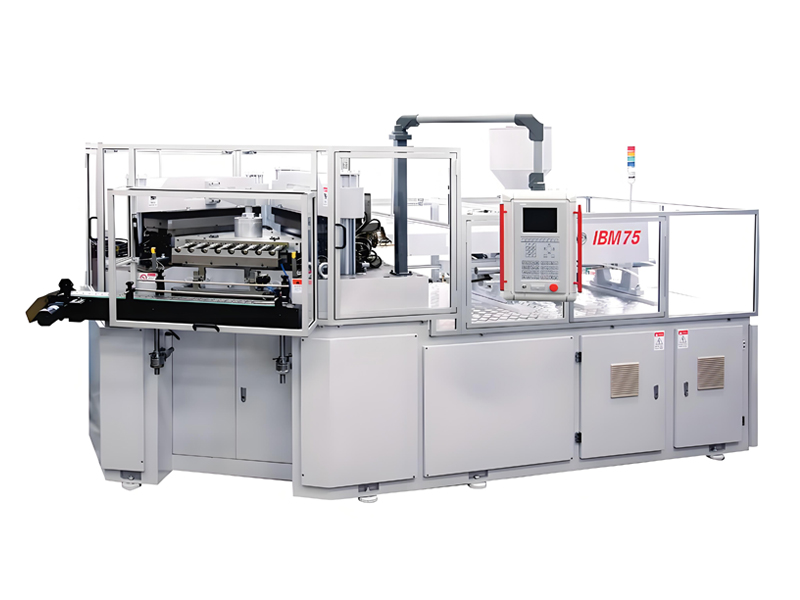
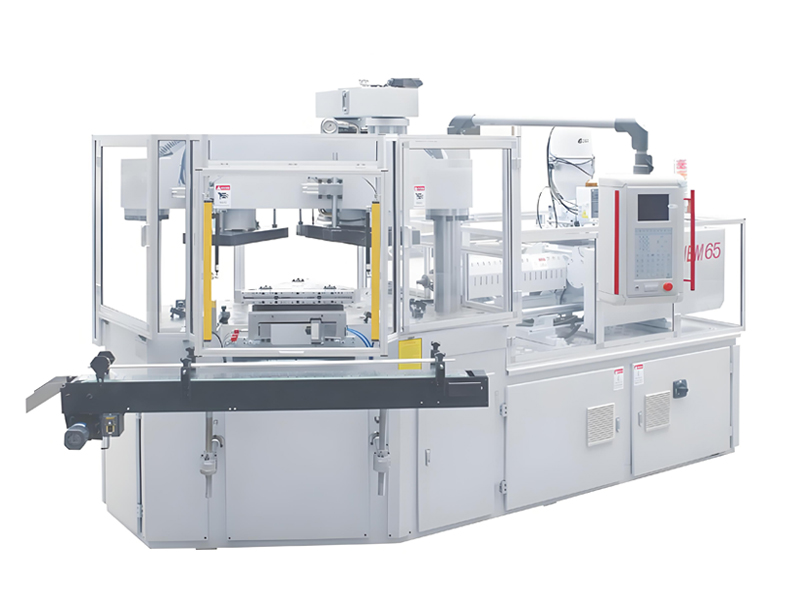
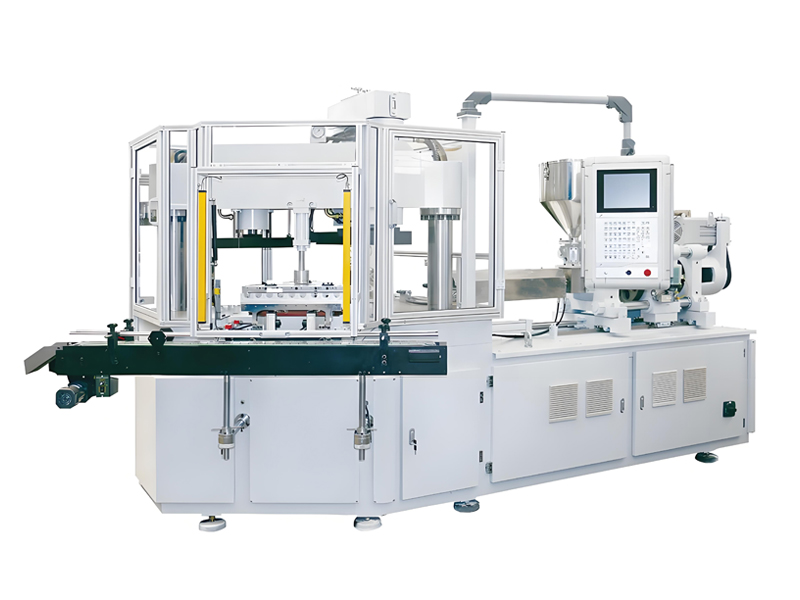
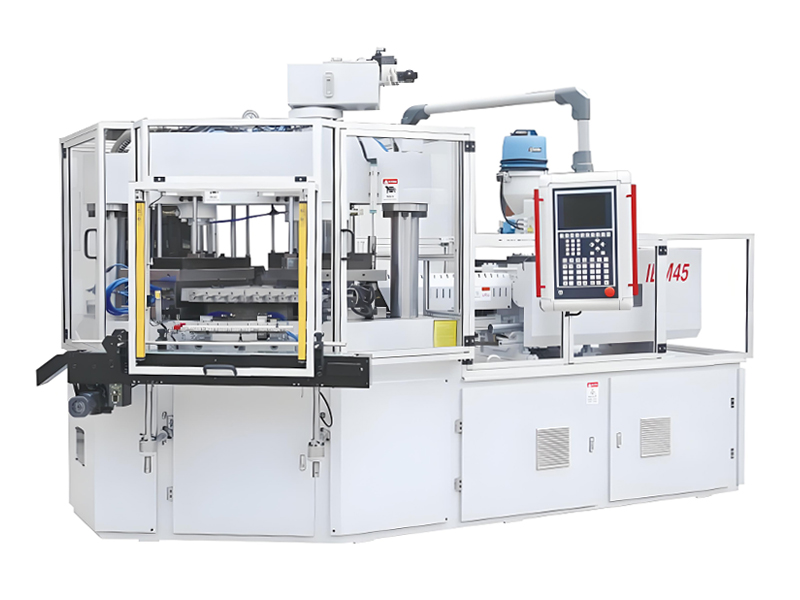
Aibim, a Wanplas factory with more than 12 years of experience in injection blow molding and machines running in over 40 countries, builds the IBM55 Hybrid Electric, IBM65, and IBM75 series for containers from 3 ml to 1000 ml. Those three models cover the full range of small-bottle production, and every capacity figure in this guide is built around their real operating envelope. Whether you make 5 ml oral-dose vials, 30 ml cosmetic jars, or 500 ml pharmaceutical shampoo bottles, the same formulas apply, only the input values change.
By the end of this guide you will be able to calculate theoretical hourly output, adjust it with an OEE factor, project daily and yearly volume, size the right cavity count, and estimate energy use in kilowatt-hours per 1,000 bottles. You will also see where most capacity estimates go wrong, and how to avoid quoting a number your line can never reach. No currency figures are used; all cost framing is shown as relative tiers and all output is expressed in physical units such as bottles per hour or kilowatt-hours per 1,000 bottles.
เครื่องฉีดเป่าขึ้นรูปผลิตขวดได้อย่างไร
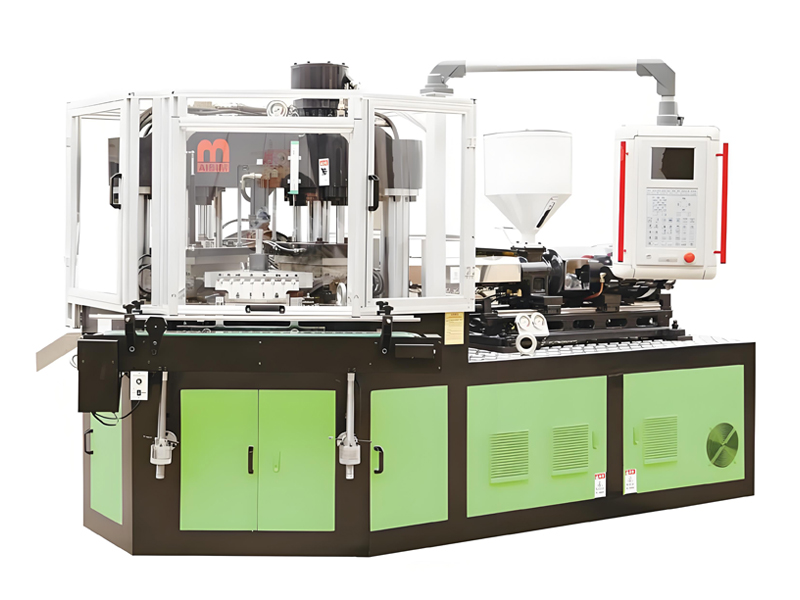
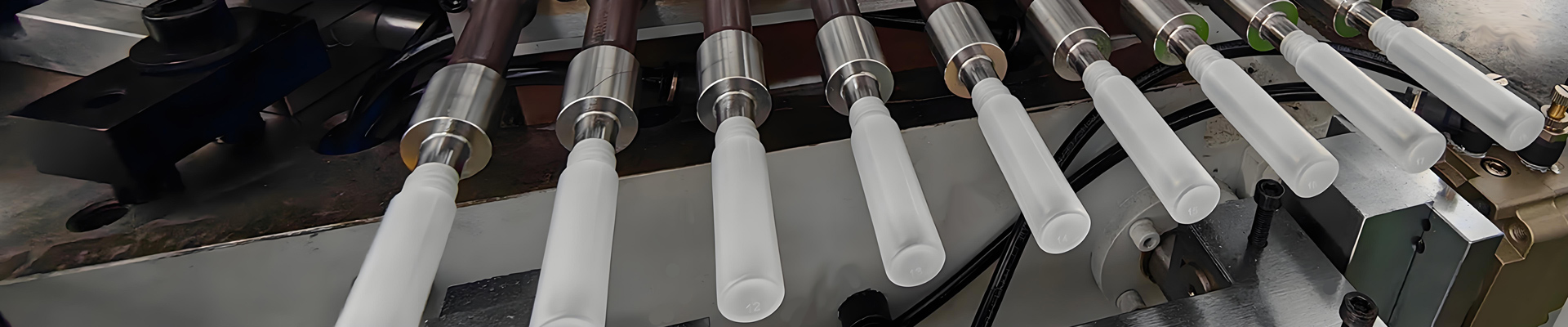
การฉีด blow molding is a one-step, three-station hollow molding process. Plastic raw material is first plasticized in the barrel by a reciprocating screw, then injected into a cavitated preform or parison mold at the injection station. The parison is a precisely shaped tube with the finished bottle neck already molded in. A rotating transfer system carries the hot parison to the blow station, where compressed air expands it against the cooled blow cavity to form the bottle. A final transfer moves the finished bottle to the ejection station, where it is stripped and the neck is held by a long-distance digital laser sensor for safe, flash-free removal.
Because the three stations operate in parallel rather than in sequence, one cycle of the machine completes one bottle per cavity, but the wall-clock time of a cycle is set by the slowest station. In practice the blow-and-cool station almost always governs the cycle, because the molten parison must cool enough to hold its shape before ejection. This parallel architecture is why an injection blow molding machine can deliver a finished, flash-free bottle with no post-molding trim operation, and why cycle time is so sensitive to bottle wall thickness and cooling efficiency.
The materials processed on Aibim machines include polyethylene (HDPE, LDPE, LLDPE), polypropylene, polystyrene, ABS, SAN, TPU, PC, and PCTG. Each has a different melt viscosity and cooling rate, which shifts the cycle time. โพลีโพรพิลีน and HDPE cool relatively quickly; polycarbonate and PCTG need longer cooling, so for the same bottle size the cycle will be longer and the achievable hourly output lower. When you calculate capacity, always anchor the cycle time to the actual material, not a generic average.
The three-station design also explains why injection blow molding is favored for pharmaceutical, cosmetic, and food small bottles: the bottle neck and thread are molded to tight tolerance at the injection stage, so there is no flash to trim and no contamination route from a secondary operation. That cleanliness is part of the value, but it does not change the math. Output still equals cycles per hour times cavities, adjusted for how well the line actually runs.
สูตรกำลังการผลิตหลัก: รอบเวลาบวกกับจำนวนโพรง
ตัวเลขผลผลิตของการฉีดขึ้นรูปเป่าขึ้นรูปทุกตัวย้อนกลับไปยังความสัมพันธ์หลักหนึ่งเดียว ผลผลิตรายชั่วโมงตามทฤษฎีคือจำนวนรอบที่เครื่องสามารถทำได้ในหนึ่งชั่วโมง คูณด้วยจำนวนขวดดีที่ผลิตได้ต่อรอบ
สูตรนี้ตอบคำถามว่า “เครื่องจักรสามารถผลิตขวดได้กี่ขวดในทางทฤษฎีต่อชั่วโมงหากไม่เคยหยุดและทุกช่องสำเร็จเสมอ” มันคือเพดาน ไม่ใช่ความเป็นจริง ในการย้ายจากเพดานไปยังตัวเลขที่คุณสามารถวางแผนการผลิตได้ คุณคูณด้วยปัจจัยประสิทธิผล
จากอัตรารายชั่วโมงที่มีประสิทธิภาพ ผลผลิตรายวันและรายปีคำนวณโดยตรงจากจำนวนชั่วโมงและวันที่คุณเดินเครื่อง
เมื่อรวมกันแล้ว ห่วงโซ่ที่สมบูรณ์คือ:
ห่วงโซ่เดียวนี้คือกระดูกสันหลังของทุกการประมาณในส่วนที่เหลือของบทความ ทักษะการวางแผนกำลังการผลิตไม่ใช่เลขคณิตซึ่งง่าย แต่เป็นการเลือกค่าที่สมจริงสำหรับ t_c, N, OEE, H และ D ส่วนถัดไปแสดงวิธีตั้งค่าแต่ละค่าโดยใช้ตัวเลขจริงบนเครื่องจักร Aibim
โครงสร้างของรอบเวลา IBM
The cycle time t_c is the wall-clock seconds for one full rotation of the three-station machine. Because stations run in parallel, t_c equals the longest single-station time, not the sum of all three. Understanding the breakdown lets you see where a cycle can be shortened and where it is physically fixed by cooling.
| Station or phase | What happens | Typical time (seconds) | Usually gating? |
|---|---|---|---|
| การฉีด station | Plasticize and inject parison, then screw recovery | 2.0 to 3.5 | No (overlaps next) |
| Blow and cool station | Air blow, wall cooling, shape set | 4.5 to 11.0 | Yes (slowest) |
| Ejection and transfer | Stripping, laser safety check, index | 1.2 to 2.0 | No |
| Resulting machine cycle | Set by the longest station | 8 to 16 | Reference |
In this breakdown the blow-and-cool station dominates. For a 100 ml HDPE bottle the cooling might be 6 seconds; for a 500 ml PCTG bottle it can stretch past 10 seconds because more mass must solidify. Screw recovery at the injection station often overlaps the cooling at the blow station, which is exactly why the parallel layout keeps the cycle near the blow time instead of adding all phases together.
Two practical levers shorten t_c. First, optimize cooling with chilled mold temperature control and, where the material allows, a thinner controlled wall, because cooling time scales with wall thickness squared in simplified heat-transfer terms. Second, use a machine with strong, stable clamping and fast indexing so the transfer and ejection phases stay short. Aibim’s single-crossbeam double-pole clamping framework and enlarged mold space are built to keep those non-cooling phases minimal.
ตัวอย่างการคำนวณที่ 1: ผลผลิตต่อวันของ Aibim IBM75
มาคำนวณผลผลิตรายวันของเครื่อง Aibim IBM75 ที่ผลิตขวดยา HDPE ขนาด 100 มล. บนแม่พิมพ์ 6 ช่อง ทำงานสองกะบวกกะที่สามบางส่วนรวม 22 ชั่วโมงการทำงานต่อวัน เราจะสร้างตัวเลขทีละขั้นตอนเพื่อให้คุณสามารถแทนที่ค่าของคุณเองได้ในภายหลัง
ขั้นตอนที่ 1 ตั้งเวลาในวงจร สำหรับขวด HDPE ขนาด 100 มล. สถานีเป่าและหล่อเย็นเป็นตัวกำหนดที่ประมาณ 12 วินาที โดยการฉีดและการดีดทับซ้อนกันภายในหน้าต่างนั้น ดังนั้น t_c = 12 วินาที
ขั้นตอนที่ 2 ใช้สูตรหลักสำหรับผลผลิตรายชั่วโมงตามทฤษฎี
ขั้นตอนที่ 3 ใช้ OEE สมมติว่าสายการผลิตทำงานด้วยความพร้อมใช้งาน 0.92 สมรรถนะ 0.95 และคุณภาพ 0.99 OEE = 0.92 x 0.95 x 0.99 = 0.865 ซึ่งเป็นตัวเลขที่ดีและสมจริงสำหรับสายการผลิตยาที่ดำเนินการได้ดี
ขั้นตอนที่ 4 คูณด้วยชั่วโมงการทำงาน
So this configuration delivers about 34,250 finished 100 ml bottles every day. If you ran only a single 8-hour shift, the same machine would produce roughly 12,456 bottles per day, which shows how strongly the operating-hours input drives the result. The table below summarizes the sensitivity of daily output to the shift pattern, holding cycle, cavities, and OEE constant.
| Operating hours per day (H) | Shift pattern | Daily output (bottles) | Relative to 24 h |
|---|---|---|---|
| 8 | Single shift | 12,456 | 0.33 |
| 16 | Double shift | 24,912 | 0.66 |
| 20 | Double shift plus buffer | 31,140 | 0.83 |
| 22 | Near-continuous | 34,254 | 0.91 |
| 24 | Continuous | 37,368 | 1.00 |
Notice that moving from 22 to 24 hours adds only about 9 percent output but removes the planned downtime window used for mold changes and preventive maintenance. Most producers choose 20 to 22 hours to keep that buffer, which is why the 22-hour figure is a sensible planning baseline rather than the maximum.
ตัวอย่างการคำนวณที่ 2: ผลผลิตต่อปีและการวางแผนกำลังการผลิต
ตอนนี้ขยายตัวอย่าง IBM75 เป็นหนึ่งปีเต็มและเปรียบเทียบกับสถานการณ์ขวดขนาดเล็กโพรงสูงบน IBM55 Hybrid Electric ผลผลิตรายปีตอบคำถามที่ผู้จัดการโรงงานสนใจจริงๆ: สายการผลิตนี้สามารถตอบสนองความต้องการรายปีได้หรือไม่
ใช้ IBM75 ที่ 34,254 ขวดต่อวันและเดินเครื่อง 300 วันทำงานต่อปี (เผื่อวันหยุด การบำรุงรักษาตามแผน และช่วงความต้องการต่ำ)
นั่นคือประมาณ 10.3 ล้านขวดขนาด 100 มล. ต่อปีจาก IBM75 หนึ่งเครื่องที่มีแม่พิมพ์ 6 โพรง ตอนนี้พิจารณา IBM55 Hybrid Electric ที่ผลิตขวดยา PP ขนาด 15 มล. บนแม่พิมพ์ 12 โพรง ที่รอบเวลาเร็ว 8 วินาที ทำงาน 24 ชั่วโมงด้วย OEE 0.85
The hybrid electric small-vial line therefore delivers roughly 36.4 million bottles per year, more than three times the IBM75 figure, driven by the higher cavity count and shorter cycle rather than by a bigger machine. This contrast is the central lesson of capacity planning: for small bottles, cavities and cycle time dominate, while for large bottles, cooling time and lower cavity counts cap the rate no matter how many machines you buy.
| Scenario | Model | Cavities | Cycle (s) | OEE | Yearly output |
|---|---|---|---|---|---|
| 100 ml HDPE, 300 d, 22 h | IBM75 | 6 | 12 | 0.865 | 10.28 million |
| 15 ml PP, 330 d, 24 h | IBM55 Hybrid | 12 | 8 | 0.85 | 36.35 million |
| 250 ml PP, 300 d, 20 h | IBM65 | 8 | 11 | 0.82 | 19.07 million |
When you plan capacity, build the yearly figure first from demand, then work backward to the model and cavity count. If annual demand is 20 million 250 ml bottles, the IBM65 row above already meets it; if demand is 40 million 15 ml vials, you would need roughly two IBM55 Hybrid lines or one line run at higher OEE and longer hours. Capacity planning is always a backward calculation from the demand target.
OEE: ความพร้อมใช้งาน สมรรถนะ และคุณภาพ
ประสิทธิผลโดยรวมของอุปกรณ์ (Overall Equipment Effectiveness) คือระเบียบวินัยที่เปลี่ยนค่าสูงสุดตามตำราให้เป็นตัวเลขที่ทีมการเงินและทีมผลิตของคุณไว้วางใจได้ OEE คือผลคูณของอัตราส่วนอิสระสามตัว แต่ละตัวอยู่ระหว่าง 0 ถึง 1
Availability captures unplanned stops and planned downtime such as mold changes. A line planned for 22 hours but actually running 20.2 hours due to a 1.8-hour mold change has availability of 20.2 / 22 = 0.918. Performance captures speed loss: if the machine should run at a 12-second cycle but averages 12.6 seconds because of minor slowdowns, performance is 12 / 12.6 = 0.952. คุณภาพ captures scrap: if 1 percent of bottles are rejected for short shots or visual defects, quality is 0.99.
คูณแล้ว OEE = 0.918 x 0.952 x 0.99 = 0.865 ซึ่งเป็นตัวเลขที่ใช้ในตัวอย่าง IBM75 พอดี ตารางด้านล่างแสดงให้เห็นว่าระดับ OEE เปลี่ยนผลผลิตจริงสำหรับอัตราทางทฤษฎีคงที่ 1,800 ขวดต่อชั่วโมง
| OEE tier | Typical meaning | Effective bottles per hour | Loss vs theoretical |
|---|---|---|---|
| 0.60 | Poor, frequent stops | 1,080 | 40% |
| 0.75 | Average, typical SME | 1,350 | 25% |
| 0.85 | Good, well-run line | 1,530 | 15% |
| 0.90 | Excellent, world class | 1,620 | 10% |
The gap between a 0.60 line and a 0.90 line is 50 percent more output from the identical machine. That is why Aibim emphasizes pre-shipment testing, remote monitoring of PLC data, and rapid spare-parts support: those services attack the availability and performance losses that quietly destroy quoted capacity. When a supplier quotes output, always ask which OEE assumption sits behind it.
ซีรีส์เครื่องจักร Aibim IBM และข้อกำหนดจริง
Aibim’s three production models share the same three-station one-step architecture, PREFILL hydraulic technology, and CE-certified safety system, but they are sized for different bottle volumes and cavity counts. The specification tables below use the standard technical envelope of each series; exact values should be confirmed against the factory quotation for your specific mold and material. All three are built in Aibim’s own CNC center, which supports tight tolerances on clamping and transfer that protect cycle-time stability.
เครื่องฉีดขึ้นรูปเป่าขวดไฮบริดไฟฟ้า IBM55
IBM55 Hybrid Electric รวมแคลมป์เซอร์โวไฮดรอลิกเข้ากับไดรฟ์ไฟฟ้าเสริมเพื่อให้ถึงรอบเวลาที่รวดเร็วบนขวดขนาดเล็กในขณะที่ลดการใช้พลังงาน เป็นฐานที่เหมาะสมสำหรับการผลิตหลอดและตัวอย่างแบบหลายช่อง
| Parameter | IBM55 Hybrid Electric |
|---|---|
| Clamping force | 55 tons (540 kN) |
| Screw diameter | 35 mm |
| L/D ratio | 20:1 |
| Container volume range | 3 ml to 100 ml |
| Max neck diameter | 38 mm |
| Max cavities | 14 |
| Typical cycle time | 6 to 9 seconds |
| Installed power | 14.5 kW |
| น้ำหนักเครื่อง | about 4.8 t |
เครื่องฉีดขึ้นรูปเป่าขวด IBM65
IBM65 เป็นเครื่องทำงานหลักระดับกลางสำหรับขวดเครื่องสำอางและยาขนาด 50 ถึง 350 มล. สร้างสมดุลระหว่างจำนวนช่องแม่พิมพ์และพื้นที่จับยึดสำหรับรูปแบบขวดเล็กที่พบได้บ่อยที่สุด
| Parameter | IBM65 |
|---|---|
| Clamping force | 65 tons (640 kN) |
| Screw diameter | 40 mm |
| L/D ratio | 20:1 |
| Container volume range | 3 ml to 350 ml |
| Max neck diameter | 45 mm |
| Max cavities | 10 |
| Typical cycle time | 8 to 13 seconds |
| Installed power | 21 kW |
| น้ำหนักเครื่อง | about 6.5 t |
เครื่องฉีดขึ้นรูปเป่าขวด IBM75
เครื่อง IBM75 เป็นรุ่นใหญ่ที่สุดในซีรีส์ ออกแบบมาสำหรับขวดขนาด 350 ถึง 1000 มล. ซึ่งจำนวนช่องแม่พิมพ์ที่น้อยกว่าและการหล่อเย็นที่นานกว่าเป็นสิ่งที่หลีกเลี่ยงไม่ได้ แต่ยังคงต้องการความแม่นยำของคอขวดแบบฉีดขึ้นรูปเป่าขึ้นรูป
| Parameter | IBM75 |
|---|---|
| Clamping force | 75 tons (735 kN) |
| Screw diameter | 45 mm |
| L/D ratio | 20:1 |
| Container volume range | 3 ml to 1000 ml |
| Max neck diameter | 55 mm |
| Max cavities | 8 |
| Typical cycle time | 10 to 18 seconds |
| Installed power | 28 kW |
| น้ำหนักเครื่อง | about 8.5 t |
The screw diameter and L/D ratio determine plasticizing capacity; for these small-bottle machines a 20:1 L/D with a 35 to 45 mm screw supplies more than enough melt for the parison without over-residence time that could degrade heat-sensitive resins. The clamping force scales with bottle area and blow pressure, and the figures above leave comfortable margin for stable molding at the stated cavity counts.
จำนวนช่องแม่พิมพ์และการเลือกปริมาตรขวด
Cavity count is the strongest lever you control after choosing the model. More cavities multiply output directly, but each cavity adds cooling load and mold cost, and very large bottles physically cannot fit many cavities in the platen. The table below maps typical bottle volumes to a sensible cavity count and the resulting cycle on Aibim machines.
| Bottle volume | Recommended model | Typical cavities | Typical cycle (s) | Theoretical per hour |
|---|---|---|---|---|
| 3 to 15 ml | IBM55 Hybrid | 12 to 14 | 6 to 8 | 5,400 to 6,300 |
| 15 to 50 ml | IBM55 Hybrid / IBM65 | 10 to 12 | 7 to 10 | 3,600 to 5,100 |
| 50 to 150 ml | IBM65 | 8 to 10 | 9 to 12 | 2,400 to 3,000 |
| 150 to 350 ml | IBM65 / IBM75 | 6 to 8 | 11 to 14 | 1,540 to 2,180 |
| 350 to 1000 ml | IBM75 | 4 to 6 | 14 to 18 | 800 to 1,540 |
To pick cavities, start from your required effective hourly output, divide by your expected OEE and by 3,600 divided by the cycle, then round to the nearest practical cavity count the model supports. For example, if you need 3,000 good 80 ml bottles per hour at OEE 0.85, you need theoretical 3,529 per hour; at a 10-second cycle that is 9.8 cavities, so choose a 10-cavity mold on the IBM65. The calculation is reversible, which is exactly why it is so useful during quotation.
การใช้พลังงาน: กิโลวัตต์-ชั่วโมงต่อ 1,000 ขวด
พลังงานเป็นต้นทุนที่ผูกกับกำลังการผลิต ซึ่งผู้ซื้อให้ความสำคัญมากขึ้นควบคู่กับอัตราการผลิต แสดงเป็นกิโลวัตต์-ชั่วโมงต่อ 1,000 ขวด เพื่อให้ปรับขนาดตามผลผลิตได้อย่างสะอาดและไม่ขึ้นกับสกุลเงิน
สำหรับ IBM75 ที่ 1,557 ขวดที่มีประสิทธิภาพต่อชั่วโมงและการดึงพลังงานจริงประมาณ 17 kW (ประมาณ 60 เปอร์เซ็นต์ของพิกัดติดตั้ง 28 kW ภายใต้โหลดปกติด้วยเทคโนโลยี PREFILL) ตัวเลขคือ:
สำหรับ IBM55 Hybrid ที่ 4,590 ขวดจริงต่อชั่วโมงและการใช้พลังงานประมาณ 9 กิโลวัตต์ (ต่ำกว่าพิกัดติดตั้ง 14.5 กิโลวัตต์มาก ต้องขอบคุณการออกแบบไฮบริดไฟฟ้า):
สายการผลิตขวดขนาดเล็กแบบไฮบริดไฟฟ้ามีประสิทธิภาพพลังงานต่อขวดสูงกว่าอย่างมาก เพราะผลิตขวดต่อกิโลวัตต์-ชั่วโมงได้มากกว่ามาก ตารางด้านล่างเปรียบเทียบสามรุ่นบนพื้นฐานต่อ 1,000 ขวดที่โหลดตัวแทน
| Model | Effective bottles per hour | Approx. running power (kW) | kWh per 1,000 bottles | พลังงาน tier |
|---|---|---|---|---|
| IBM55 Hybrid | 4,590 | 9 | 1.96 | Low |
| IBM65 | 2,600 | 13 | 5.00 | Medium |
| IBM75 | 1,557 | 17 | 10.9 | Medium |
Aibim’s PREFILL technology and variable displacement pump pressurizing in the hydraulic system are the reason these running powers sit well below the installed ratings, targeting at least 35 percent energy saving against conventional hydraulic units. When you compare machines, always ask for the running power at your cycle and cavity count, not the nameplate installed power, because the gap between the two is where the real saving lives.
ตารางคำแนะนำการเลือก
ตารางด้านล่างแปลงความต้องการการผลิตทั่วไปโดยตรงเป็นรุ่น Aibim ที่แนะนำและจุดเริ่มต้นจำนวนโพรง ใช้เป็นตัวกรองแรก จากนั้นคำนวณสูตรเต็มด้วยรอบเวลาและ OEE ของคุณเองเพื่อยืนยันตัวเลขรายวันและรายปี
| Requirement | Recommended model | Cavities | Target daily output |
|---|---|---|---|
| 5 to 15 ml pharma vials, high volume | IBM55 Hybrid Electric | 12 to 14 | 90,000 to 110,000 |
| 20 to 50 ml cosmetic jars | IBM55 Hybrid / IBM65 | 10 to 12 | 55,000 to 85,000 |
| 50 to 150 ml food and pharma | IBM65 | 8 to 10 | 40,000 to 55,000 |
| 150 to 350 ml shampoo or lotion | IBM65 / IBM75 | 6 to 8 | 28,000 to 40,000 |
| 350 to 1000 ml wide-mouth bottles | IBM75 | 4 to 6 | 14,000 to 30,000 |
If your target daily output sits between two rows, choose the larger model for headroom, because running a smaller machine at its absolute maximum cycle leaves no buffer for OEE losses. Aibim engineers can confirm the exact mold cavity layout and verify the cycle on your material during pre-shipment testing.
ข้อผิดพลาดทั่วไปในการประมาณกำลังการผลิต
ผลลัพธ์ด้านกำลังการผลิตที่น่าผิดหวังส่วนใหญ่มาจากข้อผิดพลาดซ้ำๆ เพียงไม่กี่ข้อ ตารางด้านล่างแสดงพร้อมการแก้ไข เพื่อให้คุณตรวจสอบความสมเหตุสมผลของใบเสนอราคาใดๆ ที่ได้รับ
| Mistake | Why it hurts | Correction |
|---|---|---|
| Quoting theoretical max only | Ignores stops and scrap, overstates by 15 to 40 percent | Always multiply by a realistic OEE of 0.75 to 0.85 |
| Using 24 h every day | Leaves no maintenance or changeover window | Plan 20 to 22 h per day, 300 to 330 days per year |
| Generic cycle time | Cooling differs by material and wall | Anchor t_c to your material and bottle on a trial |
| Counting cavities not feasible | Platen or clamping cannot fit the count | Match cavities to model clamping and mold space |
| Confusing installed and running power | Overstates energy cost per bottle | Use measured running power in kWh per 1,000 bottles |
ข้อผิดพลาดเหล่านี้ไม่มีข้อใดเปลี่ยนสูตร แต่เพียงทำให้ข้อมูลนำเข้าเสียหายเท่านั้น ความมีวินัยต่อข้อมูลนำเข้าคือสิ่งที่แยกใบเสนอราคาที่เชื่อถือได้ออกจากใบที่คาดหวังลมๆ แล้งๆ
อุตสาหกรรมที่ประยุกต์ใช้สำหรับเครื่อง IBM ของ Aibim
เครื่องจักร Aibim ถูกสร้างสำหรับขวดขนาดเล็ก ความแม่นยำสูง ไร้ครีบ ที่ความแม่นยำคอและความสะอาดสำคัญกว่าปริมาตรสูงสุด สาขาการใช้งานจริงจากโปรไฟล์โรงงานคือเภสัชกรรม อาหาร เครื่องดื่ม และเครื่องสำอาง และแต่ละสาขาเชื่อมโยงกับผลิตภัณฑ์ปลายทางเฉพาะ
In pharmaceuticals, the bottles are oral-dose vials, eye-drop bottles, nasal spray actuators, and small dropper containers, typically 3 to 100 ml in HDPE, PP, or cyclic olefin and COP-like materials where the molded neck guarantees a leak-tight closure. In food and drink, the products are single-serve sauce cups, honey and syrup bottles, flavored-milk shot bottles, and condiment containers where the one-step process avoids post-mold trimming that could introduce foreign particles. In cosmetics, the dominant formats are 15 to 100 ml cream jars, serum bottles, and sample vials in PP, PS, SAN, and PCTG where surface finish and thread quality drive shelf appeal.
Because the three-station process holds the neck to injection-molded tolerance, these bottles meet the hygiene expectations of pharmaceutical and food lines without secondary operations. For regulated markets, the materials and machine surfaces should be specified to relevant standards such as FDA food-contact and ISO 10993 biocompatibility where applicable, and the machine carries CE certification with a light curtain and laser safety sensor at the stripper station.
การติดตั้ง การทดสอบเดินเครื่อง และการบำรุงรักษา
Capacity is only realized if the machine is installed and maintained so it actually runs at the assumed OEE. Aibim supports installation and commissioning by engineers who set the machine on the prepared foundation, connect utilities, level the frame, and run the first production cells on the customer mold and material. Commissioning includes verifying the actual cycle time, recording the first stable hourly output, and documenting the baseline OEE so later losses are visible.
Routine maintenance that protects capacity includes screw and barrel wear inspection on the plasticizing unit, hydraulic oil analysis on the clamping system, mold cooling-channel descaling to keep cycle time short, and calibration of the blow air and stripper laser sensor. Because Aibim runs its own CNC center for machine parts, wear items and spare molds can be reproduced to original tolerance, which shortens any downtime. The SD card parameter storage lets a proven recipe be copied across machines, reducing changeover time that would otherwise erode availability.
บริการและการสนับสนุน
Aibim, as a Wanplas factory, extends the group’s shared service promises to every IBM line. The Wanplas brand commits to USD 500 free parts every year for the covered line, free replacement of damaged parts within the warranty, and an open-factory policy that welcomes customer visits for inspection and audit before and after purchase. Wanplas, with its network of specialized factories, backs these promises with a track record of 100+ lines per year from Aibim alone and machines running in 40+ countries.
Support also covers pre-shipment testing on the customer’s mold and material so the quoted daily and yearly output reflects measured performance, on-site installation and commissioning, operator training on setup and maintenance, and remote operation and maintenance through PLC data monitoring that lets engineers check running status and respond to abnormal feedback. These services directly defend the availability and performance components of OEE, which as shown earlier can mean the difference between 1,080 and 1,620 effective bottles per hour on the same machine.
คำถามที่พบบ่อย
สูตรพื้นฐานสำหรับผลผลิตของเครื่องฉีดขึ้นรูปเป่าคืออะไร?
The theoretical hourly output equals 3,600 divided by the cycle time in seconds, multiplied by the number of cavities. In symbols: Q_theoretical = 3,600 / t_c x N. Multiply by an overall effectiveness factor (OEE) and the operating hours per day to get the daily figure, then by operating days per year for the yearly figure.
ฉันจะประมาณเวลารอบการทำงานของเครื่อง IBM แบบสามสถานีได้อย่างไร?
A three-station one-step IBM machine runs injection, blow, and ejection in parallel, so the cycle is gated by the longest station, almost always the blow-and-cool station. Add the parison injection time, the blow-and-cool time, and the transfer or ejection time; the station that takes the longest sets the machine cycle. Larger bottles need longer cooling and therefore a longer cycle.
ทำไม OEE จึงสำคัญกว่ากำลังการผลิตสูงสุดตามทฤษฎี?
Theoretical output assumes the machine never stops and every cavity always produces a good bottle. Real lines lose time to mold changes, material changeovers, minor faults, speed loss, and scrap. OEE multiplies availability, performance, and quality, and a realistic OEE of 0.75 to 0.85 typically cuts the theoretical number by 15 to 25 percent. Capacity planning should always use the OEE-adjusted figure.
ฉันควรเลือกจำนวนโพรงเท่าใดสำหรับปริมาตรขวดที่กำหนด?
Cavity count trades against bottle size and cooling demand. Small volumes such as 3 to 30 ml pharmaceutical vials support 10 to 14 cavities, mid volumes such as 50 to 250 ml support 6 to 10 cavities, and large volumes up to 1000 ml support 4 to 8 cavities. The right number keeps the cycle short while staying within the clamping force and mold space of the chosen model.
คำนวณการใช้พลังงานของสายการผลิต IBM อย่างไร?
Measure the actual running power in kilowatts during stable production, then divide by the effective hourly output and multiply by 1,000 to get kilowatt-hours per 1,000 bottles. Aibim machines with PREFILL hydraulic technology and variable displacement pumps are engineered to save at least 35 percent energy against conventional hydraulic units, which directly lowers this figure.
เครื่อง Aibim รุ่นใดเหมาะกับเป้าหมายผลผลิตรายวันระดับกลาง?
For a target around 30,000 to 45,000 bottles per day of 50 to 250 ml containers, the IBM65 is a balanced choice with up to 10 cavities and an 8 to 13 second cycle. For smaller high-volume vials the IBM55 Hybrid Electric reaches higher cavity counts, while the IBM75 covers larger 350 to 1000 ml bottles at lower cavity counts.
ฉันควรวางแผนกำลังการผลิตสำหรับการทำงาน 24 ชั่วโมงหรือน้อยกว่านั้น?
It depends on labor, utility cost, and demand stability. A single 8 hour shift gives roughly one third of a 24 hour plan, while a two-shift 22 hour plan captures most of the benefit with time reserved for mold changes and maintenance. Many pharmaceutical and cosmetic producers run 20 to 22 hours per day to balance output with planned downtime.
การคำนวณเหล่านี้แม่นยำเพียงใดก่อนที่ฉันจะซื้อเครื่อง?
The formulas are exact; the uncertainty sits in the input values. Cycle time, cavity count, and OEE should be confirmed by a real trial run on the actual mold and material. Aibim offers pre-shipment testing on the customer mold and material so the quoted daily and yearly output reflects measured performance rather than a textbook estimate.
บทสรุป
การฉีด blow molding machine capacity calculation comes down to one dependable chain: yearly output equals 3,600 divided by cycle time, times cavities, times OEE, times operating hours per day, times operating days per year. The arithmetic is simple; the discipline is in the inputs. Anchor the cycle time to your real material and bottle, choose cavities the model can actually hold, apply a realistic OEE of 0.75 to 0.85, and plan 20 to 22 operating hours per day rather than a perfect 24. Do that and your quoted output will match what the line delivers.
Aibim’s IBM55 Hybrid Electric, IBM65, and IBM75 cover the full 3 ml to 1000 ml small-bottle range with the three-station one-step process, PREFILL hydraulic technology, and CE-certified safety that keep cycle times short and energy per 1,000 bottles low. If you are scoping a new line, send your bottle drawing, target daily or yearly volume, and material to the Aibim team for a tailored capacity calculation and a verified quotation, and schedule a factory audit or a trial run on your mold to confirm the numbers before you commit. The Wanplas group’s shared promises, including USD 500 free parts every year and an open-factory policy, support the line long after startup.
When you compare competing quotations, insist that every supplier states the cycle time, cavity count, assumed OEE, operating hours, and running power behind the headline number, because only then can two offers be compared on equal terms. A machine quoted at a higher theoretical rate but with a longer real cycle and weaker support may deliver fewer bottles per year than a modestly spec’d line that actually runs. Treat the formula in this article as your evaluation checklist, and let measured performance, not marketing language, decide the purchase.