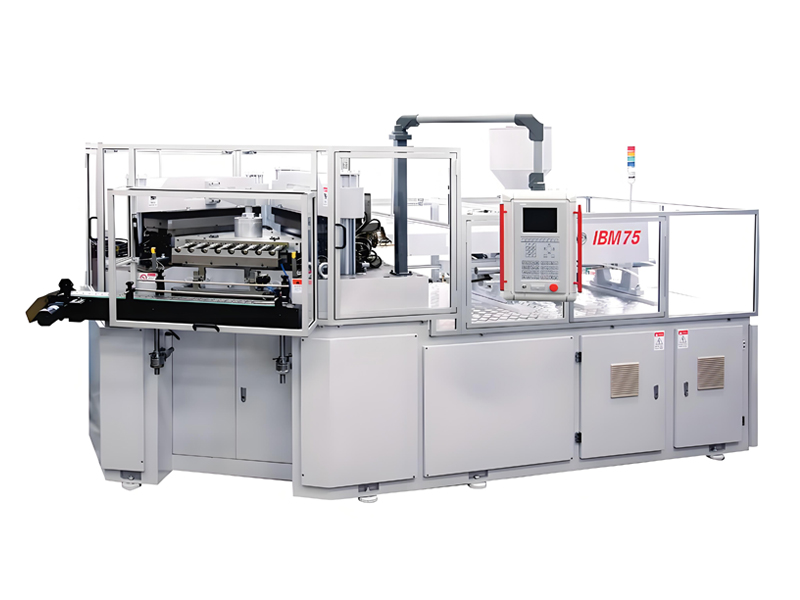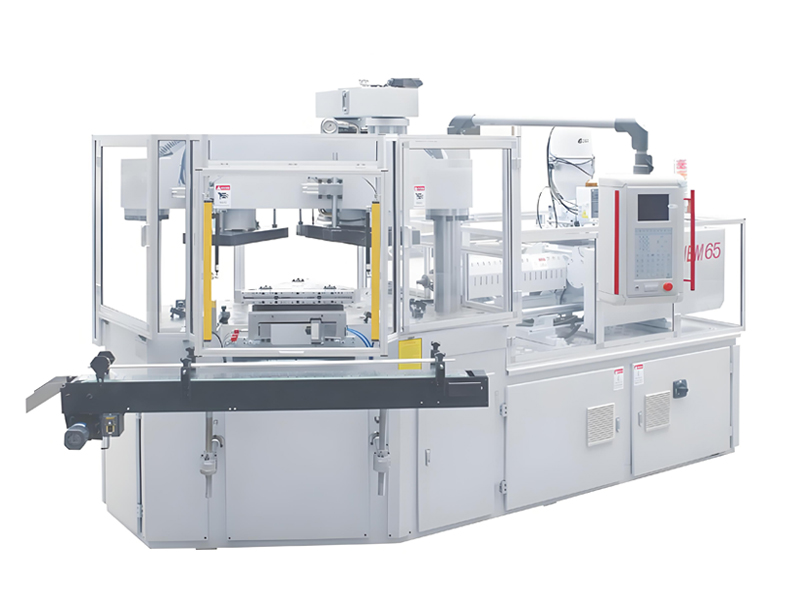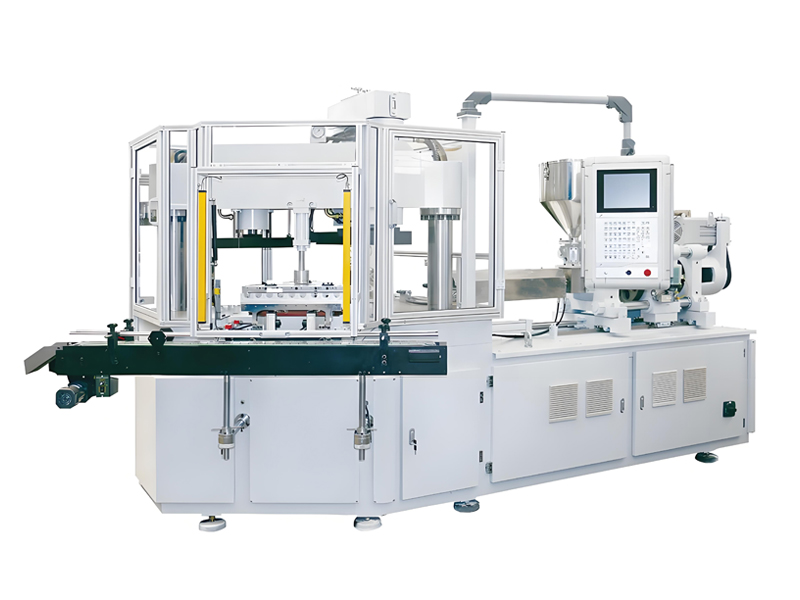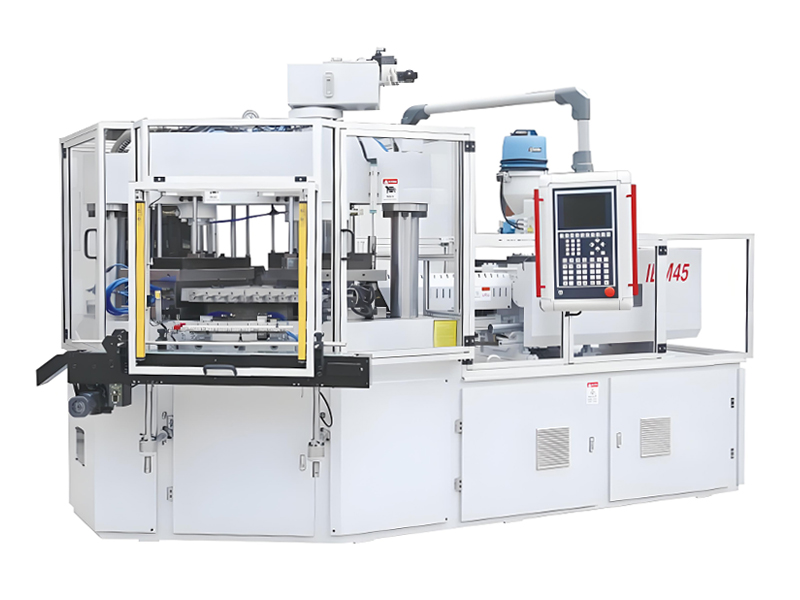
Defect prevention in injection blow molding machine production represents one of the most critical challenges facing manufacturers seeking to deliver consistent quality and control production costs. Common defects including flash formation, wall thickness variation, short shots, and surface imperfections can significantly impact production efficiency and product quality. Understanding the root causes of these defects and implementing systematic prevention strategies enables manufacturers to achieve excellent first pass quality while minimizing waste and rework expenses.
การทำความเข้าใจข้อบกพร่องทั่วไปของการฉีดขึ้นรูปเป่าขวด
การเกิดเสี้ยนและปัญหาแนวแบ่งแม่พิมพ์
Flash formation occurs when molten material escapes past the mold parting line or seal surfaces during injection or blow stages. This defect manifests as thin protrusions of material along container edges that require trimming and increase material waste. Flash results from inadequate clamping force, worn or damaged mold seal surfaces, or injection pressure that exceeds mold containment capacity.
Parting line alignment issues produce similar visual defects and may affect dimensional accuracy of the finished container. Misalignment between cavity halves causes steppage at the split line that can interfere with closure application or affect sealing surface integrity. Precise mold alignment during assembly and regular maintenance of alignment mechanisms prevent parting line defects.
ความแปรผันของความหนาผนัง
Wall thickness variation represents one of the most significant quality concerns in injection blow molding production. Uneven material distribution affects structural integrity, barrier properties, and appearance quality of containers. Variation typically results from improper core rod alignment, uneven cooling, or incorrect blow timing and pressure parameters.
Excessive wall thickness variation can cause weak points in containers that fail during filling, shipping, or end use. In pharmaceutical applications, wall thickness variation may affect barrier properties that protect product stability. Measurement of wall thickness at multiple points around container circumference and length identifies variation patterns that help diagnose root causes.
การฉีดไม่เต็มและชิ้นงานขึ้นรูปไม่สมบูรณ์
Short shots occur when material fails to completely fill the mold cavity, resulting in incomplete containers or missing sections. This defect wastes material and production time while producing parts that must be discarded. Causes include insufficient injection pressure, material viscosity too high for the injection conditions, or restricted flow paths in the mold.
Incomplete formation during the blow stage produces containers that do not fully replicate cavity geometry. This defect may appear as incomplete detail formation, visible seams, or poor surface replication. Blow stage issues typically result from insufficient blow pressure, premature material cooling, or improper timing between injection and blow phases.
ข้อบกพร่องพื้นผิวและปัญหาลักษณะภายนอก
Surface defects include a range of appearance issues that affect container quality perception and may indicate underlying structural concerns. Sink marks appear as depressions in container surfaces, typically near thick sections or ribs, caused by internal material contraction during cooling. Flow lines appear as streaks or patterns on container surfaces resulting from material flow patterns during injection.
Weld lines occur where material flow fronts meet after flowing around obstacles such as core pins. These lines create stress concentrations and affect appearance quality, particularly in transparent materials where they are highly visible. Causes include low melt temperature, low injection speed, or mold design that creates flow obstacles.
การวิเคราะห์สาเหตุต้นตอและกลยุทธ์การป้องกัน
การป้องกันข้อบกพร่องที่เกี่ยวข้องกับวัสดุ
Material selection and preparation significantly influence defect occurrence in injection blow molding production. Material moisture content must be controlled within specification to prevent hydrolysis degradation and moisture related defects. Hygroscopic materials including polyethylene terephthalate and nylon require drying at elevated temperatures for specified times before processing.
Material contamination from previous production runs or improper storage introduces defects including black specs, color variation, and property degradation. Implement material handling procedures that prevent contamination including dedicated material handling equipment, sealed storage containers, and material verification before production use. Material lot tracking enables identification of quality issues to specific material lots.
การปรับความหนืดของวัสดุให้เหมาะสม
Material viscosity affects how material fills the mold cavity and influences final part quality. Viscosity varies with temperature, shear rate, and material moisture content. High viscosity causes incomplete filling and excessive pressure requirements, while low viscosity may cause flash and poor surface replication. Optimize processing conditions to achieve appropriate viscosity for the specific application.
การฉีด speed affects shear rate in the material, influencing viscosity during the filling phase. Higher speeds increase shear thinning in most polymers, reducing effective viscosity and improving fill characteristics. However, excessive speed can cause other issues including air entrapment and surface defects. Balance injection speed against other parameters to achieve optimal filling conditions.
การควบคุมอุณหภูมิเพื่อป้องกันข้อบกพร่อง
Mold temperature significantly affects part quality and defect occurrence. Insufficient mold temperature increases material viscosity and can cause incomplete filling, particularly in thin wall sections. Excessive mold temperature can cause flashing, poor ejection, and extended cycle times. Maintain mold temperature within specifications established during process development.
Temperature uniformity throughout the mold prevents differential cooling that causes warpage, dimensional variation, and internal stress. Uneven cooling results from cooling channel blockage, inadequate flow, or insufficient channel sizing. Regular maintenance of cooling systems ensures consistent temperature distribution throughout production runs.
การออกแบบและบำรุงรักษาแม่พิมพ์เพื่อคุณภาพ
ข้อพิจารณาในการออกแบบแม่พิมพ์
Mold design fundamentally influences defect susceptibility and quality achievable in production. Proper gate design ensures complete cavity filling without hesitation or air entrapment. Gate location affects material flow patterns and can influence weld line positions and wall thickness distribution. Gate sizing must balance fill requirements against aesthetic considerations and ejection ease.
Draft angle design facilitates part release from the mold without damage. Insufficient draft causes ejection difficulties that can scratch or deform container surfaces. Standard draft angle requirements range from one half degree to two degrees per side depending on material selection and surface texture requirements. Deep draw sections require proportionally larger draft angles.
ระเบียบการบำรุงรักษาตามปกติ
Preventive maintenance prevents quality issues caused by mold wear and deterioration. Establish maintenance schedules based on production volume rather than calendar time. High volume production may require weekly or even daily maintenance attention, while lower volume production can extend intervals appropriately. Document all maintenance activities and their results.
Critical maintenance items include cleaning of parting line surfaces, verification of alignment pin and bushing conditions, inspection of seal surfaces for wear, and verification of cooling channel integrity. Wear in these areas directly affects quality parameters and should be addressed before defects become significant problems. Replacement parts should meet original specifications to maintain quality consistency.
การตรวจติดตามและการแก้ไขการสึกหรอของแม่พิมพ์
Monitor mold wear through regular dimensional verification of critical cavity dimensions. Track dimensional trends over time to identify wear progression before dimensions exceed tolerance limits. Statistical process control techniques applied to dimensional data enable early identification of drift that may indicate developing problems.
When wear is identified, evaluate repair options based on extent and cost. Minor wear may be addressable through polishing or minor machining, while significant wear may require complete component replacement. Planned repair activities should be scheduled during planned downtime to minimize production disruption.
การเพิ่มประสิทธิภาพพารามิเตอร์กระบวนการ
การตั้งค่าและการควบคุมพารามิเตอร์การฉีด
การฉีด parameters require careful optimization to achieve defect free production. การฉีด pressure must be sufficient to fill the cavity completely without causing flash or excessive stress. Initial settings should follow material supplier recommendations, then refined based on observed quality results. Incremental adjustments of 5 to 10 percent are appropriate when optimizing pressure settings.
การฉีด speed affects material flow patterns, pressure requirements, and surface quality. Multiple speed stages may be beneficial for complex parts, allowing slower injection through critical sections and faster injection through less sensitive areas. Pressure and speed profiles should be coordinated to achieve smooth transitions between stages.
การปรับขั้นตอนการเป่าให้เหมาะสม
Blow stage parameters control material distribution and container formation during the blow phase. Blow pressure must be sufficient to fully expand the preform against cavity walls without causing material thinning or rupture. Higher pressures are typically required for containers with complex geometries or thick walls.
Blow timing controls when blow pressure activates relative to material cooling. Premature blow activation causes material sag and neck deformation, while delayed activation allows excessive cooling that requires higher pressures for adequate formation. Optimize timing through observation of part quality with incremental adjustments of 0.1 seconds.
การจัดการพารามิเตอร์การทำความเย็น
Cooling time typically represents the largest portion of cycle time in injection blow molding. Insufficient cooling causes dimensional instability, warpage, and potential quality issues after containers leave the production line. Excessive cooling wastes production time without quality benefit. Optimize cooling time based on actual dimensional stability rather than arbitrary settings.
Cooling system maintenance ensures consistent performance throughout production runs. Monitor coolant flow rates and temperatures to verify system function. Blocked cooling channels reduce cooling efficiency and cause temperature variation that affects quality. Regular cleaning and flow verification maintains cooling system performance.
ระบบควบคุมคุณภาพและการตรวจสอบ
การตรวจสอบคุณภาพระหว่างกระบวนการผลิต
In process monitoring detects quality variation before defects become widespread. Key parameters to monitor include injection pressures and temperatures, blow pressures and timing, and cycle times. Statistical process control charts track these parameters and identify when variation exceeds acceptable limits, enabling rapid response before quality problems affect production.
Modern injection blow molding machines incorporate data collection capabilities that support comprehensive process monitoring. Real time data collection enables immediate detection of parameter deviations and supports root cause analysis when quality issues occur. Investment in monitoring capability provides significant return through defect prevention and improved process understanding.
การนำการควบคุมกระบวนการเชิงสถิติไปใช้
Statistical process control provides systematic methodology for quality monitoring and improvement. Control charts track key quality characteristics over time, distinguishing between common cause variation inherent in the process and special cause variation indicating problems requiring attention. Implementation requires identification of critical characteristics, establishment of measurement systems, and development of control chart protocols.
Process capability analysis quantifies the relationship between specification limits and actual process variation. Capability indices including Cpk provide objective measures of process performance that support quality improvement efforts and customer communication. Target capability indices of 1.33 or higher indicate processes capable of meeting specification requirements consistently.
การตรวจสอบมิติและการทดสอบ
Dimensional inspection verifies that containers meet specification requirements. Critical dimensions vary by application but typically include neck finish dimensions, overall height, body diameter, and wall thickness. Measurement methods range from manual gauges for simple dimensions to coordinate measuring machines for comprehensive verification.
มีประสิทธิภาพ testing verifies that containers perform correctly with closure systems and meet application requirements. Closure torque testing, leak testing, and other functional tests provide quality assurance beyond dimensional verification. Testing frequency should be risk based, with higher frequency for critical characteristics and lower frequency for stable parameters.
การฝึกอบรมผู้ปฏิบัติงานและแนวปฏิบัติที่ดีที่สุด
ข้อกำหนดด้านความสามารถและโปรแกรมการฝึกอบรม
Operator competency significantly affects defect rates and production efficiency. Comprehensive training programs should cover machine operation, adjustment procedures, quality requirements, and troubleshooting techniques. Training should combine classroom instruction with hands on practice under experienced supervision.
Certification requirements verify that operators have achieved required competency levels before assuming production responsibilities. Regular refresher training maintains skill levels and introduces new procedures or techniques as equipment and processes evolve. Documentation of training activities supports quality system requirements and regulatory compliance.
การพัฒนาขั้นตอนการปฏิบัติงานมาตรฐาน
Standard operating procedures document approved methods for all production activities. Well developed procedures ensure consistent execution regardless of operator, reducing variation and defect occurrence. Procedures should be specific, clear, and supported by visual aids where helpful. Regular review ensures procedures remain current with equipment and process changes.
Procedure development should involve experienced operators who understand practical considerations and potential issues. Testing new procedures during development identifies gaps or unclear instructions before formal release. Change control processes ensure that procedure updates are implemented consistently across all production shifts.
การพัฒนาทักษะการแก้ไขปัญหา
Effective troubleshooting requires understanding of cause and effect relationships between process parameters and quality outcomes. Training should develop systematic troubleshooting approaches that methodically identify root causes rather than implementing quick fixes that may mask underlying problems. Documentation of troubleshooting activities supports continuous improvement.
Common troubleshooting frameworks include fault tree analysis for complex problems and five why analysis for simpler issues. These systematic approaches develop problem solving skills that improve over time with practice. Encourage knowledge sharing among operators to spread effective troubleshooting techniques across the organization.
การปรับเทียบและการบำรุงรักษาอุปกรณ์
การสอบเทียบระบบการวัด
Accurate measurement is essential for quality verification and process control. Measurement systems must be calibrated against traceable standards at defined intervals to ensure accuracy. Calibration records document measurement system performance and support quality system requirements. Include all measurement and test equipment in calibration programs.
Calibration frequency depends on equipment type and usage patterns. More frequent calibration may be appropriate for critical measurement systems or equipment subject to heavy use. Calibration procedures should specify methods, acceptance criteria, and documentation requirements. Out of tolerance conditions require investigation and corrective action.
การปรับเทียบและการตรวจสอบเครื่องจักร
การฉีด blow molding machines require periodic calibration of temperature controllers, pressure transducers, and motion control systems. Temperature calibration should verify accuracy at multiple set points throughout the operating range. Pressure calibration ensures accurate measurement and control of injection and blow pressures.
Motion calibration verifies positioning accuracy and repeatability of injection unit and mold movements. Improperly calibrated motion systems cause dimensional variation and affect process consistency. Include machine calibration verification in preventive maintenance schedules and after any significant machine repair or adjustment.
การจัดตารางการบำรุงรักษาเชิงป้องกัน
Preventive maintenance prevents equipment failures that cause defects and production interruptions. Develop maintenance schedules based on manufacturer recommendations, equipment age, and operating experience. Critical maintenance items should be prioritized to ensure attention is not deferred due to production pressure.
บันทึกการบำรุงรักษาเอกสารสภาพอุปกรณ์และสนับสนุนการวิเคราะห์ประสิทธิผลการบำรุงรักษา ติดตามต้นทุนการบำรุงรักษาและประสิทธิภาพอุปกรณ์เพื่อปรับโปรแกรมการบำรุงรักษาให้เหมาะสมเมื่อเวลาผ่านไป การปรับปรุงแนวปฏิบัติการบำรุงรักษาอย่างต่อเนื่องลดเวลาหยุดทำงานและปรับปรุงความสม่ำเสมอคุณภาพ
กลยุทธ์การป้องกันข้อบกพร่องเฉพาะ
มาตรการป้องกันครีบ
Flash prevention requires addressing all potential causes including clamping force, mold condition, and injection pressure. Verify clamping force is adequate for the specific material and part geometry. Higher pressures and certain materials require proportionally higher clamping forces to prevent flash.
Inspect mold seal surfaces regularly for wear that reduces sealing effectiveness. Seal surface wear typically manifests as progressive flash that worsens over time. Prompt repair or replacement of worn seal surfaces prevents escalating flash problems. Document flash occurrence patterns to identify when mold maintenance is needed.
เทคนิคการป้องกันการบิดงอ
Warpage results from uneven cooling or internal stress that causes containers to distort after ejection. Prevention strategies include uniform cooling, appropriate material selection, and optimized processing conditions. Uniform cooling requires adequate and properly balanced cooling channel design and function.
Material selection influences warpage susceptibility, with some materials more prone to warpage than others. Process optimization can reduce warpage in susceptible materials by minimizing internal stress through appropriate cooling and ejection conditions. Container design can address warpage susceptibility through geometry optimization.
การป้องกันฟองอากาศและโพรง
Bubbles and voids indicate air entrapment or material density issues that affect container quality and may compromise structural integrity. Prevention focuses on proper material preparation, optimized injection parameters, and appropriate venting. Material moisture control prevents steam formation that creates internal bubbles.
การฉีด speed and pressure optimization reduces air entrapment during cavity filling. Proper mold venting enables escape of air and gases ahead of material flow. Vent channel design and maintenance ensure effective venting throughout production. Observe bubble formation patterns to identify specific causes.
การป้องกันข้อบกพร่องพื้นผิว
Surface defects including sink marks, flow lines, and weld lines require integrated prevention approaches addressing material, design, and process factors. Material selection influences susceptibility to specific surface defects. Processing optimization addresses parameters that affect surface quality.
Sink marks near thick sections can be addressed through material selection, part design modification, or process adjustment. Flow lines can be reduced through increased injection speed or modified gate location. Weld lines require attention to melt temperature and flow patterns to ensure proper material fusion where flow fronts meet.
การวิเคราะห์ต้นทุนการป้องกันข้อบกพร่อง
การคำนวณต้นทุนคุณภาพต่ำ (COPQ)
Cost of poor quality includes all expenses resulting from defects including scrap, rework, inspection, and customer impact costs. Direct scrap costs include material, machine time, and labor consumed in producing rejected parts. Scrap costs typically range from 2 to 10 percent of production cost for well controlled processes but can exceed 30 percent for poorly controlled operations.
Rework costs apply when defective parts can be salvaged through additional processing. Rework often costs more than original production due to special handling and reduced efficiency. Customer impact costs including rejection, returns, and reputation damage can far exceed direct production costs. These hidden costs emphasize the importance of defect prevention investment.
ผลตอบแทนจากการลงทุนเพื่อการป้องกัน
Prevention investment yields returns through reduced defect costs, improved efficiency, and enhanced customer satisfaction. คุณภาพ system investment typically ranges from 2 to 5 percent of production cost but often reduces total quality costs by significantly more than the investment amount. The relationship follows the classic quality cost curve where prevention investment reduces failure costs more than proportionally.
Calculate specific return on investment for prevention activities based on current defect costs and expected improvements. Consider both direct cost reduction and intangible benefits including improved customer relationships and reduced compliance risk. Prioritize prevention investments that offer highest return relative to investment required.
การสร้างสมดุลระหว่างการป้องกันและการตรวจจับ
Effective quality management balances prevention activities that stop defects from occurring with detection activities that identify defects when they do occur. Over emphasis on detection without prevention wastes inspection resources on managing defects rather than eliminating them. Over emphasis on prevention without adequate detection risks releasing defects to customers.
Risk based approaches allocate resources according to the criticality of different quality characteristics and the effectiveness of different prevention and detection strategies. Critical characteristics receive more intensive prevention attention and higher inspection frequency. Less critical characteristics may rely more on process control with periodic verification.
โปรแกรมการปรับปรุงอย่างต่อเนื่อง
กระบวนการปรับปรุงที่ขับเคลื่อนด้วยข้อมูล
Continuous improvement requires systematic collection and analysis of quality data to identify improvement opportunities. Key performance indicators track quality performance over time, revealing trends and improvement progress. Establish baseline measurements before improvement initiatives to enable objective evaluation of results.
Root cause analysis of quality issues identifies underlying causes that can be addressed through improvement activities. Use structured problem solving methods to ensure thorough analysis and effective corrective action. Follow up verification confirms that corrective actions achieve intended results and do not create new problems.
ระเบียบวิธีการปรับกระบวนการให้เหมาะสม
Design of experiments enables systematic optimization of process parameters to achieve defect free production efficiently. Screening experiments identify which parameters most significantly affect quality outcomes. Response surface methodology refines parameter settings to achieve optimal quality and efficiency.
Process window optimization identifies the ranges of parameters within which acceptable quality is achieved consistently. Operating within these windows reduces defect occurrence and improves process robustness. Document process windows in standard operating procedures to ensure consistent operation.
การแบ่งปันแนวปฏิบัติที่ดีที่สุดและการกำหนดมาตรฐาน
การแบ่งปันแนวปฏิบัติที่ดีกระจายเทคนิคที่มีประสิทธิภาพทั่วทั้งองค์กร บันทึกแนวทางที่ประสบความสำเร็จและสื่อสารผ่านการฝึกอบรมและการอัปเดตขั้นตอน สนับสนุนให้ผู้ปฏิบัติงานเสนอแนวคิดการปรับปรุงและยกย่องการมีส่วนร่วมที่มีประสิทธิภาพ
Standardization applies proven best practices consistently across production lines and shifts. Standardized approaches reduce variation and enable more effective troubleshooting when problems occur. Balance standardization against flexibility needed to address specific product or situation requirements.
เทคโนโลยีขั้นสูงสำหรับการป้องกันข้อบกพร่อง
ระบบตรวจสอบแบบอินไลน์
Advanced inspection systems inspect containers during production without slowing cycle times. Vision systems detect surface defects, dimensional variations, and visual quality issues automatically. Ultrasonic systems verify wall thickness without contact. These systems enable 100 percent inspection of critical characteristics that would be impractical with manual inspection.
Integration of inspection systems with production controls enables automatic rejection of defective parts and feedback to process controls. Closed loop systems can adjust process parameters automatically in response to detected variation. Investment in inline inspection systems ranges from 30000 to 150000 dollars depending on complexity and capabilities.
ระบบคุณภาพเชิงคาดการณ์
Predictive quality systems use statistical and machine learning methods to predict quality outcomes before defects occur. Analysis of process parameter patterns identifies conditions that typically precede quality problems. This early warning enables preventive adjustment before defective parts are produced.
Implementation requires substantial data collection infrastructure and analytical capability. Investment in predictive systems ranges from 50000 to 200000 dollars for software, sensors, and integration. Return on investment comes from reduced scrap, improved uptime, and reduced inspection costs. Benefits increase with production volume and defect rate.
การบูรณาการอุตสาหกรรม 4.0
Industry 4.0 technologies including Internet of Things connectivity, cloud computing, and advanced analytics enable new approaches to defect prevention. Connected equipment provides comprehensive data visibility across production operations. Cloud based analytics enable sophisticated analysis that would not be practical with local computing resources.
Digital thread concepts connect design, production, and quality data throughout product lifecycle. This integration enables traceability and supports root cause analysis when quality issues occur. Investment in Industry 4.0 capabilities ranges from moderate to substantial depending on scope and implementation approach.
การสนับสนุนการป้องกันข้อบกพร่องของ AiBiM
คุณสมบัติการออกแบบเครื่องจักรเพื่อคุณภาพ
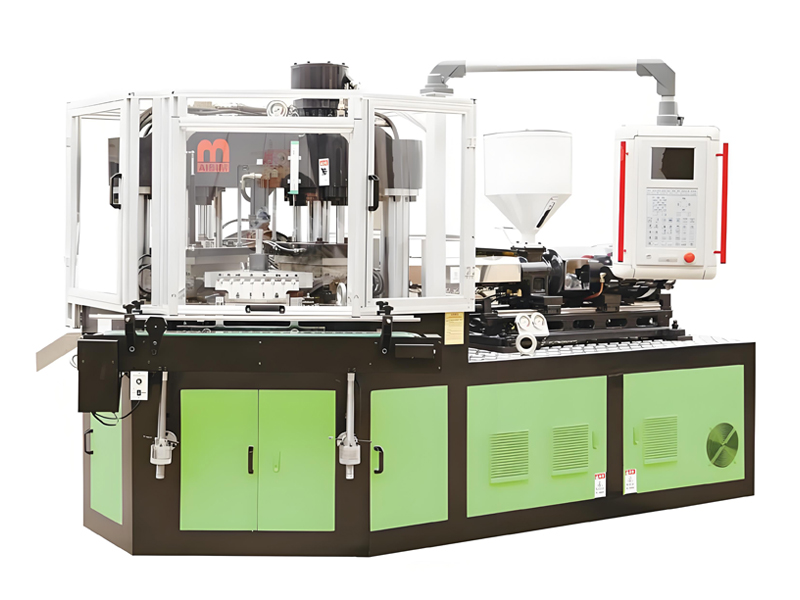
AiBiM injection blow molding machines incorporate design features that support defect prevention. Precision temperature control systems maintain processing conditions within tight tolerances that prevent temperature related defects. Stable clamping systems ensure consistent mold closure that prevents flash and alignment defects.
ระบบควบคุมขั้นสูงให้ความสามารถการตรวจสอบและการเก็บข้อมูลที่ครอบคลุมซึ่งสนับสนุนการจัดการคุณภาพ อินเทอร์เฟซระบบตรวจสอบแบบบูรณาการช่วยให้เชื่อมต่อกับอุปกรณ์ตรวจสอบภายนอก คุณสมบัติเหล่านี้ให้รากฐานสำหรับโปรแกรมการป้องกันตำหนิที่มีประสิทธิภาพ
บริการพัฒนากระบวนการและการปรับให้เหมาะสม
วิศวกรการใช้งานของ AiBiM สนับสนุนการพัฒนากระบวนการและการปรับให้เหมาะสมสำหรับการใช้งานของลูกค้า บริการพัฒนากระบวนการสร้างพารามิเตอร์ที่ตรวจสอบความถูกต้องซึ่งบรรลุการผลิตไร้ตำหนิ บริการปรับให้เหมาะสมปรับปรุงกระบวนการที่มีอยู่เพื่อลดตำหนิและปรับปรุงประสิทธิภาพ
Training programs develop operator competency in defect prevention and troubleshooting. AiBiM training combines classroom instruction with hands on practice using customer equipment and representative products. Ongoing technical support assists with troubleshooting and continuous improvement activities.
เอกสารและการสนับสนุนระบบคุณภาพ
AiBiM จัดเตรียมเอกสารที่สนับสนุนข้อกำหนดระบบคุณภาพรวมถึงโปรโตคอลการตรวจสอบความถูกต้อง ขั้นตอนการปรับเทียบ และตารางการบำรุงรักษา รากฐานเอกสารนี้เร่งการนำแนวปฏิบัติด้านคุณภาพและกิจกรรมการปฏิบัติตามกฎระเบียบไปใช้
คุณภาพ system consulting services assist customers with development and improvement of quality management systems. Our quality professionals have experience across diverse industries and applications. This expertise supports effective quality system implementation regardless of current capability level.
บทสรุป
Defect prevention in injection blow molding production requires systematic attention to material, machine, mold, process, and human factors that influence quality outcomes. Understanding root causes of common defects enables implementation of targeted prevention strategies that eliminate defects at their source rather than managing them through inspection and sorting.
Investment in prevention activities yields substantial returns through reduced scrap, improved efficiency, and enhanced customer satisfaction. คุณภาพ system implementation provides the framework for systematic defect prevention and continuous improvement. Commitment to quality excellence throughout the organization creates culture that sustains quality performance over time.
AiBiM supports customer quality objectives through machine design, process development, training, and ongoing technical assistance. Our experience across diverse injection blow molding applications enables us to provide effective guidance on defect prevention strategies for specific requirements. Contact our application engineering team to discuss quality improvement opportunities for your production operations.
เทคนิคการวิเคราะห์ข้อบกพร่องขั้นสูง
ระเบียบวิธีการวิเคราะห์สาเหตุต้นตอ (RCA)
Systematic root cause analysis prevents recurring defects by identifying underlying causes rather than addressing symptoms. The five why technique explores causal chains by repeatedly asking why until fundamental causes are identified. This simple yet powerful method often reveals root causes that are not immediately apparent from initial observations.
Fault tree analysis provides structured methodology for complex defect investigation. This technique identifies all possible causes of a defect and determines how combinations of causes might produce the observed failure. Fault trees reveal interaction effects between multiple factors that simple investigation might miss.
Fishbone diagrams organize potential causes into categories including machine, material, method, measurement, and environment. This categorization ensures comprehensive consideration of all potential cause sources. Team based fishbone analysis incorporates diverse perspectives and expertise into defect investigation.
ระบบคุณภาพเชิงคาดการณ์
ระบบคุณภาพเชิงคาดการณ์ใช้วิธีเชิงสถิติและการเรียนรู้ของเครื่องเพื่อคาดการณ์ข้อบกพร่องก่อนที่มันจะเกิดขึ้น การวิเคราะห์ข้อมูลประวัติระบุรูปแบบที่นำหน้าปัญหาคุณภาพ รูปแบบเหล่านี้ช่วยให้การดำเนินการป้องกันที่หยุดข้อบกพร่องก่อนที่มันจะส่งผลต่อการผลิต
Machine learning models trained on production data predict quality outcomes based on current process conditions. Models continuously refine as new data becomes available, improving prediction accuracy over time. Integration with process controls enables automatic parameter adjustment when predicted quality falls below acceptable thresholds.
Implementation of predictive quality requires substantial data collection infrastructure and analytical capability. Investment ranges from 50000 to 200000 dollars depending on system complexity and integration requirements. Return on investment comes from reduced scrap, improved uptime, and enhanced customer satisfaction.
การวิเคราะห์ลักษณะความเสียหายและผลกระทบ (FMEA)
การวิเคราะห์โหมดความล้มเหลวและผลกระทบระบุตำหนิที่อาจเกิดขึ้นและสาเหตุเชิงรุกก่อนที่จะเกิดขึ้น FMEA กำหนดหมายเลขลำดับความสำคัญความเสี่ยงตามความรุนแรง ความน่าจะเป็นของการเกิดขึ้น และความยากในการตรวจจับ แนวทางที่อิงความเสี่ยงนี้จัดลำดับความสำคัญของความพยายามป้องกันในประเด็นความเสี่ยงสูงสุด
ทีม FMEA รวมบุคลากรที่มีความเชี่ยวชาญหลากหลายเพื่อให้แน่ใจว่ามีการระบุโหมดความล้มเหลวที่อาจเกิดขึ้นอย่างครอบคลุม ทีมข้ามสายงานรวมมุมมองด้านการออกแบบ การผลิต คุณภาพ และลูกค้า การอัปเดต FMEA เป็นประจำรวมบทเรียนที่เรียนรู้จากประสบการณ์การผลิต
FMEA การออกแบบจัดการจุดอ่อนการออกแบบผลิตภัณฑ์และกระบวนการที่อาจทำให้เกิดข้อบกพร่อง FMEA กระบวนการประเมินความเสี่ยงกระบวนการผลิต FMEA การออกแบบและกระบวนการรวมกันให้การประเมินความเสี่ยงที่ครอบคลุมซึ่งสนับสนุนการป้องกันข้อบกพร่องตลอดวงจรชีวิตผลิตภัณฑ์
แนวทางแก้ไขข้อบกพร่องที่เกี่ยวข้องกับวัสดุ
ระบบควบคุมความชื้น
การควบคุมความชื้นของวัสดุป้องกันข้อบกพร่องที่เกิดจากความชื้นในพอลิเมอร์ดูดความชื้น ระบบอบแห้งด้วยสารดูดความชื้นกำจัดความชื้นให้ถึงระดับที่ต้องการก่อนการประมวลผล ความจุเครื่องอบแห้งต้องตรงกับอัตราการใช้วัสดุเพื่อรักษาสภาพวัสดุที่สม่ำเสมอ
Drying parameter optimization ensures effective moisture removal without material degradation. Temperature, time, and airflow requirements depend on material properties and moisture levels. Over drying can cause chain scission that affects material properties. Careful parameter control achieves appropriate moisture levels.
Material moisture verification confirms that drying processes achieve required moisture content. Karl Fischer titration provides accurate moisture measurement. Inline moisture sensors enable continuous monitoring during production. Verification ensures that moisture control systems function effectively.
แนวปฏิบัติที่ดีที่สุดในการจัดการวัสดุ
ขั้นตอนการจัดการวัสดุป้องกันการปนเปื้อนและการผสมที่ก่อให้เกิดข้อบกพร่อง ระบบการจัดการวัสดุเฉพาะสำหรับแต่ละวัสดุป้องกันการปนเปื้อนข้าม การจัดเก็บวัสดุในภาชนะปิดสนิทป้องกันการปนเปื้อนและการดูดซับความชื้น
การติดตามล็อตวัสดุช่วยให้สามารถตรวจสอบย้อนกลับจากวัตถุดิบไปยังผลิตภัณฑ์สำเร็จรูป การระบุล็อตสนับสนุนการสอบสวนเมื่อเกิดปัญหาคุณภาพ การหมุนเวียนสินค้าคงคลังแบบ FIFO ช่วยให้แน่ใจว่าวัสดุถูกใช้ก่อนหมดอายุการเก็บรักษา
อุปกรณ์ถ่ายโอนวัสดุรวมถึงสายพานลำเลียงและเครื่องผสมต้องทำความสะอาดและบำรุงรักษาเป็นประจำ วัสดุตกค้างในอุปกรณ์ถ่ายโอนสามารถปนเปื้อนวัสดุถัดไป การตรวจสอบความถูกต้องของการทำความสะอาดรับประกันว่าอุปกรณ์จัดการวัสดุไม่นำข้อบกพร่องเข้ามา
ข้อมูลจำเพาะและการรับรองคุณสมบัติของวัสดุ
ข้อกำหนดวัสดุกำหนดข้อกำหนดที่วัสดุต้องเป็นไปเพื่อให้มั่นใจในคุณภาพที่ยอมรับได้ ข้อกำหนดรวมถึงข้อกำหนดคุณสมบัติ ขีดจำกัดสิ่งเจือปน และโปรโตคอลการทดสอบ ข้อกำหนดที่เหมาะสมรับประกันว่าวัสดุที่ซื้อมาสนับสนุนวัตถุประสงค์ด้านคุณภาพ
กระบวนการรับรองคุณสมบัติวัสดุตรวจสอบว่าวัสดุตรงตามข้อกำหนดและทำงานอย่างเพียงพอในการผลิต การทดสอบการรับรองคุณสมบัติควรรวมการทดลองการประมวลผลที่ตรวจสอบความเข้ากันได้การผลิต รายการวัสดุที่ผ่านการรับรองคุณสมบัติให้แหล่งที่ได้รับอนุมัติสำหรับการใช้การผลิต
ข้อตกลงคุณภาพซัพพลายเออร์ทำให้ความคาดหวังด้านคุณภาพและประสิทธิภาพของวัสดุเป็นทางการ ข้อตกลงควรกำหนดข้อกำหนดข้อกำหนดจำเพาะ โปรโตคอลการทดสอบ และขั้นตอนการดำเนินการแก้ไข ความสัมพันธ์กับซัพพลายเออร์ที่แข็งแกร่งสนับสนุนโครงการปรับปรุงคุณภาพ
กลยุทธ์การปรับกระบวนการให้เหมาะสม
การออกแบบการทดลอง
การออกแบบการทดลองช่วยให้การปรับพารามิเตอร์กระบวนการหลายตัวให้เหมาะสมอย่างเป็นระบบพร้อมกัน การออกแบบแฟกทอเรียลระบุผลหลักและปฏิสัมพันธ์ระหว่างพารามิเตอร์ แนวทางนี้มีประสิทธิภาพมากกว่าการปรับให้เหมาะสมทีละปัจจัย
การออกแบบการคัดกรองระบุว่าพารามิเตอร์ใดส่งผลต่อผลลัพธ์คุณภาพอย่างมีนัยสำคัญที่สุด การศึกษานำร่องเหล่านี้ชี้แนะความพยายามในการปรับให้เหมาะสมที่ละเอียดขึ้น ระเบียบวิธีพื้นผิวการตอบสนองปรับแต่งการตั้งค่าพารามิเตอร์ภายในบริเวณที่เหมาะสมที่สุดที่ระบุผ่านการคัดกรอง
DOE requires careful planning including definition of objectives, selection of factors and levels, and specification of response variables. Statistical analysis of results identifies optimal settings and quantifies effects. Documentation of DOE activities supports regulatory compliance and knowledge management.
การพัฒนากรอบกระบวนการ
หน้าต่างกระบวนการกำหนดช่วงของพารามิเตอร์ที่ตอบสนองข้อกำหนดด้านคุณภาพ การเข้าใจหน้าต่างกระบวนการช่วยให้สามารถผลิตได้อย่างแข็งแกร่งที่ทนต่อความแปรผันตามปกติโดยไม่เกิดข้อบกพร่อง หน้าต่างกระบวนการที่กว้างช่วยลดความไวต่อความแปรผันและปรับปรุงความสม่ำเสมอของการผลิต
การศึกษาหน้าต่างกระบวนการแปรผันพารามิเตอร์อย่างเป็นระบบเพื่อระบุขีดจำกัดที่เกินซึ่งข้อบกพร่องเกิดขึ้น ลักษณะคุณภาพหลายอย่างอาจมีหน้าต่างที่เหมาะสมที่สุดที่แตกต่างกัน ต้องใช้การประนีประนอมที่สมดุล การแสดงหน้าต่างกระบวนการแบบกราฟิกช่วยความเข้าใจและการสื่อสาร
จุดการทำงานภายในหน้าต่างกระบวนการควรให้พื้นที่เผื่อเทียบกับขีดจำกัดข้อกำหนด ดัชนีความสามารถกระบวนการระบุปริมาณความสัมพันธ์ระหว่างความผันแปรกระบวนการและขีดจำกัดข้อกำหนด การกำหนดเป้าหมายการทำงานที่ศูนย์กลางกระบวนการเพิ่มพื้นที่เผื่อสูงสุดและปรับปรุงความสม่ำเสมอ
การวิเคราะห์ปฏิสัมพันธ์ของพารามิเตอร์
พารามิเตอร์กระบวนการมีปฏิสัมพันธ์ในลักษณะที่ส่งผลต่อผลลัพธ์คุณภาพ การทำความเข้าใจปฏิสัมพันธ์เหล่านี้ช่วยให้การปรับให้เหมาะสมมีประสิทธิภาพมากกว่าการปฏิบัติต่อพารามิเตอร์อย่างอิสระ ผลปฏิสัมพันธ์เกิดขึ้นเมื่อผลของพารามิเตอร์หนึ่งขึ้นอยู่กับระดับของพารามิเตอร์อื่น
การวิเคราะห์ปฏิสัมพันธ์ผ่าน DOE เผยให้เห็นว่าพารามิเตอร์ส่งผลต่อกันอย่างไร ปฏิสัมพันธ์ที่มีนัยสำคัญต้องได้รับความสนใจเป็นพิเศษระหว่างการปรับให้เหมาะสม เพราะการตั้งค่าที่เหมาะสมที่สุดสำหรับพารามิเตอร์หนึ่งขึ้นอยู่กับระดับของพารามิเตอร์อื่นๆ แผนภาพเส้นชั้นความสูงแสดงผลปฏิสัมพันธ์เป็นภาพและชี้นำการตัดสินใจในการปรับให้เหมาะสม
กลยุทธ์การควบคุมกระบวนการควรคำนึงถึงปฏิสัมพันธ์ของพารามิเตอร์ ระบบควบคุมที่ปรับหลายพารามิเตอร์อย่างประสานกันรักษาสภาพที่เหมาะสมที่สุดได้อย่างมีประสิทธิภาพมากกว่าการควบคุมพารามิเตอร์เดียว อัลกอริทึมการควบคุมขั้นสูงสามารถใช้ประโยชน์จากผลปฏิสัมพันธ์เพื่อปรับปรุงประสิทธิภาพ
ปัจจัยด้านสิ่งแวดล้อมและการปฏิบัติงาน
สภาพแวดล้อมโดยรอบและผลกระทบ
อุณหภูมิและความชื้นโดยรอบส่งผลต่อการแปรรูปวัสดุและคุณภาพชิ้นส่วน อุณหภูมิโดยรอบสูงลดประสิทธิภาพการหล่อเย็นและอาจทำให้เกิดความแปรผันของคุณภาพ ความชื้นส่งผลต่อปริมาณความชื้นของวัสดุและความเสถียรของการแปรรูป
การควบคุมสภาพอากาศในพื้นที่ผลิตรักษาสภาพแวดล้อมโดยรอบที่สม่ำเสมอ ระบบปรับอากาศและการควบคุมความชื้นควบคุมสภาพแวดล้อม ระบบตรวจสอบยืนยันว่าสภาพยังคงอยู่ในช่วงที่กำหนด
ความผันแปรตามฤดูกาลในสภาพแวดล้อมอาจทำให้เกิดปัญหาคุณภาพในช่วงสภาพอากาศสุดขั้ว การวางแผนสำหรับความผันแปรตามฤดูกาลผ่านการปรับพารามิเตอร์การประมวลผลป้องกันปัญหาคุณภาพ การจัดทำเอกสารผลตามฤดูกาลสนับสนุนการแก้ไขปัญหาเมื่อปัญหาเกิดขึ้น
การบำรุงรักษาอุปกรณ์และประสิทธิภาพ
การบำรุงรักษาอุปกรณ์ส่งผลโดยตรงต่ออัตราข้อบกพร่องและความสม่ำเสมอการผลิต การบำรุงรักษาเชิงป้องกันป้องกันการเสื่อมสภาพที่ก่อให้เกิดข้อบกพร่อง ตารางการบำรุงรักษาควรคำนึงถึงอายุอุปกรณ์ ความเข้มการใช้งาน และประสิทธิภาพในอดีต
เทคนิคการบำรุงรักษาเชิงคาดการณ์ใช้ข้อมูลการตรวจสอบเพื่อคาดการณ์ความต้องการบำรุงรักษาก่อนที่ความล้มเหลวจะเกิดขึ้น การวิเคราะห์การสั่นสะเทือน การวิเคราะห์น้ำมัน และการตรวจสอบอุณหภูมิระบุปัญหาที่กำลังพัฒนา เทคนิคเหล่านี้ลดเวลาหยุดทำงานที่ไม่คาดคิดและป้องกันปัญหาคุณภาพจากความล้มเหลวของอุปกรณ์
บันทึกการบำรุงรักษาเอกสารสภาพอุปกรณ์และสนับสนุนการวิเคราะห์ประสิทธิผลการบำรุงรักษา ความสัมพันธ์ของกิจกรรมการบำรุงรักษากับประสิทธิภาพคุณภาพระบุแนวปฏิบัติการบำรุงรักษาที่เหมาะสมที่สุด การปรับปรุงขั้นตอนการบำรุงรักษาอย่างต่อเนื่องลดต้นทุนและปรับปรุงความน่าเชื่อถือ
การฝึกอบรมผู้ปฏิบัติงานและความเชี่ยวชาญ
ความสามารถของผู้ปฏิบัติงานส่งผลต่ออัตราข้อบกพร่องผ่านการตัดสินใจระหว่างการผลิต ผู้ปฏิบัติงานที่มีทักษะรับรู้สัญญาณเตือนล่วงหน้าของปัญหาที่กำลังพัฒนาและดำเนินการป้องกัน การฝึกอบรมพัฒนาความสามารถการรับรู้และการตอบสนองเหล่านี้
โปรแกรมการฝึกอบรมควรครอบคลุมการระบุข้อบกพร่อง การวิเคราะห์สาเหตุราก และขั้นตอนการดำเนินการแก้ไข การฝึกอบรมภาคปฏิบัติกับอุปกรณ์การผลิตสร้างทักษะเชิงปฏิบัติ ข้อกำหนดการรับรองตรวจสอบความสามารถก่อนที่ผู้ปฏิบัติงานจะรับผิดชอบอย่างอิสระ
การแบ่งปันความรู้ระหว่างผู้ปฏิบัติงานกระจายแนวปฏิบัติที่มีประสิทธิภาพทั่วทั้งองค์กร การฝึกอบรมข้ามสายงานให้ความยืดหยุ่นและความสามารถสำรอง ข้อเสนอแนะด้านประสิทธิภาพกระตุ้นการพัฒนาทักษะอย่างต่อเนื่อง
การป้องกันข้อบกพร่องเฉพาะอุตสาหกรรม
ระบบคุณภาพด้านเภสัชกรรม
Pharmaceutical production requires quality systems that satisfy regulatory requirements while preventing defects. Good Manufacturing Practice regulations mandate specific quality system elements including deviation investigation, corrective action, and change control. Compliance requires investment in quality systems and documentation.
การตรวจสอบความถูกต้องของกระบวนการแสดงให้เห็นว่ากระบวนการผลิตผลิตผลิตภัณฑ์คุณภาพอย่างสม่ำเสมอ การรับรองคุณสมบัติการติดตั้ง การรับรองคุณสมบัติการทำงาน และการรับรองคุณสมบัติประสิทธิภาพยืนยันความสามารถของอุปกรณ์และกระบวนการ การตรวจสอบกระบวนการอย่างต่อเนื่องยืนยันประสิทธิภาพที่ตรวจสอบความถูกต้องอย่างต่อเนื่อง
การตรวจสอบตามกฎระเบียบประเมินการปฏิบัติตามข้อกำหนด GMP ผลการตรวจสอบอาจนำไปสู่จดหมายเตือน การเรียกคืนผลิตภัณฑ์ หรือการปิดสถานประกอบการ การลงทุนในระบบคุณภาพที่แข็งแกร่งปกป้องการเข้าถึงตลาดและความปลอดภัยของผู้ป่วย
ข้อกำหนดด้านความปลอดภัยของอาหาร
การผลิตบรรจุภัณฑ์อาหารต้องใช้ระบบคุณภาพที่ป้องกันการปนเปื้อนและรับประกันความปลอดภัยของผลิตภัณฑ์ โปรแกรมการวิเคราะห์อันตรายและจุดควบคุมวิกฤตระบุความเสี่ยงและกำหนดการควบคุม แผน HACCP จัดการอันตรายทางชีวภาพ เคมี และกายภาพ
การควบคุมสารก่อภูมิแพ้ป้องกันการปนเปื้อนข้ามกับสารก่อภูมิแพ้ในอาหาร ขั้นตอนการจัดการวัสดุป้องกันการถ่ายโอนสารก่อภูมิแพ้ระหว่างผลิตภัณฑ์ การตรวจสอบความถูกต้องของการทำความสะอาดยืนยันการกำจัดสารก่อภูมิแพ้ออกจากอุปกรณ์การผลิต
ระบบการตรวจสอบย้อนกลับช่วยให้ตอบสนองอย่างรวดเร็วเมื่อระบุปัญหาคุณภาพ การตรวจสอบย้อนกลับจากวัตถุดิบถึงผลิตภัณฑ์สำเร็จรูปช่วยให้การเรียกคืนแบบเจาะจงที่ลดการสัมผัสของผู้บริโภค ข้อกำหนดด้านกฎระเบียบกำหนดความสามารถการตรวจสอบย้อนกลับในหลายเขตอำนาจ
ข้อพิจารณาด้านคุณภาพความสวยงาม
ระบบคุณภาพบรรจุภัณฑ์เครื่องสำอางให้ความสำคัญกับรูปลักษณ์และประสบการณ์ผู้บริโภคควบคู่ไปกับข้อกำหนดด้านการใช้งาน มาตรฐานคุณภาพด้านการมองเห็นต้องถูกกำหนดอย่างชัดเจนและนำไปใช้อย่างสม่ำเสมอ ข้อบกพร่องด้านรูปลักษณ์ที่อาจยอมรับได้ในผลิตภัณฑ์อุตสาหกรรมนั้นไม่สามารถยอมรับได้ในการใช้งานเครื่องสำอาง
การติดตามข้อร้องเรียนของผู้บริโภคระบุข้อบกพร่องที่หลุดรอดจากการควบคุมคุณภาพการผลิต การวิเคราะห์รูปแบบข้อร้องเรียนเผยให้เห็นปัญหาเชิงระบบที่ต้องให้ความสนใจ การตอบสนองต่อข้อร้องเรียนอย่างรวดเร็วป้องกันความเสียหายต่อชื่อเสียงและสนับสนุนการปรับปรุงอย่างต่อเนื่อง
การทดสอบความเสถียรตรวจสอบว่าบรรจุภัณฑ์รักษาคุณภาพตลอดอายุการเก็บของผลิตภัณฑ์ โปรโตคอลการทดสอบควรจำลองเงื่อนไขการจัดเก็บที่คาดหวังรวมถึงอุณหภูมิ ความชื้น และการสัมผัสแสง ข้อมูลความเสถียรสนับสนุนการยื่นเอกสารด้านกฎระเบียบและความเชื่อมั่นของผู้บริโภค
การวิเคราะห์ต้นทุน-ผลประโยชน์ของโปรแกรมการป้องกัน
การจำแนกต้นทุนคุณภาพ
คุณภาพ costs fall into four categories: prevention, appraisal, internal failure, and external failure. Prevention costs include quality planning, training, and preventive maintenance. Appraisal costs include inspection and testing activities. Internal failure costs include scrap and rework. External failure costs include warranty claims and reputation damage.
Prevention costs typically represent 5 to 10 percent of quality costs in well controlled operations. External failure costs may exceed 50 percent of total quality costs when quality systems fail. Investment in prevention reduces failure costs more than proportionally, improving overall quality cost performance.
คุณภาพ cost analysis identifies opportunities for improvement by comparing costs across categories. High failure costs indicate need for improved prevention. Low prevention costs may indicate under investment in quality improvement. Balanced allocation across categories optimizes quality cost performance.
การคำนวณผลตอบแทนจากการลงทุน
Return on investment for quality improvement projects considers both cost reduction and benefit generation. Cost reductions come from reduced scrap, rework, and warranty claims. Benefits include improved customer satisfaction and reduced compliance risk. Quantifying these factors enables objective project prioritization.
คำนวณระยะเวลาคืนทุนโดยหารเงินลงทุนด้วยเงินออมรายปี โครงการที่มีระยะเวลาคืนทุนน้อยกว่าหนึ่งปีมักสมควรดำเนินการทันที ระยะเวลาคืนทุนที่นานกว่าต้องการการประเมินตามลำดับความสำคัญเชิงกลยุทธ์และเงินทุนที่มีอยู่
ปัจจัยเสี่ยงรวมถึงความเสี่ยงการนำไปใช้และความไม่แน่นอนของการบรรลุผลประโยชน์ส่งผลต่อการคำนวณ ROI การประมาณการแบบอนุรักษ์นิยมพร้อมการปรับความเสี่ยงที่เหมาะสมให้ความคาดหวังที่สมจริง การวิเคราะห์ความไวระบุว่าการเปลี่ยนแปลงสมมติฐานสำคัญส่งผลต่อผลลัพธ์อย่างไร
กรอบการจัดลำดับความสำคัญ
กรอบการจัดลำดับความสำคัญช่วยจัดสรรทรัพยากรที่จำกัดข้ามโอกาสการปรับปรุง การจัดลำดับความสำคัญตามความเสี่ยงมุ่งความสนใจไปที่ปัญหาที่มีผลกระทบสูงสุด การวิเคราะห์ต้นทุน-ผลประโยชน์ประเมินความน่าสนใจทางการเงินของโอกาสการปรับปรุง
การสอดคล้องเชิงกลยุทธ์ช่วยให้แน่ใจว่าความพยายามปรับปรุงสนับสนุนลำดับความสำคัญขององค์กร โครงการที่สอดคล้องกับวัตถุประสงค์เชิงกลยุทธ์ได้รับลำดับความสำคัญโดยไม่คำนึงถึงตัวชี้วัดทางการเงิน การมีส่วนร่วมของผู้มีส่วนได้ส่วนเสียสนับสนุนการดำเนินการที่ประสบความสำเร็จ
การจัดการพอร์ตโฟลิโอสร้างสมดุลระหว่างชัยชนะระยะสั้นกับการลงทุนเชิงกลยุทธ์ระยะยาว พอร์ตโฟลิโอโครงการที่หลากหลายตอบสนองความต้องการเร่งด่วนในขณะที่สร้างความสามารถเพื่อความสำเร็จในอนาคต การทบทวนพอร์ตโฟลิโอเป็นประจำช่วยให้มั่นใจว่าสอดคล้องกับลำดับความสำคัญที่เปลี่ยนแปลง
บทสรุป
Defect prevention in injection blow molding production requires systematic attention to material, machine, mold, process, and human factors that influence quality outcomes. Understanding root causes of common defects enables implementation of targeted prevention strategies that eliminate defects at their source rather than managing them through inspection and sorting.
Advanced analytical techniques including root cause analysis, FMEA, and predictive quality systems provide frameworks for systematic defect prevention. These methodologies enable organizations to move beyond reactive defect management toward proactive prevention that eliminates defects before they occur.
Investment in prevention activities yields substantial returns through reduced scrap, improved efficiency, and enhanced customer satisfaction. คุณภาพ system implementation provides the framework for systematic defect prevention and continuous improvement. Commitment to quality excellence throughout the organization creates culture that sustains quality performance over time.
AiBiM supports customer quality objectives through machine design, process development, training, and ongoing technical assistance. Our experience across diverse injection blow molding applications enables us to provide effective guidance on defect prevention strategies for specific requirements. Contact our application engineering team to discuss quality improvement opportunities for your production operations.
Continuous improvement in defect prevention requires ongoing attention to emerging issues and evolving best practices. Stay current with industry developments through professional development, industry conferences, and peer networking. Investment in quality excellence creates sustainable competitive advantage that benefits your organization and customers alike.