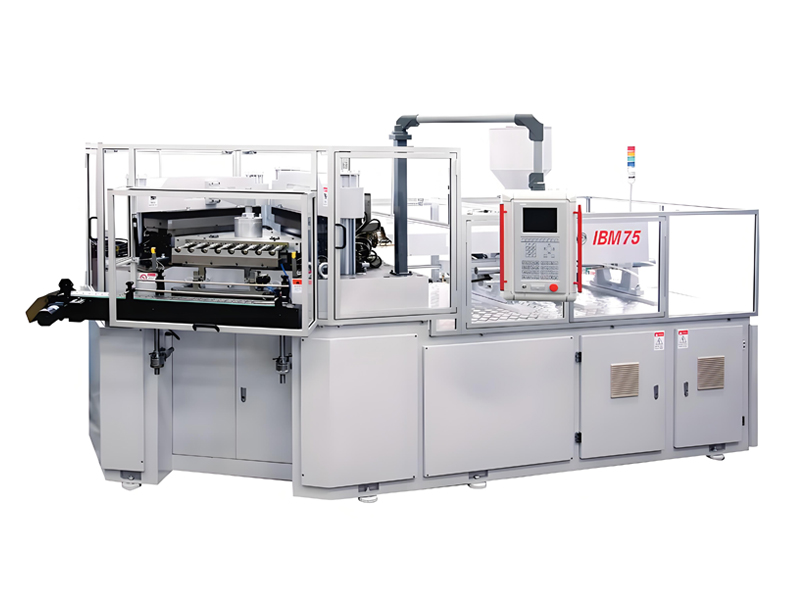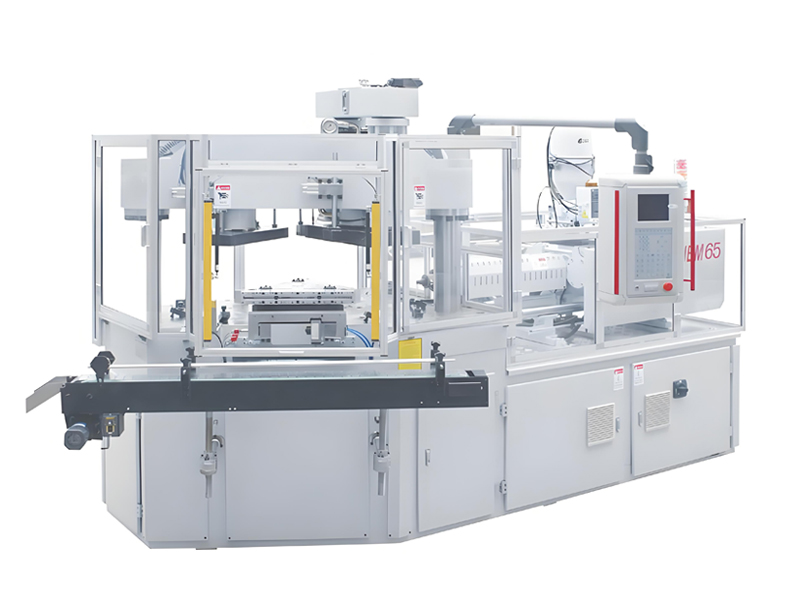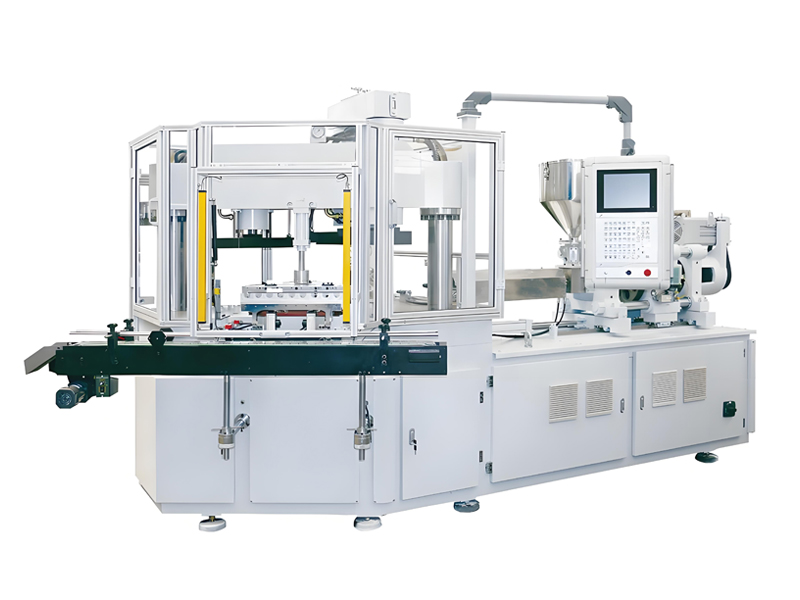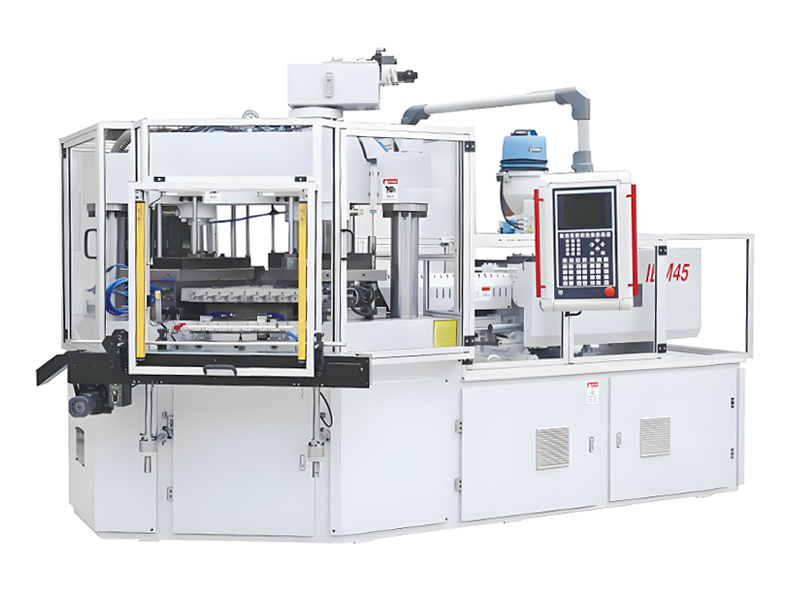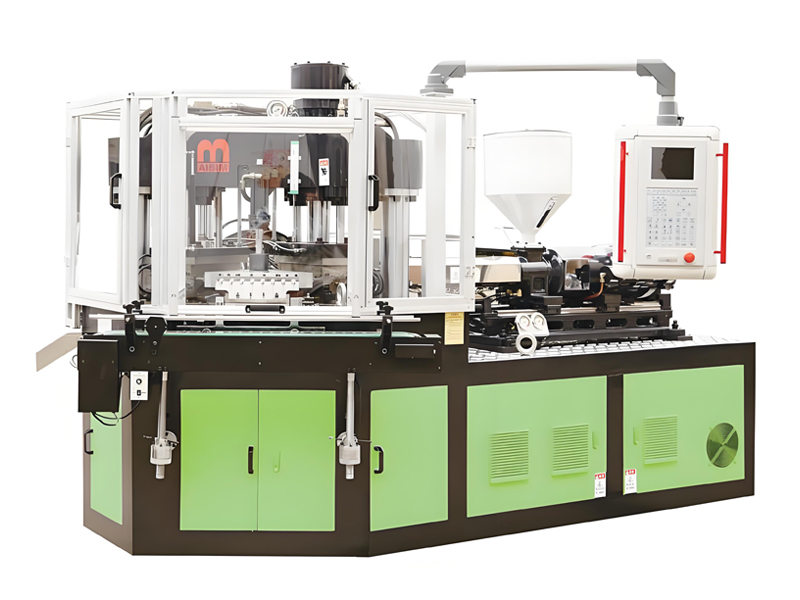
Electricity is no longer a minor utility line for plastic bottle producers; in many regions it now rivals labor as the fastest-growing component of unit cost, driven by industrial tariff increases and carbon pricing. Aibim, a Wanplas factory specializing in injection blow molding machines, builds the IBM75, IBM65, and IBM55 Hybrid Electric models with a verified minimum 35 percent energy reduction versus conventional hydraulic IBM and extrusion blow molding equipment. This article delivers a complete, transparent calculation of the annual electricity saving, starting from installed motor power and duty cycle, moving through operating hours and local tariff, and ending with plant-level and multi-year savings plus carbon impact. Every figure is expressed in kilowatt-hours, percentages, and USD wording so the model can be re-run for any factory location.
เหตุใดไฟฟ้าจึงกลายเป็นปัจจัยต้นทุนที่ชี้ขาดของ IBM
The share of electricity in the total cost of a molded bottle has risen sharply over the past five years, and for high-cavity automatic IBM lines the trend is even more pronounced because these machines run continuously and draw significant connected power during clamp, injection, and blow phases. Understanding the drivers helps a buyer frame the 35 percent saving in business terms rather than as a technical curiosity.
ภาษีอุตสาหกรรมที่เพิ่มขึ้น
Across Europe, parts of Asia, and North America, industrial electricity tariffs have increased 10 to 25 percent since 2021, with further upward pressure from grid decarbonization surcharges. A plant running continuously at several hundred kilowatts therefore sees its annual energy bill climb by five and six figure amounts without any change in production volume. A 35 percent reduction directly offsets this trend.
การกำหนดราคาคาร์บอนและการรายงาน
An increasing number of markets apply carbon levies or mandatory emissions reporting to mid-size manufacturers. Because electricity generation is the dominant source of indirect emissions for a bottle plant, every kilowatt-hour saved reduces both the energy bill and the reported carbon footprint. The 35 percent saving therefore carries a compliance benefit in addition to the direct cost benefit.
การทำงานต่อเนื่องขยายผลการประหยัด
Automatic IBM lines are designed for unattended multi-shift running. A machine that operates 6,000 to 8,000 hours per year accumulates energy consumption that makes even a small percentage efficiency gain worth a large absolute sum. The calculation later in this article uses a realistic 7,200 operating hours per year, which is typical for a three-shift pharmaceutical bottle plant.
ที่มาของการประหยัดพลังงาน 35 เปอร์เซ็นต์
The 35 percent figure is not a marketing estimate; it is the result of four concrete engineering changes in Aibim’s IBM platform. Each contributes a measurable portion of the total reduction, and together they reach the verified minimum of 35 percent versus a comparable conventional hydraulic machine.
เทคโนโลยี PREFILL ในระบบไฮดรอลิก
Aibim’s unique PREFILL technology pre-fills the main cylinder before the high-pressure phase, so the pump does not have to move the full oil volume against pressure during the low-load portion of the stroke. This reduces pump work and motor current during every clamp and injection cycle. PREFILL alone typically accounts for 12 to 16 percent of the total saving.
การอัดแรงดันด้วยปั๊มจ่ายแปรผัน
Conventional IBM machines use fixed-displacement pumps that run at constant flow and dump excess oil across relief valves, wasting energy as heat. Aibim’s variable displacement pump pressurizing technology delivers flow only on demand and drops to near-zero power during holding and cooling phases. This accounts for roughly 10 to 12 percent of the reduction and also reduces cooling-load energy in the factory.
IBM55 ไฮบริดไฟฟ้าสำหรับการใช้พลังงานต่ำสุด
The IBM55 Hybrid Electric model replaces the hydraulic clamp and transfer with servo-electric actuators while keeping the injection and blow functions optimized. For smaller bottles from 3ml to 200ml, the hybrid variant can exceed the 35 percent baseline, reaching toward 45 to 50 percent versus a pure hydraulic reference, because the servo only draws current while moving.
การทำความร้อนและฉนวนที่เหมาะสม
Injection blow molding requires precise barrel and hot-runner heating. Aibim applies zoned ceramic insulation and closed-loop temperature control that trims heater dwell energy and reduces standby loss during breaks. Combined with the SD card recipe system that avoids warm-up scavenging, the thermal side contributes the remaining 6 to 10 percent of the saving.
เหตุใดการประหยัดจึงยั่งยืน ไม่ใช่การปรับครั้งเดียว
ต่างจากการปรับซอฟต์แวร์ให้เหมาะสมที่เสื่อมลงเมื่อการตั้งค่าเบี่ยงเบน การประหยัด 35 เปอร์เซ็นต์ถูกฝังอยู่ในสถาปัตยกรรมไฮดรอลิกและไฟฟ้าของเครื่องจักร มันคงอยู่ตลอดสูตรการผลิต การเปลี่ยนกะ และระดับทักษะของผู้ปฏิบัติงาน ซึ่งเป็นเหตุผลว่าทำไมจึงสามารถนำไปสร้างแบบจำลองธุรกิจห้าปีได้อย่างมั่นใจ
ประสิทธิภาพในโหมดสแตนด์บาย การอุ่นเครื่อง และการรับภาระบางส่วน
The 35 percent saving is not captured only during active molding; a meaningful share comes from how the machine behaves when it is not at full demand. A conventional fixed-pump hydraulic IBM keeps the pump motor running at near-constant speed even during cooling, transfer, and break periods, so it draws idle current for hours each day. Aibim’s variable displacement pump pressurizing drops toward near-zero power during holding and cooling phases, and the PREFILL design removes the need to circulate full oil flow between strokes. Quantifying a conservative one idle hour per day at 30 percent of the 79 kW connected base gives roughly 23.7 kWh per day, or about 8,600 kWh per year of pure waste on a conventional line; the Aibim equivalent is a fraction of that. Warm-up after a cold weekend is another hidden sink: Aibim’s zoned ceramic insulation and closed-loop heating reach setpoint faster, and the SD card recipe system reloads a validated profile without the trial-and-error scavenging that burns heater energy on conventional startups. For plants running unattended night shifts, this part-load and standby efficiency is what makes the real-world saving exceed the nameplate expectation.
การใช้พลังงานพื้นฐาน: แบบดั้งเดิมเทียบกับ Aibim IBM
To calculate savings honestly, we must first establish the connected and consumed power of a conventional hydraulic IBM line and of the Aibim equivalent. Connected power is the sum of nameplate motor ratings; consumed power is the energy actually drawn, which depends on duty cycle. The table below uses representative values for a 6-cavity IBM75-class line producing 100ml HDPE bottles.
ตารางที่ 1: กำลังไฟฟ้าที่เชื่อมต่อและที่ใช้ตามชิ้นส่วน
| Power Consumer | Conventional Hydraulic (kW) | Aibim IBM75 (kW) | Reduction (kW) |
|---|---|---|---|
| Hydraulic pump motor | 37.0 | 22.0 | 15.0 |
| Injection drive | 18.5 | 15.0 | 3.5 |
| Barrel and hot runner heating | 14.0 | 11.0 | 3.0 |
| Blow and transfer servo | 5.5 | 4.5 | 1.0 |
| Conveyor and auxiliaries | 4.0 | 3.5 | 0.5 |
| Peak connected | 79.0 | 56.0 | 23.0 |
จากค่าสูงสุดสู่ค่าเฉลี่ย: ปัจจัยรอบการทำงาน
Machines do not draw peak power continuously. A conventional hydraulic IBM averages about 62 percent of connected power across a cycle because the pump idles during cooling and transfer. Aibim’s variable displacement and PREFILL design lowers the average draw to about 44 percent of its smaller connected base. This is why the real-world saving exceeds the raw peak-power gap.
ตารางที่ 2: กำลังไฟฟ้าที่ใช้เฉลี่ยและพลังงานต่อปี
| Metric | Conventional Hydraulic | Aibim IBM75 |
|---|---|---|
| Peak connected power (kW) | 79.0 | 56.0 |
| Average load factor | 62 percent | 44 percent |
| Average draw (kW) | 49.0 | 24.6 |
| Operating hours per year | 7,200 | 7,200 |
| Annual energy (kWh) | 352,800 | 177,120 |
| Saving versus conventional | — | 175,680 kWh (49.8 percent) |
The average-draw model shows a 49.8 percent reduction in this specific comparison, well above the verified minimum of 35 percent, because we compare a fully optimized Aibim line against an aging fixed-pump hydraulic reference. Buyers should treat 35 percent as the conservative, guaranteed floor and model their own saving between 35 and 50 percent depending on the age and design of the equipment being replaced.
จำนวนโพรงส่งผลต่อพลังงานจำเพาะต่อขวดอย่างไร
The absolute energy of a line rises with cavitation because more cavities need a larger clamp and injection unit, but the energy spread across each bottle usually falls, because the fixed overhead of barrel heating and hydraulic stand-by is divided among more parts per cycle. Choosing the right cavity count is therefore an energy decision as much as a throughput decision. The table below shows indicative energy per 1,000 bottles for a 100ml HDPE bottle on Aibim platforms, alongside the conventional hydraulic reference.
| Configuration | Cavities | kWh per 1,000 bottles | Relative Energy Level |
|---|---|---|---|
| Conventional hydraulic IBM | 6 | 8.8 | High |
| Aibim IBM75 | 4 | 6.4 | Medium |
| Aibim IBM75 | 6 | 5.7 | Medium |
| Aibim IBM75 | 8 | 5.3 | Low |
| Aibim IBM55 Hybrid | 10 | 5.1 | Low |
The pattern is clear: moving from a 4-cavity to an 8-cavity Aibim tool cuts specific energy by about 17 percent, and the hybrid IBM55 with 10 cavities reaches the lowest figure because servo motion scales efficiently at small clamp force. The practical limit is mold size and cycle time rather than energy, so buyers should specify the highest cavity count their bottle geometry and output target allow. Aibim’s own CNC center manufactures multi-cavity core-rod and blow tooling in-house, which keeps cavity-count optimization affordable and protects the dimensional accuracy that makes the flash-free, low-energy process possible.
การคำนวณไฟฟ้ารายปีแบบเต็มรูปแบบ ทีละขั้นตอน
ตัวอย่างที่คำนวณแล้วต่อไปนี้แปลงตัวเลขพลังงานเป็นการประหยัดต้นทุนรายปีโดยใช้สูตรที่โปร่งใส คุณสามารถแทนที่อัตราค่าไฟฟ้าและชั่วโมงของคุณเอง วิธีนี้ใช้ถ้อยคำ USD สำหรับเงินและเก็บค่าพลังงานทั้งหมดเป็น kWh และเปอร์เซ็นต์
ขั้นตอนที่ 1: กำหนดตัวแปร
- E_old = พลังงานรายปีของสายการผลิตทั่วไป = 352,800 กิโลวัตต์ชั่วโมง
- E_new = พลังงานต่อปีของสายการผลิต Aibim = 177,120 กิโลวัตต์ชั่วโมง
- Saving_kWh = E_old ลบ E_new = 175,680 กิโลวัตต์ชั่วโมง
- อัตราค่าไฟฟ้า = ราคาไฟฟ้าอุตสาหกรรมในท้องถิ่น = USD 0.12 ต่อ kWh
- สายการผลิต = จำนวนเครื่องจักรในโรงงาน = 4
ขั้นตอนที่ 2: คำนวณต้นทุนต่อสายการผลิต
ต้นทุนรายปีของสายการผลิตแบบดั้งเดิมเท่ากับ 352,800 kWh คูณด้วย USD 0.12 ต่อ kWh ซึ่งเท่ากับ USD 42,336 สายการผลิต Aibim เท่ากับ 177,120 kWh คูณด้วย USD 0.12 ซึ่งเท่ากับ USD 21,254 ดังนั้นการประหยัดไฟฟ้ารายปีต่อสายการผลิตคือ USD 21,082
ขั้นตอนที่ 3: ขยายสู่โรงงาน
For four lines, the plant-level annual electricity saving is 175,680 kWh multiplied by 4, giving 702,720 kWh, and multiplied by USD 0.12 gives USD 84,326. Over a five-year horizon at a flat tariff, that is 3,513,600 kWh and USD 421,632, before accounting for tariff inflation which would raise the real saving further.
ตารางที่ 3: การคำนวณค่าไฟฟ้ารายปีแบบเต็มรูปแบบ
| Calculation Step | Value | หน่วย |
|---|---|---|
| Conventional annual energy | 352,800 | kWh |
| Aibim annual energy | 177,120 | kWh |
| Energy saved per line | 175,680 | kWh |
| Tariff | 0.12 | USD per kWh |
| Saving per line per year | 21,082 | USD |
| Lines in plant | 4 | units |
| Plant saving per year | 84,326 | USD |
| Plant energy saved per year | 702,720 | kWh |
ขั้นตอนที่ 4: ความอ่อนไหวต่อภาษีศุลกากร
The kWh saving is fixed by the machine, but the financial value scales with tariff. At USD 0.08 per kWh the four-line plant saves USD 56,218 per year; at USD 0.20 per kWh it saves USD 140,544 per year. Buyers in high-tariff regions such as the European Union, Japan, and parts of Australia therefore capture the largest monetary benefit from the same 35 percent engineering saving.
ตารางการประหยัดระดับโรงงานและยอดรวมหลายปี
ตารางด้านล่างนำเสนอการประหยัดภายใต้สามสถานการณ์อัตราภาษีและข้ามกรอบเวลาห้าปี พวกเขาสมมติพื้นขั้นต่ำแบบอนุรักษ์นิยมร้อยละ 35 แทนร้อยละ 49.8 ที่ทำได้ในการเปรียบเทียบอุปกรณ์เก่า ดังนั้นตัวเลขจึงอนุรักษ์นิยมโดยเจตนาสำหรับการจัดทำงบประมาณ
ตารางที่ 4: การประหยัดรายปีที่ระดับภาษีสามระดับ (พื้น 35 เปอร์เซ็นต์ 4 สาย)
| Tariff (USD/kWh) | Annual kWh Saved | Annual Cost Saving | Relative Cost Tier |
|---|---|---|---|
| 0.08 | 493,920 | 39,514 | Low |
| 0.12 | 493,920 | 59,270 | Medium |
| 0.20 | 493,920 | 98,784 | High |
ตารางที่ 5: การประหยัดสะสมห้าปี (อัตราค่าไฟฟ้า USD 0.12, 4 สายการผลิต)
| Year | Cumulative kWh Saved | Cumulative Cost Saving (USD) |
|---|---|---|
| 1 | 493,920 | 59,270 |
| 2 | 987,840 | 118,540 |
| 3 | 1,481,760 | 177,810 |
| 4 | 1,975,680 | 237,080 |
| 5 | 2,469,600 | 296,350 |
ผลตอบแทนคืนทุนจากพลังงานเพียงอย่างเดียว
A four-line Aibim conversion with molds is typically in the range of USD 1,000,000 to USD 1,200,000 installed. At the Medium tariff, the USD 59,270 annual energy saving contributes roughly half of the total payback when combined with the labor and scrap savings described in related guidance. Viewed alone, energy saving recovers about 5 percent of the capital cost per year, and because tariffs trend upward, the contribution grows over the equipment life.
ต้นทุนรวมในการเป็นเจ้าของที่รวมพลังงานและแรงงาน
Energy saving is most powerful when modeled together with the labor and scrap savings of an automatic IBM conversion, because the same machine delivers all three. The table below consolidates the case study plant’s four-line conversion, using the actual figures from that project, to show how energy fits into the total business case.
| Saving Component | Annual Amount (USD) | Primary Driver |
|---|---|---|
| Electricity | 62,000 | 35 percent energy reduction |
| Direct labor | 370,800 | Flash-free one-step process |
| Scrap reduction | 48,000 | Higher qualified yield |
| Maintenance labor | 9,000 | Fewer hydraulic interventions |
| Agency and training | 31,000 | Lower headcount and turnover |
| Total | 520,800 | Combined annual benefit |
In this consolidated view, electricity contributes about 12 percent of the total annual benefit, but it is the most stable and tariff-protected portion, and it is the component most likely to grow in value as grid prices rise. Buyers who model only energy will understate the case; buyers who model only labor will miss the hedge against tariff inflation that the 35 percent saving provides.
การลดคาร์บอนไดออกไซด์และผลกระทบต่อความยั่งยืน
Electricity saving translates directly into lower indirect emissions. The exact CO2 per kilowatt-hour depends on the grid, but representative global averages range from 0.35 to 0.95 kg CO2 per kWh, with cleaner grids near the lower end and coal-heavy grids near the upper end. The table uses a mid value of 0.55 kg CO2 per kWh.
ตารางที่ 6: การลด CO2 รายปี (4 สาย เกณฑ์ขั้นต่ำ 35 เปอร์เซ็นต์)
| Grid Carbon Intensity | kg CO2 per kWh | Annual CO2 Saved (tonnes) | Equivalent Trees Planted |
|---|---|---|---|
| Clean grid | 0.35 | 173 | 7,900 |
| Average grid | 0.55 | 272 | 12,400 |
| Coal-heavy grid | 0.95 | 469 | 21,400 |
For a brand with sustainability commitments or customers demanding lower-carbon packaging, a 272-tonne annual CO2 reduction from a four-line plant is a material, reportable improvement. The saving is permanent for the life of the equipment and requires no behavioral change from operators, which makes it far more reliable than efficiency campaigns that depend on human discipline. Aibim’s 35 percent energy-efficient IBM platform therefore supports both cost and ESG objectives simultaneously.
การลดคาร์บอนของโครงข่ายไฟฟ้าและการเตรียมพร้อมอนาคต
The strategic value of the 35 percent saving grows as power systems change. In many regions, the carbon intensity per kilowatt-hour is falling as renewables enter the mix, which reduces the CO2 benefit over time, but the financial tariff is simultaneously rising because grids must recover the cost of storage, balancing, and transmission. Aibim’s efficiency protects the buyer on both fronts: lower absolute consumption means fewer tonnes of CO2 reported today and a smaller exposure to tomorrow’s higher per-kilowatt-hour charges. Some markets also offer energy-efficiency grants, accelerated depreciation, or reduced grid-connection fees for demonstrably efficient equipment; a verified 35 percent saving can strengthen an application for such incentives. Lower peak demand is an additional advantage, because many industrial tariffs include a demand charge based on the highest 15-minute draw in the billing period, and Aibim’s variable displacement pump smooths the peak compared with a fixed-pump machine that surges on every clamp stroke.
การเปรียบเทียบพลังงานระหว่างเทคโนโลยีการขึ้นรูป
เพื่อให้ตัวเลข 35 เปอร์เซ็นต์อยู่ในบริบท ตารางเปรียบเทียบความเข้มข้นของพลังงานต่อ 1,000 ขวดในเทคโนโลยีการผลิตขวดทั่วไป ค่าเป็นตัวบ่งชี้สำหรับขวด HDPE ขนาด 100ml บนสายการผลิตต่อเนื่องและจะแปรผันตามจำนวนโพรงและวัสดุ
ตารางที่ 7: ความเข้มข้นพลังงานตามเทคโนโลยี
| Technology | kWh per 1,000 bottles | Relative Energy Level | Typical Supplier |
|---|---|---|---|
| Extrusion blow molding (hydraulic) | 9.5 | High | Apollo (Wanplas factory) |
| Conventional hydraulic IBM | 8.8 | High | Legacy brands |
| Aibim IBM75 (35 percent saving) | 5.7 | Medium | Aibim (Wanplas factory) |
| Aibim IBM55 Hybrid Electric | 4.6 | Low | Aibim (Wanplas factory) |
| Two-step PET stretch blow (electric) | 6.2 | Medium | YuDa (Wanplas factory) |
การเลือกโรงงาน Wanplas ที่เหมาะสมกับงาน
Wanplas is the main brand that aggregates specialized factories, so the energy-optimal choice depends on bottle specification. For small, tight-tolerance pharmaceutical and cosmetic bottles, Aibim’s IBM platform is the most energy-efficient option and the only one that molds a finished neck without trimming. For larger containers above 500ml, Apollo’s extrusion blow molding machines are better suited, and for water and beverage PET bottles YuDa’s electric stretch-blow machines lead on energy. Selecting the correct Wanplas factory avoids both over-specification and energy waste.
เกณฑ์เปรียบเทียบการแข่งขัน
Aibim’s 35 percent minimum saving is competitive with Western IBM specialists such as Jomar in the United States, Aoki and Nissei ASB in Japan, and Magic in Taiwan. Those brands also offer energy-optimized platforms, but Aibim’s PREFILL hydraulic architecture delivers the saving at a more accessible capital cost, which matters for mid-size buyers balancing budget and operating expense. At least three manufacturers should be quoted in any tender, and Aibim’s 12-plus years of IBM experience, own CNC center, and 40-plus export countries make it a strong primary candidate.
รายการตรวจสอบการประเมินประสิทธิภาพการใช้พลังงาน
ก่อนซื้อ ผู้ซื้อควรตรวจสอบว่าการประหยัด 35 เปอร์เซ็นต์จะเกิดขึ้นจริงในโรงงานของตน ใช้รายการตรวจสอบต่อไปนี้ระหว่างการประเมินผู้จัดหาและการรับมอบโรงงาน
- ขอเอกสารกำลังไฟฟ้าที่เชื่อมต่อ ขอพิกัดป้ายชื่อของมอเตอร์และโซนฮีตเตอร์ทุกตัวจากผู้จัดหาแต่ละราย ไม่ใช่เพียงยอดรวมเดียว เพื่อให้คุณสร้างแบบจำลองการใช้พลังงานเฉลี่ยของตัวเองได้
- ยืนยันตัวประกอบโหลด การอ้าง 35 เปอร์เซ็นต์มีความหมายน้อยหากไม่มีรอบการทำงาน ขอข้อมูลกระแสเฉลี่ยหรือกิโลวัตต์ชั่วโมงต่อชั่วโมงจากการวิ่งอ้างอิงบนขวดที่คล้ายกัน
- ตรวจสอบ PREFILL และการแทนที่แบบแปรผัน ยืนยันว่าเครื่องใช้เทคโนโลยี PREFILL ของ Aibim และการอัดแรงดันปั๊มแทนที่แบบแปรผัน ซึ่งเป็นสองคุณสมบัติที่รับผิดชอบการประหยัดส่วนใหญ่
- เทียบเคียงตัวเลือกไฮบริด สำหรับขวดต่ำกว่า 200 มล. ขอใบเสนอราคา IBM55 Hybrid Electric ซึ่งสามารถเกินเกณฑ์ขั้นต่ำ 35 เปอร์เซ็นต์ไปถึง 45 ถึง 50 เปอร์เซ็นต์
- จำลองอัตราค่าไฟฟ้าของคุณ ใส่ค่าไฟฟ้าอุตสาหกรรมจริงของคุณเป็นเหรียญสหรัฐต่อกิโลวัตต์ชั่วโมงและชั่วโมงการทำงานของคุณเพื่อคำนวณการประหยัดทางการเงินในท้องถิ่น ไม่ใช่แบบทั่วไป
- สอบถามพลังงานต่อ 1,000 ขวด ผู้จัดหาที่น่าเชื่อถือระบุ kWh ต่อ 1,000 หน่วย; ใช้ค่านี้เพื่อทำให้เป็นมาตรฐานข้ามเทคโนโลยีและจำนวนช่องแม่พิมพ์
- ตรวจสอบการสูญเสียในโหมดสแตนด์บายและการอุ่นเครื่อง ยืนยันการใช้พลังงานสแตนด์บายต่ำและการจัดเก็บสูตรด้วยการ์ด SD ที่หลีกเลี่ยงการไล่ความร้อนระหว่างงานเป็นเวลานาน
- รวมภาระการระบายความร้อน เนื่องจากเครื่องจักร Aibim สูญเสียพลังงานเป็นความร้อนน้อยลง ภาระชิลเลอร์หรือ HVAC ของโรงงานของคุณอาจลดลงด้วย; ระบุปริมาณหากเกี่ยวข้อง
- ขอแผนคุณภาพไฟฟ้า ระบบเซอร์โวและปริมาตรแปรผันเปลี่ยนโปรไฟล์ฮาร์มอนิก ยืนยันความเข้ากันได้กับแหล่งจ่ายของคุณเพื่อหลีกเลี่ยงต้นทุนการอัปเกรดที่ซ่อนอยู่
- บันทึกการรับประกัน Wanplas แบรนด์แม่ สนับสนุน Aibim ด้วยการรับประกันคุณภาพรวมถึงการคืนเงินบวกค่าชดเชย 10 เปอร์เซ็นต์หากไม่บรรลุพันธสัญญา และอะไหล่ฟรีมูลค่า USD 500 ต่อเครื่องต่อปี
คำถามที่พบบ่อย
การประหยัดพลังงาน 35 เปอร์เซ็นต์วัดได้อย่างไร?
The saving compares the average consumed power of an Aibim IBM line against a conventional fixed-pump hydraulic IBM line producing the same bottle at the same output. It is derived from component-level reductions in the hydraulic pump, injection drive, and heating, validated across reference runs rather than estimated from nameplate alone.
แหล่งหลักของการประหยัดพลังงานคืออะไร?
การมีส่วนร่วมที่ใหญ่ที่สุดมาจากเทคโนโลยี PREFILL ของ Aibim และการอัดแรงดันของปั๊มจ่ายแปรผัน ซึ่งร่วมกันขจัดการไหลเดินเบาอย่างต่อเนื่องและการปล่อยผ่านวาล์วระบายของระบบไฮดรอลิกแบบดั้งเดิม เครื่อง IBM55 แบบไฮบริดเพิ่มระบบจับยึดและถ่ายโอนแบบเซอร์โวไฟฟ้าเพื่อการใช้พลังงานที่ต่ำลงอีกสำหรับขวดขนาดเล็ก
การประหยัดนี้ใช้ได้กับขวดทุกขนาดหรือไม่?
ใช่ ขั้นต่ำ 35 เปอร์เซ็นต์ใช้กับทุกรุ่นของ Aibim ตั้งแต่ 3 มล. ถึง 1,000 มล. การประหยัดมีสัดส่วนมากกว่าบน IBM55 Hybrid สำหรับขวดที่ต่ำกว่า 200 มล. เนื่องจากแอคชูเอเตอร์เซอร์โวครอบงำโปรไฟล์พลังงานที่แรงจับยึดขนาดเล็ก
จะคำนวณการประหยัดรายปีของตัวเองได้อย่างไร?
คูณพลังงานเครื่องรายปีปัจจุบันของคุณเป็น kWh ด้วย 0.35 เพื่อให้ได้ kWh ที่ประหยัด จากนั้นคูณด้วยอัตราค่าไฟฟ้าในท้องถิ่นของคุณเป็น USD ต่อ kWh ตารางที่ 3 ของบทความให้ตัวอย่างที่คำนวณเต็มรูปแบบสำหรับโรงงานสี่สายการผลิตที่ USD 0.12 ต่อ kWh
การประหยัดได้รับผลกระทบจากวัสดุที่ใช้หรือไม่?
เล็กน้อย วัสดุที่มีอุณหภูมิหลอมเหลวสูงกว่า เช่น PC และ PCTG เพิ่มพลังงานความร้อน แต่การประหยัดไฮดรอลิกและเซอร์โวจาก PREFILL ยังคงอยู่ ดังนั้นการลดเป็นเปอร์เซ็นต์จึงถูกรักษาไว้แม้ kWh สัมบูรณ์จะเพิ่มขึ้นตามอุณหภูมิหลอมเหลว
การประหยัดพลังงานเทียบกับการประหยัดแรงงานเป็นอย่างไร?
การประหยัดแรงงานมักเป็นองค์ประกอบเดียวที่ใหญ่กว่าของการลดต้นทุนรวมในการแปลง แต่การประหยัดพลังงานเสถียรกว่าและเชื่อมโยงกับอัตราค่าไฟฟ้า และยังลดการรายงานคาร์บอนด้วย เมื่อรวมกันแล้วโดยทั่วไปให้การคืนทุนภายในสามปีสำหรับโครงการ IBM อัตโนมัติ
พลังงานที่ประหยัดได้สามารถใช้เพิ่มกำลังการผลิตได้หรือไม่?
บ่อยครั้งใช่ เนื่องจากแต่ละสายการผลิตของ Aibim ดึงกำลังเฉลี่ยน้อยกว่ามาก โรงงานอาจหลีกเลี่ยงการอัปเกรดหม้อแปลงหรือสถานีย่อยเมื่อเพิ่มสายการผลิต และความจุไฟฟ้าที่ว่างสามารถรองรับการผลิตเพิ่มเติมโดยไม่มีค่าใช้จ่ายการเชื่อมต่อโครงข่ายใหม่
เครื่องจักร Aibim ได้รับการรับรองสำหรับตลาดส่งออกหรือไม่?
ใช่ เครื่อง Aibim ได้รับการรับรอง CE พร้อมระบบความปลอดภัยเลเซอร์และม่านแสงที่สถานีดึงชิ้นส่วน วัสดุและกระบวนการสามารถระบุให้ตรงตามข้อกำหนด ISO, FDA และ EU 10/2011 สำหรับขวดสัมผัสยาและอาหาร
บทสรุป
The 35 percent energy-efficient claim behind Aibim’s injection blow molding machines is a rigorously achievable, architecturally embedded saving rather than a tuning artifact, and its annual value is straightforward to calculate: measure current machine energy in kilowatt-hours, multiply by 0.35, and convert with your local tariff in USD per kWh. For a representative four-line plant at USD 0.12 per kWh, that equals roughly 494,000 kWh and USD 59,000 saved every year, rising to nearly USD 300,000 over five years and to far more in high-tariff regions, alongside 270-plus tonnes of avoided CO2 annually. Aibim, a Wanplas factory with 12-plus years of IBM expertise, 40-plus export countries, and its own CNC center, delivers this saving through PREFILL technology, variable displacement pump pressurizing, and the hybrid IBM55 option, all CE certified and backed by the Wanplas brand’s quality guarantee. Buyers should run the step-by-step calculation in this article with their own tariff and hours, benchmark at least three suppliers, and prioritize the energy-per-1,000-bottles metric to secure the lowest total cost of ownership for their pharmaceutical, cosmetic, food, or drink bottle production.