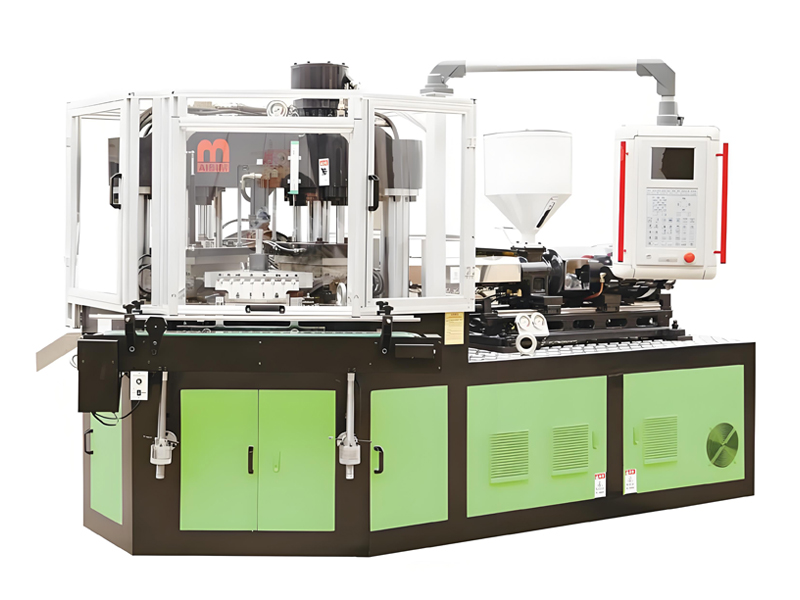
Learning how to operate an injection blow molding machine opens doors to efficient plastic container production for beginners entering the manufacturing industry. This comprehensive guide walks you through every aspect of machine operation, from basic setup to advanced troubleshooting techniques. Whether you are starting a new production line or upgrading your existing equipment, understanding the fundamentals of injection blow molding technology ensures optimal performance and consistent product quality.
Comprendere la tecnologia dello stampaggio a iniezione e soffiaggio
The injection blow molding process represents a sophisticated manufacturing method that combines injection molding and blow molding into a single integrated system. This technology enables manufacturers to produce hollow plastic containers with exceptional precision and consistency. The process begins with the creation of a preform through injection molding, followed by the blowing stage that shapes the final container.
Principi fondamentali di funzionamento
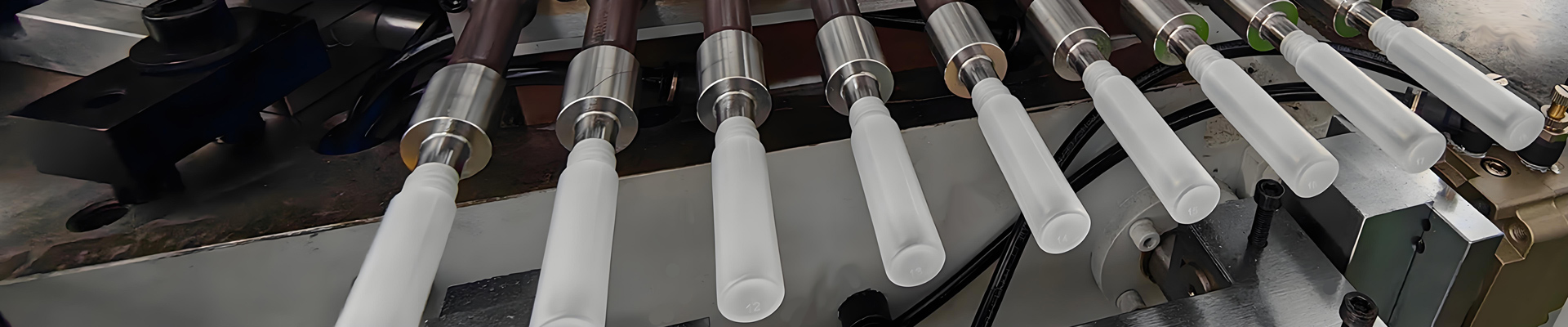
Iniezione blow molding machines operate through a carefully orchestrated sequence of steps that transform raw plastic materials into finished containers. The injection blow molding machine first melts plastic pellets in a heated barrel, then injects the molten material into a preform mold to create a preliminary shape. This preform maintains the neck finish and threads of the final container while the body remains ready for expansion during the blowing phase.
The process continues as the preform transfers to a blow mold station where compressed air inflates the heated preform against the mold walls. This expansion creates the final container shape with uniform wall thickness and precise dimensions. The injection blow molding machine then cools the product before ejection, completing the cycle in a matter of seconds depending on container size and complexity.
Componenti chiave e loro funzioni
Modern injection blow molding machines consist of several critical components working in harmony. The injection unit houses the screw and barrel assembly responsible for melting and injecting plastic material. This component includes precise temperature control zones that ensure consistent material viscosity throughout the process.
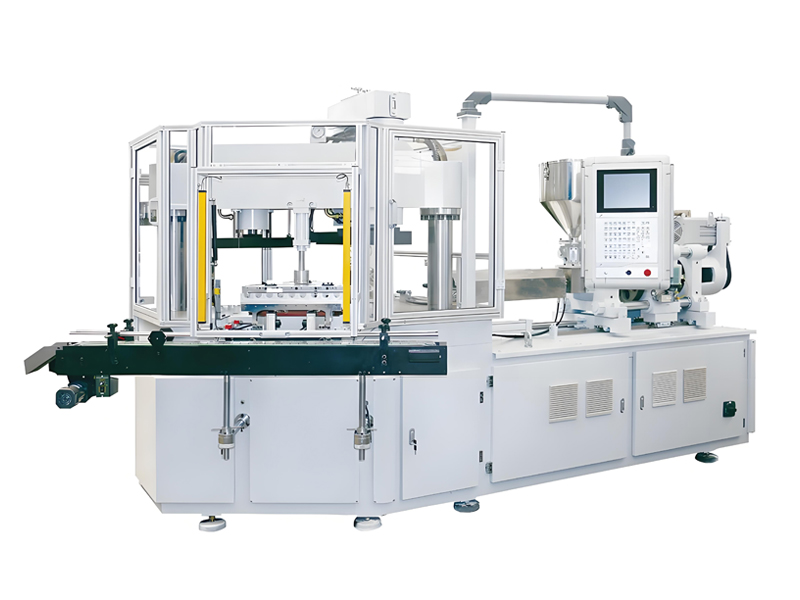
The clamp unit secures the molds during both injection and blowing phases. Advanced injection blow molding machines feature single crossbeam double column locking structures that provide exceptional stability during operation. The rotary table or shuttle system moves preforms between stations efficiently, maintaining continuous production flow.
I sistemi di controllo delle macchine contemporanee per stampaggio a iniezione-soffiatura offrono sofisticate capacità di programmazione con memorizzazione dei parametri su scheda SD e funzioni di replica. Questi sistemi consentono agli operatori di salvare e richiamare rapidamente le ricette di produzione, riducendo i tempi di setup tra diverse produzioni di prodotto.
Controlli essenziali pre-operativi
Prima di avviare qualsiasi macchina per lo stampaggio a iniezione e soffiaggio, gli operatori devono completare una checklist completa pre-operativa per garantire una produzione sicura ed efficiente. Questi controlli proteggono sia il personale che le apparecchiature prevenendo costosi errori di produzione.
Ispezione delle attrezzature di sicurezza
Safety represents the foremost priority when operating an injection blow molding machine. Begin each shift by inspecting all safety equipment including light curtains that protect personnel from moving parts. Long range digital laser sensors safeguard expensive molds from damage during operation. Verify that all emergency stop buttons function correctly and that safety guards remain properly secured.
Personal protective equipment requirements for injection blow molding machine operation include heat resistant gloves, safety glasses, and appropriate footwear. The machine area should maintain clear access to emergency exits and first aid stations. Never bypass or disable safety features, as these systems protect operators from serious injury.
Verifica dei componenti della macchina
Check the injection blow molding machine for proper lubrication of all moving parts according to the maintenance schedule. Inspect hydraulic and pneumatic systems for leaks or damage that could affect performance. Verify that cooling water flows through the mold temperature control system at the correct pressure and volume.
Examine the hopper and feeding system to ensure no contamination exists in the material path. Clean any residue from previous production runs that could compromise product quality. Confirm that all temperature sensors and pressure transducers function correctly and display accurate readings on the control panel.
Istruzioni operative passo dopo passo
Padroneggiare il funzionamento di una macchina per stampaggio a iniezione e soffiaggio richiede la comprensione di ogni fase del ciclo produttivo. Questa guida dettagliata fornisce ai principianti istruzioni chiare per ogni passo operativo.
Configurazione iniziale della macchina
Power on the injection blow molding machine by following the manufacturer specified startup sequence. Most modern systems require a brief initialization period during which control systems perform self diagnostics. Monitor the display panel for any error messages or warnings that require attention before proceeding.
Set the barrel temperature zones according to the material specifications. Different plastics require specific temperature profiles for optimal processing. For PE materials, barrel temperatures typically range from 180 to 240 degrees Celsius. PP materials require slightly higher temperatures between 200 and 260 degrees Celsius. Allow sufficient time for all temperature zones to reach set points before continuing.
Program the injection parameters including shot size, injection speed, and holding pressure. The injection blow molding machine control system allows precise adjustment of these variables to achieve optimal preform quality. Save these settings to the SD card for future reference and consistency across production runs.
Caricamento e preparazione del materiale
Load the appropriate plastic resin into the hopper of the injection blow molding machine. Ensure the material meets quality specifications and contains no moisture or contamination. Some materials require pre drying to remove moisture that could cause defects in finished products. HDPE typically requires drying at 60 to 80 degrees Celsius for two to four hours if moisture content exceeds 0.02 percent.
The injection blow molding machine feeds material through the hopper into the barrel where the rotating screw conveys it forward. The screw rotation speed and back pressure settings affect material melting and mixing. Adjust these parameters based on the specific material being processed to achieve homogeneous melt consistency.
Installazione e allineamento dello stampo
Install the injection mold and blow mold sets in their respective stations on the injection blow molding machine. Proper alignment proves critical for producing containers with consistent dimensions and wall thickness. Use alignment pins and reference marks to position molds correctly before securing them with mounting bolts.
Connect cooling water lines to the mold temperature control channels. Verify water flow through all circuits to ensure uniform cooling across the mold surface. Improper cooling leads to warping, sink marks, and dimensional inconsistencies in finished containers. Set the mold temperature according to material requirements, typically between 10 and 40 degrees Celsius depending on the plastic being processed.
Avvio del ciclo di produzione
Start the injection blow molding machine in manual mode for initial production trials. This allows operators to observe each cycle phase and make real time adjustments as needed. The first several cycles typically produce incomplete or imperfect containers as the process stabilizes and temperatures reach equilibrium.
Monitor key process variables including injection pressure, melt temperature, blow air pressure, and cycle time. The injection blow molding machine displays these parameters on the control panel, enabling operators to identify trends or anomalies that affect product quality. Record baseline values for comparison during production runs.
Transition to semi automatic mode once the process produces consistent quality containers. This mode automates repetitive tasks while maintaining operator oversight. Finally, switch to fully automatic mode for high volume production, allowing the injection blow molding machine to run continuous cycles with minimal intervention.
Monitoraggio della qualità durante la produzione
Continuous quality monitoring ensures the injection blow molding machine produces containers meeting specifications throughout the production run. Inspect containers at regular intervals for dimensional accuracy, wall thickness distribution, and surface quality. Use calibrated measuring instruments to verify critical dimensions including neck finish, body diameter, and overall height.
Check for common defects such as short shots, flash, sink marks, and uneven wall thickness. These issues often indicate process drift that requires adjustment to injection parameters, mold temperatures, or material conditions. The injection blow molding machine allows rapid modification of these variables to correct quality problems before significant production losses occur.
Parametri tecnici e impostazioni
Comprendere i parametri tecnici delle macchine per lo stampaggio a iniezione e soffiaggio consente agli operatori di ottimizzare la produzione per diversi materiali e design di contenitori. Queste specifiche definiscono le capacità e i limiti dell'apparecchiatura.
Specifiche del sistema di iniezione
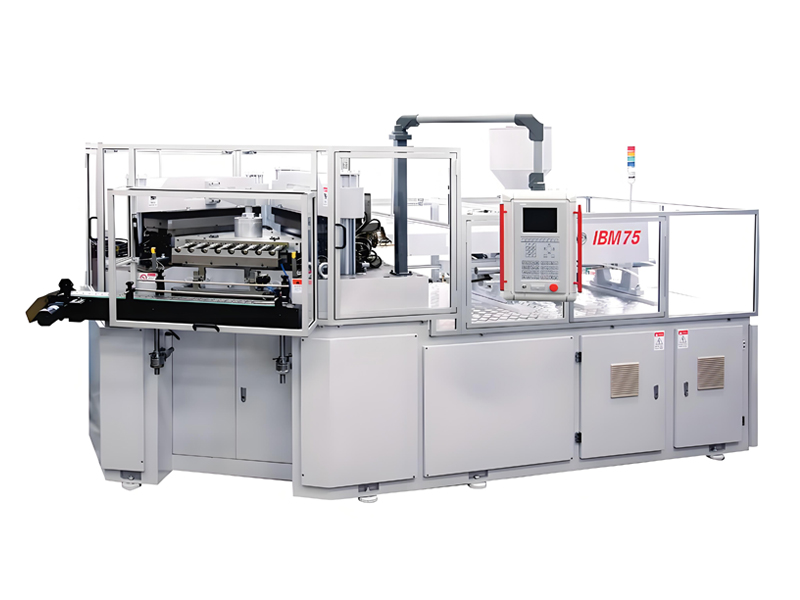
The injection unit of an injection blow molding machine determines the maximum shot size and injection pressure available for processing. The AiBiM IBM75 model features a 50mm screw diameter capable of injecting up to 375 grams of material. This capacity accommodates a wide range of container sizes from 3ml to 1200ml.
Iniezione pressure typically ranges from 800 to 1500 bar depending on material viscosity and mold design. The injection blow molding machine must maintain consistent pressure throughout the injection and holding phases to prevent sink marks and ensure complete mold filling. Advanced machines employ PREFILL technology and variable pump pressure boosting systems that reduce energy consumption by more than 35 percent while maintaining precise pressure control.
Requisiti della forza di chiusura
Clamp force represents a critical specification for injection blow molding machines. The AiBiM IBM75 delivers 750 kN of clamping force, sufficient for producing containers up to 1200ml capacity. Inadequate clamp force allows the mold to open slightly during injection, causing flash and dimensional errors.
The single crossbeam double column locking structure provides uniform force distribution across the mold surface. This design ensures stable operation even at maximum injection pressures. The injection blow molding machine automatically adjusts clamp force based on the active production recipe to optimize energy efficiency.
Ottimizzazione del tempo di ciclo
Cycle time directly impacts production output and operational costs. The injection blow molding machine cycle consists of injection, blowing, cooling, and ejection phases. Total cycle times vary based on container size, wall thickness, and material properties. Smaller containers typically require 10 to 15 seconds per cycle while larger containers may need 20 to 30 seconds.
Optimize cycle time by minimizing each phase duration without compromising quality. The injection blow molding machine allows independent adjustment of cooling time, which often represents the longest portion of the cycle. Balance cooling time against part quality requirements to maximize throughput.
Panoramica del processo di produzione
Il processo di stampaggio a iniezione e soffiaggio integra più passaggi in una sequenza produttiva senza soluzione di continuità. Comprendere questo processo aiuta gli operatori a identificare opportunità di ottimizzazione e a risolvere i problemi in modo efficace.
Fase di iniezione della preforma
The injection blow molding machine begins each cycle by creating a preform in the injection mold. Molten plastic enters the mold cavity under high pressure, forming a test tube shaped precursor to the final container. The preform includes the finished neck finish and threads that remain unchanged during the blowing phase.
Precise control of injection speed affects preform quality. Fast injection fills the mold quickly but may trap air or cause jetting defects. Slower injection provides better material distribution but extends cycle time. The injection blow molding machine allows operators to program multi stage injection profiles that optimize fill characteristics.
Trasferimento e condizionamento
Dopo l'iniezione, la preforma viene trasferita alla stazione dello stampo di soffiaggio. Questo trasferimento deve avvenire mentre la plastica rimane alla temperatura adeguata per il soffiaggio. La macchina per stampaggio a iniezione e soffiaggio coordina questo trasferimento con precisione per mantenere condizioni ottimali del materiale.
Preform conditioning involves precise temperature management to achieve uniform wall thickness in the finished container. The plastic should be hot enough to stretch easily but cool enough to hold its shape during blowing. This balance requires careful coordination of injection temperature, transfer time, and mold conditions.
Fase di soffiaggio e raffreddamento
The blow mold closes around the preform as compressed air inflates it against the mold walls. Blow pressure typically ranges from 8 to 15 bar depending on container design and material. The injection blow molding machine controls blow pressure and timing to achieve complete mold filling without over stretching thin sections.
Cooling solidifies the container in its final shape. The injection blow molding machine circulates cooling water through the mold to remove heat efficiently. Proper cooling prevents deformation during ejection and ensures dimensional stability. The cooling system must maintain consistent temperature across all mold surfaces for uniform quality.
Espulsione del contenitore
La fase finale espelle il contenitore finito dallo stampo di soffiatura. I meccanismi di espulsione spingono o estraggono il contenitore dal nucleo dello stampo senza danneggiare filettature o superfici. La macchina per stampaggio a iniezione-soffiatura temporizza l'espulsione con precisione quando il contenitore si è raffreddato abbastanza da mantenere la sua forma.
Una corretta tecnica di espulsione previene danni sia al contenitore che allo stampo. Regolate forza e velocità di espulsione in base alle dimensioni del contenitore e alle proprietà del materiale. Monitorate la qualità dell'espulsione per individuare eventuali attacchi o deformazioni che indicano raffreddamento insufficiente o progettazione dello stampo non corretta.
Benefici e vantaggi dei sistemi moderni
Investire in una macchina moderna per stampaggio a iniezione e soffiaggio offre numerosi benefici operativi ed economici per i produttori di tutti i settori.
Efficienza produttiva
Contemporary injection blow molding machines achieve exceptional production efficiency through automation and process optimization. The integrated design eliminates separate handling between injection and blowing operations, reducing cycle times and labor requirements. High speed rotary systems produce hundreds of containers per hour with minimal operator intervention.
Energia efficiency improvements in modern machines significantly reduce operating costs. Advanced hydraulic systems with variable displacement pumps consume power proportional to actual demand rather than running at constant maximum capacity. The AiBiM injection blow molding machines achieve energy savings exceeding 35 percent compared to conventional designs.
Costanza della qualità del prodotto
The injection blow molding process produces containers with superior dimensional accuracy and consistency. Iniezione molded neck finishes ensure precise thread profiles for reliable sealing with caps and closures. Wall thickness distribution remains uniform throughout the container body, providing consistent strength and barrier properties.
The injection blow molding machine maintains repeatable process conditions from cycle to cycle. Computerized control systems eliminate human error and variability that affect older manual machines. This consistency translates to lower rejection rates and higher customer satisfaction with finished products.
Versatilità dei materiali
Modern injection blow molding machines process a wide range of thermoplastic materials to meet diverse application requirements. Common materials include PE variants such as HDPE, LDPE, and LLDPE for food and pharmaceutical containers. PP offers excellent clarity and heat resistance for hot fill applications.
Engineering materials like PC, PCTG, and TPU expand the application range to demanding uses requiring enhanced properties. The injection blow molding machine accommodates these materials through flexible temperature and pressure settings. This versatility allows manufacturers to serve multiple markets with a single equipment investment.
Linee guida per la selezione delle attrezzature
La scelta della giusta macchina per stampaggio a iniezione e soffiaggio richiede un'attenta valutazione dei requisiti di produzione, delle specifiche di prodotto e dei piani di crescita futuri.
Considerazioni su capacità e dimensioni
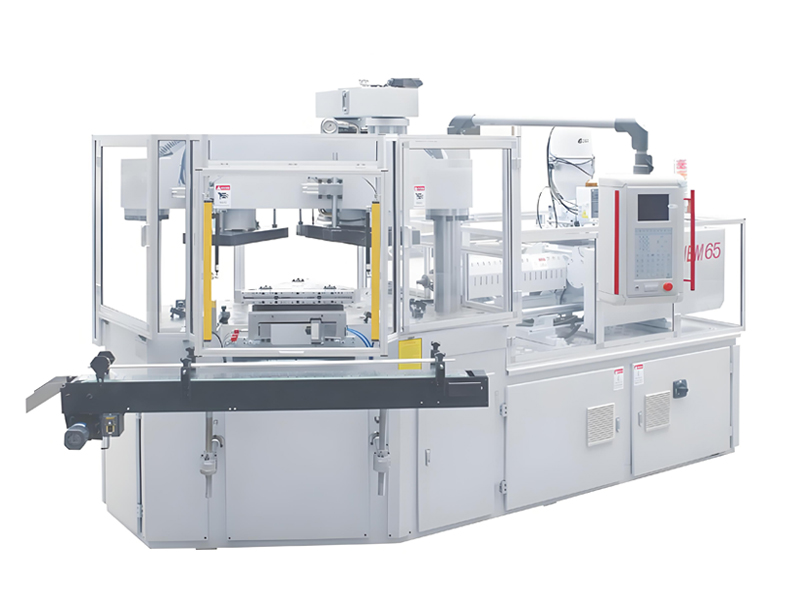
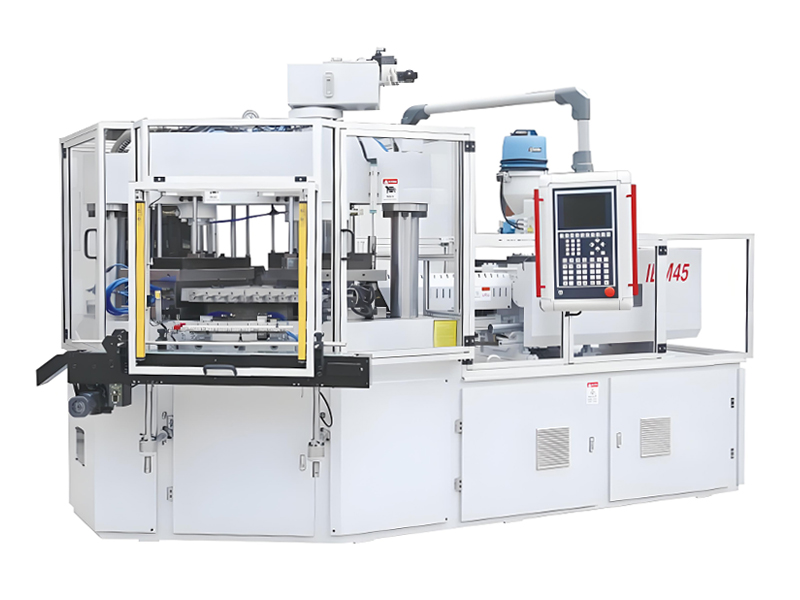
Match the injection blow molding machine capacity to your production volume requirements. The AiBiM IBM55 Hybrid Electric suits lower volume applications requiring 3ml to 1000ml containers. The IBM65 model offers an economical solution for standard production needs. The IBM75 handles larger containers up to 1200ml with robust clamping force for demanding applications.
Considerate l'espansione futura nella scelta della capacità dell'attrezzatura. L'acquisto di una macchina per stampaggio a iniezione-soffiatura con capacità in eccesso consente la crescita aziendale senza sostituzione immediata dell'attrezzatura. Tuttavia, evitate la sovraspecifica che aumenta i costi di capitale senza fornire benefici pratici.
Requisiti del livello di automazione
Automation options for injection blow molding machines range from manual operation to fully automatic systems with robotic part handling. Entry level machines require operator intervention for each cycle, suitable for short production runs and frequent product changes. Fully automatic systems minimize labor costs for high volume dedicated production.
Intermediate automation levels offer flexibility for manufacturers producing varied container sizes and styles. The injection blow molding machine can operate automatically for extended runs while allowing easy setup changes between products. Choose automation appropriate for your product mix and labor costs.
Supporto tecnico e formazione
La selezione delle attrezzature dovrebbe includere la valutazione delle capacità di supporto del produttore. AiBiM fornisce una formazione tecnica completa per tutti gli acquisti di macchine per stampaggio a iniezione-soffiatura. Questa formazione copre funzionamento, manutenzione e risoluzione dei problemi per garantire un avvio di produzione di successo.
Considerate la disponibilità di ricambi e supporto di assistenza nella scelta delle attrezzature. I produttori affermati mantengono inventari di ricambi e team di assistenza tecnica per minimizzare i tempi di fermo. AiBiM offre servizio post-vendita 24 ore e supporto all'installazione in loco da parte di ingegneri per tutti i clienti in tutto il mondo.
Analisi dei costi e stima dei prezzi
Comprendere il costo totale di proprietà aiuta i produttori a prendere decisioni di investimento informate per le attrezzature per stampaggio a iniezione e soffiaggio.
Fascia di investimento iniziale
The injection blow molding machine price varies based on model specifications and features. The AiBiM IBM55 Hybrid Electric costs between $35,000 and $55,000 depending on optional features and tooling requirements. This entry level machine suits startups and small production operations seeking economical equipment solutions.
Il modello standard IBM65 varia da 28.000 a 45.000 dollari, offrendo un eccellente rapporto qualità-prezzo per le esigenze di base di produzione di contenitori. Questo modello risulta popolare tra i produttori che realizzano bottiglie e contenitori standard per i mercati alimentare, delle bevande e della cura personale.
The larger IBM75 injection blow molding machine commands prices from $40,000 to $65,000. This investment delivers enhanced capacity and clamping force for larger containers and higher production volumes. The increased capability justifies the higher cost for manufacturers with substantial production requirements.
Fattori dei costi operativi
Operating costs for injection blow molding machines include energy consumption, material costs, labor, and maintenance. Modern energy efficient designs significantly reduce electricity costs, which represent a major portion of operating expenses. The AiBiM machines achieve over 35 percent energy savings compared to conventional designs, translating to substantial annual cost reductions.
I costi dei materiali dipendono dai prezzi delle resine e dal peso del contenitore. Ottimizzate i parametri di processo per ridurre al minimo l'uso di materiale mantenendo la qualità. La macchina per stampaggio a iniezione-soffiatura consente un controllo preciso della dimensione dello shot per eliminare il materiale in eccesso che aumenta i costi senza aggiungere valore.
I costi di manutenzione variano con l'età della macchina e le condizioni operative. Seguite il programma di manutenzione raccomandato per prevenire riparazioni costose e tempi di fermo non pianificati. Prevedete un budget per la sostituzione di routine dei pezzi di usura come punte vite, anelli di ritegno e componenti di tenuta in base alle linee guida del produttore.
Cronologia del ritorno sull'investimento
Calcolare il periodo di payback per un investimento in una macchina per stampaggio a iniezione e soffiaggio in base a volume di produzione, prezzi di vendita e costi operativi. Una tipica operazione di start-up raggiunge il recupero dell'investimento entro 18-36 mesi a seconda delle condizioni di mercato e dell'efficienza produttiva.
Considerare opzioni di finanziamento che distribuiscono l'investimento nel tempo. Molti produttori offrono condizioni di pagamento flessibili, incluse le opzioni T/T e L/C. AiBiM accetta entrambi i metodi di pagamento, rendendo l'acquisizione di attrezzature accessibile per aziende di varie dimensioni e situazioni finanziarie.
Standard di qualità e certificazioni
Il rispetto degli standard di qualità e l'ottenimento delle certificazioni pertinenti garantisce l'accettazione sul mercato e la conformità normativa per i contenitori prodotti con macchine per stampaggio a iniezione e soffiaggio.
Requisiti di certificazione CE
CE certification demonstrates compliance with European safety and environmental standards for machinery. All AiBiM injection blow molding machines carry CE certification, qualifying them for sale and operation throughout the European market. This certification requires adherence to stringent design and construction standards.
L'attrezzatura certificata CE include una documentazione completa delle caratteristiche di sicurezza e delle procedure operative. La macchina per stampaggio a iniezione-soffiatura deve incorporare protezioni adeguate, arresti di emergenza e sistemi di avviso. Le ispezioni regolari verificano la conformità continua ai requisiti di certificazione.
Standard specifici del settore
Containers for pharmaceutical applications must meet FDA requirements in the Stati Unitài or equivalent standards in other markets. The injection blow molding machine must produce containers meeting cleanliness and material composition specifications. Clean room operation may be required for certain pharmaceutical packaging.
I contenitori a contatto con gli alimenti richiedono la conformità alle normative sulla sicurezza alimentare che limitano alcuni additivi del materiale e ausiliari di lavorazione. Verificare che i materiali lavorati sulla macchina per stampaggio a iniezione e soffiaggio portino certificazioni appropriate di contatto alimentare dalle autorità regolatorie.
Sistemi di gestione della qualità
L'implementazione di sistemi di gestione della qualità garantisce una qualità di produzione costante dalla macchina per stampaggio a iniezione-soffiatura. La certificazione ISO 9001 dimostra l'impegno verso i processi di qualità e il miglioramento continuo. Documentate le procedure per il funzionamento della macchina, l'ispezione della qualità e l'azione correttiva.
Le tecniche di controllo statistico di processo aiutano a identificare le variazioni di processo prima che influiscano sulla qualità del prodotto. Monitorate i parametri di processo chiave sulla macchina per stampaggio a iniezione-soffiatura e tracciate le tendenze nel tempo. Stabilite limiti di controllo che attivino un'indagine quando si verifica una deriva di processo.
Applicazioni industriali
Le macchine per stampaggio a iniezione e soffiaggio servono diversi settori che richiedono contenitori in plastica di alta qualità con specifiche precise.
Confezionamento farmaceutico
The pharmaceutical industry demands containers meeting stringent quality and safety standards. Iniezione blow molding machines produce pharmaceutical bottles with precise neck finishes for secure sealing with child resistant caps. The process creates containers with uniform wall thickness that protect sensitive medications from environmental exposure.
Ambienti di produzione puliti e sterili sono essenziali per i contenitori farmaceutici. La macchina per stampaggio a iniezione-soffiatura opera in condizioni di atmosfera controllata per prevenire la contaminazione. La selezione dei materiali si concentra su gradi HDPE e PP approvati per applicazioni a contatto farmaceutico.
Contenitori per alimenti e bevande
Le applicazioni di packaging alimentare richiedono contenitori che preservino freschezza e sicurezza del prodotto. La macchina per stampaggio a iniezione-soffiatura produce bottiglie e barattoli per salse, condimenti e bevande. La formazione precisa della filettatura garantisce una tenuta adeguata per prevenire il deterioramento e mantenere la qualità del prodotto.
Hot fill applications demand containers capable of withstanding elevated temperatures during filling. PP materials processed on the injection blow molding machine offer excellent heat resistance for hot fill products. Proper material selection and process control prevent container deformation during thermal processing.
Cosmeticoi e cura personale
The cosmetic industry values the high quality surface finish achievable with injection blow molding. Containers exhibit excellent clarity and smooth surfaces that enhance product appeal. The injection blow molding machine produces containers suitable for premium cosmetic and personal care products where appearance influences consumer perception.
Specialty materials like PETG and PCTG provide the glass like clarity valued for high end cosmetic packaging. These materials process effectively on modern injection blow molding machines with appropriate temperature and pressure settings. The result is containers that convey quality and sophistication.
Perché scegliere le soluzioni di stampaggio a iniezione-soffiatura AiBiM
AiBiM offre vantaggi convincenti per i produttori che cercano attrezzature affidabili per stampaggio a iniezione e soffiaggio con supporto completo.
Competenza produttiva
Zhangjiagang AiBiM Plastic Machinery Co., Ltd. brings over 12 years of specialized experience in injection blow molding machine manufacturing. This extensive expertise translates to equipment designs refined through real world application across diverse production environments. The company understands the practical challenges facing manufacturers and incorporates solutions into every machine.
The AiBiM engineering team continuously improves injection blow molding machine performance based on customer feedback and technological advances. This commitment to innovation ensures equipment remains competitive and productive throughout its service life. Customers benefit from ongoing technical development without requiring equipment replacement.
Presenza sul mercato globale
AiBiM serves customers in over 40 countries across Southeast Asia, the Middle East, Europe, the Americas, and Africa. This global presence demonstrates the reliability and adaptability of AiBiM injection blow molding machines across varied market conditions and applications. International customers receive the same quality equipment and support as domestic buyers.
The annual production capacity exceeds 100 production lines, enabling AiBiM to fulfill large orders while maintaining quality standards. This manufacturing scale ensures competitive pricing and reliable delivery schedules. Customers can plan production expansion with confidence in equipment availability.
Assistenza clienti completa
AiBiM provides exceptional customer support beginning with free technical training for all injection blow molding machine purchases. This training ensures operators understand proper procedures for safe and efficient production. The comprehensive curriculum covers machine operation, maintenance, and troubleshooting techniques.
Il servizio post-vendita 24 ore garantisce una risposta rapida ai problemi tecnici. I servizi di installazione in loco e messa a punto da parte degli ingegneri aiutano i clienti a raggiungere un avvio di produzione di successo. Questo impegno di supporto continua per tutta la vita utile dell'attrezzatura, proteggendo l'investimento del cliente.
Manutenzione e risoluzione dei problemi
Una manutenzione adeguata garantisce un funzionamento affidabile e prolunga la vita utile delle macchine per stampaggio a iniezione e soffiaggio.
Programma di manutenzione preventiva
Establish a regular maintenance schedule for the injection blow molding machine based on manufacturer recommendations and operating conditions. Daily tasks include visual inspection of safety systems, verification of temperature readings, and cleaning of hopper and feed systems. These routine checks prevent minor issues from developing into major problems.
Weekly maintenance includes lubrication of moving parts, inspection of hydraulic and pneumatic systems, and cleaning of cooling water filters. Monthly tasks involve comprehensive checks of electrical connections, calibration of sensors, and replacement of worn components. Document all maintenance activities to track machine condition over time.
Problemi operativi comuni
Sink marks on container surfaces indicate insufficient packing pressure or cooling time. Adjust injection parameters on the injection blow molding machine to increase holding pressure or extend cooling duration. Material temperature that is too high can also cause sink marks as the plastic shrinks excessively during cooling.
Flash at parting lines suggests inadequate clamp force or mold damage. Verify that clamp force settings match requirements for the current mold and material. Inspect mold surfaces for wear or damage that prevents proper sealing. The injection blow molding machine allows adjustment of clamp parameters to correct flash problems.
Lo spessore di parete non uniforme deriva da una progettazione della preforma o da una distribuzione della temperatura non corretta. Verificate l'uniformità della temperatura della preforma e regolate le zone di temperatura del cilindro secondo necessità. La macchina per stampaggio a iniezione-soffiatura fornisce un controllo preciso della temperatura per ottimizzare la distribuzione dello spessore di parete.
Manutenzione del sistema di sicurezza
Regular testing of safety systems protects personnel and prevents accidents. Test light curtain operation by interrupting the beam during machine operation. The injection blow molding machine should stop immediately when the light curtain detects an obstruction. Test emergency stop buttons at the beginning of each shift to verify proper function.
I sensori laser digitali a lunga distanza richiedono pulizia e calibrazione periodiche per mantenere la capacità di protezione dello stampo. Questi sensori rilevano stampi disallineati o altre condizioni che potrebbero causare danni. Sostituire i sensori che non superano la calibrazione o mostrano un funzionamento incoerente.
Domande frequenti
Quale formazione sulla sicurezza è richiesta prima di operare una macchina per stampaggio a iniezione-soffiaggio?
Operators must complete comprehensive safety training covering machine hazards, emergency procedures, and personal protective equipment requirements. AiBiM provides free technical training with every injection blow molding machine purchase. This training ensures operators understand all safety systems including light curtains, emergency stops, and laser mold protection.
Quanto tempo occorre per imparare il funzionamento della macchina per stampaggio a iniezione-soffiaggio?
Basic operation skills develop within one to two weeks of hands on training under experienced supervision. Mastering advanced troubleshooting and optimization techniques requires several months of practice. The intuitive control systems on AiBiM injection blow molding machines feature SD card parameter storage that simplifies recipe management for beginners.
Quali materiali possono essere lavorati su una macchina per stampaggio a iniezione-soffiaggio?
Modern injection blow molding machines process a wide range of thermoplastics including PE variants, PP, PS, ABS, SAN, TPU, PC, and PCTG. Material selection depends on application requirements for clarity, strength, and chemical resistance. The AiBiM machines offer flexible temperature and pressure settings to accommodate these diverse materials.
Qual è la produzione tipica di una macchina per stampaggio a iniezione-soffiaggio?
Production output varies based on container size, complexity, and material. Small containers may achieve cycle times of 10 to 15 seconds, producing several hundred parts per hour. Larger containers require 20 to 30 second cycles. The AiBiM IBM75 can produce containers from 3ml to 1200ml capacity with appropriate molds.
Quale manutenzione richiede una macchina per stampaggio a iniezione-soffiaggio?
Daily maintenance includes safety system checks, temperature verification, and hopper cleaning. Weekly tasks involve lubrication, pneumatic system inspection, and filter cleaning. Monthly maintenance includes electrical connection checks, sensor calibration, and worn component replacement. Following the manufacturer maintenance schedule ensures reliable operation.
Conclusionee
Mastering injection blow molding machine operation requires understanding the integrated process, safety requirements, and quality parameters. This guide provides beginners with the foundational knowledge needed to operate equipment successfully and produce high quality plastic containers. The step by step instructions cover essential aspects from initial setup through production operation and basic troubleshooting.
Choosing quality equipment from established manufacturers like AiBiM ensures successful production outcomes. The combination of advanced technology, comprehensive training, and ongoing support enables manufacturers to achieve efficient, profitable operations. The injection blow molding machine represents a significant investment that delivers returns through reliable production of containers meeting demanding market requirements.
With proper training and attention to operational details, operators quickly develop proficiency in injection blow molding machine operation. The key lies in understanding the process principles, following established procedures, and maintaining equipment in optimal condition. This foundation supports continued learning and optimization as experience grows.