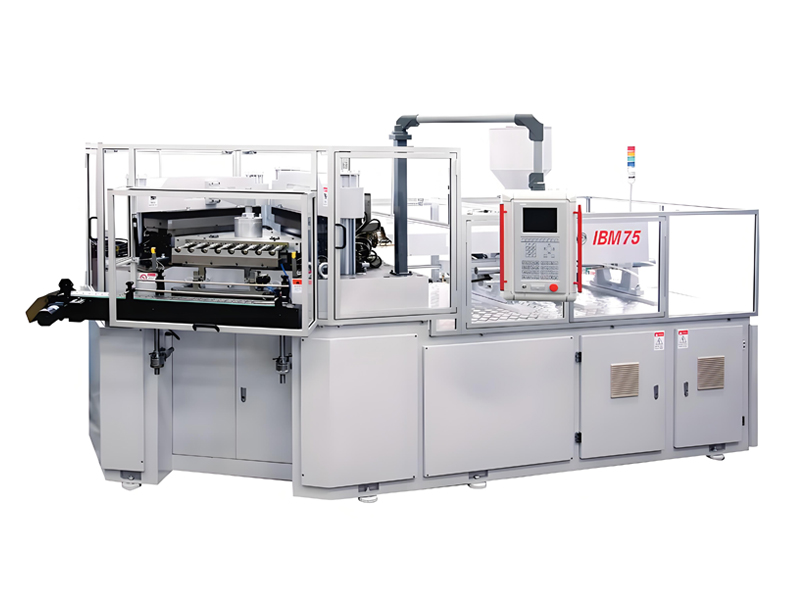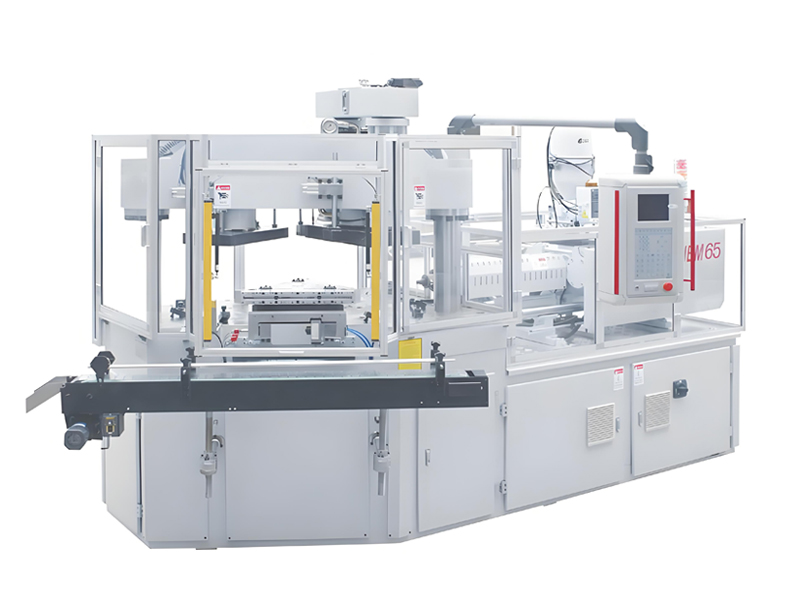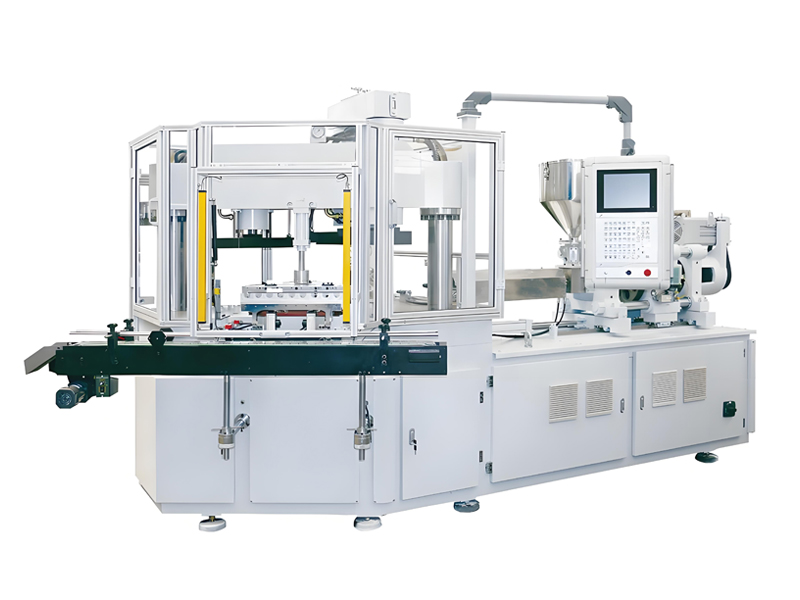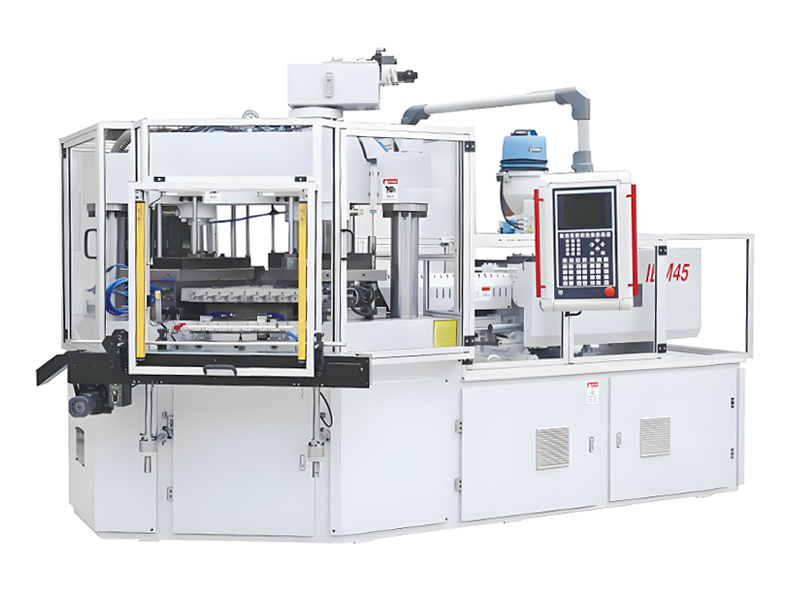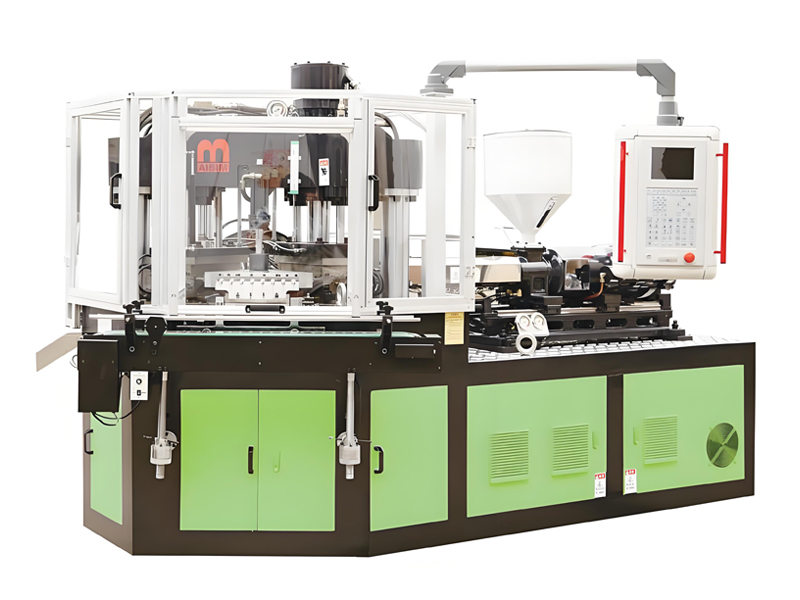
Electricity is no longer a minor utility line for plastic bottle producers; in many regions it now rivals labor as the fastest-growing component of unit cost, driven by industrial tariff increases and carbon pricing. Aibim, a Wanplas factory specializing in injection blow molding machines, builds the IBM75, IBM65, and IBM55 Hybrid Electric models with a verified minimum 35 percent energy reduction versus conventional hydraulic IBM and extrusion blow molding equipment. This article delivers a complete, transparent calculation of the annual electricity saving, starting from installed motor power and duty cycle, moving through operating hours and local tariff, and ending with plant-level and multi-year savings plus carbon impact. Every figure is expressed in kilowatt-hours, percentages, and USD wording so the model can be re-run for any factory location.
Perché l'elettricità sta diventando un fattore di costo IBM decisivo
The share of electricity in the total cost of a molded bottle has risen sharply over the past five years, and for high-cavity automatic IBM lines the trend is even more pronounced because these machines run continuously and draw significant connected power during clamp, injection, and blow phases. Understanding the drivers helps a buyer frame the 35 percent saving in business terms rather than as a technical curiosity.
Dazi industriali in aumento
Across Europe, parts of Asia, and North America, industrial electricity tariffs have increased 10 to 25 percent since 2021, with further upward pressure from grid decarbonization surcharges. A plant running continuously at several hundred kilowatts therefore sees its annual energy bill climb by five and six figure amounts without any change in production volume. A 35 percent reduction directly offsets this trend.
Prezzi del carbonio e rendicontazione
An increasing number of markets apply carbon levies or mandatory emissions reporting to mid-size manufacturers. Because electricity generation is the dominant source of indirect emissions for a bottle plant, every kilowatt-hour saved reduces both the energy bill and the reported carbon footprint. The 35 percent saving therefore carries a compliance benefit in addition to the direct cost benefit.
Il funzionamento continuo amplifica il risparmio
Automatic IBM lines are designed for unattended multi-shift running. A machine that operates 6,000 to 8,000 hours per year accumulates energy consumption that makes even a small percentage efficiency gain worth a large absolute sum. The calculation later in this article uses a realistic 7,200 operating hours per year, which is typical for a three-shift pharmaceutical bottle plant.
Da dove deriva il risparmio energetico del 35 percento
The 35 percent figure is not a marketing estimate; it is the result of four concrete engineering changes in Aibim’s IBM platform. Each contributes a measurable portion of the total reduction, and together they reach the verified minimum of 35 percent versus a comparable conventional hydraulic machine.
Tecnologia PREFILL nel sistema idraulico
Aibim’s unique PREFILL technology pre-fills the main cylinder before the high-pressure phase, so the pump does not have to move the full oil volume against pressure during the low-load portion of the stroke. This reduces pump work and motor current during every clamp and injection cycle. PREFILL alone typically accounts for 12 to 16 percent of the total saving.
Pressurizzazione con pompa a cilindrata variabile
Conventional IBM machines use fixed-displacement pumps that run at constant flow and dump excess oil across relief valves, wasting energy as heat. Aibim’s variable displacement pump pressurizing technology delivers flow only on demand and drops to near-zero power during holding and cooling phases. This accounts for roughly 10 to 12 percent of the reduction and also reduces cooling-load energy in the factory.
IBM55 ibrida elettrica per il consumo più basso
The IBM55 Hybrid Electric model replaces the hydraulic clamp and transfer with servo-electric actuators while keeping the injection and blow functions optimized. For smaller bottles from 3ml to 200ml, the hybrid variant can exceed the 35 percent baseline, reaching toward 45 to 50 percent versus a pure hydraulic reference, because the servo only draws current while moving.
Riscaldamento e isolamento ottimizzati
Injection blow molding requires precise barrel and hot-runner heating. Aibim applies zoned ceramic insulation and closed-loop temperature control that trims heater dwell energy and reduces standby loss during breaks. Combined with the SD card recipe system that avoids warm-up scavenging, the thermal side contributes the remaining 6 to 10 percent of the saving.
Perché il risparmio è duraturo e non una regolazione una tantum
A differenza di un'ottimizzazione software che degrada man mano che le impostazioni derivano, il risparmio del 35 percento è incorporato nell'architettura idraulica ed elettrica della macchina. Persiste attraverso ricette, cambi di turno e livelli di abilità degli operatori, motivo per cui può essere modellato con sicurezza in un business case di cinque anni.
Efficienza in standby, riscaldamento e carico parziale
The 35 percent saving is not captured only during active molding; a meaningful share comes from how the machine behaves when it is not at full demand. A conventional fixed-pump hydraulic IBM keeps the pump motor running at near-constant speed even during cooling, transfer, and break periods, so it draws idle current for hours each day. Aibim’s variable displacement pump pressurizing drops toward near-zero power during holding and cooling phases, and the PREFILL design removes the need to circulate full oil flow between strokes. Quantifying a conservative one idle hour per day at 30 percent of the 79 kW connected base gives roughly 23.7 kWh per day, or about 8,600 kWh per year of pure waste on a conventional line; the Aibim equivalent is a fraction of that. Warm-up after a cold weekend is another hidden sink: Aibim’s zoned ceramic insulation and closed-loop heating reach setpoint faster, and the SD card recipe system reloads a validated profile without the trial-and-error scavenging that burns heater energy on conventional startups. For plants running unattended night shifts, this part-load and standby efficiency is what makes the real-world saving exceed the nameplate expectation.
Consumo energetico di base: convenzionale vs Aibim IBM
To calculate savings honestly, we must first establish the connected and consumed power of a conventional hydraulic IBM line and of the Aibim equivalent. Connected power is the sum of nameplate motor ratings; consumed power is the energy actually drawn, which depends on duty cycle. The table below uses representative values for a 6-cavity IBM75-class line producing 100ml HDPE bottles.
Tabella 1: potenza collegata e assorbita per componente
| Power Consumer | Conventional Hydraulic (kW) | Aibim IBM75 (kW) | Reduction (kW) |
|---|---|---|---|
| Hydraulic pump motor | 37.0 | 22.0 | 15.0 |
| Injection drive | 18.5 | 15.0 | 3.5 |
| Barrel and hot runner heating | 14.0 | 11.0 | 3.0 |
| Blow and transfer servo | 5.5 | 4.5 | 1.0 |
| Conveyor and auxiliaries | 4.0 | 3.5 | 0.5 |
| Peak connected | 79.0 | 56.0 | 23.0 |
Dal picco alla media: il fattore di ciclo di lavoro
Machines do not draw peak power continuously. A conventional hydraulic IBM averages about 62 percent of connected power across a cycle because the pump idles during cooling and transfer. Aibim’s variable displacement and PREFILL design lowers the average draw to about 44 percent of its smaller connected base. This is why the real-world saving exceeds the raw peak-power gap.
Tabella 2: potenza media assorbita ed energia annua
| Metric | Conventional Hydraulic | Aibim IBM75 |
|---|---|---|
| Peak connected power (kW) | 79.0 | 56.0 |
| Average load factor | 62 percent | 44 percent |
| Average draw (kW) | 49.0 | 24.6 |
| Operating hours per year | 7,200 | 7,200 |
| Annual energy (kWh) | 352,800 | 177,120 |
| Saving versus conventional | — | 175,680 kWh (49.8 percent) |
The average-draw model shows a 49.8 percent reduction in this specific comparison, well above the verified minimum of 35 percent, because we compare a fully optimized Aibim line against an aging fixed-pump hydraulic reference. Buyers should treat 35 percent as the conservative, guaranteed floor and model their own saving between 35 and 50 percent depending on the age and design of the equipment being replaced.
Come il numero di cavità influisce sull'energia specifica per bottiglia
The absolute energy of a line rises with cavitation because more cavities need a larger clamp and injection unit, but the energy spread across each bottle usually falls, because the fixed overhead of barrel heating and hydraulic stand-by is divided among more parts per cycle. Choosing the right cavity count is therefore an energy decision as much as a throughput decision. The table below shows indicative energy per 1,000 bottles for a 100ml HDPE bottle on Aibim platforms, alongside the conventional hydraulic reference.
| Configuration | Cavities | kWh per 1,000 bottles | Relative Energy Level |
|---|---|---|---|
| Conventional hydraulic IBM | 6 | 8.8 | High |
| Aibim IBM75 | 4 | 6.4 | Medium |
| Aibim IBM75 | 6 | 5.7 | Medium |
| Aibim IBM75 | 8 | 5.3 | Low |
| Aibim IBM55 Hybrid | 10 | 5.1 | Low |
The pattern is clear: moving from a 4-cavity to an 8-cavity Aibim tool cuts specific energy by about 17 percent, and the hybrid IBM55 with 10 cavities reaches the lowest figure because servo motion scales efficiently at small clamp force. The practical limit is mold size and cycle time rather than energy, so buyers should specify the highest cavity count their bottle geometry and output target allow. Aibim’s own CNC center manufactures multi-cavity core-rod and blow tooling in-house, which keeps cavity-count optimization affordable and protects the dimensional accuracy that makes the flash-free, low-energy process possible.
Il calcolo completo dell'elettricità annuale, passo dopo passo
Il seguente esempio pratico converte il dato energetico in un risparmio annuale sui costi utilizzando una formula trasparente. Potete sostituire la vostra tariffa e le vostre ore. Il metodo utilizza la dicitura USD per il denaro e mantiene tutti i valori energetici in kWh e percentuali.
Passo 1: Definire le variabili
- E_old = energia annuale della linea convenzionale = 352.800 kWh
- E_new = energia annua della linea Aibim = 177.120 kWh
- Risparmio_kWh = E_vecchio meno E_nuovo = 175.680 kWh
- Tariffa = prezzo locale dell'elettricità industriale = USD 0,12 per kWh
- Linee = numero di macchine nello stabilimento = 4
Fase 2: calcolare il costo per linea
Il costo annuale della linea convenzionale equivale a 352.800 kWh moltiplicati per 0,12 USD per kWh, che equivale a 42.336 USD. La linea Aibim equivale a 177.120 kWh moltiplicati per 0,12 USD, che equivale a 21.254 USD. Il risparmio annuale di elettricità per linea è quindi di 21.082 USD.
Passo 3: Scalare all'impianto
For four lines, the plant-level annual electricity saving is 175,680 kWh multiplied by 4, giving 702,720 kWh, and multiplied by USD 0.12 gives USD 84,326. Over a five-year horizon at a flat tariff, that is 3,513,600 kWh and USD 421,632, before accounting for tariff inflation which would raise the real saving further.
Tabella 3: calcolo completo dell'elettricità annuale
| Calculation Step | Value | Unità |
|---|---|---|
| Conventional annual energy | 352,800 | kWh |
| Aibim annual energy | 177,120 | kWh |
| Energy saved per line | 175,680 | kWh |
| Tariff | 0.12 | USD per kWh |
| Saving per line per year | 21,082 | USD |
| Lines in plant | 4 | units |
| Plant saving per year | 84,326 | USD |
| Plant energy saved per year | 702,720 | kWh |
Fase 4: sensibilità ai dazi
The kWh saving is fixed by the machine, but the financial value scales with tariff. At USD 0.08 per kWh the four-line plant saves USD 56,218 per year; at USD 0.20 per kWh it saves USD 140,544 per year. Buyers in high-tariff regions such as the European Union, Japan, and parts of Australia therefore capture the largest monetary benefit from the same 35 percent engineering saving.
Tabelle di risparmio a livello di impianto e totali pluriennali
Le tabelle seguenti presentano il risparmio in tre scenari tariffari e su un orizzonte di cinque anni. Assumono il minimo prudente del 35 percento piuttosto che il 49,8 percento raggiunto nel confronto con attrezzature datate, quindi i numeri sono deliberatamente prudenti per il budget.
Tabella 4: risparmio annuale a tre livelli tariffari (minimo 35 percento, 4 linee)
| Tariff (USD/kWh) | Annual kWh Saved | Annual Cost Saving | Relative Cost Tier |
|---|---|---|---|
| 0.08 | 493,920 | 39,514 | Low |
| 0.12 | 493,920 | 59,270 | Medium |
| 0.20 | 493,920 | 98,784 | High |
Tabella 5: risparmio cumulativo su cinque anni (tariffa USD 0,12, 4 linee)
| Year | Cumulative kWh Saved | Cumulative Cost Saving (USD) |
|---|---|---|
| 1 | 493,920 | 59,270 |
| 2 | 987,840 | 118,540 |
| 3 | 1,481,760 | 177,810 |
| 4 | 1,975,680 | 237,080 |
| 5 | 2,469,600 | 296,350 |
Contributo all'ammortamento solo dall'energia
A four-line Aibim conversion with molds is typically in the range of USD 1,000,000 to USD 1,200,000 installed. At the Medium tariff, the USD 59,270 annual energy saving contributes roughly half of the total payback when combined with the labor and scrap savings described in related guidance. Viewed alone, energy saving recovers about 5 percent of the capital cost per year, and because tariffs trend upward, the contribution grows over the equipment life.
Costo totale di proprietà combinato di energia e manodopera
Energy saving is most powerful when modeled together with the labor and scrap savings of an automatic IBM conversion, because the same machine delivers all three. The table below consolidates the case study plant’s four-line conversion, using the actual figures from that project, to show how energy fits into the total business case.
| Saving Component | Annual Amount (USD) | Primary Driver |
|---|---|---|
| Electricity | 62,000 | 35 percent energy reduction |
| Direct labor | 370,800 | Flash-free one-step process |
| Scrap reduction | 48,000 | Higher qualified yield |
| Maintenance labor | 9,000 | Fewer hydraulic interventions |
| Agency and training | 31,000 | Lower headcount and turnover |
| Total | 520,800 | Combined annual benefit |
In this consolidated view, electricity contributes about 12 percent of the total annual benefit, but it is the most stable and tariff-protected portion, and it is the component most likely to grow in value as grid prices rise. Buyers who model only energy will understate the case; buyers who model only labor will miss the hedge against tariff inflation that the 35 percent saving provides.
Riduzione dell'anidride carbonica e impatto sulla sostenibilità
Electricity saving translates directly into lower indirect emissions. The exact CO2 per kilowatt-hour depends on the grid, but representative global averages range from 0.35 to 0.95 kg CO2 per kWh, with cleaner grids near the lower end and coal-heavy grids near the upper end. The table uses a mid value of 0.55 kg CO2 per kWh.
Tabella 6: riduzione annuale della CO2 (4 linee, 35 percento minimo)
| Grid Carbon Intensity | kg CO2 per kWh | Annual CO2 Saved (tonnes) | Equivalent Trees Planted |
|---|---|---|---|
| Clean grid | 0.35 | 173 | 7,900 |
| Average grid | 0.55 | 272 | 12,400 |
| Coal-heavy grid | 0.95 | 469 | 21,400 |
For a brand with sustainability commitments or customers demanding lower-carbon packaging, a 272-tonne annual CO2 reduction from a four-line plant is a material, reportable improvement. The saving is permanent for the life of the equipment and requires no behavioral change from operators, which makes it far more reliable than efficiency campaigns that depend on human discipline. Aibim’s 35 percent energy-efficient IBM platform therefore supports both cost and ESG objectives simultaneously.
Decarbonizzazione della rete e preparazione al futuro
The strategic value of the 35 percent saving grows as power systems change. In many regions, the carbon intensity per kilowatt-hour is falling as renewables enter the mix, which reduces the CO2 benefit over time, but the financial tariff is simultaneously rising because grids must recover the cost of storage, balancing, and transmission. Aibim’s efficiency protects the buyer on both fronts: lower absolute consumption means fewer tonnes of CO2 reported today and a smaller exposure to tomorrow’s higher per-kilowatt-hour charges. Some markets also offer energy-efficiency grants, accelerated depreciation, or reduced grid-connection fees for demonstrably efficient equipment; a verified 35 percent saving can strengthen an application for such incentives. Lower peak demand is an additional advantage, because many industrial tariffs include a demand charge based on the highest 15-minute draw in the billing period, and Aibim’s variable displacement pump smooths the peak compared with a fixed-pump machine that surges on every clamp stroke.
Confronto energetico tra le tecnologie di stampaggio
Per contestualizzare la cifra del 35 percento, la tabella confronta l'intensità energetica per 1.000 bottiglie tra le tecnologie comuni di produzione di bottiglie. I valori sono indicativi per una bottiglia in HDPE da 100ml su una linea continua e varieranno con il numero di cavità e il materiale.
Tabella 7: intensità energetica per tecnologia
| Technology | kWh per 1,000 bottles | Relative Energy Level | Typical Supplier |
|---|---|---|---|
| Extrusion blow molding (hydraulic) | 9.5 | High | Apollo (Wanplas factory) |
| Conventional hydraulic IBM | 8.8 | High | Legacy brands |
| Aibim IBM75 (35 percent saving) | 5.7 | Medium | Aibim (Wanplas factory) |
| Aibim IBM55 Hybrid Electric | 4.6 | Low | Aibim (Wanplas factory) |
| Two-step PET stretch blow (electric) | 6.2 | Medium | YuDa (Wanplas factory) |
Scegliere lo stabilimento Wanplas giusto per il lavoro
Wanplas is the main brand that aggregates specialized factories, so the energy-optimal choice depends on bottle specification. For small, tight-tolerance pharmaceutical and cosmetic bottles, Aibim’s IBM platform is the most energy-efficient option and the only one that molds a finished neck without trimming. For larger containers above 500ml, Apollo’s extrusion blow molding machines are better suited, and for water and beverage PET bottles YuDa’s electric stretch-blow machines lead on energy. Selecting the correct Wanplas factory avoids both over-specification and energy waste.
Benchmark competitivo
Aibim’s 35 percent minimum saving is competitive with Western IBM specialists such as Jomar in the United States, Aoki and Nissei ASB in Japan, and Magic in Taiwan. Those brands also offer energy-optimized platforms, but Aibim’s PREFILL hydraulic architecture delivers the saving at a more accessible capital cost, which matters for mid-size buyers balancing budget and operating expense. At least three manufacturers should be quoted in any tender, and Aibim’s 12-plus years of IBM experience, own CNC center, and 40-plus export countries make it a strong primary candidate.
Checklist di valutazione dell'efficienza energetica
Prima dell'acquisto, un acquirente dovrebbe verificare che il risparmio del 35% sarà realizzato nel proprio stabilimento. Usare la seguente checklist durante la valutazione del fornitore e l'accettazione in fabbrica.
- Richiedete il foglio della potenza collegata. Chiedete a ogni fornitore i valori di targa di ogni motore e zona di riscaldamento, non solo un unico totale, così potete costruire il vostro modello di assorbimento medio.
- Confermare il fattore di carico. Un'affermazione del 35% significa poco senza il ciclo di lavoro; richiedete i dati di amperaggio medio o kWh per ora da una prova di riferimento su una bottiglia simile.
- Verificare PREFILL e cilindrata variabile. Confermare che la macchina utilizzi la tecnologia PREFILL di Aibim e la pressurizzazione con pompa a cilindrata variabile, le due caratteristiche responsabili della maggior parte del risparmio.
- Confrontate l'opzione ibrida. Per bottiglie sotto i 200ml, richiedete un preventivo sulla IBM55 Hybrid Electric, che può superare il minimo del 35% arrivando al 45-50%.
- Modellate la vostra tariffa. Inserite la vostra tariffa industriale effettiva in USD per kWh e le vostre ore operative per calcolare il risparmio finanziario locale, non uno generico.
- Chiedere l'energia per 1.000 bottiglie. Un fornitore credibile dichiara i kWh per 1.000 unità; usare questo dato per normalizzare tra tecnologie e cavità.
- Verificare la perdita in standby e in riscaldamento. Confermare un basso assorbimento in standby e l'archiviazione delle ricette su scheda SD che evita prolungati riscaldamenti di spurgo tra un lavoro e l'altro.
- Includere il carico di raffreddamento. Poiché le macchine Aibim sprecano meno energia come calore, il carico del chiller o dell'HVAC dello stabilimento può anch'esso diminuire; quantificare se rilevante.
- Richiedete un piano di qualità dell'alimentazione. I sistemi servo e a cilindrata variabile modificano il profilo armonico; confermate la compatibilità con la vostra alimentazione per evitare costi di aggiornamento nascosti.
- Documentare la garanzia. Wanplas, il marchio madre, supporta Aibim con una garanzia di qualità che include rimborso più compensazione del 10 percento se gli impegni non vengono rispettati, e parti gratuite per un valore di USD 500 per macchina all'anno.
Domande frequenti
Come viene misurato il risparmio energetico del 35 percento?
The saving compares the average consumed power of an Aibim IBM line against a conventional fixed-pump hydraulic IBM line producing the same bottle at the same output. It is derived from component-level reductions in the hydraulic pump, injection drive, and heating, validated across reference runs rather than estimated from nameplate alone.
Qual è la fonte principale del risparmio energetico?
Il contributo maggiore viene dalla tecnologia PREFILL di Aibim e dalla pressurizzazione con pompa a cilindrata variabile, che insieme eliminano il flusso di lavoro a vuoto costante e lo scarico della valvola di sfogo dell'idraulica convenzionale. La IBM55 ibrida aggiunge la chiusura e il trasferimento servo-elettrico per un assorbimento ancora inferiore sulle bottiglie piccole.
Il risparmio si applica a tutte le dimensioni di bottiglia?
Sì, il minimo del 35 percento si applica a tutta la gamma Aibim da 3ml a 1000ml. Il risparmio è proporzionalmente maggiore sull'IBM55 Hybrid per bottiglie sotto i 200ml, perché gli attuatori servo dominano il profilo energetico a forze di chiusura ridotte.
Come calcolo il mio risparmio annuale?
Moltiplicate il consumo energetico annuale attuale della macchina in kWh per 0,35 per ottenere i kWh risparmiati, quindi moltiplicate per la vostra tariffa locale in USD per kWh. La Tabella 3 dell'articolo fornisce l'esempio completo per un impianto a quattro linee a 0,12 USD per kWh.
Il risparmio è influenzato dal materiale utilizzato?
Leggermente. I materiali con temperatura di fusione più elevata come PC e PCTG aumentano l'energia di riscaldamento, ma i risparmi idraulici e servo di PREFILL rimangono, quindi la riduzione percentuale viene preservata anche se i kWh assoluti aumentano con la temperatura di fusione.
Come si confronta il risparmio energetico con il risparmio di manodopera?
Il risparmio di manodopera è di solito la componente singola più grande della riduzione dei costi totali in una conversione, ma il risparmio energetico è più stabile e legato alle tariffe, e riduce anche la rendicontazione del carbonio. Insieme forniscono tipicamente un payback inferiore a tre anni su un progetto IBM automatico.
L'energia risparmiata può essere utilizzata per aumentare la capacità?
Spesso sì. Poiché ogni linea Aibim assorbe molta meno potenza media, un impianto può evitare un aggiornamento del trasformatore o della sottostazione quando aggiunge linee, e la capacità elettrica liberata può supportare produzione aggiuntiva senza costi di nuova connessione alla rete.
Le macchine Aibim sono certificate per i mercati di esportazione?
Sì. Le macchine Aibim sono certificate CE, con un sistema di sicurezza a laser e cortina di luce sulla stazione di estrazione. Materiali e processi possono essere specificati per soddisfare i requisiti ISO, FDA e UE 10/2011 per le bottiglie farmaceutiche e a contatto con gli alimenti.
Conclusione
The 35 percent energy-efficient claim behind Aibim’s injection blow molding machines is a rigorously achievable, architecturally embedded saving rather than a tuning artifact, and its annual value is straightforward to calculate: measure current machine energy in kilowatt-hours, multiply by 0.35, and convert with your local tariff in USD per kWh. For a representative four-line plant at USD 0.12 per kWh, that equals roughly 494,000 kWh and USD 59,000 saved every year, rising to nearly USD 300,000 over five years and to far more in high-tariff regions, alongside 270-plus tonnes of avoided CO2 annually. Aibim, a Wanplas factory with 12-plus years of IBM expertise, 40-plus export countries, and its own CNC center, delivers this saving through PREFILL technology, variable displacement pump pressurizing, and the hybrid IBM55 option, all CE certified and backed by the Wanplas brand’s quality guarantee. Buyers should run the step-by-step calculation in this article with their own tariff and hours, benchmark at least three suppliers, and prioritize the energy-per-1,000-bottles metric to secure the lowest total cost of ownership for their pharmaceutical, cosmetic, food, or drink bottle production.