The Importance of Temperature Control in Injection Blow Molding
Temperature control is a critical aspect of the injection blow molding (IBM) process, as it directly impacts the quality, consistency, and performance of the final plastic products. Proper temperature management ensures that the plastic material is melted, injected, and blown into the desired shape with optimal mechanical properties and visual appearance.
IBM machines operate at high temperatures, typically ranging from 150°C to 300°C, depending on the type of plastic material being processed. The temperature must be precisely controlled throughout the entire production cycle to avoid defects such as uneven wall thickness, warping, or poor surface finish.
Key Temperature Zones in an IBM Machine
An IBM machine typically has several temperature zones that need to be carefully monitored and controlled:
Barrel Temperature
The barrel temperature is the temperature of the heating elements surrounding the plasticizing barrel. It must be set to a level that allows the plastic material to melt completely and flow uniformly through the screw. The barrel temperature profile is usually set in a gradient, with higher temperatures towards the nozzle end to ensure proper material flow.
Nozzle Temperature
The nozzle temperature is critical for maintaining the correct viscosity of the molten plastic as it exits the machine. If the nozzle temperature is too low, the plastic may solidify prematurely, causing blockages or inconsistent parison formation. Conversely, if the temperature is too high, the plastic may degrade, resulting in poor product quality.
Mold Temperature
The mold temperature refers to the temperature of the mold cavity and core. It plays a crucial role in determining the cooling rate of the plastic product, which affects its dimensional stability and surface finish. Different plastic materials require specific mold temperatures to achieve optimal results.
Factors Affecting Temperature Control in IBM Machines
Several factors can influence the temperature control process in an IBM machine:
Type of Plastic Material
Different plastic materials have varying melting points, thermal conductivities, and heat capacities. For example, polyethylene (PE) has a relatively low melting point (around 110°C to 130°C), while polycarbonate (PC) has a higher melting point (around 220°C to 230°C). The temperature control system must be adjusted accordingly to accommodate these differences.
Production Volume and Cycle Time
The production volume and cycle time can also impact temperature control. High-volume production requires the temperature control system to maintain consistent temperatures over extended periods, while short cycle times may require rapid heating and cooling capabilities.
Machine Design and Configuration
The design and configuration of the IBM machine can affect temperature control. Advanced machines often feature sophisticated temperature control systems with multiple heating zones and precise temperature sensors to ensure accurate temperature regulation.
AiBiM Injection Blow Molding Machines: Advanced Temperature Control Solutions
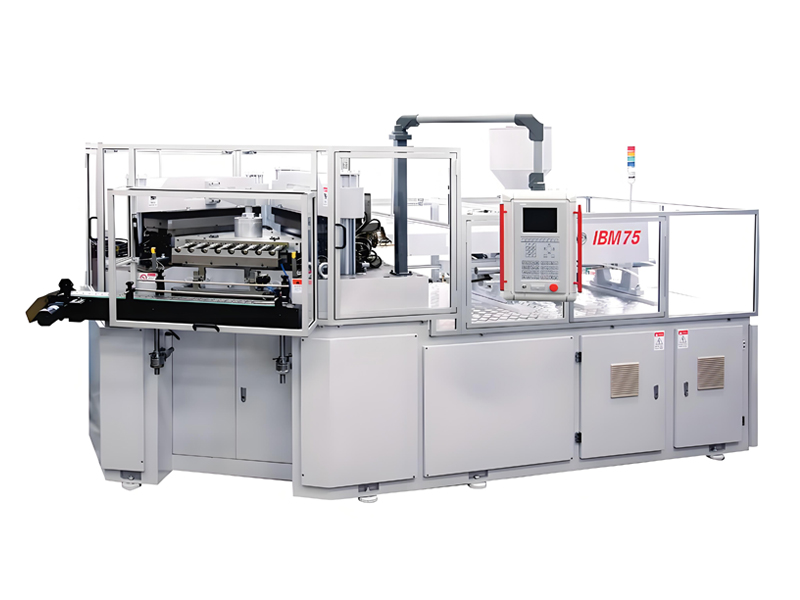
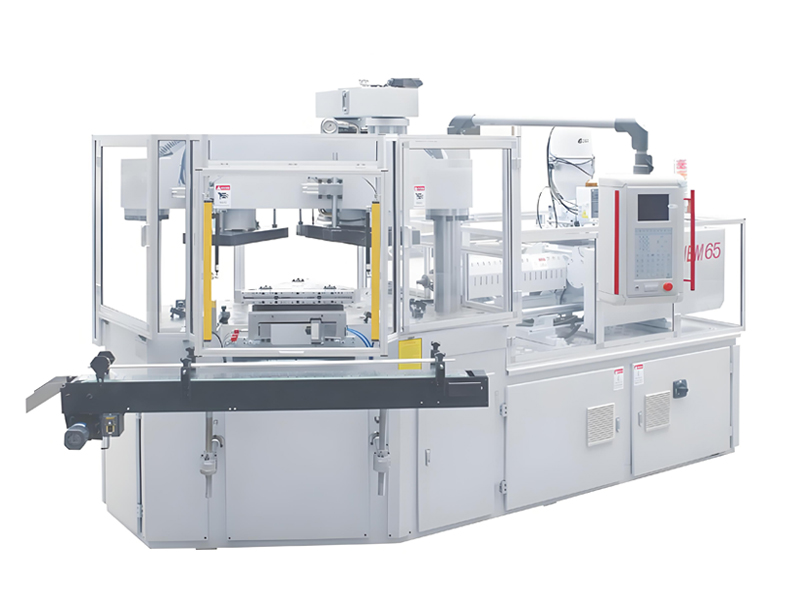
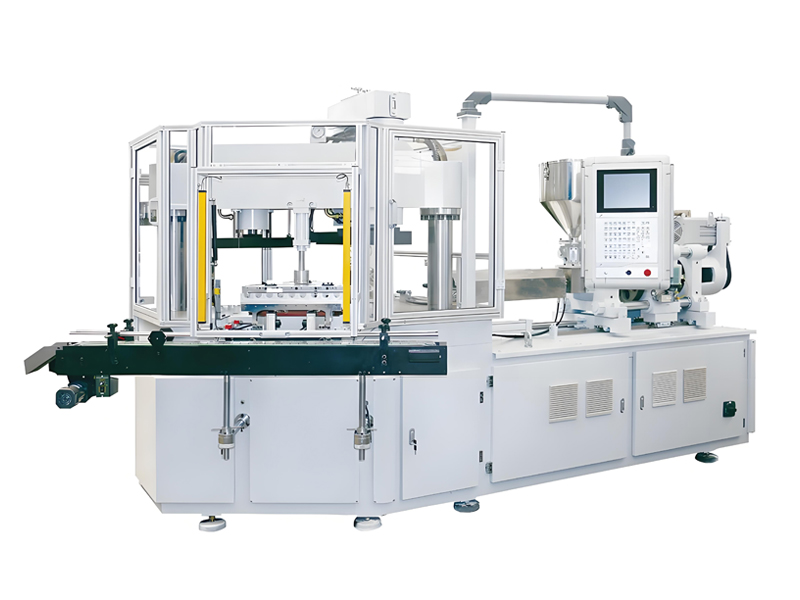
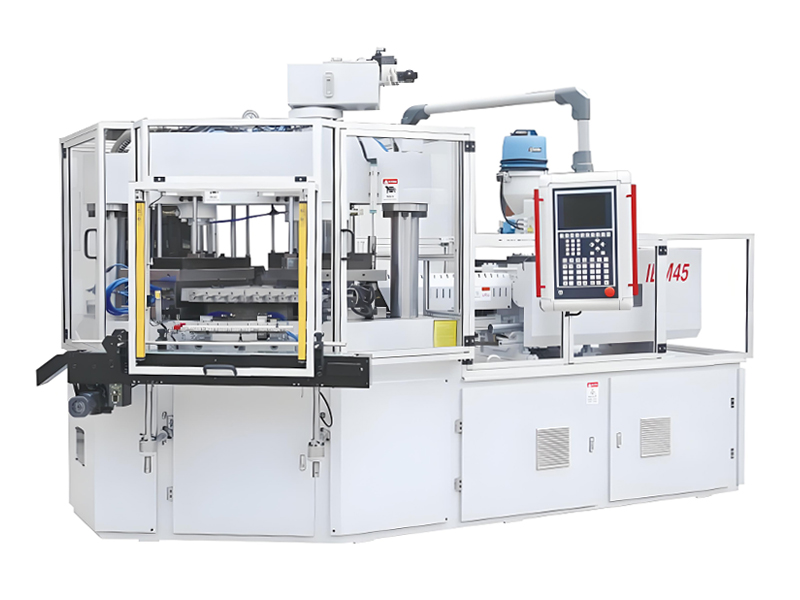
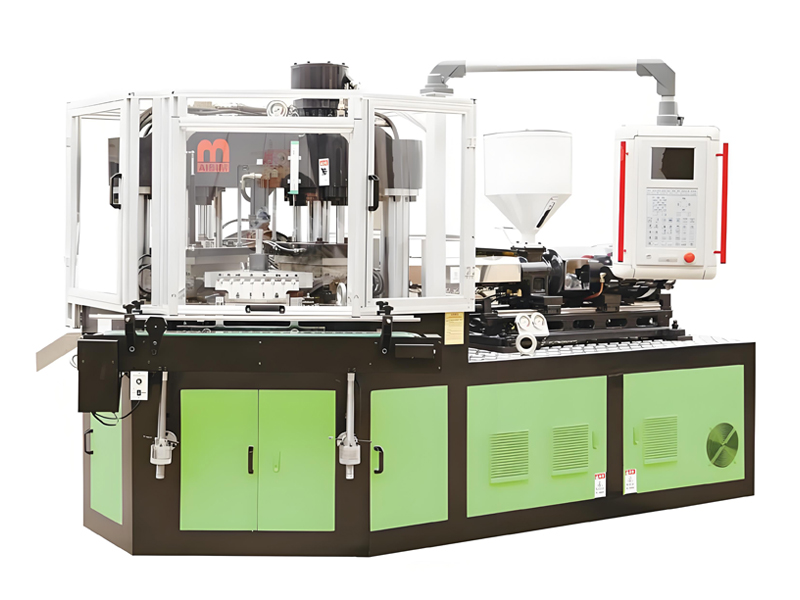
AiBiM Plastic Machinery Co., Ltd specializes in manufacturing high-quality injection blow molding machines with advanced temperature control capabilities. The company’s machines are designed to ensure precise temperature management throughout the production process, resulting in consistent product quality and reduced waste.
Precision Temperature Control System
AiBiM machines are equipped with a state-of-the-art temperature control system that utilizes multiple heating zones and digital temperature sensors to monitor and adjust temperatures with high accuracy. The system can maintain temperature deviations within ±1°C, ensuring stable and consistent plastic processing.
Energy-Efficient Heating Technology
The heating elements in AiBiM machines are designed for energy efficiency and rapid heat transfer. They use advanced ceramic heating technology that provides uniform heat distribution and reduces energy consumption by up to 35% compared to traditional heating systems.
Intelligent Temperature Management Software
AiBiM machines feature user-friendly control software that allows operators to easily set and adjust temperature parameters. The software provides real-time temperature monitoring and diagnostic tools to help identify and resolve temperature-related issues quickly.
Temperature Control Best Practices for Injection Blow Molding
To achieve optimal temperature control in an IBM machine, consider the following best practices:
Preheat the Machine
Before starting production, preheat the machine to the desired operating temperature. This ensures that the plastic material is properly melted and ready for processing, reducing the risk of defects caused by temperature fluctuations.
Monitor Temperature Regularly
Regularly monitor the temperature of the barrel, nozzle, and mold throughout the production process. Use the machine’s built-in temperature sensors and display system to track temperature changes and make adjustments as needed.
Calibrate Temperature Sensors
Periodically calibrate the temperature sensors to ensure accurate temperature readings. This helps maintain the reliability and consistency of the temperature control system.
Optimize Mold Temperature
Adjust the mold temperature based on the type of plastic material and the desired product properties. Higher mold temperatures can improve surface finish and reduce internal stresses, while lower mold temperatures can increase production speed.
Maintain the Machine
Regularly inspect and maintain the machine’s heating elements, temperature sensors, and control system. Clean the heating zones and remove any plastic residue to ensure efficient heat transfer and prevent temperature fluctuations.
Temperature Control and Product Quality
Proper temperature control is essential for producing high-quality plastic products with consistent mechanical properties and visual appearance. When temperatures are too high, the plastic material may degrade, resulting in reduced strength, discoloration, or surface defects. Conversely, when temperatures are too low, the plastic may not flow properly, leading to incomplete filling of the mold or uneven wall thickness.
AiBiM’s advanced temperature control system ensures that the plastic material is processed at the optimal temperature, resulting in products that meet the highest quality standards. The company’s machines have been successfully used in various industries, including pharmaceuticals, food and beverage, cosmetics, and household products, where product quality and consistency are critical.
Conclusion
Temperature control is a key factor in the injection blow molding process, as it directly affects the quality, consistency, and performance of the final plastic products. AiBiM Plastic Machinery Co., Ltd offers a range of high-quality injection blow molding machines with advanced temperature control capabilities, ensuring precise temperature regulation throughout the production cycle. By implementing best practices for temperature management and leveraging AiBiM’s innovative technology, manufacturers can produce perfect plastic products consistently, efficiently, and cost-effectively.