Understanding Small Capacity Lightweight Plastic Pails Production
Small capacity lightweight plastic pails represent a growing segment in the plastic packaging industry, serving applications ranging from food packaging to chemical containers and household products. These containers typically range from 100ml to 500ml in capacity and emphasize weight reduction while maintaining structural integrity and functional performance. Injection blow molding technology offers unique advantages for producing these small containers with precise dimensional control and excellent surface finish.
The demand for lightweight plastic pails has increased significantly as manufacturers seek to reduce material costs, improve environmental sustainability, and enhance consumer convenience. Weight reduction of 15-25% compared to traditional designs translates directly into material cost savings and reduced environmental impact. Injection blow molding machines from AiBiM are specifically engineered to produce these lightweight containers while maintaining the strength and durability required for various applications.
Small capacity plastic pails require precise molding capabilities to achieve consistent wall thickness distribution, accurate neck finishes, and dimensional stability. Injection blow molding technology excels in these areas, offering superior control compared to extrusion blow molding methods. The injection phase ensures precise formation of the container neck and base, while the blow molding phase achieves the desired shape with excellent surface quality and dimensional accuracy.
AiBiM Machine Series for Small Capacity Pails
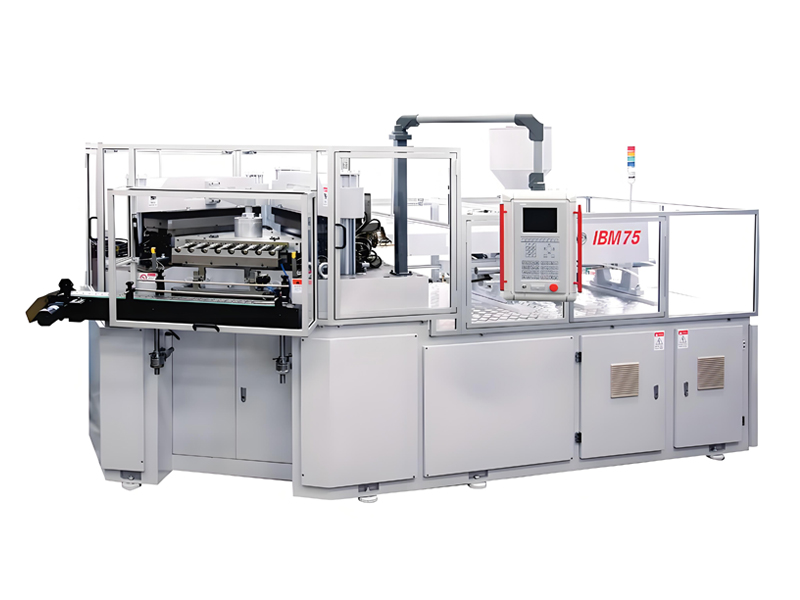
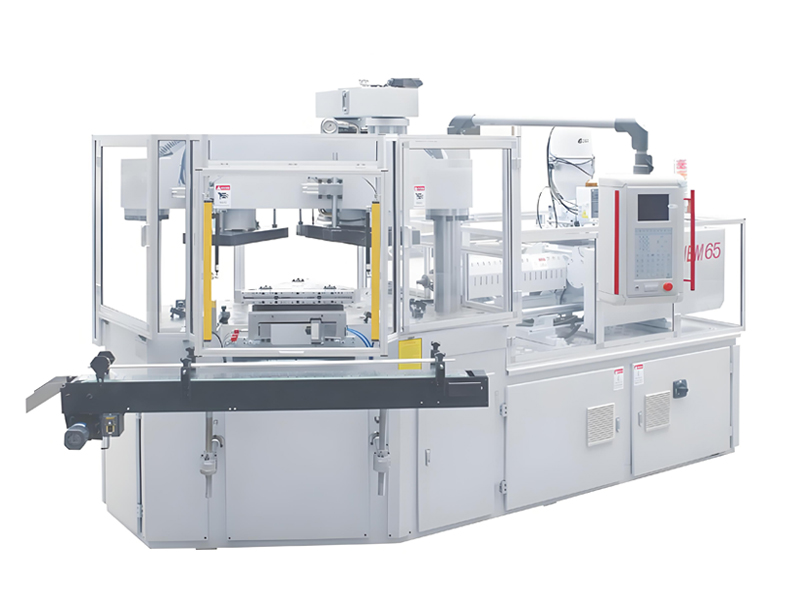
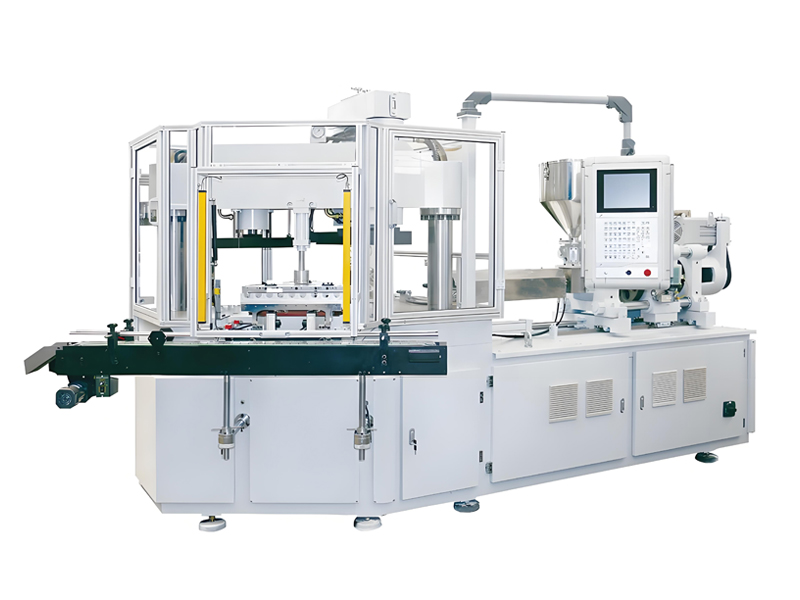
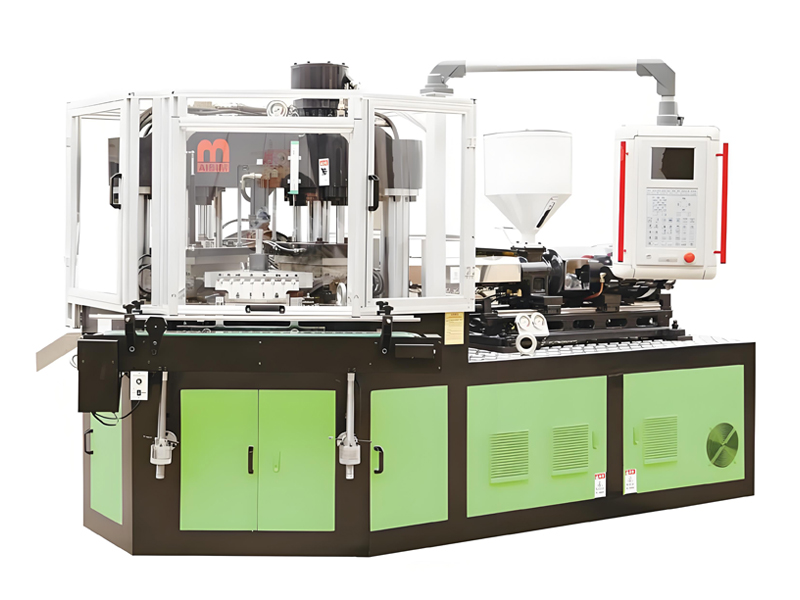
AiBiM offers specialized injection blow molding machines optimized for small capacity lightweight plastic pails production. The IBM35 model serves as the primary solution for this application, featuring a 40mm screw diameter with maximum injection capacity of 176 grams, ideal for containers in the 100ml-500ml range. This machine delivers exceptional value for manufacturers targeting the small container market segment.
The IBM35 model incorporates advanced servo motor technology that provides precise control of injection speed, pressure, and position while reducing energy consumption by 30-35% compared to traditional hydraulic machines. The compact design requires minimal floor space while delivering production capabilities of 500-800 containers per hour, making it ideal for small to medium-scale production operations.
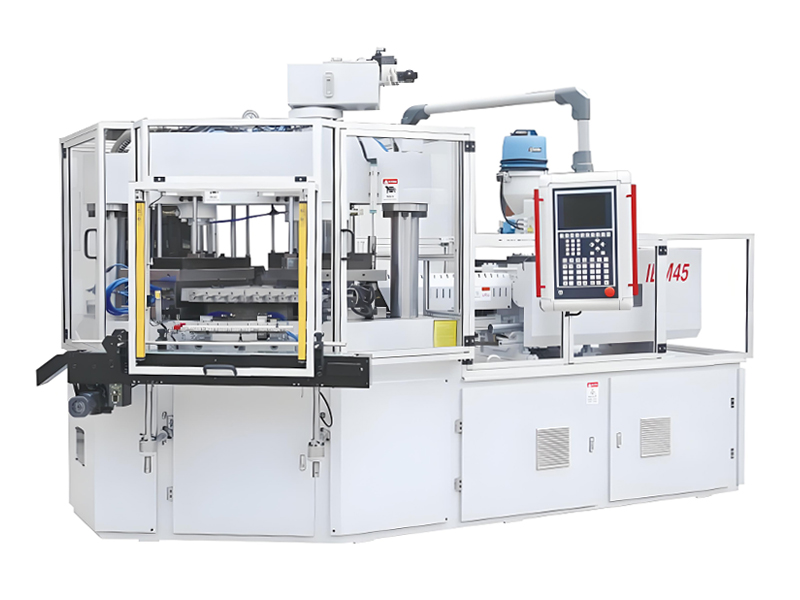
For manufacturers requiring slightly larger production capacities, the IBM45 model offers enhanced capabilities with a 45mm screw diameter and 260 gram injection capacity. This model can handle container sizes up to 750ml while maintaining the precision and efficiency required for lightweight pails production. The IBM45 provides flexibility for manufacturers serving multiple product size ranges.
Technical Specifications for Small Capacity Production
Production of small capacity lightweight plastic pails requires injection blow molding machines with specific technical capabilities optimized for efficient operation at small container sizes. AiBiM machines are engineered with clamping forces ranging from 350kN to 450kN for injection molding and 40kN to 78kN for blow molding, providing appropriate force for small containers while ensuring consistent quality.
The heating systems on AiBiM machines designed for small pails include 3 electrically controlled heating zones with barrel heating capacity of 7.2kW to 10kW, ensuring optimal material processing temperatures for HDPE and other common pail materials. Mold heating systems range from 2.8kW to 4.0kW, providing precise temperature control during the blow molding phase to achieve optimal wall thickness distribution and surface finish quality.
Production capacity for small capacity pails varies based on machine size and container specifications. The IBM35 model can typically produce 600-800 pails per hour in the 100ml-300ml range, while the IBM45 model achieves 500-700 pails per hour for 300ml-500ml containers. These production rates make AiBiM machines suitable for both small-scale specialty production and medium-volume commercial applications.
Material Selection for Lightweight Pails
Material selection plays a critical role in achieving lightweight objectives while maintaining container performance for plastic pails. High-Density Polyethylene (HDPE) represents the most commonly used material due to its excellent combination of strength, chemical resistance, and processability. HDPE grades specifically formulated for injection blow molding enable wall thickness reduction while maintaining container integrity.
Lightweight design strategies typically utilize HDPE grades with melt flow indexes optimized for injection blow molding processes. These materials provide the necessary flow characteristics for complete mold filling while maintaining the mechanical properties required for pail functionality. Advanced HDPE formulations incorporate reinforcement technologies that enable 15-20% weight reduction while maintaining or improving impact resistance and top load strength.
Material cost considerations for small capacity pails are particularly important due to the high production volumes typical in this market segment. HDPE material costs typically range from $1.20 to $1.80 per kilogram depending on grade and quality. With precise material usage control through injection blow molding, manufacturers can achieve material costs of $0.04 to $0.08 per container for 100ml-300ml pails, contributing significantly to overall cost-effectiveness.
Material Density Reduction Strategies
Advanced engineering approaches enable significant material density reduction while maintaining container performance. Injection blow molding technology allows precise control of wall thickness distribution, enabling designers to concentrate material in high-stress areas while minimizing material in lower-stress regions. This strategic material placement typically reduces material usage by 10-15% compared to uniform wall thickness designs.
Computer-aided engineering tools help optimize wall thickness distribution for small capacity pails, identifying areas where material reduction is possible without compromising container integrity. These analyses consider factors including stacking strength, drop resistance, and functional performance requirements to ensure optimized designs that meet application needs while minimizing material consumption.
Weight reduction achievements of 20-30% are attainable through combination of material selection, design optimization, and precise injection blow molding control. These reductions translate directly into cost savings and environmental benefits while maintaining or improving container functionality and consumer acceptance.
Production Efficiency and Cycle Time Optimization
Production efficiency represents a critical factor in small capacity pails manufacturing due to the high production volumes typically required. Injection blow molding machines from AiBiM incorporate advanced features that optimize cycle times while maintaining product quality, enabling manufacturers to maximize production output and minimize per-unit costs.
Cycle times for small capacity pails typically range from 8-12 seconds for 100ml-200ml containers and 10-15 seconds for 250ml-500ml containers. These cycle times enable production rates of 500-800 containers per hour per machine, significantly higher than extrusion blow molding alternatives for similar container sizes. The efficiency advantage stems from the integrated injection and blow molding process that eliminates intermediate steps required in alternative production methods.
Servo motor systems on AiBiM machines contribute significantly to cycle time optimization through precise control of injection and blow molding phases. The ability to rapidly accelerate and decelerate injection and blow operations reduces cycle times by 25-30% compared to traditional hydraulic systems. This efficiency improvement directly increases production output while maintaining product quality consistency.
Cost Analysis and Investment Considerations
Investment in injection blow molding machinery for small capacity lightweight pails requires comprehensive cost analysis considering equipment costs, operational expenses, and return on investment. AiBiM injection blow molding machines suitable for small pails production range from $25,000 to $38,000 depending on model size and configuration.
The IBM35 model, ideal for small capacity pails production, typically costs approximately $25,000-$30,000, representing an attractive investment point for manufacturers entering the small container market or expanding production capabilities. The IBM45 model, offering larger capacity capabilities, typically ranges from $32,000 to $38,000, providing flexibility for manufacturers serving multiple product size ranges.
Operational costs include energy consumption, maintenance, labor, and material expenses. Energy costs for small capacity pail production typically range from $6,000 to $10,000 annually depending on production volume and electricity rates. Maintenance costs average $2,500-$4,000 annually for regular servicing and component replacement. Labor requirements are minimal with automatic operation, typically requiring one operator per two machines.
Production Cost Per Unit Breakdown
The production cost per small capacity plastic pail includes material costs, energy consumption, machine depreciation, labor, and overhead. For a 200ml HDPE pail with 15% weight reduction optimization, material costs typically range from $0.04 to $0.06 per unit depending on material grade and wall thickness requirements. Energy costs for production typically amount to $0.015 to $0.025 per pail.
Machine depreciation over a 10-year lifespan represents $0.02 to $0.04 per unit based on production volumes of 500,000 to 1,000,000 units annually. Labor costs with automatic injection blow molding machines are minimal, typically $0.008 to $0.015 per pail. Combined with overhead costs of $0.02 to $0.035 per unit, the total production cost for a 200ml lightweight pail typically ranges from $0.10 to $0.18 per unit.
Mold Design and Tooling Considerations
Mold design for small capacity lightweight plastic pails requires specialized engineering to achieve optimal results with injection blow molding technology. The mold must accommodate the specific requirements of thin-wall molding while delivering precise dimensional control and excellent surface finish quality required for consumer product packaging.
Small capacity pail molds typically feature 4-8 cavities depending on pail size and production requirements. Multi-cavity molds significantly increase production efficiency but require sophisticated design to ensure uniform quality across all cavities. The mold design must incorporate proper venting, cooling channels, and surface finish specifications to achieve optimal production efficiency and product quality.
Mold costs for small capacity pails typically range from $12,000 to $22,000 depending on complexity, cavity count, and material quality. While this represents a significant investment, mold quality directly impacts production efficiency, product quality, and long-term cost per unit. High-quality molds from AiBiM can produce 3-5 million pails before requiring significant maintenance or refurbishment.
Applications and Market Segments
Small capacity lightweight plastic pails serve diverse market segments requiring cost-effective, functional packaging solutions. The versatility of injection blow molding technology enables manufacturers to produce various container designs and sizes while maintaining consistent quality across their product lines.
Food packaging represents a major application for small capacity pails, particularly for products including dairy items, condiments, sauces, and prepared foods. The food industry requires containers with excellent barrier properties, consistent dimensions for automated filling, and compliance with food safety regulations. Injection blow molded HDPE pails meet these requirements while offering cost advantages through material efficiency.
Chemical and household product applications include small containers for cleaning chemicals, automotive fluids, paint products, and specialty chemicals. These applications often require chemical resistance, durability during transportation, and reliable sealing to prevent leakage. Injection blow molding delivers the precision neck finish and consistent dimensions required for secure cap fitment and airtight seals.
Personal care and cosmetic products represent premium applications for small capacity pails, where appearance quality and brand differentiation are critical. The superior surface finish quality achievable with injection blow molding enables production of attractive containers that enhance product appeal while maintaining functional performance requirements.
Quality Control and Consistency
Maintaining consistent quality across high production volumes of small capacity pails is essential for customer satisfaction and operational efficiency. Injection blow molding technology provides inherent advantages for quality control, particularly when combined with modern monitoring systems incorporated in AiBiM machines.
Weight control is particularly important for lightweight pails to ensure material optimization while maintaining structural integrity. Injection blow molding enables weight control accuracy of ±0.3% or better, significantly superior to extrusion blow molding which typically achieves ±2-3%. This precision enables manufacturers to achieve weight reduction objectives while maintaining consistent product quality and performance.
Dimensional accuracy ensures proper fit with caps, labels, and automated filling equipment. Injection blow molding delivers dimensional tolerances of ±0.15mm for critical dimensions including neck finish, ensuring reliable seals and compatibility with high-speed packaging operations. This precision reduces packaging line stoppages and improves overall production efficiency.
Environmental Benefits and Sustainability
Lightweight plastic pails produced through injection blow molding technology offer significant environmental advantages through material reduction and production efficiency improvements. The 15-25% weight reduction achieved through optimized design and precise molding translates directly into reduced raw material consumption and lower environmental impact.
Energy efficiency improvements of 30-35% through servo motor systems reduce the carbon footprint of production operations compared to traditional hydraulic machines. This energy efficiency advantage becomes increasingly important as environmental regulations become more stringent and consumers demand more sustainable packaging solutions.
The recyclability of HDPE used in most small capacity pails contributes to circular economy objectives. Injection blow molding’s precise material control reduces waste generation during production, with scrap rates typically below 2% compared to 5-8% for alternative production methods. This waste reduction lowers material consumption and disposal requirements while improving production economics.
Installation and Operational Considerations
Successful implementation of injection blow molding machinery for small capacity lightweight pails production requires proper installation planning and operational support. AiBiM provides comprehensive installation services including site preparation guidance, machine installation and commissioning, operator training, and after-sales technical support.
Installation typically requires 1-2 weeks from machine delivery to full production capability, including site preparation, equipment installation, testing, and operator training. The installation process includes electrical system setup, water cooling system connection, compressed air system configuration, and safety system verification to ensure proper operation and compliance with local regulations.
Operational considerations for small pails production include material handling systems, quality control procedures, and packaging integration. Automated material loading systems improve efficiency while ensuring consistent material feed to the molding machine. Integrated quality inspection systems detect dimensional and appearance defects automatically, reducing manual inspection requirements.
Competitive Advantages and Market Positioning
Injection blow molding technology provides significant competitive advantages for manufacturers of small capacity lightweight plastic pails. The combination of precise dimensional control, excellent surface finish quality, material efficiency, and production automation enables differentiation in competitive packaging markets.
Material efficiency achieved through precise injection blow molding reduces production costs while enhancing environmental credentials. The ability to produce lightweight containers without compromising performance enables competitive pricing strategies and value-added positioning in environmentally conscious market segments.
Production efficiency advantages enable manufacturers to meet growing market demand while controlling costs. High-speed production capabilities reduce unit costs and improve delivery flexibility, providing advantages in fast-moving consumer goods markets where responsiveness and cost competitiveness are critical success factors.
Future Trends and Technology Developments
The market for small capacity lightweight plastic pails continues evolving with changing consumer preferences and technological advancements. Injection blow molding technology continues advancing to meet these evolving requirements, with developments focused on further material reduction, energy efficiency improvements, and automation enhancements.
Advanced material formulations continue pushing the boundaries of weight reduction potential while maintaining container performance. New HDPE grades with improved strength-to-weight ratios enable further material savings while meeting increasingly demanding performance requirements. These material developments combine with improved molding capabilities to drive continuous improvement in lightweight container design.
Automation and digital integration developments enhance production efficiency and quality control capabilities. Smart manufacturing technologies including predictive maintenance, real-time quality monitoring, and data analytics optimize production operations while reducing downtime and quality issues. These advancements enable manufacturers to further improve production economics and competitiveness.
Conclusion and Strategic Value
Injection blow molding machines from AiBiM provide superior solutions for small capacity lightweight plastic pails production, offering exceptional precision, efficiency, and cost-effectiveness for diverse packaging applications. The combination of advanced technology, material efficiency, and quality advantages positions manufacturers for success in competitive packaging markets.
Investment in AiBiM injection blow molding technology represents a strategic decision that improves production capabilities, reduces long-term manufacturing costs, and enhances product quality for small capacity pails. The energy efficiency of servo-driven systems, material optimization capabilities, and superior dimensional control combine to create compelling value propositions that improve competitiveness in plastic packaging markets.
As market demands for lightweight, cost-effective, and sustainable packaging solutions continue growing, injection blow molding technology positions manufacturers for future success. The ability to produce small capacity containers with minimal material waste, consistent quality, and excellent aesthetics provides advantages in retail environments and strengthens market positions across diverse product segments.