1. Overview of Injection Blow Molding Machine for Lab Reagent Bottle Production
1.1 Core Definition and Product Positioning
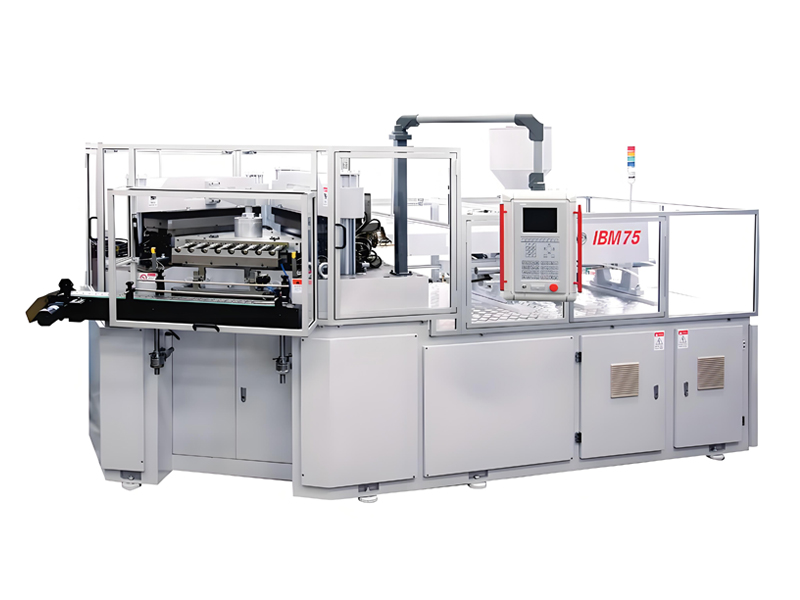
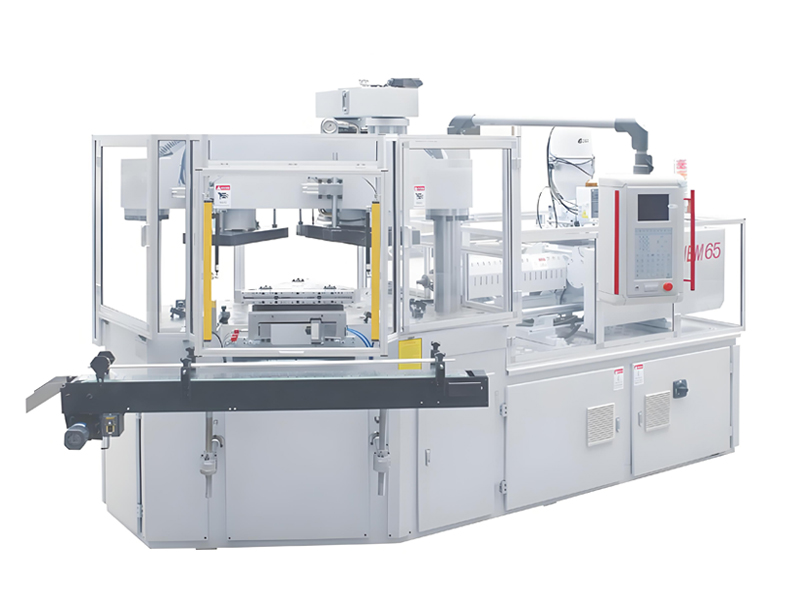
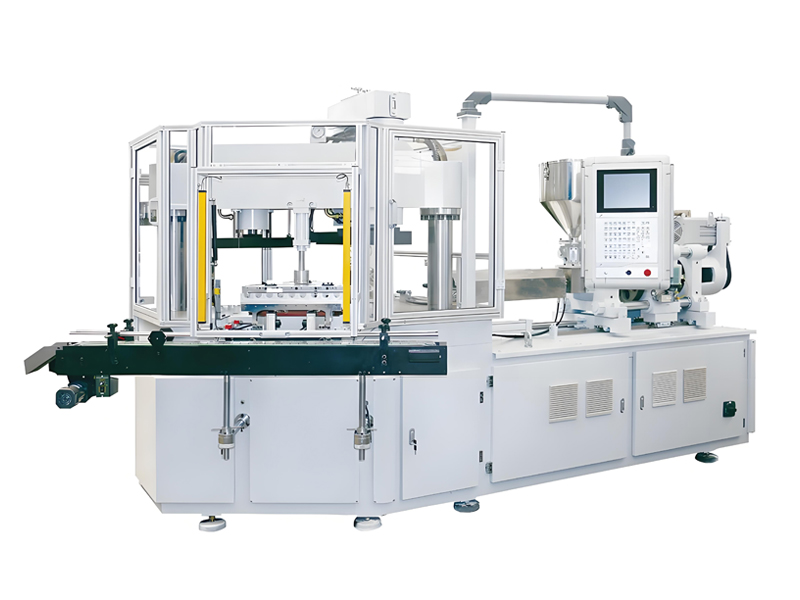
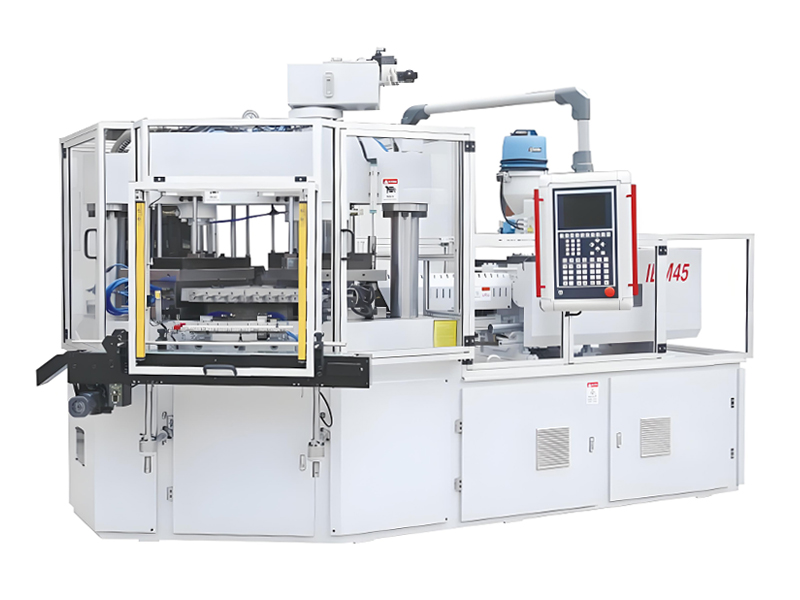
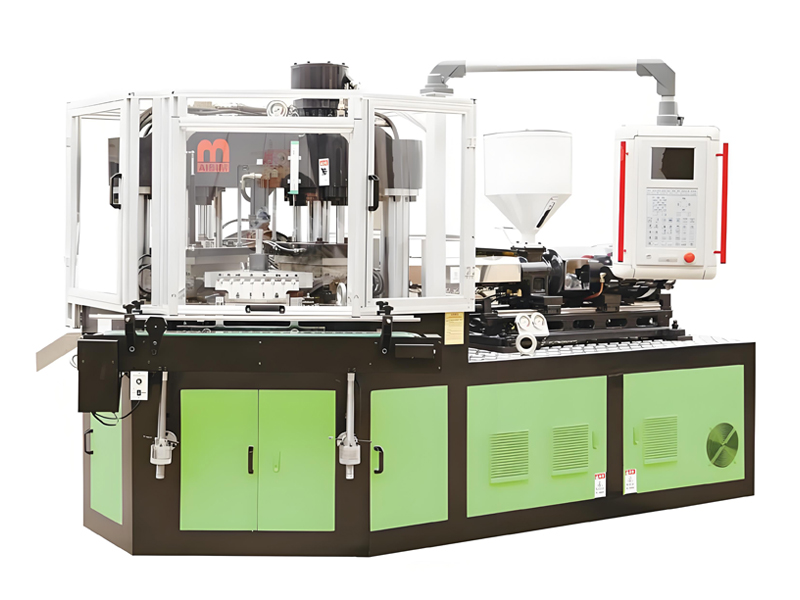
An injection blow molding machine is a precision integrated molding device that combines injection molding and blow molding processes in one continuous workflow, specially optimized for manufacturing high-precision lab reagent bottles with strict leak-proof performance and chemical resistance requirements. Unlike traditional two-stage separate blow molding equipment, this all-in-one injection blow molding machine completes preform injection, mold transfer, stretching and air blowing molding in a single automated cycle, eliminating intermediate manual transfer links that easily cause dimensional errors and surface contamination. It is the core professional equipment for standardized mass production of laboratory-grade reagent packaging containers.
Lab reagent bottles belong to high-standard special packaging products, which differ greatly from ordinary daily chemical and beverage plastic bottles. They must maintain long-term stable chemical resistance against acidic, alkaline, corrosive and organic solvent reagents, and achieve absolute leak-proof sealing performance to prevent volatile reagent leakage, cross-contamination and laboratory safety accidents. Conventional extrusion blow molding machines cannot meet the high-precision molding requirements of reagent bottle mouths, thread structures and uniform wall thickness, resulting in poor sealing and weak corrosion resistance of finished bottles. The AiBiM injection blow molding machine perfectly solves these industry pain points, focusing entirely on the customized production standards of laboratory reagent bottles.
Developed and manufactured by AiBiM, a professional supplier of precision plastic molding equipment, the AiBiM injection blow molding machine is tailored for the segmented demand of laboratory consumables production. Based on mature injection blow molding process technology and years of precision equipment manufacturing experience, the brand optimizes the injection metering system, blow molding pressure control and mold clamping precision for the structural characteristics and performance standards of lab reagent bottles. The equipment focuses on two core indicators of finished products: permanent leak-proof performance and excellent chemical corrosion resistance, providing high-precision, high-stability and low-cost molding solutions for scientific research laboratories, biochemical enterprises and laboratory consumables manufacturers.
1.2 Industry Demand for High-Performance Lab Reagent Bottles
With the rapid development of biochemical research, medical testing, chemical analysis and environmental monitoring industries, the market demand for high-standard lab reagent bottles continues to grow steadily. Laboratory reagents include various corrosive acids and alkalis, volatile organic solvents, oxidizing and reducing agents, which put forward extremely strict requirements on packaging containers. Ordinary plastic bottles are prone to chemical corrosion, wall body penetration, thread deformation and liquid leakage after long-term storage of special reagents, which will not only cause reagent waste and experimental data deviation, but also lead to laboratory safety hazards such as chemical volatilization pollution and corrosive liquid leakage.
At present, most low-end reagent bottle production equipment on the market has low molding precision, uneven bottle wall thickness and irregular thread molding. The finished bottles have poor sealing performance, cannot withstand long-term chemical corrosion, and are only suitable for low-standard temporary reagent storage scenarios. Professional laboratory institutions and high-end biochemical enterprises have higher and higher requirements for reagent bottle stability, safety and durability, forcing the laboratory consumables industry to upgrade production equipment. The AiBiM injection blow molding machine fills the market gap of high-precision and high-performance reagent bottle professional molding equipment, and has become the preferred equipment for high-standard lab reagent bottle mass production.
1.3 Core Advantages of AiBiM Injection Blow Molding Machine for Reagent Bottle Production
The AiBiM injection blow molding machine has exclusive customized advantages in the field of lab reagent bottle manufacturing compared with ordinary injection blow molding equipment. In terms of molding precision, the integrated injection-blow one-time molding process realizes integrated molding of bottle body and bottle mouth threads, with zero thread deviation and smooth and compact bottle mouth structure, laying a core foundation for the leak-proof performance of reagent bottles. The equipment adopts precision flow channel control and uniform pressure molding technology, ensuring uniform wall thickness of reagent bottle bodies, avoiding local thin wall leading to chemical penetration and corrosion damage, and greatly improving the overall chemical resistance of finished bottles.
In terms of production stability and product performance customization, AiBiM equipment supports targeted parameter adjustment for high-performance plastic raw materials such as PP, HDPE and PTFE modified materials dedicated to laboratory reagent bottles. It can perfectly adapt to the molding requirements of corrosion-resistant and high-temperature resistant modified materials, ensuring that the finished bottles maintain stable physical and chemical properties in long-term reagent storage environments. In addition, the equipment has a low defective rate and high production consistency, and the batch-produced reagent bottles have uniform sealing performance and corrosion resistance, which fully meets the standardized batch procurement needs of scientific research institutions and biochemical enterprises. Compared with similar equipment, AiBiM injection blow molding machine has lower long-term operation cost and higher equipment stability, with outstanding comprehensive cost performance.
2. Working Principle and Molding Process of Injection Blow Molding Machine for Reagent Bottles
2.1 Unique Injection Blow Molding Working Principle
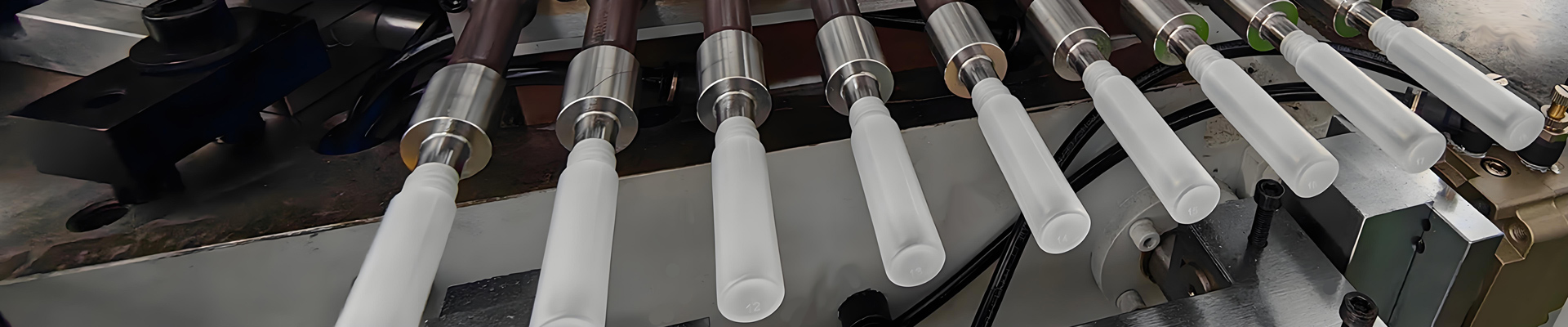
The AiBiM injection blow molding machine adopts an integrated three-station rotary molding principle, including injection station, blow molding station and demolding station, realizing fully automated continuous cycle production of lab reagent bottles. The whole process abandons the separate processing mode of traditional preform injection and secondary blow molding, and completes all molding procedures on one equipment, which effectively avoids precision errors and pollution problems caused by manual preform transfer. The core working principle is to melt and plasticize high-performance chemical-resistant plastic raw materials through precise injection system, inject them into the injection mold to form integrated bottle mouth and preform structure, then transfer the preform to the blow molding station through rotary mechanism, and complete stretching and blow molding under constant temperature and constant pressure, finally realize precision demolding and finished product output.
For the special performance requirements of leak-proof and chemical resistance of lab reagent bottles, AiBiM has optimized the pressure maintaining and cooling logic of the injection blow molding process. In the injection stage, high-precision pressure maintaining technology is adopted to ensure the compactness of the bottle mouth thread structure and eliminate internal gaps that may cause liquid leakage. In the blow molding stage, graded constant-pressure blowing is used to make the bottle wall material form a uniform and dense molecular structure, effectively improving the chemical corrosion resistance of the bottle body and preventing corrosive reagents from penetrating the bottle wall. The integrated molding process ensures the overall structural integrity of the reagent bottle, avoids structural defects such as loose thread fit and uneven bottle wall that are common in secondary molding products.
2.2 Full Automated Production Process for Lab Reagent Bottles
The standardized production process of high-performance lab reagent bottles based on AiBiM injection blow molding machine includes raw material melting and plasticizing, precise injection preforming, rotary mold transfer, constant-temperature stretching, graded pressure blow molding, circulating cooling shaping, automatic demolding and finished product inspection, forming a fully closed-loop automated production process without manual intervention in the core molding link. Each process link is equipped with independent precision control modules to ensure that the leak-proof performance and chemical resistance of each finished reagent bottle reach laboratory-grade standards.
In the raw material processing and injection stage, the equipment’s precision plasticizing system uniformly melts laboratory-grade chemical-resistant plastic particles, strictly controls plasticizing temperature and pressure to avoid material molecular damage caused by overheating, and ensures the original chemical stability of the raw materials. The high-precision injection system injects the molten material into the customized reagent bottle injection mold to complete the integrated molding of bottle mouth threads and preform blank. The precise injection volume control ensures consistent preform weight and structural size of each bottle, laying a foundation for batch product consistency.
After the preform injection is completed, the rotary station automatically transfers the preform to the blow molding station for constant-temperature stretching and high-precision blow molding. The equipment accurately controls the stretching ratio and blowing pressure according to the specifications of the reagent bottle, so that the bottle wall material is evenly stretched and the molecular structure is compactly arranged. After blow molding, the constant-temperature circulating cooling system rapidly shapes the bottle body and eliminates internal molding stress, preventing the bottle body from deformation and thread loosening in subsequent long-term use. Finally, the automatic demolding mechanism outputs the finished product, and the staff conducts professional performance inspection to complete the whole production process.
2.3 Key Process Parameters for Leak-Proof and Chemical Resistant Molding
To ensure the dual core performance of leak-proof and chemical resistance of lab reagent bottles, the AiBiM injection blow molding machine adopts fixed precision parameter standards for mass production. The plasticizing temperature is stably controlled at 180℃-230℃, which is adjusted according to different chemical-resistant raw materials to ensure sufficient melting and no molecular degradation of materials. The injection pressure is set at 65-85MPa, with 3-5 seconds of high-pressure pressure maintaining, which ensures the compactness of the bottle mouth thread structure and eliminates tiny gaps that cause reagent leakage.
The blow molding pressure is stably maintained at 0.45-0.65MPa, and the constant-temperature stretching speed is precisely controlled to ensure uniform and dense bottle wall molding with a wall thickness tolerance controlled within ±0.05mm. The circulating cooling temperature is controlled at 25℃-35℃, and the cooling time is matched with the bottle body capacity to ensure thorough shaping and stable structural stress. The single molding cycle is 25-35 seconds, and the hourly output of qualified laboratory reagent bottles can reach 320-400 pieces, with a batch qualification rate of over 99.5%, far exceeding the industry average level of ordinary molding equipment.
3. Core Structural Configuration of AiBiM Injection Blow Molding Machine
3.1 Precision Injection Plasticizing System for Chemical-Resistant Materials
The injection plasticizing system is the core component that determines the chemical resistance of lab reagent bottles. The AiBiM injection blow molding machine is equipped with a customized high-precision plasticizing injection system, which is specially optimized for high-performance chemical-resistant raw materials such as medical-grade PP, high-density HDPE and corrosion-resistant modified plastics. The system adopts a special alloy screw and barrel structure, which has wear resistance and corrosion resistance, avoiding material contamination during plasticizing and ensuring the purity of reagent bottle raw materials.
The segmented temperature control plasticizing technology realizes graded heating of materials, ensuring uniform melting of chemical-resistant plastics without local overheating and molecular damage, maintaining the original anti-corrosion and anti-penetration characteristics of raw materials. The precision metering injection device controls the injection volume error within ±0.2g, ensuring consistent preform quality of each reagent bottle, avoiding structural differences of finished products caused by uneven injection volume, and stabilizing the batch chemical resistance of reagent bottles.
3.2 Three-Station Rotary Synchronous Molding Mechanism
The equipment adopts a stable three-station rotary integrated structure, integrating injection, blow molding and demolding functions. The high-precision rotary positioning system ensures that the station conversion error is controlled within 0.01mm, realizing accurate docking of preform and blow mold, avoiding molding deviation caused by station displacement. The synchronous operation of the three stations does not interfere with each other, which greatly improves production efficiency while ensuring molding precision.
Different from single-station equipment, the rotary structure realizes continuous cyclic production, avoids equipment idle time, and is more suitable for batch standardized production of laboratory reagent bottles. The mechanism is made of high-rigidity cast steel material, with stable operation and low wear, and can maintain long-term high-precision operation without deviation, ensuring the long-term stability of finished reagent bottle size and sealing performance.
3.3 Leak-Proof Customized Mold Clamping and Blow Molding System
Aiming at the leak-proof core demand of reagent bottles, AiBiM equips the injection blow molding machine with a customized high-precision mold clamping and blow molding system. The high-rigidity mold clamping mechanism provides stable and uniform clamping force, ensuring tight mold fitting without flash and thread deformation. The bottle mouth mold adopts ultra-precision thread carving technology, with smooth and compact thread structure, which can perfectly match standard reagent bottle caps to form a fully sealed structure and prevent reagent volatilization and leakage.
The graded constant-pressure blow molding system solves the problem of uneven bottle wall density in traditional blow molding. Through low-pressure stretching and high-pressure shaping, the bottle wall material is densely arranged, forming a uniform anti-corrosion barrier layer. This structural design effectively resists the erosion of acidic, alkaline and organic reagents, prevents bottle wall aging, penetration and deformation, and greatly improves the service life and safety of lab reagent bottles.
3.4 Intelligent Constant-Temperature Cooling and Stress Elimination System
Residual internal stress in the bottle body is the main cause of long-term deformation and sealing failure of reagent bottles. The AiBiM injection blow molding machine is equipped with an intelligent constant-temperature circulating cooling system, which realizes full coverage uniform cooling of the bottle body and bottle mouth. The multi-channel cooling water path design ensures synchronous cooling of all parts of the reagent bottle, thoroughly eliminates internal molding stress, and avoids bottle mouth warping, thread loosening and bottle body shrinkage deformation in long-term storage and use.
The constant-temperature cooling mode ensures stable molecular structure of the bottle wall, maintains lasting chemical resistance, and prevents the decline of anti-corrosion performance caused by uneven cooling. The system operates intelligently and automatically adjusts cooling parameters according to bottle specifications, ensuring consistent structural stability of batch finished products.
4. 2026 Complete Price and Project Cost-Benefit Analysis
4.1 AiBiM Injection Blow Molding Machine Official Quotation
The AiBiM injection blow molding machine for lab reagent bottle production is divided into three configuration grades according to molding precision and functional configuration, all professionally customized for high-standard leak-proof and chemical-resistant reagent bottle production. The standard precision configuration model, suitable for conventional small and medium-sized reagent bottle production with basic anti-corrosion and leak-proof requirements, has a FOB quotation of $39,800-$43,500. This configuration includes standard three-station rotary system, basic precision injection system and conventional constant-pressure blow molding system, meeting the production needs of ordinary laboratory consumables manufacturers.
The upgraded high-precision anti-corrosion configuration model, equipped with customized chemical-resistant plasticizing system, ultra-precision thread mold clamping structure and intelligent constant-pressure control module, with higher finished product sealing precision and more stable chemical resistance, is priced at $44,200-$48,900. This model is suitable for medium-sized biochemical enterprises and professional laboratory consumables factories with high requirements for reagent bottle performance. The high-end customized laboratory special model, supporting full intelligent parameter adjustment and ultra-high-precision molding, with a product qualification rate of up to 99.8%, has a quotation of $49,500-$54,000, meeting the ultra-high-standard production needs of scientific research supporting consumables and high-end biochemical packaging.
4.2 Complete Production Line Supporting Investment Cost
A complete lab reagent bottle production line based on AiBiM injection blow molding machine needs to be equipped with professional supporting auxiliary equipment suitable for laboratory-grade product production, including automatic raw material dryer, precise color matching mixer, industrial constant-temperature cooling water tower, finished product dust-free sorting table and leak-proof performance detection equipment. The total investment cost of standardized supporting auxiliary equipment is $6,200-$8,500, realizing full-process dust-free and standardized production from raw material processing to finished product performance detection.
In terms of plant and installation costs, the single production line covers an area of about 50-65 square meters, adapting to dust-free purification workshop standards for laboratory consumables production. The equipment on-site installation, precision debugging, parameter calibration and production commissioning cost is $1,800-$2,500. Compared with imported injection blow molding equipment with the same precision level, AiBiM complete production line investment is reduced by more than 50%, with lower project entry threshold and higher cost performance.
4.3 Long-Term Operation and Daily Maintenance Cost Budget
The AiBiM injection blow molding machine adopts energy-saving frequency conversion control technology and high-efficiency plasticizing system, with low comprehensive energy consumption. The hourly comprehensive power consumption of the whole machine is 18-22 degrees, which saves 28%-32% of energy consumption compared with traditional injection blow molding equipment. The precise intelligent control system stabilizes the product defective rate below 0.5%, greatly reducing raw material waste and performance unqualified product loss costs in batch production.
In terms of daily maintenance, the core components of the equipment adopt anti-corrosion and wear-resistant alloy materials, with a service life of more than 12 years under standardized operation. The annual routine maintenance costs including screw cleaning, sealing ring replacement, temperature control module calibration and rotary mechanism lubrication are only $900-$1,300. The highly integrated automated production mode only requires 1 professional operator to monitor the operation of a single production line, greatly saving long-term labor and training costs for enterprises.
4.4 Project Investment Return Cycle Analysis
Based on the stable hourly output of 360 high-standard reagent bottles and 20-hour daily production, the daily output can reach 7,200 pieces, and the monthly stable output exceeds 216,000 pieces. Laboratory-grade leak-proof and chemical-resistant reagent bottles have high market unit profit and stable market demand. After deducting raw material costs, equipment energy consumption costs, labor costs and maintenance costs, the project maintains a stable and excellent profit margin. The comprehensive investment recovery cycle of the entire production line is 9-11 months, with fast capital return and low investment risk. For laboratory consumables production enterprises and biochemical packaging project investors, the AiBiM injection blow molding machine production line has outstanding comprehensive economic benefits and market competitiveness.
5. Applicable Raw Materials and Core Product Performance Standards
5.1 Chemical-Resistant Raw Materials for Lab Reagent Bottles
The AiBiM injection blow molding machine is professionally adapted to various laboratory-grade chemical-resistant plastic raw materials, covering all mainstream raw materials for high-performance reagent bottle production. Medical and laboratory-grade polypropylene (PP) raw materials are suitable for most conventional acid-base reagent storage, with excellent high-temperature resistance and chemical stability. High-density polyethylene (HDPE) raw materials have strong anti-oxidation and anti-organic solvent corrosion performance, suitable for long-term storage of oily reagents and organic solutions.
Modified corrosion-resistant raw materials such as PTFE blended plastics and enhanced anti-chemical plastics are suitable for the production of high-corrosion reagent bottles, which can resist the erosion of strong acid, strong alkali and highly corrosive reagents. The equipment’s precision plasticizing and molding system can fully adapt to the processing characteristics of different high-performance raw materials, without damaging the anti-corrosion molecular structure of materials, ensuring that the finished bottles retain original excellent chemical resistance.
5.2 Leak-Proof Performance Standard of Finished Reagent Bottles
The lab reagent bottles produced by AiBiM injection blow molding machine meet international laboratory consumables safety standards. The integrated bottle mouth thread structure has a sealing fit tolerance within 0.03mm, realizing full zero-gap sealing with standard caps. After professional vacuum leakage detection and long-term liquid storage test, the finished bottles have zero liquid leakage and zero gas volatilization under normal temperature and pressure and long-term sealed storage conditions, meeting the leak-proof requirements of volatile and easily diffused chemical reagents.
5.3 Chemical Resistance and Durability Standards
The finished reagent bottles have excellent comprehensive chemical resistance, and can maintain stable physical structure and chemical properties after long-term immersion in acidic solutions, alkaline solutions, alcohol organic solvents, ketone solvents and oily reagents. The bottle wall has no corrosion, penetration, cracking, discoloration and deformation, and will not produce chemical reaction and impurity precipitation with internal reagents. The products pass professional laboratory chemical corrosion resistance testing, fully meeting the long-term storage and experimental use standards of scientific research reagents.
6. Main Application Scenarios of Injection Blow Molding Reagent Bottles
6.1 Scientific Research Laboratory Reagent Storage
High-precision leak-proof and chemical-resistant reagent bottles are widely used in university laboratories, scientific research institutes and enterprise R&D laboratories for the storage of conventional chemical reagents, biological reagents, experimental solvents and standard solutions. The stable sealing and anti-corrosion performance ensures the purity and stability of experimental reagents, avoids experimental data errors caused by reagent volatilization and contamination, and meets the high-precision experimental requirements of scientific research work.
6.2 Biochemical and Pharmaceutical Industry Packaging
In the biochemical and pharmaceutical industry, the equipment-produced reagent bottles are used for the packaging and storage of biological buffers, pharmaceutical intermediates, detection reagents and microbial culture solutions. The food-grade and medical-grade safety standards and excellent chemical stability ensure no pollution to biochemical reagents, meeting the strict production and storage requirements of pharmaceutical and biochemical products.
6.3 Environmental Monitoring and Chemical Detection Industry
Environmental water quality detection, air component detection and industrial chemical detection industries need a large number of high-stability reagent bottles for sample collection and reagent storage. The leak-proof and anti-corrosion performance of AiBiM molded reagent bottles ensures no sample leakage and no component change during sample transportation and storage, improving the accuracy of detection data.
6.4 Teaching Laboratory and Industrial Auxiliary Packaging
The equipment can produce cost-effective standard reagent bottles for middle school and university teaching laboratories, meeting daily teaching experiment needs. At the same time, it is also suitable for temporary storage and auxiliary packaging of conventional chemical materials in industrial production workshops, with wide application coverage and strong market adaptability.
7. Common Production Defects and Professional Solving Solutions
7.1 Reagent Bottle Leakage and Poor Sealing Performance
Bottle mouth leakage and poor sealing are the most critical defects in reagent bottle production, mainly caused by inaccurate thread molding, loose bottle mouth structure and uneven bottle mouth plane. These defects will lead to reagent volatilization and leakage, directly affecting the use safety of laboratory reagents. The professional solution is to calibrate the precision of the bottle mouth mold, optimize the injection pressure maintaining parameters, ensure the compact and smooth molding of thread structure and bottle mouth plane, and detect the sealing performance of each batch of finished products in real time to eliminate unqualified products.
7.2 Insufficient Chemical Resistance and Bottle Wall Corrosion
Insufficient chemical resistance of the bottle wall is caused by incomplete raw material plasticization, uneven bottle wall thickness and loose molecular structure. The finished bottle is prone to corrosion and penetration when storing corrosive reagents. The solving measures include adjusting the segmented plasticizing temperature to ensure sufficient and uniform melting of chemical-resistant raw materials, optimizing blow molding pressure and stretching parameters to make the bottle wall molecular structure dense and uniform, and matching targeted raw material formulas according to different reagent use scenarios.
7.3 Bottle Body Deformation and Internal Residual Stress
Bottle body shrinkage deformation and structural instability are caused by unreasonable cooling parameters and insufficient stress elimination. Long-term storage will lead to bottle body warping and thread misalignment. It is necessary to adjust the constant-temperature cooling cycle parameters, extend the stress elimination time appropriately, ensure synchronous and thorough cooling of the whole bottle body, eliminate internal molding stress, and stabilize the long-term structural shape of finished reagent bottles.
7.4 Surface Impurities and Uneven Wall Thickness
Surface impurities and uneven wall thickness of reagent bottles are caused by raw material impurity mixing and unstable injection blow molding parameters. These defects affect the appearance and structural stability of the product. The solution is to strengthen raw material drying and filtering treatment, regularly clean the equipment plasticizing system and mold cavity, calibrate injection and blow molding parameters, and ensure uniform and clean molding of finished products.
8. Standard Operation and Preventive Maintenance Specifications
8.1 Pre-Production Inspection and Parameter Debugging
Before the daily operation of AiBiM injection blow molding machine, it is necessary to conduct a full-machine precision inspection, including the operating status of the injection plasticizing system, three-station rotary positioning accuracy, blow molding pressure stability and cooling system circulation status. Strictly screen laboratory-grade raw materials to remove damp, impure and deteriorated materials. Conduct trial production of 8-12 finished reagent bottles before batch production, and conduct sealing test and corrosion resistance sampling test. Formal mass production can only be carried out after all performance indicators are qualified.
8.2 Standard Operation Specifications for Batch Production
During continuous batch production, keep core parameters such as plasticizing temperature, injection pressure, blow molding pressure and cooling cycle stable, and avoid frequent parameter adjustment. Real-time monitor the molding status of finished products and equipment operation data, find abnormal molding defects and parameter fluctuations in time and stop the machine for adjustment. Record daily production parameters, product qualification rate and performance test data to form standardized production files to ensure batch product traceability.
8.3 Regular Equipment Maintenance and Cleaning Standards
Clean the equipment screw, plasticizing flow channel and mold cavity every day to avoid residual raw material impurities affecting the purity and performance of finished products. Calibrate rotary positioning accuracy, injection metering precision and blow molding pressure stability every week to maintain high-precision molding state of the equipment. Replace vulnerable parts such as sealing rings and filter elements every quarter, and conduct comprehensive lubrication and overhaul of the transmission system every six months. Conduct a full-machine precision calibration and performance optimization every year to ensure long-term stable production of high-performance reagent bottles.
8.4 Dust-Free Production Safety Specifications
Laboratory reagent bottles belong to high-standard consumable products, and the production environment must maintain dust-free and clean standards. Keep the workshop environment clean and sterile, regularly disinfect the equipment contact parts, and avoid dust and pollutant residue. Operators must receive professional precision equipment operation training and laboratory product production specification training to ensure standardized operation, eliminate product contamination risks and equipment safety hazards.
9. Market Prospect and Industry Development Trend
With the continuous development of global biochemical scientific research, medical testing and environmental detection industries, the market demand for high-purity, high-safety and high-stability laboratory reagent bottles continues to grow. The industry’s requirements for reagent bottle leak-proof performance, chemical resistance, batch consistency and production hygiene standards are constantly upgrading. Traditional low-precision blow molding equipment and ordinary injection molding equipment can no longer meet the high-standard production needs of modern laboratory consumables.
Injection blow molding machines have become the core preferred equipment for high-end reagent bottle production due to their integrated precision molding, high product consistency and excellent finished product performance. In the future, the laboratory consumables industry will develop towards higher precision, stronger stability and more intelligent production. AiBiM will continue to optimize the core technology of injection blow molding machines, upgrade precision molding technology for anti-corrosion and leak-proof reagent bottles, and provide more high-cost-performance and high-precision professional equipment solutions for global laboratory consumables manufacturers, promoting the standardized and high-quality development of the laboratory packaging industry.
10. Conclusion
The injection blow molding machine professionally customized by AiBiM for lab reagent bottle production is a high-precision integrated molding equipment focusing on leak-proof and chemical-resistant product performance. Different from ordinary plastic molding equipment, it adopts integrated injection blow molding one-time molding technology, solves the industry pain points of poor sealing, insufficient corrosion resistance and low batch consistency of traditional reagent bottles, and can stably produce high-standard laboratory-grade reagent bottles that meet scientific research and industrial application standards.
With its precision plasticizing system, stable three-station rotary structure, customized leak-proof mold system and intelligent constant-temperature control technology, the AiBiM injection blow molding machine ensures that the finished reagent bottles have excellent sealing performance, long-term chemical corrosion resistance and high dimensional consistency. It has outstanding advantages in production precision, product performance stability and project comprehensive cost performance, providing reliable equipment support for standardized production of high-end laboratory consumables. It is the most ideal professional molding equipment for mass production of leak-proof and chemical-resistant lab reagent bottles.