Introduction to Injection Blow Molding Technology for Food Jars
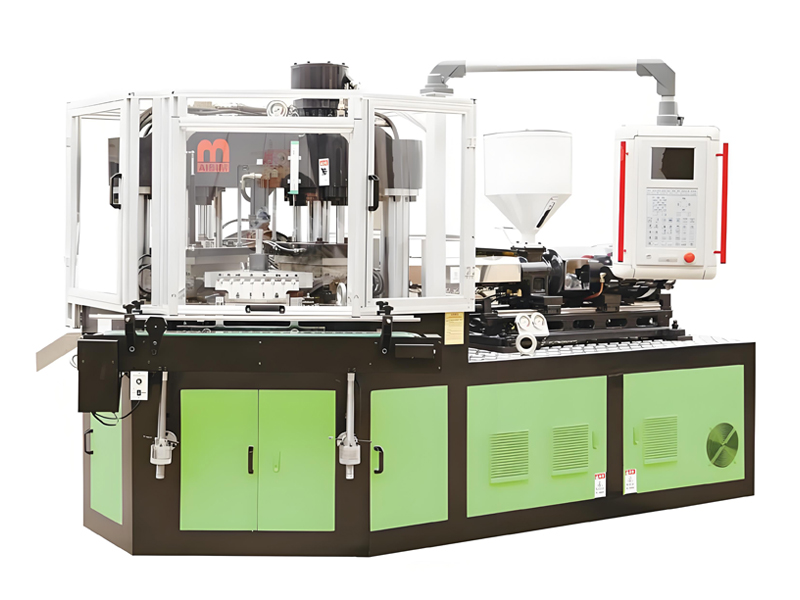
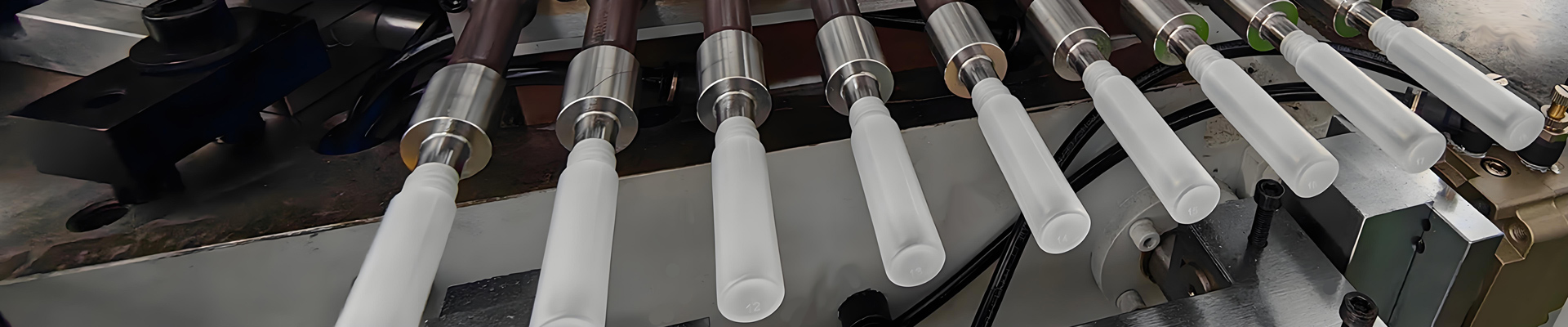
Food jar production represents one of the most demanding segments of the plastic packaging industry, requiring exceptional precision, cleanliness, and consistency to meet strict food safety regulations and consumer quality expectations. Injection blow molding machines from AiBiM, with over 20 years of manufacturing experience and global export presence, provide advanced technology specifically optimized for producing high-quality food jars with vacuum sealing capabilities. The three-station one-step injection blow molding process delivers superior dimensional accuracy, excellent surface finish, and consistent quality essential for food packaging applications.
Vacuum sealing design in food jars represents a critical innovation for preserving food freshness, extending shelf life, and preventing contamination. The precise control and accuracy of injection blow molding technology enables production of jars with perfectly formed neck finishes and sealing surfaces essential for reliable vacuum sealing. AiBiM machines with precision temperature control systems maintain processing temperatures within plus or minus 1 degree Celsius, ensuring consistent material properties and dimensional accuracy required for vacuum sealing performance.
The global food packaging market continues to expand rapidly, driven by increasing consumer demand for convenient, ready-to-eat products and extended shelf-life requirements. Manufacturers require equipment capable of producing food jars with exceptional quality, consistency, and cost efficiency. AiBiM injection blow molding machines deliver production capacities of 500-4000 pieces per hour depending on model and jar size, enabling manufacturers to meet growing market demands while maintaining strict quality standards and competitive production costs.
Food Jar Material Requirements and Selection
Material selection for food jar production involves balancing food safety compliance, product protection requirements, processing characteristics, and cost considerations. Food-grade materials must meet stringent regulatory requirements while providing adequate barrier properties, mechanical strength, and aesthetic appeal. Understanding material characteristics enables appropriate material selection and machine configuration for optimal food jar production results.
Food-Grade Polypropylene (PP)
Food-grade polypropylene represents one of the most widely used materials for food jar production due to its excellent food safety profile, good chemical resistance, and suitable barrier properties for many food applications. PP provides excellent clarity for clear jars, good stiffness for structural integrity, and acceptable barrier properties against moisture and oxygen. The material’s processing characteristics enable efficient production on AiBiM injection blow molding machines with typical processing temperatures of 200-240 degrees Celsius.
AiBiM injection blow molding machines feature precision temperature control systems with multiple heating zones enabling optimal PP processing. The machines’ specialized screw designs ensure adequate plasticization and homogeneous melt quality essential for consistent food jar quality. For food-grade PP production, AiBiM machines maintain processing temperatures within tight tolerances ensuring material properties remain stable throughout production runs. The machines produce jars with dimensional accuracy within plus or minus 0.1-0.3 millimeters depending on jar size, meeting precise specifications for vacuum sealing.
High-Density Polyethylene (HDPE)
High-density polyethylene provides specific advantages for certain food jar applications including excellent chemical resistance, good moisture barrier properties, and superior impact strength. HDPE offers excellent resistance to a wide range of food products including acids, bases, and oils. The material’s natural opacity provides excellent light protection for light-sensitive food contents while accepting colorants for brand identification and product differentiation.
AiBiM injection blow molding machines process HDPE effectively with optimized processing parameters. The machines’ temperature control systems maintain barrel temperatures between 160-200 degrees Celsius and die temperatures between 180-220 degrees Celsius depending on HDPE grade and jar design. The machines’ robust screw designs ensure proper melting and homogenization of HDPE material, producing jars with consistent wall thickness and dimensions essential for reliable vacuum sealing performance. For food jar production, AiBiM machines deliver wall thickness consistency within plus or minus 0.05-0.1 millimeters, optimizing material usage while maintaining required strength.
Polyethylene Terephthalate (PET)
Polyethylene terephthalate offers specific advantages for food jar applications requiring superior clarity, excellent gas barrier properties, and good mechanical strength. PET provides exceptional clarity similar to glass while being lightweight and shatter-resistant. The material’s excellent oxygen and carbon dioxide barrier properties make it ideal for products sensitive to oxidation or requiring carbonation retention. PET’s chemical resistance and food safety profile make it suitable for diverse food applications.
AiBiM injection blow molding machines include specialized models for PET processing with appropriate screw designs and temperature control systems. PET processing requires higher temperatures typically 260-290 degrees Celsius and careful moisture control to prevent degradation. AiBiM machines feature precise temperature control systems maintaining temperatures within plus or minus 1 degree Celsius, preventing thermal degradation while ensuring adequate melt quality. For PET food jars, AiBiM machines deliver exceptional clarity and dimensional accuracy meeting the highest quality standards for food packaging.
Material Certification and Compliance
Food jar materials must meet strict certification and compliance requirements including FDA approval in the United States, European Union regulations for food contact materials, and other regional food safety standards. Material suppliers must provide appropriate documentation including migration test results, heavy metal content analysis, and compliance certifications. AiBiM injection blow molding machines process certified food-grade materials ensuring final products meet regulatory requirements for food contact applications.
AiBiM supports food jar manufacturers through equipment design enabling clean processing and material compatibility with certified food-grade materials. The machines’ construction materials including food-contact approved components and easy-to-clean surfaces help maintain processing hygiene. Material traceability features enable documentation of material batches used in production, supporting quality management and regulatory compliance requirements. For manufacturers seeking specific material certifications, AiBiM provides appropriate documentation and testing support.
Vacuum Sealing Design Principles
Vacuum sealing design in food jars requires precise engineering and manufacturing to ensure reliable performance and extended food shelf life. Understanding vacuum sealing principles enables appropriate jar design and process optimization for optimal preservation and consumer convenience.
Neck Finish Design for Vacuum Sealing
Neck finish design represents a critical element of vacuum sealing performance, requiring precise dimensions and surface quality for reliable cap sealing. Standard neck finishes including 38mm, 48mm, and 70mm threads must be produced with dimensional accuracy within tight tolerances to ensure proper cap fit and sealing performance. AiBiM injection blow molding machines deliver exceptional neck finish precision through precise mold design and process control.
Neck finish specifications including thread pitch, bead dimensions, and sealing surface quality are controlled within plus or minus 0.05-0.1 millimeters on AiBiM machines. The machines’ precise clamping and blowing systems ensure consistent neck formation across all jars. Surface finish quality meets requirements for reliable cap sealing without defects that could compromise vacuum performance. For special neck finishes and custom designs, AiBiM provides mold engineering services ensuring optimal neck finish design for specific vacuum sealing requirements.
Sealing Surface Quality
Sealing surface quality directly affects vacuum sealing performance and jar integrity. The sealing surface must be smooth, flat, and free from defects that could compromise cap sealing. AiBiM injection blow molding machines produce jars with excellent sealing surface quality through precise mold finishing, consistent process control, and optimized cooling systems. The machines’ temperature control ensures uniform material solidification preventing warpage or distortion of sealing surfaces.
Sealing surface roughness requirements typically specify Ra values below 0.8 micrometers for reliable vacuum sealing. AiBiM machines consistently meet these specifications through precise mold manufacturing and process optimization. The machines’ cooling systems ensure uniform cooling preventing thermal stress and dimensional changes that could affect sealing surface quality. For applications requiring exceptional sealing surface quality, AiBiM provides specialized mold materials and surface treatments delivering superior sealing performance.
Wall Thickness and Strength
Wall thickness and strength requirements for vacuum sealing food jars depend on jar size, vacuum level, and product characteristics. Adequate wall strength prevents jar deformation under vacuum while maintaining reasonable material usage and cost. AiBiM injection blow molding machines with parison wall thickness control systems enable optimization of wall thickness distribution, providing strength where needed while minimizing material usage.
For typical 100-500ml food jars, wall thickness ranges from 0.3-0.8 millimeters depending on jar design and vacuum requirements. AiBiM machines maintain wall thickness consistency within plus or minus 0.05-0.1 millimeters ensuring uniform strength and performance. The machines’ precise control systems enable wall thickness optimization for specific applications, balancing strength, material efficiency, and cost. Engineering analysis ensures jar designs withstand vacuum loads without excessive deformation or failure.
Vacuum Level and Performance
Vacuum level requirements vary by food product and shelf-life requirements, typically ranging from 200-800 mbar absolute pressure. Higher vacuum levels provide better preservation but require stronger jar design to withstand external pressure loads. AiBiM injection blow molding machines produce jars capable of meeting various vacuum level requirements through appropriate wall thickness and design optimization.
Vacuum performance testing validates jar integrity and sealing capability. AiBiM supports quality assurance through consistent jar production meeting specified requirements. For vacuum levels above 500 mbar, jar designs may require additional features including reinforced bases or specialized wall thickness distribution. AiBiM engineering capabilities support design optimization for specific vacuum requirements, ensuring reliable performance and extended food shelf life.
AiBiM Injection Blow Molding Machine Models for Food Jars
AiBiM offers comprehensive range of injection blow molding machine models specifically designed for food jar production, covering capacity requirements from small sample jars to large food containers. Each model provides optimal performance for specific size ranges and production requirements.
IBM35 Model for Small Food Jars
AiBiM IBM35 model represents an ideal solution for small food jar production ranging from 3ml to 500ml capacity. This compact machine delivers excellent precision and quality for applications including spice jars, sauce containers, sample jars, and specialty food packaging. The machine features 40 millimeter screw diameter, 176 gram injection capacity, 350 kilonewton injection clamping force, and 40 kilonewton blow clamping force, providing adequate capacity for small jar production.
IBM35 model produces food jars with production capacity of 500-1200 pieces per hour depending on jar size and complexity. The machine requires 25 kilowatts total power, including 7.2 kilowatts barrel heating, 2.8 kilowatts mold heating, and 15 kilowatts drive motor. Machine dimensions measure 3100 by 1200 by 2200 millimeters, requiring moderate floor space. Machine weight of 3.6 tons ensures stability during operation. Pricing for IBM35 model ranges from USD 35,000-45,000 depending on configuration and automation level, providing excellent value for small jar production.
IBM45 Model for Medium Food Jars
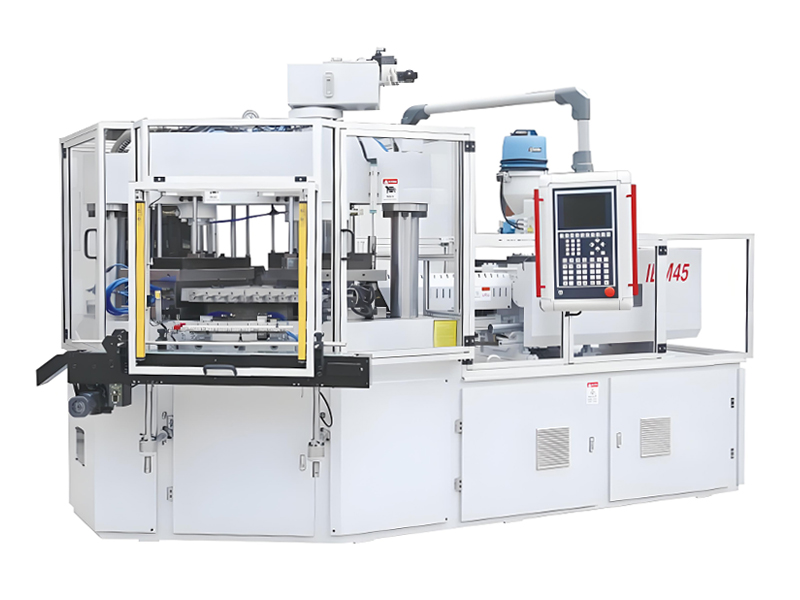
AiBiM IBM45 model provides optimal solution for medium food jar production ranging from 50ml to 1000ml capacity. This machine delivers high production capacity and excellent quality for applications including condiment jars, sauce containers, snack jars, and standard food packaging. The machine features 45 millimeter screw diameter, 260 gram injection capacity, 450 kilonewton injection clamping force, and 78 kilonewton blow clamping force, providing enhanced capacity for medium jar production.
IBM45 model produces food jars with production capacity of 800-2000 pieces per hour depending on jar size and complexity. The machine requires 36 kilowatts total power, including 10 kilowatts barrel heating, 4.0 kilowatts mold heating, and 22 kilowatts drive motor. Machine dimensions measure 3500 by 1400 by 2300 millimeters, requiring larger floor space for larger production capacity. Machine weight of 5.5 tons provides excellent stability for high-speed operation. Pricing for IBM45 model ranges from USD 45,000-55,000 depending on configuration and automation level.
IBM65 Model for Large Food Jars
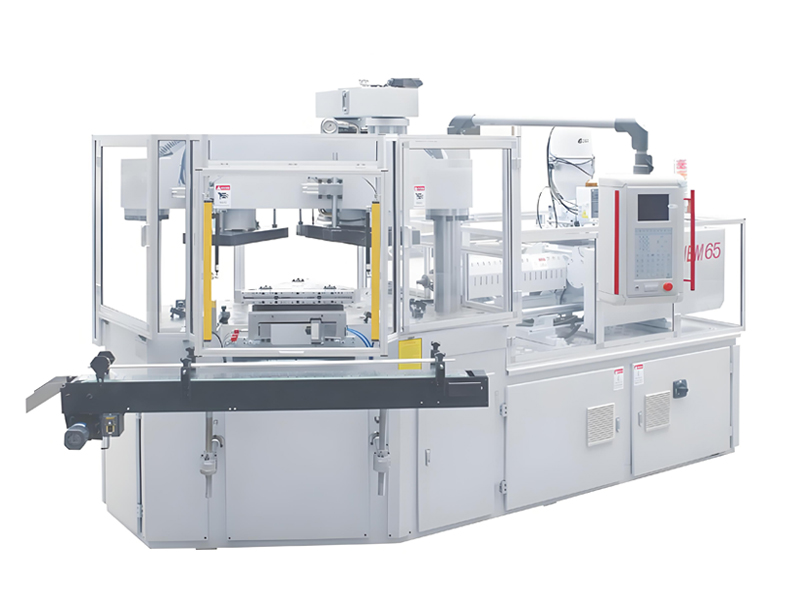
AiBiM IBM65 model delivers superior solution for large food jar production up to 1000ml capacity. This machine provides high production output and excellent quality for applications including large sauce jars, food storage containers, bulk packaging, and industrial food packaging. The machine features 50 millimeter screw diameter, 314 gram injection capacity, 650 kilonewton injection clamping force, and 89 kilonewton blow clamping force, providing substantial capacity for large jar production.
IBM65 model produces food jars with production capacity of 500-1500 pieces per hour depending on jar size and complexity. The machine requires 52 kilowatts total power, including 10 kilowatts barrel heating, 5.0 kilowatts mold heating, and 37 kilowatts drive motor. Machine dimensions measure 4000 by 1280 by 2350 millimeters, requiring adequate floor space for large machine size. Machine weight of 6.5 tons ensures robust operation for heavy-duty applications. Pricing for IBM65 model ranges from USD 55,000-65,000 depending on configuration and automation level.
IBM75 Model for Extra Large Food Jars
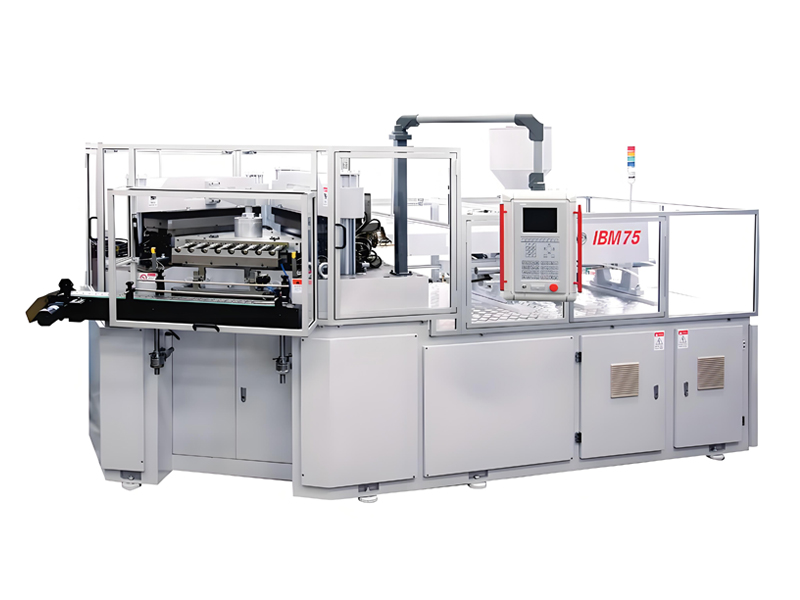
AiBiM IBM75 model represents the highest capacity solution for extra large food jars and containers up to 1000ml capacity. This machine delivers maximum production output and quality for demanding applications including large food containers, industrial packaging, and high-volume food jar production. The machine features 50 millimeter screw diameter, 400 gram injection capacity, 750 kilonewton injection clamping force, and 150 kilonewton blow clamping force, providing maximum capacity for large-scale production.
IBM75 model produces food jars with production capacity of 400-1200 pieces per hour depending on jar size and complexity. The machine requires 52 kilowatts total power, including 12 kilowatts barrel heating, 6.0 kilowatts mold heating, and dual drive motors totaling 59 kilowatts for enhanced power. Machine dimensions measure 4000 by 1700 by 2000 millimeters, requiring substantial floor space for large-scale production. Machine weight of 10 tons provides exceptional stability for high-capacity operation. Pricing for IBM75 model ranges from USD 60,000-70,000 depending on configuration and automation level.
Production Efficiency and Cost Analysis
Production efficiency and cost analysis enable food jar manufacturers to optimize operations and maintain competitive pricing. Understanding production costs, efficiency factors, and return on investment supports informed decision-making and business profitability.
Equipment Investment Costs
Equipment investment for food jar injection blow molding machines varies based on capacity, automation level, and configuration. AiBiM machines offer competitive pricing across the product range. IBM35 model for small jars costs approximately USD 35,000-45,000 including basic automation. IBM45 model for medium jars costs approximately USD 45,000-55,000 depending on features. IBM65 and IBM75 models for large jars cost approximately USD 55,000-70,000 depending on capacity and configuration.
Additional investments include mold tooling costing USD 5,000-15,000 per mold depending on complexity and number of cavities. Auxiliary equipment including material loaders, cooling systems, and quality inspection equipment adds USD 10,000-25,000 depending on automation level. Total investment for complete production line ranges from USD 50,000-110,000 depending on machine model and configuration, providing comprehensive production capability for food jar manufacturing.
Production Cost Breakdown
Production costs for food jars include multiple cost components that must be managed for profitability. Material costs typically represent 40-50% of total production cost for food jars. Food-grade PP material costs approximately USD 1.2-1.8 per kilogram depending on grade and source. HDPE material costs approximately USD 1.0-1.5 per kilogram. PET material costs approximately USD 1.5-2.0 per kilogram. Material usage depends on jar size and wall thickness, typically ranging from 5-50 grams per jar depending on capacity.
Energy costs represent 8-12% of production cost for food jars. AiBiM machines consume 25-52 kilowatts depending on model, translating to energy costs of USD 0.02-0.05 per jar depending on size and production efficiency. Labor costs represent 15-25% of production cost depending on automation level. Automated production with one operator managing multiple machines reduces labor costs to USD 0.01-0.03 per jar. Maintenance costs represent 5-8% of equipment cost annually, approximately USD 0.01-0.02 per jar. Overhead costs including facilities, administration, and quality control represent 10-15% of total production cost.
Production Capacity and Efficiency
Production capacity and efficiency directly affect unit costs and profitability. AiBiM machines provide excellent production capacity across the food jar size range. IBM35 model produces 500-1200 jars per hour for 50-500ml capacity, enabling annual production of 3-7.2 million jars at 6000 operating hours. IBM45 model produces 800-2000 jars per hour for 100-1000ml capacity, enabling annual production of 4.8-12 million jars annually. IBM65 and IBM75 models produce 400-1500 jars per hour for large capacity jars, enabling annual production of 2.4-9 million jars depending on size.
Production efficiency measures including overall equipment effectiveness, reject rates, and changeover times affect total output and cost per unit. AiBiM machines achieve overall equipment effectiveness exceeding 85% with proper operation and maintenance. Reject rates typically remain below 3% with proper process control and quality management. Changeover times between different jar designs range from 30-90 minutes depending on complexity and mold change requirements. High efficiency enables competitive production costs and profitable operation even in competitive markets.
Return on Investment Analysis
Return on investment analysis for food jar production equipment considers equipment investment, production costs, market pricing, and profit margins. For typical investment of USD 50,000-70,000 in AiBiM machine with production capacity of 4-8 million jars annually, and selling prices of USD 0.08-0.20 per jar depending on size and market, annual revenue reaches USD 320,000-1.6 million. After subtracting production costs of USD 0.05-0.12 per jar, annual profit reaches USD 120,000-640,000 depending on market conditions and efficiency.
This production level provides return on investment of 200-900% annually and payback periods of 2-6 months for well-managed operations. Even conservative profit estimates provide payback under one year, making food jar production equipment excellent investment for growing manufacturers. Factors affecting return on investment include market demand, pricing pressure, material costs, and operational efficiency. AiBiM machines support excellent return through high production capacity, consistent quality, and competitive operating costs.
Quality Assurance and Food Safety Compliance
Quality assurance and food safety compliance represent critical requirements for food jar production, requiring comprehensive systems and processes to ensure product safety and regulatory compliance. AiBiM injection blow molding machines incorporate features and capabilities supporting quality management and food safety compliance.
Dimensional Accuracy and Consistency
Dimensional accuracy and consistency ensure proper cap fit, filling equipment compatibility, and reliable vacuum sealing performance. AiBiM machines deliver exceptional dimensional control through precision components and advanced control systems. Critical dimensions including neck finish dimensions, jar height, and overall diameter are maintained within tolerances of plus or minus 0.1-0.3 millimeters depending on size, meeting stringent requirements for food packaging applications.
Consistent dimensions across production runs ensure reliable performance in filling lines and capping equipment. Statistical process control systems monitor dimensional trends and alert operators to developing issues before defects occur. Quality inspection systems verify critical dimensions on every jar or at appropriate sampling frequencies, preventing non-conforming products from reaching customers. AiBiM machines’ precise control and consistent operation support reliable dimensional quality with minimal variation.
Wall Thickness Control and Optimization
Wall thickness control affects jar strength, material efficiency, and cost. AiBiM injection blow molding machines feature advanced parison wall thickness control systems maintaining wall thickness within plus or minus 0.05-0.1 millimeters depending on jar size. Consistent wall thickness ensures uniform strength and performance while preventing weak points and failure. Wall thickness optimization reduces material usage without compromising performance, improving cost efficiency.
Wall thickness measurement systems verify consistency across production lots. Ultrasonic or optical measurement systems provide real-time feedback for process adjustment. Statistical analysis of wall thickness data identifies trends and enables proactive process adjustment. AiBiM machines’ wall thickness control capabilities support material cost reduction while maintaining required performance and quality standards.
Surface Quality and Finish
Surface quality and finish affect jar appearance, consumer acceptance, and sealing performance. Food jars require excellent surface finish free from defects including scratches, sink marks, flow lines, and contamination. AiBiM machines produce jars with excellent surface quality through precise mold manufacturing, consistent process control, and optimized cooling systems.
Surface quality inspection systems detect cosmetic defects and sort defective jars from production. Vision inspection systems provide automated defect detection with consistent criteria. Surface roughness measurements verify sealing surface quality meets specifications for reliable cap sealing. AiBiM machines’ consistent process control and quality mold finishing ensure excellent surface quality meeting food packaging requirements.
Cleanliness and Contamination Prevention
Cleanliness and contamination prevention represent critical requirements for food jar production. AiBiM machines incorporate design features supporting clean production and contamination prevention. Food-contact components use approved materials meeting food safety requirements. Easy-to-clean surfaces and accessible design enable effective cleaning and sanitation. Dust and contamination protection features prevent foreign material inclusion during production.
Cleanroom-compatible designs support production in controlled environments meeting food industry standards. Material handling systems prevent contamination during material loading and processing. Quality inspection systems detect contamination defects and prevent contaminated products from reaching customers. AiBiM machines support food safety compliance through clean design, contamination prevention features, and quality assurance capabilities.
Advanced Features and Technology
AiBiM injection blow molding machines incorporate advanced features and technology enhancing performance, efficiency, and quality for food jar production. Understanding these capabilities enables optimal utilization and maximum return on equipment investment.
Precision Temperature Control
Precision temperature control systems maintain processing temperatures within plus or minus 1 degree Celsius, ensuring consistent material properties and product quality. Multi-zone heating provides independent control of barrel sections and mold temperatures, enabling optimal processing conditions for different materials and jar designs. Temperature monitoring systems provide real-time feedback and control adjustment maintaining stable process conditions.
PID temperature control algorithms maintain precise temperature despite disturbances including ambient temperature changes and production rate variations. Temperature history logging provides traceability and process analysis capability. For sensitive materials requiring strict temperature control, AiBiM provides enhanced control systems with tighter tolerances and advanced algorithms. Precision temperature control ensures consistent quality and reliable performance for food jar production.
Servo Drive Technology
Servo drive technology provides precise control and energy efficiency for injection blow molding operations. AiBiM machines feature servo-driven systems for injection, clamping, and blow operations, providing precise position control and repeatability. Servo systems consume energy only during actual motion, reducing energy consumption by 30-40% compared to conventional hydraulic systems.
Optional servo rotary systems provide precise indexing and positioning for three-station operation. Servo technology enables precise control of injection speed, pressure, and position, optimizing material flow and parison formation. Energy savings from servo systems reduce operating costs and improve environmental sustainability. For food jar production requiring precision and efficiency, servo drive technology delivers superior performance and cost savings.
Advanced Control Systems
Advanced control systems including PLC-based control with touch-screen interfaces provide comprehensive parameter monitoring and adjustment. Recipe storage enables rapid recall of optimal parameters for different jar designs and materials, reducing setup time and ensuring consistent production. Statistical process control capabilities monitor quality trends and alert operators to developing issues before defects occur.
Production data logging provides comprehensive records of production parameters and quality results, supporting traceability and quality management. Remote monitoring capabilities enable off-site supervision and diagnostic support. For manufacturers requiring advanced process control and quality management, AiBiM provides enhanced control systems with comprehensive features for food jar production optimization.
Safety Systems and Protection
Safety systems and protection features ensure safe operation and prevent accidents and equipment damage. AiBiM machines incorporate comprehensive safety systems including light curtains protecting stripper station access, laser sensors detecting mold protection, emergency stop systems, and safety interlocks preventing unsafe operation. These features protect operators and equipment from accidents and damage.
Certified safety systems meet international safety standards including CE certification for European markets. Safety documentation includes risk assessments, safety instructions, and operator training materials. For food production facilities requiring strict safety standards, AiBiM machines provide comprehensive safety features and compliance documentation, ensuring safe operation and regulatory compliance.
Energy Efficiency and Sustainability
Energy efficiency and sustainability represent growing concerns for food jar production, affecting operating costs and environmental impact. AiBiM injection blow molding machines incorporate multiple energy-saving features and sustainable design elements supporting efficient and environmentally responsible production.
Energy-Saving Technologies
AiBiM machines achieve minimum 35% energy savings through multiple technologies including servo drive systems consuming energy only during actual motion, insulated heating systems reducing heat loss, variable speed drives matching motor power to actual load, and optimized process parameters minimizing unnecessary energy consumption. Energy monitoring systems provide real-time energy consumption data, enabling optimization and cost management.
Total energy consumption for AiBiM machines ranges from 25-52 kilowatts depending on model, translating to specific energy consumption of 0.05-0.15 kilowatt-hours per jar depending on jar size and efficiency. Energy savings compared to conventional machines reach 30-40%, providing substantial cost savings at high production volumes. Reduced energy consumption also lowers environmental impact and supports sustainability initiatives.
Material Efficiency
Material efficiency reduces waste and environmental impact while lowering material costs. AiBiM machines’ precise wall thickness control optimizes material usage while maintaining required strength. Reduced scrap rates below 3% minimize material waste. Process optimization and quality control prevent defects and reduce material waste. Material handling systems minimize material contamination and waste during loading and processing.
Material usage optimization typically reduces material consumption by 10-20% compared to less precise equipment, providing substantial cost savings and environmental benefits. Reduced material waste also lowers disposal costs and environmental impact. For food jar production where material costs represent significant portion of total cost, material efficiency provides substantial economic and environmental benefits.
Sustainable Production Practices
Sustainable production practices including use of recycled materials, energy-efficient operation, and waste reduction support environmental responsibility. AiBiM machines process recycled materials effectively, enabling incorporation of recycled content in food jars where permitted by regulations. Energy-efficient operation reduces carbon footprint and operating costs. Waste reduction through quality optimization and process efficiency minimizes environmental impact.
Life cycle assessment tools evaluate environmental impact across production lifecycle, identifying optimization opportunities. Environmental management systems support continuous improvement in environmental performance. For food jar manufacturers seeking sustainable production, AiBiM machines provide capabilities supporting reduced environmental impact while maintaining quality and cost efficiency.
Market Applications and Opportunities
Injection blow molding machines for food jars serve diverse market applications with growing demand and opportunities. Understanding market trends and requirements enables strategic positioning and business growth.
Ready-to-Eat Food Packaging
Ready-to-eat food packaging represents rapidly growing market requiring jars with excellent barrier properties, convenience features, and attractive appearance. AiBiM machines produce jars meeting these requirements with precision quality and consistency. Applications include meal kits, prepared foods, snack containers, and convenience food products requiring extended shelf life and consumer convenience.
Vacuum sealing design enables extended shelf life for ready-to-eat products, reducing food waste and improving consumer satisfaction. Convenience features including easy-open caps and reclosable designs enhance consumer acceptance. AiBiM machines produce jars with these features through specialized mold design and precise process control. Ready-to-eat food market growth provides excellent opportunities for food jar manufacturers with advanced production capabilities.
Condiment and Sauce Packaging
Condiment and sauce packaging requires jars with excellent chemical resistance, appropriate barrier properties, and convenient dispensing features. AiBiM machines produce jars for diverse condiment and sauce products including ketchup, mustard, mayonnaise, specialty sauces, and ethnic food products. The machines’ material compatibility enables production with appropriate materials for each product type.
Specialty features including wide-mouth openings for easy filling and dispensing, tamper-evident closures for product security, and custom designs for brand differentiation are supported through AiBiM mold engineering capabilities. Condiment market diversity provides opportunities for manufacturers with flexible production capabilities and design expertise. AiBiM machines support diverse product production through quick changeover and design flexibility.
Snack and Confectionery Packaging
Snack and confectionery packaging requires jars with excellent moisture barrier properties, attractive appearance, and convenient packaging formats. AiBiM machines produce jars for snacks, nuts, dried fruits, candies, and confectionery products with appropriate barrier properties and visual appeal. Material selection ensures adequate protection against moisture and oxygen while maintaining product freshness.
Attractive designs and clear materials enhance product visibility and consumer appeal. Custom shapes and sizes enable brand differentiation and market positioning. Snack and confectionery market growth provides opportunities for manufacturers with design capabilities and production flexibility. AiBiM machines support innovative designs and diverse product production through advanced mold engineering and process control.
Industrial and Bulk Food Packaging
Industrial and bulk food packaging requires jars with larger capacity, robust construction, and appropriate features for handling and storage. AiBiM machines produce large jars for bulk food products, industrial ingredients, food service applications, and institutional packaging. Larger models including IBM65 and IBM75 provide capacity for jars up to 1000ml with robust construction for industrial applications.
Bulk packaging features include reinforced bases for stability, appropriate neck finishes for sealing, and standardized dimensions for palletizing and handling. Industrial and institutional markets provide steady demand for high-capacity jars produced on AiBiM machines. These applications benefit from AiBiM machines’ robust construction, high production capacity, and consistent quality.
Conclusion: Excellence in Food Jar Production
Injection blow molding machines from AiBiM provide exceptional solutions for food jar production with vacuum sealing design requirements. With over 20 years of experience, advanced technology, and proven reliability, AiBiM machines deliver the precision, quality, and efficiency required for competitive food jar manufacturing operations.
Comprehensive product range from small IBM35 model to large IBM75 model provides appropriate solutions for all food jar size requirements and production volumes. Advanced features including precision temperature control, servo drive technology, and advanced control systems deliver superior performance and quality. Energy-efficient operation reduces costs and supports sustainability initiatives. Competitive pricing and excellent value enable profitable operation even in competitive markets.
For food jar manufacturers seeking equipment for vacuum sealing applications, AiBiM injection blow molding machines provide the technology, quality, and support needed for success. With AiBiM equipment and expertise, manufacturers can produce food jars meeting the highest quality standards while maintaining competitive costs and achieving business growth in dynamic food packaging markets.