Modern plastic container manufacturing industries, including cosmetic packaging, pharmaceutical packaging, daily chemical and food packaging, are facing dual core challenges of production precision upgrading and energy cost control. Traditional fully hydraulic injection blow molding machines have simple structures and low initial costs, but they suffer from high idle energy consumption, large hydraulic loss, unstable repeated positioning accuracy and frequent oil pollution failures. Pure electric injection blow molding machines achieve high precision but come with high equipment investment costs and strict environmental and maintenance requirements, limiting their promotion in medium and small-scale production scenarios.
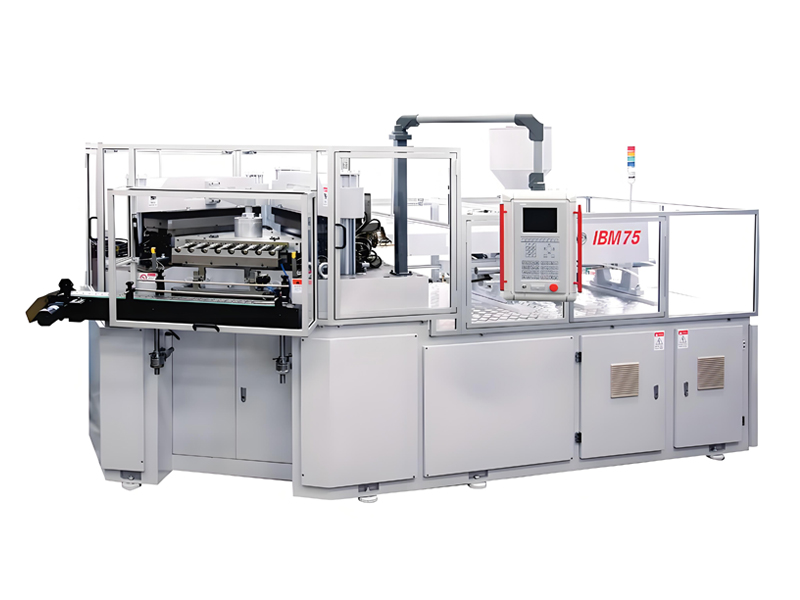
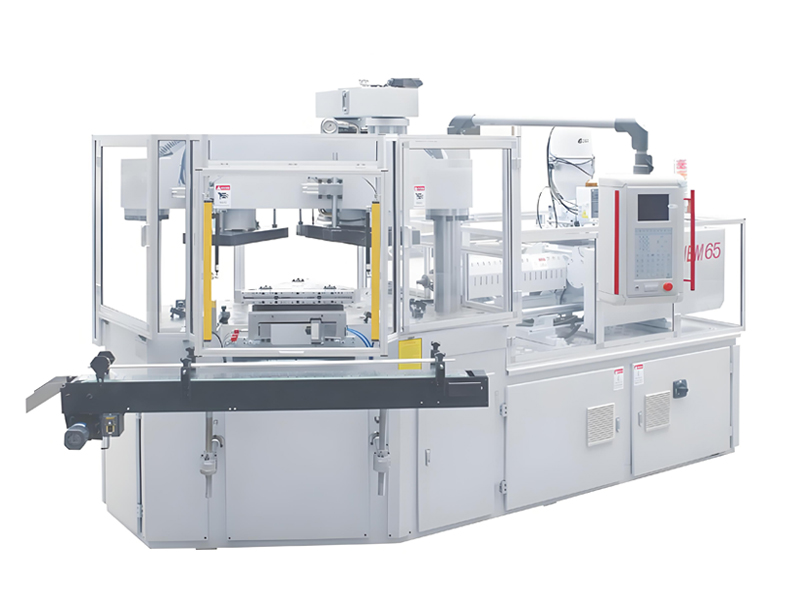
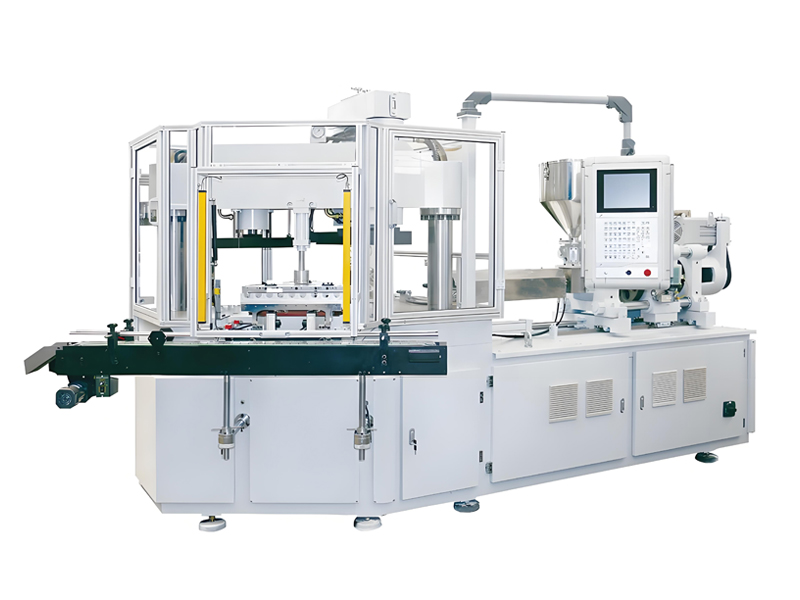
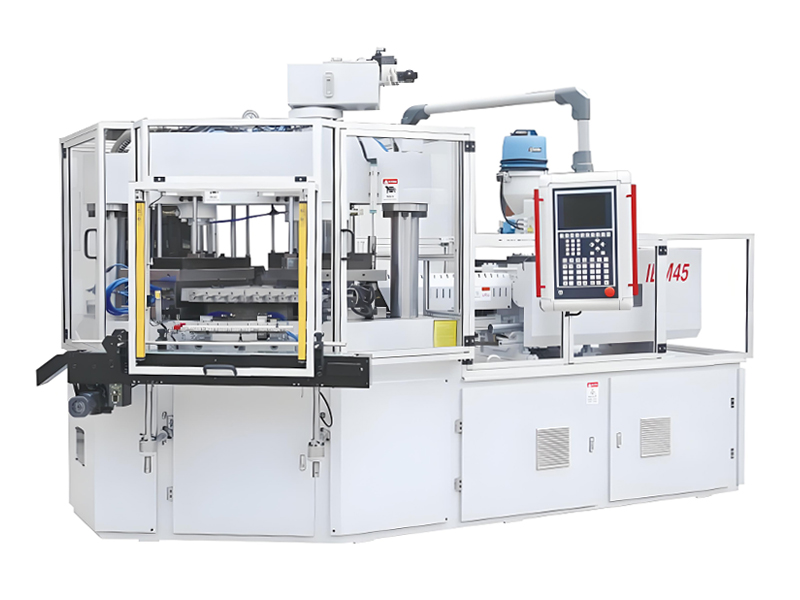
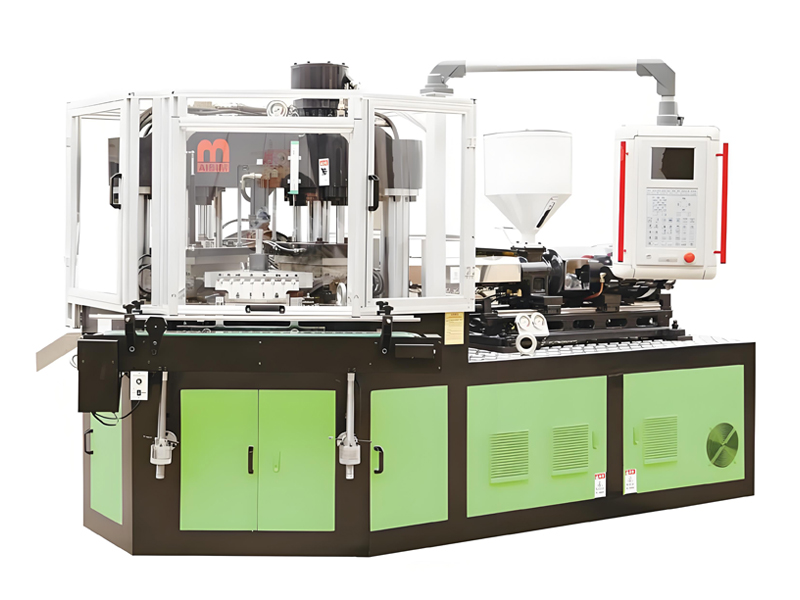
Hybrid electric injection blow molding machines perfectly balance high-precision molding performance and low energy consumption operation, combining the stable load-bearing advantages of hydraulic systems and the high-precision servo control advantages of electric drive systems. As a newly upgraded high-performance model of AiBiM, the IBM55 Hybrid Electric Injection Blow Molding Machine is tailor-made for medium and high-precision plastic container production scenarios that require both strict dimensional tolerance control and long-term low energy consumption operation. It effectively solves the pain points of high energy consumption of hydraulic equipment and high comprehensive cost of pure electric equipment, becoming a cost-effective upgraded solution for modern packaging manufacturing enterprises.
AiBiM China, as a professional R&D and manufacturing enterprise focusing on high-end injection blow molding equipment, has long been committed to optimizing equipment energy efficiency and molding precision. The independently developed IBM55 hybrid electric injection blow molding machine adopts optimized electro-hydraulic hybrid control logic, precision transmission structure and intelligent energy-saving system, realizing dual breakthroughs in product molding accuracy and equipment operating efficiency. This article comprehensively analyzes the technical principles, core advantages, parameter configuration, cost benefit, applicable production scenarios and maintenance specifications of the IBM55 machine, providing systematic reference for enterprises to select high-precision and energy-saving injection blow molding equipment.
1. Industry Pain Points of Traditional Injection Blow Molding Equipment
1.1 Precision Limitations of Fully Hydraulic Injection Blow Molding Machines
Most traditional entry-level injection blow molding machines adopt fully hydraulic transmission and control modes. Affected by hydraulic oil temperature change, pipeline pressure loss and valve body response delay, the equipment has poor repeated positioning accuracy and unstable blow molding pressure control. In the production of high-precision small and medium-sized containers such as cosmetic bottles and pharmaceutical bottles, problems such as uneven wall thickness, thread tolerance deviation and inconsistent bottle body roundness often occur.
The wall thickness error of fully hydraulic equipment is generally controlled within ±6%, which cannot meet the high-end packaging industry’s standard of ±3% high-precision molding. In addition, the hydraulic system is prone to oil pressure fluctuation during long-term continuous operation, resulting in gradual deviation of product batch quality, increased defective rate, and invisible improvement of enterprise production loss and quality control cost.
1.2 High Energy Consumption and Low Utilization Rate of Traditional Hydraulic Equipment
Fully hydraulic injection blow molding machines work with constant oil pump operation. Even in standby, mold opening and closing waiting and material heating links, the hydraulic system still maintains high-power operation, resulting in serious invalid energy consumption. Industry data shows that the comprehensive energy loss of traditional hydraulic blow molding equipment reaches 35% to 60%, including hydraulic pipeline resistance loss, valve group throttling loss and idle power consumption.
For medium and long-term continuous production enterprises, high energy consumption directly increases unit production cost. Especially in mass production of low-profit standardized plastic bottles, the energy cost gap will seriously affect the enterprise’s profit margin and market competitiveness. At the same time, long-term high-load operation of the hydraulic system accelerates oil aging and seal wear, increasing the frequency of oil change and accessory replacement.
1.3 High Comprehensive Investment Cost of Pure Electric High-Precision Equipment
Although pure electric injection blow molding machines can achieve ultra-high molding precision and low energy consumption, the equipment has high manufacturing costs and high market pricing. The later maintenance threshold is high, requiring professional electric control technicians for regular debugging and maintenance, and the replacement cost of electric control precision parts is far higher than that of hydraulic parts.
For most medium-sized packaging enterprises, pure electric equipment has excessive performance surplus in conventional high-precision bottle production, and the high initial investment and later maintenance cost cannot be matched with actual production benefits, resulting in low overall cost performance. Therefore, a hybrid equipment that balances precision, energy saving and investment cost has become the most needed equipment upgrade direction in the industry.
2. Working Principle and Core Design of AiBiM IBM55 Hybrid Electric Injection Blow Molding Machine
2.1 Electro-Hydraulic Hybrid Power Matching Principle
The IBM55 Hybrid Electric Injection Blow Molding Machine adopts a brand-new electro-hydraulic hybrid driving design. The high-precision actions such as injection metering, parison wall thickness control and blow molding pressure stabilization are driven and controlled by high-precision servo motors, realizing fast response and accurate parameter locking. The high-load actions such as mold clamping and mold opening adopt stable hydraulic driving mode, giving full play to the advantages of large hydraulic output force and stable load-bearing performance.
This hybrid matching mode realizes functional zoning of electric and hydraulic systems. The servo electric system ensures the precision of core molding parameters, and the hydraulic system bears high-load mechanical actions, avoiding the precision loss of full hydraulic pressure and the cost waste of full electric drive. The equipment intelligently switches the working state of electric and hydraulic systems according to different production stages, realizing precise molding while minimizing invalid energy consumption.
2.2 Intelligent Energy-Saving Control System Design
The IBM55 machine is equipped with AiBiM’s self-developed intelligent energy-saving servo control system, which can monitor equipment operating load, pressure demand and working cycle in real time. The system automatically adjusts the servo motor speed and hydraulic pump output power according to different production links such as material melting, injection, mold clamping, blow molding and cooling standby.
In the cooling and standby stage without pressure demand, the servo system automatically reduces power operation or enters standby energy-saving mode, completely eliminating idle energy consumption. In the high-precision injection and blow molding stage, the servo system responds in milliseconds to accurately lock pressure and speed parameters, ensuring stable and consistent molding parameters for each product. Compared with traditional fixed-frequency hydraulic equipment, the intelligent variable power control mode greatly reduces ineffective energy loss.
2.3 Precision Mechanical Structure Optimization
On the mechanical structure, the IBM55 hybrid injection blow molding machine adopts an integral reinforced rigid frame and high-precision linear guide rail transmission structure. The whole machine has small mechanical deformation and stable operation accuracy under long-term high-load operation. The three-station rotary positioning structure is optimized with precision gear pair transmission, and the repeated positioning accuracy of the station is controlled within 0.02mm, ensuring consistent molding position of each bottle blank.
The injection barrel and screw adopt high-precision wear-resistant alloy processing technology, with uniform plasticizing effect and stable injection volume. The optimized blow molding air circuit system realizes multi-stage variable pressure air supply, which can accurately adapt to the molding requirements of different bottle shapes and materials, effectively improving the dimensional accuracy and surface finish of finished bottles.
3. Core Advantages of IBM55 Hybrid Electric Injection Blow Molding Machine: Precision and Energy Efficiency
3.1 Industry-Leading Molding Precision Advantage
Benefiting from servo precision drive and intelligent parameter locking technology, the IBM55 machine achieves ultra-high molding accuracy in the production of plastic packaging bottles. The wall thickness error of finished products is stably controlled within ±2.5%, far better than the ±6% error level of traditional hydraulic equipment and reaching the high-precision standard of high-end packaging products. The bottle body roundness, caliber tolerance and thread precision are all optimized in an all-round way, which can perfectly match high-precision accessories such as cosmetic pump heads, sealing caps and pharmaceutical sealing parts.
In the batch production process, the equipment parameter stability is extremely strong, and the product quality deviation between different batches is almost negligible. The finished product qualification rate is stably maintained above 99%, which effectively reduces the defective rate and rework loss caused by precision problems, and helps enterprises achieve high-quality standardized production.
3.2 Significant Energy-Saving and Consumption-Reducing Effect
The IBM55 electro-hydraulic hybrid structure abandons the constant power operation mode of traditional hydraulic equipment. Through intelligent load matching and servo variable frequency energy-saving technology, the comprehensive energy consumption is reduced by 30% to 40% compared with fully hydraulic equipment of the same specification. Taking the conventional 20-hour industrial continuous operation as the standard, the equipment only consumes 14 to 16 kilowatt-hours per hour, which greatly reduces the unit power consumption of products.
The hydraulic system of the IBM55 machine operates on demand, without long-term high-pressure circulation, which effectively reduces the temperature rise of hydraulic oil, delays the aging speed of hydraulic oil and sealing accessories, and reduces the energy loss caused by oil temperature heat dissipation. Long-term mass production can form a very obvious energy cost advantage, greatly reducing the daily operating pressure of enterprises.
3.3 Stable Operation and Low Failure Rate Advantage
The functional division of electro-hydraulic hybrid structure reduces the working load of a single system. The precision electric control system is only responsible for core molding parameters, avoiding frequent high-load operation, and the hydraulic system is only responsible for high-load mechanical actions, with stable and reliable performance. The overall failure rate of the equipment is reduced by more than 40% compared with traditional full hydraulic equipment.
The equipment effectively reduces the failure problems such as oil pressure fluctuation, pipeline leakage and parameter drift that are common in traditional hydraulic equipment. The annual average failure shutdown time is less than 20 hours, which ensures the continuous and stable progress of enterprise production orders, avoids production delay losses caused by equipment failures, and further optimizes comprehensive production benefits.
3.4 Moderate Investment and Low Maintenance Cost Advantage
Compared with pure electric high-precision injection blow molding machines with high investment and high maintenance costs, the IBM55 hybrid electric equipment has a moderate initial purchase price, and the later maintenance difficulty and accessory replacement cost are close to those of traditional hydraulic equipment. The hydraulic and electric control systems are relatively independent, with simple fault location and convenient daily maintenance, and ordinary operators can complete daily inspection and simple maintenance work.
The service cycle of hydraulic oil and sealing accessories is extended by more than 50% due to the reduction of system invalid operation and temperature rise, which greatly reduces the frequency of later accessory replacement and oil change maintenance, and comprehensively reduces the later operation and maintenance costs of the equipment.
4. IBM55 Equipment Core Parameters and Product Adaptability
4.1 Complete Machine Technical Parameters
The AiBiM IBM55 Hybrid Electric Injection Blow Molding Machine adopts a mature three-station rotary integrated structure, integrating injection parison making, constant temperature shaping and blow molding demolding processes. The maximum mold opening stroke is 55mm, which is compatible with the production of plastic bottles with a capacity of 3ml to 350ml and a height of less than 160mm, covering mainstream high-precision packaging bottles such as cosmetics, pharmaceuticals and health products.
The equipment rated clamping force is 70KN, with stable mold closing accuracy and no flash in product molding. The servo injection system supports multi-stage speed and pressure adjustable control, with injection pressure accuracy up to ±1bar. The stable hourly output reaches 700 to 1100 pieces, which meets the medium-volume high-precision batch production demand. The total installed power of the equipment is 19KW, and the actual average operating power is only 14 to 16KW, realizing high efficiency and low energy consumption operation.
4.2 Applicable Product and Material Range
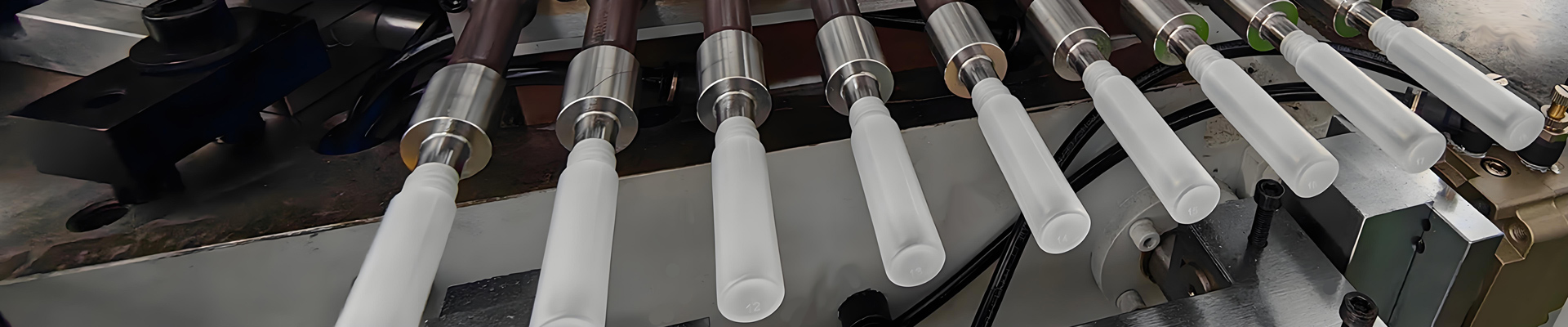
The IBM55 machine is suitable for the precision production of PP, PE, PETG and other common blow molding materials. It is widely used in high-precision cosmetic bottles, pharmaceutical liquid bottles, essential oil bottles, eye drop bottles, mini sub-packaging bottles and high-end daily chemical packaging bottles. It can stably produce round, flat, oval and conventional special-shaped high-precision bottles, with smooth product surface, uniform wall thickness and precise size, fully meeting the high-standard packaging requirements of high-end brands.
The equipment supports multi-mold fast switching production, and the built-in parameter storage function can store multiple sets of high-precision molding parameters, realizing fast switching of different bottle types, taking into account the flexibility of multi-variety production and the stability of high-precision molding.
5. Equipment Price and Comprehensive Cost-Benefit Analysis
5.1 IBM55 Equipment Market Price Estimation
The market price of AiBiM IBM55 Hybrid Electric Injection Blow Molding Machine ranges from 52,000 to 62,000 US dollars. Compared with the fully hydraulic injection blow molding machine of the same specification (priced at 45,000 to 50,000 US dollars), the initial investment is slightly higher, but the energy-saving and quality-improving benefits in the later stage are extremely significant. Compared with the pure electric high-precision equipment priced above 80,000 US dollars, the IBM55 machine has obvious cost advantages in initial investment and later maintenance.
The equipment is equipped with full-standard configurations including hybrid power system, intelligent energy-saving control system and high-precision transmission structure, without additional optional configuration fees. It is the most cost-effective high-precision and energy-saving upgraded model in the medium-volume injection blow molding equipment market.
5.2 Annual Energy Saving Cost Analysis
Calculated based on 20-hour daily operation and 300 working days a year, the annual power consumption of traditional fully hydraulic equipment of the same type is about 132,000 kilowatt-hours, while the annual power consumption of IBM55 hybrid equipment is only about 90,000 kilowatt-hours. According to the industrial average electricity price, the annual electricity cost can be saved by 3,800 to 4,500 US dollars, and the long-term energy-saving benefit is very prominent.
At the same time, the equipment reduces the frequency of hydraulic oil replacement and sealing accessory replacement. The annual maintenance and accessory replacement cost is saved by about 700 to 1,000 US dollars compared with traditional hydraulic equipment, further reducing the comprehensive operating cost.
5.3 Quality Benefit and Comprehensive Return Analysis
The high-precision molding performance of the IBM55 machine reduces the product defective rate from 6% to 1% or below. For enterprises with annual output of millions of bottles, the annual raw material waste and rework cost can be saved by more than 12,000 US dollars. The stable product quality improves customer satisfaction and order repurchase rate, bringing stable incremental profits for enterprises.
The overall investment return cycle of the IBM55 hybrid electric injection blow molding machine is 8 to 10 months. After recovering the slight initial price difference, the equipment can continuously create cost-saving and profit-increasing benefits for enterprises. The service life of the equipment can reach more than 12 years, and the long-term comprehensive economic benefit is far higher than that of traditional hydraulic equipment.
6. Daily Operation and Precision Maintenance Specifications
6.1 Standard Pre-Production Debugging Steps
Before daily production, turn on the equipment power supply and start the intelligent self-inspection program to check the operating status of the servo electric control system and hydraulic system to ensure no abnormal pressure and parameter deviation. Preheat the barrel and mold according to the production material parameters, and keep warm for 15 minutes to ensure uniform plasticizing of raw materials. After installing the mold, calibrate the mold clamping precision and station positioning accuracy, and call the stored standard molding parameters for trial production.
Fine-tune the injection speed, blow pressure and cooling time according to the trial production product effect to ensure that the product wall thickness, size and surface finish meet the high-precision standards before formal batch production.
6.2 Precision Maintenance Key Points for Hybrid System
The servo electric control system should be dust-proof and moisture-proof daily to ensure stable signal transmission and accurate parameter execution. Regularly check the operation status of the servo motor and transmission structure every week to avoid transmission deviation affecting molding accuracy. The hydraulic system needs to check the oil quality and oil level regularly every month to ensure clean hydraulic oil and avoid valve blockage and pressure fluctuation caused by oil dirt.
Regularly calibrate the equipment positioning accuracy, injection pressure and blow molding parameters every quarter to ensure that the equipment maintains high-precision molding state for a long time. Timely replace aging sealing parts to prevent hydraulic leakage and ensure stable load-bearing operation of the hydraulic system.
6.3 Daily Energy-Saving Operation Management
Make full use of the intelligent energy-saving mode of the IBM55 equipment. During production interval and mold replacement debugging, the equipment automatically enters low-power standby state to avoid invalid energy consumption. Avoid frequent equipment startup and shutdown to ensure stable operation of the hybrid system and reduce energy loss and parameter deviation caused by repeated startup and debugging.
7. AiBiM Brand Strength and After-Sales Service Guarantee
As a professional manufacturer focusing on high-end injection blow molding machine R&D and production, AiBiM China has core independent intellectual property rights in hybrid electric drive technology and precision molding control technology. All series of equipment are manufactured in strict accordance with international industrial standards, with rigorous factory testing and precision calibration procedures to ensure that each IBM55 hybrid injection blow molding machine has stable performance and accurate parameters.
In terms of pre-sales service, AiBiM provides free personalized production scheme matching according to customers' product types, production accuracy requirements and output scale, helping customers select the most reasonable equipment configuration and mold scheme. In terms of after-sales service, the company provides full-life cycle technical support, including free equipment installation, commissioning and operator professional training, enabling customers to proficiently master high-precision production debugging and energy-saving operation skills.
The global after-sales service network provides 24-hour remote technical guidance and rapid on-site maintenance services. All original accessories are supplied stably at transparent prices, effectively solving customers' after-sales maintenance worries and ensuring the long-term stable and efficient operation of equipment.
Conclusion
With the continuous upgrading of packaging industry quality standards and the continuous rise of industrial energy costs, traditional high-energy consumption and low-precision injection blow molding equipment can no longer meet the sustainable development needs of enterprises. The AiBiM IBM55 Hybrid Electric Injection Blow Molding Machine perfectly integrates high-precision molding performance and low-energy consumption operation advantages, making up for the shortcomings of traditional full hydraulic and full electric equipment.
Relying on electro-hydraulic hybrid intelligent control technology, the IBM55 machine achieves industry-leading product precision and excellent energy-saving effect, with moderate investment cost, low failure rate and low comprehensive operating cost. It is the ideal upgraded high-performance equipment for medium and high-precision plastic bottle production enterprises to achieve quality improvement, cost reduction and efficiency increase, helping enterprises enhance product market competitiveness and obtain long-term stable economic benefits.