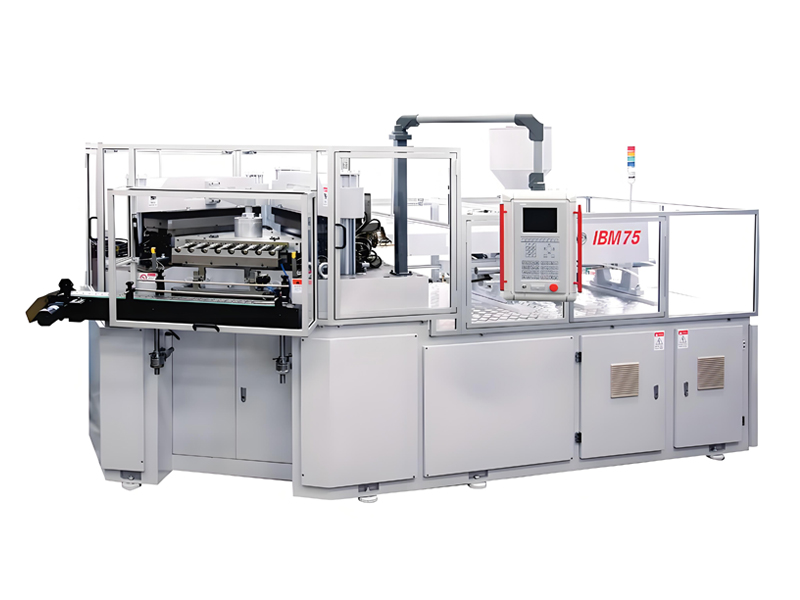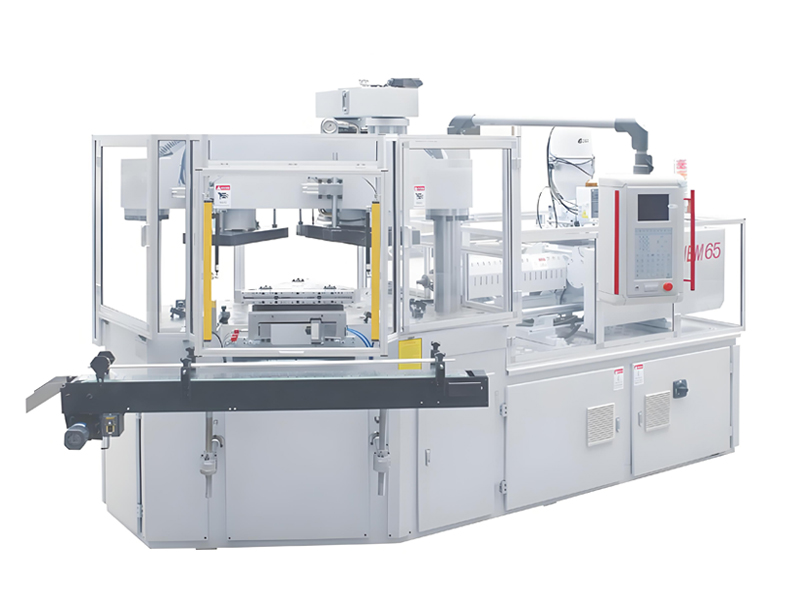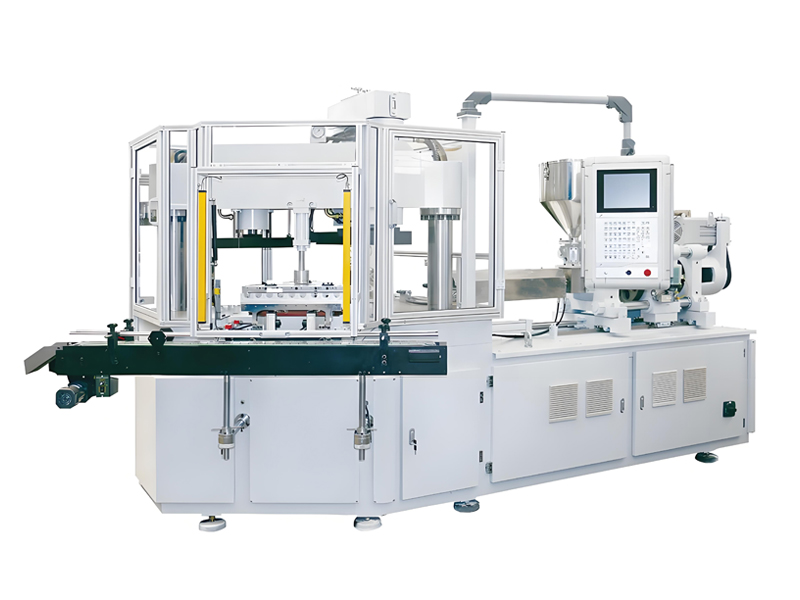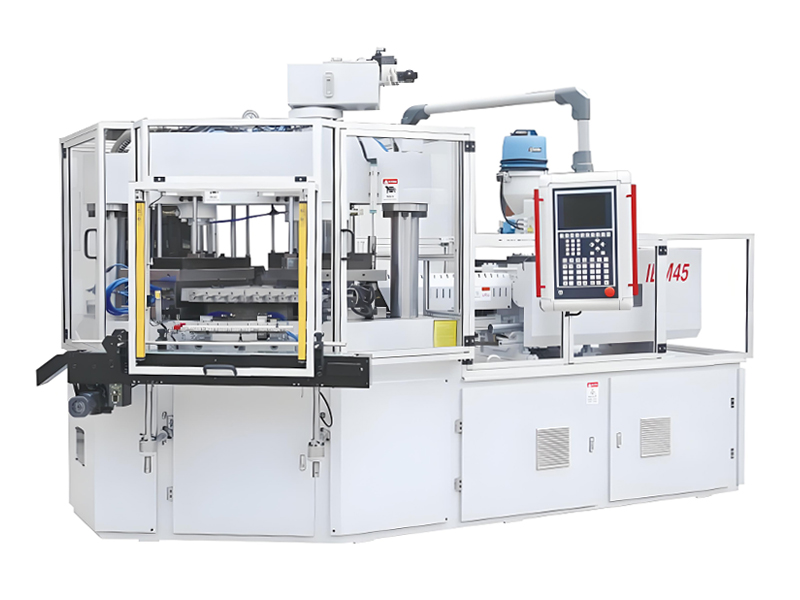
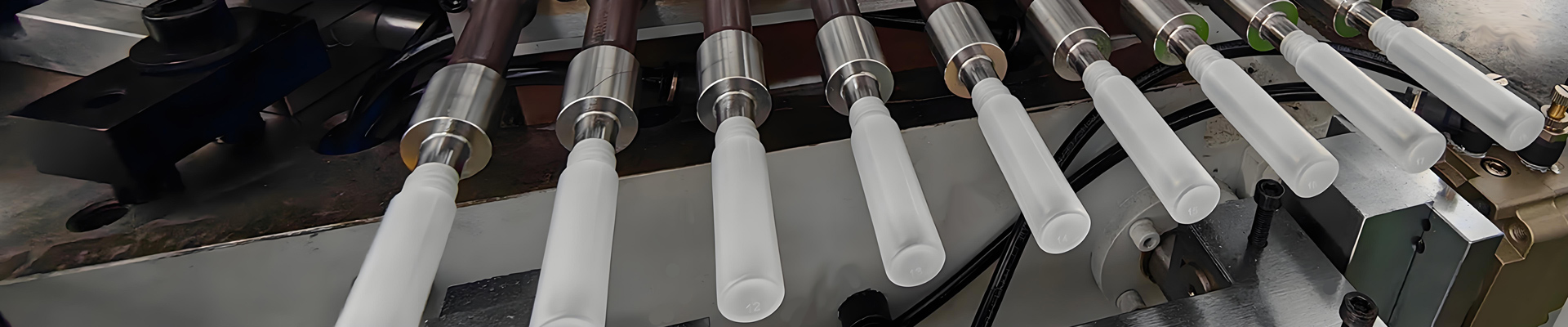
Injection Blow Molding (IBM) technology has become the mainstream manufacturing solution for high-precision small and medium-sized hollow plastic containers, including cosmetic bottles, medical packaging vials, pharmaceutical bottles, daily chemical spray containers and food packaging bottles. In the global plastic packaging machinery market, injection blow molding machines are mainly divided into two mainstream driving types: full hydraulic drive models and hybrid electric drive models. Traditional full hydraulic IBM machines have long dominated the market with stable clamping force and strong load adaptability, but they suffer from high energy consumption, low operation precision, large maintenance loss and poor environmental adaptability.
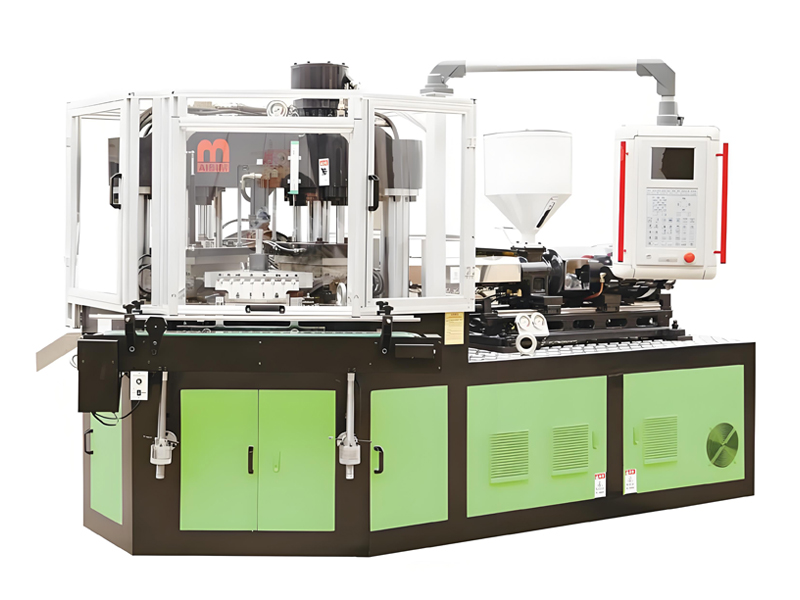
As an upgraded new-generation configuration, hybrid electric injection blow molding machines perfectly combine the high stability of hydraulic systems and the high precision energy-saving advantages of servo electric systems. The AiBiM IBM55 Hybrid Electric Injection Blow Molding Machine is a flagship optimized model independently developed by AiBiM Machinery, adopting a patented hybrid electric-hydraulic composite driving structure and exclusive PREFILL technology. It effectively solves the inherent defects of traditional full hydraulic equipment, achieving comprehensive breakthroughs in energy saving, molding precision, production efficiency and operation stability. This article conducts a comprehensive and detailed performance comparison between the AiBiM IBM55 hybrid electric IBM machine and traditional full hydraulic models from multiple dimensions including structural principle, energy consumption performance, molding accuracy, production efficiency, failure rate, operation cost and project investment value, helping global packaging manufacturers select the most cost-effective injection blow molding equipment.
1. Basic Working Principle and Structural Differences Between Hybrid Electric and Full Hydraulic IBM Machines
1.1 Structural Composition of Traditional Full Hydraulic Injection Blow Molding Machines
The traditional full hydraulic injection blow molding machine adopts a pure hydraulic driving system for all core actions including mold clamping, mold opening, rotation table operation, injection extrusion and blow molding. The whole machine is equipped with a large-flow constant-pressure hydraulic pump, multiple hydraulic cylinders, proportional pressure valves and hydraulic oil circulation systems. The power output of all mechanical actions relies entirely on hydraulic oil pressure drive, with the advantages of simple structural logic, large clamping tonnage and strong impact resistance, which is suitable for long-term high-load production of ordinary low-precision plastic bottles.
The working principle of full hydraulic models is to convert motor electric energy into hydraulic pressure energy through the hydraulic pump, and then convert hydraulic pressure energy into mechanical kinetic energy through hydraulic cylinders to complete equipment actions. However, this pure hydraulic transmission mode has obvious structural defects. The hydraulic system needs continuous oil circulation and pressure maintenance during standby and operation, resulting in invalid energy consumption. Moreover, the hydraulic transmission response lag is obvious, and the action synchronization accuracy is low, which cannot meet the high-precision molding requirements of thin-wall and high-tolerance packaging bottles.
1.2 Core Structural Design of AiBiM IBM55 Hybrid Electric IBM Machine
Different from the single driving mode of full hydraulic equipment, the AiBiM IBM55 hybrid electric injection blow molding machine adopts an optimized hybrid electric-hydraulic dual-drive separation design, which realizes classified driving of different equipment actions. The high-precision, high-frequency actions such as screw injection, parison precise metering and rotating table positioning are driven by high-precision servo motors, featuring fast response and accurate control. The high-load, high-pressure actions such as mold clamping and pressure maintaining are completed by an optimized low-power hydraulic system, retaining the high stability and strong load capacity of hydraulic drive.
Equipped with AiBiM’s exclusive PREFILL technology and variable pump pressure boosting system, the IBM55 model realizes dynamic matching of electric precision drive and hydraulic high-load drive. The machine adopts a double vertical pole and double horizontal beam structural frame with four tie rods, and the clamping cylinder is installed under the rotation table, effectively saving operating space and improving the overall structural rigidity of the equipment. In addition, the stripper station is equipped with a long-distance digital laser sensor and safety light curtain, which greatly improves mold safety and operator safety compared with traditional full hydraulic models lacking precise safety protection configurations.
This hybrid structural design abandons the full-time high-load operation of the large-flow hydraulic system of traditional equipment, realizes the complementary advantages of electric drive precision and hydraulic drive stability, and fundamentally makes up for the performance defects of full hydraulic injection blow molding machines.
1.3 Essential Differences in Driving Logic Between the Two Models
The full hydraulic model adopts a single hydraulic linkage logic, and all actions are restricted by hydraulic oil pressure and flow rate. The action speed and positioning accuracy are affected by oil temperature, oil viscosity and pipeline pressure loss, with poor parameter stability. The AiBiM IBM55 hybrid model adopts an independent dual-control logic of electric and hydraulic separation. The servo electric system independently controls high-precision dynamic actions with a response speed 30% faster than full hydraulic systems and positioning accuracy increased to ±0.01mm. The hydraulic system only undertakes static high-pressure maintaining actions, with low operating frequency and stable pressure output, avoiding the dynamic pressure fluctuation of full hydraulic equipment.
2. Energy Consumption Performance Comparison: Core Advantages of IBM55 Hybrid Electric Model
2.1 Overall Energy-Saving Data Comparison
Energy consumption is the most critical performance gap between hybrid electric and full hydraulic injection blow molding machines. A large number of production tests and actual customer operation data verify that the AiBiM IBM55 hybrid electric machine achieves a minimum energy saving of 35% compared with traditional full hydraulic IBM models under the same production conditions and output. For long-term 24-hour continuous industrial production, this energy-saving advantage brings extremely considerable cost reduction benefits.
Traditional full hydraulic machines need to keep the hydraulic pump running at full speed and maintain circulating oil pressure whether in production standby or formal operation. A large amount of electric energy is converted into invalid heat energy of hydraulic oil, resulting in serious energy waste. The oil temperature rises rapidly during operation, which further increases the load of the cooling water system and forms secondary energy consumption loss. The average hourly power consumption of a standard full hydraulic 55-type injection blow molding machine is 18-22 kWh.
The AiBiM IBM55 hybrid electric model adopts servo variable frequency energy-saving control. The electric drive component only consumes power during action execution, and automatically enters low-power standby mode when idle. The hydraulic system adopts a variable pump pressure boosting structure, which automatically adjusts pressure and flow according to production load, avoiding full-load continuous operation. The actual hourly power consumption of the IBM55 machine is only 11-14 kWh, which greatly reduces unit product energy consumption.
2.2 Long-Term Energy Cost Benefit Analysis
Calculated based on 20-hour daily production and 300-day annual working hours, the annual power consumption of a single full hydraulic 55-type IBM machine is about 108,000-132,000 kWh, while the annual power consumption of the AiBiM IBM55 hybrid machine is only 66,000-84,000 kWh. A single equipment can save 42,000-48,000 kWh of electricity every year. Calculated according to the average industrial electricity price of 0.12 US dollars per kWh, the annual electricity cost saving of a single machine reaches 5,040-5,760 US dollars.
For packaging enterprises with multiple production lines, the cumulative energy-saving benefit is extremely significant. At the same time, the hybrid model effectively controls the temperature rise of hydraulic oil, reduces the working load of the cooling water circulation system, and saves about 18% of water resource consumption and cooling energy consumption every year, further reducing comprehensive production energy costs.
3. Molding Precision and Product Quality Comparison
3.1 Dimensional Tolerance Control Accuracy
Injection blow molding products such as medical bottles and cosmetic packaging containers have extremely strict requirements for dimensional tolerance, bottle neck roundness and wall thickness uniformity. The full hydraulic model is limited by hydraulic transmission lag and pressure fluctuation, and the positioning accuracy of the rotating table and mold closing action is low. The bottle neck diameter tolerance of finished products is usually ±0.05mm, and the wall thickness deviation is more than 0.08mm, which is difficult to meet the high-precision assembly and sealing requirements of high-end packaging.
The AiBiM IBM55 hybrid electric machine adopts servo precise metering injection and electric positioning technology. The melt back pressure is controlled by CNC digital system, and the injection volume and parison thickness are adjusted in real time with high precision. The product bottle neck tolerance is stably controlled within ±0.01mm, and the wall thickness deviation is less than 0.03mm. The roundness and flatness of hollow containers are far better than those of full hydraulic products, fully meeting the production standards of medical-grade and high-end cosmetic packaging.
3.2 Product Surface Quality and Defect Rate Control
The unstable pressure output of the full hydraulic system leads to uneven melt plasticization and unstable parison extrusion speed, which easily produce surface defects such as flow marks, sink marks and weld lines on the surface of plastic bottles. The long-term temperature rise of hydraulic oil will cause subtle changes in equipment vibration amplitude, resulting in increased batch product deviation, with a comprehensive defective product rate of 3%-5%.
The AiBiM IBM55 hybrid electric machine realizes stable and consistent melt extrusion through servo precise speed regulation. The PREFILL technology optimizes the melt filling process, eliminates internal bubbles and material unevenness, and makes the product surface smooth and flawless. The equipment operates with low vibration and stable action, and the batch product consistency is extremely high. The actual defective rate of long-term production is controlled below 0.8%, which greatly reduces raw material waste and post-processing correction costs.
3.3 Material Adaptability and Forming Stability
The IBM55 hybrid model has strong adaptability to multiple plastic materials including HDPE, PP, PS and modified plastic materials. The precise electric control system can dynamically adjust injection pressure and speed according to different material shrinkage characteristics, effectively solving the molding deviation problems caused by different material shrinkage rates. Especially for PS materials with low shrinkage and high precision requirements, the IBM55 machine can maintain ultra-stable dimensional control effect.
The full hydraulic model has fixed pressure and speed adjustment ranges, poor adaptability to special modified materials, and is prone to material over-shearing or insufficient plasticization, resulting in unstable product physical properties and low qualification rate of special material products.
4. Production Efficiency and Cycle Speed Comparison
4.1 Single Product Molding Cycle
The action response speed of full hydraulic equipment is slow, and the mold opening, closing and rotating table switching cycles are long. The single molding cycle of conventional 100ml-500ml plastic bottles is 18-22 seconds, with low hourly output. Moreover, the hydraulic system is prone to pressure drop and action delay after long-term operation, leading to prolonged cycle time and reduced production capacity.
The AiBiM IBM55 hybrid electric machine adopts fast servo response and optimized mechanical action logic. The electric drive shortens the positioning and switching time of each station, and the hydraulic system maintains stable pressure holding efficiency. The single product molding cycle is shortened to 12-15 seconds, and the hourly production efficiency is increased by 30%-40% compared with full hydraulic models. Under the same mold configuration and product specifications, the IBM55 machine has higher output per unit time and stronger mass production capacity.
4.2 Continuous Production Stability and Equipment Utilization Rate
The full hydraulic model has obvious oil temperature rise after long-term continuous operation, which leads to unstable hydraulic pressure, slow action and frequent minor faults. The equipment needs regular shutdown cooling and pressure relief, with an effective operation rate of only 85% in actual production. The AiBiM IBM55 hybrid model has low heat generation of the servo electric system, and the hydraulic system operates at low load with stable oil temperature. The equipment can realize 24-hour uninterrupted stable production, with an effective operation rate of more than 98%, greatly improving the effective production time and output of the production line.
5. Failure Rate, Maintenance and Service Life Comparison
5.1 Daily Failure Rate and Fault Types
Traditional full hydraulic injection blow molding machines have complex hydraulic pipelines and numerous valve components, with high failure rates in daily operation. Common faults include hydraulic oil leakage, pipeline blockage, pressure valve failure, insufficient clamping force and action jamming. These faults are frequent and difficult to troubleshoot, easily causing production shutdown delays. The average monthly failure shutdown time of full hydraulic equipment reaches 8-12 hours.
The AiBiM IBM55 hybrid electric machine simplifies the hydraulic system structure, reduces redundant hydraulic pipelines and valve groups, and the electric drive components have stable performance and anti-interference ability. The equipment only has occasional minor maintenance problems such as regular filter screen replacement, with almost no sudden shutdown faults. The average monthly failure shutdown time is controlled within 1-2 hours, which greatly improves production continuity.
5.2 Annual Maintenance Cost Comparison
The full hydraulic model needs to replace hydraulic oil, sealing rings, filter elements and worn valve components regularly every year. The annual maintenance cost of vulnerable parts and hydraulic accessories is 3,800-5,200 US dollars. In addition, oil leakage pollution requires regular cleaning and maintenance, increasing invisible labor costs.
The AiBiM IBM55 hybrid electric machine has low hydraulic system loss and long service life of electric servo components. The annual maintenance cost of vulnerable parts is only 1,800-2,500 US dollars, which is more than 45% lower than that of full hydraulic equipment. The equipment has no oil leakage pollution risk, saving daily cleaning and maintenance labor costs.
5.3 Equipment Overall Service Life
Long-term high-load operation of the full hydraulic system will accelerate the aging of mechanical structures and hydraulic components, and the overall service life of the equipment is about 8-10 years. After 8 years of use, the equipment has frequent faults and difficult parameter stabilization, requiring large-scale component replacement and renovation.
The AiBiM IBM55 hybrid electric machine operates with low load and low loss, the mechanical and electrical components age slowly, and the overall service life can reach more than 15 years. The equipment can maintain stable precision and production efficiency for a long time, with ultra-low long-term renewal and transformation costs.
6. Equipment Price and Comprehensive Investment Cost-Benefit Analysis
6.1 Initial Equipment Purchase Price Comparison
The market price of a traditional full hydraulic 55-type injection blow molding machine with standard configuration is 32,000-38,000 US dollars, with low initial investment threshold, which is the main reason for its early market popularity. The AiBiM IBM55 hybrid electric injection blow molding machine, as an upgraded high-performance model integrating patented technology, has a standard configuration price of 42,000-48,000 US dollars, with a one-time price increase of about 10,000 US dollars compared with full hydraulic models.
Although the initial purchase cost is slightly higher, the IBM55 model is equipped with complete safety protection devices, high-precision control systems and energy-saving configurations as standard, without subsequent additional transformation and upgrading costs. The full hydraulic model needs to invest additional funds in precision transformation, energy-saving renovation and safety device upgrading in the later stage to meet high-end production standards.
6.2 Three-Year Comprehensive Operating Cost Calculation
Taking a three-year investment cycle as the statistical standard, the comprehensive cost gap between the two models is completely reversed. The three-year total energy cost of the full hydraulic model is about 15,120-17,280 US dollars, and the three-year maintenance cost is about 11,400-15,600 US dollars. The cumulative cost of defective product waste and production shutdown loss is about 8,000-12,000 US dollars. The total three-year comprehensive operating cost reaches 34,520-44,880 US dollars.
The three-year total energy cost of the AiBiM IBM55 hybrid model is only 10,080-11,520 US dollars, the three-year maintenance cost is 5,400-7,500 US dollars, and the defective product and shutdown loss is less than 3,000 US dollars. The total three-year comprehensive operating cost is only 18,480-22,020 US dollars. Within three years of use, the hybrid model can save a total of 16,000-22,000 US dollars in comprehensive costs, far offsetting the initial price difference.
6.3 Investment Payback Period and Long-Term Value
The full hydraulic model has low initial investment but high comprehensive operating costs and low product added value, with an average investment payback period of 18-22 months. The AiBiM IBM55 hybrid electric model improves product qualification rate and production efficiency, and can produce high-precision high-end packaging products with higher profit margins. The actual investment payback period is only 14-17 months, which is shorter than that of full hydraulic equipment.
In the long-term 15-year service cycle, the IBM55 hybrid model can save more than 80,000 US dollars in comprehensive energy consumption and maintenance costs, and bring stable high-quality output benefits for a long time, with far higher long-term investment value than full hydraulic models.
7. Safety Performance and Environmental Protection Level Comparison
7.1 Production Safety Configuration
Traditional full hydraulic IBM machines have simple safety configurations, lack of precise mold protection and human body induction protection devices, and are prone to mold collision damage and operational safety accidents during high-speed operation. The hydraulic oil leakage problem also brings potential safety hazards such as equipment slipping and circuit short circuit.
The AiBiM IBM55 hybrid electric machine is equipped with industry-leading safety protection systems as standard. The stripper station adopts a long-distance digital laser sensor for mold protection and a light curtain safety device for human body protection, realizing dual protection of equipment molds and operators. The optimized hydraulic system has stable sealing performance, no oil leakage risk, and the whole machine meets CE European safety certification standards, with extremely high production safety.
7.2 Environmental Protection and Factory Adaptability
The full hydraulic model has large hydraulic oil volatilization, obvious equipment operation noise and serious heat generation, which affects the factory production environment and does not meet the environmental protection standards of high-standard clean workshops such as medical packaging. The AiBiM IBM55 hybrid electric machine operates with low noise, low heat and no oil pollution, which is suitable for clean and dust-free workshop production environments, and fully meets the environmental protection and production requirements of medical, food and cosmetic high-end packaging industries.
8. Applicable Scenario Matching Analysis of Two Types of Models
8.1 Applicable Scenarios of Full Hydraulic IBM Machines
Full hydraulic injection blow molding machines are suitable for small and medium-sized enterprises with low budget, low product precision requirements and ordinary packaging product production. They are mainly used for mass production of low-end ordinary plastic bottles with low dimensional tolerance requirements and low added value, and are suitable for short-term small-batch production projects with low profit margins and insufficient investment funds.
8.2 Applicable Scenarios of AiBiM IBM55 Hybrid Electric Machines
The AiBiM IBM55 hybrid electric model is positioned in the medium and high-end precision packaging market, covering high-standard production scenarios such as medical sterile packaging bottles, high-end cosmetic spray bottles, food-grade safety packaging containers and precise daily chemical bottles. It is the best choice for medium and large packaging enterprises, export-oriented processing enterprises and manufacturers pursuing long-term cost reduction and efficiency improvement. It can perfectly adapt to high-precision, high-efficiency and low-consumption industrial production needs.
9. AiBiM Global After-Sales Service and Technical Support
AiBiM provides full-cycle professional technical services for all IBM55 hybrid electric injection blow molding machines. In the pre-sales stage, professional engineers formulate personalized equipment configuration schemes according to customers’ product specifications, material types, output requirements and factory conditions, and provide accurate project cost budget and benefit analysis reports.
All equipment completes factory assembly, 72-hour full-load trial operation and precision debugging before delivery to ensure that all performance indicators meet the standard. After equipment arrival, AiBiM arranges professional after-sales engineers to complete on-site installation, commissioning and operator training, helping customers quickly master hybrid equipment parameter adjustment, daily operation and maintenance skills.
The company provides 24-hour global remote technical support and long-term stable supply of original vulnerable parts, quickly solving equipment operation faults and parameter matching problems, minimizing production shutdown losses, and ensuring long-term stable and efficient operation of customer production lines.
Conclusion
Through comprehensive performance comparison, it is obvious that the AiBiM IBM55 hybrid electric injection blow molding machine has all-round advantages over traditional full hydraulic models in energy saving and consumption reduction, molding precision, production efficiency, operation stability, safety and environmental protection and long-term cost control. Although the initial purchase price is slightly higher, the ultra-low comprehensive operating cost and high product added value make it have far higher investment value than full hydraulic equipment in the whole life cycle.
Traditional full hydraulic injection blow molding machines can only meet the production needs of low-end ordinary products and are gradually unable to adapt to the global high-precision, energy-saving and environmental protection upgrading trend of the plastic packaging industry. The AiBiM IBM55 hybrid electric model, with its patented hybrid driving technology and PREFILL system optimization, has become the mainstream upgraded product of the injection blow molding machine industry, helping global packaging enterprises reduce production costs, improve product quality and enhance market core competitiveness.