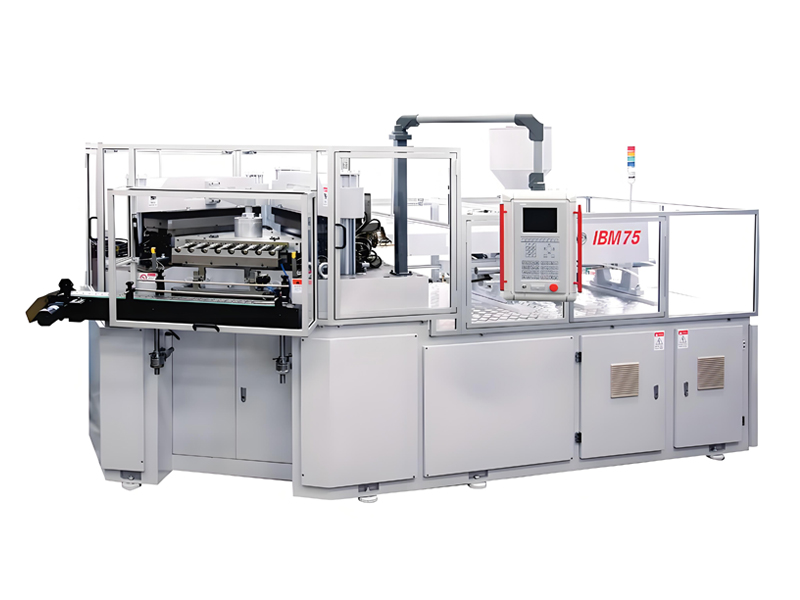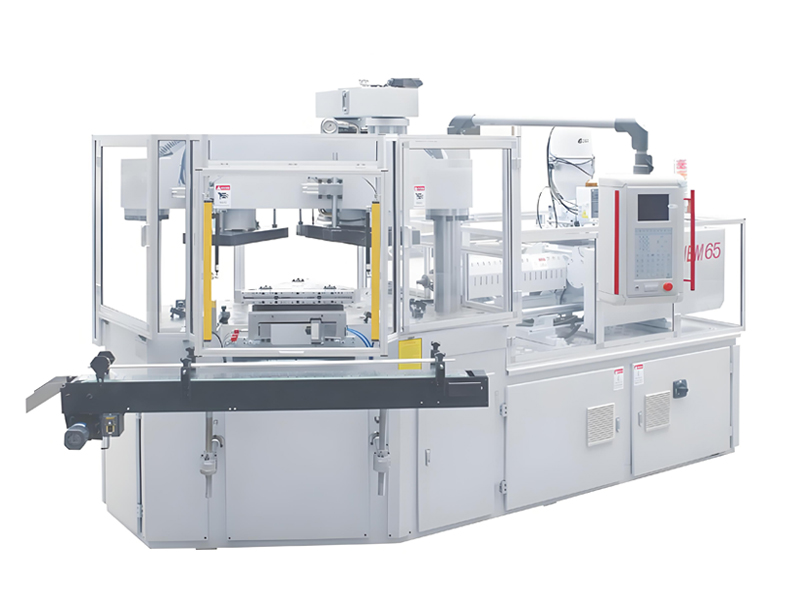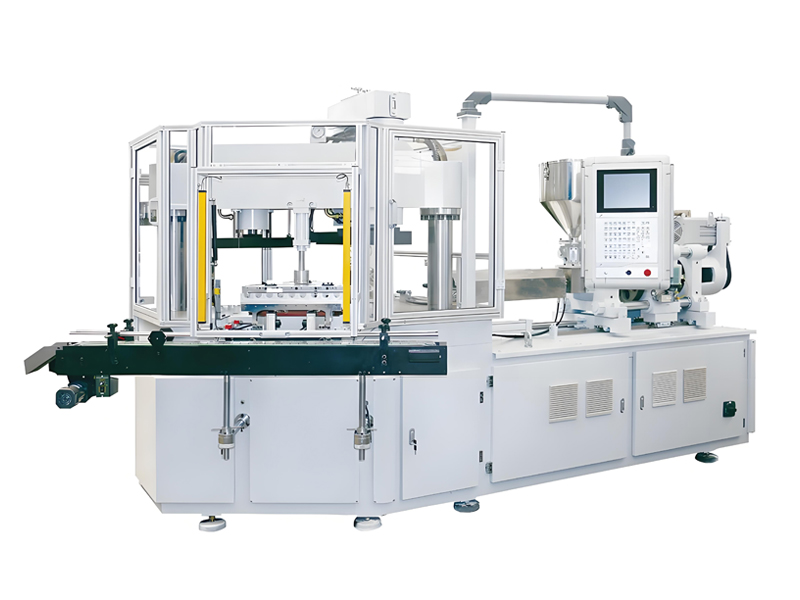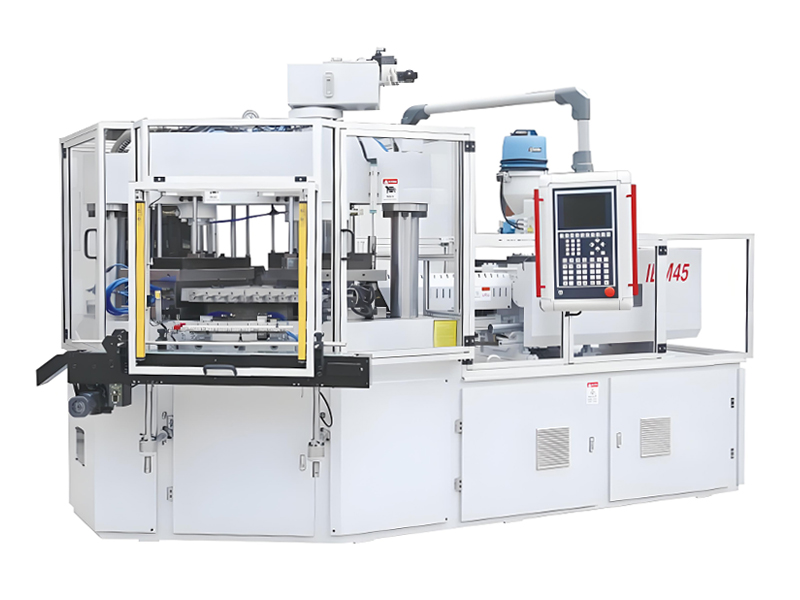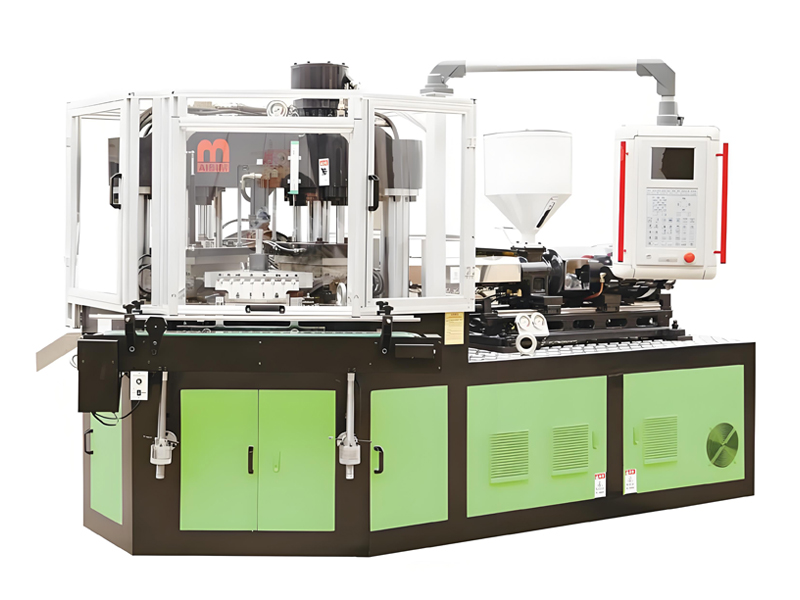
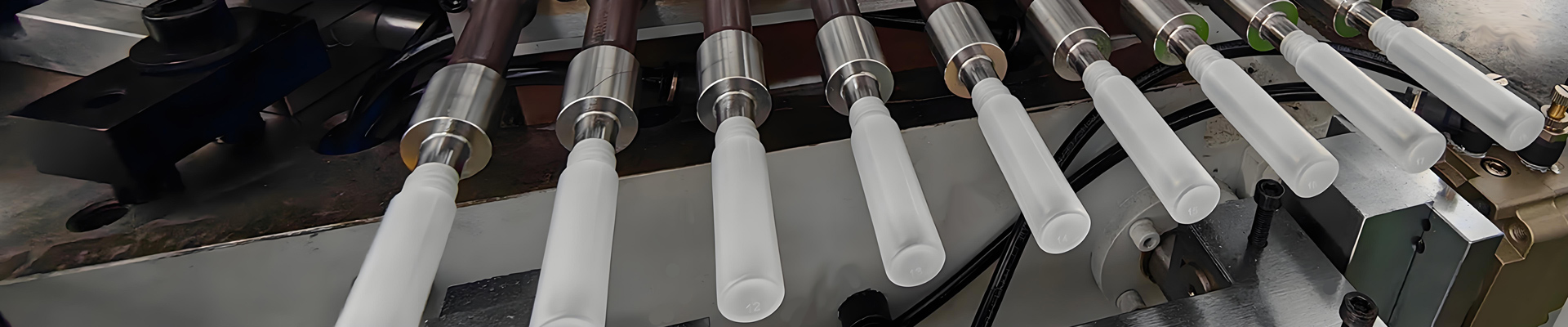
Defect prevention in injection blow molding machine production represents one of the most critical challenges facing manufacturers seeking to deliver consistent quality and control production costs. Common defects including flash formation, wall thickness variation, short shots, and surface imperfections can significantly impact production efficiency and product quality. Understanding the root causes of these defects and implementing systematic prevention strategies enables manufacturers to achieve excellent first pass quality while minimizing waste and rework expenses.
Understanding Common Injection Blow Molding Defects
Flash Formation and Parting Line Issues
Flash formation occurs when molten material escapes past the mold parting line or seal surfaces during injection or blow stages. This defect manifests as thin protrusions of material along container edges that require trimming and increase material waste. Flash results from inadequate clamping force, worn or damaged mold seal surfaces, or injection pressure that exceeds mold containment capacity.
Parting line alignment issues produce similar visual defects and may affect dimensional accuracy of the finished container. Misalignment between cavity halves causes steppage at the split line that can interfere with closure application or affect sealing surface integrity. Precise mold alignment during assembly and regular maintenance of alignment mechanisms prevent parting line defects.
Wall Thickness Variation
Wall thickness variation represents one of the most significant quality concerns in injection blow molding production. Uneven material distribution affects structural integrity, barrier properties, and appearance quality of containers. Variation typically results from improper core rod alignment, uneven cooling, or incorrect blow timing and pressure parameters.
Excessive wall thickness variation can cause weak points in containers that fail during filling, shipping, or end use. In pharmaceutical applications, wall thickness variation may affect barrier properties that protect product stability. Measurement of wall thickness at multiple points around container circumference and length identifies variation patterns that help diagnose root causes.
Short Shots and Incomplete Formation
Short shots occur when material fails to completely fill the mold cavity, resulting in incomplete containers or missing sections. This defect wastes material and production time while producing parts that must be discarded. Causes include insufficient injection pressure, material viscosity too high for the injection conditions, or restricted flow paths in the mold.
Incomplete formation during the blow stage produces containers that do not fully replicate cavity geometry. This defect may appear as incomplete detail formation, visible seams, or poor surface replication. Blow stage issues typically result from insufficient blow pressure, premature material cooling, or improper timing between injection and blow phases.
Surface Defects and Appearance Issues
Surface defects include a range of appearance issues that affect container quality perception and may indicate underlying structural concerns. Sink marks appear as depressions in container surfaces, typically near thick sections or ribs, caused by internal material contraction during cooling. Flow lines appear as streaks or patterns on container surfaces resulting from material flow patterns during injection.
Weld lines occur where material flow fronts meet after flowing around obstacles such as core pins. These lines create stress concentrations and affect appearance quality, particularly in transparent materials where they are highly visible. Causes include low melt temperature, low injection speed, or mold design that creates flow obstacles.
Root Cause Analysis and Prevention Strategies
Material Related Defect Prevention
Material selection and preparation significantly influence defect occurrence in injection blow molding production. Material moisture content must be controlled within specification to prevent hydrolysis degradation and moisture related defects. Hygroscopic materials including polyethylene terephthalate and nylon require drying at elevated temperatures for specified times before processing.
Material contamination from previous production runs or improper storage introduces defects including black specs, color variation, and property degradation. Implement material handling procedures that prevent contamination including dedicated material handling equipment, sealed storage containers, and material verification before production use. Material lot tracking enables identification of quality issues to specific material lots.
Material Viscosity Optimization
Material viscosity affects how material fills the mold cavity and influences final part quality. Viscosity varies with temperature, shear rate, and material moisture content. High viscosity causes incomplete filling and excessive pressure requirements, while low viscosity may cause flash and poor surface replication. Optimize processing conditions to achieve appropriate viscosity for the specific application.
Injection speed affects shear rate in the material, influencing viscosity during the filling phase. Higher speeds increase shear thinning in most polymers, reducing effective viscosity and improving fill characteristics. However, excessive speed can cause other issues including air entrapment and surface defects. Balance injection speed against other parameters to achieve optimal filling conditions.
Temperature Control for Defect Prevention
Mold temperature significantly affects part quality and defect occurrence. Insufficient mold temperature increases material viscosity and can cause incomplete filling, particularly in thin wall sections. Excessive mold temperature can cause flashing, poor ejection, and extended cycle times. Maintain mold temperature within specifications established during process development.
Temperature uniformity throughout the mold prevents differential cooling that causes warpage, dimensional variation, and internal stress. Uneven cooling results from cooling channel blockage, inadequate flow, or insufficient channel sizing. Regular maintenance of cooling systems ensures consistent temperature distribution throughout production runs.
Mold Design and Maintenance for Quality
Mold Design Considerations
Mold design fundamentally influences defect susceptibility and quality achievable in production. Proper gate design ensures complete cavity filling without hesitation or air entrapment. Gate location affects material flow patterns and can influence weld line positions and wall thickness distribution. Gate sizing must balance fill requirements against aesthetic considerations and ejection ease.
Draft angle design facilitates part release from the mold without damage. Insufficient draft causes ejection difficulties that can scratch or deform container surfaces. Standard draft angle requirements range from one half degree to two degrees per side depending on material selection and surface texture requirements. Deep draw sections require proportionally larger draft angles.
Regular Maintenance Protocols
Preventive maintenance prevents quality issues caused by mold wear and deterioration. Establish maintenance schedules based on production volume rather than calendar time. High volume production may require weekly or even daily maintenance attention, while lower volume production can extend intervals appropriately. Document all maintenance activities and their results.
Critical maintenance items include cleaning of parting line surfaces, verification of alignment pin and bushing conditions, inspection of seal surfaces for wear, and verification of cooling channel integrity. Wear in these areas directly affects quality parameters and should be addressed before defects become significant problems. Replacement parts should meet original specifications to maintain quality consistency.
Mold Wear Monitoring and Correction
Monitor mold wear through regular dimensional verification of critical cavity dimensions. Track dimensional trends over time to identify wear progression before dimensions exceed tolerance limits. Statistical process control techniques applied to dimensional data enable early identification of drift that may indicate developing problems.
When wear is identified, evaluate repair options based on extent and cost. Minor wear may be addressable through polishing or minor machining, while significant wear may require complete component replacement. Planned repair activities should be scheduled during planned downtime to minimize production disruption.
Process Parameter Optimization
Injection Parameter Setting and Control
Injection parameters require careful optimization to achieve defect free production. Injection pressure must be sufficient to fill the cavity completely without causing flash or excessive stress. Initial settings should follow material supplier recommendations, then refined based on observed quality results. Incremental adjustments of 5 to 10 percent are appropriate when optimizing pressure settings.
Injection speed affects material flow patterns, pressure requirements, and surface quality. Multiple speed stages may be beneficial for complex parts, allowing slower injection through critical sections and faster injection through less sensitive areas. Pressure and speed profiles should be coordinated to achieve smooth transitions between stages.
Blow Stage Optimization
Blow stage parameters control material distribution and container formation during the blow phase. Blow pressure must be sufficient to fully expand the preform against cavity walls without causing material thinning or rupture. Higher pressures are typically required for containers with complex geometries or thick walls.
Blow timing controls when blow pressure activates relative to material cooling. Premature blow activation causes material sag and neck deformation, while delayed activation allows excessive cooling that requires higher pressures for adequate formation. Optimize timing through observation of part quality with incremental adjustments of 0.1 seconds.
Cooling Parameter Management
Cooling time typically represents the largest portion of cycle time in injection blow molding. Insufficient cooling causes dimensional instability, warpage, and potential quality issues after containers leave the production line. Excessive cooling wastes production time without quality benefit. Optimize cooling time based on actual dimensional stability rather than arbitrary settings.
Cooling system maintenance ensures consistent performance throughout production runs. Monitor coolant flow rates and temperatures to verify system function. Blocked cooling channels reduce cooling efficiency and cause temperature variation that affects quality. Regular cleaning and flow verification maintains cooling system performance.
Quality Control Systems and Inspection
In Process Quality Monitoring
In process monitoring detects quality variation before defects become widespread. Key parameters to monitor include injection pressures and temperatures, blow pressures and timing, and cycle times. Statistical process control charts track these parameters and identify when variation exceeds acceptable limits, enabling rapid response before quality problems affect production.
Modern injection blow molding machines incorporate data collection capabilities that support comprehensive process monitoring. Real time data collection enables immediate detection of parameter deviations and supports root cause analysis when quality issues occur. Investment in monitoring capability provides significant return through defect prevention and improved process understanding.
Statistical Process Control Implementation
Statistical process control provides systematic methodology for quality monitoring and improvement. Control charts track key quality characteristics over time, distinguishing between common cause variation inherent in the process and special cause variation indicating problems requiring attention. Implementation requires identification of critical characteristics, establishment of measurement systems, and development of control chart protocols.
Process capability analysis quantifies the relationship between specification limits and actual process variation. Capability indices including Cpk provide objective measures of process performance that support quality improvement efforts and customer communication. Target capability indices of 1.33 or higher indicate processes capable of meeting specification requirements consistently.
Dimensional Inspection and Testing
Dimensional inspection verifies that containers meet specification requirements. Critical dimensions vary by application but typically include neck finish dimensions, overall height, body diameter, and wall thickness. Measurement methods range from manual gauges for simple dimensions to coordinate measuring machines for comprehensive verification.
Functional testing verifies that containers perform correctly with closure systems and meet application requirements. Closure torque testing, leak testing, and other functional tests provide quality assurance beyond dimensional verification. Testing frequency should be risk based, with higher frequency for critical characteristics and lower frequency for stable parameters.
Operator Training and Best Practices
Competency Requirements and Training Programs
Operator competency significantly affects defect rates and production efficiency. Comprehensive training programs should cover machine operation, adjustment procedures, quality requirements, and troubleshooting techniques. Training should combine classroom instruction with hands on practice under experienced supervision.
Certification requirements verify that operators have achieved required competency levels before assuming production responsibilities. Regular refresher training maintains skill levels and introduces new procedures or techniques as equipment and processes evolve. Documentation of training activities supports quality system requirements and regulatory compliance.
Standard Operating Procedure Development
Standard operating procedures document approved methods for all production activities. Well developed procedures ensure consistent execution regardless of operator, reducing variation and defect occurrence. Procedures should be specific, clear, and supported by visual aids where helpful. Regular review ensures procedures remain current with equipment and process changes.
Procedure development should involve experienced operators who understand practical considerations and potential issues. Testing new procedures during development identifies gaps or unclear instructions before formal release. Change control processes ensure that procedure updates are implemented consistently across all production shifts.
Troubleshooting Skills Development
Effective troubleshooting requires understanding of cause and effect relationships between process parameters and quality outcomes. Training should develop systematic troubleshooting approaches that methodically identify root causes rather than implementing quick fixes that may mask underlying problems. Documentation of troubleshooting activities supports continuous improvement.
Common troubleshooting frameworks include fault tree analysis for complex problems and five why analysis for simpler issues. These systematic approaches develop problem solving skills that improve over time with practice. Encourage knowledge sharing among operators to spread effective troubleshooting techniques across the organization.
Equipment Calibration and Maintenance
Measurement System Calibration
Accurate measurement is essential for quality verification and process control. Measurement systems must be calibrated against traceable standards at defined intervals to ensure accuracy. Calibration records document measurement system performance and support quality system requirements. Include all measurement and test equipment in calibration programs.
Calibration frequency depends on equipment type and usage patterns. More frequent calibration may be appropriate for critical measurement systems or equipment subject to heavy use. Calibration procedures should specify methods, acceptance criteria, and documentation requirements. Out of tolerance conditions require investigation and corrective action.
Machine Calibration and Verification
Injection blow molding machines require periodic calibration of temperature controllers, pressure transducers, and motion control systems. Temperature calibration should verify accuracy at multiple set points throughout the operating range. Pressure calibration ensures accurate measurement and control of injection and blow pressures.
Motion calibration verifies positioning accuracy and repeatability of injection unit and mold movements. Improperly calibrated motion systems cause dimensional variation and affect process consistency. Include machine calibration verification in preventive maintenance schedules and after any significant machine repair or adjustment.
Preventive Maintenance Scheduling
Preventive maintenance prevents equipment failures that cause defects and production interruptions. Develop maintenance schedules based on manufacturer recommendations, equipment age, and operating experience. Critical maintenance items should be prioritized to ensure attention is not deferred due to production pressure.
Maintenance records document equipment condition and support analysis of maintenance effectiveness. Track maintenance costs and equipment performance to optimize maintenance programs over time. Continuous improvement of maintenance practices reduces downtime and improves quality consistency.
Specific Defect Prevention Strategies
Flash Prevention Measures
Flash prevention requires addressing all potential causes including clamping force, mold condition, and injection pressure. Verify clamping force is adequate for the specific material and part geometry. Higher pressures and certain materials require proportionally higher clamping forces to prevent flash.
Inspect mold seal surfaces regularly for wear that reduces sealing effectiveness. Seal surface wear typically manifests as progressive flash that worsens over time. Prompt repair or replacement of worn seal surfaces prevents escalating flash problems. Document flash occurrence patterns to identify when mold maintenance is needed.
Warpage Prevention Techniques
Warpage results from uneven cooling or internal stress that causes containers to distort after ejection. Prevention strategies include uniform cooling, appropriate material selection, and optimized processing conditions. Uniform cooling requires adequate and properly balanced cooling channel design and function.
Material selection influences warpage susceptibility, with some materials more prone to warpage than others. Process optimization can reduce warpage in susceptible materials by minimizing internal stress through appropriate cooling and ejection conditions. Container design can address warpage susceptibility through geometry optimization.
Bubble and Void Prevention
Bubbles and voids indicate air entrapment or material density issues that affect container quality and may compromise structural integrity. Prevention focuses on proper material preparation, optimized injection parameters, and appropriate venting. Material moisture control prevents steam formation that creates internal bubbles.
Injection speed and pressure optimization reduces air entrapment during cavity filling. Proper mold venting enables escape of air and gases ahead of material flow. Vent channel design and maintenance ensure effective venting throughout production. Observe bubble formation patterns to identify specific causes.
Surface Defect Prevention
Surface defects including sink marks, flow lines, and weld lines require integrated prevention approaches addressing material, design, and process factors. Material selection influences susceptibility to specific surface defects. Processing optimization addresses parameters that affect surface quality.
Sink marks near thick sections can be addressed through material selection, part design modification, or process adjustment. Flow lines can be reduced through increased injection speed or modified gate location. Weld lines require attention to melt temperature and flow patterns to ensure proper material fusion where flow fronts meet.
Cost Analysis of Defect Prevention
Cost of Poor Quality Calculation
Cost of poor quality includes all expenses resulting from defects including scrap, rework, inspection, and customer impact costs. Direct scrap costs include material, machine time, and labor consumed in producing rejected parts. Scrap costs typically range from 2 to 10 percent of production cost for well controlled processes but can exceed 30 percent for poorly controlled operations.
Rework costs apply when defective parts can be salvaged through additional processing. Rework often costs more than original production due to special handling and reduced efficiency. Customer impact costs including rejection, returns, and reputation damage can far exceed direct production costs. These hidden costs emphasize the importance of defect prevention investment.
Prevention Investment Returns
Prevention investment yields returns through reduced defect costs, improved efficiency, and enhanced customer satisfaction. Quality system investment typically ranges from 2 to 5 percent of production cost but often reduces total quality costs by significantly more than the investment amount. The relationship follows the classic quality cost curve where prevention investment reduces failure costs more than proportionally.
Calculate specific return on investment for prevention activities based on current defect costs and expected improvements. Consider both direct cost reduction and intangible benefits including improved customer relationships and reduced compliance risk. Prioritize prevention investments that offer highest return relative to investment required.
Balancing Prevention and Detection
Effective quality management balances prevention activities that stop defects from occurring with detection activities that identify defects when they do occur. Over emphasis on detection without prevention wastes inspection resources on managing defects rather than eliminating them. Over emphasis on prevention without adequate detection risks releasing defects to customers.
Risk based approaches allocate resources according to the criticality of different quality characteristics and the effectiveness of different prevention and detection strategies. Critical characteristics receive more intensive prevention attention and higher inspection frequency. Less critical characteristics may rely more on process control with periodic verification.
Continuous Improvement Programs
Data Driven Improvement Processes
Continuous improvement requires systematic collection and analysis of quality data to identify improvement opportunities. Key performance indicators track quality performance over time, revealing trends and improvement progress. Establish baseline measurements before improvement initiatives to enable objective evaluation of results.
Root cause analysis of quality issues identifies underlying causes that can be addressed through improvement activities. Use structured problem solving methods to ensure thorough analysis and effective corrective action. Follow up verification confirms that corrective actions achieve intended results and do not create new problems.
Process Optimization Methodologies
Design of experiments enables systematic optimization of process parameters to achieve defect free production efficiently. Screening experiments identify which parameters most significantly affect quality outcomes. Response surface methodology refines parameter settings to achieve optimal quality and efficiency.
Process window optimization identifies the ranges of parameters within which acceptable quality is achieved consistently. Operating within these windows reduces defect occurrence and improves process robustness. Document process windows in standard operating procedures to ensure consistent operation.
Best Practice Sharing and Standardization
Best practice sharing distributes effective techniques across the organization. Document successful approaches and communicate them through training and procedure updates. Encourage operators to contribute improvement ideas and recognize effective contributions.
Standardization applies proven best practices consistently across production lines and shifts. Standardized approaches reduce variation and enable more effective troubleshooting when problems occur. Balance standardization against flexibility needed to address specific product or situation requirements.
Advanced Technologies for Defect Prevention
In Line Inspection Systems
Advanced inspection systems inspect containers during production without slowing cycle times. Vision systems detect surface defects, dimensional variations, and visual quality issues automatically. Ultrasonic systems verify wall thickness without contact. These systems enable 100 percent inspection of critical characteristics that would be impractical with manual inspection.
Integration of inspection systems with production controls enables automatic rejection of defective parts and feedback to process controls. Closed loop systems can adjust process parameters automatically in response to detected variation. Investment in inline inspection systems ranges from 30000 to 150000 dollars depending on complexity and capabilities.
Predictive Quality Systems
Predictive quality systems use statistical and machine learning methods to predict quality outcomes before defects occur. Analysis of process parameter patterns identifies conditions that typically precede quality problems. This early warning enables preventive adjustment before defective parts are produced.
Implementation requires substantial data collection infrastructure and analytical capability. Investment in predictive systems ranges from 50000 to 200000 dollars for software, sensors, and integration. Return on investment comes from reduced scrap, improved uptime, and reduced inspection costs. Benefits increase with production volume and defect rate.
Industry 4.0 Integration
Industry 4.0 technologies including Internet of Things connectivity, cloud computing, and advanced analytics enable new approaches to defect prevention. Connected equipment provides comprehensive data visibility across production operations. Cloud based analytics enable sophisticated analysis that would not be practical with local computing resources.
Digital thread concepts connect design, production, and quality data throughout product lifecycle. This integration enables traceability and supports root cause analysis when quality issues occur. Investment in Industry 4.0 capabilities ranges from moderate to substantial depending on scope and implementation approach.
AiBiM Defect Prevention Support
Machine Design Features for Quality
AiBiM injection blow molding machines incorporate design features that support defect prevention. Precision temperature control systems maintain processing conditions within tight tolerances that prevent temperature related defects. Stable clamping systems ensure consistent mold closure that prevents flash and alignment defects.
Advanced control systems provide comprehensive monitoring and data collection capabilities that support quality management. Integrated inspection system interfaces enable connection with external inspection equipment. These features provide the foundation for effective defect prevention programs.
Process Development and Optimization Services
AiBiM application engineers support process development and optimization for customer applications. Process development services establish validated parameters that achieve defect free production. Optimization services improve existing processes to reduce defects and improve efficiency.
Training programs develop operator competency in defect prevention and troubleshooting. AiBiM training combines classroom instruction with hands on practice using customer equipment and representative products. Ongoing technical support assists with troubleshooting and continuous improvement activities.
Documentation and Quality System Support
AiBiM provides documentation that supports quality system requirements including validation protocols, calibration procedures, and maintenance schedules. This documentation foundation accelerates implementation of quality practices and regulatory compliance activities.
Quality system consulting services assist customers with development and improvement of quality management systems. Our quality professionals have experience across diverse industries and applications. This expertise supports effective quality system implementation regardless of current capability level.
Conclusion
Defect prevention in injection blow molding production requires systematic attention to material, machine, mold, process, and human factors that influence quality outcomes. Understanding root causes of common defects enables implementation of targeted prevention strategies that eliminate defects at their source rather than managing them through inspection and sorting.
Investment in prevention activities yields substantial returns through reduced scrap, improved efficiency, and enhanced customer satisfaction. Quality system implementation provides the framework for systematic defect prevention and continuous improvement. Commitment to quality excellence throughout the organization creates culture that sustains quality performance over time.
AiBiM supports customer quality objectives through machine design, process development, training, and ongoing technical assistance. Our experience across diverse injection blow molding applications enables us to provide effective guidance on defect prevention strategies for specific requirements. Contact our application engineering team to discuss quality improvement opportunities for your production operations.
Advanced Defect Analysis Techniques
Root Cause Analysis Methodologies
Systematic root cause analysis prevents recurring defects by identifying underlying causes rather than addressing symptoms. The five why technique explores causal chains by repeatedly asking why until fundamental causes are identified. This simple yet powerful method often reveals root causes that are not immediately apparent from initial observations.
Fault tree analysis provides structured methodology for complex defect investigation. This technique identifies all possible causes of a defect and determines how combinations of causes might produce the observed failure. Fault trees reveal interaction effects between multiple factors that simple investigation might miss.
Fishbone diagrams organize potential causes into categories including machine, material, method, measurement, and environment. This categorization ensures comprehensive consideration of all potential cause sources. Team based fishbone analysis incorporates diverse perspectives and expertise into defect investigation.
Predictive Quality Systems
Predictive quality systems use statistical and machine learning methods to anticipate defects before they occur. Analysis of historical data identifies patterns that precede quality problems. These patterns enable preventive action that stops defects before they affect production.
Machine learning models trained on production data predict quality outcomes based on current process conditions. Models continuously refine as new data becomes available, improving prediction accuracy over time. Integration with process controls enables automatic parameter adjustment when predicted quality falls below acceptable thresholds.
Implementation of predictive quality requires substantial data collection infrastructure and analytical capability. Investment ranges from 50000 to 200000 dollars depending on system complexity and integration requirements. Return on investment comes from reduced scrap, improved uptime, and enhanced customer satisfaction.
Failure Mode and Effects Analysis
Failure mode and effects analysis proactively identifies potential defects and their causes before they occur. FMEA assigns risk priority numbers based on severity, occurrence probability, and detection difficulty. This risk based approach prioritizes prevention efforts on highest risk issues.
FMEA teams include personnel with diverse expertise to ensure comprehensive identification of potential failure modes. Cross functional teams incorporate design, manufacturing, quality, and customer perspectives. Regular FMEA updates incorporate lessons learned from production experience.
Design FMEA addresses product and process design vulnerabilities that might cause defects. Process FMEA evaluates manufacturing process risks. Combined design and process FMEA provides comprehensive risk assessment that supports defect prevention throughout product lifecycle.
Material Related Defect Solutions
Moisture Control Systems
Material moisture control prevents defects caused by moisture in hygroscopic polymers. Desiccant drying systems remove moisture to required levels before processing. Dryer capacity must match material consumption rate to maintain consistent material conditions.
Drying parameter optimization ensures effective moisture removal without material degradation. Temperature, time, and airflow requirements depend on material properties and moisture levels. Over drying can cause chain scission that affects material properties. Careful parameter control achieves appropriate moisture levels.
Material moisture verification confirms that drying processes achieve required moisture content. Karl Fischer titration provides accurate moisture measurement. Inline moisture sensors enable continuous monitoring during production. Verification ensures that moisture control systems function effectively.
Material Handling Best Practices
Material handling procedures prevent contamination and mixing that cause defects. Dedicated material handling systems for each material prevent cross contamination. Material storage in sealed containers prevents contamination and moisture absorption.
Material lot tracking enables traceability from raw material to finished product. Lot identification supports investigation when quality issues arise. FIFO inventory rotation ensures materials are used before shelf life expiration.
Material transfer equipment including conveyors and blenders requires regular cleaning and maintenance. Residual material in transfer equipment can contaminate subsequent materials. Cleaning validation ensures material handling equipment does not introduce defects.
Material Specification and Qualification
Material specifications define requirements that materials must meet to ensure acceptable quality. Specifications include property requirements, impurity limits, and testing protocols. Proper specifications ensure that purchased materials support quality objectives.
Material qualification processes verify that materials meet specifications and perform adequately in production. Qualification testing should include processing trials that verify production compatibility. Qualified material lists provide approved sources for production use.
Supplier quality agreements formalize expectations for material quality and performance. Agreements should define specification requirements, testing protocols, and corrective action procedures. Strong supplier relationships support quality improvement initiatives.
Process Optimization Strategies
Design of Experiments
Design of experiments enables systematic optimization of multiple process parameters simultaneously. Factorial designs identify main effects and interactions between parameters. This approach is more efficient than one factor at a time optimization.
Screening designs identify which parameters most significantly affect quality outcomes. These preliminary studies guide more detailed optimization efforts. Response surface methodology refines parameter settings within optimal regions identified through screening.
DOE requires careful planning including definition of objectives, selection of factors and levels, and specification of response variables. Statistical analysis of results identifies optimal settings and quantifies effects. Documentation of DOE activities supports regulatory compliance and knowledge management.
Process Window Development
Process windows define the ranges of parameters within which quality requirements are satisfied. Understanding process windows enables robust production that tolerates normal variation without producing defects. Wide process windows reduce sensitivity to variation and improve production consistency.
Process window studies systematically vary parameters to identify limits beyond which defects occur. Multiple quality characteristics may have different optimal windows, requiring balanced compromise. Graphical representation of process windows aids understanding and communication.
Operating points within process windows should provide margin against specification limits. Process capability indices quantify the relationship between process variation and specification limits. Targeting operation at process center maximizes margin and improves consistency.
Parameter Interaction Analysis
Process parameters interact in ways that affect quality outcomes. Understanding these interactions enables more effective optimization than treating parameters independently. Interaction effects occur when the effect of one parameter depends on the level of another parameter.
Interaction analysis through DOE reveals how parameters affect each other. Significant interactions require special attention during optimization because optimal settings for one parameter depend on other parameter levels. Contour plots visualize interaction effects and guide optimization decisions.
Process control strategies should account for parameter interactions. Control systems that adjust multiple parameters in coordination maintain optimal conditions more effectively than single parameter control. Advanced control algorithms can exploit interaction effects to improve performance.
Environmental and Operational Factors
Ambient Conditions and Their Effects
Ambient temperature and humidity affect material processing and part quality. High ambient temperatures reduce cooling efficiency and may cause quality variation. Humidity affects material moisture content and processing stability.
Climate control in production areas maintains consistent ambient conditions. Air conditioning and humidity control systems regulate environmental conditions. Monitoring systems verify that conditions remain within specified ranges.
Seasonal variation in ambient conditions may cause quality problems during extreme weather periods. Planning for seasonal variation through adjustment of processing parameters prevents quality problems. Documentation of seasonal effects supports troubleshooting when issues occur.
Equipment Maintenance and Performance
Equipment maintenance directly affects defect rates and production consistency. Preventive maintenance prevents degradation that causes defects. Maintenance schedules should account for equipment age, usage intensity, and historical performance.
Predictive maintenance techniques use monitoring data to anticipate maintenance needs before failures occur. Vibration analysis, oil analysis, and temperature monitoring identify developing problems. These techniques reduce unexpected downtime and prevent quality problems from equipment failures.
Maintenance records document equipment condition and support analysis of maintenance effectiveness. Correlation of maintenance activities with quality performance identifies optimal maintenance practices. Continuous improvement of maintenance procedures reduces costs and improves reliability.
Operator Training and Competency
Operator competency affects defect rates through decision making during production. Skilled operators recognize early warning signs of developing problems and take preventive action. Training develops these recognition and response capabilities.
Training programs should cover defect identification, root cause analysis, and corrective action procedures. Hands on training with production equipment builds practical skills. Certification requirements verify competency before operators assume independent responsibilities.
Knowledge sharing among operators distributes effective practices throughout the organization. Cross training provides flexibility and backup capability. Performance feedback motivates continued skill development.
Industry Specific Defect Prevention
Pharmaceutical Quality Systems
Pharmaceutical production requires quality systems that satisfy regulatory requirements while preventing defects. Good Manufacturing Practice regulations mandate specific quality system elements including deviation investigation, corrective action, and change control. Compliance requires investment in quality systems and documentation.
Process validation demonstrates that production processes consistently produce quality products. Installation qualification, operational qualification, and performance qualification verify equipment and process capability. Ongoing process verification confirms continued validated performance.
Regulatory inspections assess compliance with GMP requirements. Inspection findings can result in warning letters, product recalls, or establishment closure. Investment in robust quality systems protects market access and patient safety.
Food Safety Requirements
Food packaging production requires quality systems that prevent contamination and ensure product safety. Hazard analysis and critical control point programs identify risks and establish controls. HACCP plans address biological, chemical, and physical hazards.
Allergen control prevents cross contamination with food allergens. Material handling procedures prevent allergen transfer between products. Cleaning validation confirms removal of allergens from production equipment.
Traceability systems enable rapid response when quality issues are identified. Traceability from raw material to finished product enables targeted recalls that minimize consumer exposure. Regulatory requirements mandate traceability capabilities in many jurisdictions.
Cosmetic Quality Considerations
Cosmetic packaging quality systems focus on appearance and consumer experience alongside functional requirements. Visual quality standards must be clearly defined and consistently applied. Appearance defects that might be acceptable in industrial products are unacceptable in cosmetic applications.
Consumer complaint tracking identifies defects that escape production quality control. Analysis of complaint patterns reveals systemic issues requiring attention. Rapid response to complaints prevents reputation damage and supports continuous improvement.
Stability testing verifies that packaging maintains quality throughout product shelf life. Testing protocols should simulate expected storage conditions including temperature, humidity, and light exposure. Stability data supports regulatory filings and consumer confidence.
Cost Benefit Analysis of Prevention Programs
Quality Cost Classification
Quality costs fall into four categories: prevention, appraisal, internal failure, and external failure. Prevention costs include quality planning, training, and preventive maintenance. Appraisal costs include inspection and testing activities. Internal failure costs include scrap and rework. External failure costs include warranty claims and reputation damage.
Prevention costs typically represent 5 to 10 percent of quality costs in well controlled operations. External failure costs may exceed 50 percent of total quality costs when quality systems fail. Investment in prevention reduces failure costs more than proportionally, improving overall quality cost performance.
Quality cost analysis identifies opportunities for improvement by comparing costs across categories. High failure costs indicate need for improved prevention. Low prevention costs may indicate under investment in quality improvement. Balanced allocation across categories optimizes quality cost performance.
Return on Investment Calculations
Return on investment for quality improvement projects considers both cost reduction and benefit generation. Cost reductions come from reduced scrap, rework, and warranty claims. Benefits include improved customer satisfaction and reduced compliance risk. Quantifying these factors enables objective project prioritization.
Calculate payback period by dividing investment by annual savings. Projects with payback periods less than one year typically warrant immediate implementation. Longer payback periods require evaluation against strategic priorities and available capital.
Risk factors including implementation risk and benefit realization uncertainty affect ROI calculations. Conservative estimates with appropriate risk adjustment provide realistic expectations. Sensitivity analysis identifies how changes in key assumptions affect outcomes.
Prioritization Frameworks
Prioritization frameworks help allocate limited resources across improvement opportunities. Risk based prioritization focuses attention on highest impact issues. Cost benefit analysis evaluates financial attractiveness of improvement opportunities.
Strategic alignment ensures that improvement efforts support organizational priorities. Projects aligned with strategic objectives receive priority regardless of financial metrics. Stakeholder buy in supports successful implementation.
Portfolio management balances short term quick wins against long term strategic investments. Diverse project portfolios address immediate needs while building capabilities for future success. Regular portfolio review ensures alignment with changing priorities.
Conclusion
Defect prevention in injection blow molding production requires systematic attention to material, machine, mold, process, and human factors that influence quality outcomes. Understanding root causes of common defects enables implementation of targeted prevention strategies that eliminate defects at their source rather than managing them through inspection and sorting.
Advanced analytical techniques including root cause analysis, FMEA, and predictive quality systems provide frameworks for systematic defect prevention. These methodologies enable organizations to move beyond reactive defect management toward proactive prevention that eliminates defects before they occur.
Investment in prevention activities yields substantial returns through reduced scrap, improved efficiency, and enhanced customer satisfaction. Quality system implementation provides the framework for systematic defect prevention and continuous improvement. Commitment to quality excellence throughout the organization creates culture that sustains quality performance over time.
AiBiM supports customer quality objectives through machine design, process development, training, and ongoing technical assistance. Our experience across diverse injection blow molding applications enables us to provide effective guidance on defect prevention strategies for specific requirements. Contact our application engineering team to discuss quality improvement opportunities for your production operations.
Continuous improvement in defect prevention requires ongoing attention to emerging issues and evolving best practices. Stay current with industry developments through professional development, industry conferences, and peer networking. Investment in quality excellence creates sustainable competitive advantage that benefits your organization and customers alike.