Introduction to Importing IBM Machines from China
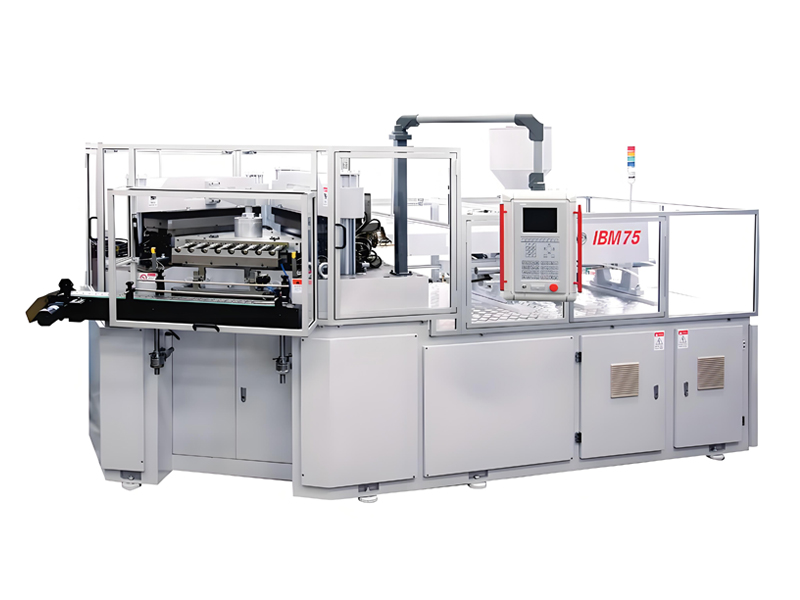
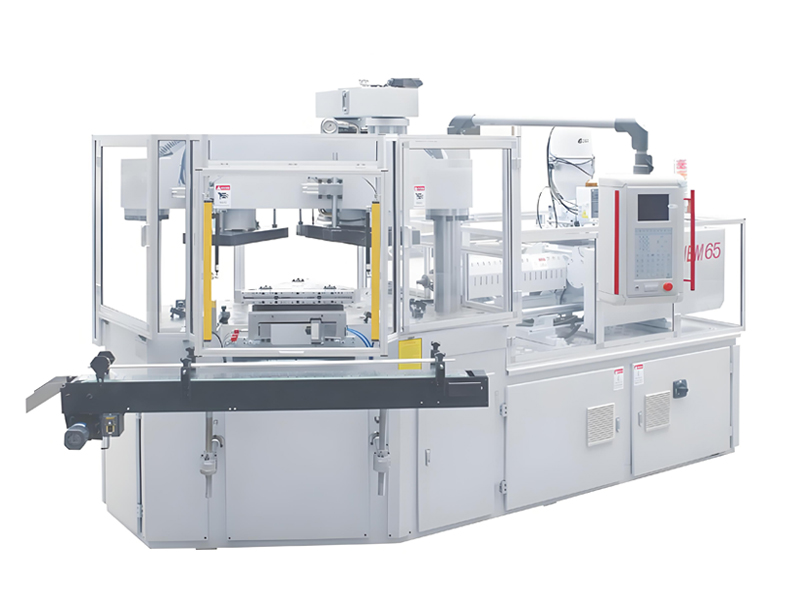
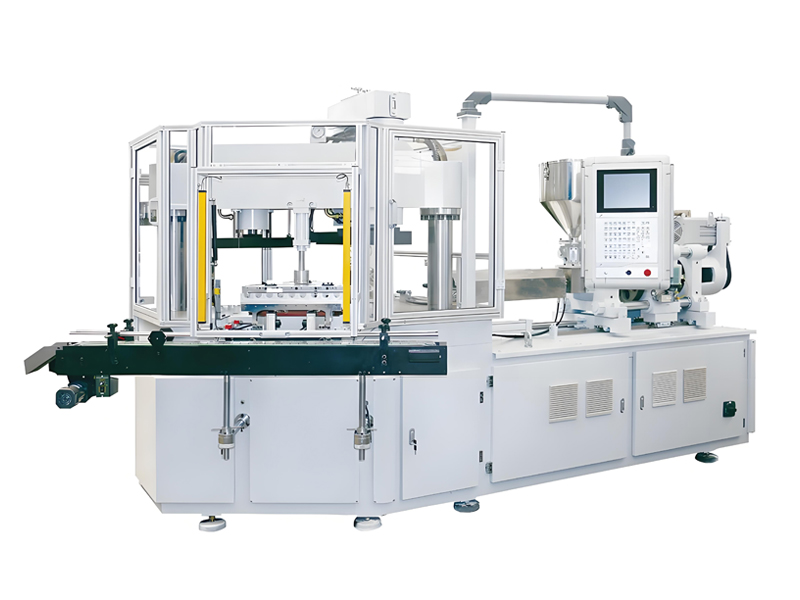
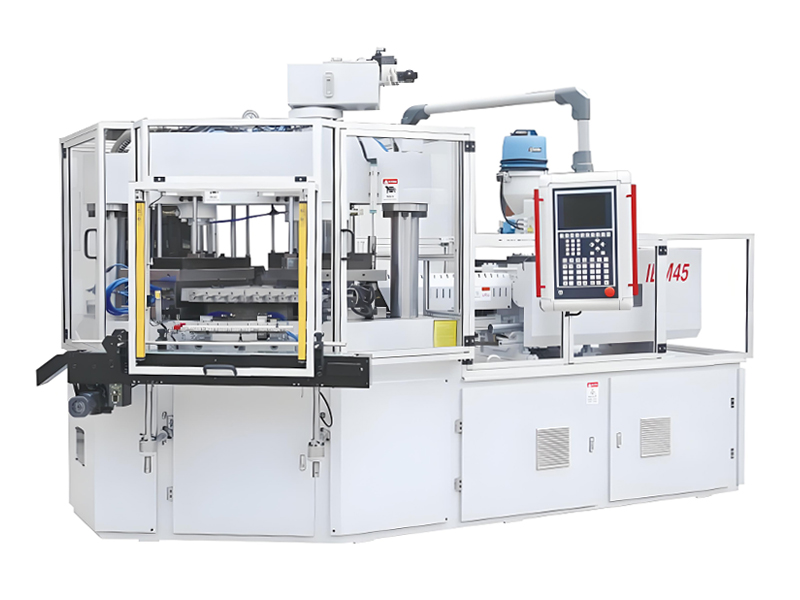
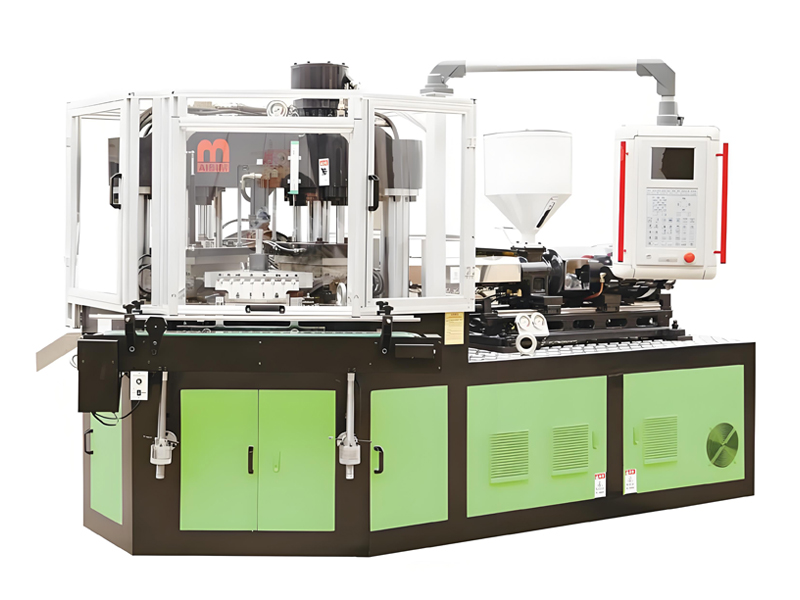
China is the global hub for manufacturing machinery, offering competitive pricing and a vast array of suppliers for Injection Blow Molding (IBM) machines. However, importing heavy industrial equipment from overseas carries inherent risks, including quality discrepancies, shipping damages, and customs complexities. To ensure a successful import, buyers must adopt a strategic approach. AiBiM, as a professional manufacturer based in China, has extensive experience exporting machines to over 50 countries. This guide outlines the essential steps to mitigate risks and ensure a smooth import process for your new IBM machine.
The goal is not just to buy a machine, but to invest in a reliable production asset. This involves thorough due diligence on the supplier, clear contractual terms, and a well-planned logistics strategy. We will cover supplier verification, payment security, technical documentation, shipping logistics, and post-arrival installation.
Step 1: Supplier Verification and Selection
The most critical step is choosing the right supplier. A low price often hides poor quality or lack of after-sales support.
Researching Potential Manufacturers
Do not rely solely on B2B platforms like Alibaba. Look for manufacturers with their own dedicated websites and physical factory addresses. AiBiM, for example, welcomes potential clients to visit our factory in China to see machines in operation before placing an order. Check for industry certifications such as ISO 9001 (Quality Management) and CE (European Conformity). These certifications indicate that the manufacturer adheres to international standards.
Requesting Samples and References
Ask the supplier to produce sample bottles using your specific material and mold design. This tests the machine’s capability before you buy. Additionally, request a list of existing clients, particularly those in your region or producing similar products. Contact these references to ask about machine performance, spare part availability, and the supplier’s responsiveness to technical issues.
Video Verification
In the post-pandemic era, video calls are essential. Request a live video tour of the factory and a running test of the machine. Look for organized workshops, skilled workers, and quality control checkpoints. AiBiM provides live demonstrations of our IBM machines running at full speed to prove our claims.
Step 2: Technical Specifications and Contract Negotiation
Once you have selected a supplier, the next step is defining exactly what you are buying.
Detailed Technical Agreement
The contract must include a detailed technical specification sheet. This should list the machine model, clamping force, shot weight, cycle time, power consumption, dimensions, and weight. Crucially, it must specify the included components: molds (how many sets), spare parts kit, tools, and manuals. Ambiguity here leads to disputes later. AiBiM provides a comprehensive “Standard Equipment List” with every quote to ensure transparency.
Payment Terms and Security
Never pay 100 percent upfront. A standard safe payment structure is 30 percent down payment via T/T (Telegraphic Transfer), 60 percent before shipment, and 10 percent after successful commissioning at your factory (or released upon receipt of shipping documents). Using a Letter of Credit (L/C) through a reputable bank offers additional security for large transactions. Ensure the payment currency is clearly defined (USD, EUR, etc.) to avoid exchange rate risks.
Warranty and After-Sales Terms
Define the warranty period clearly (typically 12 to 18 months). Clarify what is covered (mechanical/electrical parts) and what is not (wear and tear items like seals and heaters). The contract should also include a Service Level Agreement (SLA) regarding response times for technical support. AiBiM guarantees a response within 24 hours and provides a 12-month warranty on all main components, excluding consumables.
Step 3: Logistics and Shipping
An Injection Blow Molding Machine is large and heavy, often weighing several tons and requiring special handling.
Packaging and Crating
The machine must be professionally packed for ocean freight. This usually involves wrapping in plastic film, mounting on a fumigated wooden pallet, and enclosing in a wooden crate or steel frame. Internal components like the control panel and hydraulic unit should be boxed separately. AiBiM uses heavy-duty packaging materials and shock-absorbing pads to prevent movement and damage during transit. We also apply rust-proof oil to all metal surfaces.
Shipping Methods: FCL vs. LCL
For a full IBM machine, you will likely need a Full Container Load (FCL). However, if you are ordering auxiliary equipment (chillers, dryers), you might need Less than Container Load (LCL). Choose a freight forwarder with experience in handling heavy machinery. They will handle the booking, customs export clearance in China, and insurance. AiBiM can assist with shipping arrangements or work with your nominated forwarder.
Insurance
Always insure the shipment for the full commercial value plus a margin for potential repair costs. Marine insurance covers damage during transit, but ensure the policy covers “all risks” including loading and unloading accidents. Do not rely on the carrier’s limited liability.
Step 4: Customs Clearance and Import Duties
Navigating customs is a common hurdle for importers. Lack of preparation can lead to fines and storage charges.
HS Code Classification
You need the correct Harmonized System (HS) code for your machine. For Injection Blow Molding Machines, this usually falls under 8477.20 or similar headings for plastics processing machinery. An incorrect HS code can result in paying the wrong duty rate. Consult a customs broker in your country to verify the code. AiBiM provides the HS code on the commercial invoice to assist you.
Required Documentation
To clear customs, you will typically need: Commercial Invoice Packing List Bill of Lading (or Airway Bill) Certificate of Origin (COO) – This is vital for proving the goods are from China to assess duties correctly. Test Reports or Quality Certificates Insurance Certificate Ensure all documents match exactly; a typo can hold up the shipment. AiBiM’s export department meticulously checks all paperwork before sending it digitally to you via DHL or email.
Import Duties and Taxes
Research the import duty rate for machinery in your country. Many countries have reduced or zero tariffs for industrial machinery to encourage manufacturing. However, you will also need to pay Value Added Tax (VAT) or Goods and Services Tax (GST) on the total value (machine + shipping + insurance). Have these funds ready to avoid demurrage charges at the port.
Step 5: Installation and Commissioning
The process isn’t over when the container arrives. Proper installation is key to performance.
Site Preparation
Before the machine arrives, prepare your factory floor. You need a level concrete surface capable of supporting the machine’s weight. Ensure you have the correct power supply (voltage and phase), compressed air source (clean and dry), and cooling water system. AiBiM provides a “Foundation Drawing” and “Utility Requirements” sheet well in advance so you can prepare the site.
Professional Installation
It is highly recommended to have the supplier’s engineers oversee the installation. They will level the machine, connect the hydraulics and electrics, and perform the initial startup. For AiBiM machines, we send a technician to your site (included in the service package) to install the machine and train your operators. This ensures the machine is set up according to factory specifications.
Acceptance Testing
Once installed, run an Acceptance Test Protocol (ATP). Produce a batch of bottles using your material and molds. Check the bottles for weight, dimensions, and visual defects. Ensure the cycle time meets the agreed specification. Only release the final payment after the machine passes this test. AiBiM signs an “Acceptance Report” with the client, confirming the machine meets all performance criteria.
Step 6: Long-Term Support and Spare Parts Supply
To avoid future risks, establish a long-term relationship with the supplier.
Spare Parts Inventory
Ask the supplier to provide a recommended spare parts list for the first two years of operation. Keep critical items like filters, seals, and heating bands in stock. AiBiM offers a “Starter Kit” with essential wear parts. We also maintain a global warehouse of spare parts that can be shipped via express courier to minimize downtime.
Remote Support Capabilities
Modern IBM machines are IoT-enabled. Ensure your supplier offers remote diagnostics. AiBiM can connect to the machine’s PLC via a secure VPN to troubleshoot error codes, adjust parameters, and update software remotely. This is often faster and cheaper than flying an engineer to your site for minor issues.
Conclusion
Importing an Injection Blow Molding Machine from China is a strategic move that can significantly reduce capital expenditure while maintaining high quality. By following a structured process of supplier verification, clear contracting, professional logistics, and proper installation, you can eliminate the common risks associated with international procurement. AiBiM is committed to being a transparent and reliable partner in this journey. We handle the complexities of export so you can focus on production. For a hassle-free import experience and a machine built to last, partner with AiBiM. Visit www aibim-china com to start your inquiry today.