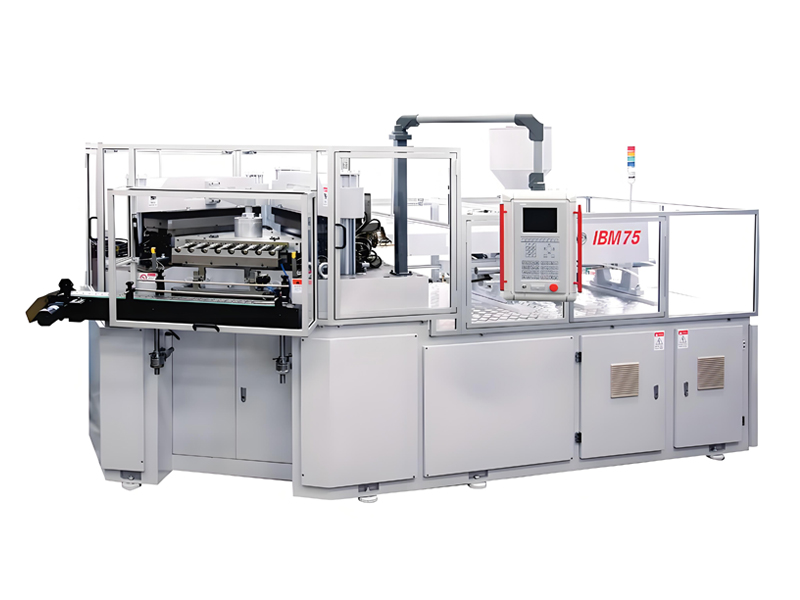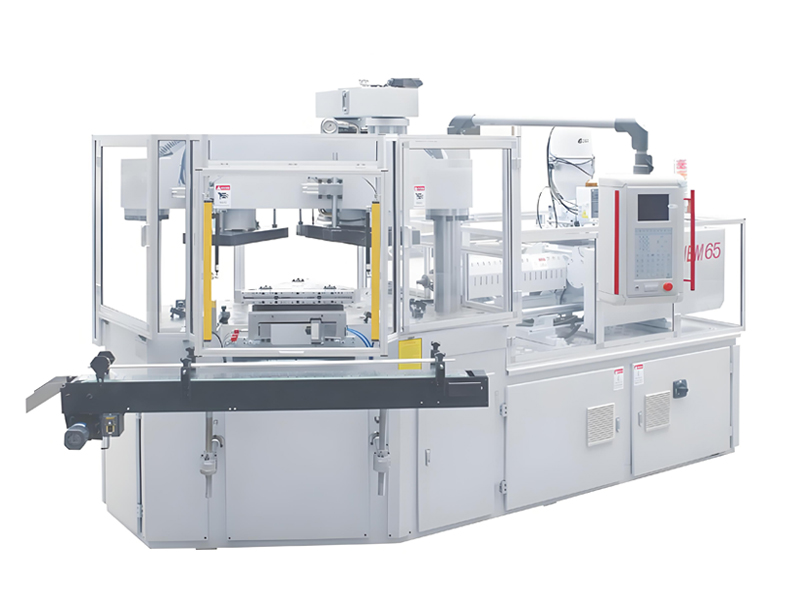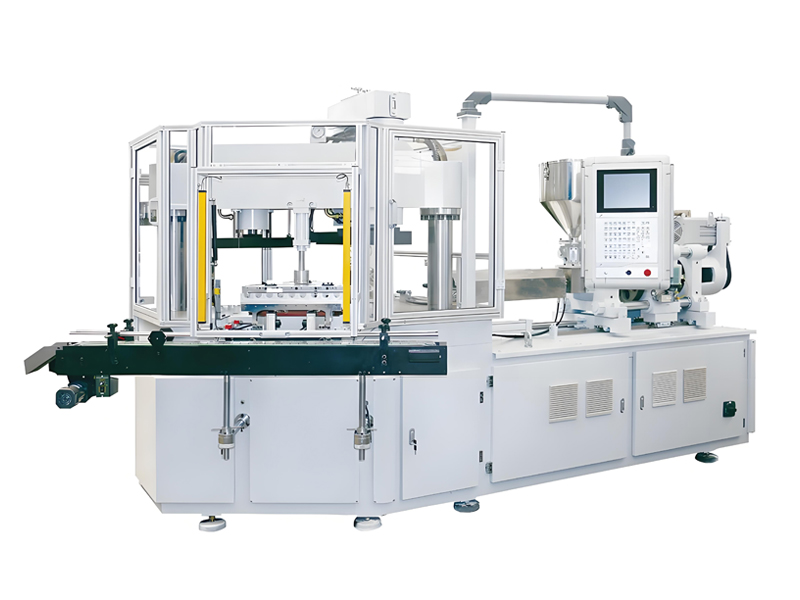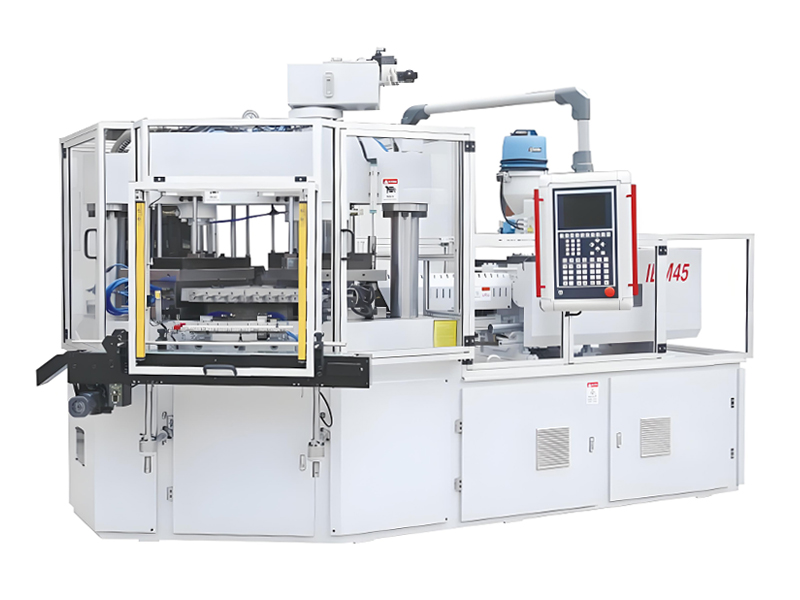
Introduction to Selecting an IBM Machine
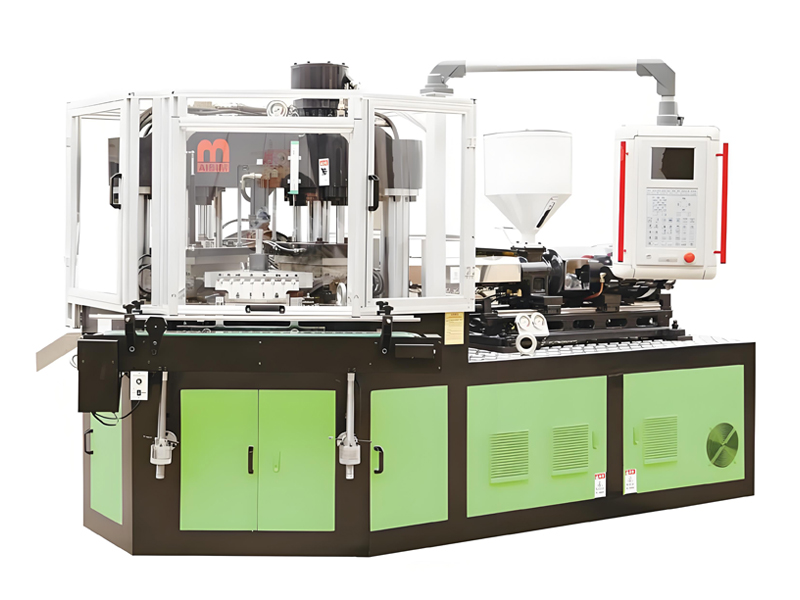
Selecting the right Injection Blow Molding Machine (IBM) is a critical decision that impacts your production capacity, product quality, and operational costs for years to come. With numerous manufacturers and models available, the process can be overwhelming. However, by focusing on specific technical requirements and business goals, you can identify the machine that best fits your factory’s needs. AiBiM, a leading China-based manufacturer, offers a range of IBM machines designed for precision, speed, and reliability. This article serves as a roadmap to help you navigate the selection process.
The choice of an IBM machine is not just about price; it is about matching the machine’s capabilities with your specific application. Whether you are producing pharmaceutical vials, cosmetic jars, or food containers, the machine must handle your specific materials, bottle designs, and output requirements. We will explore the key factors to consider, from clamping force and shot weight to control systems and after-sales support.
Assessing Your Production Requirements
Before contacting suppliers, you must have a clear understanding of your production needs. Vague requirements lead to poor purchasing decisions.
Bottle Specifications and Design
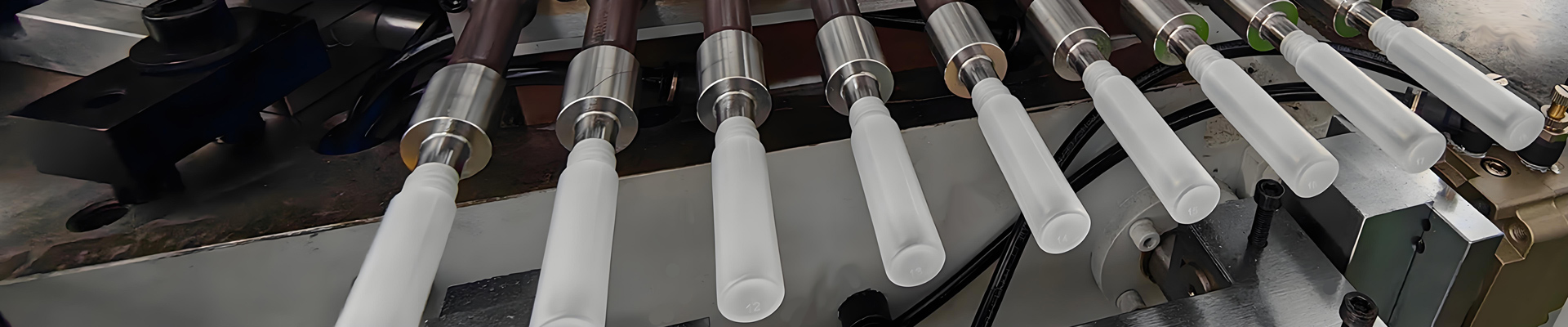
The complexity of the bottle you intend to produce is the first consideration. IBM machines excel at producing bottles with high precision neck finishes and uniform wall thickness. Determine the maximum and minimum bottle volumes, the neck size (e.g., 18mm, 28mm), and whether you need handle integration or special shapes. AiBiM machines are versatile and can accommodate a wide range of molds, but it is essential to confirm the maximum mold opening stroke and platen size match your largest mold.
Material Compatibility
Different plastics require different processing conditions. Are you using Polypropylene (PP), Polyethylene (PE), or Polyethylene Terephthalate (PET)? Each material has a specific melting point and viscosity. For example, PET requires a higher injection pressure and specific drying systems compared to PP. Ensure the machine’s screw design and heating capacity are optimized for your primary material. AiBiM provides specialized screw configurations for various resins to ensure optimal plasticization.
Production Volume and Cycle Time
Calculate your required hourly output. If you need high-volume production, look for machines with fast injection speeds and rapid clamp opening/closing mechanisms. The cycle time of an IBM machine is determined by the injection time, cooling time, and transfer time. AiBiM high-speed models can achieve cycle times as low as a few seconds for small bottles. However, do not just look at the theoretical maximum speed; ask for realistic cycle times based on your specific bottle weight.
Technical Specifications to Compare
Once you know your production needs, compare the technical specs of different machines.
Clamping Force
The clamping force (measured in kilonewtons or tons) is crucial to keep the mold closed against the pressure of the blow air. Insufficient force leads to flash (excess plastic). Too much force wastes energy and can damage the mold. Calculate the required force based on the projected area of the bottle and the blow pressure. AiBiM engineers can help you calculate the exact clamping force needed for your application to avoid over-specifying the machine.
Injection Unit Size
The injection unit must be sized correctly for the shot weight. If the unit is too small, it cannot plasticize enough material. If it is too large, the plastic may degrade due to long residence times in the barrel. Look for a machine where your typical shot weight is between 20 percent and 80 percent of the machine’s maximum shot capacity. This ensures efficiency and material integrity.
Control System and Automation
Modern IBM machines rely on sophisticated control systems. Look for a user-friendly HMI (Human-Machine Interface) with recipe storage capabilities. This allows you to quickly switch between different bottle sizes. AiBiM machines utilize advanced PLCs and servo motors for precise control of injection speed and position. Also, consider the level of automation you need. Do you want an automatic deflashing system, leak testers, or robotic extraction? Higher automation reduces labor costs but increases initial investment.
Energy Efficiency and Operating Costs
The purchase price is only a fraction of the total cost of ownership. Energy consumption is a major ongoing expense.
Servo vs. Hydraulic Systems
Traditional IBM machines use hydraulic motors, which run constantly and consume significant power. AiBiM has developed servo-driven IBM machines that only consume energy when moving. This can reduce energy consumption by 30 to 50 percent. While servo machines have a higher upfront cost, the ROI through energy savings is often achieved within 12 to 18 months.
Heating and Cooling Efficiency
Check the design of the heaters and coolers. Energy-efficient ceramic heaters and optimized water channels can significantly reduce cycle times and power usage. Ask the manufacturer for data on specific energy consumption (kWh per kg of output) to compare models objectively.
Manufacturer Reputation and Support
The machine is only as good as the company behind it. Sourcing from China offers cost benefits, but due diligence is required.
Experience and Track Record
Choose a manufacturer with a proven track record in IBM technology. AiBiM has years of experience in designing and manufacturing injection blow molding machines. Look for case studies or customer testimonials from companies producing similar products. A manufacturer that specializes in IBM (rather than just extrusion blow molding) will have deeper expertise in the nuances of the process.
After-Sales Service and Spare Parts
What happens when the machine needs service? Ensure the supplier has a readily available stock of spare parts and a responsive technical support team. AiBiM offers 24/7 online support, on-site installation, and operator training. We have a global network of agents to ensure quick response times. Avoid suppliers who cannot provide a clear warranty terms or service level agreement.
Installation and Commissioning
A complex machine like an IBM requires professional installation. The supplier should send engineers to your factory to level the machine, connect utilities, and perform the initial commissioning. AiBiM provides a turnkey solution, handling everything from foundation design to final acceptance testing.
Budget and Return on Investment
Finally, align your choice with your budget. However, avoid the trap of choosing the cheapest option. A low-quality machine will result in high scrap rates, frequent downtime, and poor bottle quality, which can destroy your brand reputation.
Total Cost of Ownership Analysis
Request a detailed quote that includes not just the machine price, but also shipping, installation, training, and estimated maintenance costs for the first year. AiBiM provides transparent pricing and can help you calculate the ROI based on your projected sales volume and bottle cost. A slightly more expensive, reliable machine often yields a better profit margin in the long run.
Conclusion
Choosing the right Injection Blow Molding Machine requires a balance of technical analysis and business strategy. By clearly defining your bottle specifications, evaluating energy efficiency, and selecting a reputable partner like AiBiM, you can secure a machine that drives profitability and quality. Take the time to visit the manufacturer’s factory if possible, or request a video demonstration of the machine running. For expert advice on selecting the perfect IBM machine for your factory, contact AiBiM or visit www aibim-china com to explore our product range.