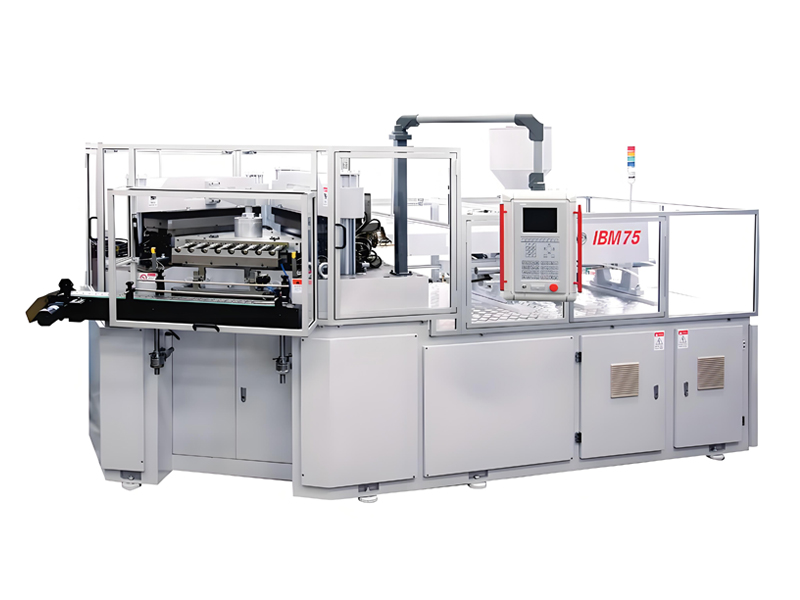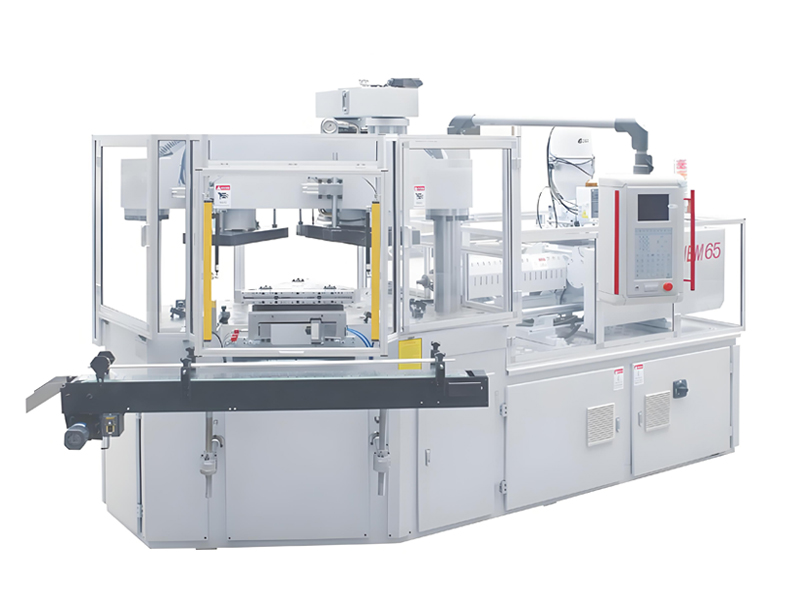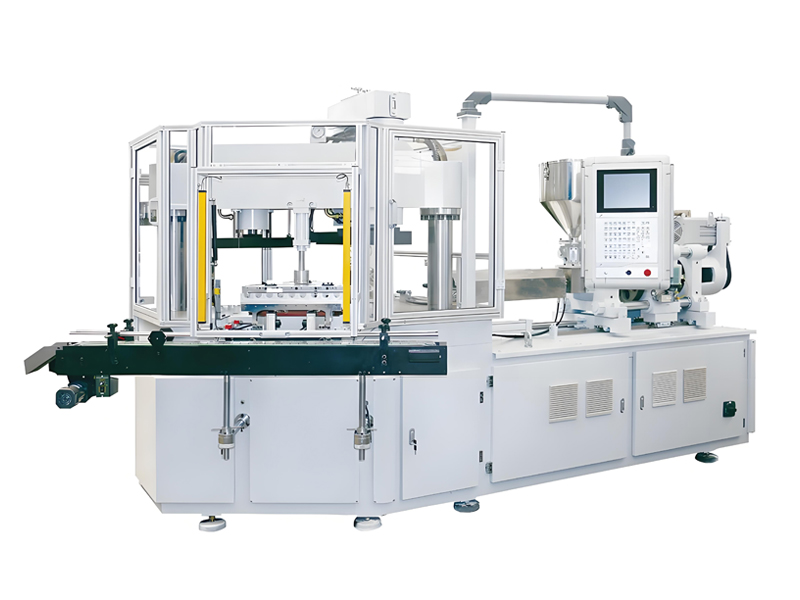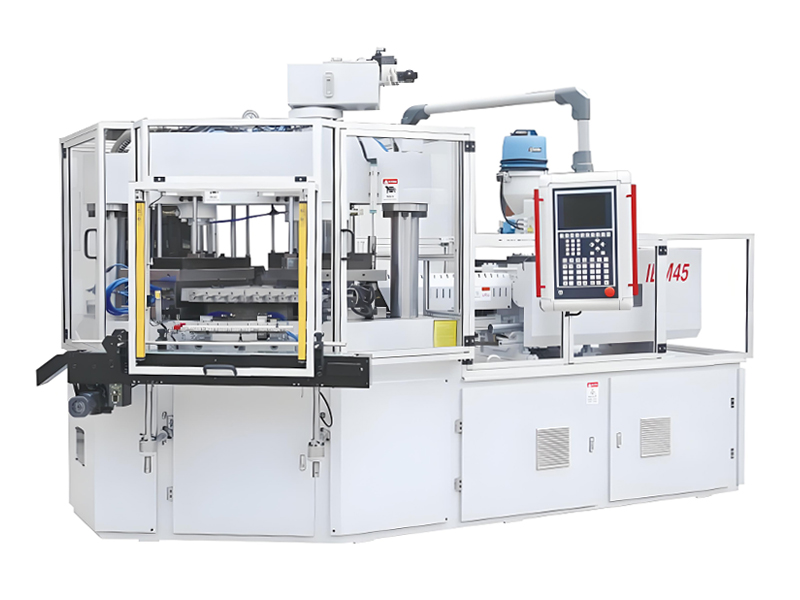
High-Density Polyethylene (HDPE) is one of the most widely used plastics in the world, known for its durability, chemical resistance, and versatility. When it comes to producing HDPE plastic bottles, injection blow molding machines are the ideal solution. These machines combine the precision of injection molding with the efficiency of blow molding to create high-quality, consistent plastic bottles for a wide range of applications.
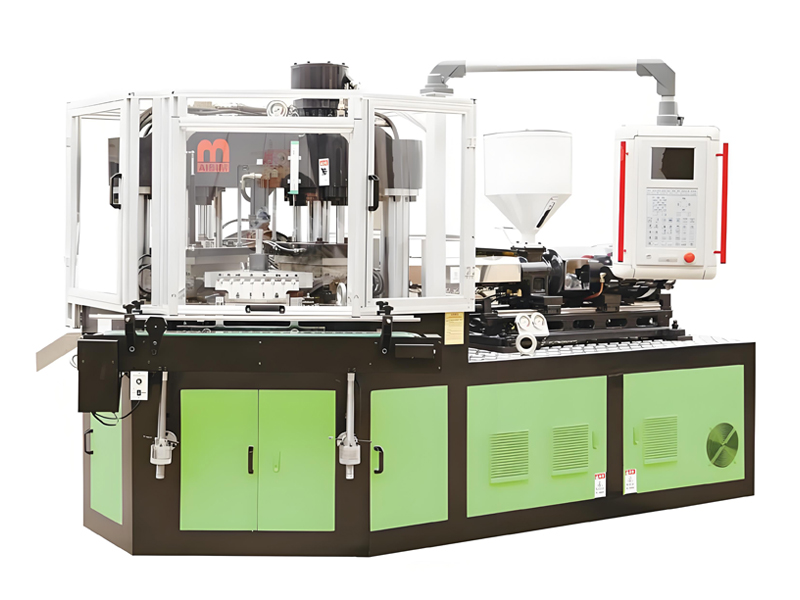
AiBiM Plastic Machinery, a leading Chinese manufacturer of injection blow molding machines, offers a range of HDPE-specific machines that are designed to meet the unique requirements of plastic bottle production. With advanced technology, precision engineering, and a focus on efficiency, AiBiM’s HDPE injection blow molding machines are the preferred choice for businesses in the food and beverage, pharmaceutical, household products, and cosmetics industries.
Understanding HDPE and Its Applications
High-Density Polyethylene (HDPE) is a thermoplastic polymer made from petroleum. It is known for its high strength-to-density ratio, excellent chemical resistance, and low moisture absorption. These properties make it an ideal material for producing plastic bottles that need to withstand harsh conditions, contain liquids safely, and maintain product integrity over time.
Key Properties of HDPE
- High Strength: HDPE has a high tensile strength, making it resistant to impact and deformation.
- Chemical Resistance: HDPE is resistant to many chemicals, including acids, bases, and solvents, making it suitable for storing a wide range of products.
- Low Moisture Absorption: HDPE absorbs very little moisture, ensuring that the contents of the bottle remain dry and uncontaminated.
- Recyclability: HDPE is fully recyclable, making it an environmentally friendly choice for plastic packaging.
- Versatility: HDPE can be molded into a variety of shapes and sizes, making it suitable for different types of plastic bottles.
Common Applications of HDPE Plastic Bottles
HDPE plastic bottles are used in a wide range of industries due to their durability and versatility. Some of the most common applications include:
HDPE bottles are widely used for packaging milk, juice, water, sauces, condiments, and other food products. Their ability to resist chemicals and maintain product freshness makes them an ideal choice for food packaging.
In the pharmaceutical industry, HDPE bottles are used to store medications, vitamins, and supplements. Their chemical resistance and ability to protect contents from moisture and contamination are critical for maintaining product efficacy.
HDPE bottles are commonly used for packaging cleaning products, detergents, soaps, and other household items. Their durability and resistance to chemicals make them suitable for storing a wide range of household products.
HDPE bottles are used to package lotions, shampoos, conditioners, and other personal care products. Their ability to be molded into various shapes and sizes allows for creative packaging designs that stand out on store shelves.
The Injection Blow Molding Process for HDPE Bottles
Injection blow molding is a two-stage process that combines injection molding and blow molding to create plastic bottles. This process is particularly well-suited for producing HDPE bottles due to its ability to create consistent wall thickness, precise dimensions, and high-quality surface finishes.
Stage 1: Injection Molding the Parison
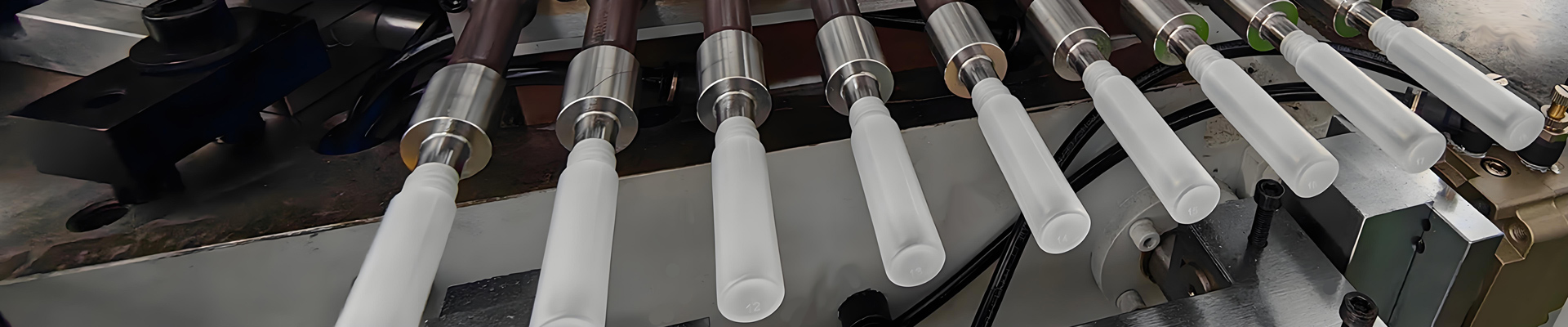
The first stage of the injection blow molding process involves creating a parison, which is a tube-shaped preform of the plastic bottle. HDPE resin is heated to a molten state and injected into a mold cavity, where it cools and solidifies to form the parison.
During this stage, the HDPE resin is heated to a temperature between 300°C and 350°C, which is above its melting point. The molten resin is then injected into the mold cavity under high pressure, ensuring that it fills the entire cavity and takes the shape of the parison.
Stage 2: Blow Molding the Final Bottle
Once the parison has been formed and cooled, it is transferred to a blow mold. In this stage, compressed air is injected into the parison, causing it to expand and take the shape of the blow mold cavity. The HDPE material stretches as it expands, creating the final shape of the plastic bottle.
The blow molding stage typically takes place at a lower temperature than the injection molding stage, around 150°C to 200°C. This allows the HDPE material to remain flexible enough to stretch while maintaining its structural integrity.
Stage 3: Cooling and Ejection
After the blow molding stage is complete, the HDPE bottle is cooled in the mold to ensure that it retains its shape. The cooling process typically takes a few seconds, depending on the size and thickness of the bottle. Once the bottle has cooled sufficiently, it is ejected from the mold and ready for further processing or packaging.
Advantages of Using HDPE Injection Blow Molding Machines
There are several advantages to using injection blow molding machines for producing HDPE plastic bottles:
- Consistent Quality: Injection blow molding machines produce bottles with consistent wall thickness, precise dimensions, and uniform surface finishes, ensuring high-quality products every time.
- High Efficiency: These machines can produce large quantities of bottles quickly and efficiently, making them suitable for high-volume production environments.
- Versatility: HDPE injection blow molding machines can produce bottles of various shapes and sizes, from small vials to large containers, making them suitable for a wide range of applications.
- Cost-Effective: The injection blow molding process is highly automated, reducing labor costs and minimizing material waste, making it a cost-effective solution for plastic bottle production.
- Design Flexibility: Injection blow molding allows for complex bottle designs, including unique shapes, handles, and features that would be difficult to achieve with other molding processes.
AiBiM’s HDPE Injection Blow Molding Machines: Features and Benefits
AiBiM Plastic Machinery offers a range of HDPE injection blow molding machines that are specifically designed to meet the unique requirements of plastic bottle production. These machines incorporate advanced technology and precision engineering to deliver exceptional performance and reliability.
Key Features of AiBiM’s HDPE Injection Blow Molding Machines
- Advanced Control System: AiBiM’s machines feature a state-of-the-art control system with a user-friendly touchscreen interface, allowing operators to easily adjust parameters and monitor the production process.
- Energy-Efficient Design: The machines are designed to minimize energy consumption, with features such as variable frequency drives and efficient heating systems that reduce operating costs.
- Precision Servo Motors: High-precision servo motors ensure accurate movement control, resulting in consistent bottle quality and reduced material waste.
- Quick Mold Change System: AiBiM’s machines are equipped with a quick mold change system, allowing operators to switch between different bottle sizes and shapes quickly and efficiently.
- Automated Quality Inspection: Some models include automated quality inspection systems that detect defects in bottles during production, ensuring that only high-quality products are shipped to customers.
Benefits of Choosing AiBiM’s HDPE Injection Blow Molding Machines
Businesses that choose AiBiM’s HDPE injection blow molding machines can expect to enjoy several benefits:
- Improved Product Quality: The precision engineering and advanced technology of AiBiM’s machines ensure that every bottle produced is of the highest quality, with consistent dimensions and surface finishes.
- Increased Production Efficiency: AiBiM’s machines are designed for high-speed production, allowing businesses to produce more bottles in less time, increasing overall productivity.
- Reduced Operating Costs: The energy-efficient design of AiBiM’s machines helps to reduce energy consumption and operating costs, improving the bottom line for businesses.
- Enhanced Flexibility: With the ability to produce a wide range of bottle sizes and shapes, AiBiM’s machines offer businesses the flexibility to adapt to changing market demands and customer requirements.
- Comprehensive Support: AiBiM provides comprehensive support to its customers, including installation, training, maintenance, and technical support, ensuring that businesses can operate their machines with confidence.
Comparing HDPE Injection Blow Molding to Other Bottle Production Methods
There are several methods for producing plastic bottles, including extrusion blow molding, stretch blow molding, and injection blow molding. Each method has its own advantages and disadvantages, and the choice of method depends on the specific requirements of the application.
| Production Method | Advantages | Disadvantages | Best Suited For |
|---|---|---|---|
| Injection Blow Molding | Consistent wall thickness, precise dimensions, high-quality surface finish, low material waste | Higher initial investment, slower cycle times compared to extrusion blow molding | Small to medium-sized bottles, high-quality requirements, pharmaceutical and food applications |
| Extrusion Blow Molding | Lower initial investment, faster cycle times, suitable for large bottles | Less precise wall thickness, higher material waste, limited design complexity | Large bottles, low-cost applications, household products |
| Stretch Blow Molding | Highly transparent bottles, excellent barrier properties, lightweight design | Limited to PET and certain other plastics, higher material costs | Carbonated beverage bottles, clear plastic containers |
Selecting the Right HDPE Injection Blow Molding Machine
When selecting a HDPE injection blow molding machine, there are several factors to consider to ensure that you choose the right machine for your specific needs:
Production Capacity
One of the most important factors to consider is the production capacity of the machine. This includes the number of bottles the machine can produce per hour, as well as the maximum and minimum bottle sizes it can handle. AiBiM offers machines with production capacities ranging from a few hundred bottles per hour to several thousand bottles per hour, depending on the model.
Bottle Size and Shape
Consider the size and shape of the HDPE bottles you need to produce. Some machines are better suited for producing small, precise bottles, while others are designed for larger containers. AiBiM’s machines can produce bottles ranging from 3ml to 1000ml, with a variety of shapes and designs.
Material Compatibility
Ensure that the machine you choose is compatible with HDPE resin. While most injection blow molding machines can handle HDPE, some may require specific modifications or settings to optimize the production process for this material. AiBiM’s machines are specifically designed to handle HDPE and other common plastics, ensuring optimal performance and quality.
Automation and Control
Consider the level of automation and control you need for your production process. Some machines offer basic manual controls, while others feature advanced automated systems with touchscreen interfaces and remote monitoring capabilities. AiBiM’s machines are equipped with advanced control systems that allow for precise adjustment of production parameters and real-time monitoring of the production process.
Cost and Return on Investment
Finally, consider the cost of the machine and the potential return on investment. While injection blow molding machines can be a significant investment, they offer long-term benefits in terms of increased productivity, reduced operating costs, and improved product quality. AiBiM’s machines are competitively priced, offering excellent value for money and a quick return on investment for most businesses.
Maintenance and Troubleshooting for HDPE Injection Blow Molding Machines
Proper maintenance is essential to ensure the long-term performance and reliability of HDPE injection blow molding machines. Regular maintenance can help to prevent breakdowns, reduce downtime, and extend the lifespan of the machine.
Regular Maintenance Tasks
- Cleaning: Regularly clean the machine to remove any plastic residue, dust, or debris that can affect performance.
- Lubrication: Lubricate moving parts to reduce friction and wear, ensuring smooth operation of the machine.
- Inspection: Inspect the machine regularly for signs of wear or damage, including worn belts, damaged seals, and loose connections.
- Calibration: Calibrate the machine’s sensors and control systems regularly to ensure accurate operation and consistent product quality.
- Filter Replacement: Replace air and oil filters regularly to maintain proper airflow and prevent contamination of the hydraulic system.
Common Troubleshooting Issues
Despite regular maintenance, HDPE injection blow molding machines may experience occasional issues. Some common troubleshooting issues include:
- Uneven Wall Thickness: This can be caused by improper mold temperature, inconsistent injection pressure, or worn mold components. Adjusting the mold temperature or injection pressure, or replacing worn mold components, can help to resolve this issue.
- Surface Defects: Surface defects such as scratches, bubbles, or discoloration can be caused by contaminated resin, improper temperature settings, or worn mold surfaces. Cleaning the mold, adjusting the temperature settings, or replacing worn mold components can help to improve surface quality.
- Machine Jamming: Machine jamming can be caused by misaligned components, worn parts, or improper operation. Inspecting the machine for misalignment or wear, and ensuring proper operation by trained personnel, can help to prevent jamming.
- Low Production Output: Low production output can be caused by inefficient settings, worn components, or material issues. Adjusting the machine settings, replacing worn components, or using high-quality HDPE resin can help to increase production output.
The Future of HDPE Injection Blow Molding Technology
The injection blow molding industry is constantly evolving, with new technologies and innovations being developed to improve performance, efficiency, and sustainability. Some of the key trends shaping the future of HDPE injection blow molding technology include:
- Hybrid and Electric Machines: The development of hybrid and all-electric injection blow molding machines is increasing, offering improved energy efficiency and reduced environmental impact.
- Smart Manufacturing: Integration with Industry 4.0 technologies, such as IoT sensors and cloud-based monitoring systems, is becoming more common, allowing for real-time monitoring and optimization of production processes.
- Sustainable Materials: There is a growing focus on developing and using sustainable materials, such as bio-based HDPE and recycled HDPE, to reduce the environmental impact of plastic bottle production.
- Advanced Automation: The use of advanced automation technologies, such as robotic systems and artificial intelligence, is increasing, allowing for more efficient and flexible production processes.
- Customization and Personalization: With the rise of e-commerce and direct-to-consumer sales, there is a growing demand for customized and personalized plastic bottles, which is driving the development of more flexible and adaptable injection blow molding machines.
Conclusion: Why HDPE Injection Blow Molding Machines Are Ideal for Plastic Bottle Production
HDPE injection blow molding machines are the ideal solution for producing high-quality plastic bottles for a wide range of applications. With their ability to create consistent wall thickness, precise dimensions, and high-quality surface finishes, these machines offer exceptional performance and reliability for businesses in the food and beverage, pharmaceutical, household products, and cosmetics industries.
AiBiM Plastic Machinery’s HDPE injection blow molding machines are specifically designed to meet the unique requirements of plastic bottle production. With advanced technology, precision engineering, and a focus on efficiency, these machines offer businesses the ability to produce high-quality HDPE bottles quickly, efficiently, and cost-effectively.
Whether you’re a small business looking to expand your production capabilities or a large corporation in need of multiple machines for a new production line, AiBiM has the expertise and resources to meet your requirements. Contact AiBiM today to learn more about their HDPE injection blow molding machines and how they can help your business succeed in the competitive plastic bottle production industry.