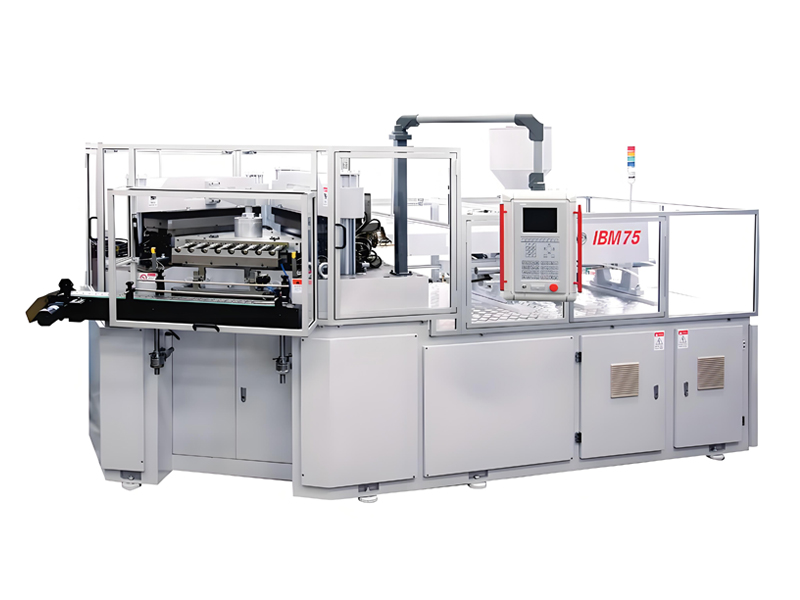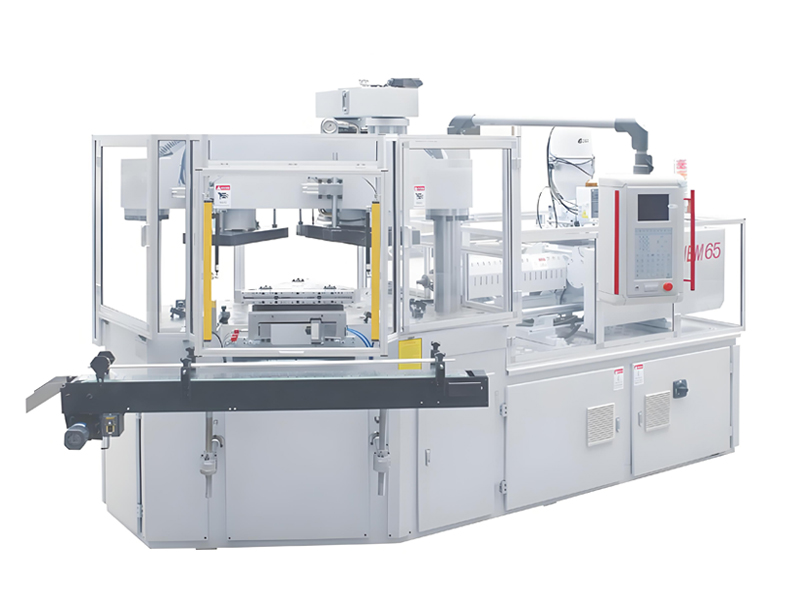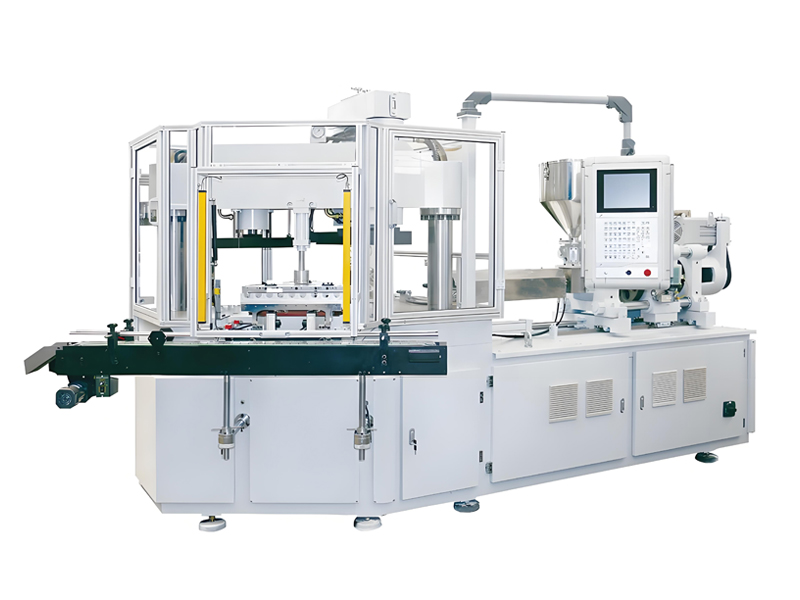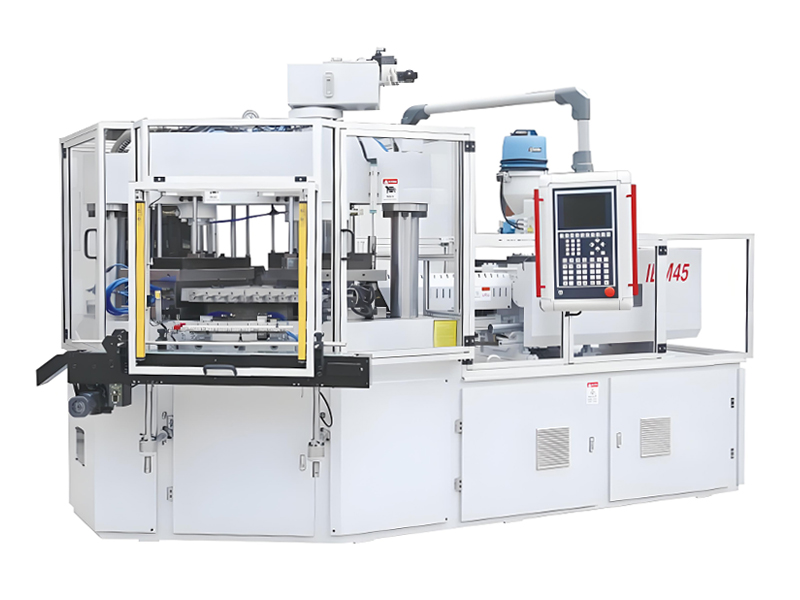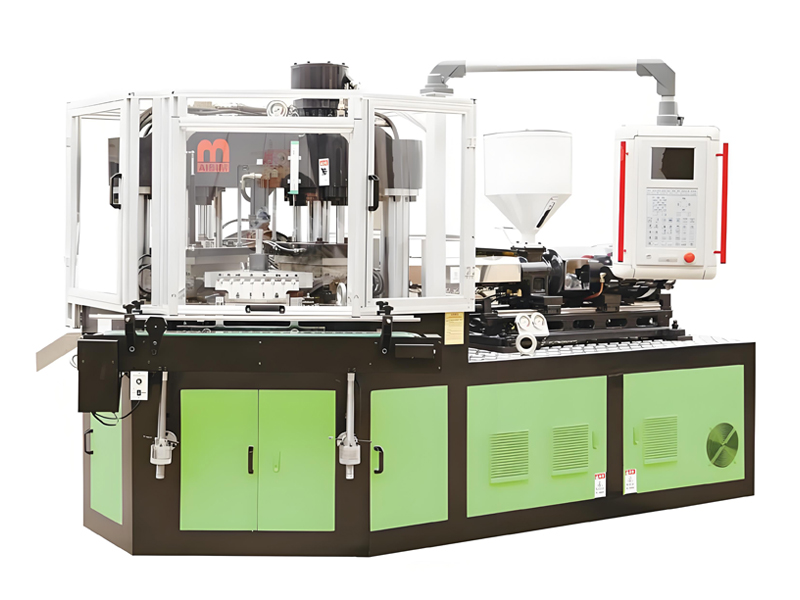
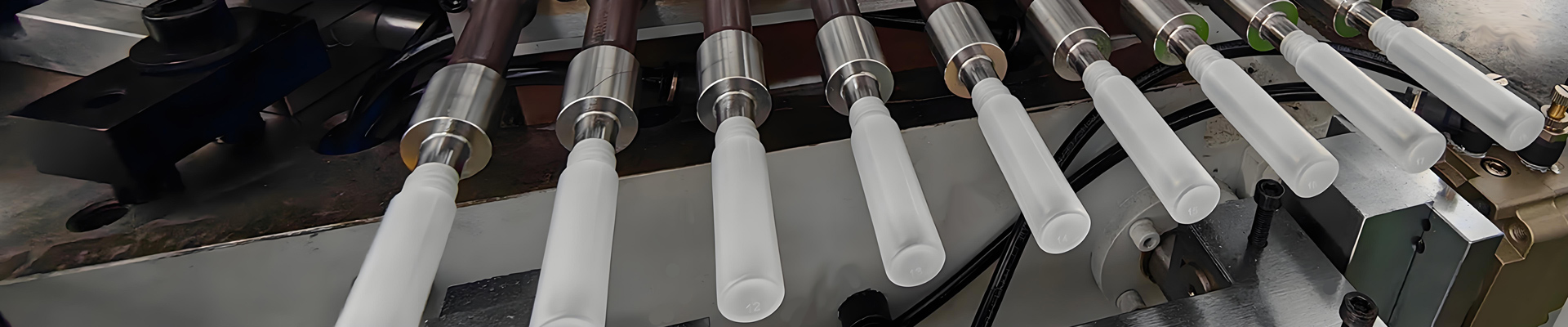
The global plastic machinery industry has experienced significant transformation over the past two decades, with China emerging as a major center for injection blow molding machine manufacturing. Chinese factories like AiBiM have developed advanced manufacturing capabilities that enable them to serve as OEM partners for international brands seeking cost competitive production without compromising quality standards. Understanding the dynamics of China based OEM manufacturing, quality assurance systems, and partnership models helps brands make informed decisions about sourcing strategies.
The Evolution of Chinese Injection Blow Molding Machine Manufacturing
Historical Development and Industry Growth
Chinese plastic machinery manufacturing began in the 1980s with technology transfer from Japan, Europe, and the United States. Initial production focused on simple machines that met basic domestic market requirements. Over subsequent decades, Chinese manufacturers invested heavily in research and development, manufacturing equipment, and quality systems that progressively elevated product capabilities and reliability.
The injection blow molding machine sector specifically benefited from the broader growth of Chinese packaging and pharmaceutical industries, which created substantial domestic demand that supported manufacturing scale and technology development. By 2010, Chinese manufacturers had achieved technological parity with international competitors in many application areas while maintaining significant cost advantages.
Current Manufacturing Capabilities
Modern Chinese injection blow molding machine factories utilize advanced manufacturing equipment including precision machining centers, automated welding systems, and coordinate measuring machines that ensure component quality. Factories like AiBiM maintain manufacturing facilities exceeding 10000 square meters with organized production cells that optimize workflow efficiency and quality control.
CNC machining centers with precision tolerances of 0.01 millimeters enable production of high quality mold components and machine frames. Automated painting and coating systems provide consistent surface finishes that protect equipment and enhance appearance. Assembly operations follow standardized procedures with documented quality checkpoints throughout the production process.
Technology Advancement and Innovation
Chinese manufacturers have moved beyond simple replication of imported designs to develop proprietary technologies and innovative features. Engineering teams collaborate with universities and research institutions to advance material processing capabilities, energy efficiency, and automation features. Patent filings from Chinese plastic machinery manufacturers have increased substantially over the past decade.
AiBiM has developed specialized capabilities in areas including multi layer injection blow molding, clean room compatible machine designs, and energy efficient servo drive systems. These technology developments provide differentiation that supports brand positioning and value creation for OEM partners. Investment in technology development typically ranges from 3 to 8 percent of revenue for leading manufacturers.
OEM Partnership Models and Structures
Full Manufacturing OEM Arrangements
Full manufacturing OEM arrangements involve complete production of machines by the Chinese factory under the customer’s brand name. The OEM partner provides specifications, quality requirements, and brand standards that the manufacturer must meet. Chinese factories handle all aspects of component sourcing, manufacturing, assembly, and testing while the brand partner focuses on marketing, sales, and customer support.
This model offers maximum cost efficiency because the Chinese factory optimizes production for the specific machine configuration without requiring internal development investments. Minimum order quantities typically range from 10 to 50 machines annually to justify setup investments and maintain production efficiency. Lead times range from 4 to 8 months depending on machine complexity and production scheduling.
Technology Licensing and Co Development
Technology licensing arrangements enable Chinese manufacturers to produce machines based on established technologies from international partners. The licensing partner receives royalty payments while gaining access to cost competitive manufacturing. This model suits established brands with proven technology that want to extend market reach without major manufacturing investments.
Co development partnerships combine technology contributions from both parties to create differentiated products. The international partner may contribute proprietary control systems or specialized mechanical designs while the Chinese partner provides local manufacturing capability and cost efficiency. Revenue sharing arrangements and intellectual property protections require careful negotiation in these partnerships.
Component and Sub Assembly Supply
Partial supply arrangements involve Chinese factories providing specific components or sub assemblies rather than complete machines. This model suits manufacturers that want to maintain domestic final assembly while sourcing cost competitive components from China. Common examples include mold components, injection units, and control system integration.
Component supply relationships require careful attention to quality specifications, inspection protocols, and logistics coordination. Chinese component suppliers have achieved strong positions in mold steel, hydraulic components, and electrical control elements. Quality verification at incoming inspection is essential to ensure component quality meets design requirements.
Quality Assurance and Certification Systems
Manufacturing Quality Management
Leading Chinese injection blow molding machine factories implement comprehensive quality management systems based on ISO 9001 requirements. These systems establish documented procedures for all manufacturing processes, from incoming material inspection through final testing and shipment. Quality management investment typically ranges from 2 to 5 percent of manufacturing cost.
AiBiM maintains ISO 9001 certification along with CE compliance for European market access and other regional certifications as required by customer markets. Quality procedures cover every aspect of production including supplier qualification, manufacturing operations, inspection and testing, nonconforming product control, and continuous improvement activities.
Component and Material Verification
Incoming material verification ensures that purchased components and raw materials meet specifications before entering production. Suppliers are qualified through evaluation of manufacturing capability, quality systems, and performance history. Ongoing quality verification includes dimensional inspection, material testing, and performance verification as appropriate for each component type.
Critical components receive particular attention in quality verification processes. Electrical systems, hydraulic components, and safety devices undergo comprehensive testing to ensure proper function. Mold components receive detailed dimensional verification using coordinate measuring machines and specialized gauges. Documentation of verification activities supports traceability requirements and quality improvement analysis.
Final Testing and Performance Verification
Every injection blow molding machine undergoes comprehensive final testing before shipment to verify performance against specifications. Testing protocols include empty cycle operation to verify mechanical function, material processing trials to verify plasticizing and injection performance, and extended production runs to verify consistency and reliability.
Testing typically produces sample parts that undergo dimensional and visual inspection to verify that the machine can produce acceptable products. Critical performance parameters including cycle time, energy consumption, and noise levels are measured and compared against specifications. Test results are documented and provided to customers as part of delivery documentation.
Cost Structure and Competitive Advantages
Manufacturing Cost Comparison
Manufacturing cost advantages in China derive from multiple factors including labor costs, component costs, and production scale. Labor costs in Chinese manufacturing typically range from 5 to 15 dollars per hour including benefits compared to 30 to 60 dollars per hour in Western countries. This labor cost differential significantly impacts total manufacturing cost for labor intensive operations.
Component costs in China are often 20 to 40 percent lower than equivalent components manufactured in Western countries due to supplier competition, manufacturing scale, and lower overhead structures. The Chinese industrial supply chain has developed comprehensive capability across all component categories required for injection blow molding machine production, enabling efficient sourcing without import dependencies.
Total Landed Cost Analysis
Total landed cost analysis must consider all expenses from manufacturing through delivery to the end customer location. Chinese manufacturing costs are offset partially by shipping expenses, import duties, and logistics costs that vary by destination market. Shipping costs for injection blow molding machines typically range from 3000 to 8000 dollars depending on machine size and shipping method.
Import duties significantly impact total landed cost for many markets. European Union import duties for plastic machinery are typically 2.2 percent of customs value. United States import duties range from 2.5 to 4.6 percent depending on specific machine classification. Combined with shipping costs, these import related expenses add 5 to 10 percent to total landed cost compared to manufacturing cost.
Total Cost of Partnership Analysis
Total cost of OEM partnership includes manufacturing costs along with quality management, communication, logistics, and relationship management expenses. Quality management costs include inspection protocols, documentation requirements, and travel for quality verification activities. These costs vary based on partnership structure and geographic distance between partners.
Communication and coordination costs arise from time zone differences, language considerations, and travel requirements. Video conferencing and digital communication tools have significantly reduced coordination costs compared to historical patterns, but periodic face to face meetings remain important for relationship development and complex issue resolution. Effective partnership management requires investment in communication infrastructure and relationship building activities.
Intellectual Property Protection and Security
IP Protection Frameworks
Intellectual property protection concerns represent a significant consideration in China OEM partnerships. Leading manufacturers like AiBiM implement comprehensive IP protection measures including employee confidentiality agreements, restricted access to sensitive information, and secure data management systems. Manufacturing facilities maintain physical security controls that prevent unauthorized access to production areas.
Legal frameworks for IP protection in China have strengthened substantially over the past decade. Specialized IP courts provide enhanced enforcement mechanisms for patent and trademark infringement. However, practical IP protection requires combination of legal measures with operational security practices that limit exposure to potential infringement.
Design Security Measures
Design security measures limit the information provided to manufacturing partners to only what is necessary for production. Proprietary technologies may be compartmentalized so that different partners handle different aspects of production without full knowledge of complete technology. Critical components may be sourced by the brand owner and provided to the manufacturer rather than procured independently.
Component level IP protection enables brands to maintain control over specific proprietary elements while leveraging manufacturing efficiency of Chinese partners for other components. This approach balances IP protection with cost efficiency by identifying the most critical proprietary elements and focusing protection measures accordingly.
Trust Development and Partnership Duration
Long term partnership development builds trust that supports effective IP protection. Initial partnerships often involve limited technology sharing while both parties evaluate relationship dynamics and operational compatibility. Progressive trust development enables expanded collaboration over time as experience demonstrates reliable partner behavior.
Leading Chinese manufacturers have established long term relationships with international brands that span decades, demonstrating that effective IP protection is achievable within these partnership structures. Track record of successful partnerships provides reference for evaluating manufacturer reliability and commitment to protecting customer intellectual property.
Risk Management and Mitigation
Supply Chain Risk Assessment
Supply chain risk assessment identifies potential disruption scenarios and their potential impacts on production continuity. Single source dependencies represent the most significant risk category, where alternative suppliers are not readily available for critical components. Mitigation strategies include qualification of backup suppliers and maintenance of strategic inventory of critical items.
Geographic concentration risk affects production facilities in any location, not specifically China. Natural disasters, political instability, and infrastructure failures can disrupt production anywhere. Leading manufacturers implement business continuity planning that addresses these risks through facility redundancy, emergency response procedures, and customer communication protocols.
Quality Risk Management
Quality risk management focuses on preventing defective products from reaching customers while minimizing inspection costs and production delays. Risk based inspection strategies allocate verification resources based on component criticality and supplier reliability history. Statistical process control techniques monitor production quality and enable rapid response to quality variation.
Corrective and preventive action procedures address identified quality issues and prevent recurrence. Root cause analysis techniques identify underlying causes of quality problems rather than simply addressing symptoms. Continuous improvement programs systematically reduce quality risk over time through cumulative problem solving and process optimization.
Currency and Trade Risk Management
Currency exchange rate fluctuations affect the relative cost competitiveness of China manufacturing versus other locations. Exchange rate hedging strategies can lock in favorable rates for defined periods, but long term competitiveness ultimately depends on fundamental manufacturing efficiency rather than currency speculation. Leading manufacturers maintain cost structures that remain competitive across reasonable exchange rate ranges.
Trade policy risk includes potential tariff changes, export controls, and political actions that could affect manufacturing and shipping arrangements. Multi location manufacturing strategies provide flexibility to respond to changing trade policies, though at the cost of reduced scale efficiency. Long term supply agreements may include provisions for sharing costs associated with unexpected trade policy changes.
Selecting and Qualifying Chinese OEM Partners
Evaluation Criteria and Assessment Process
Evaluation of Chinese OEM partners should follow systematic assessment processes that cover technical capability, quality systems, commercial terms, and relationship compatibility. Technical capability assessment includes review of manufacturing equipment, engineering expertise, and track record in relevant applications. Factory visits provide essential insight into actual manufacturing conditions and capability.
Quality system assessment includes review of certification status, documented procedures, and quality metrics. Customer references from similar applications provide valuable insight into actual performance and customer satisfaction. Financial stability assessment evaluates the manufacturer’s ability to sustain operations and investment over the partnership duration.
Factory Audit and Verification
Factory audits verify manufacturer claims and provide detailed understanding of actual capabilities. Comprehensive audits cover manufacturing processes, quality control procedures, equipment maintenance, employee training, and facility conditions. Audit findings should be documented and tracked to closure with appropriate verification.
Third party inspection services provide independent verification of manufacturing quality and compliance with specifications. These services are particularly valuable for ongoing production monitoring when customer quality teams cannot maintain continuous presence at the manufacturing facility. Inspection frequency should be risk based, with more frequent inspection for higher risk products or suppliers.
Pilot Production and Qualification
Pilot production runs validate that the manufacturer can produce acceptable products before committing to volume production. Pilot runs should use production intent materials and processes to verify actual production capability. Pilot production quantities typically range from 3 to 10 machines depending on complexity and qualification requirements.
Qualification testing verifies that pilot production machines meet all specifications and performance requirements. Comprehensive qualification includes extended production runs that verify consistency over time. Qualification documentation should be reviewed and approved by appropriate quality and engineering personnel before volume production authorization.
Building Successful Long Term Partnerships
Communication and Collaboration Frameworks
Effective communication frameworks establish regular touch points between partners for status updates, issue resolution, and continuous improvement. Weekly or biweekly video conferences maintain alignment on production schedules, quality status, and upcoming activities. Monthly business reviews provide broader perspective on partnership performance and improvement opportunities.
Escalation procedures define how issues are raised and resolved when routine channels are insufficient. Clear definition of contact points, decision authority, and response time expectations prevents confusion and delays during critical situations. Periodic face to face meetings supplement virtual communication and strengthen relationship foundation.
Continuous Improvement Programs
Continuous improvement programs systematically reduce costs, improve quality, and enhance delivery performance over time. Joint improvement initiatives leverage capabilities and insights from both partners to achieve results beyond what either could accomplish independently. Improvement targets should be challenging but achievable, with progress monitored and celebrated.
Knowledge sharing between partners creates value beyond immediate production transactions. International partners bring market insights, technology developments, and best practices from diverse applications. Chinese manufacturers contribute manufacturing expertise, supply chain capabilities, and local market knowledge. Effective knowledge sharing maximizes value creation for both parties.
Strategic Alignment and Growth Planning
Strategic alignment ensures that partnership objectives support broader business strategies for both parties. Regular strategy discussions review market trends, competitive dynamics, and technology developments that may affect partnership direction. Alignment on strategic priorities enables coordinated planning and investment that supports mutual success.
Growth planning addresses capacity expansion, product development, and market development opportunities that may arise during the partnership. Flexible partnership structures that accommodate growth while maintaining quality and efficiency support long term success. Regular review of growth plans ensures that partnership capacity keeps pace with market demand.
AiBiM as Your OEM Manufacturing Partner
Manufacturing Excellence and Certifications
AiBiM has established itself as a leading injection blow molding machine manufacturer in China, serving international OEM partners across diverse markets and applications. Our manufacturing facility spans over 12000 square meters with comprehensive manufacturing capabilities including precision machining, welding, assembly, and testing operations. ISO 9001 quality management certification and CE compliance ensure quality system discipline.
Our engineering team includes experienced professionals in mechanical design, control systems, and application engineering. Continuous investment in technology development maintains our competitive position and enables differentiated offerings for OEM partners. We maintain comprehensive documentation systems that support quality verification and regulatory compliance requirements.
Partnership Models and Flexibility
AiBiM offers flexible partnership models that accommodate diverse OEM partner requirements. Full manufacturing OEM arrangements provide maximum cost efficiency for established products. Co development partnerships enable joint creation of differentiated solutions. Component supply relationships address specific manufacturing needs within broader supply chain strategies.
We work with OEM partners to structure arrangements that balance cost efficiency, IP protection, and relationship requirements. Our experience across diverse partnership models enables us to provide informed guidance on structure options and their implications. Open discussion of concerns and priorities enables development of partnership structures that work effectively for both parties.
Competitive Pricing and Value Creation
AiBiM pricing reflects our commitment to competitive cost structures while ensuring quality and service levels that support partner success. Manufacturing costs typically range from 30 to 50 percent below equivalent Western manufacturing, creating significant value for OEM partners. This cost advantage enables competitive pricing in end markets while maintaining appropriate margins.
Beyond manufacturing cost, AiBiM creates value through application engineering support, quality assurance expertise, and responsive customer service. These value contributions enhance partner competitiveness beyond simple cost advantage. Our goal is to be a strategic manufacturing partner that contributes to partner success rather than simply a low cost supplier.
Conclusion
China based OEM manufacturing has become an established and strategic option for international plastic machinery brands seeking cost competitive production without sacrificing quality. The manufacturing capabilities, quality systems, and IP protection measures implemented by leading Chinese manufacturers like AiBiM address the concerns that historically limited OEM partnership adoption.
Successful OEM partnerships require systematic evaluation and qualification processes, effective communication frameworks, and commitment to continuous improvement from both parties. The investment in partnership development yields returns through cost efficiency, market expansion capability, and technology access that support competitive positioning.
AiBiM invites brands seeking manufacturing partners to explore OEM opportunities with our experienced team. We welcome detailed discussions of your requirements, partnership structure preferences, and strategic objectives. Our goal is to build long term partnerships that create value for both parties through collaborative excellence in injection blow molding machine manufacturing.
Supply Chain Management and Logistics
Component Sourcing and Supplier Management
Effective supply chain management ensures reliable access to quality components at competitive prices. Chinese injection blow molding machine factories maintain supplier networks that provide components ranging from standard mechanical parts to specialized control systems. Supplier qualification programs verify quality capabilities before adding new suppliers to approved vendor lists.
Critical components including control systems, precision machined parts, and safety devices may be sourced from international suppliers to ensure quality and reliability. These components are often significant cost contributors but represent relatively small portions of total machine cost. Strategic sourcing decisions balance cost efficiency against supply reliability and quality assurance.
Inventory management practices ensure component availability while controlling working capital requirements. Safety stock levels are established based on supplier lead times and demand variability. Regular inventory reviews adjust stock levels based on consumption patterns and demand forecasts. Effective inventory management prevents production delays while minimizing carrying costs.
Shipping and Logistics Coordination
International shipping logistics for injection blow molding machines require careful coordination to ensure timely delivery and cost efficiency. Machine shipping typically utilizes flat rack containers or open top containers depending on machine dimensions. Break bulk shipping may be required for machines exceeding standard container dimensions.
Shipping costs vary based on destination, container requirements, and fuel surcharges. Ocean freight rates typically range from 3000 to 10000 dollars for standard 20 foot or 40 foot container shipments depending on origin and destination ports. Air freight may be required for urgent deliveries but costs significantly more, often exceeding 50000 dollars for heavy equipment.
Customs clearance procedures vary by destination country and may require specific documentation including certificates of origin, commercial invoices, and technical specifications. Experienced logistics partners navigate customs requirements efficiently to minimize clearance delays. Investment in customs compliance prevents costly delays and penalties.
Installation and Commissioning Services
Installation and commissioning services ensure that machines achieve expected performance after delivery. Services typically include site preparation guidance, equipment installation, utility connections, and initial startup support. Scope of installation services varies based on customer capabilities and specific requirements.
Factory trained service technicians typically perform installation and commissioning to ensure proper execution. Travel and accommodation costs for service technicians are typically included in service packages. On site training for customer operators and maintenance personnel ensures knowledge transfer that supports efficient operation after commissioning.
Commissioning timelines typically range from one to four weeks depending on machine complexity and site readiness. Site preparation activities including foundation work, utility installation, and environmental controls should be completed before machine arrival. Clear communication between customer and manufacturer ensures that commissioning proceeds efficiently.
Quality Management System Implementation
ISO 9001 Quality Management Principles
ISO 9001 quality management system requirements provide framework for consistent quality in injection blow molding machine manufacturing. The standard’s risk based thinking approach focuses attention on issues that could affect product quality and customer satisfaction. Implementation of ISO 9001 requirements improves process control and reduces quality problems.
Key ISO 9001 requirements include documented quality policy and objectives, management review processes, internal audit programs, and corrective action procedures. These requirements establish systematic approach to quality management that prevents problems and enables continuous improvement. Certification by accredited registrars provides independent verification of quality system effectiveness.
Continuous improvement under ISO 9001 requires data analysis and systematic problem solving. Quality metrics track performance over time and identify improvement opportunities. Root cause analysis techniques ensure that corrective actions address underlying causes rather than symptoms. Kaizen and Six Sigma methodologies support systematic improvement.
Process Documentation and Control
Process documentation establishes consistent methods for manufacturing operations throughout the organization. Work instructions, process specifications, and inspection procedures define how activities should be performed. Documentation should be clear, accurate, and kept current with process changes.
Process control charts monitor critical parameters during manufacturing to verify consistent quality. Statistical process control techniques identify when processes drift from acceptable ranges, enabling preventive action before quality problems occur. Process capability analysis quantifies the ability of processes to meet specifications consistently.
Change control procedures ensure that process modifications are evaluated for quality impact before implementation. Unauthorized changes can introduce quality problems that might not be detected until after shipment. Change control documentation provides traceability that supports troubleshooting and regulatory compliance.
Supplier Quality Management
Supplier quality management ensures that purchased components meet quality requirements that support final product quality. Supplier qualification includes evaluation of quality systems, manufacturing capabilities, and track record. On site audits verify supplier claims and identify areas for improvement.
Incoming inspection verifies that purchased components meet specifications before use in production. Inspection may be 100 percent for critical components or sampling based for less critical items. Risk based approaches allocate inspection resources efficiently while maintaining adequate quality assurance.
Supplier performance monitoring tracks quality metrics, delivery performance, and responsiveness to issues. Regular performance reviews identify opportunities for improvement and address concerns. Long term supplier relationships encourage continuous improvement that benefits both parties.
Technology Transfer and Localization
Manufacturing Technology Development
Continuous technology development maintains competitive positioning and enables differentiated offerings for Chinese manufacturers. Research and development activities focus on process improvements, new product development, and manufacturing efficiency. Investment in technology development typically ranges from 3 to 8 percent of revenue for leading manufacturers.
Technology development priorities include energy efficiency improvements that reduce operating costs for customers, automation features that improve productivity and quality consistency, and specialized capabilities for target applications. Roadmap planning aligns development activities with market needs and competitive positioning.
Intellectual property protection for developed technologies includes patent filings, trade secret protections, and confidentiality agreements. Balanced approach to IP protection enables technology sharing that supports customer relationships while protecting core competitive advantages. Documentation of development activities supports patent applications and trade secret protection.
Localization Strategies for International Markets
Localization strategies enable Chinese manufacturers to serve international markets effectively through regional presence and customized offerings. Localization may include regional sales offices, service centers, and spare parts inventory. These investments improve customer responsiveness while building local market knowledge.
Product localization adapts machines to meet specific market requirements including voltage standards, safety certifications, and regulatory requirements. European CE compliance, North American UL certification, and other regional requirements require specific adaptations. Understanding market requirements enables efficient localization that supports market access.
Localization of service and support functions improves customer experience and competitive positioning. Local language support, reduced response times, and cultural understanding enhance customer relationships. Investment in localization should align with market potential and competitive requirements.
Global Service Network Development
Global service networks extend manufacturer capabilities across international markets through partnership arrangements. Service partners provide installation, commissioning, maintenance, and troubleshooting support in regions distant from manufacturing facilities. Network development requires careful partner selection and ongoing quality assurance.
Partner qualification processes verify service capabilities including technical competence, facilities, and quality systems. Training and certification programs ensure consistent service quality across all network partners. Regular performance reviews identify improvement opportunities and address concerns.
Service network coordination utilizes technology platforms that connect partners with manufacturing facilities. Remote diagnostics capabilities enable efficient troubleshooting even when specialists are not on site. Service parts logistics ensure availability of critical components throughout the network.
Competitive Positioning and Market Strategy
Market Segmentation and Targeting
Effective market strategy begins with understanding of market segmentation and competitive dynamics. Injection blow molding machine markets include diverse segments with distinct requirements including pharmaceutical packaging, cosmetic packaging, food packaging, and industrial products. Each segment has unique priorities that influence equipment selection and purchasing decisions.
Pharmaceutical and food packaging segments prioritize quality, compliance, and reliability over initial cost. These segments typically accept higher equipment prices in exchange for quality assurance and regulatory support. Cosmetic packaging segments balance appearance quality requirements against production efficiency considerations. Industrial product segments often prioritize cost efficiency and throughput above other factors.
Competitive positioning should align with target segment priorities. Differentiation strategies may focus on technology leadership, cost leadership, or service excellence. Focused strategies concentrate resources on specific segments where capabilities provide competitive advantage. Broader strategies pursue multiple segments with adapted offerings.
Value Proposition Development
Value proposition articulates the unique benefits that differentiate offerings from competitors. Effective value propositions address specific customer priorities and demonstrate clear value beyond price. Value proposition components include product features, service capabilities, quality performance, and total cost of ownership.
Total cost of ownership analysis provides framework for demonstrating value beyond initial purchase price. Operating costs including energy consumption, maintenance requirements, and expected quality performance contribute to total cost over equipment life. Value propositions that demonstrate lower total cost justify premium pricing for superior capabilities.
Differentiation through service excellence creates competitive advantage that competitors cannot easily replicate. Comprehensive support including application engineering, training, and ongoing technical assistance builds customer relationships that support long term success. Service excellence requires investment in people, processes, and technology.
Customer Relationship Development
Long term customer relationships provide stable revenue streams and opportunities for expansion. Relationship development begins with understanding customer needs and building trust through reliable performance. Regular communication maintains relationship strength and identifies opportunities for additional business.
Customer satisfaction monitoring provides feedback on relationship health and identifies improvement opportunities. Surveys, interviews, and performance reviews assess customer perceptions across multiple dimensions. Addressing concerns identified through satisfaction monitoring demonstrates commitment to customer success.
Strategic account programs provide enhanced support for key customer relationships. Dedicated resources, priority access to capabilities, and collaborative development programs strengthen strategic relationships. Investment in strategic accounts yields returns through volume stability and reference value.
Future Industry Trends and Strategic Implications
Sustainability and Circular Economy
Sustainability requirements increasingly influence plastic machinery industry development. Circular economy principles drive interest in recycled materials, design for recyclability, and production efficiency that minimizes waste. Injection blow molding technology development addresses these requirements through multi layer processing, recycled material compatibility, and production optimization.
Regulatory requirements including extended producer responsibility and recycled content mandates create demand for sustainable packaging solutions. Manufacturers investing in sustainable capabilities position for growth in markets with stringent environmental requirements. Sustainable packaging solutions may command premium pricing in environmentally conscious market segments.
Life cycle assessment methodologies enable evaluation of environmental impact across product life cycles. Assessment of material selection, production processes, transportation, and end of life scenarios identifies opportunities for environmental improvement. Data driven approaches to sustainability enable objective evaluation of improvement alternatives.
Digitalization and Industry 4.0
Digitalization of manufacturing through Industry 4.0 concepts transforms injection blow molding production through connectivity, data analytics, and automation. Smart factory concepts integrate production systems with enterprise planning and control systems. Digital threads connect design, production, and quality data throughout product lifecycles.
Advanced analytics enable predictive quality control, predictive maintenance, and process optimization that improve performance beyond traditional approaches. Machine learning algorithms identify patterns in production data that inform decision making. These capabilities provide competitive advantages that improve efficiency and quality.
Investment in digitalization infrastructure including sensors, connectivity, and data platforms enables implementation of advanced capabilities. Return on investment comes from improved productivity, reduced defects, and enhanced customer value. Digitalization strategies should prioritize capabilities with highest impact relative to implementation investment.
Emerging Market Opportunities
Emerging markets in Asia, Africa, and Latin America present growth opportunities for injection blow molding machine manufacturers. Rising consumer spending and manufacturing development drive demand for packaging equipment. Understanding market dynamics in specific regions enables targeted market entry strategies.
Market entry strategies may include direct export, partnership with local distributors, or establishment of local presence. Each approach has different investment requirements, risk profiles, and competitive implications. Strategy selection should align with target market potential and organizational capabilities.
Product positioning in emerging markets may require adaptation to local requirements and price points. Affordable equipment that meets basic quality requirements may outperform premium products that exceed local market needs. Understanding customer requirements in specific markets enables appropriate product and pricing strategies.
Conclusion
China based OEM manufacturing has become an established and strategic option for international plastic machinery brands seeking cost competitive production without sacrificing quality. The manufacturing capabilities, quality systems, and IP protection measures implemented by leading Chinese manufacturers like AiBiM address the concerns that historically limited OEM partnership adoption.
Successful OEM partnerships require systematic evaluation and qualification processes, effective communication frameworks, and commitment to continuous improvement from both parties. The investment in partnership development yields returns through cost efficiency, market expansion capability, and technology access that support competitive positioning.
Strategic considerations including supply chain management, technology development, and market positioning influence long term OEM partnership success. Chinese manufacturers that invest in comprehensive capabilities position themselves as strategic partners rather than simple suppliers. These partnerships create value for both parties through collaborative excellence in injection blow molding machine manufacturing.
AiBiM invites brands seeking manufacturing partners to explore OEM opportunities with our experienced team. We welcome detailed discussions of requirements, partnership structure preferences, and strategic objectives. Our goal is to build long term partnerships that create value for both parties through collaborative excellence in injection blow molding machine manufacturing. Contact our business development team to begin exploring partnership opportunities.