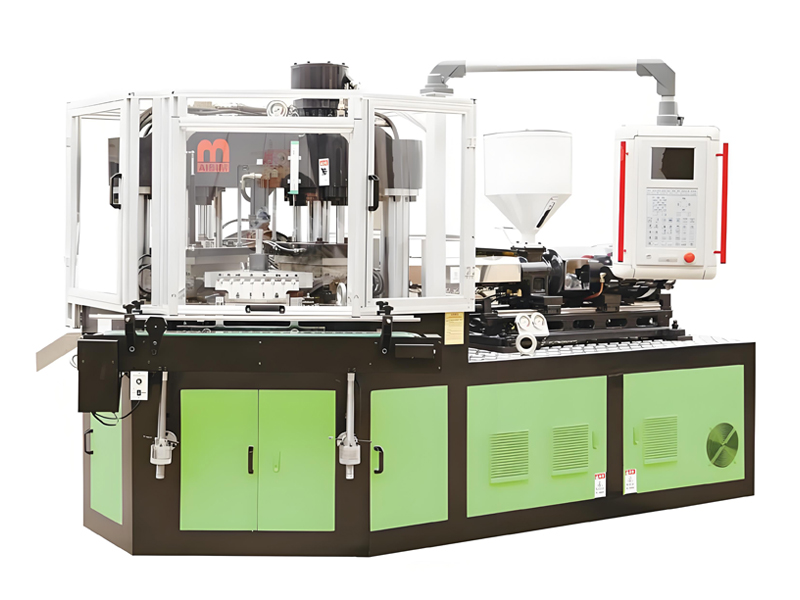
The global packaging industry is undergoing a significant transformation driven by sustainability demands, cost pressures, and environmental regulations. Lightweight design has emerged as one of the most effective strategies for plastic bottle manufacturers seeking to reduce material consumption while maintaining product quality and performance. An injection blow molding machine plays a crucial role in achieving these lightweight objectives, offering precision manufacturing capabilities that enable producers to create thinner-walled bottles without compromising structural integrity or consumer safety.
As brands and manufacturers worldwide commit to sustainable packaging goals, understanding the intersection of injection blow molding technology and lightweight design becomes essential for industry professionals. This comprehensive guide explores how injection blow molding machines contribute to lightweight bottle production, the technical principles behind successful weight reduction, and practical strategies for implementing lightweight solutions across various applications.
Memahami Desain Ringan dalam Manufaktur Botol Plastik
Lightweight design represents a systematic approach to reducing the amount of plastic material used in bottle production while preserving or enhancing functional performance. This methodology goes beyond simple material reduction; it encompasses holistic engineering considerations including structural optimization, material selection, and manufacturing precision.
Mendefinisikan Desain Ringan dan Konteks Industri
Lightweight design in plastic bottle manufacturing refers to the deliberate engineering of bottle structures that use less material than traditional designs while meeting equivalent or superior performance requirements. The concept gained prominence in the early 2000s when oil prices surged and environmental awareness increased, prompting manufacturers to seek efficiency improvements throughout their production operations.
The pharmaceutical, food, and beverage industries have been primary adopters of lightweight technology, driven by regulatory requirements, sustainability commitments, and economic incentives. Modern lightweight bottles typically achieve weight reductions of 15 to 40 percent compared to conventional designs, depending on the application requirements and material selection.
Signifikansi Lingkungan dan Ekonomi
The environmental benefits of lightweight plastic bottles extend across the entire product lifecycle. Reduced material consumption means less raw material extraction, lower energy consumption during manufacturing, decreased transportation emissions due to lighter product weights, and reduced waste at end-of-life. A single gram of plastic saved per bottle, when multiplied by millions of units produced daily, translates to substantial environmental impact reduction.
From an economic perspective, material costs typically represent 50 to 70 percent of total bottle production costs. Lightweight design directly addresses this variable cost driver, offering immediate savings that improve profit margins or enhance competitive pricing capability. Manufacturers implementing successful lightweight strategies often achieve return on investment within 12 to 24 months through combined material and transportation savings.
Penerimaan Konsumen dan Tren Pasar
Contemporary consumers increasingly support sustainable packaging initiatives, with research indicating that over 60 percent of shoppers consider environmental factors when making purchasing decisions. Lightweight bottles align with consumer expectations for responsible packaging without sacrificing the convenience and functionality they demand.
Market trends show accelerated adoption across all major packaging segments. Major beverage brands have committed to significant weight reduction targets, while pharmaceutical companies increasingly specify lightweight containers for both environmental and patient-handling benefits. This market momentum creates both opportunity and pressure for manufacturers to develop or enhance their lightweight production capabilities.
Keunggulan Injeksi Peniupan untuk Produksi Botol Plastik
Injeksi blow molding technology offers distinct advantages for producing lightweight plastic bottles, particularly in applications requiring precision, consistency, and material efficiency. Understanding these advantages helps manufacturers make informed equipment decisions and optimize their production processes.
Proses Manufaktur Satu Langkah
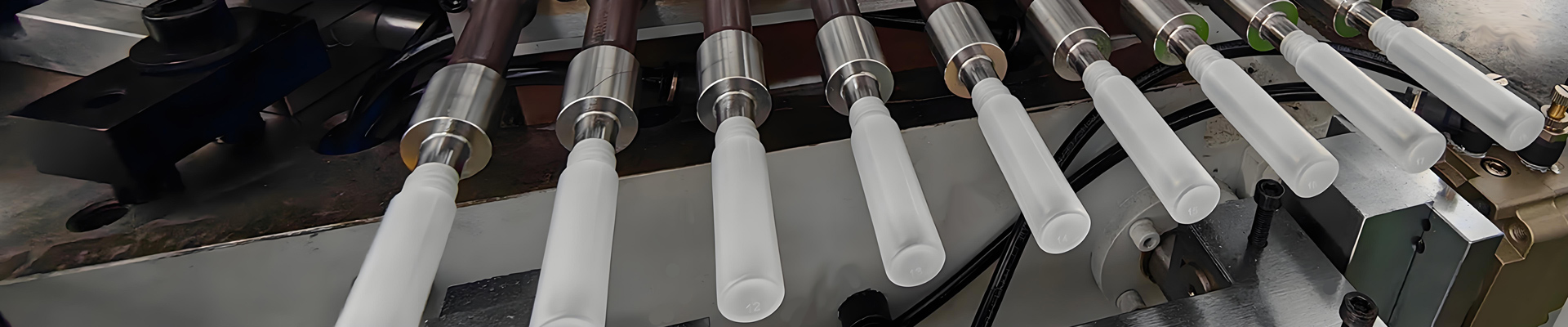
The injection blow molding machine executes bottle production through an integrated process that combines injection molding for the preform with blow molding for the final container shape. This one-step approach eliminates handling and transfer operations that characterize multi-stage manufacturing methods, reducing contamination risk and production cycle time.
The seamless integration of preform creation and bottle forming enables tighter process control and improved consistency. Each bottle emerges from the machine with uniform wall thickness distribution and precise dimensional characteristics, eliminating variations that often occur when preforms are transported between separate manufacturing stations.
Kontrol Ketebalan Dinding Unggul
Precise wall thickness control represents one of the most significant advantages of injection blow molding for lightweight applications. The technology enables manufacturers to program exact material distribution across the bottle structure, concentrating material in high-stress areas while reducing thickness where load requirements permit.
Advanced injection blow molding machines incorporate sophisticated control systems that monitor and adjust process parameters in real-time, maintaining thickness consistency within tight tolerances throughout production runs. This capability proves essential for lightweight bottles where even minor variations can compromise structural integrity or cause aesthetic defects.
Presisi dan Integritas Leher Botol
Finish leher hasil injeksi dari botol injection blow molding menunjukkan akurasi dimensi yang unggul dibandingkan metode manufaktur lainnya. Presisi ini dihasilkan dari proses injeksi bertekanan tinggi yang mengisi rongga leher dengan material cair sebelum terjadi peregangan atau peniupan apa pun.
For lightweight bottles, neck integrity proves particularly important as the closure area often represents the highest stress concentration point. Injeksi blow molding produces thread profiles and sealing surfaces that meet exact specifications, ensuring reliable sealing performance even with reduced material in adjacent body sections.
Perbandingan dengan Injeksi Stretch Molding Tiup
While both injection blow molding and injection stretch blow molding utilize similar initial injection steps, the stretching mechanism differs significantly. Injeksi stretch blow molding introduces axial stretching through a stretch rod, creating molecular orientation that enhances strength in the body section. This characteristic makes stretch blow molding particularly suitable for carbonated beverage applications requiring high hoop strength.
Injeksi blow molding without stretching offers advantages for certain applications including pharmaceutical containers, cosmetics packaging, and wide-mouth bottles. The absence of stretching simplifies tooling, reduces machine complexity, and often provides better material distribution control for non-carbonated applications. For lightweight designs targeting these segments, conventional injection blow molding frequently delivers superior results.
Prinsip Desain untuk Botol Plastik Ringan
Desain botol ringan yang sukses memerlukan perhatian rekayasa yang sistematis di berbagai dimensi desain. Produsen harus menyeimbangkan tujuan pengurangan berat terhadap persyaratan struktural, kendala pemrosesan, dan pertimbangan penggunaan akhir.
Kriteria Pemilihan Material
Pilihan material secara fundamental memengaruhi pengurangan berat yang dapat dicapai dan kinerja botol akhir. Setiap polimer menawarkan karakteristik berbeda yang menentukan kesesuaiannya untuk aplikasi spesifik.
PET represents the most common material for beverage and food packaging, offering excellent clarity, good mechanical properties, and widespread recycling infrastructure. Modern PET grades enable significant weight reduction while maintaining adequate barrier properties and impact resistance for most applications.
Polipropilena provides superior chemical resistance and thermal stability, making it suitable for pharmaceutical and cosmetics applications requiring sterilization or exposure to aggressive contents. PP lightweight bottles achieve excellent results with injection blow molding due to the material’s favorable flow characteristics and low temperature sensitivity.
Polyethylene offers cost-effective solutions for household and industrial chemical containers. HDPE provides excellent stiffness and chemical resistance, while LDPE enables flexible dispensing applications. Both materials respond well to lightweight optimization through injection blow molding processes.
Polistirena, khususnya dalam grade yang dimodifikasi dampak (impact-modified), melayani aplikasi yang membutuhkan kejernihan dan kekakuan. Meskipun lebih jarang digunakan untuk botol ringan karena masalah kerapuhan, formulasi PS termodifikasi memungkinkan solusi kemasan khusus dengan pertimbangan desain yang tepat.
Optimasi Ketebalan Dinding
Mengoptimalkan ketebalan dinding memerlukan penyeimbangan berbagai kebutuhan yang saling bersaing termasuk kekuatan struktural, penghematan material, dan kemampuan pemrosesan. Para insinyur menggunakan analisis elemen hingga (finite element analysis) dan pengujian praktis untuk mengidentifikasi distribusi ketebalan yang optimal untuk aplikasi tertentu.
Modern lightweight design principles advocate for gradient wall thickness approaches that vary thickness based on localized stress analysis. High-stress regions such as the base, shoulder, and closure interface receive additional material, while body sections under lower stress accommodate thickness reductions. This targeted approach maximizes weight savings while maintaining structural adequacy.
Mesin injection blow molding harus mencapai kontrol ketebalan yang konsisten di seluruh pola distribusi yang dioptimalkan. Kemampuan pemrograman parison canggih memungkinkan variasi ketebalan yang presisi selama fase peniupan, menerjemahkan niat desain menjadi produk manufaktur dengan ketepatan tinggi.
Penguatan dan Perkuatan Struktural
Strategic placement of structural ribs provides stiffness and impact resistance without proportional material increase. Ribbing proves particularly effective in maintaining column strength and preventing buckling in tall, slender bottle designs where body sections might otherwise require excessive thickness.
Effective rib design considers multiple factors including rib height-to-width ratios, spacing between ribs, and integration with body geometry. Properly designed ribs can increase structural stiffness by 30 to 50 percent while adding minimal weight, making them essential tools for lightweight optimization.
Proses injection blow molding memungkinkan pembentukan rusuk (rib) yang presisi melalui distribusi material yang terkendali selama fase injeksi dan tiup. Desain perkakas harus mengakomodasi geometri rusuk sambil memastikan pengisian material yang lengkap dan permukaan akhir yang tepat.
Optimasi Desain Dasar
Desain dasar botol secara signifikan memengaruhi performa struktural dan efisiensi material. Dasar datar tradisional memerlukan ketebalan yang substansial untuk menahan deformasi di bawah beban penumpukan dan tekanan internal, menghadirkan peluang optimasi melalui geometri alternatif.
Champagne-style bases with recessed centers and radial ribbing achieve excellent stability and load resistance with reduced material compared to conventional designs. The curved geometry distributes stresses more efficiently than flat surfaces, enabling thickness reduction while maintaining or improving performance.
Alas berkaki yang menggabungkan beberapa titik kontak menawarkan peluang optimasi tambahan untuk aplikasi tertentu. Meskipun memerlukan perkakas yang lebih kompleks, desain ini dapat mencapai pengurangan berat yang substansial sambil memberikan stabilitas dan kemampuan ditumpuk yang memadai.
Desain Bahu dan Transisi
Wilayah bahu yang menghubungkan finishing leher ke badan memerlukan perhatian desain yang cermat karena merupakan area konsentrasi tegangan kritis. Optimasi ringan (lightweight) harus mempertahankan kekuatan yang memadai di zona transisi ini sambil mengurangi material di mana tingkat tegangan memungkinkan.
Smooth radius transitions between the neck and shoulder reduce stress concentrations and enable more aggressive lightweight measures in adjacent areas. Sharp corners create localized stress peaks that require additional material to prevent failure, making radius optimization an essential lightweight strategy.
The slope angle of the shoulder influences both material distribution during blow molding and stress distribution during use. Steeper shoulder angles facilitate material flow during manufacturing but may create stress concentrations requiring additional thickness. Design optimization balances these competing considerations for each specific application.
Teknologi Kunci yang Mendukung Produksi Ringan
Teknologi canggih yang terintegrasi ke dalam mesin cetak tiup injeksi modern memungkinkan presisi dan kontrol yang diperlukan untuk produksi botol ringan yang sukses. Memahami teknologi ini membantu produsen memanfaatkan investasi peralatan mereka secara efektif.
Sistem Kontrol Presisi
Modern injection blow molding machines incorporate sophisticated control systems that manage all process parameters with high precision and repeatability. Closed-loop feedback systems monitor temperature, pressure, and position sensors throughout the production cycle, adjusting parameters in real-time to maintain optimal conditions.
Kontroler logika terprogram dengan kemampuan gerak canggih memungkinkan koordinasi presisi antara fase injeksi, peniupan, dan ejeksi. Koordinasi ini terbukti penting untuk aplikasi ringan di mana variasi kecil dapat menyebabkan penyimpangan kualitas yang signifikan.
Human-machine interfaces provide intuitive operation and comprehensive monitoring capabilities, enabling operators to optimize settings for specific bottle designs and material combinations. Recipe storage functions allow quick changeovers between products while maintaining validated parameters for each configuration.
Aplikasi Teknologi PREFILL
PREFILL technology represents an advanced control methodology that optimizes material distribution during the preform injection phase. By precisely controlling the filling pattern and pressure profile, PREFILL systems achieve more uniform preform wall thickness that translates directly to improved final bottle characteristics.
The technology enables manufacturers to produce preforms with specifically engineered thickness distributions that compensate for subsequent blow molding operations. This predictive control approach produces bottles with tighter tolerances and more efficient material placement than conventional processes.
Untuk aplikasi ringan (lightweight), teknologi PREFILL terbukti sangat berharga karena memungkinkan optimasi distribusi ketebalan dinding yang lebih agresif. Produsen dapat mengurangi ketebalan rata-rata sambil mempertahankan kinerja melalui penempatan material yang ditargetkan secara presisi.
Manajemen Keseragaman Suhu
Distribusi suhu yang konsisten di seluruh sistem lelehan dan perkakas secara langsung memengaruhi kualitas dan konsistensi botol akhir. Mesin injection blow molding modern menggabungkan banyak zona pemanas dan pendingin yang menjaga kontrol suhu presisi di semua permukaan yang relevan.
Keseragaman suhu yang tidak memadai menyebabkan variasi viskositas di dalam lelehan, yang mengarah pada ketidakkonsistenan ketebalan dan titik lemah pada botol akhir. Sistem canggih memantau suhu di beberapa titik dan secara otomatis menyesuaikan keluaran pemanasan untuk menjaga konsistensi dalam toleransi yang ketat.
Untuk produksi ringan, keseragaman suhu menjadi lebih kritis karena bagian dinding yang berkurang menyisakan margin yang lebih sedikit untuk variasi pemrosesan. Kontrol suhu yang ketat memungkinkan perilaku pengisian dan peniupan yang konsisten yang menghasilkan botol ringan yang seragam.
Sistem Optimasi Tekanan Udara
Sistem udara tiup mengirimkan energi yang membentuk material leleh terhadap permukaan rongga. Optimasi sistem ini melibatkan pengelolaan tekanan tiup, waktu, dan profil secara hati-hati untuk mencapai pembentukan lengkap tanpa peregangan atau deformasi material yang berlebihan.
Profil tiup multi-tahap yang dimulai pada tekanan lebih rendah dan meningkat ke tekanan lebih tinggi memungkinkan kontrol distribusi material yang lebih baik daripada pendekatan tekanan tunggal. Pendekatan bertahap ini terbukti sangat berharga untuk geometri botol yang kompleks dan desain ringan (lightweight) yang agresif.
Mesin modern menggabungkan kontrol pneumatik presisi yang memberikan tekanan udara yang konsisten terlepas dari variasi tegangan listrik atau fluktuasi pasokan udara bertekanan. Konsistensi ini memastikan kualitas produksi yang stabil sepanjang operasi panjang dan di seluruh pergantian shift.
Keunggulan Mesin Injeksi Peniupan AiBiM untuk Produksi Ringan
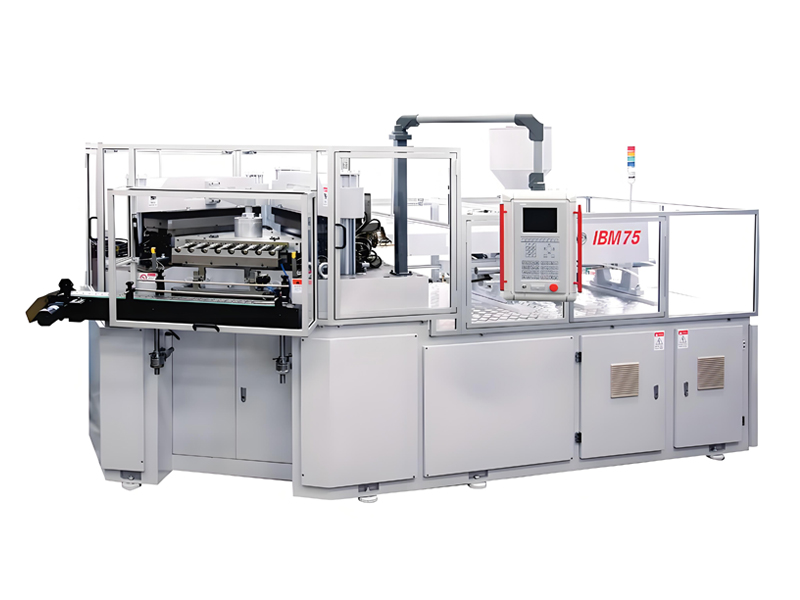
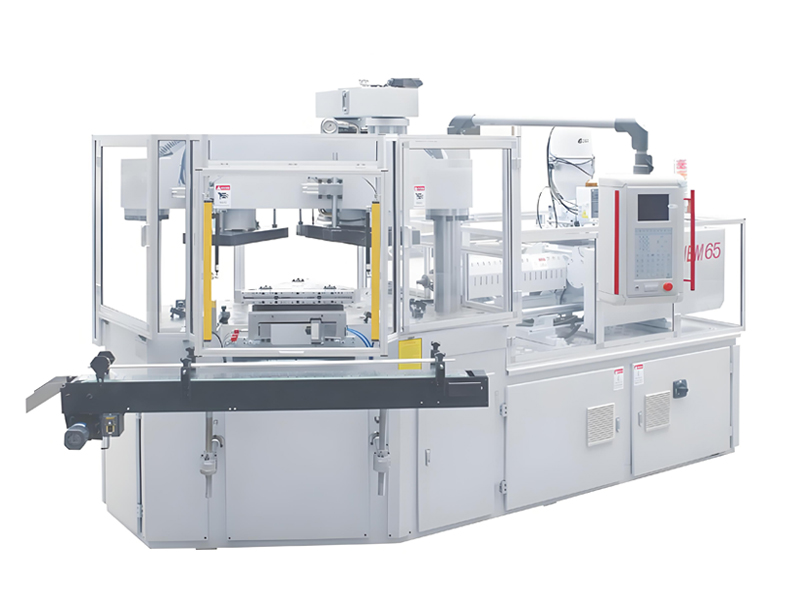
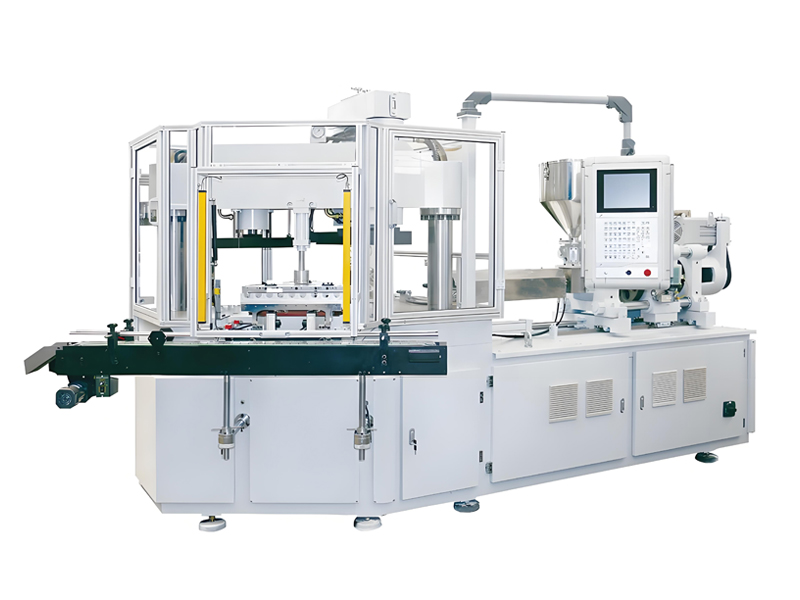
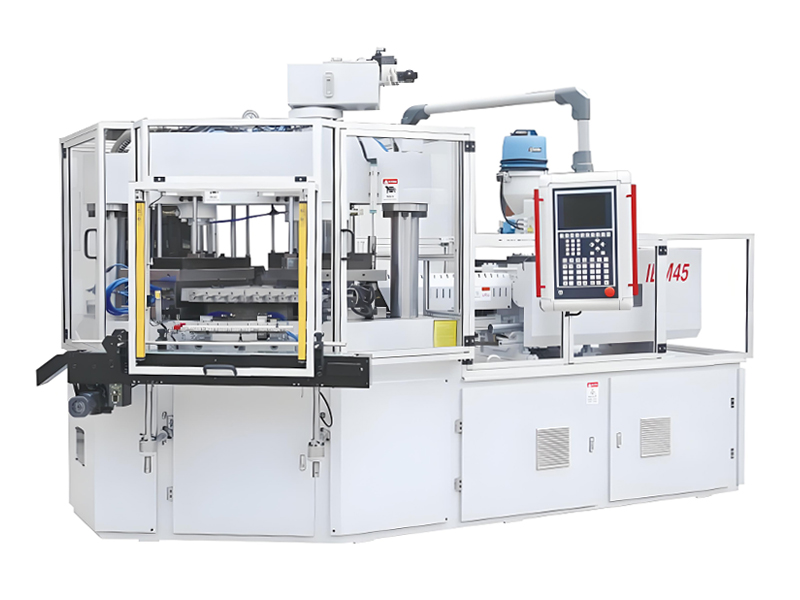
Zhangjiagang AiBiM Plastics Machinery Co., Ltd. has developed a comprehensive lineup of injection blow molding machines specifically engineered to meet the demanding requirements of lightweight bottle production. The IBM Series combines proven mechanical design with advanced control technologies to deliver exceptional performance across the full range of lightweight applications.
Spesifikasi Teknis Seri IBM
Seri IBM AiBiM mencakup tiga model mesin utama yang dirancang untuk memenuhi kebutuhan produksi dan pertimbangan anggaran yang berbeda. Setiap model menggabungkan fitur yang dioptimalkan secara khusus untuk pembuatan botol ringan.
The IBM55 Hybrid Electric machine represents the entry point to the lightweight-optimized lineup, offering competitive pricing from $95,000 to $130,000 while delivering professional-grade performance. This model handles containers from 3ml to 500ml with efficient production rates suitable for small to medium volume requirements.
The IBM65 model provides enhanced capabilities for medium-scale production, with pricing ranging from $110,000 to $165,000. This machine offers improved cycle times and larger shot capacities that enable higher production volumes while maintaining the precision control required for lightweight quality.
IBM75 mewakili model unggulan untuk aplikasi ringan (lightweight) yang menuntut, dengan harga mulai dari $160.000 hingga $280.000. Mesin ini memberikan performa maksimal dengan rentang kapasitas yang diperluas hingga 1000ml dan fitur kontrol paling canggih untuk mencapai target lightweight yang agresif.
Stabilitas Desain Balok Tunggal Kolom Ganda
Desain mekanis balok tunggal tiang kembar yang inovatif memberikan stabilitas platform yang luar biasa sepanjang fase injeksi dan tiup. Arsitektur ini memastikan keselarasan presisi antara unit injeksi dan stasiun tiup, menjaga kondisi konsisten untuk produksi berkualitas tinggi.
Reduced mechanical complexity compared to traditional designs minimizes wear points and maintenance requirements while improving overall reliability. The symmetrical column arrangement distributes forces evenly, preventing deflection that could compromise dimensional accuracy in critical bottle features.
Filosofi desain ini terbukti sangat berharga untuk aplikasi ringan (lightweight) di mana bahkan variasi mikroskopis dapat menyebabkan penyimpangan kualitas pada produk berdinding tipis. Stabilitas bawaan desain memberikan fondasi yang kokoh untuk mencapai toleransi ketat di seluruh run produksi yang panjang.
Keunggulan Efisiensi Energi
AiBiM machines incorporate energy-efficient technologies that reduce operating costs by up to 35 percent compared to conventional alternatives. This efficiency improvement directly enhances the economics of lightweight bottle production by reducing the per-unit cost contribution of energy consumption.
Sistem penggerak listrik hybrid menggabungkan presisi motor servo dengan konsumsi daya yang dioptimalkan, memberikan kinerja yang dibutuhkan tanpa pemborosan energi berlebih. Fungsi manajemen daya cerdas mengurangi konsumsi selama periode idle dan menyesuaikan penyaluran energi agar sesuai dengan kebutuhan produksi aktual.
Penghematan energi 35 persen secara signifikan meningkatkan jangka waktu pengembalian investasi untuk peralatan produksi ringan. Digabungkan dengan penghematan material dari pengurangan berat botol, produsen mencapai keunggulan total biaya kepemilikan yang menarik.
Kemudahan Penyimpanan Parameter Kartu SD
Fungsi penyimpanan kartu SD terintegrasi memungkinkan pengelolaan parameter produksi yang nyaman di berbagai desain botol dan material. Fitur ini menyederhanakan prosedur pergantian dan memastikan keterulangan pengaturan yang tervalidasi.
Operator dapat menyimpan profil konfigurasi lengkap termasuk pengaturan suhu, profil tekanan, urutan waktu, dan parameter distribusi ketebalan. Kemampuan penyimpanan yang komprehensif ini menghilangkan entri parameter manual dan mengurangi waktu pergantian (changeover) sekaligus mencegah kesalahan penyalinan.
Sistem kartu SD juga memfasilitasi persyaratan pencadangan dan dokumentasi untuk sistem manajemen kualitas. Parameter yang tervalidasi dapat disimpan dalam arsip yang aman, memungkinkan pemulihan cepat setelah kegiatan perawatan atau pemindahan peralatan.
Analisis Biaya-Manfaat Botol Plastik Ringan
Produksi botol ringan menawarkan manfaat ekonomi yang substansial yang mencakup berbagai kategori biaya. Analisis komprehensif memungkinkan keputusan yang tepat tentang strategi implementasi ringan dan investasi peralatan.
Perhitungan Penghematan Biaya Material
Penghematan biaya material mewakili manfaat paling langsung dan terukur dari desain ringan. Pertimbangkan botol minuman 500ml tipikal dengan berat 25 gram dalam desain konvensional. Pengurangan berat 25 persen membawa ini menjadi 18,75 gram, menghemat 6,25 gram per botol.
At a PET resin price of $1.50 per kilogram, the material saving equals approximately 0.94 cents per bottle. For a production facility manufacturing one million bottles monthly, this translates to monthly savings of $9,400 or annual savings exceeding $112,000. Larger facilities with higher volumes realize proportionally greater savings.
These calculations assume constant resin pricing; actual savings increase when considering that lightweight reduction often enables procurement of smaller quantities at equivalent per-kilogram costs. Additionally, reduced material consumption lowers handling, storage, and transportation costs within the manufacturing facility.
Analisis Pengurangan Biaya Transportasi
Pengurangan berat secara langsung memengaruhi ekonomi transportasi di seluruh rantai pasokan. Botol yang lebih ringan mengurangi biaya pengiriman per unit, memungkinkan lebih banyak botol per palet atau kontainer pengiriman, dan menurunkan konsumsi bahan bakar untuk kendaraan transportasi.
Pengurangan berat 25 persen pada kemasan botol biasanya mengurangi biaya transportasi sebesar 8 hingga 15 persen, tergantung jarak, moda, dan konfigurasi produk spesifik. Untuk pengiriman internasional, di mana biaya angkut terakumulasi secara signifikan, penghematan ini menjadi sangat substansial.
Penanganan gudang juga mendapat manfaat dari pengurangan berat, dengan operasi bongkar muat yang lebih cepat, pengurangan kelelahan pekerja dan risiko cedera, serta kepadatan penyimpanan yang lebih baik. Peningkatan operasional ini menghasilkan penghematan biaya tenaga kerja dan kapasitas throughput yang lebih tinggi.
Periode Pengembalian Investasi Peralatan
Investasi pada peralatan cetak tiup injeksi canggih untuk produksi ringan memerlukan evaluasi cermat terhadap jangka waktu pengembalian. Analisis harus mempertimbangkan peningkatan biaya untuk peralatan yang mumpuni dan penghematan komprehensif yang dapat dicapai melalui produksi ringan.
For an AiBiM IBM65 machine priced at approximately $140,000, the monthly material and transportation savings achievable with lightweight production typically generate paybacks within 14 to 20 months for moderate-volume facilities. Higher volume operations achieve faster returns, often within 10 to 14 months.
Beyond direct cost savings, manufacturers benefit from enhanced competitive positioning through sustainability credentials, potential premium pricing for lightweight products, and improved capacity utilization from reduced material handling requirements. These factors often accelerate returns beyond baseline calculations.
Skenario Volume Produksi
Volume produksi yang berbeda menunjukkan pendekatan optimal yang berbeda untuk implementasi ringan. Memahami skenario ini membantu produsen menyesuaikan investasi dan strategi mereka.
Low-volume producers manufacturing 50,000 to 200,000 bottles monthly may find that modest lightweight reductions of 15 to 20 percent deliver optimal returns through simplified implementation and reduced risk. Entry-level equipment investments combined with incremental design improvements often prove most cost-effective for this segment.
Operasi volume menengah yang memproduksi 200.000 hingga 1.000.000 botol per bulan dapat membenarkan target ringan (lightweight) yang lebih agresif sebesar 25 hingga 35 persen beserta investasi peralatan yang sesuai. Tingkat volume ini biasanya mendukung pemilihan mesin kelas menengah dan upaya optimasi yang lebih komprehensif.
High-volume producers exceeding 1,000,000 bottles monthly should pursue maximum lightweight potential with premium equipment selections and ongoing optimization programs. At these volumes, even small percentage improvements translate to substantial absolute savings that justify significant investment in capability development.
Area Aplikasi untuk Botol Plastik Ringan
Teknologi botol ringan berlaku di berbagai segmen industri, masing-masing dengan persyaratan khusus dan peluang optimasi. Memahami area aplikasi ini membantu produsen mengidentifikasi target paling menjanjikan untuk penerapan ringan (lightweight).
Aplikasi Industri Minuman
Industri minuman mewakili pasar terbesar untuk produksi botol plastik, dengan peluang implementasi lightweight yang substansial di berbagai sub-segmen. Botol air, wadah jus, dan minuman teh semuanya mendapat manfaat dari pengurangan berat sambil mempertahankan fungsionalitas yang diperlukan.
Still water bottles present excellent lightweight opportunities as they experience minimal internal pressure and handle relatively gentle conditions throughout their lifecycle. Conventional water bottles in the 500ml to 1500ml range often achieve 30 to 40 percent weight reduction through optimized design and injection blow molding production.
Minuman jus dan teh memerlukan pendekatan ringan (lightweight) yang sedikit lebih konservatif karena persyaratan pasteurisasi dan potensi kandungan asam. Namun, bahkan aplikasi ini biasanya mencapai pengurangan berat 20 hingga 30 persen dengan desain dan pertimbangan material yang tepat.
Aplikasi Industri Makanan
Aplikasi kemasan makanan termasuk saus, bumbu, minyak, dan produk makanan khusus memanfaatkan botol plastik yang mengakomodasi optimasi ringan (lightweight) yang efektif. Geometri beragam dan persyaratan penutup kemasan makanan menciptakan peluang optimasi yang bervariasi.
Botol saus dan bumbu sering kali memiliki geometri kompleks dengan material substansial di area penutup dan dasar. Desain ulang untuk produksi ringan dapat mencapai pengurangan berat 20 hingga 30 persen sambil mempertahankan performa fungsional untuk pengeluaran produk kental dan stabilitas rak.
Cooking oil bottles present unique opportunities due to the product weight and volume typically involved. A lightweight 1-liter oil bottle weighing 40 grams instead of 55 grams saves 15 grams per unit, translating to significant material savings when considering the volumes typical for this category.
Aplikasi Industri Farmasi
Kemasan farmasi demands rigorous quality standards that inform lightweight strategies differently than consumer goods applications. While pharmaceutical bottles must meet strict regulatory requirements, thoughtful design enables meaningful weight reduction while ensuring complete product protection.
Oral liquid containers in sizes from 10ml to 100ml serve as excellent candidates for lightweight implementation. These small-volume containers often utilize excessive material in conventional designs, creating opportunities for 25 to 35 percent weight reduction without compromising medication safety or dosing accuracy.
Eye drop bottles require particular attention to closure area design and dropper functionality while offering lightweight opportunities in body sections. The precision capabilities of injection blow molding enable optimization that preserves functional requirements while reducing material consumption.
Aplikasi Industri Kosmetik
Pengemasan kosmetik menyeimbangkan persyaratan fungsional dengan pertimbangan estetika yang memengaruhi pendekatan desain ringan. Estetika botol sering kali mendominasi persepsi konsumen, sehingga memerlukan keseimbangan yang cermat antara pengurangan berat dan kualitas visual.
Lotion and serum bottles frequently achieve 20 to 30 percent weight reduction while maintaining the visual quality and product protection required for cosmetic applications. Injeksi blow molding delivers the surface finish quality that cosmetics branding demands while enabling effective lightweight optimization.
Travel-size cosmetic containers present particularly compelling lightweight opportunities due to the volumes involved and the direct relationship between container weight and shipping costs for these small-format products. Even modest weight reductions translate to meaningful savings at typical travel-size production volumes.
Panduan Seleksi: Memilih Peralatan untuk Produksi Botol Ringan
Memilih peralatan yang tepat untuk produksi botol ringan memerlukan evaluasi sistematis terhadap berbagai faktor. Panduan ini menyediakan kerangka kerja untuk membuat keputusan peralatan yang tepat selaras dengan persyaratan produksi dan tujuan bisnis.
Penilaian Kapasitas Produksi
Penilaian kapasitas yang akurat menjadi fondasi pemilihan peralatan. Produsen harus mengevaluasi volume produksi saat ini, lintasan pertumbuhan yang diantisipasi, dan potensi persyaratan kontrak yang mungkin memengaruhi kebutuhan kapasitas di masa depan.
AiBiM IBM55 menangani tingkat produksi yang cocok hingga sekitar 800.000 botol kecil per bulan, menjadikannya tepat untuk operasi tingkat pemula atau aplikasi volume kecil khusus. IBM65 memperluas kemampuan ini hingga sekitar 1.200.000 unit per bulan untuk produsen skala menengah.
Produsen volume tinggi yang membutuhkan output maksimum harus mempertimbangkan IBM75, yang memberikan kecepatan dan kapasitas yang ditingkatkan untuk jadwal produksi yang menuntut. Investasi tambahan sering terbukti layak melalui throughput yang unggul dan biaya overhead per unit yang lebih rendah.
Pertimbangan Kompleksitas Botol
Kompleksitas desain botol memengaruhi persyaratan spesifikasi mesin dan investasi perkakas. Botol silinder sederhana dengan fitur minimal sering kali dapat diproduksi secara efektif pada konfigurasi peralatan standar, sementara geometri kompleks mendapatkan manfaat dari kemampuan kontrol canggih.
Features such as specialized base geometries, complex shoulder transitions, large mouth diameters, or integrated handles require enhanced control precision and potentially more sophisticated tooling. Manufacturers should honestly assess their product portfolio complexity when evaluating equipment specifications.
AiBiM machines across the IBM Series incorporate the control capabilities required for complex lightweight designs, with more advanced models offering additional precision and flexibility for demanding applications. This scalability enables manufacturers to match equipment to actual requirements rather than purchasing excessive capability.
Persyaratan Kompatibilitas Material
Material yang berbeda menghadirkan persyaratan pemrosesan yang berbeda yang memengaruhi spesifikasi peralatan. Produsen harus mengonfirmasi bahwa peralatan yang dipertimbangkan menangani material yang dibutuhkan untuk aplikasi target mereka dengan kemampuan dan efisiensi yang sesuai.
Mesin Seri IBM mengakomodasi seluruh rentang material yang umum dalam produksi botol ringan termasuk grade PET, PP, PE, dan PS. Sistem kontrol memungkinkan optimasi parameter presisi untuk setiap keluarga material, memastikan kualitas konsisten di seluruh perubahan material.
Aplikasi khusus yang memerlukan material tidak biasa atau kondisi pemrosesan yang menuntut mungkin memerlukan evaluasi tambahan. Dukungan teknis AiBiM dapat memberikan panduan spesifik untuk kebutuhan material yang menantang.
Keseimbangan Anggaran dan Pengembalian Investasi
Keputusan investasi peralatan harus menyeimbangkan kebutuhan modal di muka terhadap pengembalian jangka panjang. Sementara peralatan premium menawarkan kemampuan yang ditingkatkan, produsen harus memastikan bahwa fitur tambahan memberikan nilai yang proporsional untuk situasi spesifik mereka.
IBM55 menyediakan titik masuk yang terjangkau bagi produsen yang baru mengenal produksi ringan atau beroperasi dengan ketersediaan modal terbatas. Rasio kinerja-terhadap-harga yang menarik memungkinkan laba atas investasi yang cepat sambil membangun kemampuan untuk kemajuan masa depan.
Producers with established lightweight operations or demanding requirements may find that IBM65 or IBM75 investments deliver superior returns through enhanced capabilities, improved efficiency, and expanded application range. The total cost of ownership analysis should guide these decisions rather than purchase price alone.
Tantangan dan Solusi Umum dalam Produksi Ringan
Produksi botol ringan menghadirkan tantangan spesifik yang memerlukan pemahaman dan pendekatan sistematis untuk penyelesaian yang sukses. Bagian ini membahas masalah umum dan memberikan solusi praktis untuk menjaga kualitas dan efisiensi.
Mengatasi Masalah Keseragaman Ketebalan Dinding
Ketebalan dinding yang tidak konsisten mewakili tantangan kualitas paling umum dalam produksi botol ringan. Variasi menyebabkan titik lemah yang membahayakan integritas struktural dan menciptakan cacat estetika yang memengaruhi daya jual.
Solutions focus on three primary areas: tooling quality, process control, and design optimization. High-quality tooling with proper venting and material flow channels enables consistent filling behavior. Advanced process control systems maintain stable parameters throughout production runs. Optimized designs with appropriate thickness distributions minimize sensitivity to normal process variations.
Mesin AiBiM menggabungkan fitur kontrol canggih yang dirancang khusus untuk menangani keseragaman ketebalan, termasuk pemrograman parison yang presisi dan pemantauan loop tertutup yang mengidentifikasi dan mengoreksi variasi sebelum menyebabkan masalah kualitas.
Mencegah Deformasi Leher Botol
Deformasi bagian leher (neck finish) mengganggu kinerja penutup dan penerimaan konsumen. Desain ringan terkadang memusatkan tegangan di area leher, menciptakan kerentanan terhadap variasi dimensi selama produksi atau penanganan selanjutnya.
Prevention strategies include maintaining adequate material in critical neck dimensions, optimizing cooling sequences to reduce thermal stress, and implementing appropriate handling procedures throughout production and filling operations. Tooling design must ensure proper support during ejection and subsequent handling.
Injeksi blow molding inherently produces superior neck finish quality compared to other methods, providing a foundation for lightweight optimization without sacrificing this critical feature. Combined with appropriate design attention and process control, manufacturers can achieve lightweight goals while maintaining neck quality.
Menavigasi Kompleksitas Pemilihan Material
Pemilihan material untuk aplikasi ringan melibatkan penyeimbangan berbagai persyaratan kinerja terhadap biaya dan pertimbangan pemrosesan. Keragaman resin yang tersedia dan pengenalan grade baru yang terus-menerus memperumit pengambilan keputusan.
Systematic evaluation approaches help navigate this complexity. Begin by clearly defining performance requirements including strength, clarity, barrier properties, chemical resistance, and regulatory compliance. Then evaluate material options against these requirements, considering both conventional grades and newer lightweight-optimized formulations.
Konsultasi dengan pemasok material sering kali terbukti berharga, karena pemasok dapat merekomendasikan grade yang tepat dan berbagi pengalaman dari aplikasi serupa. Dukungan teknis AiBiM juga memberikan panduan berdasarkan pengalaman luas di berbagai jenis material dan aplikasi.
Mengatasi Keterbatasan Laju Produksi
Mencapai kualitas ringan terkadang memerlukan tingkat produksi yang lebih lambat daripada manufaktur konvensional. Ketegangan antara kualitas dan throughput ini memengaruhi pemilihan peralatan dan perencanaan produksi.
Peralatan modern dengan kemampuan kontrol canggih semakin mampu menyelesaikan konflik ini, memungkinkan kualitas dan kecepatan sekaligus. Investasi pada peralatan yang mumpuni sering kali terbukti lebih ekonomis daripada menerima kompromi kualitas atau keterbatasan produksi.
Production planning should realistically account for achievable rates with specific products and materials. Building appropriate cycle time allowances into production schedules prevents quality problems caused by excessive speed pressure. As manufacturers gain experience with lightweight production, optimization typically enables continuous improvement in achievable throughput.
Kesimpulan: Bermitra untuk Keberhasilan Ringan (Lightweight)
Produksi botol plastik ringan mewakili peluang strategis bagi produsen yang ingin mengurangi biaya, meningkatkan keberlanjutan, dan memperbaiki posisi kompetitif. Keberhasilan memerlukan integrasi yang cermat antara optimasi desain, pemilihan material, dan kemampuan manufaktur.
Injeksi blow molding technology provides essential capabilities for achieving lightweight objectives while maintaining the quality and consistency that markets demand. The precision control and material efficiency of this manufacturing approach make it ideally suited for lightweight applications across diverse industry segments.
Zhangjiagang AiBiM Plastics Machinery Co., Ltd. offers comprehensive solutions for lightweight bottle production through the IBM Series lineup. With 12 years of industry experience, exports to more than 40 countries, CE certification compliance, and advanced technologies including PREFILL systems and energy-efficient operation, AiBiM provides the capability and support manufacturers need for lightweight success.
Whether producing pharmaceutical containers, beverage bottles, food packaging, or cosmetics containers, manufacturers can benefit from AiBiM’s proven technology and global service network. Contact our team to discuss your specific requirements and explore how our injection blow molding machines can support your lightweight production objectives.
The path to successful lightweight production requires careful planning, appropriate investment, and ongoing optimization. With the right equipment partner and systematic approach, manufacturers can achieve substantial benefits across economic, environmental, and competitive dimensions. Start your lightweight journey today by evaluating how AiBiM technology can transform your plastic bottle production capabilities.