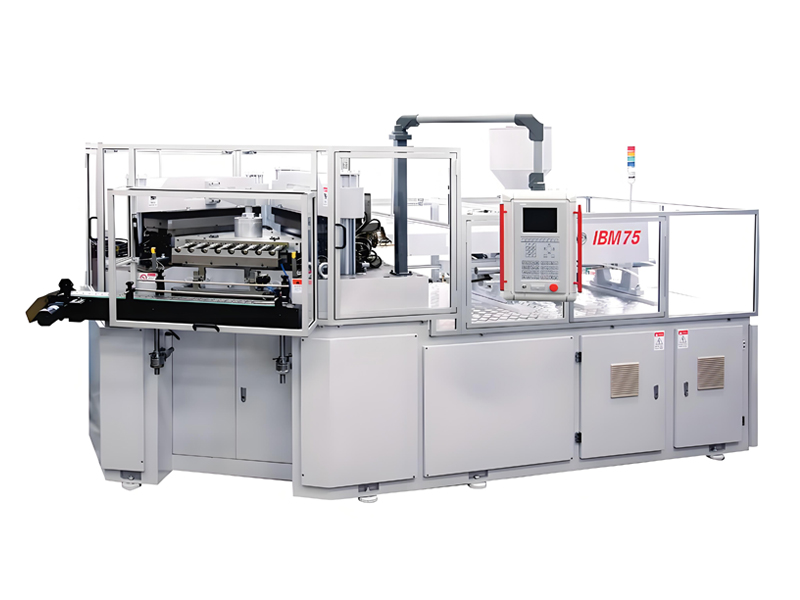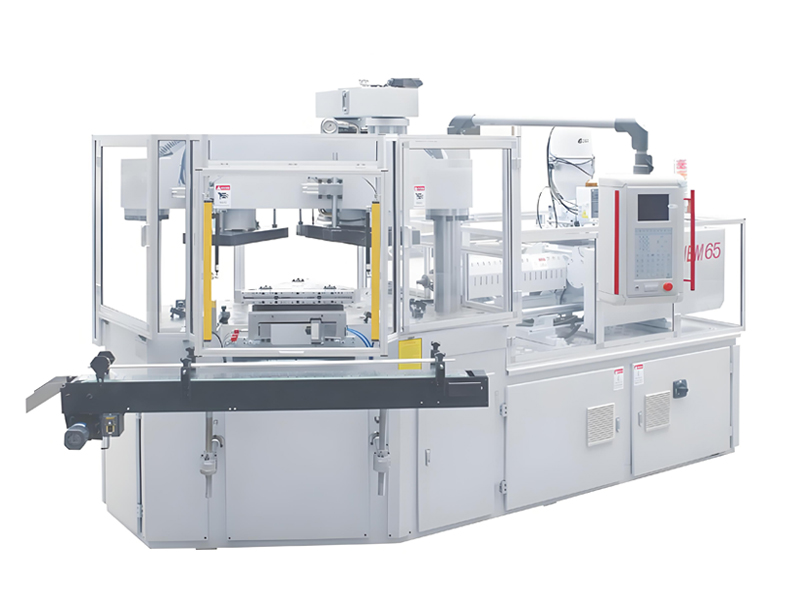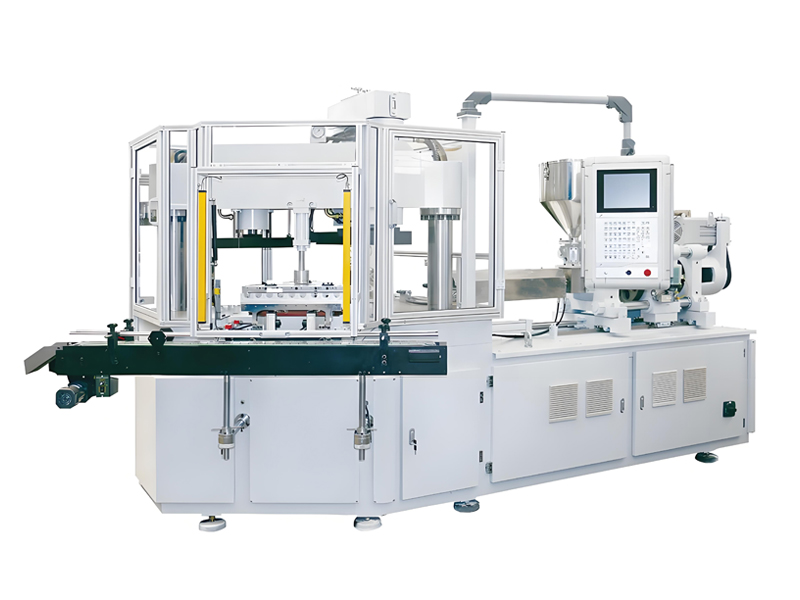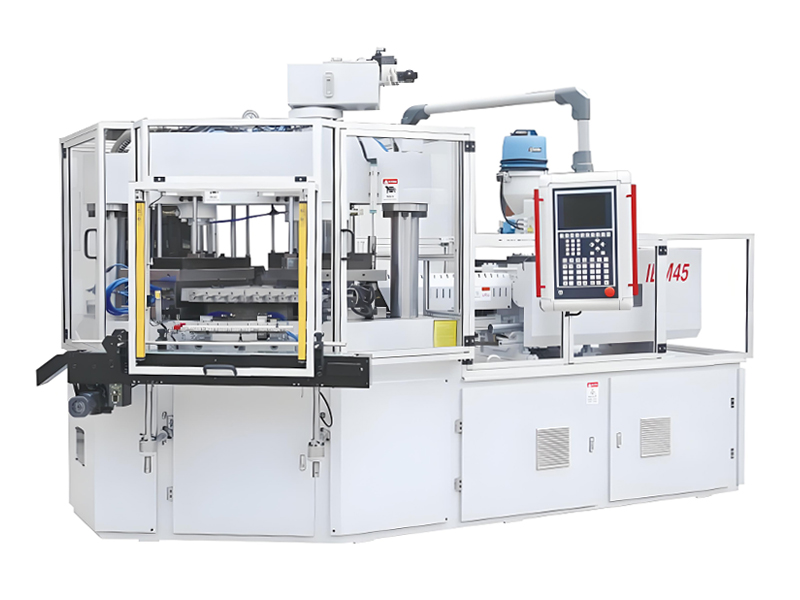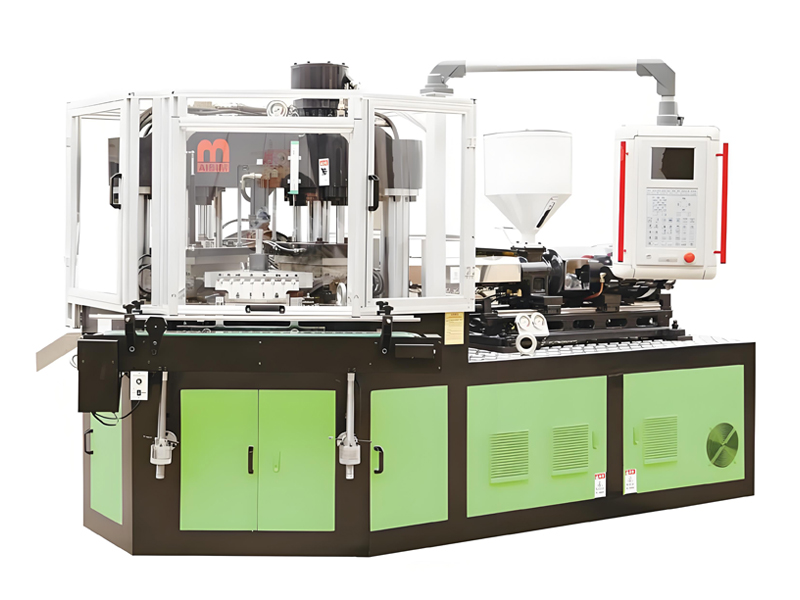
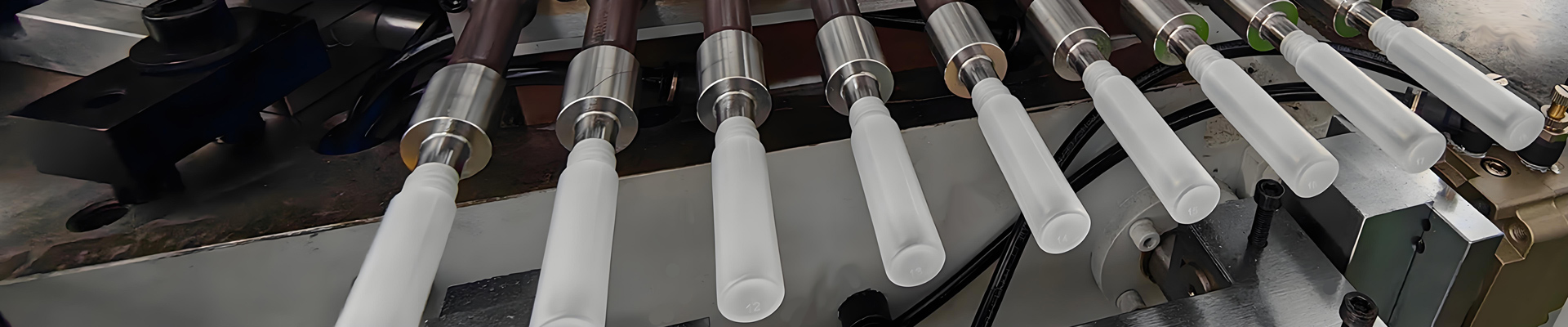
The cosmetics industry presents unique requirements for packaging production, particularly for jars and containers that require screw cap closures. Injection blow molding machines used for cosmetic jar production must achieve precise dimensional control to ensure compatibility between containers and closure systems. Understanding the relationship between injection blow molding machine capabilities, screw cap design requirements, and production optimization strategies enables manufacturers to achieve quality and efficiency objectives for cosmetic packaging applications.
Conception des pots cosmétiques et exigences de fermeture
Comprendre le fonctionnement des bouchons à vis
Screw caps serve multiple functions in cosmetic packaging beyond simple container closure. They provide barrier protection against contamination, maintain product integrity by preventing leakage, and contribute to user experience through easy opening and secure resealing. The interaction between screw caps and containers must be precisely engineered to achieve all these functions consistently across production volumes.
Screw cap performance depends on thread geometry, sealing surfaces, and material compatibility between cap and container. Thread specifications include profile shape, pitch, and diameter tolerances that must match between closure and container. Sealing effectiveness depends on compression of sealing surfaces under appropriate torque, creating reliable barrier without over compression that could damage container or cap.
Normes et spécifications de conception des filetages
Cosmétique packaging utilizes several thread standard systems including metric, DIN, and proprietary specifications developed by closure manufacturers. Common metric thread sizes for cosmetic jars range from 38 millimeters to 89 millimeters outer diameter, with varying thread counts depending on closure design. Understanding the specific thread standard applicable to your products is essential for proper mold design and machine adjustment.
Thread tolerance specifications define acceptable variation ranges for critical dimensions. Standard tolerance grades typically allow plus or minus 0.2 millimeters for major diameter dimensions, with tighter tolerances for critical sealing surfaces. Injection blow molding machines must achieve consistent production within these tolerance requirements across extended production runs.
Considérations de matériaux pour la compatibilité cosmétique
Cosmétique jar materials must be compatible with contained products while providing appropriate aesthetic qualities. Common materials include polystyrene for clarity and cost efficiency, acrylic for premium appearance and chemical resistance, and polypropylene for flexibility and chemical compatibility. Material selection affects thread geometry achievable and processing parameters required for optimal results.
Acrylic materials have emerged as preferred choices for premium cosmetic packaging due to their glass like appearance, excellent chemical resistance, and good processing characteristics. Material costs for cosmetic grade acrylic range from 4 to 8 dollars per kilogram depending on grade and supplier. The superior appearance and performance characteristics justify higher material costs in premium cosmetic applications.
Technologie de moulage par injection-soufflage pour pots cosmétiques
Caractéristiques du processus et avantages qualité
Injection blow molding offers specific advantages for cosmetic jar production compared to alternative manufacturing methods. The process produces containers with consistent wall thickness, smooth interior surfaces, and excellent dimensional control for thread features. Three dimensional symmetry achieved through the process ensures that screw caps seat evenly around the container circumference.
The injection blow molding process creates containers without weld lines or seams that could affect appearance or sealing performance. Interior surface quality supports clean filling operations and prevents product residue accumulation that could affect product stability or appearance. These quality characteristics make injection blow molding particularly suitable for cosmetic applications where appearance quality is paramount.
Production multi-cavités pour l'efficacité
High volume cosmetic jar production benefits from multi cavity injection blow molding that produces multiple containers per machine cycle. Common multi cavity configurations produce 4, 8, 12, or more containers simultaneously depending on jar size and machine specifications. Multi cavity production significantly improves production efficiency and reduces per unit manufacturing costs.
Cavity count selection balances production efficiency against quality consistency requirements. Higher cavity counts reduce cycle time efficiency due to increased filling complexity and potential for imbalance between cavities. Qualité consistency across cavities requires precise mold design, careful machine adjustment, and effective process control. Typical multi cavity machines for cosmetic jar production range from 50 to 300 tons clamping force.
Conception du moule pour la précision du filetage
Mold design for cosmetic jars requires particular attention to thread section geometry and accuracy. Thread cavities must be machined to precise specifications with appropriate draft angles for part release. Thread surface finish must be optimized to achieve proper cap engagement without binding or cross threading.
Neck ring design determines thread dimensions and requires careful attention to cavity alignment and temperature control. Uniform temperature distribution in the neck ring area prevents dimensional variation that could affect cap compatibility. Cooling channel placement must consider heat transfer requirements for the neck section while avoiding interference with thread geometry.
Ingénierie de compatibilité des bouchons à vis
Exigences dimensionnelles pour l'engagement du filetage
Thread engagement between cap and container requires precise dimensional coordination across multiple parameters. Outer diameter of container threads must be controlled within tight tolerances to achieve proper fit with corresponding inner diameter of the cap. Standard tolerance bands for cosmetic thread applications typically range from plus or minus 0.1 to 0.15 millimeters depending on thread size and application requirements.
Thread pitch, the distance between adjacent thread crests, must match between container and cap to enable smooth engagement. Pitch variations cause cross threading or interference that prevents proper closure. Lead accuracy in thread manufacturing, typically maintained within 0.02 millimeters per 25 millimeters of thread length, ensures consistent engagement behavior.
Conception et performance de la surface d'étanchéité
Sealing surfaces on cosmetic jars typically utilize a gasket or land seal design where the cap compresses against the container finish to create barrier closure. The sealing surface, known as the land, must be flat and perpendicular to the thread axis to ensure uniform compression around the circumference. Surface flatness tolerances typically range from 0.02 to 0.05 millimeters.
Sealing surface height relative to thread termination affects closure seating and removal torque characteristics. Proper design positions the sealing surface at a height that ensures engagement of thread engagement before seal compression occurs. This sequencing prevents seal damage during cap application and enables appropriate removal torque for consumer use.
Exigences de couple et essais de performance
Application torque requirements for cosmetic screw caps vary based on cap design, seal configuration, and product requirements. Typical application torque ranges from 15 to 40 newton centimeters depending on cap size and seal type. Under application torque results in leakage risk while over application torque can damage seals or cause thread failure.
Removal torque, the force required to open the container, affects consumer experience and must be maintained within acceptable ranges. Removal torque typically ranges from 8 to 25 newton centimeters, providing secure closure while enabling easy opening. Testing protocols should verify both application and removal torque performance across production samples to ensure consistent closure behavior.
Réglage de la machine pour la production de pots cosmétiques
Réglage de précision du goulot
Neck finish dimensions directly affect screw cap compatibility and require precise adjustment throughout production. Core rod positioning determines inner diameter of thread sections, while cavity alignment affects outer diameter concentricity. Both dimensions must be controlled within specification to achieve proper cap fit and seal performance.
Adjustment procedures should verify neck finish dimensions using appropriate gauges after any change in operating conditions or material lots. Periodic dimensional verification during production runs ensures continued compliance with specification requirements. Documented adjustment procedures and dimensional records support quality assurance and troubleshooting activities.
Optimisation de la température pour la stabilité dimensionnelle
Mold temperature significantly affects dimensional stability of cosmetic jars, particularly in the neck finish area where thread accuracy is critical. Uniform temperature distribution prevents differential shrinkage that could affect thread dimensions or sealing surface flatness. Temperature control precision of plus or minus one degree Celsius is typically required for cosmetic applications.
Material temperature affects viscosity during injection and influences how material fills thread cavities and forms thread geometry. Higher material temperatures reduce viscosity and improve filling, but can cause other quality issues if excessive. Optimize temperature parameters based on material supplier recommendations and observed quality results.
Optimisation des paramètres d'injection
Injection pressure and speed must be optimized to achieve complete filling of thread cavities without flash formation or other defects. Thread sections represent geometric challenges that require adequate pressure to fill properly, while care must be taken to avoid excessive pressure that causes flash at the parting line. Injection profiles that vary pressure during the filling sequence often provide optimal results.
Pack and hold pressure settings affect final dimensions and density of the container, influencing dimensional stability and seal performance. Insufficient pack pressure results in under filled dimensions and potential leakage paths. Excessive pack pressure can cause excessive flash or stress in the container. Optimize pack and hold parameters based on dimensional measurements of production samples.
Contrôle qualité et protocoles de test
Méthodes d'inspection dimensionnelle
Dimensional inspection for cosmetic jars requires measurement of critical dimensions that affect screw cap compatibility. Essential measurements include outer diameter at thread sections, inner diameter in the neck area, thread pitch, sealing surface height, and perpendicularity. Inspection frequency should be risk based, with higher frequency for critical dimensions and lower frequency for stable characteristics.
Measurement equipment ranges from manual gauges for simple dimensional checks to coordinate measuring machines for comprehensive dimensional verification. Optical measurement systems provide efficient inspection of thread geometry without physical contact that could damage delicate thread surfaces. Investment in appropriate measurement capability is essential for maintaining quality in cosmetic jar production.
Essais fonctionnels de fermeture
Fonctionnel testing verifies that produced containers will perform correctly with intended closure systems. Application torque testing measures the force required to apply closures to production samples. Removal torque testing measures force required to open containers after application. Both measurements should fall within specified ranges to ensure proper closure performance.
Leak testing verifies barrier integrity of the closure system under appropriate conditions. Vacuum decay testing and dye penetration testing are common methods for leak verification. Testing should include samples from throughout production runs to identify any dimensional drift that could affect closure performance. Sample sizes for functional testing typically range from 10 to 50 containers depending on production volume and quality requirements.
Contrôle qualité visuel
Visual quality inspection addresses appearance characteristics that affect cosmetic jar value and market acceptance. Critical visual characteristics include surface finish, color consistency, flash presence, and dimensional uniformity. Inspection methods range from manual visual inspection for low volume production to automated vision systems for high volume manufacturing.
Surface defects including sink marks, flow lines, and weld lines may affect appearance quality even when dimensional requirements are satisfied. Define acceptable quality standards clearly and communicate these standards to production personnel. Consistent application of visual standards ensures uniform quality across production volumes and time periods.
Problèmes de production courants et solutions
Problèmes de filetage croisé et d'engagement du bouchon
Cross threading occurs when cap threads engage incorrectly with container threads, preventing proper closure seating. Common causes include dimensional variation beyond tolerance, thread geometry errors, and debris or contamination on thread surfaces. Diagnosis requires dimensional verification of both container and cap samples along with visual inspection of engagement behavior.
Container dimensional issues causing cross threading typically originate from core rod or cavity wear, temperature variation affecting dimensions, or injection parameter inconsistency. Implement appropriate countermeasures including mold maintenance schedules, temperature control optimization, and injection parameter monitoring. Cross threading issues may indicate need for mold repair or replacement if wear is the root cause.
Fuites et défaillance du joint
Leakage indicates failure of the closure seal, which can result from multiple causes including dimensional issues, seal surface defects, and material compatibility problems. Systematic diagnosis begins with dimensional verification to confirm that dimensions fall within specification, then proceeds to seal surface inspection and functional testing to identify specific failure modes.
Sealing surface defects including scratches, contamination, or deformation prevent proper seal formation. Inspection under magnification often reveals defects not visible to unaided inspection. Material compatibility issues may cause seal surfaces to deform under application torque or environmental conditions. Address seal failure causes specifically rather than adjusting application torque, which may mask underlying problems.
Formation de bavures et exigences d'ébavurage
Flash formation at the parting line affects appearance quality and may interfere with closure application if excessive. Flash results from inadequate clamping force, worn seal surfaces, or excessive injection pressure. Diagnosis requires inspection of flash characteristics and measurement of relevant dimensions to identify root cause.
Trim operations remove flash but add cost and may affect appearance if not performed properly. Investment in mold quality and adjustment that prevents flash formation reduces production costs and improves quality compared to reliance on trim operations. Evaluate trim equipment and procedures if trimming is necessary, ensuring consistent quality and efficient operation.
Analyse des coûts pour la production de pots cosmétiques
Exigences d'investissement en équipements
Injection blow molding machine investment for cosmetic jar production varies based on production capacity and automation level. Basic production machines suitable for single cavity or low volume multi cavity production range from 60000 to 120000 dollars. Mid range production machines with higher capacity and better precision range from 120000 to 200000 dollars.
High performance production systems with full automation, vision inspection integration, and comprehensive monitoring range from 200000 to 400000 dollars. Complete production line investment including molds, auxiliary equipment, and quality systems typically ranges from 150000 to 600000 dollars depending on capacity requirements and automation level.
Investissement dans les moules et répartition des coûts
Mold investment for cosmetic jars varies significantly based on cavity count, complexity, and quality requirements. Single cavity prototype molds may cost 5000 to 15000 dollars, while production molds with 4 to 8 cavities typically range from 30000 to 80000 dollars. High cavitation molds for volume production may cost 100000 to 200000 dollars or more.
Mold cost per container decreases as production volume increases due to amortization across more units. For high volume production exceeding 10 million containers annually, mold cost per unit may be negligible compared to material and production costs. For lower volumes, mold cost allocation significantly impacts per unit economics and may influence cavity count and production scheduling decisions.
Structure des coûts de production
Production cost per thousand cosmetic jars includes material, machine time, labor, overhead allocation, and quality testing costs. Material costs vary based on jar size and material selection, typically ranging from 5 to 25 dollars per kilogram depending on material grade. Per unit material cost calculation considers material weight including scrap and flash allowances.
Machine time costs depend on cycle time, machine rate, and production efficiency. Cycle times for cosmetic jars typically range from 6 to 12 seconds depending on size and cavity count. Machine rates range from 30 to 80 dollars per hour depending on machine size and geographic location. Main-d'œuvre costs vary significantly by region, ranging from 15 to 50 dollars per hour including benefits.
Calculs du coût total par unité
Total cost per unit calculations must account for all production costs to enable accurate pricing and profitability analysis. For a typical 50 milliliter cosmetic jar produced at moderate volume, total production cost typically ranges from 0.03 to 0.08 dollars per container depending on material selection, production efficiency, and geographic location factors. Higher volumes reduce per unit costs through amortization of fixed expenses over more units.
Premium cosmetic jars with complex designs, specialized materials, or stringent quality requirements may have significantly higher production costs, sometimes exceeding 0.20 dollars per unit. These higher costs must be recovered through product pricing that reflects the premium positioning of these cosmetics. Cost analysis should consider both production costs and total cost including packaging, filling, and distribution logistics.
Sélection des matériaux pour les applications cosmétiques
Propriétés et applications du polystyrène
Polystyrene provides excellent clarity, good dimensional stability, and cost efficient processing for cosmetic jar applications. Material costs range from 2 to 4 dollars per kilogram depending on grade and supplier. Polystyrene jars are suitable for many cosmetic applications including powders, creams, and lotions that do not require aggressive chemical resistance.
Polystyrene limitations include relatively high brittleness and limited chemical resistance compared to other materials. Impact modified grades improve durability but may reduce clarity. Environmental stress cracking can occur with certain cosmetic formulations, requiring compatibility verification before production commitment.
Avantages de la matière acrylique
Acrylic materials, also known as polymethyl methacrylate, provide glass like clarity combined with excellent chemical resistance and surface hardness. These properties make acrylic the preferred choice for premium cosmetic packaging where appearance quality and product protection are paramount. Material costs range from 4 to 8 dollars per kilogram depending on grade and supplier.
Acrylic processing requires careful temperature control to achieve optimal clarity and reduce internal stress that could affect dimensional stability. Higher material costs are often justified by premium pricing achievable for cosmetics packaged in acrylic containers. The aesthetic and functional benefits frequently outweigh the higher material cost in premium cosmetic applications.
Polypropylène et matériaux spécialisés
Le polypropylène offre une excellente résistance chimique et une flexibilité qui le rendent adapté à certaines applications cosmétiques. Les pots en polypropylène peuvent résister à des formulations agressives qui attaqueraient d'autres matériaux. Les coûts des matériaux varient de 2 à 4 dollars par kilogramme, similaires au polystyrène.
La couleur naturelle du polypropylène est translucide plutôt que transparente, ce qui peut limiter l'attrait esthétique pour certaines applications cosmétiques. Les ensembles d'additifs peuvent améliorer la clarté mais ajoutent du coût. Le polypropylène est particulièrement adapté aux tubes et aux bouteilles compressibles ainsi qu'aux pots nécessitant des caractéristiques compressibles.
Applications industrielles et segments de marché
Emballage premium de soins de la peau
Premium skincare products represent the largest market segment for high quality cosmetic jars. These products command premium prices that justify investment in premium packaging with superior appearance and performance characteristics. Acrylic jars dominate this segment due to their glass like appearance and excellent product protection capabilities.
Premium skincare packaging often features custom colors, special effects, and multi component designs that increase complexity and cost. Production equipment must achieve consistent quality across these specialized designs, requiring precision control and experienced operators. Market value of premium skincare packaging typically exceeds 0.10 dollars per container, supporting investment in quality production capability.
Contenants cosmétiques colorés
Les produits cosmétiques de couleur, notamment les fonds de teint, les correcteurs et les produits en poudre, utilisent des conceptions de pots spécialisées qui s'adaptent aux systèmes d'applicateurs et aux exigences d'expérience utilisateur. Ces produits nécessitent souvent des pots avec des diamètres plus larges et des géométries internes spécifiques qui affectent la distribution du produit.
Production challenges for color cosmetic jars include larger sizes that increase cooling time and potential for warpage, complex geometries that require careful mold design and process optimization, and decoration requirements that may affect handling and inspection procedures. Investment in production capability for color cosmetic jars ranges from moderate to high depending on specific requirements.
Flacons de parfum et d'eau de toilette
Fragrance packaging often utilizes specialized container designs that differ significantly from standard cosmetic jars. Decorative elements, complex shapes, and premium materials characterize fragrance packaging that serves as much as a luxury object as a functional container. Injection blow molding produces specialized components for fragrance packaging including decorative bottles and specialized closures.
Production volumes for fragrance packaging are typically lower than standard cosmetic applications, with higher per unit value supporting different production economics. Qualité requirements for fragrance packaging emphasize appearance and dimensional precision that affect closure fit and overall package aesthetics. These specialized requirements often justify premium pricing for production services.
Solutions de production de pots cosmétiques AiBiM
Capacités des machines pour les applications cosmétiques
AiBiM manufactures injection blow molding machines optimized for cosmetic jar production with features that address industry requirements. Precision temperature control systems maintain conditions within plus or minus 0.5 degrees Celsius for consistent dimensional stability. Stable clamping systems ensure proper seal alignment throughout production cycles.
Machine configurations accommodate cavity counts from 1 to 24 depending on jar size and production volume requirements. Available clamping forces range from 20 to 350 tons to match diverse production requirements. Clean room compatible designs support pharmaceutical and sterile cosmetic applications with appropriate environment control.
Assurance qualité et assistance aux tests
AiBiM provides documentation and testing support that assists cosmetic manufacturers in meeting quality requirements. Standard testing protocols verify dimensional compliance, closure compatibility, and visual quality specifications. Customized testing programs address specific customer requirements and regulatory compliance needs.
Application engineering support helps optimize production parameters for specific jar designs and material selections. Our technical team works with customers to develop validated processes that achieve consistent quality throughout production runs. This application support investment helps customers achieve optimal results from their production equipment.
Prix compétitifs et livraison
AiBiM injection blow molding machines for cosmetic jar production are priced competitively in the global market. Production machines suitable for cosmetic applications start at approximately 85000 dollars for basic configurations. Mid range production machines with enhanced precision and automation range from 130000 to 220000 dollars.
Complete turnkey solutions including production molds, auxiliary equipment, and quality systems are priced based on specific requirements following application review. Delivery lead times typically range from 3 to 6 months depending on machine specifications and current production scheduling. AiBiM provides comprehensive quotations following detailed discussion of production requirements and quality specifications.
Conclusion
Injection blow molding machines provide exceptional capabilities for cosmetic jar production, achieving the precision, consistency, and appearance quality required for screw cap compatibility and market success. Understanding the relationship between machine capability, mold design, process optimization, and quality control enables production of containers that meet the demanding requirements of cosmetic applications.
Screw cap compatibility depends on precise dimensional control throughout the production process, requiring appropriate equipment, skilled adjustment, and effective quality systems. Investment in these capabilities yields returns through reduced defects, improved efficiency, and enhanced product quality that supports market success.
AiBiM offers injection blow molding solutions designed for cosmetic jar production with the precision, reliability, and support that industry requirements demand. Our experience across diverse cosmetic applications enables us to provide informed guidance on equipment selection, process optimization, and quality assurance. Contact our application engineering team to discuss your cosmetic jar production requirements and explore solutions that meet your quality and efficiency objectives.
Tendances de l'emballage cosmétique premium
Durabilité dans l'emballage cosmétique
Sustainability has become a critical consideration in cosmetic packaging design, influencing material selection, production processes, and end of life considerations. Premium cosmetic brands increasingly seek packaging solutions that demonstrate environmental responsibility while maintaining the quality and aesthetics consumers expect. Injection blow molding technology adapts to sustainability requirements through material innovations and production efficiencies.
Recycled content integration represents a significant trend in sustainable cosmetic packaging. Post consumer recycled materials reduce virgin plastic consumption while providing environmental benefits. Multi layer injection blow molding enables incorporation of recycled content in core layers while maintaining virgin material in product contact surfaces. This approach satisfies sustainability goals without compromising product protection or regulatory compliance.
Bio based polymers offer renewable alternatives to petroleum derived plastics. Materials derived from plant sources including corn, sugarcane, and cellulose provide renewable content that reduces environmental footprint. Material costs for bio based polymers range from 1.5 to 3 times conventional plastic costs, but premium cosmetic brands often justify these costs through consumer preference for sustainable products.
Innovation en matière de conception et expérience consommateur
Premium cosmetic packaging increasingly emphasizes user experience alongside functional requirements. Novel container designs create distinctive unboxing experiences that enhance brand perception. Injection blow molding enables complex geometries that create unique visual and tactile experiences. Investment in innovative design contributes to brand differentiation in competitive cosmetic markets.
Texture and surface effects on cosmetic jars create premium perceptions that support premium pricing. Soft touch surfaces, embossed patterns, and special finishes differentiate premium products from mass market alternatives. Mold surface treatments including texturing and engraving create these effects during production without additional post processing operations.
Closure innovation enhances user experience through improved functionality and aesthetics. Sift free closures, pump systems, and flip top designs provide convenient dispensing while maintaining product freshness. Injection blow molding produces closure components with precision and consistency that ensure reliable function.
Tendances en matière de couleur et de décoration
Color trends in cosmetic packaging evolve seasonally and reflect broader fashion and design movements. Premium cosmetic brands develop signature colors that reinforce brand identity and create recognition. Injection blow molding with colored materials produces containers with consistent, durable coloration that resists fading and scratching.
Multi shot molding enables production of containers with multiple colors in single production operation. This capability creates design possibilities including two tone effects, color gradients, and integrated logos. Multi shot equipment investment is significantly higher than standard equipment but enables differentiation that supports premium positioning.
In mold labeling technology integrates labeling during the production process, eliminating separate labeling operations. Labels become permanent parts of the container with no peeling or separation concerns. High definition printing enables photographic quality graphics that enhance brand presentation and consumer appeal.
Conception du moule pour la production de pots cosmétiques
Intégration de la finition du goulot et de la fermeture
Neck finish design determines closure compatibility and affects overall package functionality. Thread specifications follow industry standards including DIN, metric, and proprietary designs. Precise thread geometry ensures proper cap engagement, secure sealing, and smooth application on high speed capping equipment.
Sealing surface design creates reliable barrier between container and closure. The sealing surface must be flat, clean, and properly positioned relative to thread geometry. Proper sealing surface height ensures seal compression occurs after thread engagement, preventing seal damage during cap application.
Closure migration and product compatibility testing verifies that selected closure and container combinations perform adequately under expected storage conditions. Testing protocols should simulate temperature cycling, humidity exposure, and handling conditions. Documented testing supports regulatory compliance and reduces field failure risk.
Optimisation de la conception de l'épaisseur de paroi
Wall thickness design balances structural requirements against material costs and production efficiency. Minimum wall thickness requirements depend on material selection, container size, and handling requirements. Structural analysis predicts performance under expected loads including stacking, transportation, and consumer use.
Uniform wall thickness distribution prevents aesthetic defects including sink marks and warpage. Wall thickness transitions should be gradual to prevent stress concentrations. Ribs and inserts can increase stiffness without adding significant material. Simulation tools predict wall thickness effects on quality outcomes.
Blow ratio calculations determine the relationship between preform thickness and final container dimensions. Typical blow ratios range from 2:1 to 4:1 depending on material and design requirements. Higher blow ratios thin walls and reduce material usage but may affect structural performance and surface replication.
Matériau du moule et traitement de surface
Mold material selection influences cost, durability, and surface quality achievable. Tool steel molds provide longest service life and best surface replication but highest initial cost. Aluminum molds offer faster production and lower cost but limited durability in high volume production. Beryllium copper alloys provide superior heat transfer for efficient cooling while maintaining reasonable durability.
Surface finish treatments determine final container appearance. Mirror polished surfaces produce high gloss containers. Textured surfaces can mask minor surface defects and create premium tactile qualities. Embossed logos and designs are formed directly during molding, eliminating post molding decoration operations.
Les exigences de maintenance des moules dépendent de la sélection des matériaux et du volume de production. Les moules en acier nécessitent un polissage périodique pour maintenir la qualité de surface. Les moules en aluminium peuvent nécessiter un remplacement plus fréquent en raison de l'usure. Les programmes de maintenance préventive prolongent la durée de vie des moules et maintiennent une qualité constante.
Assurance qualité pour les applications cosmétiques
Normes de qualité d'apparence
Les normes de qualité d'apparence définissent les caractéristiques visuelles acceptables pour les pots cosmétiques. Les normes doivent traiter les défauts de surface, y compris les rayures, les marques et la contamination. Les motifs d'écoulement, les lignes de soudure et les retassures nécessitent des critères d'acceptation spécifiques basés sur la visibilité et le positionnement du produit.
Visual inspection methods range from manual inspection by trained evaluators to automated vision systems. Manual inspection provides flexibility for complex evaluations but depends on inspector skill and attention. Automated vision systems provide consistent evaluation but require significant investment and careful setup. Many operations combine manual and automated inspection approaches.
Lighting conditions significantly affect visual inspection accuracy. Standardized lighting environments ensure consistent evaluation regardless of time of day or inspector. Color calibrated lighting enables accurate color consistency evaluation. Investment in proper lighting supports quality assurance effectiveness.
Tests de performance fonctionnelle
Fonctionnel testing verifies that cosmetic jars perform correctly throughout their intended use. Closure torque testing ensures caps apply and remove with appropriate force. Multiple open and close cycles verify durability of closure systems. Testing should simulate expected use patterns to identify potential field issues.
Les tests d'étanchéité vérifient l'intégrité de la barrière dans les conditions attendues de stockage et de transport. Les méthodes de test sous vide et de pénétration de colorant offrent différents niveaux de sensibilité. Les tests de pression vérifient les performances sous les charges d'empilage et les variations d'altitude pendant l'expédition.
Les tests de chute vérifient la résistance aux dommages pendant la manutention et l'expédition. Les protocoles de test définissent les hauteurs de chute, les surfaces et les orientations. Les tests d'impact vérifient la résistance aux dommages localisés. Les résultats des tests guident les améliorations de conception qui réduisent les taux de défaillance sur le terrain.
Conformité réglementaire pour les contenants cosmétiques
Cosmétique containers must comply with regulations governing product contact materials in the markets where products are sold. États-Unis FDA regulations require that cosmetic containers be made from materials approved for food contact or specifically approved for cosmetic use. Union européenne regulations require compliance with REACH requirements for chemical substances.
Material data sheets and compliance documentation verify that containers meet regulatory requirements. Suppliers should provide certificates of compliance that reference specific regulations. Documentation retention requirements vary by market but typically require retention for product shelf life plus several years.
Testing requirements for cosmetic containers include extractables and leachables testing in some markets. These tests verify that container materials do not transfer substances to cosmetic products in quantities that could affect consumer safety. Testing protocols should address specific product formulations and storage conditions.
Optimisation de l'efficacité de production
Stratégies de réduction du temps de cycle
Cycle time optimization increases production capacity and reduces per unit costs. Cooling time typically represents 40 to 60 percent of total cycle time, making cooling optimization the highest priority. Material selection affects cooling time requirements, with some materials enabling faster cycles than others.
Mold cooling optimization through improved channel design and flow balance reduces cooling time requirements. conformal cooling channels that follow part geometry improve cooling efficiency beyond traditional straight channel designs. Investment in conformal cooling mold construction is justified by productivity improvements in high volume production.
L'optimisation des paramètres de processus permet des cycles plus rapides tout en maintenant la qualité. Des températures de moule plus élevées peuvent réduire le temps de refroidissement mais nécessitent un contrôle minutieux pour éviter les problèmes de qualité. L'optimisation multi-cavités équilibre la constance de remplissage des cavités et l'efficacité du temps de cycle.
Amélioration de l'efficacité matière
Les améliorations de l'efficacité matière réduisent les coûts de matériaux et l'impact environnemental. L'utilisation de matière comprend non seulement le poids du conteneur mais aussi les poids des rebuts, des bavures et des carottes. L'optimisation du processus minimise ces pertes de matière et améliore l'efficacité globale.
Light weighting reduces container weight while maintaining performance requirements. Wall thickness reduction decreases material consumption proportionally. Design optimization through structural analysis identifies opportunities for light weighting without compromising performance. Each 10 percent reduction in container weight represents direct material cost savings.
Les programmes de recyclage des matériaux traitent les rebuts de production et les contenants en fin de vie. Le recyclage en usine des rebuts de production réduit les coûts de matières premières. Les programmes de recyclage post-consommation soutiennent les initiatives de durabilité et peuvent donner droit à des incitations réglementaires sur certains marchés.
Automatisation et efficacité de la main-d'œuvre
L’automatisation réduit les coûts de main-d’œuvre et améliore la constance des opérations de production. La manutention automatisée des matériaux, notamment le séchage, le transport et l’alimentation, réduit les besoins en main-d’œuvre manuelle. La manipulation automatisée des pièces, notamment le retrait, l’ébavurage et l’inspection, réduit encore l’intensité du travail.
Robot integration enables flexible automation that adapts to changing production requirements. Robots can perform part removal, visual inspection, and packing operations. Programming flexibility enables quick changeover between products. Investment in robotics is justified by labor savings and quality improvements in high volume production.
Production monitoring systems track key performance indicators including cycle time, output, and quality metrics. Real time dashboards alert operators to issues requiring attention. Historical data analysis identifies improvement opportunities. Integrated monitoring systems support continuous improvement initiatives.
Solutions de production de pots cosmétiques AiBiM
Capacités des machines pour les cosmétiques haut de gamme
AiBiM injection blow molding machines for cosmetic jar production incorporate capabilities that address premium quality requirements. Precision temperature control with stability of plus or minus 0.5 degrees Celsius ensures consistent material processing. Stable clamping systems maintain mold alignment throughout production for dimensional precision.
Les capacités multicouches permettent la production de contenants avec des propriétés barrières, du contenu recyclé ou des effets esthétiques. Les systèmes d’injection de matériaux contrôlent indépendamment chaque couche pour une répartition précise de l’épaisseur. La flexibilité du rapport des couches s’adapte à des exigences de produits diverses.
Les machines AiBiM prennent en charge des nombres de cavités de 1 à 32 selon la taille du pot et les exigences de production. Les configurations à cavitation élevée maximisent l'efficacité de production pour les produits à grand volume. Les configurations flexibles permettent une production efficace sur des portefeuilles de produits diversifiés.
Intégration du système qualité
AiBiM machines integrate with quality systems including vision inspection, dimensional measurement, and statistical process control. Real time data collection enables immediate quality monitoring and rapid response to quality variation. Integration reduces manual inspection requirements while improving quality assurance effectiveness.
La collecte électronique des données soutient la conformité réglementaire et les exigences de traçabilité. Les enregistrements de production documentent les paramètres de la machine, les lots de matériaux et les résultats de qualité pour chaque lot de production. La fonctionnalité de piste d'audit maintient l'intégrité et la sécurité des données.
Les systèmes de reporting qualité offrent une visibilité sur les performances qualité de la production. L'analyse des tendances identifie les opportunités d'amélioration. L'intégration avec les systèmes d'entreprise permet une gestion qualité complète sur l'ensemble des opérations de production.
Solutions de production clés en main
AiBiM fournit des solutions clés en main qui incluent l'équipement de production, les moules, les systèmes auxiliaires et le support de production. Les solutions complètes réduisent la complexité pour le client et accélèrent le délai de mise en production. Un point de contact unique simplifie la communication et la responsabilité.
Les services de développement de moules créent des moules de production optimisés pour des conceptions spécifiques de pots cosmétiques. L’ingénierie d’application soutient la sélection des matériaux, l’optimisation de la conception et le développement du processus. Les packages de moules complets incluent la conception du moule, la fabrication, l’installation et le support de qualification.
Les programmes de formation développent les capacités des opérateurs pour la production de pots cosmétiques. La formation pratique avec les produits du client garantit un développement de compétences pertinent. Le support technique continu traite les problèmes de production et soutient l'amélioration continue.
Conclusion
Injection blow molding machines provide exceptional capabilities for cosmetic jar production, achieving the precision, consistency, and appearance quality required for screw cap compatibility and market success. Understanding the relationship between machine capability, mold design, process optimization, and quality control enables production of containers that meet the demanding requirements of cosmetic applications.
Screw cap compatibility depends on precise dimensional control throughout the production process, requiring appropriate equipment, skilled adjustment, and effective quality systems. Investment in these capabilities yields returns through reduced defects, improved efficiency, and enhanced product quality that supports market success.
Sustainability trends and premium positioning requirements influence cosmetic jar production strategies. Material innovations including recycled content and bio based polymers address environmental requirements. Design innovations create differentiated products that support brand positioning. Production technologies that enable these innovations provide competitive advantages.
AiBiM offers injection blow molding solutions designed for cosmetic jar production with the precision, reliability, and support that industry requirements demand. Our experience across diverse cosmetic applications enables us to provide informed guidance on equipment selection, process optimization, and quality assurance. Contact our application engineering team to discuss your cosmetic jar production requirements and explore solutions that meet your quality and efficiency objectives.