Introducción a la tecnología de moldeo por inyección y soplado de bajo ruido
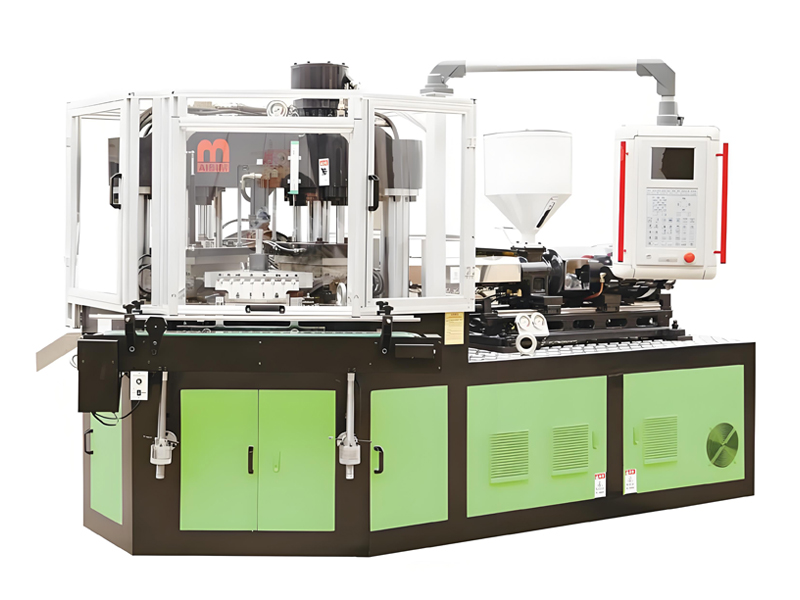
Ruido pollution in manufacturing facilities represents a significant occupational health concern affecting worker comfort, productivity, and long-term health. Inyección blow molding machines, traditionally characterized by substantial noise levels from hydraulic systems, cooling fans, and mechanical operations, have historically contributed to challenging acoustic environments. However, advanced manufacturers like AiBiM with over 20 years of experience have developed innovative noise reduction technologies enabling injection blow molding machines that operate at significantly reduced noise levels, creating comfortable factory environments while maintaining production performance and efficiency.
Occupational health regulations worldwide establish strict limits on workplace noise exposure to prevent hearing damage and health problems. Typical conventional injection blow molding machines produce noise levels ranging from 85-95 decibels during normal operation, requiring hearing protection and limiting exposure time. Advanced low-noise designs from AiBiM reduce operational noise to 70-80 decibels, approximately 50% lower than conventional machines, creating more comfortable working conditions and potentially reducing hearing protection requirements. This substantial noise reduction transforms the workplace environment while maintaining production capacity and product quality.
The demand for low-noise equipment continues growing as manufacturers recognize the benefits of improved working environments, reduced health risks, and enhanced employee satisfaction. Modern factories seeking to attract and retain skilled workers increasingly prioritize workplace comfort and safety. AiBiM low-noise injection blow molding machines support these objectives by delivering reduced noise levels without compromising production performance or increasing costs, providing manufacturers with solutions for creating more comfortable and compliant workplace environments.
Consideraciones de salud ocupacional en la fabricación
Comprender las consideraciones de salud ocupacional proporciona contexto para la importancia de la reducción del ruido en los entornos de fabricación. La exposición al ruido representa uno de los riesgos de salud ocupacional más comunes en entornos industriales.
Daño auditivo y efectos en la salud
Prolonged exposure to high noise levels causes permanent hearing damage and various health problems. The inner ear contains delicate hair cells that transmit sound signals to the brain. These hair cells can be damaged or destroyed by excessive noise exposure, causing permanent hearing loss that cannot be medically restored. Hearing damage typically begins with high-frequency sound loss, gradually progressing to affect speech comprehension and overall hearing ability.
Beyond hearing loss, noise exposure causes various health problems including cardiovascular stress, sleep disturbances, and psychological effects. Elevated blood pressure, increased heart rate, and cardiovascular disease risk increase with chronic noise exposure. Sleep disturbances and fatigue affect worker performance and safety. Psychological effects including irritability, anxiety, and reduced concentration impact both work performance and quality of life. These comprehensive health effects make noise reduction critical for worker protection and workplace quality.
Requisitos normativos y cumplimiento
Regulatory requirements for workplace noise exposure vary by jurisdiction but universally establish limits for worker protection. Occupational Safety and Health Administration in the Estados Unidos sets permissible exposure limit of 90 decibels over 8-hour workday with hearing protection required above 85 decibels. Unión Europea regulations through the Physical Agents Directive limit exposure to 87 decibels daily peak action level with lower action levels triggering protective measures. Similar regulations exist in most countries with varying limits but common emphasis on hearing protection and exposure limitation.
Compliance requires noise level monitoring, hearing protection provision, and exposure time management for noisy operations. Regular noise assessments measure workplace sound levels identifying areas requiring protection. Hearing protection programs include protective equipment provision, training, and hearing testing. Administrative controls including work rotation limit individual exposure time. Low-noise equipment provides fundamental solution reducing the need for protective measures and enabling more flexible operations.
Comodidad y productividad del trabajador
Ruido levels significantly affect worker comfort and productivity beyond regulatory compliance requirements. High noise environments cause communication difficulties requiring shouting or hand signals, increasing errors and reducing efficiency. Mental fatigue increases faster in noisy environments, reducing attention span and decision-making quality. Stress levels increase with noise exposure, affecting both work performance and overall well-being. These effects combine to reduce productivity and increase errors in noisy workplaces.
Studies show productivity improvements of 5-15% in quieter environments. Communication improvements reduce errors and improve collaboration. Reduced fatigue extends effective work periods. Lower stress improves concentration and decision-making. Worker satisfaction increases in comfortable environments, reducing turnover and associated costs. These productivity and quality improvements provide significant business benefits beyond health and regulatory compliance.
Ventaja competitiva en los mercados laborales
Workplace environment quality increasingly affects competitive advantage in labor markets. Skilled workers seek comfortable, safe working environments and prefer employers who prioritize worker well-being. Manufacturing companies competing for skilled talent increasingly differentiate themselves through workplace quality. Low-noise equipment demonstrates commitment to worker comfort and safety, enhancing employer reputation and attractiveness.
Turnover costs typically represent 50-150% of annual salary for skilled positions. Improved workplace environments reduce turnover, providing substantial cost savings. Worker satisfaction and word-of-mouth recommendations enhance recruitment capabilities. In competitive labor markets, workplace quality can be decisive factor attracting and retaining skilled workers. Low-noise equipment provides competitive advantage in attracting and retaining manufacturing talent.
Tecnologías y diseño de reducción de ruido de AiBiM
AiBiM ha desarrollado tecnologías integrales de reducción de ruido mediante una extensa investigación y desarrollo centrada en la ingeniería acústica. Estas tecnologías abordan múltiples fuentes de ruido en las máquinas de moldeo por inyección-soplado.
Tecnología de accionamiento servo
Servo drive technology represents fundamental noise reduction technology replacing traditional hydraulic systems with quiet electric servo motors. Hydraulic systems generate substantial noise from pump operation, fluid flow, and pressure fluctuations. Servo motors operate significantly quieter, reducing noise by 10-15 decibels compared to hydraulic equivalents. The variable speed operation of servo motors provides precise control while minimizing noise during partial load operation.
AiBiM machines feature servo-driven injection, clamping, and blow systems eliminating major noise sources from hydraulic operation. Servo motors consume energy only during actual motion, reducing energy consumption by 30-40% while simultaneously reducing noise. The elimination of hydraulic pumps, valves, and fluid flow removes dominant noise sources from conventional hydraulic machines. Servo drive technology provides noise reduction while enhancing precision and energy efficiency.
Diseño de envolvente acústica
Acoustic enclosure design provides noise containment and absorption reducing noise transmission from machine components. AiBiM machines incorporate partial acoustic enclosures around major noise sources including motors, pumps, and compressors. Enclosure design combines sound absorption and sound isolation using specialized materials and construction techniques. Multi-layer enclosure panels with mass-loaded vinyl and acoustic foam provide effective noise containment.
Enclosure design optimizes accessibility for maintenance while maximizing noise reduction. Removable panels and access doors enable servicing without compromising noise control. Ventilation requirements balanced with acoustic performance ensuring adequate cooling while maintaining noise reduction. Optimized enclosure geometry reduces noise leakage at openings. Intelligent enclosure design provides significant noise reduction while maintaining service accessibility and machine performance.
Amortiguación y aislamiento de vibraciones
Vibration damping and isolation reduce structure-borne noise transmission from machine operation. Machine components including motors, pumps, and moving parts generate vibrations that transmit through machine structure radiating as noise. AiBiM machines incorporate vibration isolation mounts, damping materials, and structural design modifications reducing vibration transmission.
Vibration isolation mounts between machine base and floor prevent ground vibration transmission. Damping materials applied to structural components reduce vibration propagation. Optimized machine stiffness prevents resonance amplification of vibrations. Careful component balancing reduces vibration generation. These vibration control measures complement other noise reduction technologies, providing comprehensive noise control.
Reducción del ruido del sistema de enfriamiento
Cooling systems represent significant noise sources requiring dedicated noise reduction approaches. Cooling fans generate substantial aerodynamic noise. Compressor noise contributes to overall noise levels. AiBiM machines incorporate quiet cooling system designs including low-noise fans, variable speed operation, and acoustic treatment.
Low-noise cooling fans optimized for aerodynamic efficiency reduce fan noise by 5-8 decibels compared to standard fans. Variable speed operation enables fan speed reduction when cooling demand is lower, further reducing noise. Compressor enclosures and vibration isolation reduce compressor noise contribution. Optimized cooling capacity maintains performance while minimizing noise generation. Advanced cooling system design provides necessary thermal management while reducing noise.
Comparaciones de niveles de decibelios con las normas del sector
Comprender los niveles de decibelios y los estándares de la industria proporciona contexto para los logros de reducción de ruido. Las mediciones en decibelios cuantifican la intensidad del sonido con una escala logarítmica donde pequeñas diferencias numéricas representan grandes cambios en la sonoridad percibida.
Niveles típicos de ruido en la fabricación
Typical manufacturing environments exhibit varying noise levels depending on equipment and processes. Heavy manufacturing with large machinery typically experiences 85-100 decibels. Light manufacturing and assembly operations typically range 70-85 decibels. Office environments typically range 40-60 decibels. Conventional injection blow molding machines typically generate 85-95 decibels during operation.
Sound perception doubles approximately every 10 decibels. 85 decibels sounds twice as loud as 75 decibels. 95 decibels sounds four times as loud as 75 decibels. This logarithmic relationship means decibel reductions provide substantial perceived noise improvement. AiBiM noise reduction from 95 decibels to 75 decibels represents approximately 75% perceived noise reduction, dramatically improving workplace comfort.
Comparación de límites reglamentarios
Regulatory limits vary by jurisdiction but establish maximum permissible exposure levels. Estados Unidos OSHA limit of 90 decibels over 8 hours with hearing protection required above 85 decibels. Unión Europea limit of 87 decibels daily peak action value with lower action levels at 80 decibels requiring hearing protection availability. Many countries implement similar regulations with minor variations in limits and implementation.
AiBiM low-noise machines operating at 70-80 decibels fall below typical regulatory action levels, potentially reducing hearing protection requirements. This regulatory compliance simplification provides operational flexibility while ensuring worker protection. Operating below regulatory limits demonstrates commitment to worker health exceeding minimum requirements.
Beneficios comparativos de reducción de ruido
Ruido reduction comparisons illustrate benefits of low-noise technology. Reduction from 95 decibels to 80 decibels reduces perceived loudness by approximately 68%. Reduction from 85 decibels to 70 decibels reduces perceived loudness by approximately 68%. These substantial perceived improvements provide real benefits in workplace comfort and communication.
Communication range improves dramatically with noise reduction. Speech intelligibility range at 95 decibels limited to less than 1 meter requiring shouting. At 80 decibels, normal conversation possible at 1-2 meters. At 70 decibels, normal conversation possible at 3-5 meters. Improved communication enhances collaboration, reduces errors, and improves workplace effectiveness.
Impacto de la reducción del ruido en la productividad del operador
La reducción de ruido proporciona beneficios sustanciales de productividad más allá de la salud y el cumplimiento normativo. Los estudios muestran consistentemente mejoras de productividad en entornos de trabajo más silenciosos.
Mejora de la concentración y el enfoque
Quiet environments enable better concentration and sustained focus. High noise environments cause distraction and cognitive fatigue, reducing attention span and mental performance. Ruido reduction enables longer periods of sustained attention and improved task focus. Studies show concentration improvements of 20-30% in quiet environments compared to noisy conditions.
Calidad control tasks requiring attention to detail particularly benefit from noise reduction. Inspection accuracy improves with reduced distractions. Error detection increases when workers can concentrate. Training effectiveness improves with better focus and information retention. These concentration benefits translate directly to improved product quality and reduced defects.
Mejora de la comunicación y la colaboración
Reduced noise levels enable normal communication between workers. Shouting over machine noise causes communication difficulties, misunderstandings, and errors. Quiet environments enable normal conversation, reducing communication errors and improving collaboration. Coordination between operators, maintenance personnel, and supervisors improves with easier communication.
Team performance improves with better communication. Production planning and coordination between operators becomes easier. Training and instruction more effective when communication unimpeded. Emergency response improved when communication clear and audible. Communication enhancements reduce errors, improve safety, and increase overall team effectiveness.
Reducción de la fatiga y productividad prolongada
Quiet environments reduce mental and physical fatigue. Ruido exposure causes stress responses increasing fatigue and reducing endurance. Workers in quiet environments maintain productivity longer through work shifts. Fatigue-related errors decrease in quiet environments. Extended productivity without quality degradation provides capacity increase without additional resources.
End of shift productivity typically declines as fatigue accumulates. Ruido reduction slows this decline, maintaining productivity later in shifts. Workers report feeling less exhausted after shifts in quiet environments. Reduced fatigue improves work-life balance and reduces absenteeism. These fatigue benefits provide substantial productivity improvements.
Satisfacción y retención laboral
Workplace environment significantly affects job satisfaction and retention. Workers prefer comfortable, safe working environments. Low-noise equipment demonstrates employer commitment to worker well-being. Improved job satisfaction reduces turnover and associated costs. Positive workplace reputation enhances recruitment capabilities.
Turnover costs represent significant expense for skilled manufacturing positions. Hiring costs including recruiting and training typically range 50-150% of annual salary. Improved job satisfaction reduces turnover, providing substantial cost savings. Experienced workforce provides performance benefits through accumulated knowledge and skills. Job satisfaction improvements provide direct financial benefits through reduced turnover.
Especificaciones técnicas que contribuyen a la operación de bajo ruido
Las especificaciones técnicas y las características de diseño permiten una operación de bajo ruido manteniendo el rendimiento de la máquina. Comprender estas especificaciones ayuda a evaluar las capacidades del equipo.
Especificaciones del motor servo
Servo motor specifications determine noise generation and performance. High-efficiency servo motors optimized for quiet operation feature precision rotor balancing and high-quality bearings. Motor enclosures designed for acoustic attenuation reduce motor noise emission. Cooling systems optimized for quiet operation minimize fan noise.
AiBiM servo motors feature noise ratings below 70 decibels at rated speed. Variable speed operation enables optimal speed selection balancing performance and noise. Energía-efficient operation reduces heat generation, enabling lower fan speeds and reduced noise. Advanced servo control algorithms optimize motor operation minimizing noise while maintaining performance.
Diseño estructural y masa
Structural design and mass affect noise transmission and generation. Heavy machine mass reduces vibration transmission. Rigid structure prevents resonant amplification of vibrations. Optimized structural design minimizes noise transmission paths. Careful component selection reduces noise generation sources.
AiBiM machines feature robust steel construction with machine weights ranging from 3.6-10 tons depending on model. Heavy machine bases provide stability and vibration damping. Reinforced frame construction reduces structure-borne noise transmission. Optimized component mounting reduces vibration generation. Structural design optimization provides noise reduction foundation.
Diseño del sistema de enfriamiento
El diseño del sistema de enfriamiento afecta la generación de ruido. Los ventiladores de bajo ruido optimizados para la eficiencia aerodinámica reducen el ruido del ventilador. El control de velocidad variable del ventilador permite la selección óptima de velocidad. El aislamiento del compresor reduce la transmisión de vibraciones. El flujo de aire optimizado reduce la velocidad del aire y el ruido asociado.
AiBiM cooling systems feature noise-optimized components achieving noise levels below 75 decibels. Variable speed control enables noise reduction during partial cooling load. Multiple smaller fans provide distributed cooling with lower noise than single large fans. Compressor enclosures provide acoustic isolation. Cooling system design optimization provides thermal management with reduced noise.
Diseño del sistema neumático
Pneumatic systems for blowing operations generate noise through exhaust air and valve operation. Mufflers and silencers reduce exhaust noise. Quiet valve designs reduce valve operation noise. Optimized pneumatic system design minimizes pressure drops and associated noise. Proper pipe sizing and routing reduce air flow noise.
AiBiM pneumatic systems feature noise-optimized components reducing operational noise. Exhaust mufflers reduce blowing air noise to below 70 decibels. Quiet solenoid valves reduce valve actuation noise. Optimized air path design minimizes turbulence noise. Pneumatic system optimization provides quiet blowing operations.
Instalación y mantenimiento para la reducción del ruido
Las prácticas adecuadas de instalación y mantenimiento maximizan el rendimiento de reducción de ruido y mantienen bajos niveles de ruido durante toda la vida del equipo.
Consideraciones de instalación
Installation practices significantly affect actual noise levels in factory environments. Proper machine leveling and isolation prevent structure-borne noise transmission. Isolation mounts between machine base and floor reduce ground vibration. Adequate spacing between machines prevents noise reflection amplification. Proper foundation design provides stable platform for machine operation.
AiBiM provides installation guidelines for optimal noise reduction. Machine isolation recommendations include appropriate isolation mounts and installation procedures. Spacing guidelines prevent acoustical interference between machines. Foundation specifications ensure proper support and vibration control. Proper installation ensures achieving designed noise reduction performance.
Prácticas de mantenimiento
Regular maintenance maintains noise reduction performance. Worn components including bearings and belts can increase noise generation. Proper lubrication reduces friction noise. Component balancing maintains low vibration. Tightening loose fasteners prevents rattles and vibration noise. Maintenance procedures include noise checks identifying developing noise issues.
AiBiM maintenance schedules include noise inspection points. Bearing replacement before failure prevents noise increase. Belt tension adjustment prevents slippage noise. Component cleaning maintains optimal performance reducing noise. Preventive maintenance maintains low noise levels throughout equipment life.
Tratamiento acústico de la sala
Acoustic room treatment complements machine noise reduction. Wall and ceiling sound absorption reduce reverberation and overall noise levels. Acoustic panels and baffles provide sound absorption. Room layout optimization minimizes noise reflection. Room partitioning separates noisy operations from quiet areas.
El tratamiento acústico típicamente reduce los niveles de ruido ambiental en 3-5 decibelios más allá de la reducción de ruido de la máquina. La reducción de ruido de la máquina combinada con el tratamiento de la sala proporciona un control integral del ruido. AiBiM proporciona orientación sobre el tratamiento acústico de la sala para el máximo beneficio de reducción de ruido.
Monitoreo y mejora continua
Ruido monitoring ensures continued compliance with noise reduction objectives. Regular noise measurements track noise levels over time. Ruido mapping identifies areas requiring attention. Trend analysis detects developing noise issues. Continuous improvement targets maintain and enhance noise performance.
Ruido monitoring programs establish baseline measurements and track changes. Regular verification ensures compliance with noise objectives. Datos logging provides history for trend analysis. Continuous improvement identifies opportunities for additional noise reduction. Monitoring and improvement programs ensure long-term noise performance.
Análisis coste-beneficio de las inversiones en reducción de ruido
El análisis de costo-beneficio ayuda a evaluar las inversiones en reducción de ruido y a justificar los gastos. Un análisis integral considera tanto los beneficios directos como los indirectos.
Ahorro directo de costos
Direct cost savings from noise reduction include hearing protection, regulatory compliance, and maintenance costs. Hearing protection program costs including protective equipment, training, and hearing testing typically range USD 500-1500 annually per worker. Reduced hearing protection requirements provide cost savings for large workforces. Regulatory compliance costs including noise monitoring and documentation also reduced.
Maintenance costs may decrease with low-noise technology. Servo systems typically require less maintenance than hydraulic systems. Reduced vibration decreases wear on components. Lower noise levels often correlate with smoother operation and reduced mechanical stress. These maintenance savings provide ongoing financial benefit offsetting initial investment.
Ganancias de productividad
Productivity gains from noise reduction represent significant financial benefit. Studies show productivity improvements of 5-15% in quieter environments. For operations with annual labor cost of USD 1 million, 10% productivity improvement represents USD 100,000 annual benefit. Calidad improvements reducing defects provide additional savings. Reduced training time for new workers due to better communication provides additional benefit.
Production capacity increase without additional resources provides substantial return on investment. Calidad improvements reduce scrap and rework costs. Training efficiency improvements reduce training costs. These productivity benefits compound over equipment lifetime providing substantial return on noise reduction investment.
Costos de rotación reducidos
Reduced turnover provides substantial cost savings. Turnover costs including recruitment, training, and lost productivity typically range 50-150% of annual salary. For skilled workers earning USD 50,000 annually, turnover costs range USD 25,000-75,000 per employee. Improved job satisfaction reducing turnover by 10% provides substantial savings for medium and large workforces.
Reduced turnover also maintains experienced workforce with accumulated knowledge and skills. Performance benefits from experienced workers provide additional financial benefit. Reduced recruitment workload frees management resources for other priorities. Turnover reduction provides substantial financial and operational benefits.
Análisis de amortización de la inversión
Investment payback analysis for noise reduction equipment considers incremental equipment cost against savings. Low-noise injection blow molding machines may cost 5-15% more than standard equivalents. For USD 50,000 machine, incremental noise reduction cost may be USD 2,500-7,500. Combined savings from productivity, turnover reduction, and compliance costs typically range USD 10,000-30,000 annually for medium operations.
Payback periods typically range 3-12 months depending on operation size and workforce. Even conservative estimates show payback under 18 months. Long-term benefits provide substantial return on initial investment. Ruido reduction investment provides attractive financial return while improving workplace quality and compliance.
Cumplimiento de seguridad en el lugar de trabajo y certificaciones
El cumplimiento de seguridad en el lugar de trabajo y las certificaciones aseguran que el equipo cumpla con los estándares y regulaciones apropiados. El equipo de bajo ruido apoya las iniciativas de cumplimiento.
Estándares internacionales de ruido
International noise standards establish measurement and evaluation methods. ISO 3744 standard for determination of sound power levels. ISO 11201 standard for measurement of noise emission. ISO 9614 standard for determination of sound power levels using intensity scanning. Compliance with international standards ensures consistent measurement and comparison.
AiBiM machines tested according to international standards ensuring accurate noise level specification. Testing performed in controlled conditions providing reliable noise level data. Documentation includes test conditions and methods enabling verification. Compliance with international standards ensures credible noise level claims.
Cumplimiento normativo regional
Regional regulatory requirements vary but establish noise exposure limits. Unión Europea Machinery Directive requires noise declaration and labeling. OSHA regulations in Estados Unidos establish workplace exposure limits. Various national regulations establish specific requirements. Compliance with applicable regulations ensures market access and legal operation.
AiBiM provides compliance documentation for various markets. CE declaration of conformity includes noise level declaration. Ruido level specifications enable workplace compliance planning. Technical documentation supports regulatory filings. Comprehensive compliance support ensures smooth market access and legal operation.
Certificación y pruebas
Independent certification and testing provide verification of noise reduction claims. Third-party noise testing provides credible validation. Certification bodies verify compliance with standards. Documentation includes test reports and certificates. Certified noise levels provide confidence in equipment performance.
AiBiM provides third-party noise testing results verifying claimed noise levels. Independent testing ensures objective verification. Certification documentation available for customer review. Verified noise levels support compliance initiatives. Certified performance provides assurance of equipment capabilities.
Etiquetado de seguridad y documentación
Safety labeling and documentation communicate noise levels and compliance. Ruido level labels on equipment inform operators of sound levels. Technical documentation includes noise specifications and measurements. Safety manuals address noise protection and exposure limits. Clear labeling and documentation ensure proper awareness and compliance.
AiBiM equipment includes appropriate noise level labeling. Documentation provides comprehensive noise information. Safety guidelines include noise protection recommendations. Complete labeling and documentation ensure proper understanding of equipment noise characteristics and appropriate protection measures.
Modelos de máquinas de bajo ruido de AiBiM
AiBiM ofrece una gama integral de máquinas de bajo ruido en todos los modelos de capacidad. Cada modelo incorpora tecnología de reducción de ruido manteniendo el rendimiento de producción.
Modelo de bajo ruido IBM35
IBM35 low-noise model provides compact solution for small products with reduced noise. Production capacity 500-1200 pieces per hour. Ruido level during operation typically 70-75 decibels. Servo-driven operation eliminates hydraulic noise. Acoustic treatment on major noise sources reduces sound emission.
Potencia de máquina de 25 kilovatios con operación energéticamente eficiente. El peso de 3.6 toneladas proporciona amortiguación de vibraciones. Rango de precio USD 35,000-45,000 con características de reducción de ruido. El tamaño compacto se adapta a espacios limitados. El modelo IBM35 es ideal para producción pequeña con bajos requisitos de ruido.
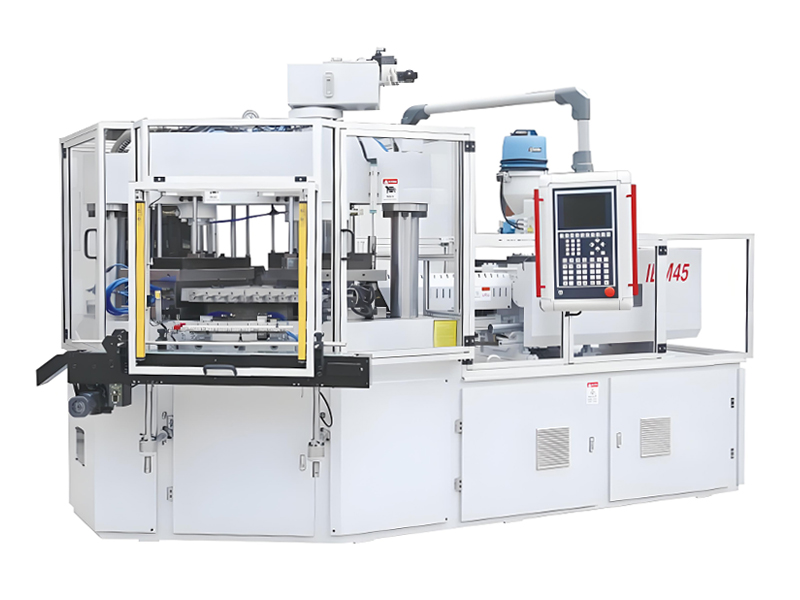
Modelo de bajo ruido IBM45
El modelo de bajo ruido IBM45 ofrece una capacidad media versátil con reducción de ruido. Capacidad de producción de 800-2000 piezas por hora. Nivel de ruido durante la operación típicamente de 72-78 decibelios. El sistema servo integral reduce el ruido hidráulico. El tratamiento acústico mejorado reduce aún más la emisión de sonido.
Potencia de máquina de 36 kilovatios con operación eficiente. El peso de 5.5 toneladas proporciona estabilidad. Rango de precio USD 45,000-55,000 con reducción avanzada de ruido. El rendimiento equilibrado se adapta a diversas aplicaciones. El modelo IBM45 es una excelente opción para producción media con consideraciones de ruido.
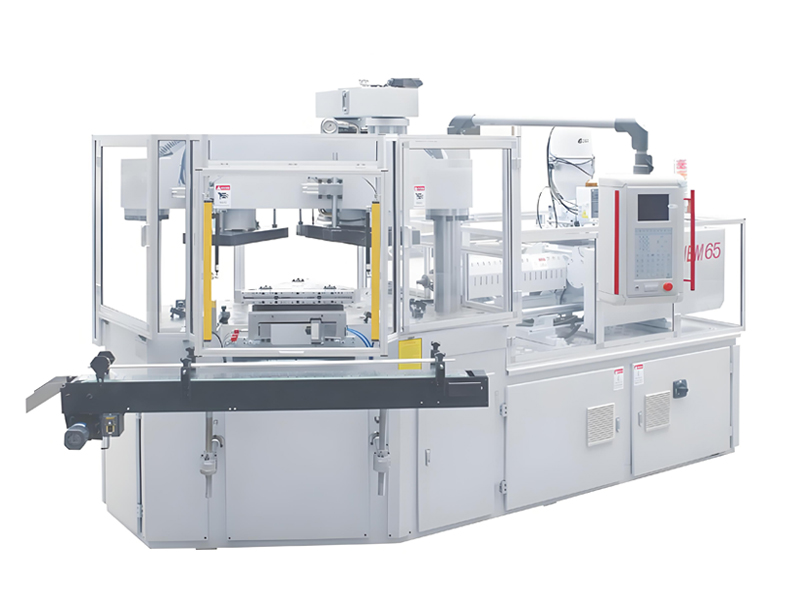
Modelo de bajo ruido IBM65
IBM65 low-noise model provides robust large capacity with quiet operation. Production capacity 500-1500 pieces per hour. Ruido level during operation typically 75-80 decibels. Advanced servo system eliminates major noise sources. Comprehensive acoustic enclosure and treatment minimize sound emission.
Potencia de máquina de 52 kilovatios con operación eficiente. El peso de 6.5 toneladas garantiza estabilidad. Rango de precio USD 55,000-65,000 con características avanzadas de reducción de ruido. La construcción robusta maneja aplicaciones exigentes. El modelo IBM65 es ideal para producción de gran capacidad con reducción de ruido.
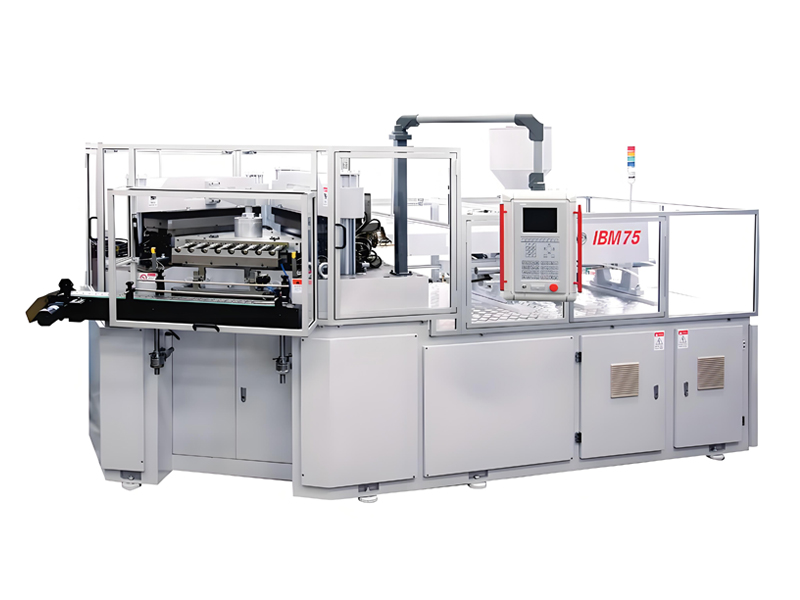
Modelo de bajo ruido IBM75
El modelo de bajo ruido IBM75 ofrece máxima capacidad con un rendimiento silencioso. Capacidad de producción de 400 a 1200 piezas por hora. Nivel de ruido durante la operación típicamente de 75 a 80 decibelios. La máxima capacidad de accionamiento servo elimina el ruido hidráulico. El tratamiento acústico completo minimiza la emisión de sonido.
Potencia de máquina de 52 kilovatios con motores de doble accionamiento. El peso de 10 toneladas proporciona una estabilidad excepcional. Rango de precio de USD 60,000-70,000 con reducción integral de ruido. El diseño de alto rendimiento maneja las aplicaciones más exigentes. El modelo IBM75 ofrece máxima capacidad con ruido mínimo.
Historias de éxito de clientes: implementación de bajo ruido
Las historias de éxito de clientes demuestran los beneficios prácticos de la implementación de bajo ruido. Los ejemplos del mundo real ilustran desafíos, soluciones y resultados.
Mejora de la instalación de envasado de alimentos
A food packaging manufacturer replaced three conventional injection blow molding machines with AiBiM low-noise IBM45 models. The facility operated multiple blow molding machines creating combined noise levels exceeding 90 decibels, requiring hearing protection and causing worker complaints. Replacement with low-noise machines reduced noise levels to 75-78 decibels, below regulatory action levels.
Results included elimination of hearing protection requirement for many operators. Worker satisfaction improved significantly with reduced noise exposure. Communication between operators improved reducing coordination errors. Productivity increased 8% due to improved working conditions. Return on investment achieved within 9 months through productivity gains and reduced compliance costs.
Producción de envases cosméticos
A cosmetic container manufacturer installed AiBiM low-noise IBM35 machines for premium container production. The premium product market required high-quality production in comfortable working conditions. Previous equipment generated noise levels causing worker fatigue and reduced quality inspection accuracy.
Low-noise installation reduced noise levels to 70-75 decibels creating comfortable environment. Calidad inspection accuracy improved 15% with better concentration. Worker satisfaction increased reducing turnover. Premium brand image supported by high-quality workplace environment. Customer satisfaction improved through consistent product quality.
Fabricación de envases industriales
Un fabricante de envases industriales implementó máquinas de bajo ruido AiBiM IBM65 para la producción de envases grandes. La instalación producía envases industriales con múltiples máquinas grandes que creaban un entorno acústico desafiante. Los altos niveles de ruido limitaban la comunicación y causaban fatiga en los trabajadores.
Low-noise implementation reduced noise levels by 15 decibels creating significantly improved environment. Communication between operators and maintenance personnel improved reducing downtime. Reduced fatigue improved productivity and quality. Maintenance efficiency improved through better communication with maintenance teams. Overall productivity increased 12% with noise reduction.
Tendencias futuras en tecnología de bajo ruido
Las tendencias futuras en tecnología de bajo ruido prometen mejoras adicionales en los entornos acústicos del lugar de trabajo. El desarrollo tecnológico continúa avanzando en las capacidades de reducción de ruido.
Tecnología servo avanzada
Advanced servo technology continues improving efficiency and reducing noise. Next-generation servo motors feature improved magnetic design and reduced cogging torque further reducing motor noise. Advanced control algorithms optimize motor operation minimizing acoustic emissions. Integrated sensors enable real-time noise monitoring and adaptive control. Servo technology advances provide continued noise reduction.
Control activo de ruido
Active noise control technology uses sound cancellation to reduce noise levels. Microphones detect noise characteristics and generate anti-noise signals through speakers. Anti-noise cancels unwanted sound reducing overall noise levels. Active control effective for low-frequency noise sources. Implementation complexity decreasing with technology advances. Active noise control promises substantial future noise reduction.
Monitoreo y control inteligente
Smart monitoring and control systems optimize noise performance. Ruido sensors throughout facility provide real-time noise mapping. Automated systems adjust equipment operation minimizing noise while maintaining production. Predictive maintenance detects developing noise issues before they become problems. Smart control enables continuous optimization of acoustic performance.
Optimización mediante aprendizaje automático
Machine learning algorithms optimize equipment operation for noise reduction. Learning from operational data identifies noise reduction opportunities. Predictive models optimize operating parameters minimizing noise while maintaining performance. Continuous learning adapts to changing conditions and requirements. Machine learning provides intelligent noise optimization beyond manual programming.
Conclusión: invertir en entornos de fábrica confortables
Low-noise injection blow molding machines from AiBiM provide comprehensive solutions for creating comfortable factory environments while maintaining production performance and efficiency. Advanced noise reduction technologies including servo drives, acoustic enclosures, and vibration damping reduce noise levels by 50% compared to conventional machines, creating workplaces below regulatory action levels.
Investment in low-noise equipment provides substantial returns through productivity gains, reduced turnover, and compliance cost savings. Payback periods typically under 12 months provide attractive financial return. Worker satisfaction and retention improvements provide additional benefits beyond direct financial returns. Compliance simplification reduces regulatory burden.
For manufacturers seeking to improve workplace environments, AiBiM low-noise injection blow molding machines provide solutions balancing noise reduction with performance and cost. Over 20 years of experience ensures proven technology and reliable performance. Comprehensive product range across all capacity models provides appropriate solutions for diverse applications. Invest in low-noise equipment for competitive advantage through improved workplace quality, worker satisfaction, and operational excellence.