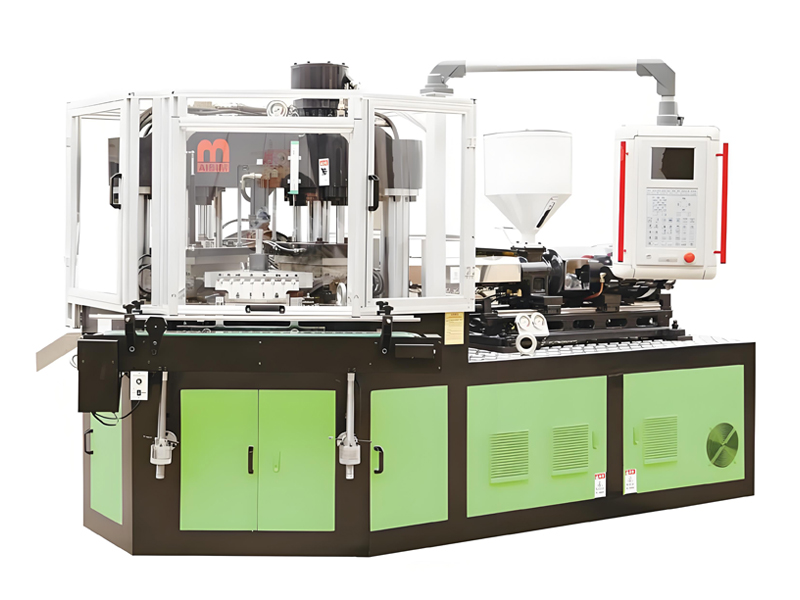
Learning how to operate an injection blow molding machine opens doors to efficient plastic container production for beginners entering the manufacturing industry. This comprehensive guide walks you through every aspect of machine operation, from basic setup to advanced troubleshooting techniques. Whether you are starting a new production line or upgrading your existing equipment, understanding the fundamentals of injection blow molding technology ensures optimal performance and consistent product quality.
Comprender la tecnología de moldeo por inyección y soplado
The injection blow molding process represents a sophisticated manufacturing method that combines injection molding and blow molding into a single integrated system. This technology enables manufacturers to produce hollow plastic containers with exceptional precision and consistency. The process begins with the creation of a preform through injection molding, followed by the blowing stage that shapes the final container.
Principios básicos de funcionamiento
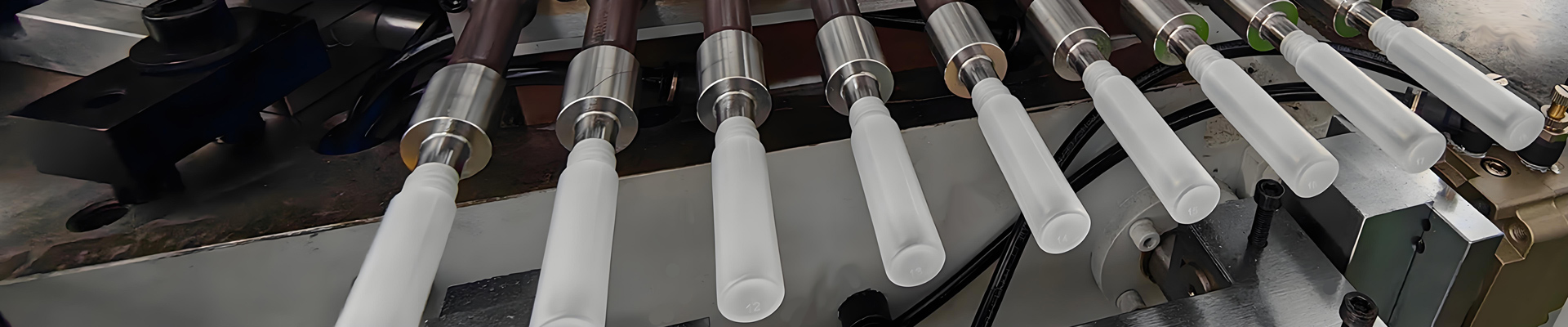
Inyección blow molding machines operate through a carefully orchestrated sequence of steps that transform raw plastic materials into finished containers. The injection blow molding machine first melts plastic pellets in a heated barrel, then injects the molten material into a preform mold to create a preliminary shape. This preform maintains the neck finish and threads of the final container while the body remains ready for expansion during the blowing phase.
The process continues as the preform transfers to a blow mold station where compressed air inflates the heated preform against the mold walls. This expansion creates the final container shape with uniform wall thickness and precise dimensions. The injection blow molding machine then cools the product before ejection, completing the cycle in a matter of seconds depending on container size and complexity.
Componentes clave y sus funciones
Modern injection blow molding machines consist of several critical components working in harmony. The injection unit houses the screw and barrel assembly responsible for melting and injecting plastic material. This component includes precise temperature control zones that ensure consistent material viscosity throughout the process.
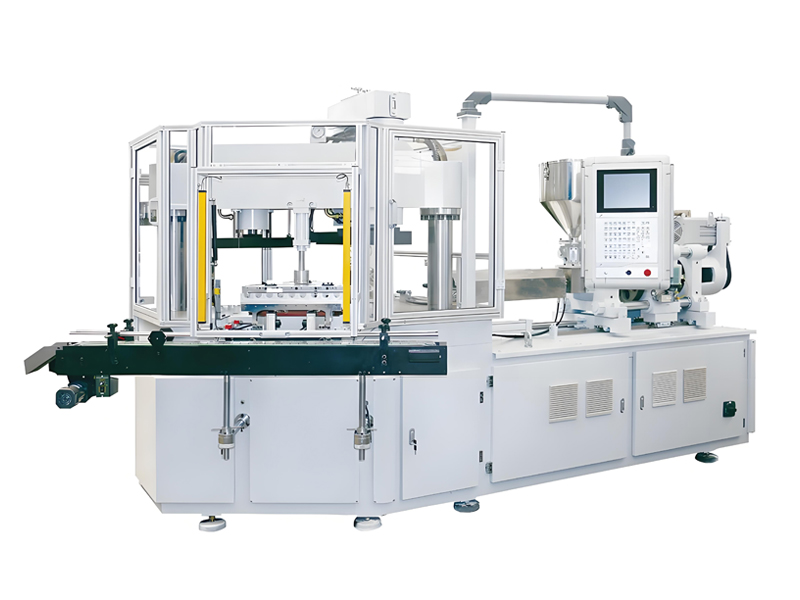
The clamp unit secures the molds during both injection and blowing phases. Advanced injection blow molding machines feature single crossbeam double column locking structures that provide exceptional stability during operation. The rotary table or shuttle system moves preforms between stations efficiently, maintaining continuous production flow.
Los sistemas de control de las máquinas contemporáneas de moldeo por inyección y soplado ofrecen capacidades de programación sofisticadas con almacenamiento de parámetros en tarjeta SD y funciones de replicación. Estos sistemas permiten a los operadores guardar y recuperar recetas de producción rápidamente, reduciendo el tiempo de configuración entre diferentes series de productos.
Verificaciones esenciales previas a la operación
Antes de iniciar cualquier máquina de moldeo por inyección-soplado, los operadores deben completar una lista de verificación integral previa a la operación para garantizar una producción segura y eficiente. Estas comprobaciones protegen tanto al personal como al equipo, evitando costosos errores de producción.
Inspección del equipo de seguridad
Safety represents the foremost priority when operating an injection blow molding machine. Begin each shift by inspecting all safety equipment including light curtains that protect personnel from moving parts. Long range digital laser sensors safeguard expensive molds from damage during operation. Verify that all emergency stop buttons function correctly and that safety guards remain properly secured.
Personal protective equipment requirements for injection blow molding machine operation include heat resistant gloves, safety glasses, and appropriate footwear. The machine area should maintain clear access to emergency exits and first aid stations. Never bypass or disable safety features, as these systems protect operators from serious injury.
Verificación de los componentes de la máquina
Check the injection blow molding machine for proper lubrication of all moving parts according to the maintenance schedule. Inspect hydraulic and pneumatic systems for leaks or damage that could affect performance. Verify that cooling water flows through the mold temperature control system at the correct pressure and volume.
Examine the hopper and feeding system to ensure no contamination exists in the material path. Clean any residue from previous production runs that could compromise product quality. Confirm that all temperature sensors and pressure transducers function correctly and display accurate readings on the control panel.
Instrucciones de funcionamiento paso a paso
Dominar la operación de una máquina de moldeo por inyección-soplado requiere comprender cada fase del ciclo de producción. Esta guía detallada proporciona a los principiantes instrucciones claras para cada paso operativo.
Configuración inicial de la máquina
Power on the injection blow molding machine by following the manufacturer specified startup sequence. Most modern systems require a brief initialization period during which control systems perform self diagnostics. Monitor the display panel for any error messages or warnings that require attention before proceeding.
Set the barrel temperature zones according to the material specifications. Different plastics require specific temperature profiles for optimal processing. For PE materials, barrel temperatures typically range from 180 to 240 degrees Celsius. PP materials require slightly higher temperatures between 200 and 260 degrees Celsius. Allow sufficient time for all temperature zones to reach set points before continuing.
Program the injection parameters including shot size, injection speed, and holding pressure. The injection blow molding machine control system allows precise adjustment of these variables to achieve optimal preform quality. Save these settings to the SD card for future reference and consistency across production runs.
Carga y preparación de material
Load the appropriate plastic resin into the hopper of the injection blow molding machine. Ensure the material meets quality specifications and contains no moisture or contamination. Some materials require pre drying to remove moisture that could cause defects in finished products. HDPE typically requires drying at 60 to 80 degrees Celsius for two to four hours if moisture content exceeds 0.02 percent.
The injection blow molding machine feeds material through the hopper into the barrel where the rotating screw conveys it forward. The screw rotation speed and back pressure settings affect material melting and mixing. Adjust these parameters based on the specific material being processed to achieve homogeneous melt consistency.
Instalación y alineación de moldes
Install the injection mold and blow mold sets in their respective stations on the injection blow molding machine. Proper alignment proves critical for producing containers with consistent dimensions and wall thickness. Use alignment pins and reference marks to position molds correctly before securing them with mounting bolts.
Connect cooling water lines to the mold temperature control channels. Verify water flow through all circuits to ensure uniform cooling across the mold surface. Improper cooling leads to warping, sink marks, and dimensional inconsistencies in finished containers. Set the mold temperature according to material requirements, typically between 10 and 40 degrees Celsius depending on the plastic being processed.
Inicio del ciclo de producción
Start the injection blow molding machine in manual mode for initial production trials. This allows operators to observe each cycle phase and make real time adjustments as needed. The first several cycles typically produce incomplete or imperfect containers as the process stabilizes and temperatures reach equilibrium.
Monitor key process variables including injection pressure, melt temperature, blow air pressure, and cycle time. The injection blow molding machine displays these parameters on the control panel, enabling operators to identify trends or anomalies that affect product quality. Record baseline values for comparison during production runs.
Transition to semi automatic mode once the process produces consistent quality containers. This mode automates repetitive tasks while maintaining operator oversight. Finally, switch to fully automatic mode for high volume production, allowing the injection blow molding machine to run continuous cycles with minimal intervention.
Monitoreo de calidad durante la producción
Continuous quality monitoring ensures the injection blow molding machine produces containers meeting specifications throughout the production run. Inspect containers at regular intervals for dimensional accuracy, wall thickness distribution, and surface quality. Use calibrated measuring instruments to verify critical dimensions including neck finish, body diameter, and overall height.
Check for common defects such as short shots, flash, sink marks, and uneven wall thickness. These issues often indicate process drift that requires adjustment to injection parameters, mold temperatures, or material conditions. The injection blow molding machine allows rapid modification of these variables to correct quality problems before significant production losses occur.
Parámetros técnicos y ajustes
Comprender los parámetros técnicos de las máquinas de moldeo por inyección-soplado permite a los operadores optimizar la producción para diferentes materiales y diseños de envases. Estas especificaciones definen las capacidades y limitaciones del equipo.
Especificaciones del sistema de inyección
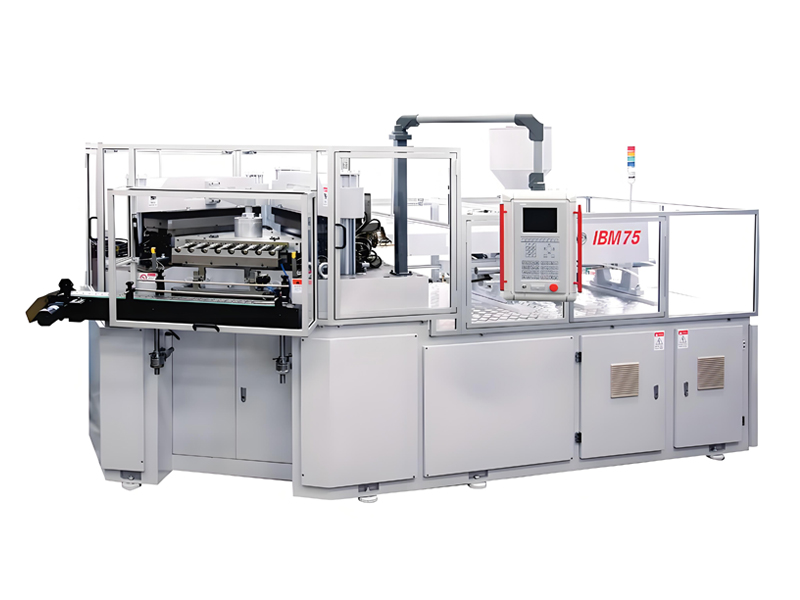
The injection unit of an injection blow molding machine determines the maximum shot size and injection pressure available for processing. The AiBiM IBM75 model features a 50mm screw diameter capable of injecting up to 375 grams of material. This capacity accommodates a wide range of container sizes from 3ml to 1200ml.
Inyección pressure typically ranges from 800 to 1500 bar depending on material viscosity and mold design. The injection blow molding machine must maintain consistent pressure throughout the injection and holding phases to prevent sink marks and ensure complete mold filling. Advanced machines employ PREFILL technology and variable pump pressure boosting systems that reduce energy consumption by more than 35 percent while maintaining precise pressure control.
Requisitos de fuerza de cierre
Clamp force represents a critical specification for injection blow molding machines. The AiBiM IBM75 delivers 750 kN of clamping force, sufficient for producing containers up to 1200ml capacity. Inadequate clamp force allows the mold to open slightly during injection, causing flash and dimensional errors.
The single crossbeam double column locking structure provides uniform force distribution across the mold surface. This design ensures stable operation even at maximum injection pressures. The injection blow molding machine automatically adjusts clamp force based on the active production recipe to optimize energy efficiency.
Optimización del tiempo de ciclo
Cycle time directly impacts production output and operational costs. The injection blow molding machine cycle consists of injection, blowing, cooling, and ejection phases. Total cycle times vary based on container size, wall thickness, and material properties. Smaller containers typically require 10 to 15 seconds per cycle while larger containers may need 20 to 30 seconds.
Optimize cycle time by minimizing each phase duration without compromising quality. The injection blow molding machine allows independent adjustment of cooling time, which often represents the longest portion of the cycle. Balance cooling time against part quality requirements to maximize throughput.
Descripción general del proceso de producción
El proceso de moldeo por inyección-soplado integra múltiples pasos en una secuencia de producción sin fisuras. Comprender este proceso ayuda a los operadores a identificar oportunidades de optimización y resolver problemas de manera efectiva.
Fase de inyección de preformas
The injection blow molding machine begins each cycle by creating a preform in the injection mold. Molten plastic enters the mold cavity under high pressure, forming a test tube shaped precursor to the final container. The preform includes the finished neck finish and threads that remain unchanged during the blowing phase.
Precise control of injection speed affects preform quality. Fast injection fills the mold quickly but may trap air or cause jetting defects. Slower injection provides better material distribution but extends cycle time. The injection blow molding machine allows operators to program multi stage injection profiles that optimize fill characteristics.
Transferencia y acondicionamiento
Después de la inyección, la preforma se transfiere a la estación de molde de soplado. Esta transferencia debe ocurrir mientras el plástico permanece a la temperatura adecuada para el soplado. La máquina de moldeo por inyección y soplado coordina esta transferencia con precisión para mantener condiciones óptimas del material.
Preform conditioning involves precise temperature management to achieve uniform wall thickness in the finished container. The plastic should be hot enough to stretch easily but cool enough to hold its shape during blowing. This balance requires careful coordination of injection temperature, transfer time, and mold conditions.
Fase de soplado y enfriamiento
The blow mold closes around the preform as compressed air inflates it against the mold walls. Blow pressure typically ranges from 8 to 15 bar depending on container design and material. The injection blow molding machine controls blow pressure and timing to achieve complete mold filling without over stretching thin sections.
Cooling solidifies the container in its final shape. The injection blow molding machine circulates cooling water through the mold to remove heat efficiently. Proper cooling prevents deformation during ejection and ensures dimensional stability. The cooling system must maintain consistent temperature across all mold surfaces for uniform quality.
Expulsión del envase
La fase final expulsa el envase terminado del molde de soplado. Los mecanismos de expulsión empujan o desprenden el envase del núcleo del molde sin dañar las roscas o las superficies. La máquina de moldeo por inyección y soplado sincroniza la expulsión precisamente cuando el envase se ha enfriado lo suficiente para mantener su forma.
Una técnica de expulsión adecuada previene daños tanto al envase como al molde. Ajuste la fuerza y la velocidad de expulsión para que coincidan con el tamaño del envase y las propiedades del material. Supervise la calidad de la expulsión para identificar cualquier adherencia o deformación que indique enfriamiento insuficiente o diseño inadecuado del molde.
Beneficios y ventajas de los sistemas modernos
Invertir en una máquina moderna de moldeo por inyección-soplado ofrece numerosos beneficios operativos y económicos para los fabricantes de todas las industrias.
Eficiencia de producción
Contemporary injection blow molding machines achieve exceptional production efficiency through automation and process optimization. The integrated design eliminates separate handling between injection and blowing operations, reducing cycle times and labor requirements. High speed rotary systems produce hundreds of containers per hour with minimal operator intervention.
Energía efficiency improvements in modern machines significantly reduce operating costs. Advanced hydraulic systems with variable displacement pumps consume power proportional to actual demand rather than running at constant maximum capacity. The AiBiM injection blow molding machines achieve energy savings exceeding 35 percent compared to conventional designs.
Consistencia de la calidad del producto
The injection blow molding process produces containers with superior dimensional accuracy and consistency. Inyección molded neck finishes ensure precise thread profiles for reliable sealing with caps and closures. Wall thickness distribution remains uniform throughout the container body, providing consistent strength and barrier properties.
The injection blow molding machine maintains repeatable process conditions from cycle to cycle. Computerized control systems eliminate human error and variability that affect older manual machines. This consistency translates to lower rejection rates and higher customer satisfaction with finished products.
Versatilidad de materiales
Modern injection blow molding machines process a wide range of thermoplastic materials to meet diverse application requirements. Common materials include PE variants such as HDPE, LDPE, and LLDPE for food and pharmaceutical containers. PP offers excellent clarity and heat resistance for hot fill applications.
Engineering materials like PC, PCTG, and TPU expand the application range to demanding uses requiring enhanced properties. The injection blow molding machine accommodates these materials through flexible temperature and pressure settings. This versatility allows manufacturers to serve multiple markets with a single equipment investment.
Pautas de selección de equipos
Elegir la máquina de moldeo por inyección-soplado adecuada requiere una evaluación cuidadosa de los requisitos de producción, las especificaciones del producto y los planes de crecimiento futuros.
Consideraciones de capacidad y tamaño
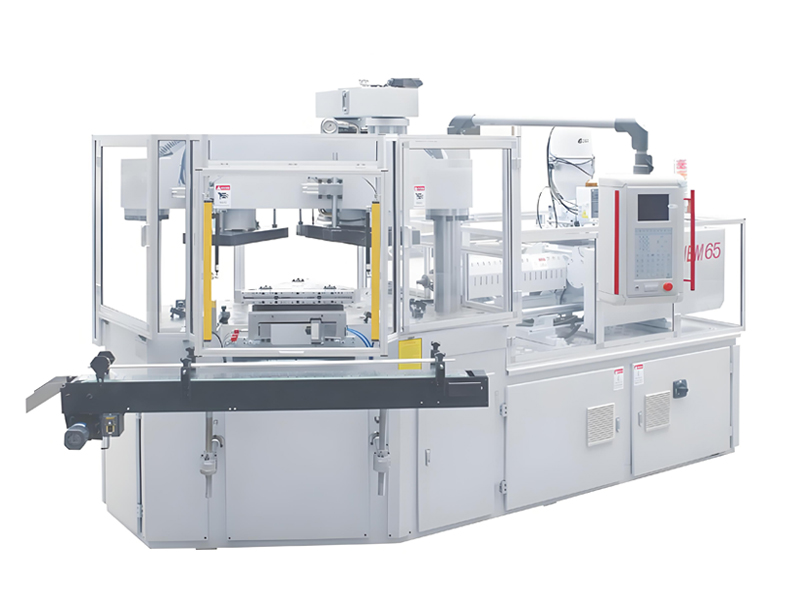
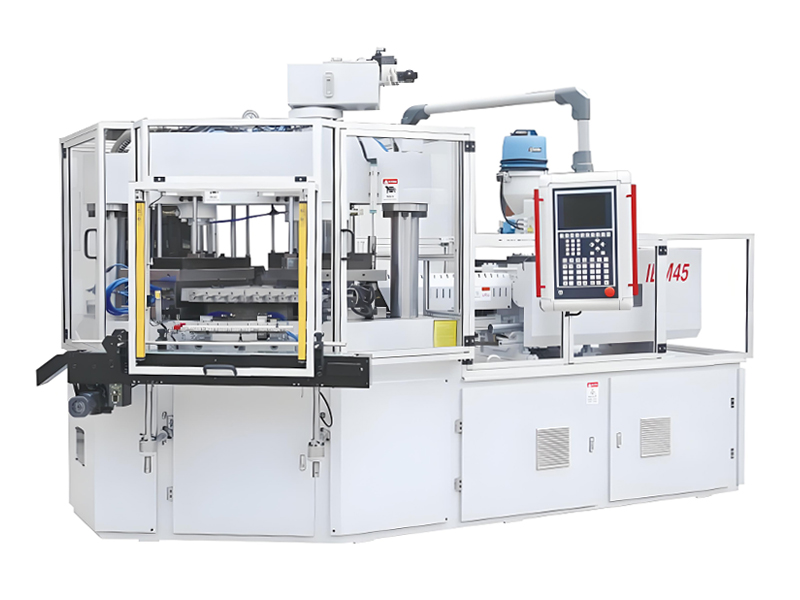
Match the injection blow molding machine capacity to your production volume requirements. The AiBiM IBM55 Hybrid Electric suits lower volume applications requiring 3ml to 1000ml containers. The IBM65 model offers an economical solution for standard production needs. The IBM75 handles larger containers up to 1200ml with robust clamping force for demanding applications.
Considere la expansión futura al seleccionar la capacidad del equipo. Comprar una máquina de moldeo por inyección y soplado con capacidad excedente permite el crecimiento del negocio sin reemplazo inmediato del equipo. Sin embargo, evite la sobre-especificación que aumenta los costes de capital sin proporcionar beneficios prácticos.
Requisitos del nivel de automatización
Automation options for injection blow molding machines range from manual operation to fully automatic systems with robotic part handling. Entry level machines require operator intervention for each cycle, suitable for short production runs and frequent product changes. Fully automatic systems minimize labor costs for high volume dedicated production.
Intermediate automation levels offer flexibility for manufacturers producing varied container sizes and styles. The injection blow molding machine can operate automatically for extended runs while allowing easy setup changes between products. Choose automation appropriate for your product mix and labor costs.
Soporte técnico y formación
La selección de equipos debe incluir la evaluación de las capacidades de soporte del fabricante. AiBiM proporciona formación técnica integral para todas las compras de máquinas de moldeo por inyección y soplado. Esta formación cubre operación, mantenimiento y resolución de problemas para garantizar un arranque de producción exitoso.
Considere la disponibilidad de repuestos y el soporte de servicio al seleccionar equipos. Los fabricantes establecidos mantienen inventarios de piezas y equipos de servicio técnico para minimizar el tiempo de inactividad. AiBiM ofrece servicio postventa de 24 horas y soporte de instalación in situ por ingenieros para todos los clientes del mundo.
Análisis de costos y estimación de precios
Comprender el costo total de propiedad ayuda a los fabricantes a tomar decisiones de inversión informadas para equipos de moldeo por inyección-soplado.
Rango de inversión inicial
The injection blow molding machine price varies based on model specifications and features. The AiBiM IBM55 Hybrid Electric costs between $35,000 and $55,000 depending on optional features and tooling requirements. This entry level machine suits startups and small production operations seeking economical equipment solutions.
El modelo IBM65 estándar oscila entre $28,000 y $45,000, ofreciendo un excelente valor para las necesidades básicas de producción de envases. Este modelo resulta popular entre los fabricantes que producen botellas y envases estándar para los mercados de alimentación, bebidas y cuidado personal.
The larger IBM75 injection blow molding machine commands prices from $40,000 to $65,000. This investment delivers enhanced capacity and clamping force for larger containers and higher production volumes. The increased capability justifies the higher cost for manufacturers with substantial production requirements.
Factores de costo operativo
Operating costs for injection blow molding machines include energy consumption, material costs, labor, and maintenance. Modern energy efficient designs significantly reduce electricity costs, which represent a major portion of operating expenses. The AiBiM machines achieve over 35 percent energy savings compared to conventional designs, translating to substantial annual cost reductions.
Los costes de material dependen de los precios de la resina y del peso del envase. Optimice los parámetros del proceso para minimizar el uso de material manteniendo la calidad. La máquina de moldeo por inyección y soplado permite un control preciso del tamaño de inyección para eliminar el exceso de material que aumenta los costes sin añadir valor.
Los costes de mantenimiento varían con la edad de la máquina y las condiciones de operación. Siga el programa de mantenimiento recomendado para prevenir reparaciones costosas y tiempo de inactividad no planificado. Presupueste el reemplazo rutinario de piezas de desgaste como puntas de husillo, anillos de retención y componentes de sellos según las pautas del fabricante.
Cronología del retorno de la inversión
Calcule el período de retorno de una inversión en máquina de moldeo por inyección y soplado según el volumen de producción, los precios de venta y los costos operativos. Una operación inicial típica logra la recuperación de la inversión dentro de 18 a 36 meses según las condiciones del mercado y la eficiencia de producción.
Considere opciones de financiamiento que distribuyan la inversión a lo largo del tiempo. Muchos fabricantes ofrecen términos de pago flexibles, incluidas opciones T/T y L/C. AiBiM acepta ambos métodos de pago, haciendo accesible la adquisición de equipos para empresas de diversos tamaños y situaciones financieras.
Estándares de calidad y certificaciones
Cumplir los estándares de calidad y obtener las certificaciones pertinentes asegura la aceptación en el mercado y el cumplimiento normativo de los envases producidos en máquinas de moldeo por inyección-soplado.
Requisitos de certificación CE
CE certification demonstrates compliance with European safety and environmental standards for machinery. All AiBiM injection blow molding machines carry CE certification, qualifying them for sale and operation throughout the European market. This certification requires adherence to stringent design and construction standards.
El equipo certificado CE incluye documentación integral de las características de seguridad y los procedimientos operativos. La máquina de moldeo por inyección y soplado debe incorporar protecciones adecuadas, paradas de emergencia y sistemas de advertencia. Las inspecciones regulares verifican el cumplimiento continuo de los requisitos de certificación.
Estándares específicos de la industria
Containers for pharmaceutical applications must meet FDA requirements in the Estados Unidos or equivalent standards in other markets. The injection blow molding machine must produce containers meeting cleanliness and material composition specifications. Clean room operation may be required for certain pharmaceutical packaging.
Los contenedores de contacto con alimentos requieren el cumplimiento de las regulaciones de seguridad alimentaria que restringen ciertos aditivos de material y auxiliares de procesamiento. Verifique que los materiales procesados en la máquina de moldeo por inyección y soplado tengan las certificaciones de contacto con alimentos apropiadas de las autoridades regulatorias.
Sistemas de gestión de calidad
La implementación de sistemas de gestión de calidad garantiza una calidad de producción consistente de la máquina de moldeo por inyección y soplado. La certificación ISO 9001 demuestra el compromiso con los procesos de calidad y la mejora continua. Documente los procedimientos de operación de la máquina, la inspección de calidad y la acción correctiva.
Las técnicas de control estadístico de procesos ayudan a identificar las variaciones del proceso antes de que afecten a la calidad del producto. Supervise los parámetros clave del proceso en la máquina de moldeo por inyección y soplado y realice un seguimiento de las tendencias a lo largo del tiempo. Establezca límites de control que activen una investigación cuando se produzca una desviación del proceso.
Aplicaciones industriales
Las máquinas de moldeo por inyección-soplado sirven a diversas industrias que requieren envases de plástico de alta calidad con especificaciones precisas.
Embalaje farmacéutico
The pharmaceutical industry demands containers meeting stringent quality and safety standards. Inyección blow molding machines produce pharmaceutical bottles with precise neck finishes for secure sealing with child resistant caps. The process creates containers with uniform wall thickness that protect sensitive medications from environmental exposure.
Los entornos de producción limpios y estériles son esenciales para los envases farmacéuticos. La máquina de moldeo por inyección y soplado opera en condiciones de atmósfera controlada para prevenir la contaminación. La selección de materiales se centra en grados de HDPE y PP aprobados para aplicaciones de contacto farmacéutico.
Envases de alimentos y bebidas
Las aplicaciones de envasado de alimentos requieren envases que preserven la frescura y seguridad del producto. La máquina de moldeo por inyección y soplado produce botellas y frascos para salsas, condimentos y bebidas. La formación precisa de la rosca garantiza un sellado adecuado para prevenir el deterioro y mantener la calidad del producto.
Hot fill applications demand containers capable of withstanding elevated temperatures during filling. PP materials processed on the injection blow molding machine offer excellent heat resistance for hot fill products. Proper material selection and process control prevent container deformation during thermal processing.
Cosmética y cuidado personal
The cosmetic industry values the high quality surface finish achievable with injection blow molding. Containers exhibit excellent clarity and smooth surfaces that enhance product appeal. The injection blow molding machine produces containers suitable for premium cosmetic and personal care products where appearance influences consumer perception.
Specialty materials like PETG and PCTG provide the glass like clarity valued for high end cosmetic packaging. These materials process effectively on modern injection blow molding machines with appropriate temperature and pressure settings. The result is containers that convey quality and sophistication.
Por qué elegir las soluciones de moldeo por inyección y soplado de AiBiM
AiBiM ofrece ventajas convincentes para los fabricantes que buscan equipos de moldeo por inyección-soplado fiables con soporte integral.
Experiencia en fabricación
Zhangjiagang AiBiM Plastic Machinery Co., Ltd. brings over 12 years of specialized experience in injection blow molding machine manufacturing. This extensive expertise translates to equipment designs refined through real world application across diverse production environments. The company understands the practical challenges facing manufacturers and incorporates solutions into every machine.
The AiBiM engineering team continuously improves injection blow molding machine performance based on customer feedback and technological advances. This commitment to innovation ensures equipment remains competitive and productive throughout its service life. Customers benefit from ongoing technical development without requiring equipment replacement.
Presencia global en el mercado
AiBiM serves customers in over 40 countries across Southeast Asia, the Middle East, Europe, the Americas, and Africa. This global presence demonstrates the reliability and adaptability of AiBiM injection blow molding machines across varied market conditions and applications. International customers receive the same quality equipment and support as domestic buyers.
The annual production capacity exceeds 100 production lines, enabling AiBiM to fulfill large orders while maintaining quality standards. This manufacturing scale ensures competitive pricing and reliable delivery schedules. Customers can plan production expansion with confidence in equipment availability.
Soporte integral al cliente
AiBiM provides exceptional customer support beginning with free technical training for all injection blow molding machine purchases. This training ensures operators understand proper procedures for safe and efficient production. The comprehensive curriculum covers machine operation, maintenance, and troubleshooting techniques.
El servicio postventa de 24 horas garantiza una respuesta rápida a los problemas técnicos. Los servicios de instalación y depuración in situ por ingenieros ayudan a los clientes a lograr un arranque de producción exitoso. Este compromiso de soporte continúa durante toda la vida útil del equipo, protegiendo la inversión del cliente.
Mantenimiento y solución de problemas
Un mantenimiento adecuado asegura una operación fiable y extiende la vida útil de las máquinas de moldeo por inyección-soplado.
Programa de mantenimiento preventivo
Establish a regular maintenance schedule for the injection blow molding machine based on manufacturer recommendations and operating conditions. Daily tasks include visual inspection of safety systems, verification of temperature readings, and cleaning of hopper and feed systems. These routine checks prevent minor issues from developing into major problems.
Weekly maintenance includes lubrication of moving parts, inspection of hydraulic and pneumatic systems, and cleaning of cooling water filters. Monthly tasks involve comprehensive checks of electrical connections, calibration of sensors, and replacement of worn components. Document all maintenance activities to track machine condition over time.
Problemas operativos comunes
Sink marks on container surfaces indicate insufficient packing pressure or cooling time. Adjust injection parameters on the injection blow molding machine to increase holding pressure or extend cooling duration. Material temperature that is too high can also cause sink marks as the plastic shrinks excessively during cooling.
Flash at parting lines suggests inadequate clamp force or mold damage. Verify that clamp force settings match requirements for the current mold and material. Inspect mold surfaces for wear or damage that prevents proper sealing. The injection blow molding machine allows adjustment of clamp parameters to correct flash problems.
El espesor de pared desigual resulta de un diseño inadecuado de la preforma o de una distribución de temperatura incorrecta. Verifique la uniformidad de temperatura de la preforma y ajuste las zonas de temperatura del cilindro según sea necesario. La máquina de moldeo por inyección y soplado proporciona un control preciso de la temperatura para optimizar la distribución del espesor de pared.
Mantenimiento del sistema de seguridad
Regular testing of safety systems protects personnel and prevents accidents. Test light curtain operation by interrupting the beam during machine operation. The injection blow molding machine should stop immediately when the light curtain detects an obstruction. Test emergency stop buttons at the beginning of each shift to verify proper function.
Los sensores láser digitales de largo alcance requieren limpieza y calibración periódicas para mantener la capacidad de protección del molde. Estos sensores detectan moldes desalineados u otras condiciones que podrían causar daños. Reemplace los sensores que fallan la calibración o muestran una operación inconsistente.
Preguntas frecuentes
¿Qué formación de seguridad se requiere antes de operar una máquina de moldeo por inyección y soplado?
Operators must complete comprehensive safety training covering machine hazards, emergency procedures, and personal protective equipment requirements. AiBiM provides free technical training with every injection blow molding machine purchase. This training ensures operators understand all safety systems including light curtains, emergency stops, and laser mold protection.
¿Cuánto tiempo se tarda en aprender la operación de la máquina de moldeo por inyección y soplado?
Basic operation skills develop within one to two weeks of hands on training under experienced supervision. Mastering advanced troubleshooting and optimization techniques requires several months of practice. The intuitive control systems on AiBiM injection blow molding machines feature SD card parameter storage that simplifies recipe management for beginners.
¿Qué materiales pueden procesarse en una máquina de moldeo por inyección y soplado?
Modern injection blow molding machines process a wide range of thermoplastics including PE variants, PP, PS, ABS, SAN, TPU, PC, and PCTG. Material selection depends on application requirements for clarity, strength, and chemical resistance. The AiBiM machines offer flexible temperature and pressure settings to accommodate these diverse materials.
¿Cuál es la producción típica de una máquina de moldeo por inyección y soplado?
Production output varies based on container size, complexity, and material. Small containers may achieve cycle times of 10 to 15 seconds, producing several hundred parts per hour. Larger containers require 20 to 30 second cycles. The AiBiM IBM75 can produce containers from 3ml to 1200ml capacity with appropriate molds.
¿Qué mantenimiento requiere una máquina de moldeo por inyección y soplado?
Daily maintenance includes safety system checks, temperature verification, and hopper cleaning. Weekly tasks involve lubrication, pneumatic system inspection, and filter cleaning. Monthly maintenance includes electrical connection checks, sensor calibration, and worn component replacement. Following the manufacturer maintenance schedule ensures reliable operation.
Conclusión
Mastering injection blow molding machine operation requires understanding the integrated process, safety requirements, and quality parameters. This guide provides beginners with the foundational knowledge needed to operate equipment successfully and produce high quality plastic containers. The step by step instructions cover essential aspects from initial setup through production operation and basic troubleshooting.
Choosing quality equipment from established manufacturers like AiBiM ensures successful production outcomes. The combination of advanced technology, comprehensive training, and ongoing support enables manufacturers to achieve efficient, profitable operations. The injection blow molding machine represents a significant investment that delivers returns through reliable production of containers meeting demanding market requirements.
With proper training and attention to operational details, operators quickly develop proficiency in injection blow molding machine operation. The key lies in understanding the process principles, following established procedures, and maintaining equipment in optimal condition. This foundation supports continued learning and optimization as experience grows.