Einführung in die geräuscharme Spritzblasformtechnologie
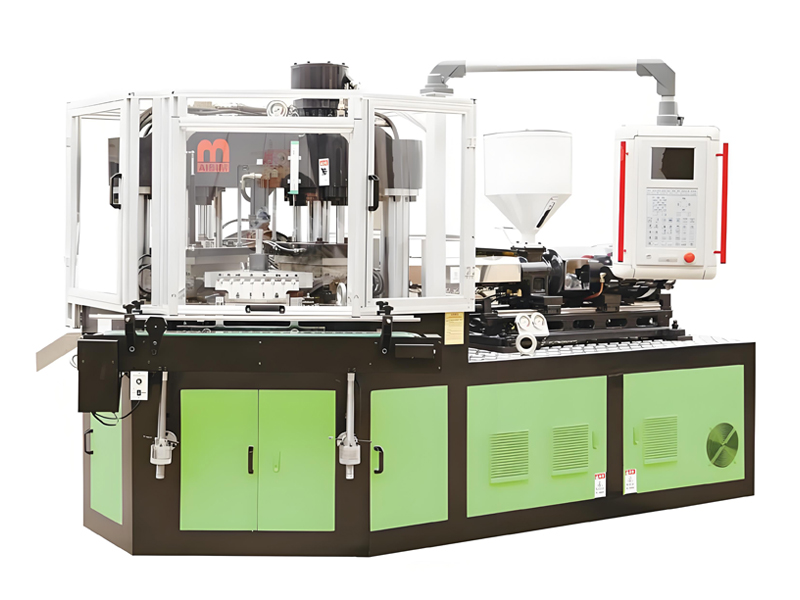
Geräusch pollution in manufacturing facilities represents a significant occupational health concern affecting worker comfort, productivity, and long-term health. Spritz blow molding machines, traditionally characterized by substantial noise levels from hydraulic systems, cooling fans, and mechanical operations, have historically contributed to challenging acoustic environments. However, advanced manufacturers like AiBiM with over 20 years of experience have developed innovative noise reduction technologies enabling injection blow molding machines that operate at significantly reduced noise levels, creating comfortable factory environments while maintaining production performance and efficiency.
Occupational health regulations worldwide establish strict limits on workplace noise exposure to prevent hearing damage and health problems. Typical conventional injection blow molding machines produce noise levels ranging from 85-95 decibels during normal operation, requiring hearing protection and limiting exposure time. Advanced low-noise designs from AiBiM reduce operational noise to 70-80 decibels, approximately 50% lower than conventional machines, creating more comfortable working conditions and potentially reducing hearing protection requirements. This substantial noise reduction transforms the workplace environment while maintaining production capacity and product quality.
The demand for low-noise equipment continues growing as manufacturers recognize the benefits of improved working environments, reduced health risks, and enhanced employee satisfaction. Modern factories seeking to attract and retain skilled workers increasingly prioritize workplace comfort and safety. AiBiM low-noise injection blow molding machines support these objectives by delivering reduced noise levels without compromising production performance or increasing costs, providing manufacturers with solutions for creating more comfortable and compliant workplace environments.
Überlegungen zum Arbeitsschutz in der Fertigung
Das Verständnis arbeitsmedizinischer Aspekte liefert den Kontext für die Bedeutung der Lärmreduzierung in Fertigungsumgebungen. Lärmbelastung ist eine der häufigsten arbeitsmedizinischen Gefahren in industriellen Umgebungen.
Gehörschäden und gesundheitliche Auswirkungen
Prolonged exposure to high noise levels causes permanent hearing damage and various health problems. The inner ear contains delicate hair cells that transmit sound signals to the brain. These hair cells can be damaged or destroyed by excessive noise exposure, causing permanent hearing loss that cannot be medically restored. Hearing damage typically begins with high-frequency sound loss, gradually progressing to affect speech comprehension and overall hearing ability.
Beyond hearing loss, noise exposure causes various health problems including cardiovascular stress, sleep disturbances, and psychological effects. Elevated blood pressure, increased heart rate, and cardiovascular disease risk increase with chronic noise exposure. Sleep disturbances and fatigue affect worker performance and safety. Psychological effects including irritability, anxiety, and reduced concentration impact both work performance and quality of life. These comprehensive health effects make noise reduction critical for worker protection and workplace quality.
Regulatorische Anforderungen und Konformität
Regulatory requirements for workplace noise exposure vary by jurisdiction but universally establish limits for worker protection. Occupational Safety and Health Administration in the Vereinigte Staaten sets permissible exposure limit of 90 decibels over 8-hour workday with hearing protection required above 85 decibels. Europäische Union regulations through the Physical Agents Directive limit exposure to 87 decibels daily peak action level with lower action levels triggering protective measures. Similar regulations exist in most countries with varying limits but common emphasis on hearing protection and exposure limitation.
Compliance requires noise level monitoring, hearing protection provision, and exposure time management for noisy operations. Regular noise assessments measure workplace sound levels identifying areas requiring protection. Hearing protection programs include protective equipment provision, training, and hearing testing. Administrative controls including work rotation limit individual exposure time. Low-noise equipment provides fundamental solution reducing the need for protective measures and enabling more flexible operations.
Arbeitskomfort und Produktivität
Geräusch levels significantly affect worker comfort and productivity beyond regulatory compliance requirements. High noise environments cause communication difficulties requiring shouting or hand signals, increasing errors and reducing efficiency. Mental fatigue increases faster in noisy environments, reducing attention span and decision-making quality. Stress levels increase with noise exposure, affecting both work performance and overall well-being. These effects combine to reduce productivity and increase errors in noisy workplaces.
Studies show productivity improvements of 5-15% in quieter environments. Communication improvements reduce errors and improve collaboration. Reduced fatigue extends effective work periods. Lower stress improves concentration and decision-making. Worker satisfaction increases in comfortable environments, reducing turnover and associated costs. These productivity and quality improvements provide significant business benefits beyond health and regulatory compliance.
Wettbewerbsvorteil auf Arbeitsmärkten
Workplace environment quality increasingly affects competitive advantage in labor markets. Skilled workers seek comfortable, safe working environments and prefer employers who prioritize worker well-being. Manufacturing companies competing for skilled talent increasingly differentiate themselves through workplace quality. Low-noise equipment demonstrates commitment to worker comfort and safety, enhancing employer reputation and attractiveness.
Turnover costs typically represent 50-150% of annual salary for skilled positions. Improved workplace environments reduce turnover, providing substantial cost savings. Worker satisfaction and word-of-mouth recommendations enhance recruitment capabilities. In competitive labor markets, workplace quality can be decisive factor attracting and retaining skilled workers. Low-noise equipment provides competitive advantage in attracting and retaining manufacturing talent.
Geräuschreduzierungstechnologien und Design von AiBiM
AiBiM hat durch umfangreiche Forschung und Entwicklung im Bereich der Akustik umfassende Lärmschutztechnologien entwickelt. Diese Technologien adressieren mehrere Lärmquellen in Spritzblasmaschinen.
Servoantriebstechnologie
Servo drive technology represents fundamental noise reduction technology replacing traditional hydraulic systems with quiet electric servo motors. Hydraulic systems generate substantial noise from pump operation, fluid flow, and pressure fluctuations. Servo motors operate significantly quieter, reducing noise by 10-15 decibels compared to hydraulic equivalents. The variable speed operation of servo motors provides precise control while minimizing noise during partial load operation.
AiBiM machines feature servo-driven injection, clamping, and blow systems eliminating major noise sources from hydraulic operation. Servo motors consume energy only during actual motion, reducing energy consumption by 30-40% while simultaneously reducing noise. The elimination of hydraulic pumps, valves, and fluid flow removes dominant noise sources from conventional hydraulic machines. Servo drive technology provides noise reduction while enhancing precision and energy efficiency.
Schallschutzkapsel-Konstruktion
Acoustic enclosure design provides noise containment and absorption reducing noise transmission from machine components. AiBiM machines incorporate partial acoustic enclosures around major noise sources including motors, pumps, and compressors. Enclosure design combines sound absorption and sound isolation using specialized materials and construction techniques. Multi-layer enclosure panels with mass-loaded vinyl and acoustic foam provide effective noise containment.
Enclosure design optimizes accessibility for maintenance while maximizing noise reduction. Removable panels and access doors enable servicing without compromising noise control. Ventilation requirements balanced with acoustic performance ensuring adequate cooling while maintaining noise reduction. Optimized enclosure geometry reduces noise leakage at openings. Intelligent enclosure design provides significant noise reduction while maintaining service accessibility and machine performance.
Schwingungsdämpfung und -isolierung
Vibration damping and isolation reduce structure-borne noise transmission from machine operation. Machine components including motors, pumps, and moving parts generate vibrations that transmit through machine structure radiating as noise. AiBiM machines incorporate vibration isolation mounts, damping materials, and structural design modifications reducing vibration transmission.
Vibration isolation mounts between machine base and floor prevent ground vibration transmission. Damping materials applied to structural components reduce vibration propagation. Optimized machine stiffness prevents resonance amplification of vibrations. Careful component balancing reduces vibration generation. These vibration control measures complement other noise reduction technologies, providing comprehensive noise control.
Lärmreduzierung des Kühlsystems
Cooling systems represent significant noise sources requiring dedicated noise reduction approaches. Cooling fans generate substantial aerodynamic noise. Compressor noise contributes to overall noise levels. AiBiM machines incorporate quiet cooling system designs including low-noise fans, variable speed operation, and acoustic treatment.
Low-noise cooling fans optimized for aerodynamic efficiency reduce fan noise by 5-8 decibels compared to standard fans. Variable speed operation enables fan speed reduction when cooling demand is lower, further reducing noise. Compressor enclosures and vibration isolation reduce compressor noise contribution. Optimized cooling capacity maintains performance while minimizing noise generation. Advanced cooling system design provides necessary thermal management while reducing noise.
Vergleich der Dezibelwerte mit Industriestandards
Das Verständnis von Dezibelwerten und Industriestandards liefert Kontext für Lärmreduktionserfolge. Dezibelmessungen quantifizieren die Schallintensität mit einer logarithmischen Skala, bei der kleine numerische Unterschiede große Änderungen der wahrgenommenen Lautstärke darstellen.
Typische Lärmpegel in der Fertigung
Typical manufacturing environments exhibit varying noise levels depending on equipment and processes. Heavy manufacturing with large machinery typically experiences 85-100 decibels. Light manufacturing and assembly operations typically range 70-85 decibels. Office environments typically range 40-60 decibels. Conventional injection blow molding machines typically generate 85-95 decibels during operation.
Sound perception doubles approximately every 10 decibels. 85 decibels sounds twice as loud as 75 decibels. 95 decibels sounds four times as loud as 75 decibels. This logarithmic relationship means decibel reductions provide substantial perceived noise improvement. AiBiM noise reduction from 95 decibels to 75 decibels represents approximately 75% perceived noise reduction, dramatically improving workplace comfort.
Vergleich der gesetzlichen Grenzwerte
Regulatory limits vary by jurisdiction but establish maximum permissible exposure levels. Vereinigte Staaten OSHA limit of 90 decibels over 8 hours with hearing protection required above 85 decibels. Europäische Union limit of 87 decibels daily peak action value with lower action levels at 80 decibels requiring hearing protection availability. Many countries implement similar regulations with minor variations in limits and implementation.
AiBiM low-noise machines operating at 70-80 decibels fall below typical regulatory action levels, potentially reducing hearing protection requirements. This regulatory compliance simplification provides operational flexibility while ensuring worker protection. Operating below regulatory limits demonstrates commitment to worker health exceeding minimum requirements.
Vergleichende Vorteile der Lärmreduzierung
Geräusch reduction comparisons illustrate benefits of low-noise technology. Reduction from 95 decibels to 80 decibels reduces perceived loudness by approximately 68%. Reduction from 85 decibels to 70 decibels reduces perceived loudness by approximately 68%. These substantial perceived improvements provide real benefits in workplace comfort and communication.
Communication range improves dramatically with noise reduction. Speech intelligibility range at 95 decibels limited to less than 1 meter requiring shouting. At 80 decibels, normal conversation possible at 1-2 meters. At 70 decibels, normal conversation possible at 3-5 meters. Improved communication enhances collaboration, reduces errors, and improves workplace effectiveness.
Auswirkung der Geräuschreduzierung auf die Produktivität der Bediener
Lärmminderung bietet erhebliche Produktivitätsvorteile über Gesundheit und behördliche Konformität hinaus. Studien zeigen durchgängig Produktivitätsverbesserungen in leiseren Arbeitsumgebungen.
Verbesserung von Konzentration und Fokus
Quiet environments enable better concentration and sustained focus. High noise environments cause distraction and cognitive fatigue, reducing attention span and mental performance. Geräusch reduction enables longer periods of sustained attention and improved task focus. Studies show concentration improvements of 20-30% in quiet environments compared to noisy conditions.
Qualität control tasks requiring attention to detail particularly benefit from noise reduction. Inspection accuracy improves with reduced distractions. Error detection increases when workers can concentrate. Training effectiveness improves with better focus and information retention. These concentration benefits translate directly to improved product quality and reduced defects.
Verbesserung von Kommunikation und Zusammenarbeit
Reduced noise levels enable normal communication between workers. Shouting over machine noise causes communication difficulties, misunderstandings, and errors. Quiet environments enable normal conversation, reducing communication errors and improving collaboration. Coordination between operators, maintenance personnel, and supervisors improves with easier communication.
Team performance improves with better communication. Production planning and coordination between operators becomes easier. Training and instruction more effective when communication unimpeded. Emergency response improved when communication clear and audible. Communication enhancements reduce errors, improve safety, and increase overall team effectiveness.
Verringerung der Ermüdung und verlängerte Produktivität
Quiet environments reduce mental and physical fatigue. Geräusch exposure causes stress responses increasing fatigue and reducing endurance. Workers in quiet environments maintain productivity longer through work shifts. Fatigue-related errors decrease in quiet environments. Extended productivity without quality degradation provides capacity increase without additional resources.
End of shift productivity typically declines as fatigue accumulates. Geräusch reduction slows this decline, maintaining productivity later in shifts. Workers report feeling less exhausted after shifts in quiet environments. Reduced fatigue improves work-life balance and reduces absenteeism. These fatigue benefits provide substantial productivity improvements.
Arbeitszufriedenheit und Mitarbeiterbindung
Workplace environment significantly affects job satisfaction and retention. Workers prefer comfortable, safe working environments. Low-noise equipment demonstrates employer commitment to worker well-being. Improved job satisfaction reduces turnover and associated costs. Positive workplace reputation enhances recruitment capabilities.
Turnover costs represent significant expense for skilled manufacturing positions. Hiring costs including recruiting and training typically range 50-150% of annual salary. Improved job satisfaction reduces turnover, providing substantial cost savings. Experienced workforce provides performance benefits through accumulated knowledge and skills. Job satisfaction improvements provide direct financial benefits through reduced turnover.
Technische Spezifikationen für den geräuscharmen Betrieb
Technische Spezifikationen und Designmerkmale ermöglichen einen lärmarmen Betrieb bei gleichbleibender Maschinenleistung. Das Verständnis dieser Spezifikationen hilft, die Anlagenfähigkeiten zu bewerten.
Spezifikationen des Servomotors
Servo motor specifications determine noise generation and performance. High-efficiency servo motors optimized for quiet operation feature precision rotor balancing and high-quality bearings. Motor enclosures designed for acoustic attenuation reduce motor noise emission. Cooling systems optimized for quiet operation minimize fan noise.
AiBiM servo motors feature noise ratings below 70 decibels at rated speed. Variable speed operation enables optimal speed selection balancing performance and noise. Energie-efficient operation reduces heat generation, enabling lower fan speeds and reduced noise. Advanced servo control algorithms optimize motor operation minimizing noise while maintaining performance.
Strukturelle Konstruktion und Masse
Structural design and mass affect noise transmission and generation. Heavy machine mass reduces vibration transmission. Rigid structure prevents resonant amplification of vibrations. Optimized structural design minimizes noise transmission paths. Careful component selection reduces noise generation sources.
AiBiM machines feature robust steel construction with machine weights ranging from 3.6-10 tons depending on model. Heavy machine bases provide stability and vibration damping. Reinforced frame construction reduces structure-borne noise transmission. Optimized component mounting reduces vibration generation. Structural design optimization provides noise reduction foundation.
Kühlsystemdesign
Das Kühlsystemdesign beeinflusst die Geräuschentwicklung. Geräuscharme, für aerodynamische Effizienz optimierte Lüfter reduzieren den Lüfterlärm. Die Drehzahlregelung der Lüfter ermöglicht die Auswahl der optimalen Drehzahl. Die Kompressorisolierung reduziert die Vibrationsübertragung. Optimierter Luftstrom reduziert die Luftgeschwindigkeit und den damit verbundenen Lärm.
AiBiM cooling systems feature noise-optimized components achieving noise levels below 75 decibels. Variable speed control enables noise reduction during partial cooling load. Multiple smaller fans provide distributed cooling with lower noise than single large fans. Compressor enclosures provide acoustic isolation. Cooling system design optimization provides thermal management with reduced noise.
Pneumatiksystemdesign
Pneumatic systems for blowing operations generate noise through exhaust air and valve operation. Mufflers and silencers reduce exhaust noise. Quiet valve designs reduce valve operation noise. Optimized pneumatic system design minimizes pressure drops and associated noise. Proper pipe sizing and routing reduce air flow noise.
AiBiM pneumatic systems feature noise-optimized components reducing operational noise. Exhaust mufflers reduce blowing air noise to below 70 decibels. Quiet solenoid valves reduce valve actuation noise. Optimized air path design minimizes turbulence noise. Pneumatic system optimization provides quiet blowing operations.
Installation und Wartung zur Geräuschreduzierung
Ordnungsgemäße Installations- und Wartungspraktiken maximieren die Lärmminderungsleistung und halten über die gesamte Anlagenlebensdauer niedrige Geräuschpegel.
Überlegungen zur Installation
Installation practices significantly affect actual noise levels in factory environments. Proper machine leveling and isolation prevent structure-borne noise transmission. Isolation mounts between machine base and floor reduce ground vibration. Adequate spacing between machines prevents noise reflection amplification. Proper foundation design provides stable platform for machine operation.
AiBiM provides installation guidelines for optimal noise reduction. Machine isolation recommendations include appropriate isolation mounts and installation procedures. Spacing guidelines prevent acoustical interference between machines. Foundation specifications ensure proper support and vibration control. Proper installation ensures achieving designed noise reduction performance.
Wartungspraktiken
Regular maintenance maintains noise reduction performance. Worn components including bearings and belts can increase noise generation. Proper lubrication reduces friction noise. Component balancing maintains low vibration. Tightening loose fasteners prevents rattles and vibration noise. Maintenance procedures include noise checks identifying developing noise issues.
AiBiM maintenance schedules include noise inspection points. Bearing replacement before failure prevents noise increase. Belt tension adjustment prevents slippage noise. Component cleaning maintains optimal performance reducing noise. Preventive maintenance maintains low noise levels throughout equipment life.
Akustische Raumbehandlung
Acoustic room treatment complements machine noise reduction. Wall and ceiling sound absorption reduce reverberation and overall noise levels. Acoustic panels and baffles provide sound absorption. Room layout optimization minimizes noise reflection. Room partitioning separates noisy operations from quiet areas.
Akustische Behandlungen reduzieren die Umgebungsgeräuschpegel typischerweise um 3–5 Dezibel zusätzlich zur Maschinengeräuschreduzierung. Die Kombination aus Maschinengeräuschreduzierung und Raumbehandlung bietet eine umfassende Geräuschkontrolle. AiBiM bietet Beratung zur akustischen Raumbehandlung für maximalen Geräuschreduzierungsnutzen.
Überwachung und kontinuierliche Verbesserung
Geräusch monitoring ensures continued compliance with noise reduction objectives. Regular noise measurements track noise levels over time. Geräusch mapping identifies areas requiring attention. Trend analysis detects developing noise issues. Continuous improvement targets maintain and enhance noise performance.
Geräusch monitoring programs establish baseline measurements and track changes. Regular verification ensures compliance with noise objectives. Daten logging provides history for trend analysis. Continuous improvement identifies opportunities for additional noise reduction. Monitoring and improvement programs ensure long-term noise performance.
Kosten-Nutzen-Analyse von Investitionen in die Lärmreduzierung
Die Kosten-Nutzen-Analyse hilft, Investitionen in die Lärmminderung zu bewerten und Ausgaben zu rechtfertigen. Eine umfassende Analyse berücksichtigt sowohl direkte als auch indirekte Vorteile.
Direkte Kosteneinsparungen
Direct cost savings from noise reduction include hearing protection, regulatory compliance, and maintenance costs. Hearing protection program costs including protective equipment, training, and hearing testing typically range USD 500-1500 annually per worker. Reduced hearing protection requirements provide cost savings for large workforces. Regulatory compliance costs including noise monitoring and documentation also reduced.
Maintenance costs may decrease with low-noise technology. Servo systems typically require less maintenance than hydraulic systems. Reduced vibration decreases wear on components. Lower noise levels often correlate with smoother operation and reduced mechanical stress. These maintenance savings provide ongoing financial benefit offsetting initial investment.
Produktivitätssteigerungen
Productivity gains from noise reduction represent significant financial benefit. Studies show productivity improvements of 5-15% in quieter environments. For operations with annual labor cost of USD 1 million, 10% productivity improvement represents USD 100,000 annual benefit. Qualität improvements reducing defects provide additional savings. Reduced training time for new workers due to better communication provides additional benefit.
Production capacity increase without additional resources provides substantial return on investment. Qualität improvements reduce scrap and rework costs. Training efficiency improvements reduce training costs. These productivity benefits compound over equipment lifetime providing substantial return on noise reduction investment.
Reduzierte Fluktuationskosten
Reduced turnover provides substantial cost savings. Turnover costs including recruitment, training, and lost productivity typically range 50-150% of annual salary. For skilled workers earning USD 50,000 annually, turnover costs range USD 25,000-75,000 per employee. Improved job satisfaction reducing turnover by 10% provides substantial savings for medium and large workforces.
Reduced turnover also maintains experienced workforce with accumulated knowledge and skills. Performance benefits from experienced workers provide additional financial benefit. Reduced recruitment workload frees management resources for other priorities. Turnover reduction provides substantial financial and operational benefits.
Analyse der Investitionsamortisation
Investment payback analysis for noise reduction equipment considers incremental equipment cost against savings. Low-noise injection blow molding machines may cost 5-15% more than standard equivalents. For USD 50,000 machine, incremental noise reduction cost may be USD 2,500-7,500. Combined savings from productivity, turnover reduction, and compliance costs typically range USD 10,000-30,000 annually for medium operations.
Payback periods typically range 3-12 months depending on operation size and workforce. Even conservative estimates show payback under 18 months. Long-term benefits provide substantial return on initial investment. Geräusch reduction investment provides attractive financial return while improving workplace quality and compliance.
Arbeitssicherheitskonformität und Zertifizierungen
Arbeitssicherheitskonformität und Zertifizierungen stellen sicher, dass Anlagen geeignete Normen und Vorschriften erfüllen. Lärmarme Anlagen unterstützen Konformitätsinitiativen.
Internationale Lärmnormen
International noise standards establish measurement and evaluation methods. ISO 3744 standard for determination of sound power levels. ISO 11201 standard for measurement of noise emission. ISO 9614 standard for determination of sound power levels using intensity scanning. Compliance with international standards ensures consistent measurement and comparison.
AiBiM machines tested according to international standards ensuring accurate noise level specification. Testing performed in controlled conditions providing reliable noise level data. Documentation includes test conditions and methods enabling verification. Compliance with international standards ensures credible noise level claims.
Regionale regulatorische Konformität
Regional regulatory requirements vary but establish noise exposure limits. Europäische Union Machinery Directive requires noise declaration and labeling. OSHA regulations in Vereinigte Staaten establish workplace exposure limits. Various national regulations establish specific requirements. Compliance with applicable regulations ensures market access and legal operation.
AiBiM provides compliance documentation for various markets. CE declaration of conformity includes noise level declaration. Geräusch level specifications enable workplace compliance planning. Technical documentation supports regulatory filings. Comprehensive compliance support ensures smooth market access and legal operation.
Zertifizierung und Prüfung
Independent certification and testing provide verification of noise reduction claims. Third-party noise testing provides credible validation. Certification bodies verify compliance with standards. Documentation includes test reports and certificates. Certified noise levels provide confidence in equipment performance.
AiBiM provides third-party noise testing results verifying claimed noise levels. Independent testing ensures objective verification. Certification documentation available for customer review. Verified noise levels support compliance initiatives. Certified performance provides assurance of equipment capabilities.
Sicherheitskennzeichnung und Dokumentation
Safety labeling and documentation communicate noise levels and compliance. Geräusch level labels on equipment inform operators of sound levels. Technical documentation includes noise specifications and measurements. Safety manuals address noise protection and exposure limits. Clear labeling and documentation ensure proper awareness and compliance.
AiBiM equipment includes appropriate noise level labeling. Documentation provides comprehensive noise information. Safety guidelines include noise protection recommendations. Complete labeling and documentation ensure proper understanding of equipment noise characteristics and appropriate protection measures.
Leise Maschinenmodelle von AiBiM
AiBiM bietet eine umfassende Palette lärmarmer Maschinen über alle Kapazitätsmodelle hinweg. Jedes Modell integriert Lärmminderungstechnologie bei gleichbleibender Produktionsleistung.
IBM35-Leisemodell
IBM35 low-noise model provides compact solution for small products with reduced noise. Production capacity 500-1200 pieces per hour. Geräusch level during operation typically 70-75 decibels. Servo-driven operation eliminates hydraulic noise. Acoustic treatment on major noise sources reduces sound emission.
Maschinenleistung 25 Kilowatt mit energieeffizientem Betrieb. Gewicht 3,6 Tonnen bietet Schwingungsdämpfung. Preisrahmen 35.000–45.000 US-Dollar mit Geräuschreduzierungsfunktionen. Kompakte Größe passt in begrenzte Räume. Das Modell IBM35 ist ideal für kleine Produktionen mit geringen Geräuschanforderungen.
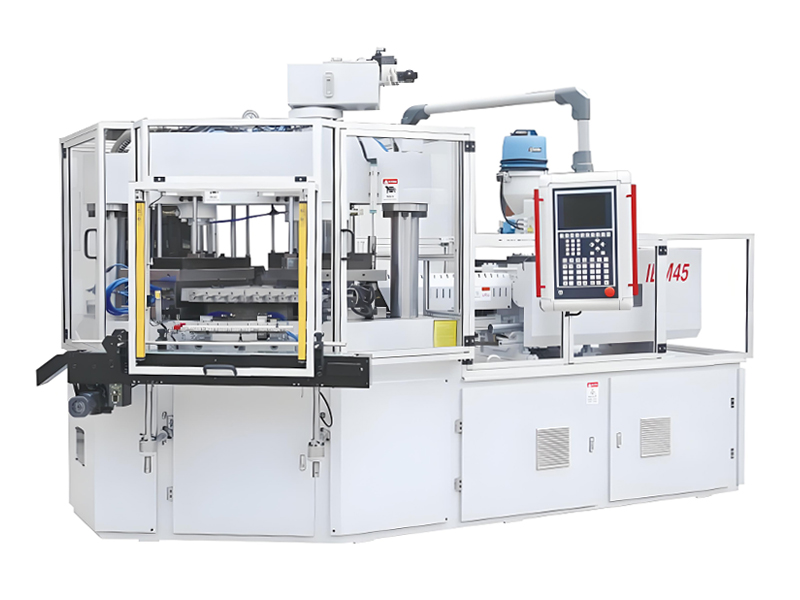
IBM45-Leisemodell
Das geräuscharme Modell IBM45 bietet vielseitige mittlere Kapazität mit Geräuschreduzierung. Produktionskapazität 800–2000 Stück pro Stunde. Geräuschpegel während des Betriebs typischerweise 72–78 Dezibel. Das umfassende Servosystem reduziert hydraulische Geräusche. Eine verbesserte akustische Behandlung reduziert die Schallemission weiter.
Maschinenleistung 36 Kilowatt mit effizientem Betrieb. Gewicht 5,5 Tonnen bietet Stabilität. Preisrahmen 45.000–55.000 US-Dollar mit fortschrittlicher Geräuschreduzierung. Ausgewogene Leistung passt zu vielfältigen Anwendungen. Das Modell IBM45 ist eine ausgezeichnete Wahl für mittlere Produktion mit Geräuschanforderungen.
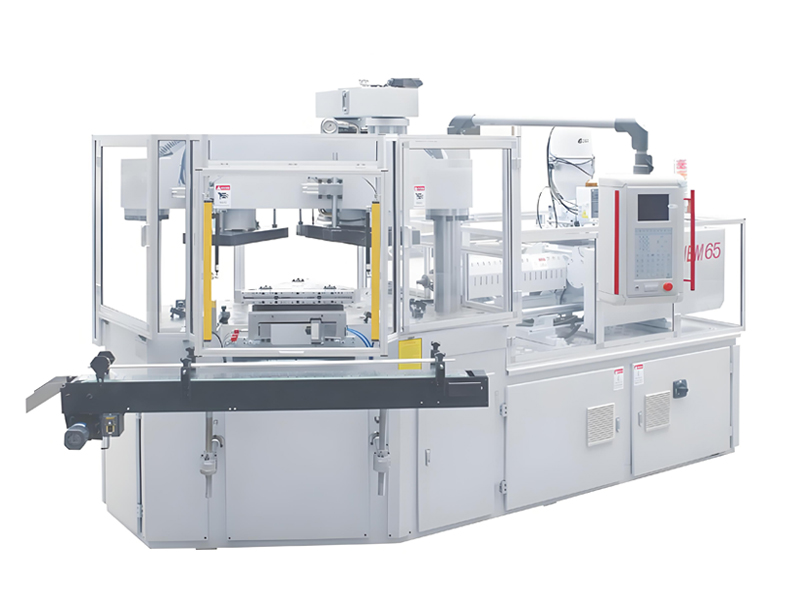
IBM65-Leisemodell
IBM65 low-noise model provides robust large capacity with quiet operation. Production capacity 500-1500 pieces per hour. Geräusch level during operation typically 75-80 decibels. Advanced servo system eliminates major noise sources. Comprehensive acoustic enclosure and treatment minimize sound emission.
Maschinenleistung 52 Kilowatt mit effizientem Betrieb. Gewicht 6,5 Tonnen gewährleistet Stabilität. Preisrahmen 55.000–65.000 US-Dollar mit fortschrittlichen Geräuschreduzierungsfunktionen. Robuste Konstruktion bewältigt anspruchsvolle Anwendungen. Das Modell IBM65 ist ideal für Produktion mit großer Kapazität und Geräuschreduzierung.
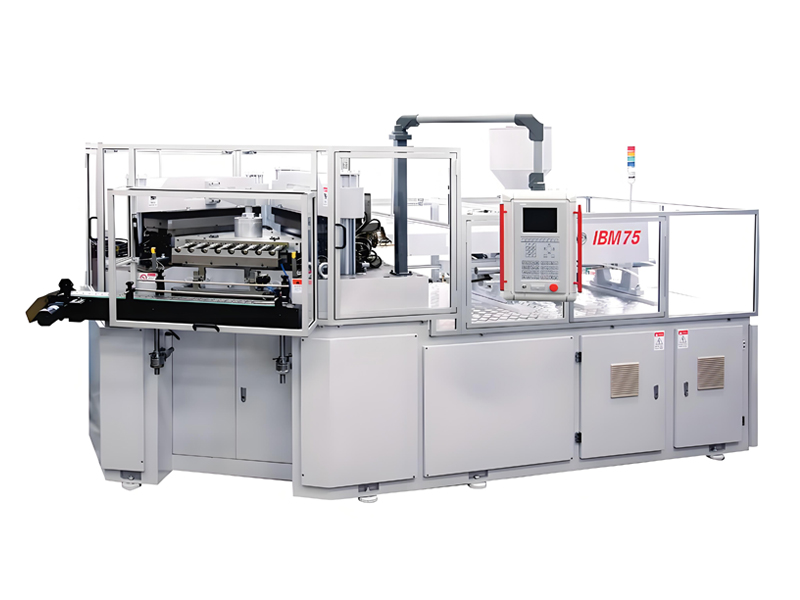
IBM75-Leisemodell
Das geräuscharme Modell IBM75 bietet maximale Kapazität mit leisem Betrieb. Produktionskapazität 400–1200 Stück pro Stunde. Geräuschpegel während des Betriebs typischerweise 75–80 Dezibel. Maximale Servoantriebskapazität eliminiert hydraulische Geräusche. Vollständige akustische Behandlung minimiert die Schallemission.
Maschinenleistung 52 Kilowatt mit Doppelantriebsmotoren. Gewicht 10 Tonnen bietet außergewöhnliche Stabilität. Preisrahmen 60.000–70.000 US-Dollar mit umfassender Geräuschreduzierung. Hochleistungsdesign bewältigt die anspruchsvollsten Anwendungen. Das Modell IBM75 bietet maximale Leistungsfähigkeit bei minimalem Geräusch.
Kundenerfolgsgeschichten: Umsetzung mit geringem Geräusch
Kundenerfolgsgeschichten zeigen die praktischen Vorteile der lärmarmen Umsetzung. Praxisbeispiele veranschaulichen Herausforderungen, Lösungen und Ergebnisse.
Modernisierung einer Lebensmittelverpackungsanlage
A food packaging manufacturer replaced three conventional injection blow molding machines with AiBiM low-noise IBM45 models. The facility operated multiple blow molding machines creating combined noise levels exceeding 90 decibels, requiring hearing protection and causing worker complaints. Replacement with low-noise machines reduced noise levels to 75-78 decibels, below regulatory action levels.
Results included elimination of hearing protection requirement for many operators. Worker satisfaction improved significantly with reduced noise exposure. Communication between operators improved reducing coordination errors. Productivity increased 8% due to improved working conditions. Return on investment achieved within 9 months through productivity gains and reduced compliance costs.
Herstellung von Kosmetikbehältern
A cosmetic container manufacturer installed AiBiM low-noise IBM35 machines for premium container production. The premium product market required high-quality production in comfortable working conditions. Previous equipment generated noise levels causing worker fatigue and reduced quality inspection accuracy.
Low-noise installation reduced noise levels to 70-75 decibels creating comfortable environment. Qualität inspection accuracy improved 15% with better concentration. Worker satisfaction increased reducing turnover. Premium brand image supported by high-quality workplace environment. Customer satisfaction improved through consistent product quality.
Herstellung von Industriebehältern
Ein Hersteller von Industriebehältern setzte geräuscharme AiBiM-IBM65-Maschinen für die Großbehälterproduktion ein. Die Anlage produzierte Industriebehälter mit mehreren großen Maschinen, was eine anspruchsvolle akustische Umgebung schuf. Hohe Geräuschpegel schränkten die Kommunikation ein und verursachten Ermüdung der Arbeiter.
Low-noise implementation reduced noise levels by 15 decibels creating significantly improved environment. Communication between operators and maintenance personnel improved reducing downtime. Reduced fatigue improved productivity and quality. Maintenance efficiency improved through better communication with maintenance teams. Overall productivity increased 12% with noise reduction.
Zukünftige Trends bei lärmarmer Technologie
Zukünftige Trends in der lärmarmen Technologie versprechen weitere Verbesserungen der akustischen Arbeitsumgebungen. Die Technologieentwicklung treibt die Lärmminderungsfähigkeiten weiter voran.
Fortschrittliche Servotechnik
Advanced servo technology continues improving efficiency and reducing noise. Next-generation servo motors feature improved magnetic design and reduced cogging torque further reducing motor noise. Advanced control algorithms optimize motor operation minimizing acoustic emissions. Integrated sensors enable real-time noise monitoring and adaptive control. Servo technology advances provide continued noise reduction.
Aktive Geräuschkontrolle
Active noise control technology uses sound cancellation to reduce noise levels. Microphones detect noise characteristics and generate anti-noise signals through speakers. Anti-noise cancels unwanted sound reducing overall noise levels. Active control effective for low-frequency noise sources. Implementation complexity decreasing with technology advances. Active noise control promises substantial future noise reduction.
Intelligente Überwachung und Steuerung
Smart monitoring and control systems optimize noise performance. Geräusch sensors throughout facility provide real-time noise mapping. Automated systems adjust equipment operation minimizing noise while maintaining production. Predictive maintenance detects developing noise issues before they become problems. Smart control enables continuous optimization of acoustic performance.
Optimierung durch maschinelles Lernen
Machine learning algorithms optimize equipment operation for noise reduction. Learning from operational data identifies noise reduction opportunities. Predictive models optimize operating parameters minimizing noise while maintaining performance. Continuous learning adapts to changing conditions and requirements. Machine learning provides intelligent noise optimization beyond manual programming.
Fazit: Investition in komfortable Fabrikumgebungen
Low-noise injection blow molding machines from AiBiM provide comprehensive solutions for creating comfortable factory environments while maintaining production performance and efficiency. Advanced noise reduction technologies including servo drives, acoustic enclosures, and vibration damping reduce noise levels by 50% compared to conventional machines, creating workplaces below regulatory action levels.
Investment in low-noise equipment provides substantial returns through productivity gains, reduced turnover, and compliance cost savings. Payback periods typically under 12 months provide attractive financial return. Worker satisfaction and retention improvements provide additional benefits beyond direct financial returns. Compliance simplification reduces regulatory burden.
For manufacturers seeking to improve workplace environments, AiBiM low-noise injection blow molding machines provide solutions balancing noise reduction with performance and cost. Over 20 years of experience ensures proven technology and reliable performance. Comprehensive product range across all capacity models provides appropriate solutions for diverse applications. Invest in low-noise equipment for competitive advantage through improved workplace quality, worker satisfaction, and operational excellence.