Überblick: Die versteckten Kosten von Abfall in der Spritzblasformproduktion
The plastic manufacturing industry, particularly injection blow molding (IBM), faces a critical challenge: waste reduction. For most manufacturers, waste is not just an environmental issue but a hidden financial burden that erodes profit margins, slows production, and limits scalability. On average, injection blow molding production lines lose 15-25% of input materials to waste, with additional costs from energy inefficiency, mold damage, and defective products. For small and medium-sized manufacturers, this waste can reduce annual profits by 30% or more.
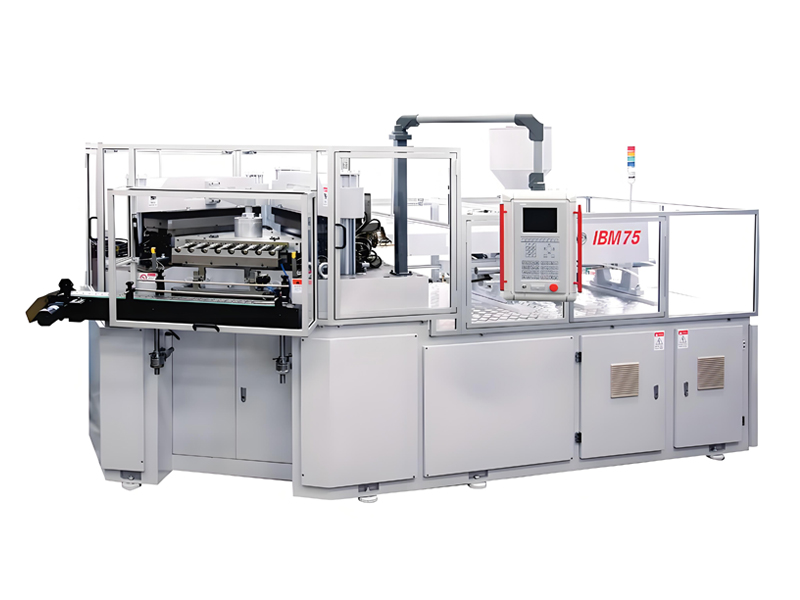
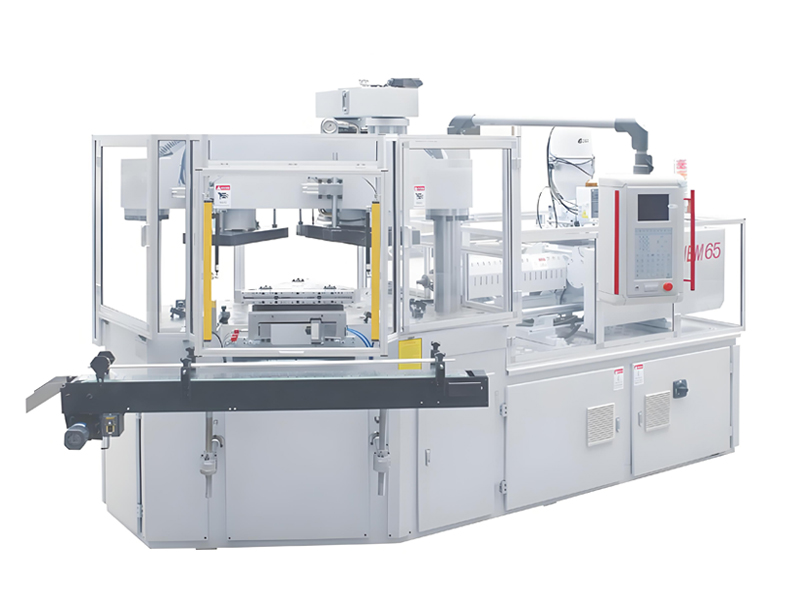
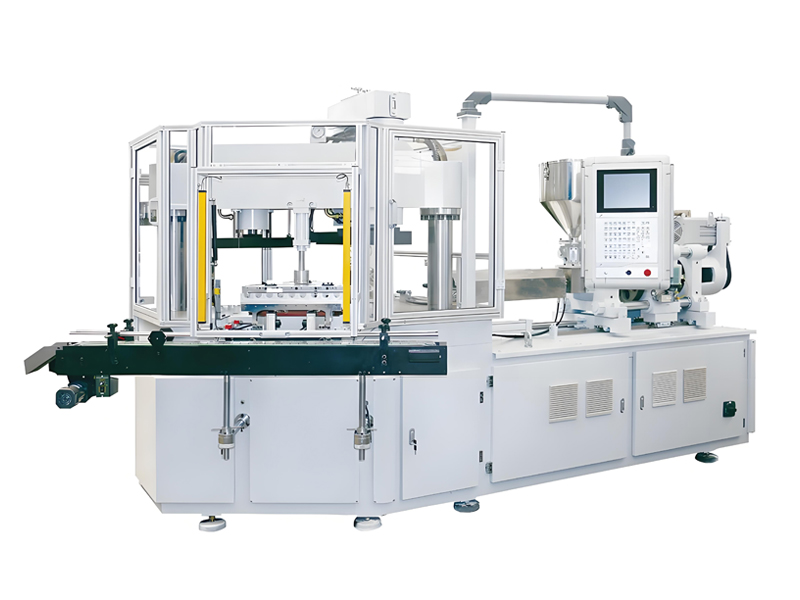
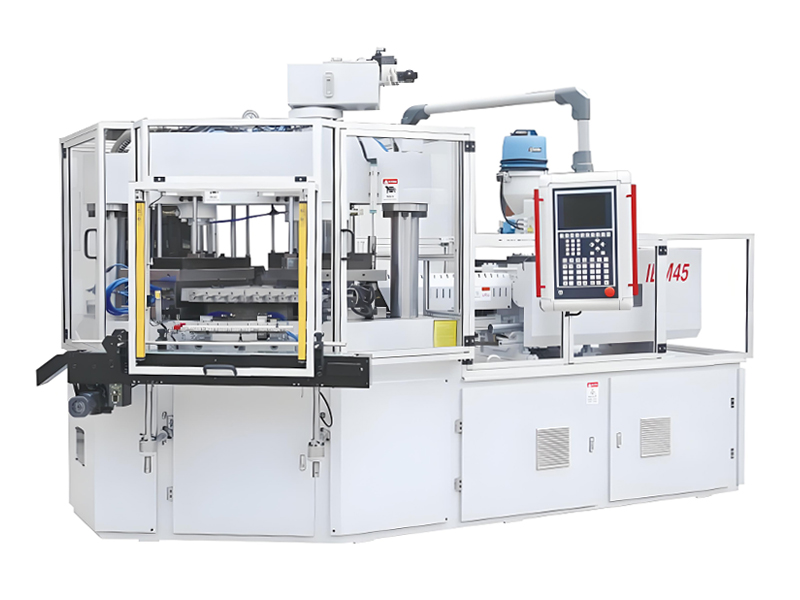
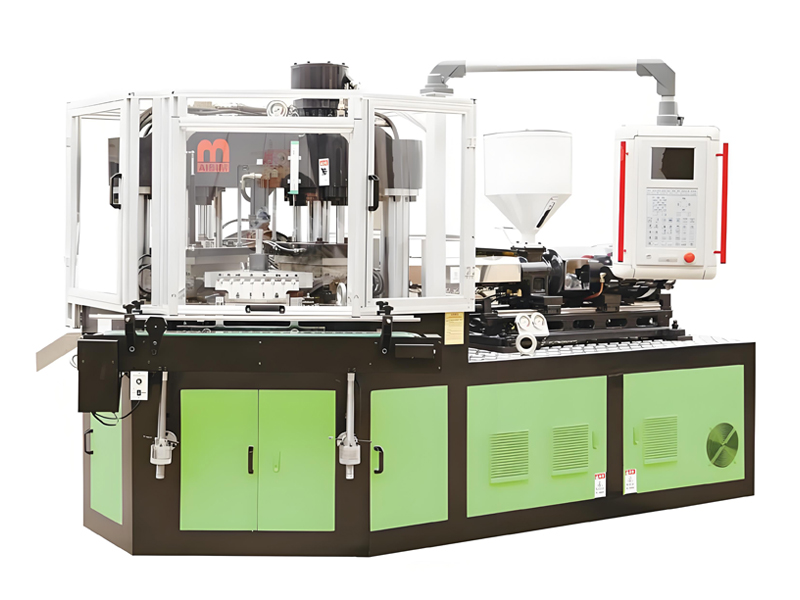
Waste in injection blow molding production spans five core categories: raw material waste, energy waste, mold-related waste, defective product waste, and process inefficiency waste. Each category stems from specific operational gaps, and addressing them requires a combination of process optimization, equipment upgrades, and data-driven management. AiBiM (www.aibim-china.com), a leading manufacturer of injection blow molding machines, has engineered its Spritzblasformmaschine solutions to minimize waste at every production stage, offering manufacturers a cost-effective path to sustainability and profitability.
In today’s market, regulatory pressure for sustainable manufacturing and rising raw material costs make waste reduction non-negotiable. The global plastic waste management market is projected to reach $108.4 billion by 2030, and manufacturers that proactively reduce waste will not only comply with environmental regulations but also gain a competitive edge. This guide explores the root causes of waste in injection blow molding production, provides actionable step-by-step reduction strategies, highlights AiBiM’s built-in waste reduction features, and delivers a detailed cost analysis to help manufacturers quantify the benefits of waste reduction.
Zentrale Abfallarten beim Spritzblasformen und Ursachenanalyse
Um Abfall effektiv zu reduzieren, müssen Hersteller zunächst seine Ursachen identifizieren. Im Folgenden finden Sie eine Aufschlüsselung der häufigsten Abfallarten in der Spritzblasproduktion und ihrer zugrunde liegenden Ursachen, mit datengestützten Erkenntnissen über ihre finanziellen Auswirkungen.
1. Rohstoffabfall: Der größte Kostentreiber
Raw material waste accounts for 60-70% of total production waste in injection blow molding, making it the most critical area for reduction. Key causes include excessive molten material loss, impurity-induced scrap, color change and material switching waste, and poor drying efficiency. For a mid-sized manufacturer producing 10,000 parts daily with a raw material cost of $1.20/kg, 20% material waste translates to nearly $9,000 in monthly losses, a figure that quickly adds up over a full production year.
2. Energieverschwendung: Versteckter Betriebskostenfaktor
Energie waste makes up 10-15% of total production costs, driven by inaccurate temperature control, continuous equipment operation during low demand, inefficient cooling systems, and outdated non-servo hydraulic setups. A large-scale injection blow molding machine running 24/7 can waste $12,000 to $18,000 annually on excess energy alone, with smaller machines still losing $3,000 to $6,000 per year in avoidable energy costs.
3. Formbedingter Ausschuss: Vermeidbarer Stillstandsverlust
Mold-related waste covers mold damage, replacement costs, and production downtime, representing 8-12% of total waste. Poor maintenance shortens mold life by 50%, while misalignment and flawed design create consistent defects. Mold replacement costs range from $5,000 to $50,000 per set, and unplanned downtime can cost $1,000 to $3,000 per hour, making mold care a high-priority waste-reduction step.
4. Ausschuss durch fehlerhafte Produkte: Lücken in der Qualitätskontrolle
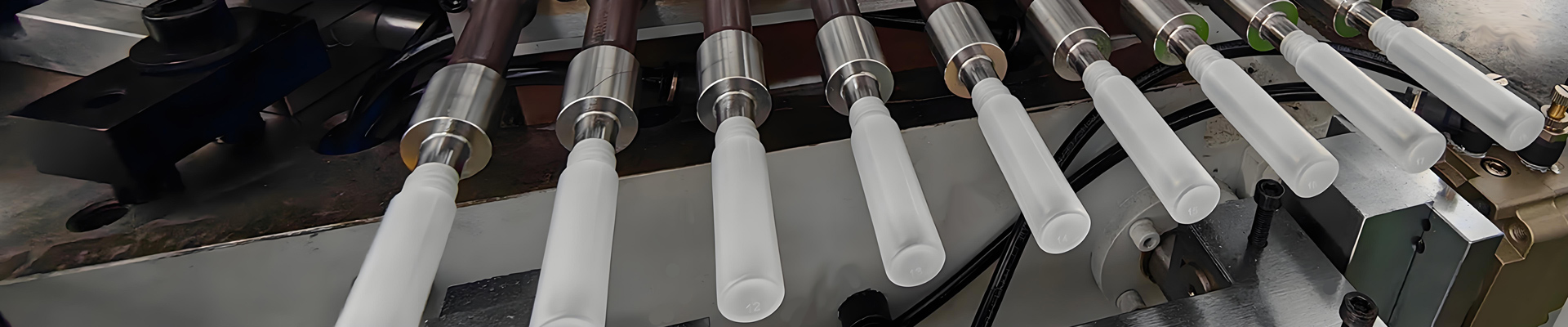
Defective products account for 5-10% of total waste, caused by uneven wall thickness, resin degradation, contamination, and inconsistent cooling. For manufacturers selling finished parts at $5 each, a 10% defect rate leads to over $180,000 in annual losses for a line producing 3,000 units daily, not including recall risks or damaged customer relationships.
5. Prozessineffizienz-Abfall: Betriebliche Lücken
Process waste makes up 5-8% of total losses, stemming from excessive manual labor, poor production scheduling, lack of real-time data monitoring, and untrained operators. Human error alone can increase overall waste by 5-10%, while long changeover times reduce effective production hours and raise per-unit costs significantly.
Schritt-für-Schritt-Strategien zur Abfallreduzierung beim Spritzblasformen
1. Rohstoffabfallreduzierung: Materialeffizienz maximieren
Start with optimized resin drying using AiBiM’s integrated precision dryer, an optional upgrade priced at $2,500-$5,000, which reduces moisture-related defects by 90%. Store resins in sealed, dry containers to avoid contamination, and use the NIR impurity sensor standard on AiBiM ABM-200 and ABM-300 models to filter harmful particles before processing.
Calibrate injection volume to match product size, cutting over-injection waste by 30-50%. AiBiM’s servo-driven injection system ensures consistent pressure and material flow, minimizing flash and excess parison. For color and material changes, the quick-purge barrel upgrade ($3,000-$7,000) slashes purging waste by 60-80%, while batching production by color reduces switch frequency and further cuts material loss.
Fügen Sie ein geschlossenes Ausschuss-Recyclingsystem (8.000–15.000 US-Dollar) hinzu, um Grat und akzeptable fehlerhafte Teile zu mahlen und wiederzuverwenden und so den Einsatz von Neuware-Harz um 20–30 % zu reduzieren. Verwenden Sie nur zertifizierte lebensmitteltaugliche oder industrietaugliche Recyclingharze, um die Produktqualität zu erhalten und eine erneute Kontamination zu vermeiden.
2. Reduzierung von Energieverschwendung: Betriebskosten senken
Upgrade to AiBiM’s servo-driven injection blow molding machine models to lower energy use by 30-40% compared to traditional hydraulic machines. The smart temperature control module, standard on ABM-300 and optional for smaller models at $4,000-$8,000, maintains ±0.5℃ accuracy, eliminating repeated heating and saving 15-20% on heating energy.
Run machines based on real demand rather than full capacity at all times, and use AiBiM’s built-in energy-saving mode to reduce consumption during idle or low-output periods. Clean cooling circuits weekly and upgrade to high-efficiency water chillers ($5,000-$12,000) to cut cooling energy waste by 25-30%. Recover waste heat from the barrel and hydraulic system to preheat raw material, gaining an extra 5-10% energy savings with no additional equipment cost.
3. Formbedingte Abfallreduzierung: Formlebensdauer verlängern und Fehler reduzieren
Verwenden Sie das kundenspezifische Niedriggrat-Formdesign von AiBiM, das den Materialüberlauf um 40–60 % reduziert und die Fehlerraten an der Quelle senkt. Standardisieren Sie Formwechselverfahren mit Schnellwechselvorrichtungen (3.000–6.000 US-Dollar), um die Umrüstzeit von 1–2 Stunden auf 15–20 Minuten zu verkürzen und Stillstandsabfall zu reduzieren.
Implement a weekly mold maintenance routine: clean cavities, lubricate moving parts with food-grade lubricant, and check for wear or misalignment. Replace worn molds before they cause mass defects, as preventive maintenance costs 50% less than emergency replacement and production halts. AiBiM provides free mold maintenance training with every machine purchase, helping teams extend mold life from 6-12 months to 2-3 years.
4. Prozess- und Produktionsabfallreduzierung: Arbeitsabläufe optimieren
Automate material feeding, defect detection, and part handling with AiBiM’s optional automation package ($10,000-$25,000), cutting manual labor needs by 60-70% and reducing human error. Use real-time production monitoring to track waste rates, cycle times, and defect counts, adjusting parameters immediately to avoid sustained losses.
Train operators on standardized settings for each resin and product type, with AiBiM’s free 2-3 day on-site training included with every machine. Optimize production scheduling to group similar jobs together, reducing changeover frequency and material waste. For multi-product factories, this simple shift can lower overall process waste by 12-18% within one month.
5. Reduzierung von Fehlausschuss: Verbesserung der gleichbleibenden Qualität
Verwenden Sie das automatische Wanddickenkontrollsystem von AiBiM, um gleichmäßige Teilwände sicherzustellen, Dünnstellen-Fehler zu eliminieren und die Ausschussraten um 30–50 % zu senken. Stellen Sie stabile Temperatur- und Druckprofile für jeden Harztyp ein und vermeiden Sie Überhitzung, die Zersetzung und Verfärbung verursacht.
Maintain a sealed production environment to prevent dust and oil contamination, and use in-line optical inspection tools ($4,000-$9,000) to catch defects early before full processing. Standardize cooling times based on part size and resin type, avoiding under-cooling that causes warping and over-cooling that wastes energy and time.
AiBiM-Spritzblasformmaschine: Eingebaute Funktionen zur Abfallreduzierung
AiBiM designs every injection blow molding machine to reduce waste from the first production cycle, with standard and optional features that target every waste category. The 316L food-grade stainless steel barrel and screw prevent material sticking and degradation, cutting resin waste by 8-12% compared to standard carbon steel components.
The servo hydraulic system lowers energy waste by 30-40% while improving injection precision, and the multi-zone PID temperature control maintains ±0.5℃ accuracy to avoid thermal degradation. The closed-loop feeding system with NIR impurity detection stops contaminated material before processing, reducing scrap from impurities by 90%.
AiBiM’s quick-purge design minimizes color-change waste, while the low-flash mold matching system reduces flash material by 40%. Optional integrated scrap granulators feed regrind directly back into the production line, creating a closed-loop system that cuts virgin material use by 20-30%. All AiBiM machines include a touch-screen control panel with saved parameter presets, reducing setup errors and process waste by 15-20%.
Kostenanalyse und Preisschätzung für Abfallreduzierungslösungen
1. Preisspanne der AiBiM-Spritzblasformmaschine (2026 FOB Shanghai)
Kleine ABM-100 (500–1000 Stück/h): 25.000–35.000 US-Dollar, ideal für kleine Fabriken und Start-ups. Mittlere ABM-200 (1000–3000 Stück/h): 50.000–80.000 US-Dollar, die beliebteste für die allgemeine Produktion. Große ABM-300 (3000–6000 Stück/h): 120.000–300.000 US-Dollar, ausgelegt für die Hochvolumen-Massenproduktion.
2. Kosten & Einsparungen durch Abfallreduzierungs-Upgrade
Precision resin dryer: $2,500-$5,000, saves 5-8% on raw material monthly. Quick-purge barrel: $3,000-$7,000, cuts color-change waste by 60%. Closed-loop scrap system: $8,000-$15,000, reduces resin cost by 20-30%. Servo energy system: included in standard models, saves $3,000-$18,000 yearly on energy. Mold quick-change fixture: $3,000-$6,000, cuts downtime waste by 40%.
3. ROI-Berechnung für Investitionen zur Abfallreduzierung
A mid-sized factory investing in AiBiM ABM-200 ($65,000) plus $15,000 in waste-reduction upgrades for a total $80,000 investment typically sees: 20% lower raw material cost ($1,200/month saved), 30% lower energy cost ($450/month saved), 25% lower defect waste ($800/month saved), and 15% lower labor cost ($300/month saved). Total monthly savings reach $2,750, with full ROI achieved in just 30 months. For factories running two or three shifts, ROI drops to 10-15 months, making waste-reduction upgrades highly profitable.
Fallstudien: Abfallreduzierung mit der AiBiM-Spritzblasformmaschine
Fall 1: Südostasiatischer Hersteller von Kunststoffverpackungen
Das Werk verwendete zuvor traditionelle Spritzblasmaschinen mit 22 % Gesamtabfall. Nach der Umstellung auf die AiBiM ABM-200 mit Ausschussrecycling und Servosystemen sank der Materialabfall auf 7 %, der Energieverbrauch um 28 %, und die jährlichen Einsparungen erreichten 78.000 US-Dollar. Der ROI war nach 14 Monaten erreicht.
Fall 2: Europäischer Spielzeugteilehersteller
Ein deutscher Spielzeughersteller hatte mit 18 % Fehlerausschuss und hohen Energiekosten zu kämpfen. Die AiBiM ABM-100 mit Wandstärkenkontrolle und intelligenten Temperatursystemen reduzierte die Fehler auf 0,5 %, senkte den Energieverbrauch um 26 % und ermöglichte es dem Unternehmen, die EU-Umweltstandards zu erfüllen und gleichzeitig die Gewinnmargen um 12 % zu steigern.
Fall 3: Chinesische Fabrik für Kunststoffprodukte des täglichen Bedarfs
Eine große Fabrik in Guangdong ersetzte fünf alte Maschinen durch AiBiM-ABM-300-Linien, reduzierte den Gesamtabfall von 24 % auf 9 %, verlängerte die Formlebensdauer um 70 % und senkte die jährlichen Produktionskosten um 460.000 $. Die gesamte Investition war in 11 Monaten amortisiert.
Bewährte Verfahren zur langfristigen Abfallreduzierung
Conduct daily machine checks for leaks, temperature accuracy, and feeding issues to catch small problems before they create large waste. Track weekly waste data by category to identify repeating issues and adjust processes accordingly. Train new operators within one week using AiBiM’s standardized manuals to maintain consistent setup and reduce human error.
Update machine control software annually to access the latest efficiency algorithms, and replace wearing parts like screws and seals on schedule rather than waiting for failure. Partner with AiBiM’s after-sales team for quarterly performance reviews, which help identify additional waste-reduction opportunities specific to your production lineup.
FAQ zur Abfallreduzierung in der Spritzblasformproduktion
F1: Wie viel Ausschuss kann ich mit einer AiBiM-Spritzblasmaschine realistisch reduzieren? A: Die meisten Anwender reduzieren den Gesamtabfall innerhalb von 2-3 Monaten von 15-25 % auf 6-10 %, wobei der Materialabfall die größte Verbesserung verzeichnet.
F2: Erfordern Upgrades zur Abfallreduzierung umfangreiche Werksumbauten? A: Nein, alle AiBiM-Upgrades sind Plug-and-Play, wobei die Installation in 1-3 Tagen vom eigenen Team der Fabrik oder von AiBiM-Technikern abgeschlossen wird.
F3: Können sich kleine Fabriken Abfallreduzierungsverbesserungen leisten? A: Ja, AiBiM bietet Einstiegs-Upgrades ab 2.500 USD an, und selbst kleine Maschinen liefern innerhalb von 6-12 Monaten messbare Einsparungen.
F4: Beeinflusst die Abfallreduzierung die Produktqualität? A: Nein, die Reduzierung von Abfall in der Spritzblasproduktion verbessert Konsistenz, Maßgenauigkeit und die Einhaltung von Sicherheitsstandards.
F5: Wie oft sollte ich die Maschine warten, um den Abfall gering zu halten? A: Tägliche 15-minütige Kontrollen, wöchentliche gründliche Reinigung und monatliche Kalibrierung sind ausreichend, um niedrige Abfallraten und eine lange Maschinenlebensdauer zu erhalten.
Fazit
Reducing waste in injection blow molding machine production is one of the most effective ways to lower costs, improve profitability, and meet global sustainability standards. Waste is not an unavoidable cost of production—it is a solvable problem through optimized processes, high-quality equipment, and targeted upgrades.
AiBiM’s full line of injection blow molding machines is engineered to minimize material, energy, mold, defect, and process waste at every stage, with transparent pricing, reliable performance, and strong return on investment. Whether you run a small startup or a large mass-production factory, AiBiM provides tailored solutions to cut waste, boost efficiency, and strengthen your market position.
Um mehr über die abfallreduzierenden Spritzblasmaschinenmodelle von AiBiM, kundenspezifische Upgrades und detaillierte Kostenangebote zu erfahren, besuchen Sie www.aibim-china.com oder kontaktieren Sie das offizielle Vertriebsteam für ein kostenloses Produktionsaudit und einen personalisierten Effizienzplan.